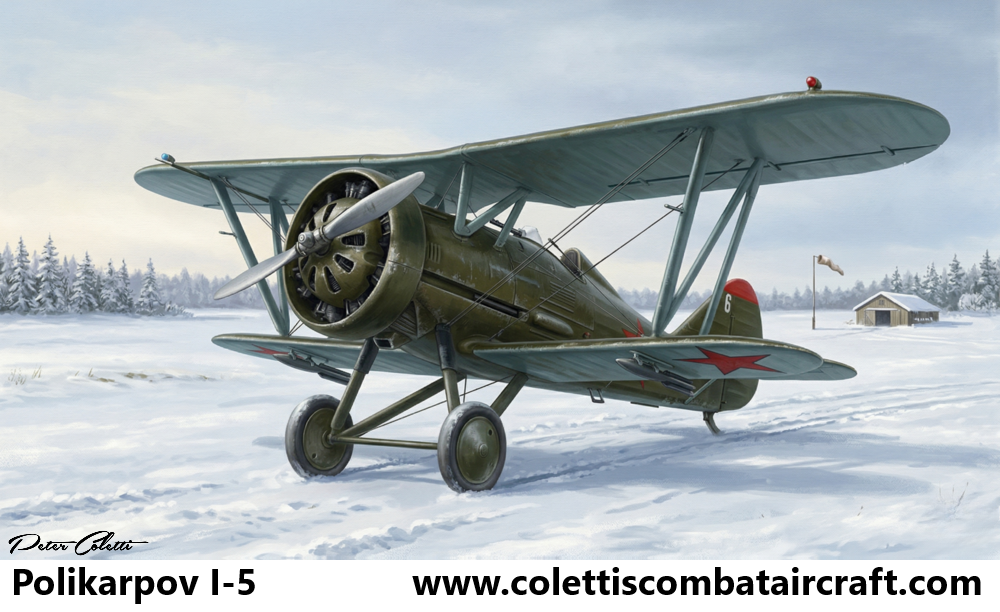
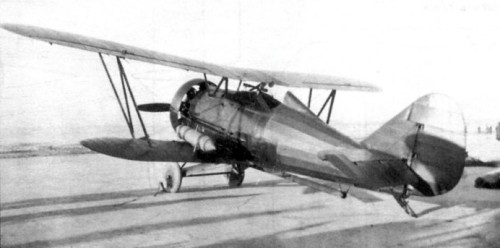
By the outbreak of World War II in 1939, the I-5 was already obsolete as a frontline fighter.
Designed in the early 1930s, it had been replaced in combat units by more modern monoplanes like the I-16.
Most I-5s had been reassigned to training roles or stored in reserve.
Emergency Reintroduction (1941)
Following the devastating losses of Soviet aircraft during the initial phase of Operation Barbarossa in June 1941, the Soviet Air Force faced a severe shortage of combat-ready aircraft.
In response, surviving I-5s were hastily reactivated and modified for ground-attack duties.
Combat Modifications
Equipped with up to four machine guns.
Fitted with bomb racks under the wings.
Used primarily for night harassment bombing and light ground-attack missions.
Operated by ad hoc units, often flown by training school graduates or militia pilots.
Operational Use and Limitations
Missions were typically flown at low altitude and low speed, making the I-5 vulnerable to enemy fighters and flak.
Despite its limitations, the aircraft contributed to delaying German advances and supporting partisan operations.
Its rugged construction and simplicity made it suitable for rough field operations.
Retirement (Early 1942)
As Soviet aircraft production recovered and modern types like the Il-2 became available, the I-5 was withdrawn from combat service.
Most remaining airframes were scrapped or returned to training roles.
The I-5’s brief return to combat in 1941–42 is a testament to Soviet improvisation and resilience under extreme pressure.
The Variants
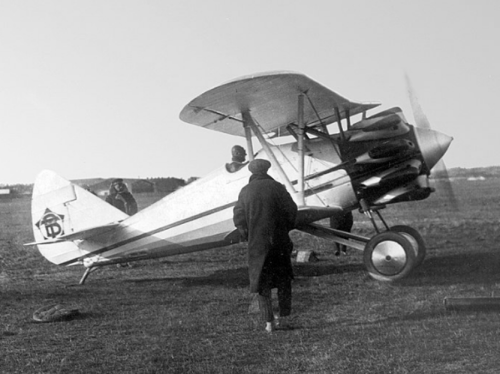
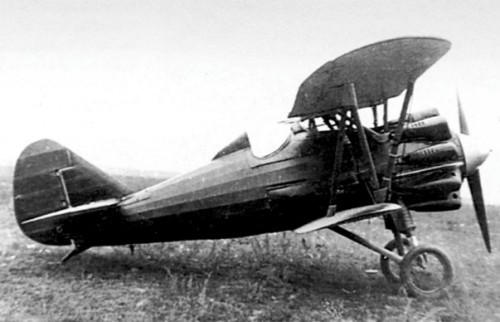
First Prototype (I-5 No. 1)
Powered by a Bristol Jupiter VII radial engine.
Featured mixed construction
steel tube fuselage with duralumin and fabric skin.
First flight
29 April 1930.
Served as the basis for refining aerodynamics and structural layout.
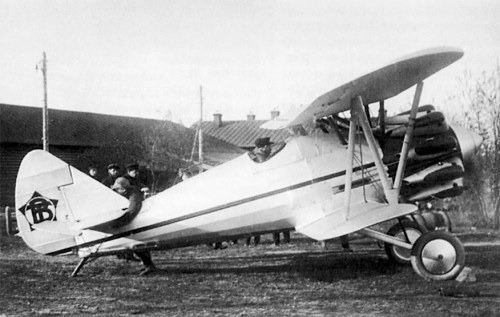
Second Prototype (I-5 No. 2)
Incorporated minor structural refinements and control surface adjustments.
Used for flight testing and performance validation.
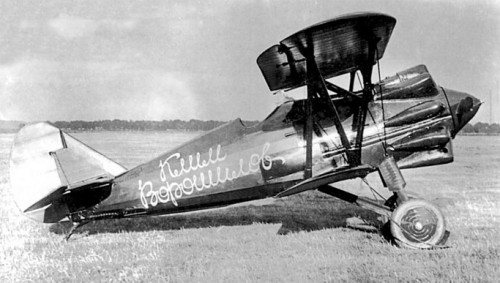
Third Prototype (I-5 No. 3)
Finalised production configuration.
Standardised engine installation and armament layout.
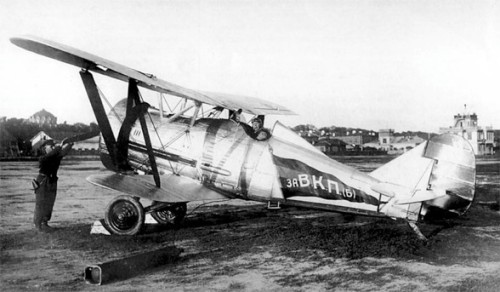
Production Variant I-5 Standard Fighter (1931–1934)
Main production model
803 were built, including prototypes.
Powered by the M-22 engine (a licensed Bristol Jupiter).
Armament
two 7.62 mm PV-1 machine guns.
Served as a frontline fighter until 1936, then reassigned as an advanced trainer.
Field Modifications & Late-War Use I-5 Ground Attack Conversion (1941–1942)
After Operation Barbarossa, surviving I-5s were retrofitted for ground attack.