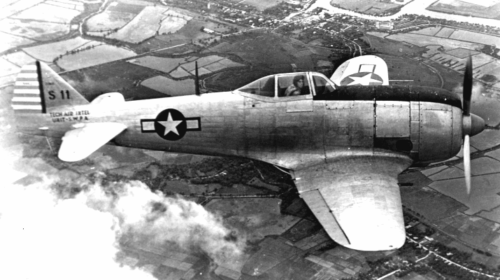
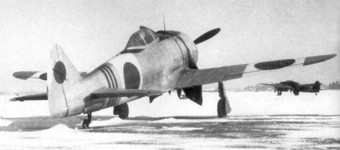
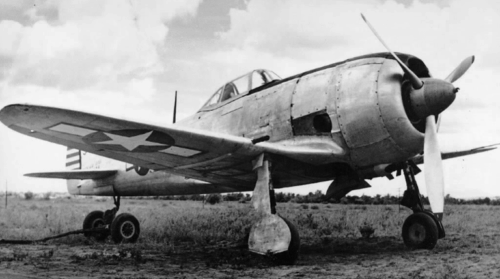
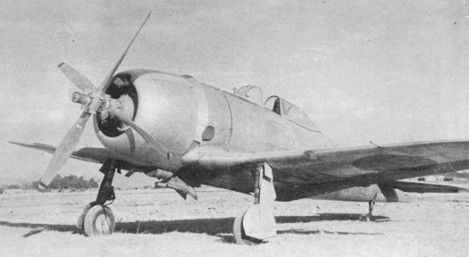
By 1938–39, the Imperial Japanese Army Air Force (IJAAF) recognised that its doctrine of ultra‑light, highly manoeuvrable fighters (Ki‑27, early Ki‑43) was becoming obsolete.
Encounters with Soviet aircraft at Khalkhin Gol and intelligence on Western bomber development pushed the Army to demand a fast‑climbing interceptor capable of destroying modern, well‑built aircraft.
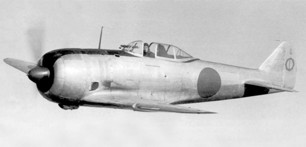
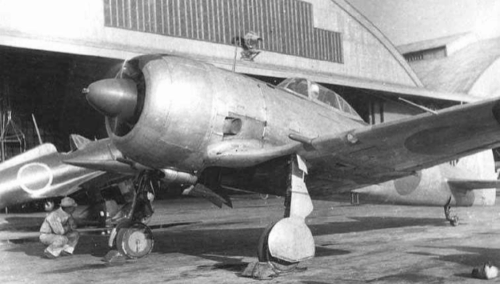
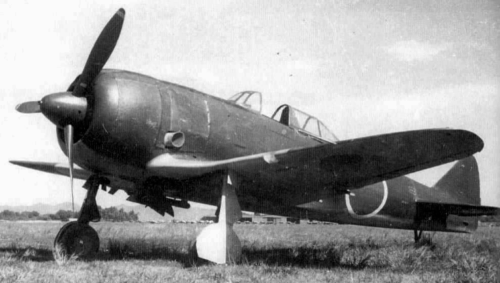
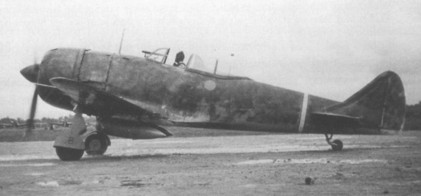
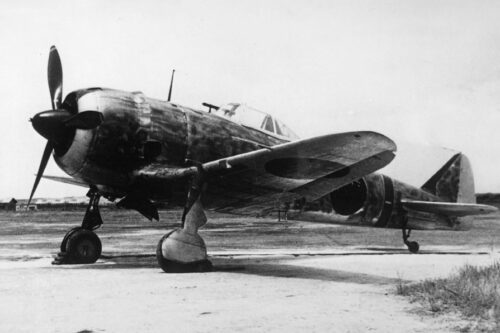
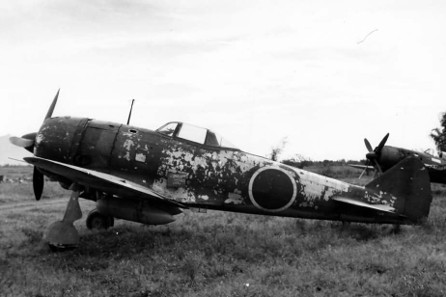
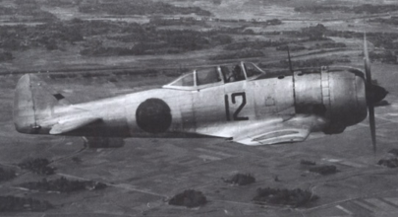
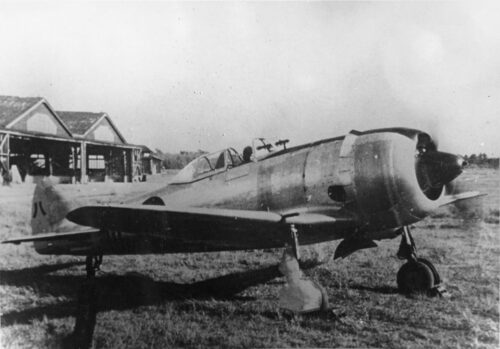
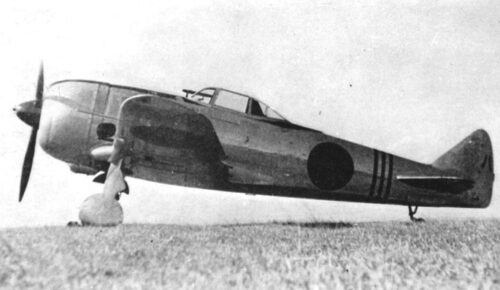
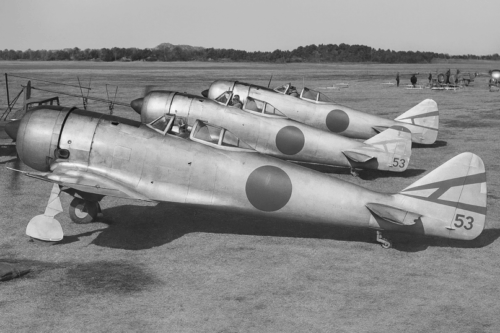
Nakajima’s answer was the Ki‑44 Shōki, the first IJAAF fighter to prioritise the following:
High speed, high climb rate, heavy armament, energy fighting.
This made it a radical departure from Japanese design philosophy.
Early Service (1941–1942)
Pre‑Production Combat Trials
Before formal acceptance, the IJAAF deployed prototype and pre‑production Ki‑44s to the 47th Independent Chutai in Indochina in late 1941.
This was an unusual step, reflecting the urgency of evaluating the new interceptor in real combat.
Operational Use
Point‑defence of Saigon and forward bases
Interception of Allied reconnaissance aircraft
Escort missions during the Malaya and Burma offensives
Pilots initially disliked the high wing loading and unforgiving landing characteristics, but the aircraft’s speed and climb rate were immediately appreciated.
Expansion of Combat Use (1942–1943)
China Theatre
The Ki‑44 saw extensive early service in China with units such as the following: