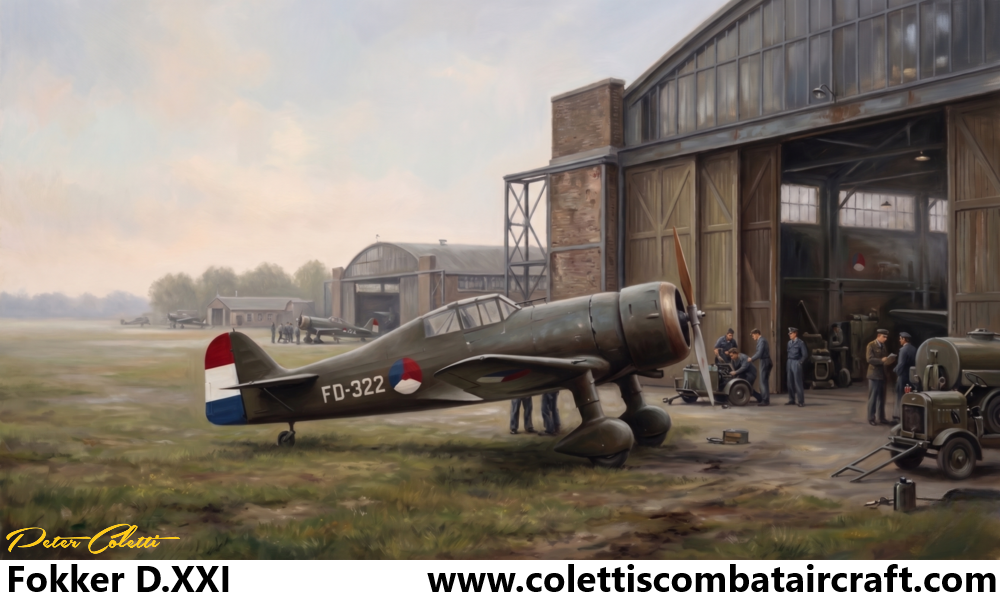
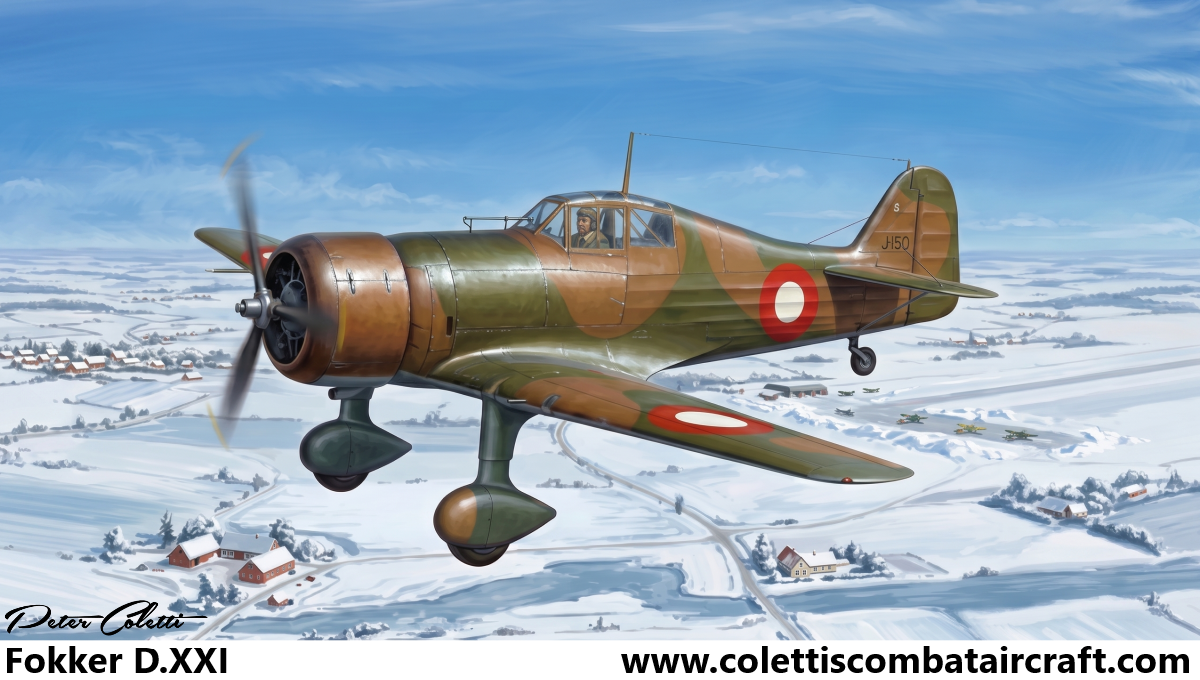
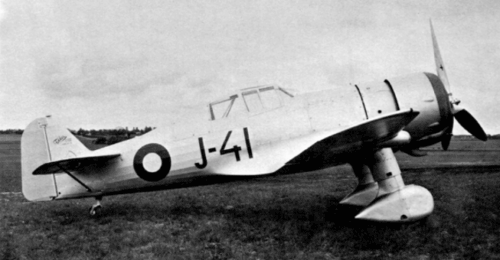
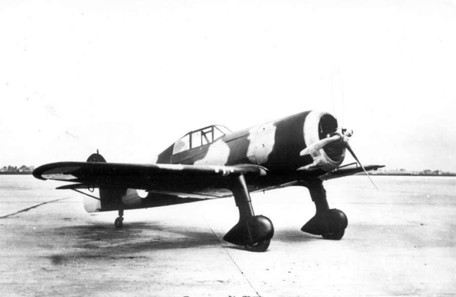
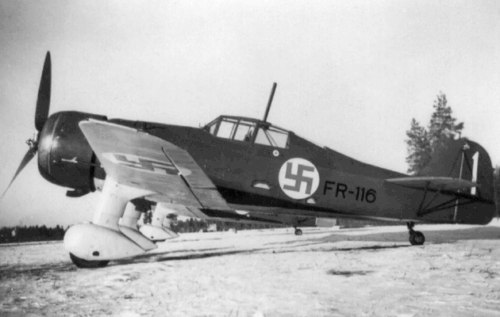
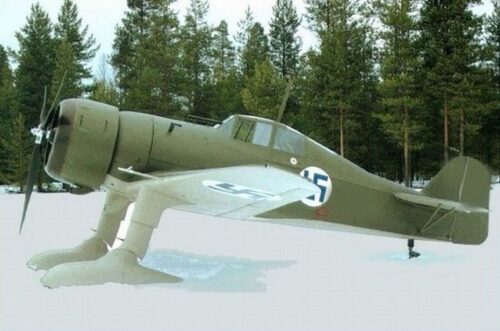
Designed in 1935 by Fokker for the Royal Netherlands East Indies Army Air Force, the D.XXI was a rugged, low-wing monoplane with fixed landing gear and a radial engine.
It was intended to be affordable and effective for colonial defence.
Dutch Army Air Force
The Netherlands ordered 36 aircraft powered by Bristol Mercury VII or VIII engines.
These were delivered between 1938 and 1939.
Combat Use
During the German invasion of the Netherlands in May 1940, only 28 D. XXIs were operational.
They were deployed across three units: De Kooy (Den Helder), Schiphol (Amsterdam), and Ypenburg (Rotterdam).
Performance
Several Luftwaffe aircraft were shot down during the brief campaign.
Aftermath
Some captured D. XXIs were reportedly used by the Luftwaffe for training or secondary roles.
Operational History – Finnish Service
Winter War (1939–1940)
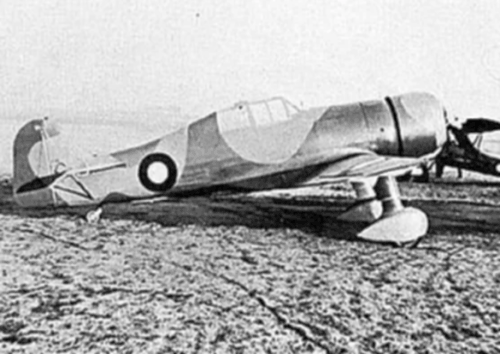
Finland acquired seven D.XXIs in 1937 and later produced 93 under licence.
These aircraft were used extensively against Soviet forces.
Modifications
Finnish-built D.XXIs included versions with Pratt & Whitney Twin Wasp Junior engines and wing-mounted machine guns.
They were adapted for harsh conditions and rugged terrain.
Continuation War (1941–1944)
The D.XXI remained in frontline service, performing reconnaissance, interception, and ground-attack missions.
Though increasingly outdated, Finnish pilots achieved notable success due to superior tactics and familiarity with the aircraft.
Legacy
Finnish D. XXIs were among the most successful users of the type, with some remaining in service until 1948.
Operational History – Danish Service
Denmark acquired Dutch-built D.XXIs and also produced 10 aircraft under licence at the Royal Army Aircraft Factory in Copenhagen.
These Danish-built aircraft retained the Mercury VI-S engine and were tailored with heavier armament than the Dutch versions.
The Danish Air Force was among the few to operate the D.XXI before the German invasion of Denmark in April 1940.
Operational Role
The Danish D.XXIs were intended to bolster national air defence amid rising tensions in Europe.
However, their operational impact was limited due to the rapid German occupation.
Unlike Finland, which used the D.XXI extensively in combat, Denmark’s use was brief and largely symbolic.
Prototypes
The Fokker D.XXI was conceived in response to a 1934 requirement from the Royal Netherlands East Indies Army Air Force (ML-KNIL) for a rugged, affordable fighter suited to colonial service.
Design Origins
Designer
Erich Schatzki, working for Fokker in Amsterdam.
Initial Concept
A low-wing monoplane with an enclosed cockpit and fixed landing gear, emphasising simplicity and durability.
Engine Consideration
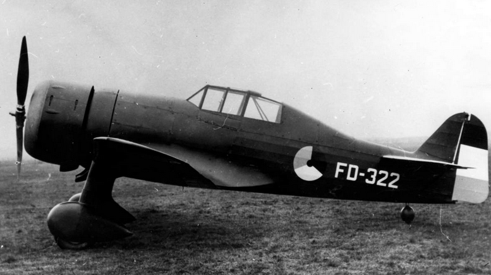
Originally designed around the Rolls-Royce Kestrel IV inline engine but ultimately fitted with the Bristol Mercury VI-S radial engine for the prototype.
Prototype Development
Designation
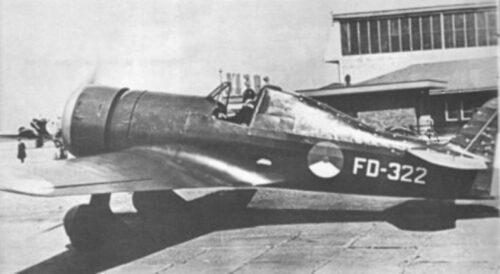
FD-322.
Engine
Bristol Mercury VI-S, air-cooled radial, driving a three-blade, two-pitch propeller.
First Flight
27 March 1936 at Welschap Airfield, Eindhoven, piloted by Emil Meinecke.
Performance Goals
Max speed
420 km/h at 4,350 m
Range
888 km
Ceiling
10,000 m
Evaluation and Fate
The prototype was built for evaluation by the ML-KNIL, but it was never adopted for service in the Dutch East Indies.
It was later demonstrated in the Indies but was destroyed on the ground at Andir Airfield in 1942 during a Japanese attack.
D.XXI-1 (Mercury VIS)
Pattern aircraft supplied to Denmark, three built, powered by 645 hp (481 kW) Bristol Mercury VIS engines.
Armed with 2x 8 mm (0.315 in) machine guns and 2x 20 mm (0.787 in) Madsen cannon
D.XXI-1 (Mercury VIII)
Production aircraft built at the Royal Army Aircraft Factory: ten built powered by 830 hp (619 kW) Bristol Mercury VIII engines.
D.XXI-2
53 Built, of which 36 were delivered to the RNLAF.
D.XXI-3
Finnish licence-built D.XXI-2s, fitted with additional 20 mm (0.787 in) cannons in 1940.
Number built
35
D.XXI-4
Upgraded D.XXI-3, powered by 825 hp (615 kW) Pratt & Whitney R-1535-SB4C-G Twin Wasp Junior engines.