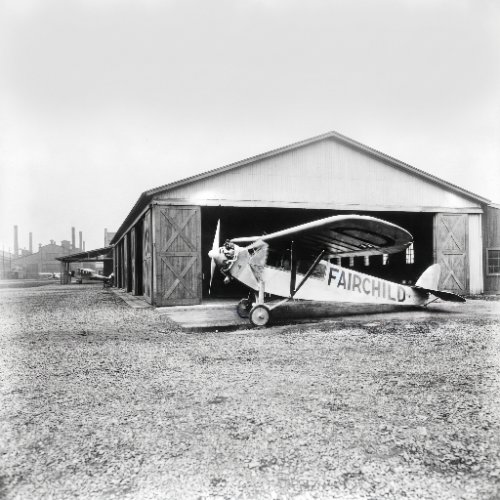
The Fairchild FC‑2 emerged from Sherman Fairchild’s need for a stable, enclosed‑cabin aerial‑survey aircraft for his company, Fairchild Aerial Surveys.
Fairchild had approached several manufacturers with specifications for an ideal camera platform, but when their quotes proved excessive, he purchased facilities at Farmingdale, New York, and chose to build the aircraft in‑house.
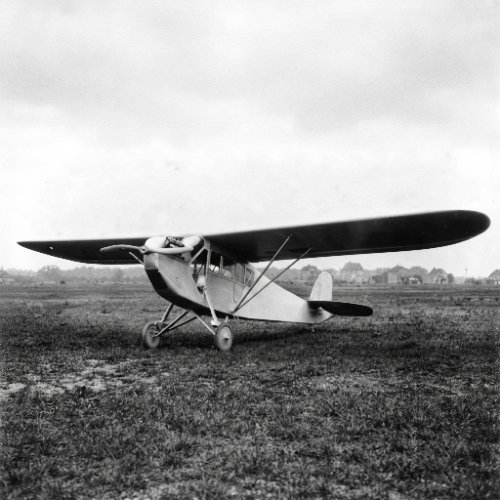
The prototype FC‑1, designed by Norman McQueen and Alex Klemin, first flew on 14 June 1926.
It was a high‑wing, strut‑braced monoplane with a fully enclosed cabin, folding wings, and extensive glazing for photography.
Initial tests showed the Curtiss OX‑5 engine was inadequate, so Fairchild replaced it with a Wright J‑4 Whirlwind of double the horsepower, redesignating the aircraft FC‑1A.
With further refinement—including increased cabin volume and multiple engine options—the design entered production as the Fairchild FC‑2 in 1927.
FC-1
Design and Construction
Airframe and Layout
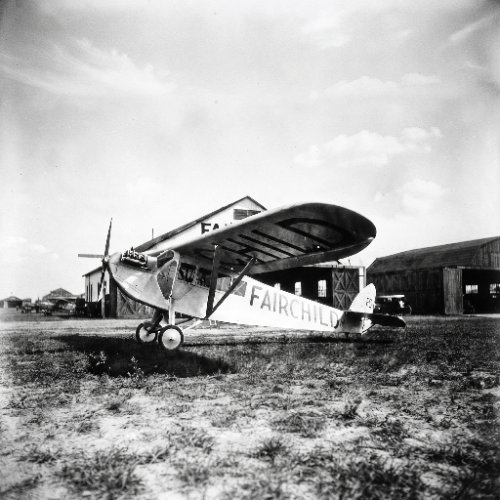
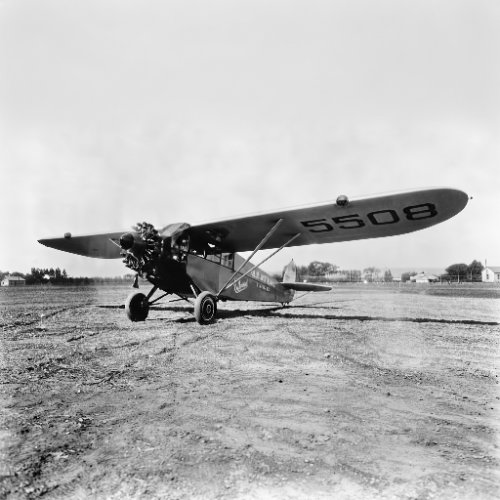
The FC‑2 was a single‑engine, high‑wing, strut‑braced monoplane built for versatility and ruggedness.
Its construction included:
Welded steel‑tube fuselage, fabric‑covered
Wooden wings, fabric‑covered, with folding capability for storage
Tailwheel undercarriage
Extensively glazed cabin for aerial photography
The cabin could carry one pilot and four passengers, or equivalent freight and camera equipment.
Large windows and a removable floor plate provided downward and oblique photographic views.
FC-1
Bush‑Plane Adaptability
The FC‑2 was designed to operate in remote environments:
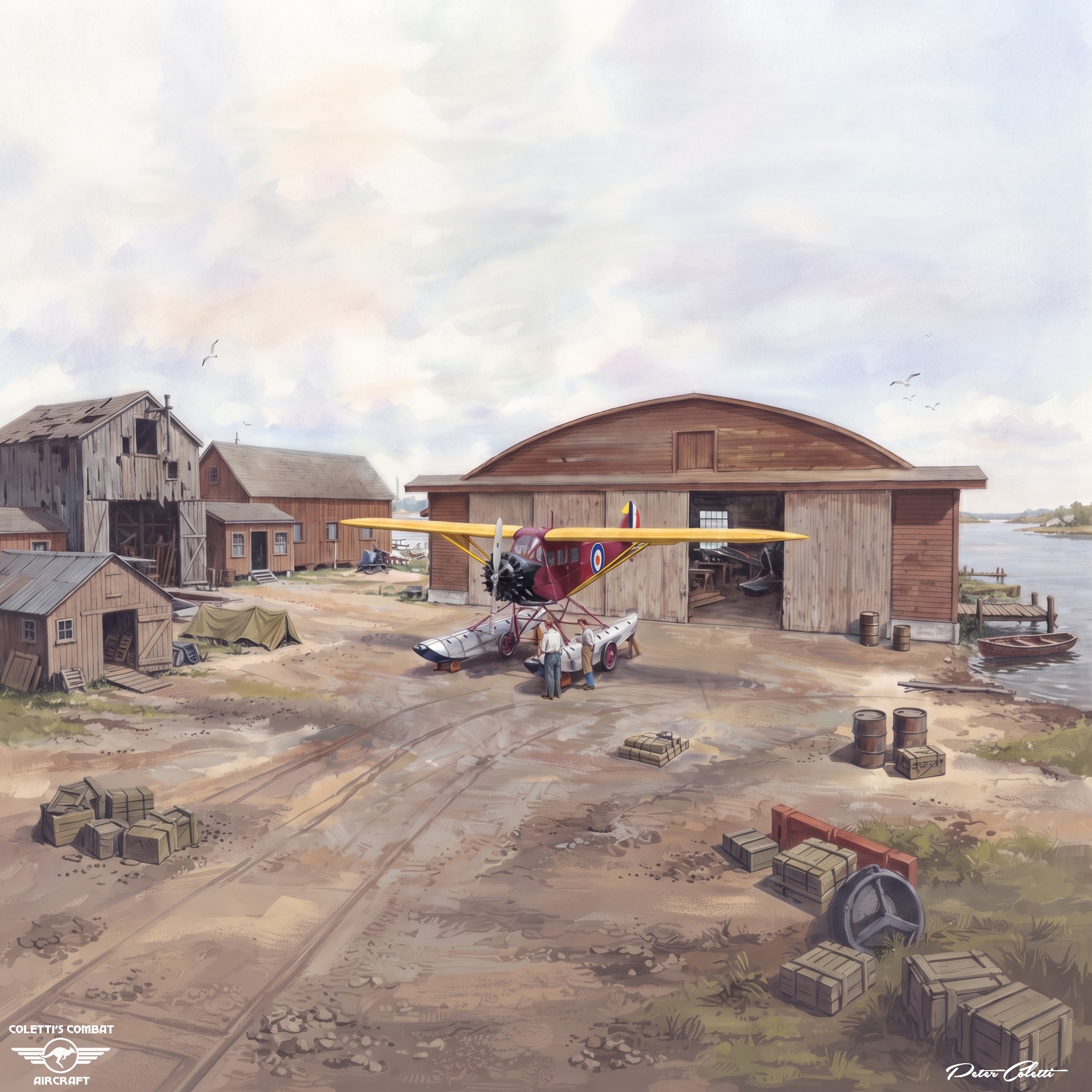
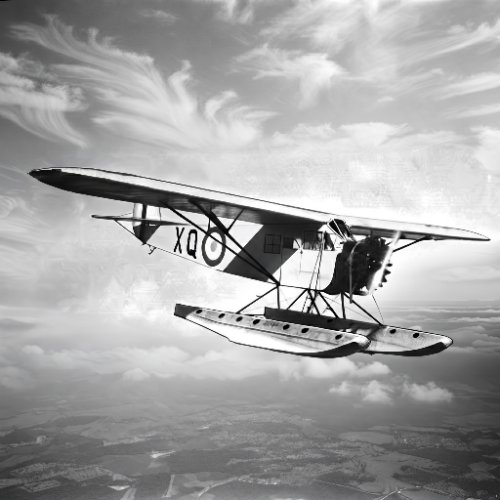
Wheels, skis, or floats could be fitted depending on terrain.
Robust structure allowed operations in extreme climates, including the Canadian North and Andean mountains.
A spacious cabin enabled rapid reconfiguration for cargo, mail, or survey equipment.
These features made the FC‑2 one of the earliest successful North American bushplanes.
Powerplant and Performance
The FC‑2 was produced with several engines, most commonly the Wright J‑5 Whirlwind radial of 220 hp.
Representative Specifications (Base FC‑2)
Wingspan: 13.41 m
Length: 9.45 m
Empty weight: ~1,012 kg
Maximum speed: 196 km/h
Cruise speed: ~110 mph (inferred from J‑5 performance)
Range: 1,127 km
Crew: 1
Passengers: 4
FC‑2W‑2 Variant Performance
Engine: 420‑hp Pratt & Whitney Wasp B
Cruise speed: 174 km/h
Capacity: 1 pilot + 6 passengers
These figures illustrate the aircraft’s ability to carry substantial loads over long distances—ideal for survey, mail, and exploration work.
Variants
FC‑1 / FC‑1A (Prototypes)
First flight: 14 June 1926
Curtiss OX‑5 replaced by Wright J‑4
Led directly to FC‑2 production.
FC‑2 (Production Model)
Increased cabin volume
Multiple engine options
Wheels, skis, or floats
Early production aircraft with three rear longerons earned the nickname “Razorback”.
FC‑2L (Photographic Variant)
Enclosed, heated cabin
Extra windows for an improved downward view
Used by the Royal Canadian Air Force for survey work.
FC‑2W (Cargo Variant)
Pratt & Whitney Wasp radial engine
Increased wingspan for greater lift
Optimised for freight and exploration.
FC‑2W‑2 (Extended Fuselage Variant)
Lengthened fuselage
More powerful 400–420 hp engines
Used in high‑profile expeditions.
Operational History and WWII Context
Commercial and Exploration Use (1927–1939)
The FC‑2 quickly became a staple of early commercial aviation:
Colonial Air Transport used the FC‑2W on the New York–Boston airmail route in 1927, making it the first enclosed‑cabin monoplane to carry U.S. airmail on a regular commercial route.
Pan American Airways used an FC‑2 on its initial Key West–Havana mail run in October 1927.
In Latin America, FC‑2s operated the first scheduled passenger flight in Peru on 13 September 1928 (Lima–Talara).
Explorers also relied on the FC‑2:
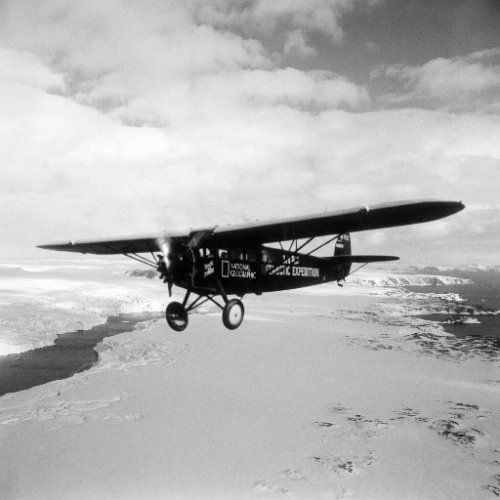
Richard E. Byrd used an FC‑2W‑2 (“Stars and Stripes”) during his Antarctic expeditions (1928–1930 and 1933–1935).
Charles Collyer and John Mears used an FC‑2W for their record‑breaking around‑the‑world trip in 1928.
Military Use
The Royal Canadian Air Force operated FC‑2Ls for aerial photography and later as light transports.
The FC‑2 family predates WWII, but some aircraft continued operating into the early war years, mainly in Canada and Latin America, performing:
Survey and mapping
Mail and supply transport
Remote‑area logistics
They were not used in front‑line combat roles, but their mapping and transport work contributed indirectly to wartime infrastructure and resource development.
Production and Legacy
Production Numbers
Approximately 150 FC‑2s and early variants were built between 1927–1928.
Combined FC‑2/FC‑2W production reached ~40 airframes, according to some sources, though broader counts, including licensed and Canadian production, reach ~180.
Legacy
The FC‑2 was one of the first commercially successful enclosed‑cabin utility monoplanes in North America.
It established Fairchild as a major manufacturer and directly influenced later designs such as the Fairchild 71 and Fairchild 82.
Its combination of:
Enclosed cabin
Folding wings
Rugged bush‑plane capability
Photographic specialisation made it a foundational aircraft in aerial survey, bush flying, and early commercial aviation across the Americas.
Summary
The Fairchild FC‑2 was a pioneering high‑wing utility monoplane developed from the FC‑1 prototype to meet Sherman Fairchild’s aerial‑survey needs.
First flown in 1926 and entering production in 1927, it featured a welded steel‑tube fuselage, wooden folding wings, extensive cabin glazing, and adaptability to wheels, skis, or floats.
Powered typically by Wright Whirlwind engines, it became a versatile bushplane, mail carrier, and exploration aircraft.
Variants such as the FC‑2L and FC‑2W expanded its capabilities for photography and cargo.
Although not a WWII combat aircraft, the FC‑2 continued serving into the early war years in survey and transport roles.
Its influence on later Fairchild designs and its role in early commercial aviation cement its place as one of the most important American utility aircraft of the late 1920s.