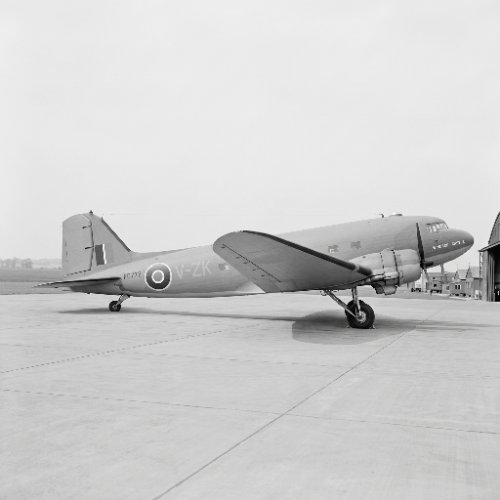
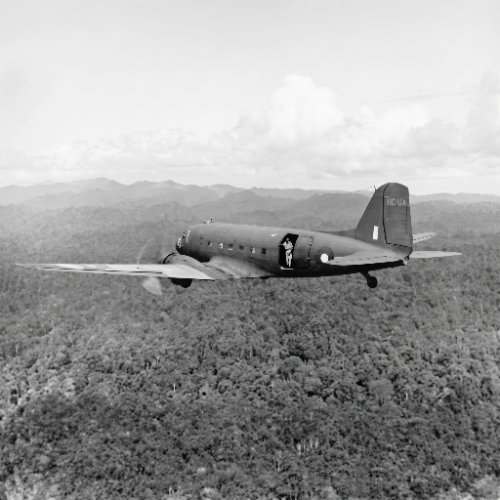
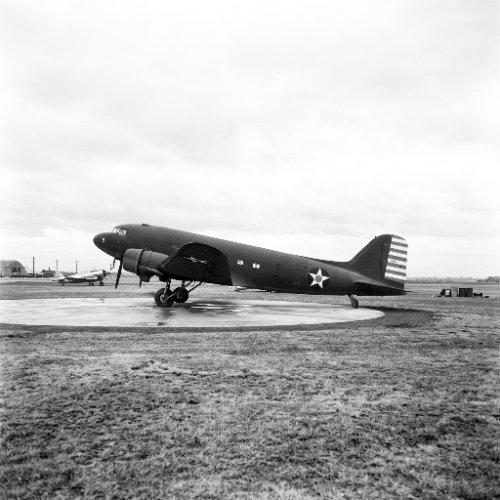
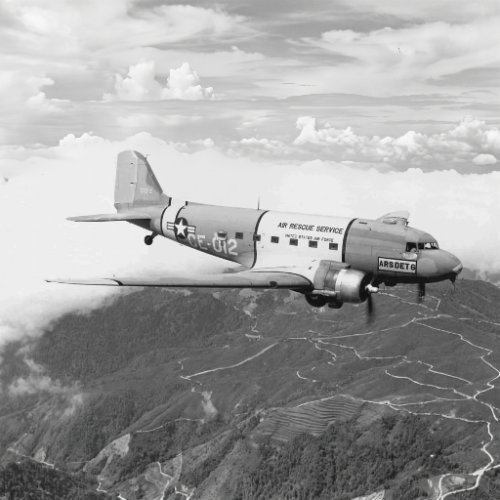
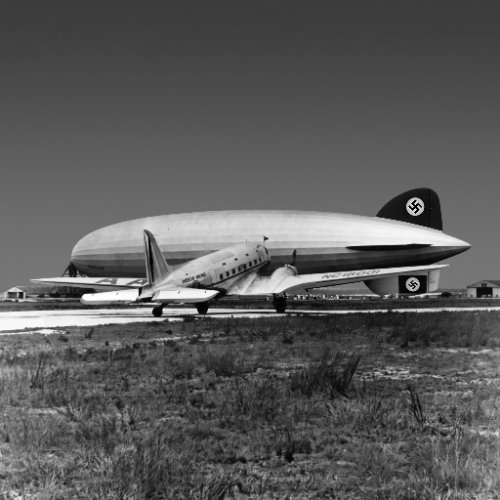
The Douglas DC‑3 and its military derivative, the C‑47 Skytrain (Dakota in Commonwealth service), form one of the most consequential aircraft families in aviation history.
Their development reshaped commercial air travel, and their military service during World War II made them indispensable to Allied logistics, airborne operations, and global transport.
Douglas DC-3
Origins and Development
From DC‑2 to DC‑3
The DC‑3 began as an evolution of the Douglas DC‑2, designed to meet American Airlines’ request for a sleeper transport capable of comfortable overnight transcontinental service.
Douglas responded with the Douglas Sleeper Transport (DST), a lengthened, widened, and more powerful development of the DC‑2.
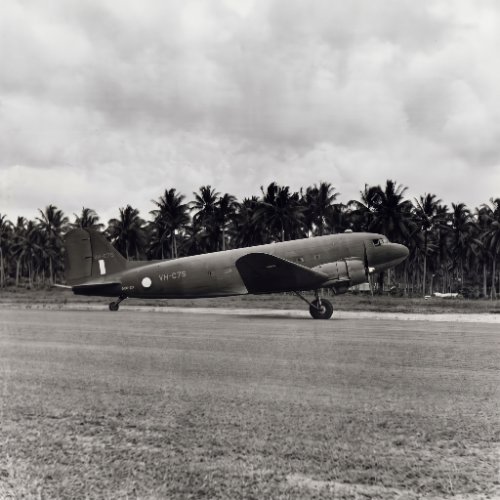
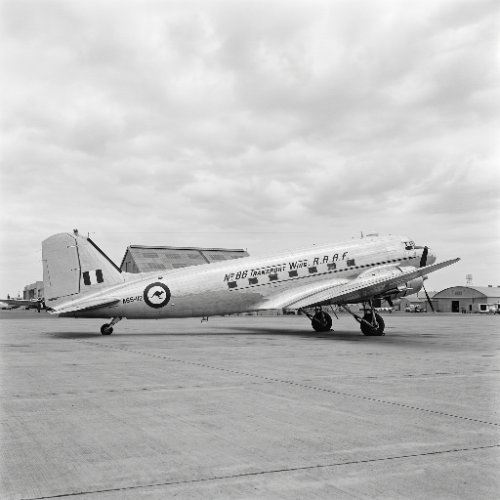
Douglas Dakota
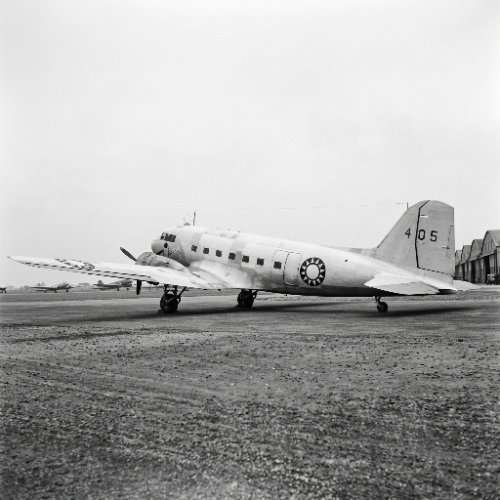
The first DC‑3 flew on 17 December 1935, and the type entered service in 1936.
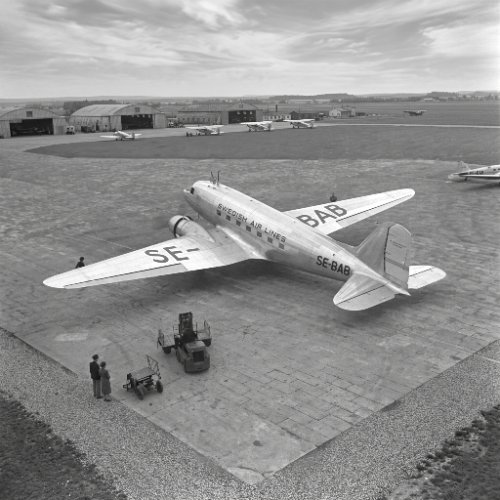
The DC‑3’s combination of speed, reliability, and passenger comfort revolutionised civil aviation.
By 1939, around 90% of the world’s airline traffic was carried by DC‑3s or their variants, demonstrating the aircraft’s dominance.
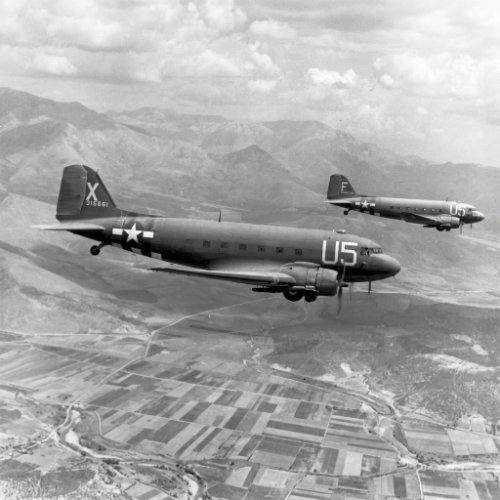
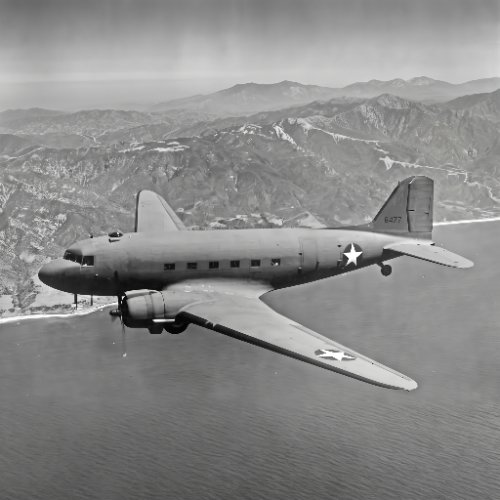
Douglas C-47A
Birth of the C‑47
As war approached, the U.S. Army Air Forces required a robust transport aircraft.
The DC‑3’s proven airframe made it an ideal candidate.
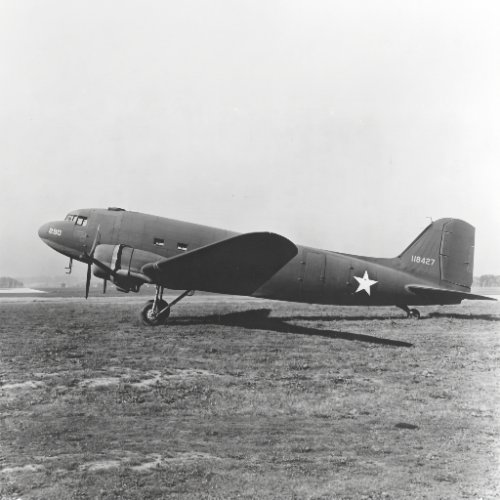
Douglas modified the design extensively to create the C‑47 Skytrain, which first flew on 23 December 1941.
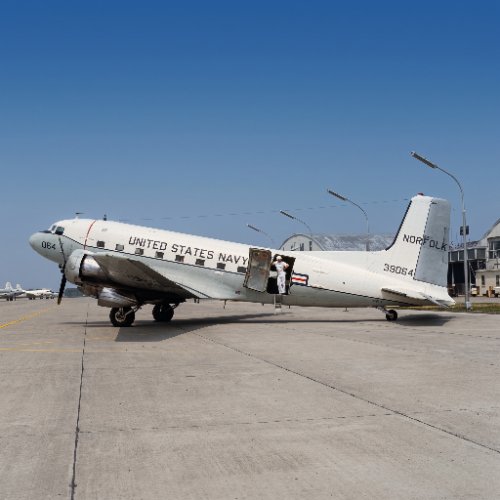
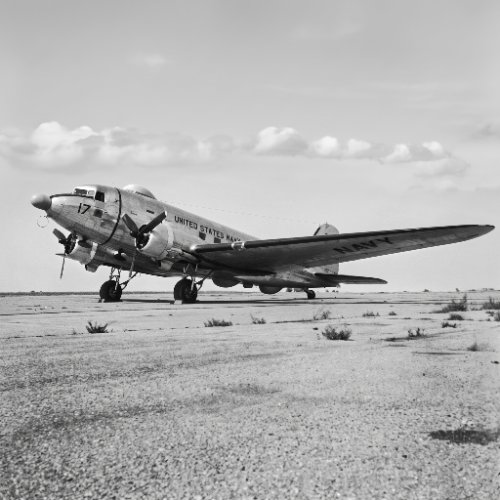
Douglas R4D
Key military modifications included:
A large cargo door
Hoist attachment and strengthened floor
A shortened tail cone for glider‑towing shackles
An astrodome for celestial navigation
These changes transformed the DC‑3 from an airliner into a versatile military transport capable of handling troops, cargo, and airborne operations.
Douglas C-47D
Design Characteristics
Airframe and Layout
Both DC‑3 and C‑47 share a rugged, all‑metal, low‑wing monoplane design with:
Conventional tailwheel landing gear
Two radial piston engines
Stressed‑skin aluminium construction
The DC‑3 typically used Wright R‑1820 Cyclone or Pratt & Whitney R‑1830 Twin Wasp engines producing 1,000–1,200 hp.
Douglas C-47A
Cabin and Cargo
DC‑3: 21–32 passengers, or 6,000 lb (2,700 kg) of cargo.
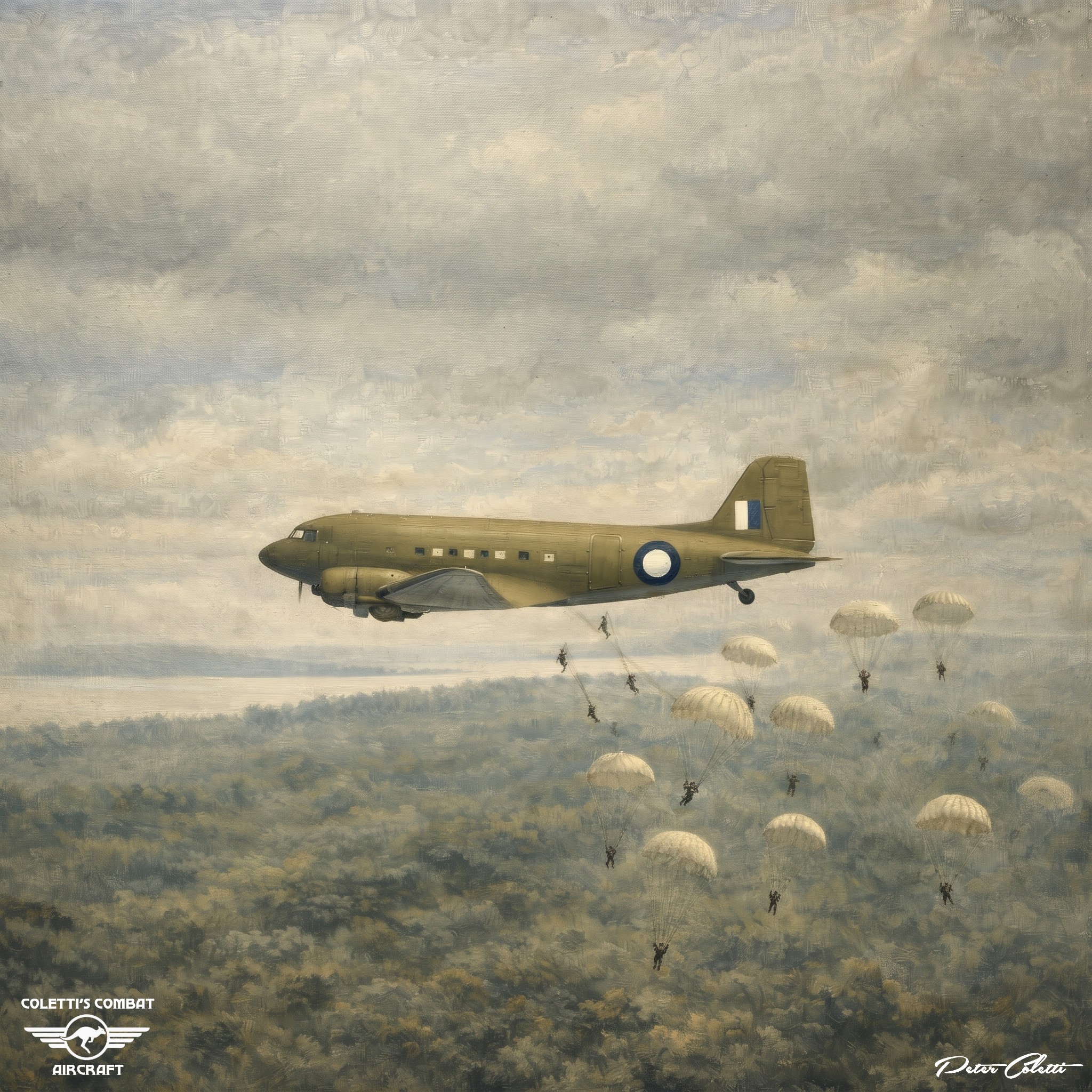
C‑47: Configurable for troops, litters, cargo pallets, or paratroopers.
The strengthened floor and cargo door of the C‑47 made it far more capable for military logistics than the civilian DC‑3.
Douglas C-47A
Performance
Typical performance characteristics:
Cruising speed: ~207 mph (333 km/h)
Range: ~1,500 miles (2,400 km)
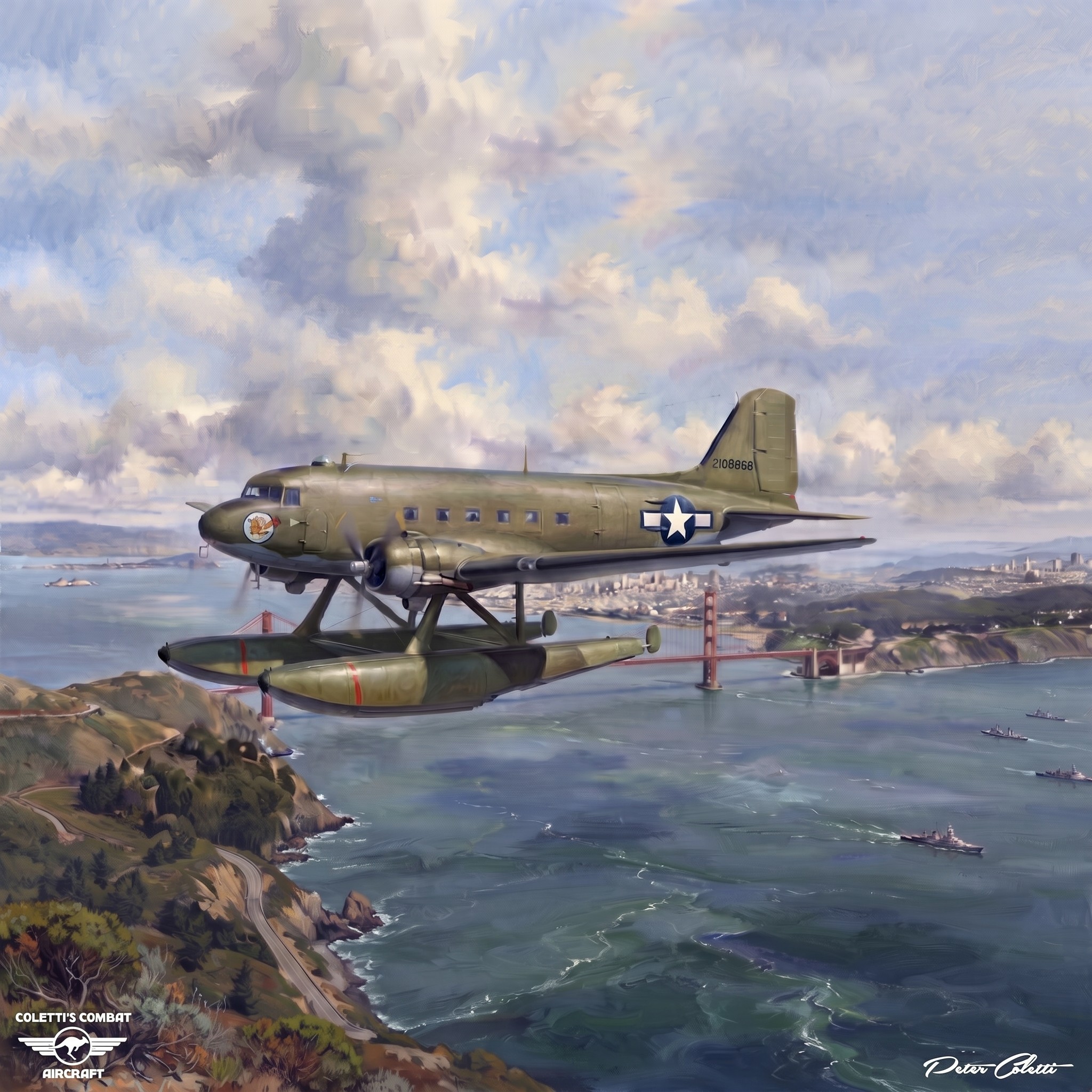
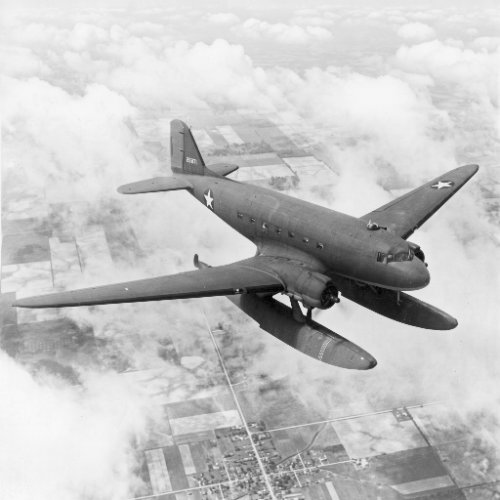
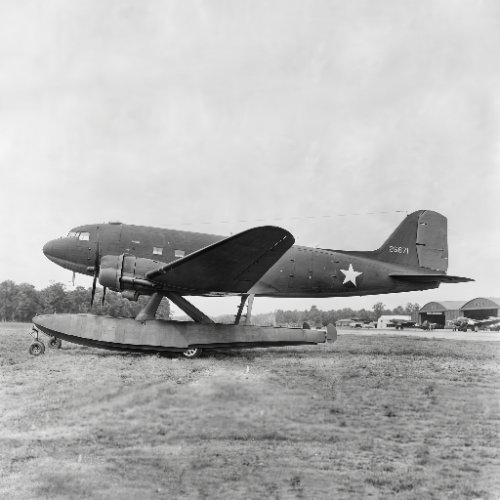
Douglas C-47 Floatplane
Takeoff capability: Short‑field performance suitable for improvised wartime airstrips
Payload: Up to 6,000 lb cargo (DC‑3); similar or greater in C‑47 depending on configuration
The aircraft’s reliability and forgiving handling made it ideal for both commercial and military operations.
Douglas C-47B
Variants
Civilian Variants
DST (Douglas Sleeper Transport): Original sleeper version.
DC‑3: Standard passenger/cargo airliner.
Super DC‑3 (DC‑3S): Postwar upgrade with lengthened fuselage, larger tail surfaces, swept wings, and more powerful engines to meet updated airworthiness standards.
Douglas C-47 Floatplane
Military Variants
C‑47 Skytrain / Dakota: Standard troop and cargo transport.
C‑53 Skytrooper: Dedicated troop transport lacking a cargo door and reinforced floor; 380 built.
R4D: U.S. Navy designation.
Douglas C-47B
XCG‑17: Glider conversion.
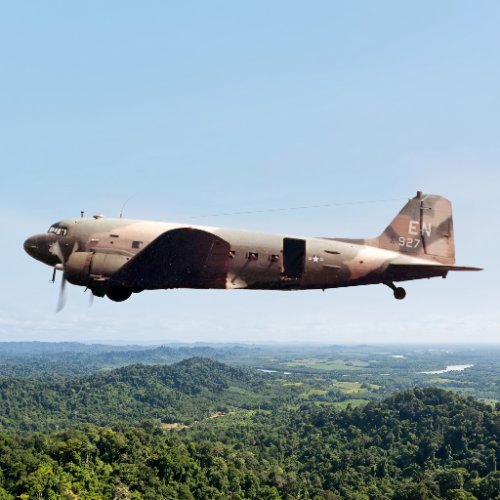
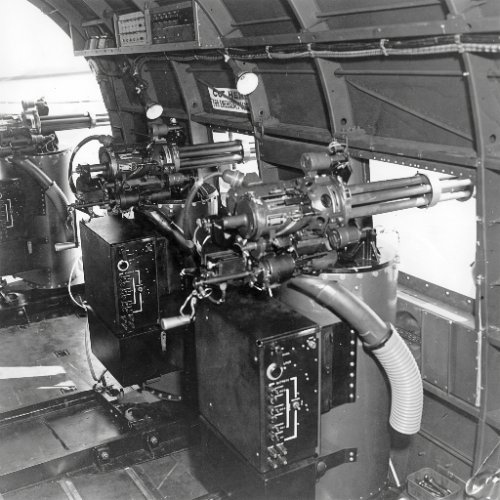
AC‑47 Spooky: A gunship variant used later in Vietnam.
R4D‑8 / C‑117D: Super DC‑3‑based naval variant.
Nakajima L2D
International License‑Built Versions
Lisunov Li‑2 (USSR)
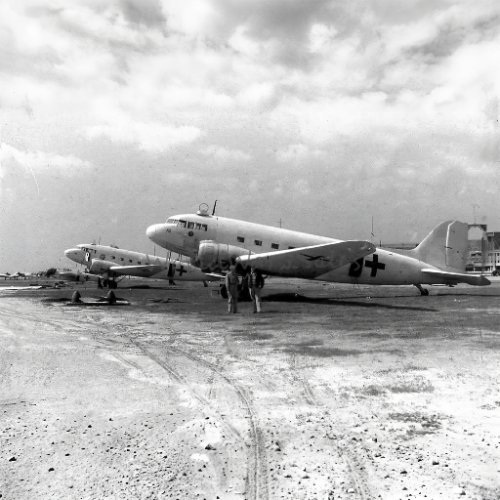
Showa/Nakajima L2D (Japan)
These adaptations extended the DC‑3/C‑47 family’s global reach.
Douglas C-47
World War II Operational Context
The C‑47 became one of the most important aircraft of WWII.
More than 10,000 C‑47s were built, with production concentrated in Long Beach, Santa Monica, and Oklahoma City—where 5,354 aircraft were produced between 1943 and 1945.
Douglas DC-3
Roles
Troop transport
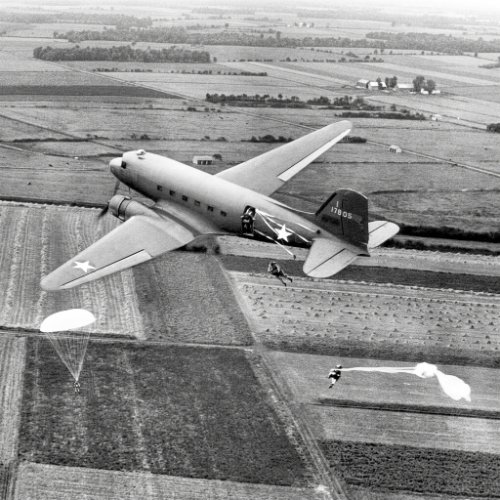
Paratrooper drops (including D‑Day operations)
Cargo and supply transport
Douglas AC-47 Spooky
Medical evacuation
Glider towing
Airborne resupply
Its reliability and ability to operate from rough fields made it indispensable in every theatre—from Europe to the Pacific to the China‑Burma‑India route.
Douglas DC-3S
Global Use
Approximately 100 countries have operated the C‑47, and more than 60 variants were produced.
The aircraft remained in front‑line service for decades after the war, and hundreds continued flying into the 21st century.
Postwar Legacy
After WWII, surplus C‑47s flooded the civilian market, enabling airlines worldwide to expand rapidly.
Although eventually replaced on major routes by faster, larger aircraft like the DC‑4 and Convair 240, the DC‑3/C‑47 remained ideal for:
Remote operations
Douglas AC-47 Spooky
Bush flying
Cargo transport
Niche commercial routes
As of 2023, around 150 DC‑3s and derivatives were still flying, a testament to the design’s durability and utility.
Nakajima L2D
Significance
The DC‑3/C‑47 family is widely regarded as:
The aircraft that made modern air travel commercially viable.
One of the most important military transports of WWII.
A design so robust and adaptable that it remains in service more than 80 years after its introduction.
Its influence spans civil aviation, military logistics, airborne warfare, and global transport infrastructure.