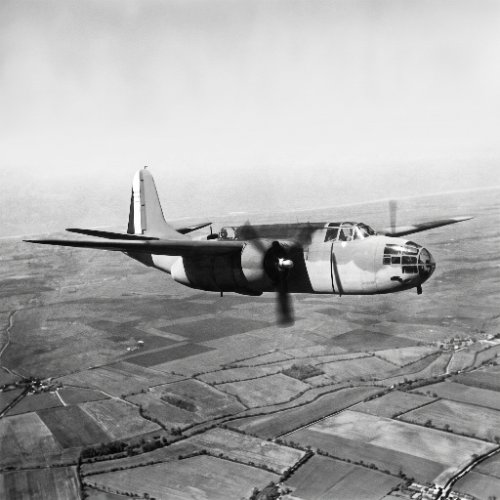
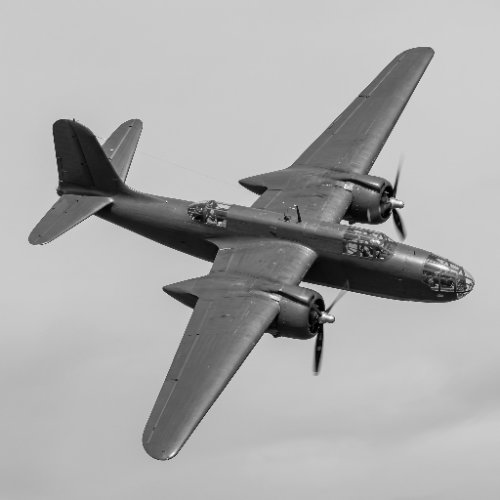
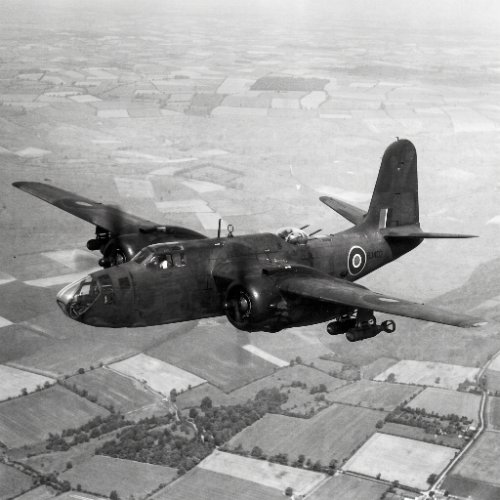
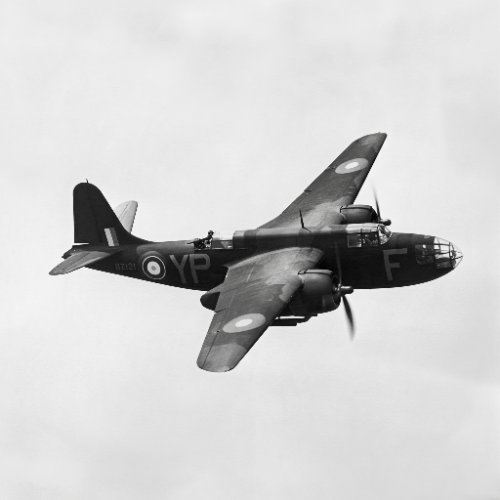
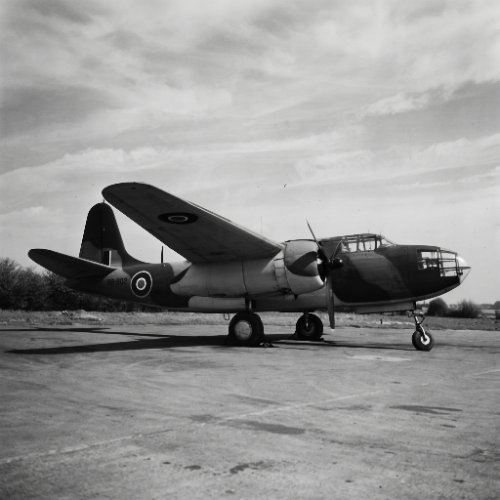
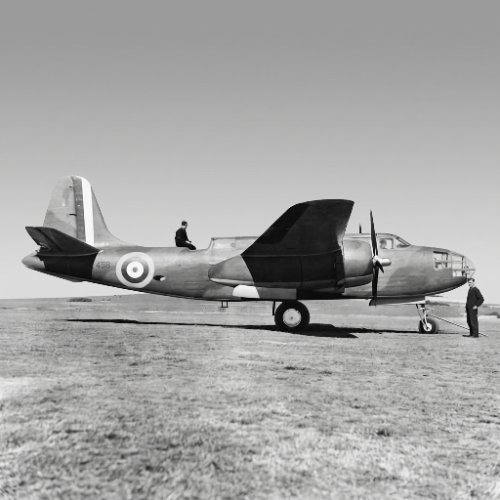
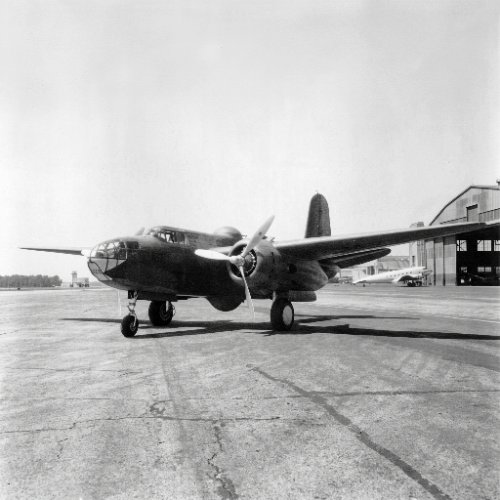
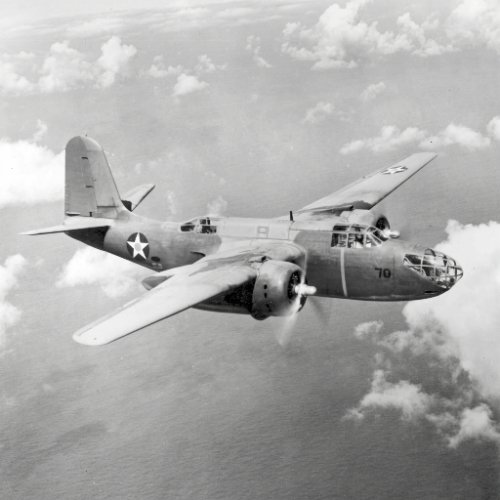
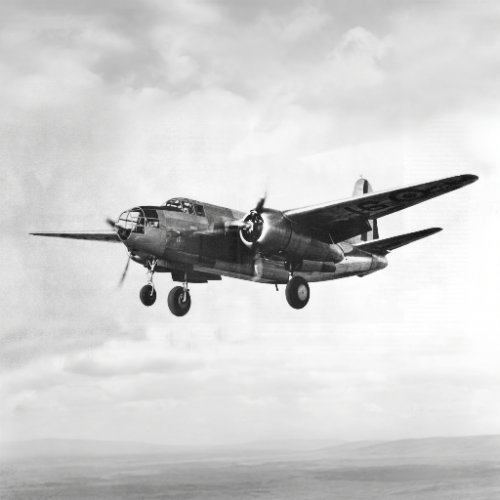
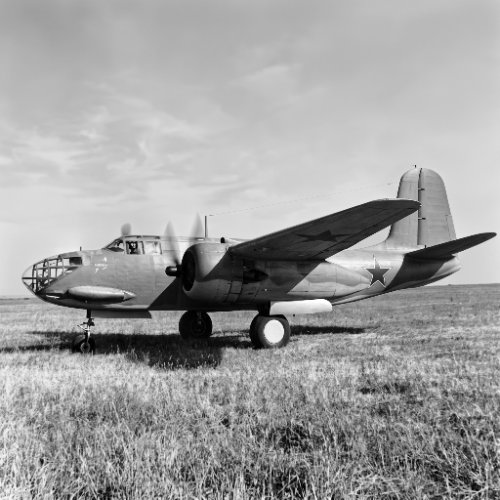
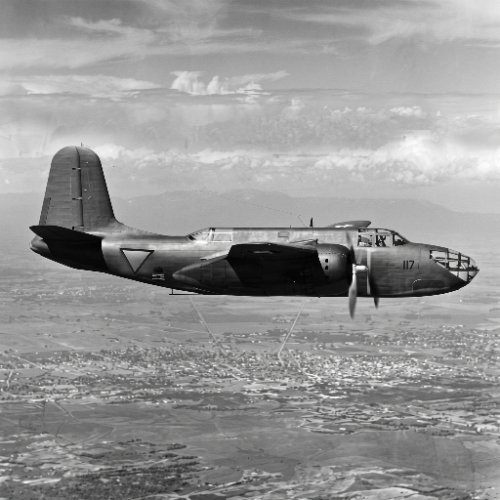
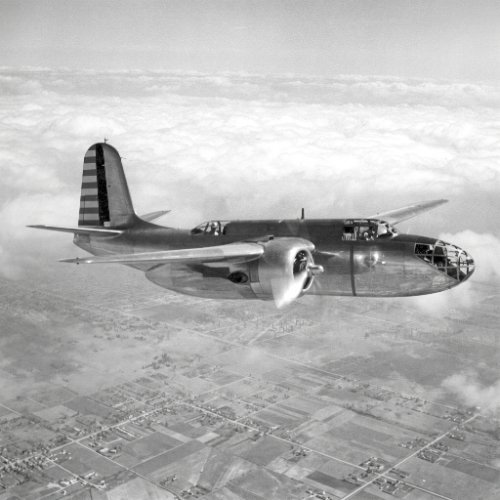
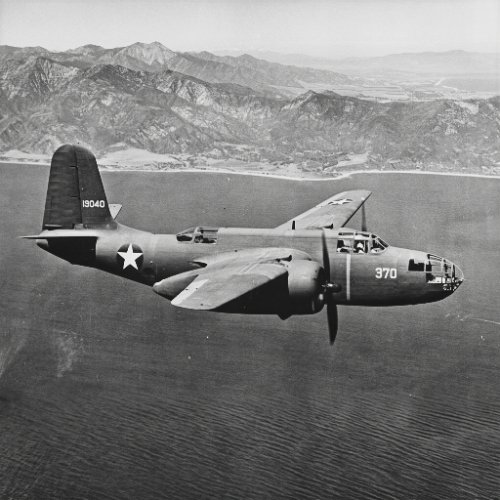
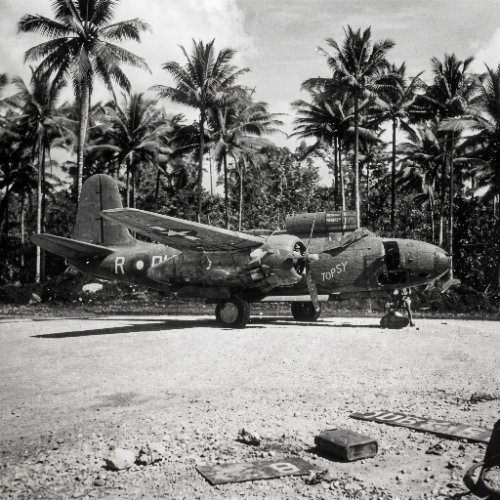
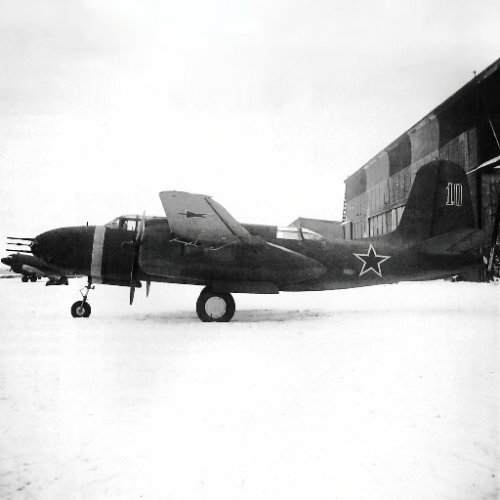
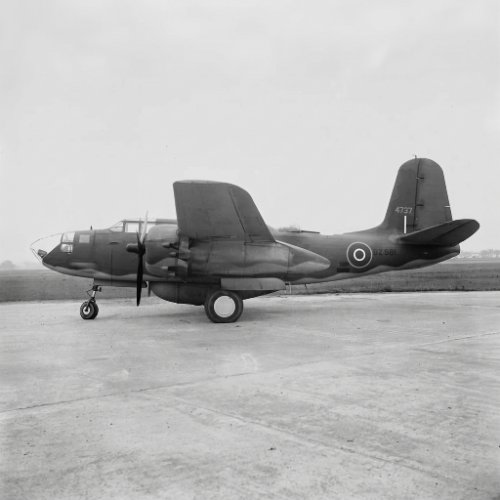
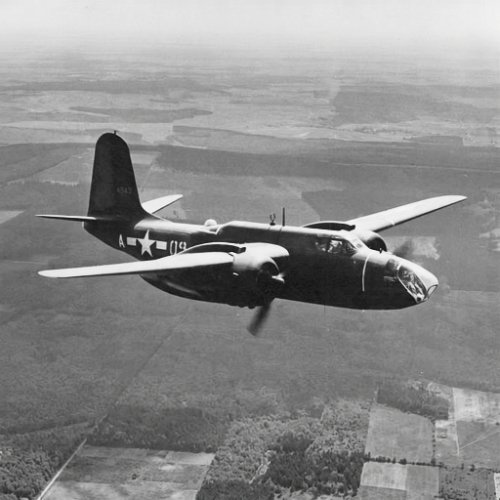
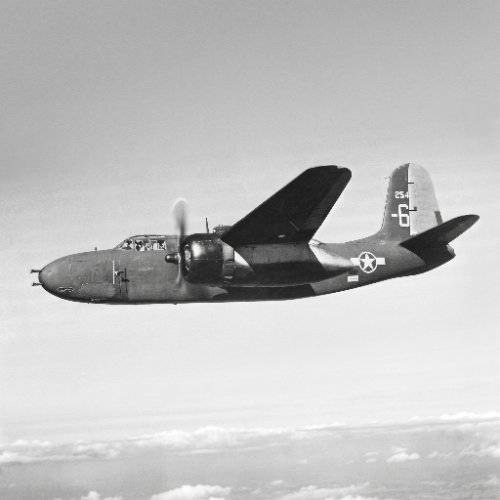
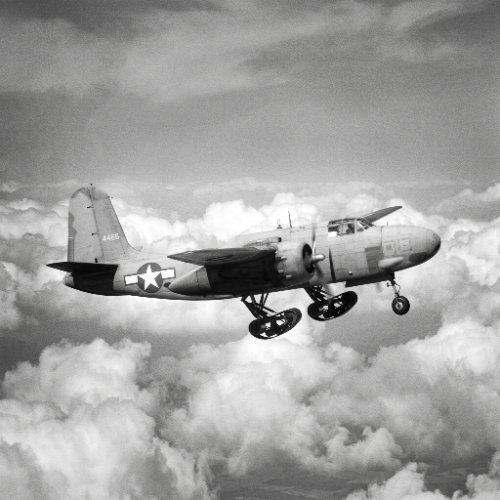
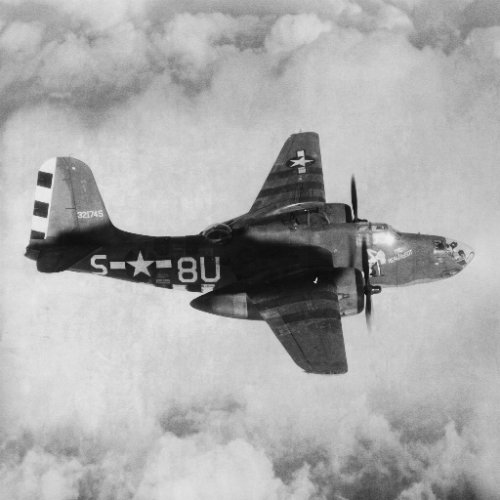
The Douglas DB‑7 emerged from a late‑1930s U.S. Army Air Corps requirement for a fast, manoeuvrable attack bomber capable of low‑level precision strikes.
Douglas Aircraft Company, already gaining momentum with designs like the DC‑3 and the TBD Devastator, pursued the concept with unusual aggressiveness.
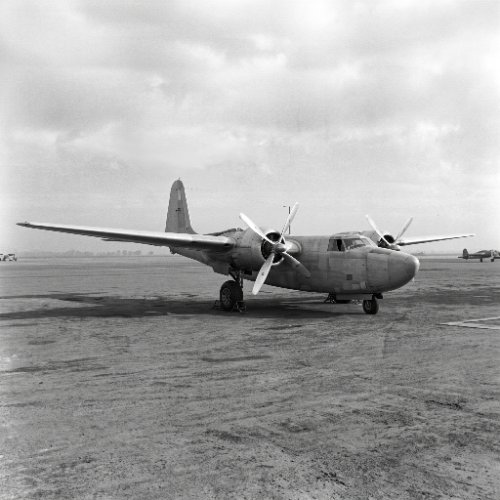
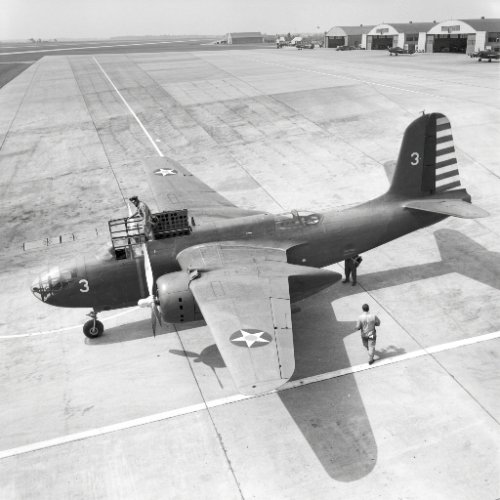
The prototype, designated Douglas Model 7B, first flew in October 1938.
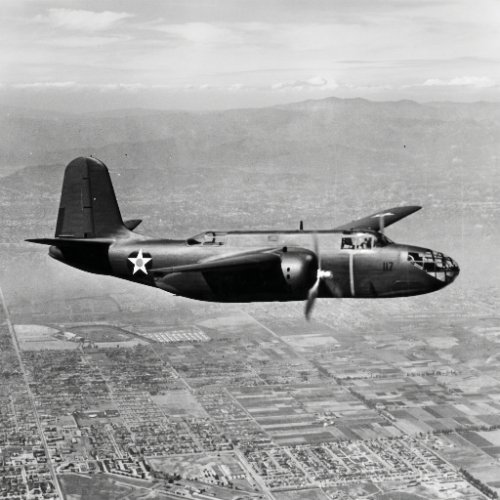
Douglas Model 7A
Although the U.S. Army initially passed over the design in favour of other projects, foreign interest—especially from France—transformed the DB‑7 from a promising prototype into a major combat aircraft.
France, anticipating the need for modern strike aircraft as tensions in Europe escalated, placed a substantial order for the DB‑7 in early 1939.
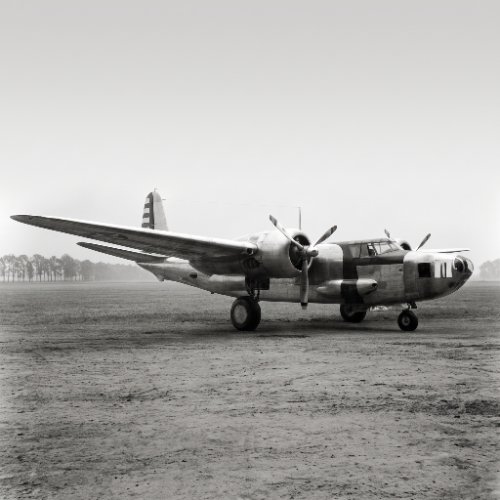
This export-driven momentum kept the programme alive and funded, allowing Douglas to refine the aircraft rapidly.
Douglas Model 7B
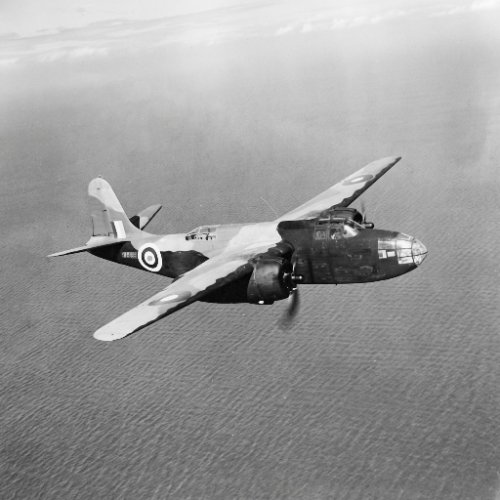
After France’s defeat in 1940, Britain inherited many of the French orders, adopting the aircraft under the name Boston for bomber variants and Havoc for night fighter and intruder versions.
Only later did the U.S. Army Air Corps revisit the design, eventually adopting it as the A‑20 series.
Thus, the DB‑7’s development trajectory was unusual: an American aircraft designed for American requirements, rejected by America, saved by foreign orders, and ultimately embraced by America once war made its capabilities indispensable.
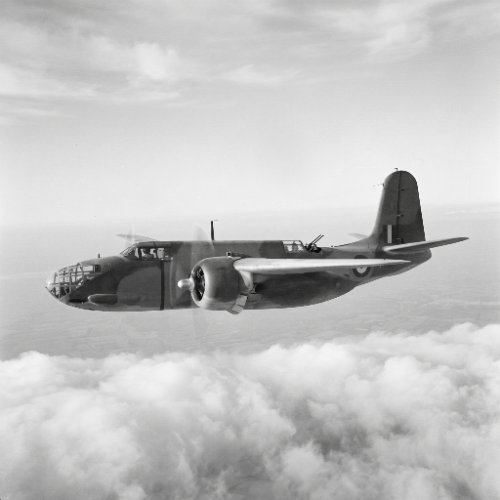
Douglas Boston Mk.III
Design Philosophy and Airframe Characteristics
The DB‑7/A‑20 was conceived as a compact, high‑performance attack aircraft emphasising speed, agility, and structural toughness.
Its design reflected a shift away from lumbering twin‑engine bombers towards fast, tactical strike platforms.
Douglas Model 7A
Key design features included:
A compact, deep fuselage providing strength and allowing concentrated crew positions.
Mid‑mounted wings with modest dihedral and a relatively thick airfoil for stability and lift at low altitude.
Twin‑engine layout using radial engines for reliability and ease of maintenance.
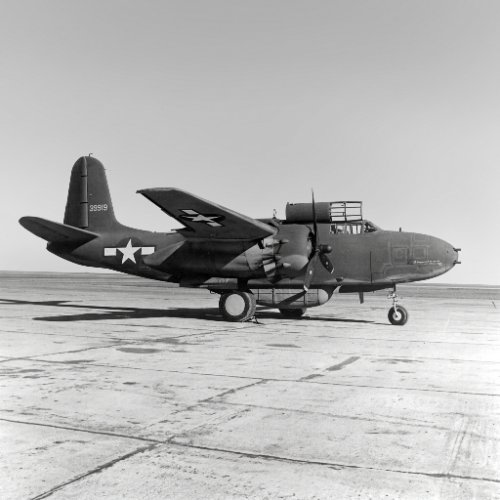
Douglas A-20C
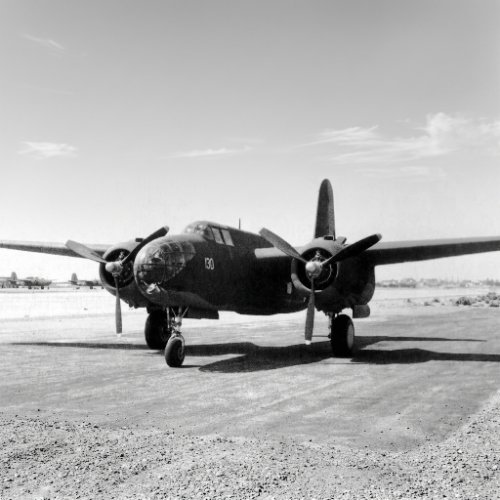
Tricycle landing gear, still uncommon at the time, improved ground handling and visibility during takeoff and landing.
Extensive armour protection around the cockpit and vital systems in later variants.
Self‑sealing fuel tanks, added as combat experience demanded.
The aircraft’s compactness gave it fighter‑like handling, making it popular with crews who valued responsiveness over the heavy, steady feel of larger bombers.
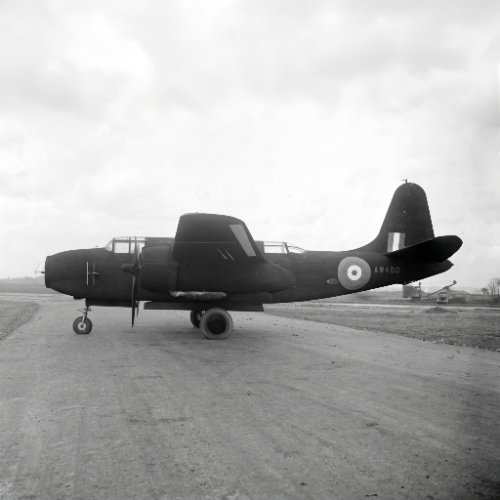
Douglas Havoc Mk.I Turbinlite
Powerplant and Performance
The DB‑7/A‑20 series used various radial engines depending on the customer and production batch.
Early French DB‑7s used Pratt & Whitney R‑1830 Twin Wasp engines, while later British and American versions adopted the more powerful Wright R‑2600 Cyclone.
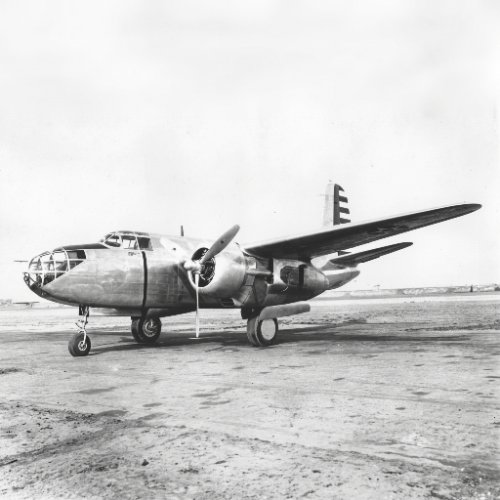
Douglas DB-7
Typical performance characteristics for mid‑war A‑20 variants included:
Maximum speed: ~325–340 mph (523–547 km/h) depending on load and altitude
Range: ~1,000 miles (1,600 km) with internal fuel
Service ceiling: ~23,000–25,000 ft (7,000–7,600 m)
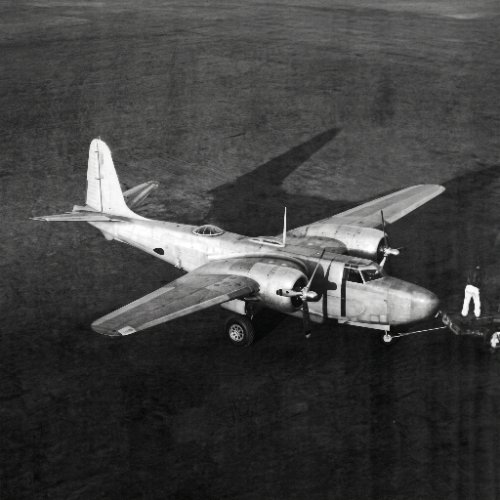
Douglas P-7
Rate of climb: Strong for a twin‑engine bomber, contributing to survivability
Payload: ~2,000–4,000 lb (900–1,800 kg) of bombs or external stores
Douglas A-20J
The aircraft’s speed was its greatest defensive asset.
Unlike slower medium bombers, the A‑20 could outrun many enemy fighters early in the war and remained competitive even as enemy aircraft improved.
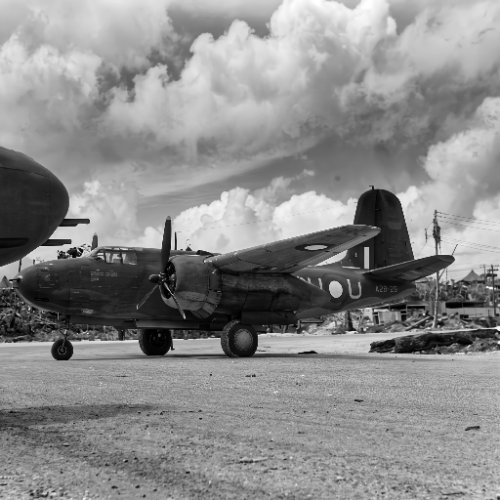
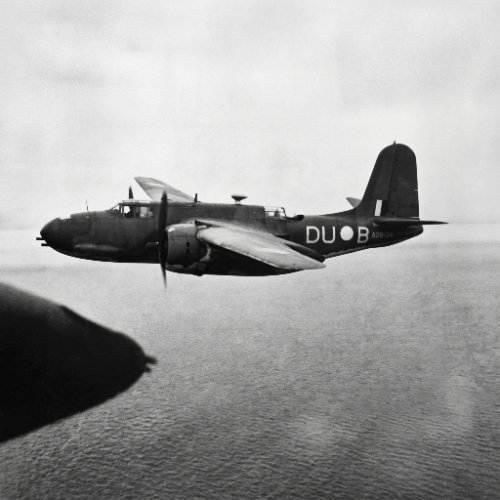
Douglas Boston Mk.II
Crew and Armament
Crew size varied by variant and mission:
Bomber versions: typically three (pilot, bombardier/navigator, gunner)
Douglas A-20C
Night‑fighter versions: often two (pilot and radar operator)
Attack versions: sometimes three or four depending on defensive gun positions
Defensive: dorsal and ventral guns in flexible mounts
Douglas A-20C
Later A‑20 Havoc attack versions:
Solid nose with 4–6 × .50 calibre machine guns or 20 mm cannon
Bomb load internally plus underwing racks
Douglas A-20G
Improved dorsal turret with powered operation
Optional under‑fuselage gun positions removed as design matured
The solid‑nose attack versions were particularly effective in low‑level strafing and anti‑armor roles.
Douglas Havoc Mk.I
Operational History and WWII Context
The DB‑7/A‑20 family served across nearly every major theatre of World War II.
Its adaptability made it valuable to multiple air forces.
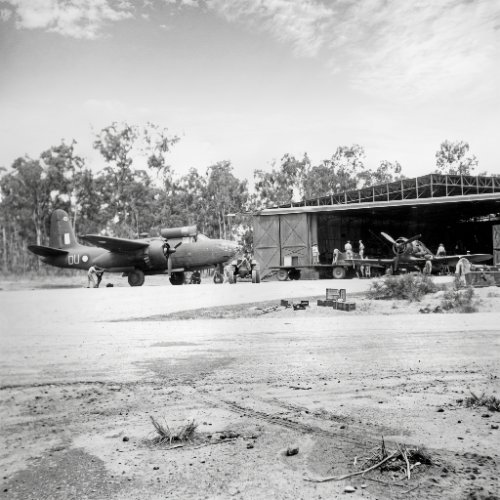
Douglas Boston Mk.I
French Service (1940)
The earliest DB‑7s entered combat during the Battle of France.
Despite limited numbers and chaotic conditions, they performed well, demonstrating excellent speed and survivability.
After France’s collapse, surviving aircraft were evacuated or captured.
Douglas XA-20F
British Service (1940–1945)
Britain employed the aircraft extensively:
Boston: daylight bomber in Europe and North Africa
A-20A
Havoc: night fighter, intruder, and night‑intrusion bomber
Turbinlite Havoc: an experimental searchlight-equipped night fighter paired with Hurricanes (ultimately unsuccessful)
The Boston became a mainstay of RAF light bomber operations, participating in raids over occupied Europe and supporting ground forces in North Africa and Italy.
Douglas Havoc Mk.I
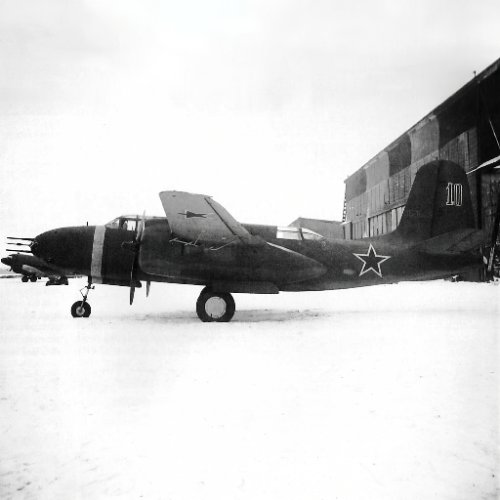
Soviet Service (1941–1945)
The USSR received more A‑20s than any other nation through Lend‑Lease—over 3,000 aircraft.
Soviet crews valued the A‑20’s ruggedness, speed, and reliability in harsh conditions.
Douglas A-20G
They used it for:
Low‑level attack
Medium‑altitude bombing
Torpedo strikes in naval aviation units
The A‑20 became one of the most important Western aircraft in Soviet service.
Douglas P-70
United States Service (1941–1945)
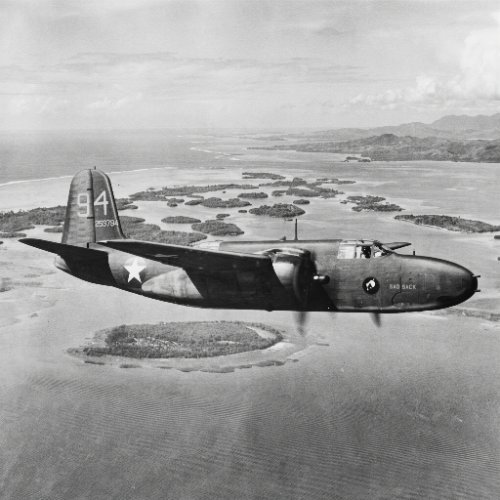
The U.S. Army Air Forces employed the A‑20 in:
The Pacific, where its speed and agility suited jungle and island warfare
Douglas F-3
North Africa and the Mediterranean
North-West Europe, especially in tactical support roles
American A‑20s conducted low‑level strikes, anti‑shipping missions, and close air support.
They were instrumental in early Pacific campaigns, including New Guinea and the Solomons.
Douglas DB-7
Variants
The DB‑7/A‑20 family included numerous variants tailored to different customers and missions.
Douglas DB-7B
DB‑7 (French)
Early export versions with R‑1830 engines, glazed noses, and light defensive armament.
DB‑7A / DB‑7B (British Boston I/II)
Refinements for RAF use, including British equipment and armament.
DB‑7C
DB‑7C (Dutch)
Ordered by the Netherlands but mostly diverted to Britain after the Dutch defeat.
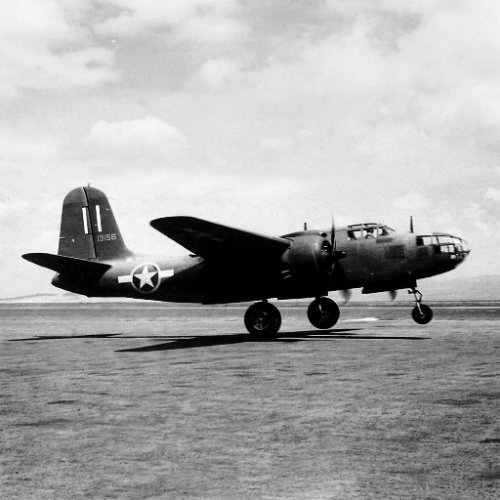
Douglas A-20A
A‑20A
First U.S. production version: R‑2600 engines; improved performance.
Douglas A-20B
A‑20B
Strengthened airframe, revised cockpit, and improved systems.
Douglas A-20C
A‑20C
Standardised bomber version with self‑sealing tanks, armour, and improved defensive guns; widely exported.
Douglas A-20G
A‑20G
Major attack variant with a solid nose housing heavy forward‑firing guns; one of the most numerous and effective versions.
Douglas A-20K
A‑20H/J/K
Further refinements, including improved engines, turrets, and equipment.
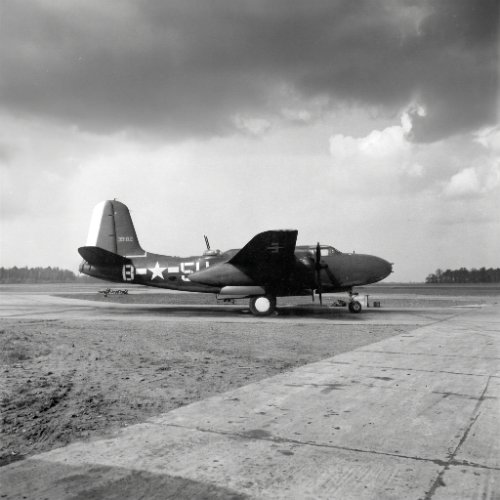
Douglas F-3
F‑3
Photo‑reconnaissance conversion.
Douglas P-70
P‑70
Night‑fighter conversion with radar and solid nose; used for training and limited combat.
Douglas A-20H-10
Combat Assessment and Legacy
The DB‑7/A‑20 series earned a reputation as one of the most versatile and effective light twin‑engine aircraft of World War II.
Its strengths included:
High speed and manoeuvrability
Douglas A-20J
Strong structural integrity
Excellent reliability
Adaptability to multiple roles
Ease of maintenance in field conditions
Douglas A-20A
Its weaknesses were modest:
Limited bomb load compared to larger medium bombers
Restricted range without external tanks
Early defensive armament was insufficient until upgraded.
Douglas A-20C
Despite these limitations, the A‑20 excelled in the tactical strike role, where speed and precision mattered more than payload.
By war’s end, over 7,000 DB‑7/A‑20 aircraft had been built.
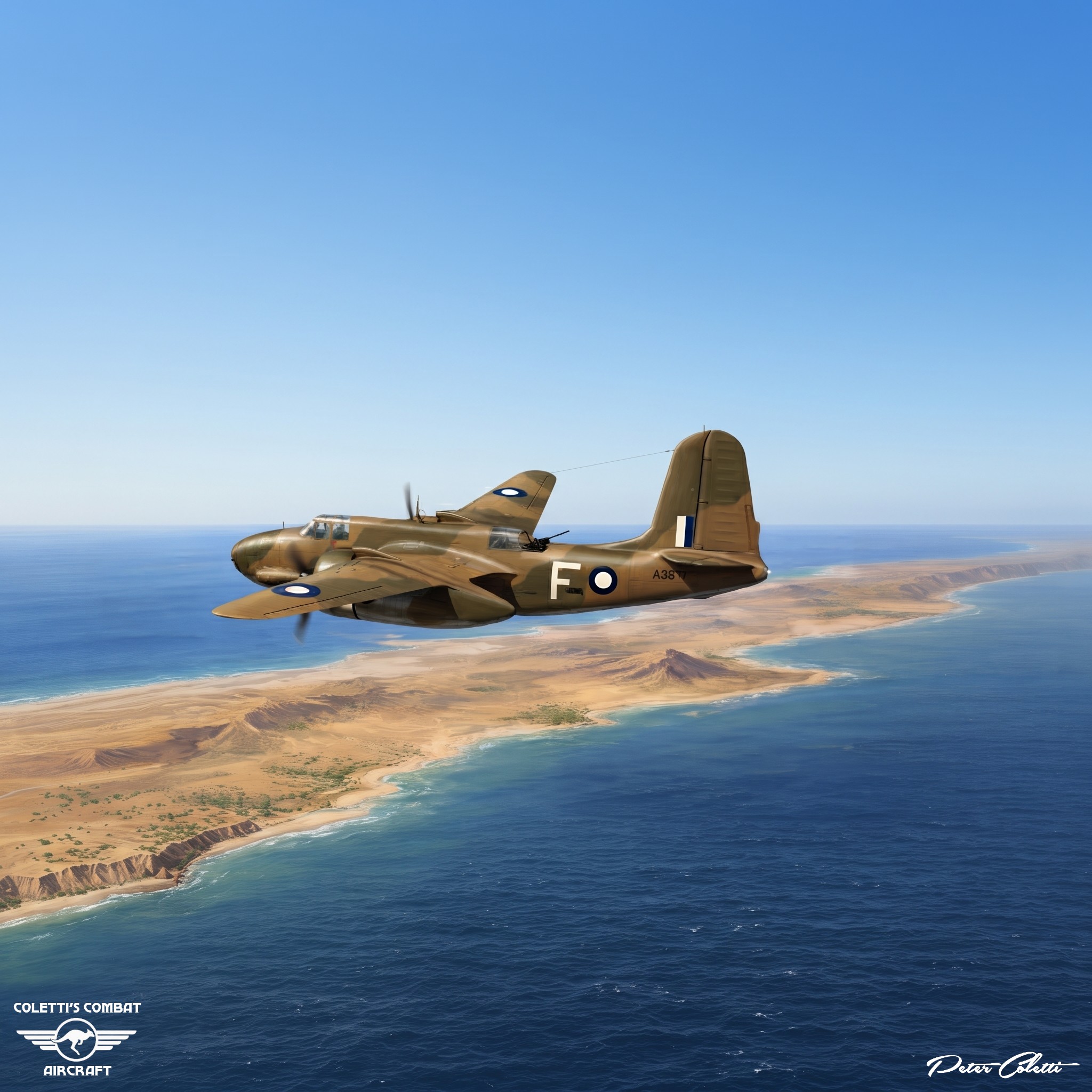
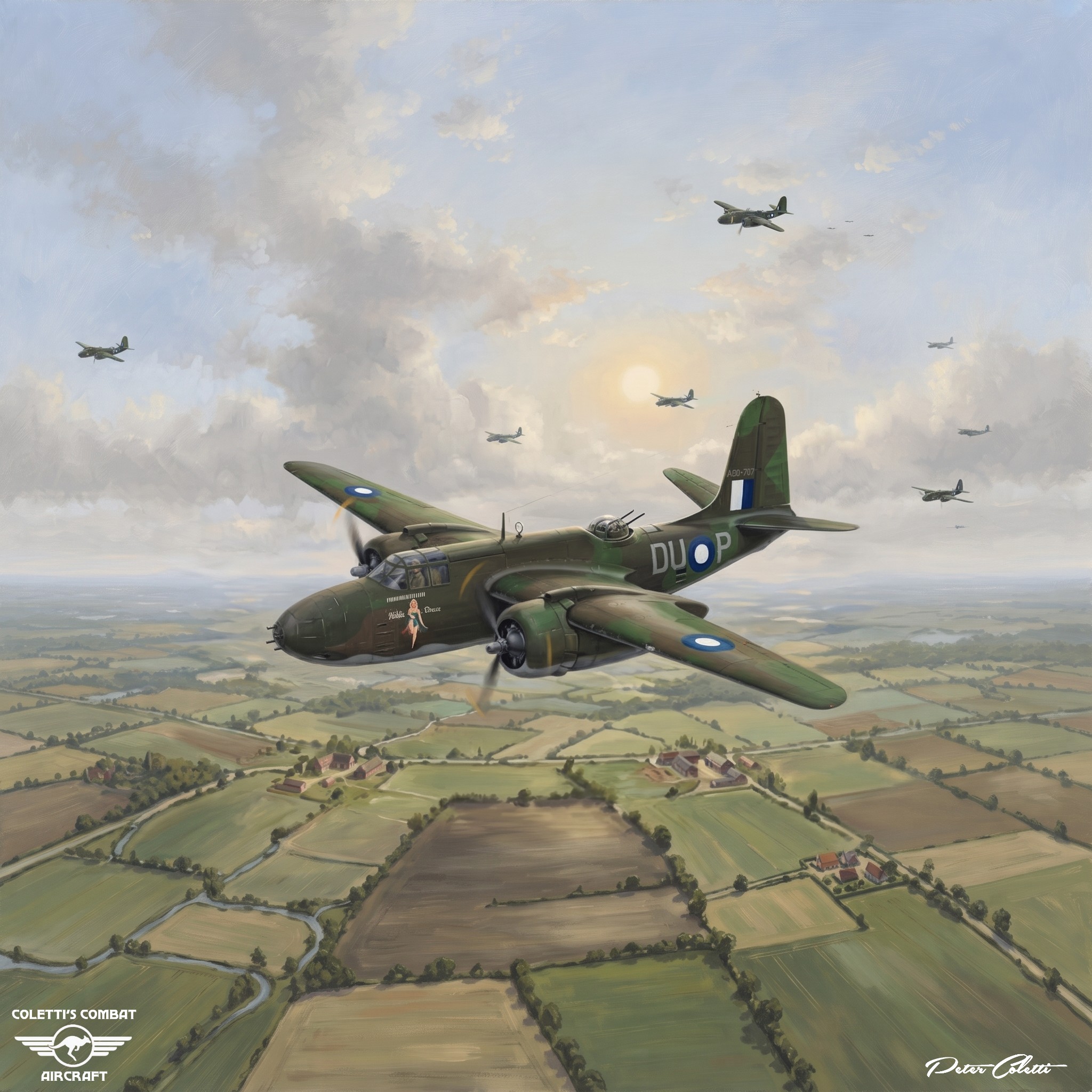
They served with distinction in the air forces of the United States, the United Kingdom, the Soviet Union, France, Australia, the Netherlands, and Brazil.
Douglas A-20G
The aircraft’s legacy lies in its demonstration that a fast, agile, well‑protected light bomber could be as strategically valuable as heavier bombers when used in the right context.
It paved the way for later attack aircraft concepts and remains a standout example of wartime adaptability.