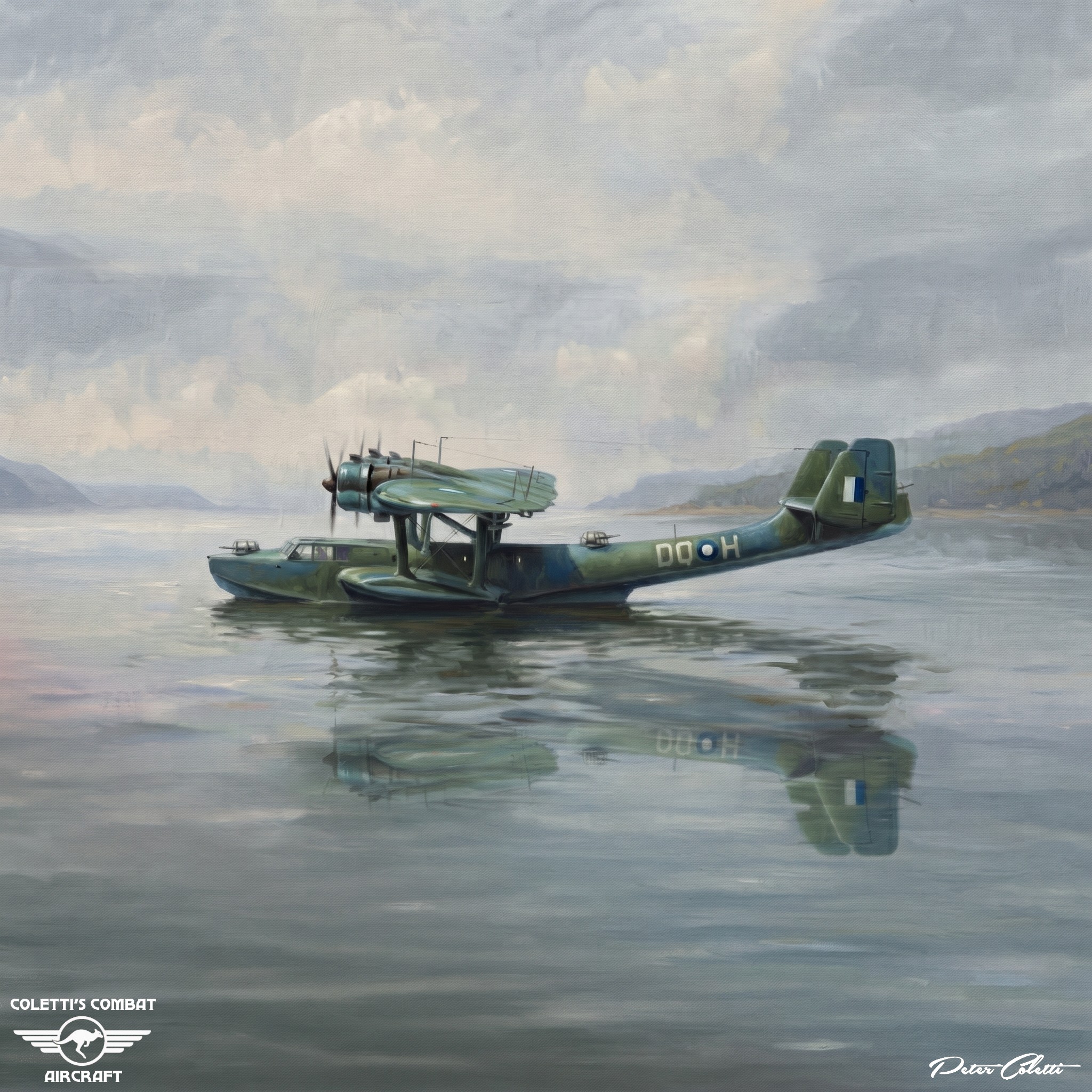
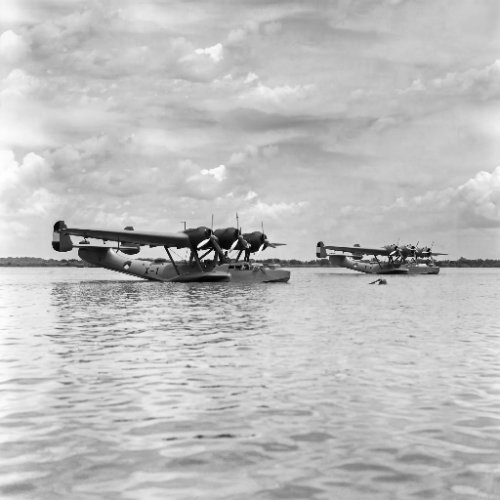
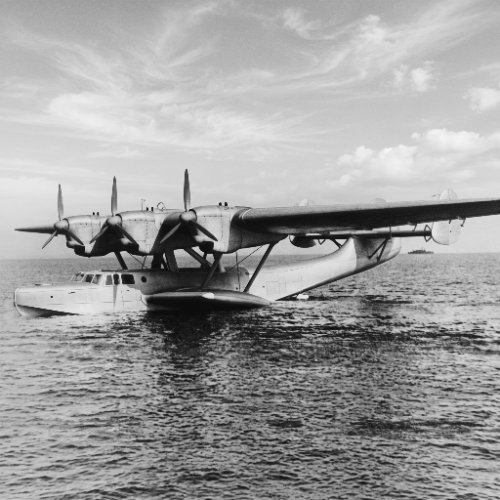
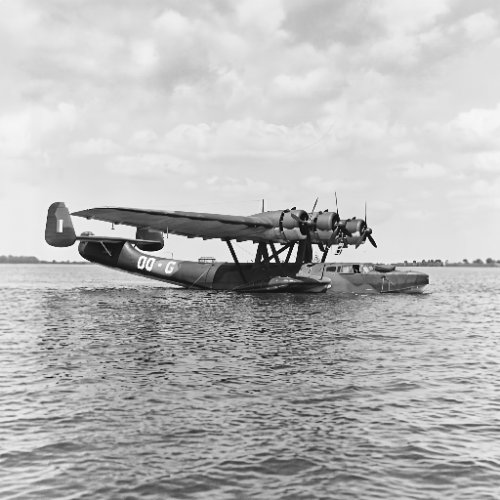
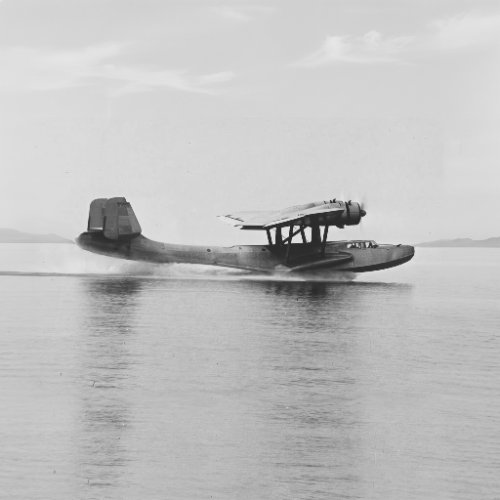
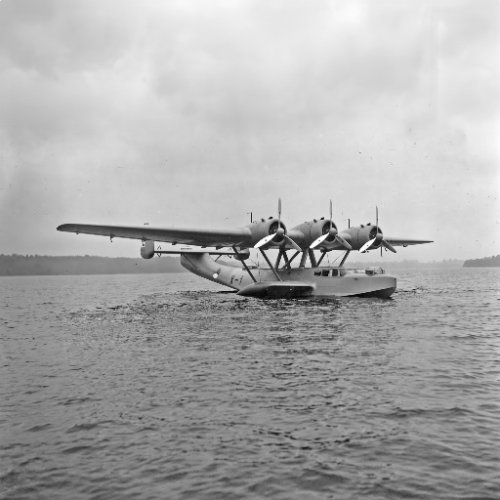
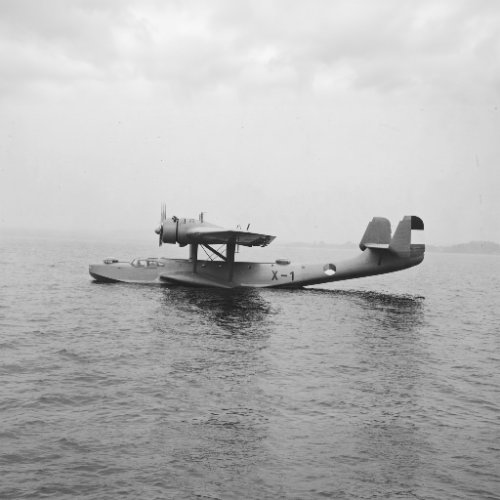
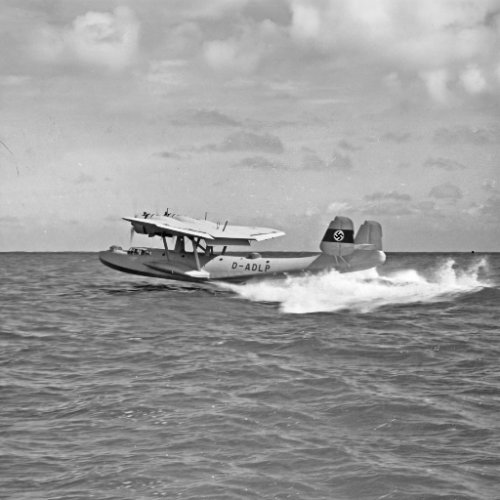
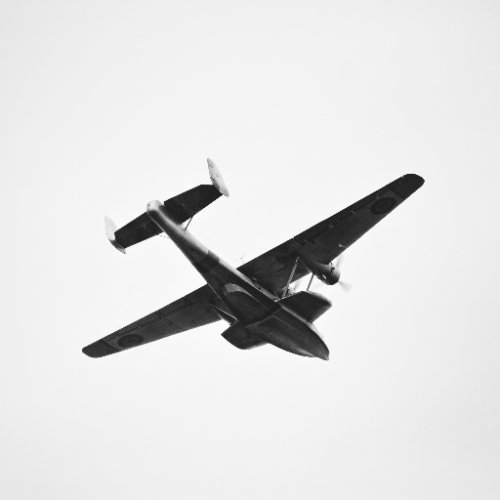
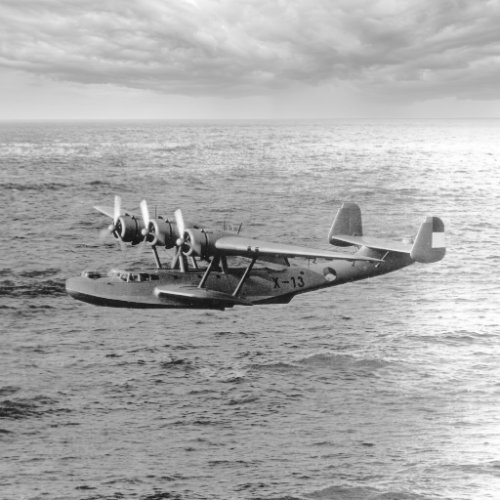
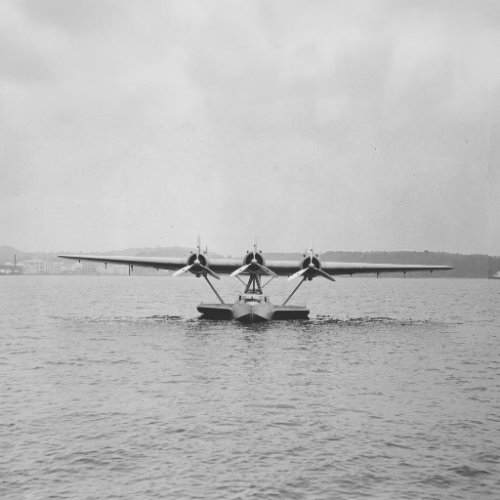
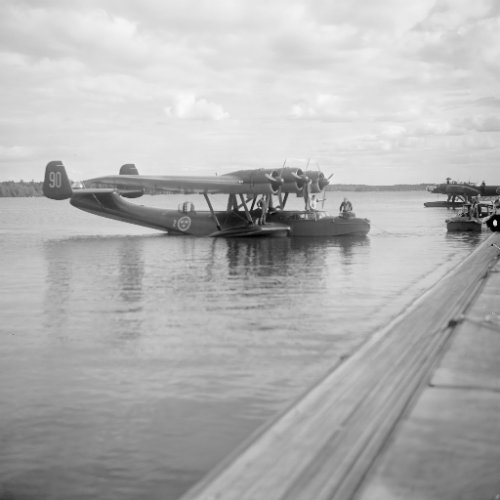
The Dornier Do 24 was a three‑engined, all‑metal flying boat designed in the 1930s for maritime patrol, reconnaissance, and air‑sea rescue.
It became one of Dornier’s most successful flying boats, serving across Europe, the Pacific, and post‑war operators for decades.
First flown on 3 July 1937, it entered service in November 1937 and remained operational in some countries until 1967–1972, demonstrating exceptional seaworthiness and longevity.
A total of 279–313 aircraft were built between 1937 and 1945, including license production in the Netherlands and occupied France.
Development
Origins and Requirements (1935–1937)
The Do 24 originated from a Royal Netherlands Naval Air Service requirement for a modern flying boat to replace aging Dornier Wal aircraft in the Dutch East Indies.
The Dutch needed a robust, long‑range aircraft capable of patrol, reconnaissance, and search‑and‑rescue in tropical conditions.
Simultaneously, the German Ministry of Aviation (RLM) had begun exploring a successor to the Dornier Do 18, but this effort was overtaken by the Blohm & Voss BV 138.
Dornier halted early German prototypes (V1, V2) and focused on the Dutch requirement.
Prototype Development
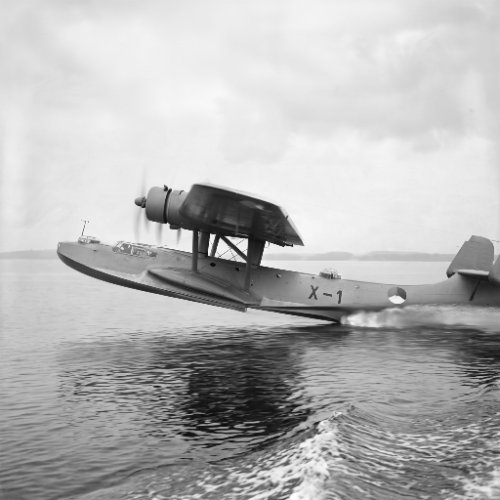
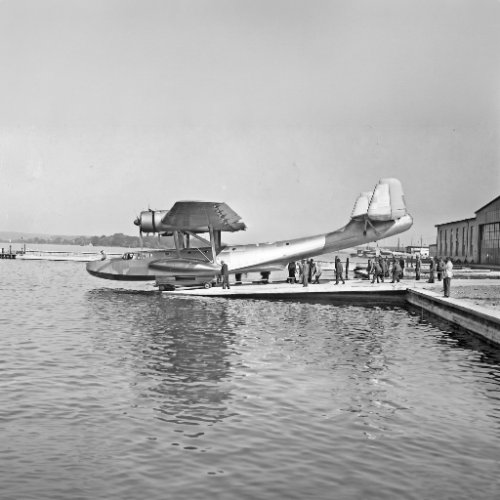
Do 24 V3, the first fully completed prototype, flew on 3 July 1937.
It was delivered to the Dutch as X‑1, the first production aircraft.
The Dutch required compatibility with engines used in their Martin 139 bombers, so early Do 24s were fitted with Wright R‑1820‑F52 Cyclone radial engines (887 hp).
Testing showed excellent seaworthiness, prompting an additional Dutch order for 12 more aircraft on 22 July 1937.
Production Expansion (1937–1945)
Production occurred across multiple facilities:
Dornier (Germany)
Aviolanda (Netherlands)
SNCAN (France) under German occupation
Total production reached 279–313 aircraft, depending on counting methodology.
Design and Engineering
Airframe and Hull
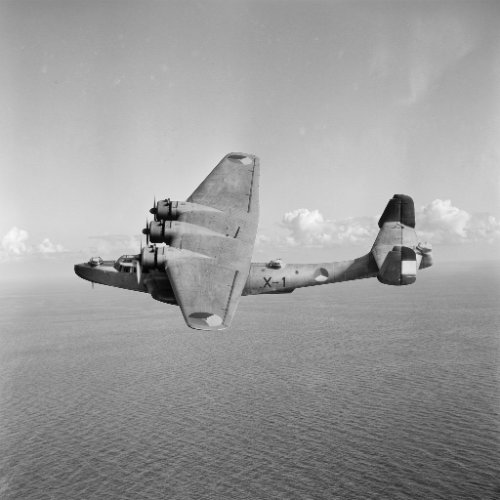
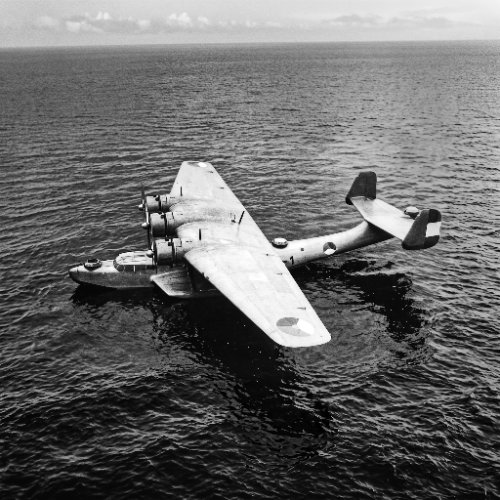
The Do 24 was an all‑metal parasol‑wing monoplane with:
A broad‑beamed hull optimized for rough‑sea operations
Stabilizing sponsons instead of wingtip floats
Twin vertical tails mounted on the upswept rear fuselage
A crew of 5–6 depending on variant
Fuel tanks were located in the sponsons and wing centre section.
Engine Configuration
The Do 24 used three wing‑mounted tractor engines, providing excellent reliability and redundancy:
German Luftwaffe versions (Do 24T series): Bramo 323R‑2 radial engines (1,000 hp each)
This configuration allowed the aircraft to maintain flight on two engines, and even one engine under favourable conditions—critical for long‑range over‑water missions.
Armament
Armament varied by operator and variant:
Three gun turrets: nose, dorsal, tail
Early versions: machine guns
Later versions: 20 mm MG 151 cannon in dorsal turret
Bombload: up to 1,200 kg (2,600 lb) under the wings
Depth charges for anti‑submarine patrols
Crew and Internal Layout
The spacious hull accommodated:
Crew of 5–6
Rescue equipment for air‑sea rescue missions
Space for survivors or passengers
Long‑range patrol gear and cameras (reconnaissance variants)
Performance
Representative performance for the Do 24T‑1 (Luftwaffe version):
Wingspan: 27 m
Length: 21.9 m
Max takeoff weight: 18,400 kg
Engines: 3 × Bramo 323R‑2 (1,000 hp each)
Cruising speed: ~300 km/h
Range: ~2,900 km (with external tanks)
Crew: 5–6
Armament: 2 × MG 15, 1 × MG 151, bombs/depth charges up to 2,600 lb
The aircraft was renowned for its ability to operate in rough seas up to 1‑meter wave height, making it ideal for rescue operations.
Variants
Do 24K (Dutch version)
Wright Cyclone engines
Used in Dutch East Indies
Maritime patrol and anti‑shipping roles
Sank Japanese destroyer Shinonome on 17 December 1941
Do 24N (Search‑and‑rescue)
Optimized for SAR missions
Used by Luftwaffe and later by neutral operators
Do 24T (Luftwaffe version)
Bramo 323R‑2 engines
Improved armament
Main wartime production series
Extensively used for air‑sea rescue in Europe
Post‑war Do 24 variants
Operated by France, Spain, Sweden, Australia
Spanish Air Force operated Do 24s until 1967–1972
Operational History and WWII Context
Dutch Service (1937–1942)
The Do 24 served in the Dutch East Indies, performing:
Maritime patrol
Anti‑shipping strikes
Reconnaissance
Search‑and‑rescue
Its most famous action was the sinking of the Japanese destroyer Shinonome in December 1941.
After the Japanese invasion, surviving aircraft fled to Australia, where they operated alongside RAF Catalinas, though many were grounded due to parts shortages.
Luftwaffe Service (1939–1945)
The Luftwaffe used the Do 24 primarily for:
Air‑sea rescue (Seenotdienst)
Maritime reconnaissance
Transport
It was one of the few Luftwaffe aircraft equipped with a tail turret, enhancing defensive capability.
Captured Dutch aircraft were also absorbed into German service.
Post‑war Service (1945–1972)
The Do 24’s ruggedness ensured long post‑war careers:
France operated captured aircraft for maritime duties.
Spain used Do 24s for air‑sea rescue until 1967, with some sources noting continued use into 1972.
Sweden and Australia also operated the type in limited roles.
Conclusion
The Dornier Do 24 stands as one of the most successful flying boats of the 20th century.
Its combination of:
Three‑engine reliability
Exceptional seaworthiness
Long range
Versatile mission capability
Robust all‑metal construction
made it invaluable in both wartime and peacetime roles.
From the Dutch East Indies to European rescue operations and post‑war maritime patrol, the Do 24 served for nearly four decades, earning a reputation as one of Dornier’s finest flying‑boat designs.