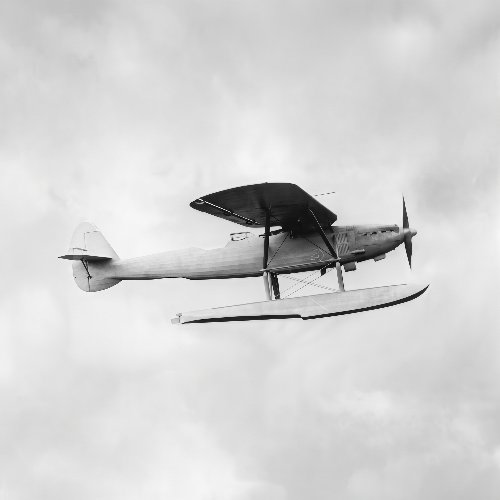
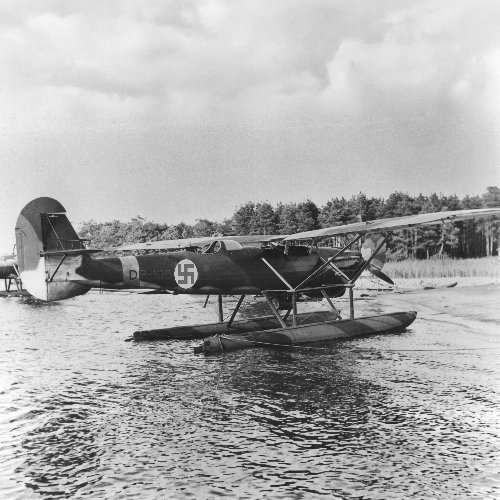
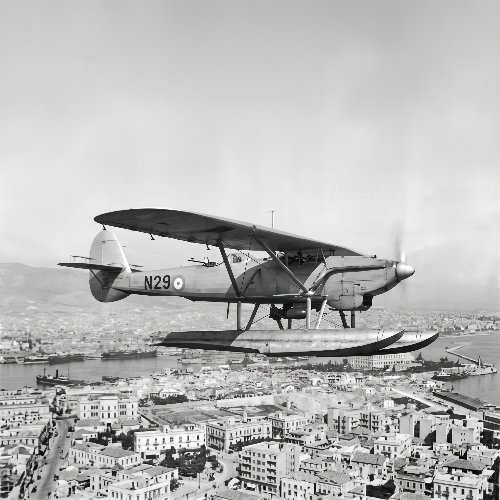
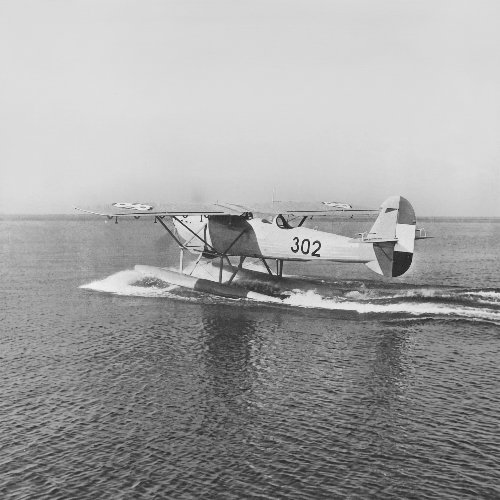
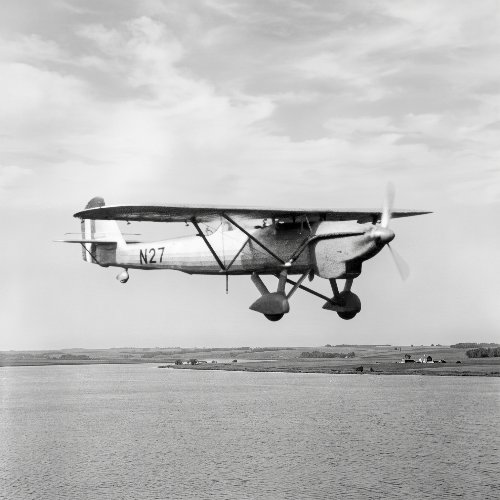
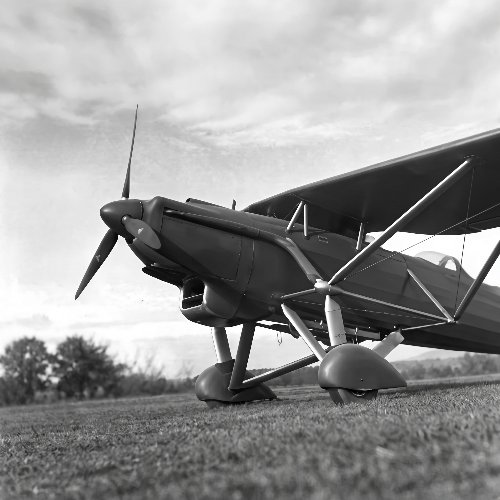
The Dornier Do 22 was a three‑seat, single‑engine maritime reconnaissance and torpedo‑bomber floatplane developed in the mid‑1930s by Dornier Flugzeugwerke.
Built entirely for export, it saw service with Greece, Yugoslavia, and Finland during World War II.
Although technically capable and seaworthy, only about 30 aircraft were produced between 1938 and 1939, and the type never entered Luftwaffe service.
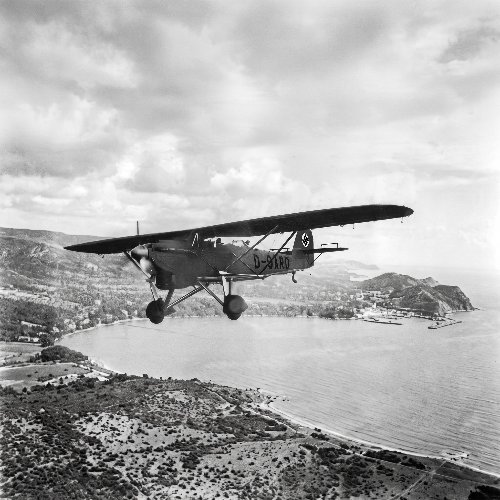
Dornier Do 22L
Development
Origins (1933–1935)
The Do 22 originated from Dornier’s efforts to design a modern naval reconnaissance aircraft during a period when German military aviation was restricted by the Treaty of Versailles.
To circumvent these limitations, Dornier developed the aircraft at its Swiss subsidiary in Altenrhein, which had been established in 1923 to allow continued aircraft development outside Germany.
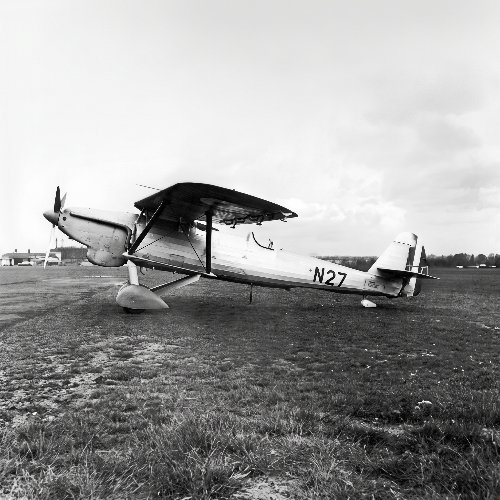
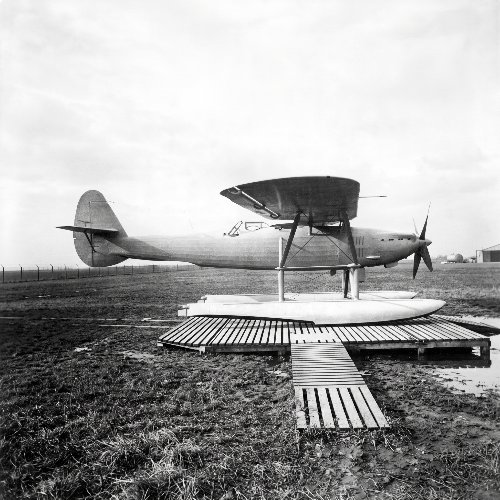
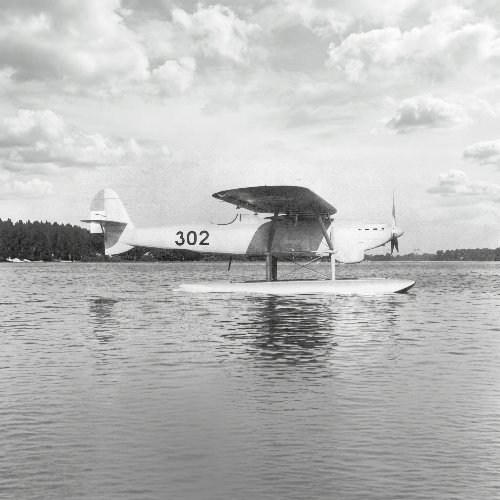
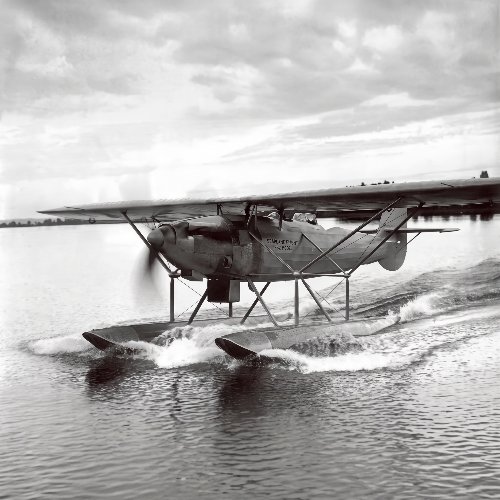
In 1934, the Altenrhein facility designed the Do C3, a precursor to the Do 22.
Two prototypes were built, with the first flying in 1935.
The Do C3 established the basic configuration: a parasol‑wing monoplane, all‑metal construction, and twin floats.
Dornier Do C3
Prototype Evolution (1935–1938)
The Do 22 evolved from the Do C3 into a more refined export aircraft:
Do 22 V1 (first prototype) flew on 15 July 1938.
It incorporated parts manufactured in Switzerland but was assembled at Dornier’s Friedrichshafen factory.
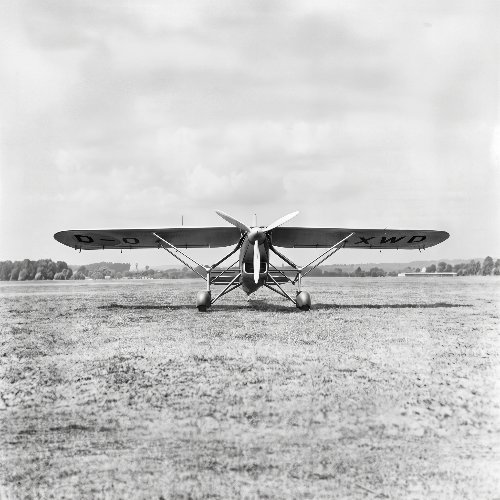
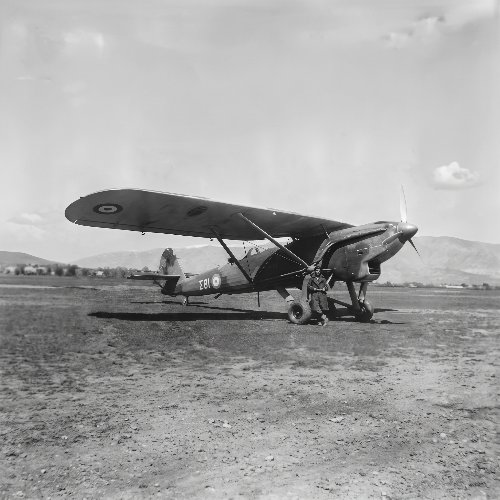
A land‑based prototype, the Do 22L, was completed and test‑flown in March 1939, but it did not enter production.
Dornier Do C3
Export‑Only Production (1938–1939)
The Luftwaffe showed no interest in the Do 22, but foreign customers did.
Production began in 1938 in both Germany and Switzerland, resulting in approximately 30 aircraft across several export variants.
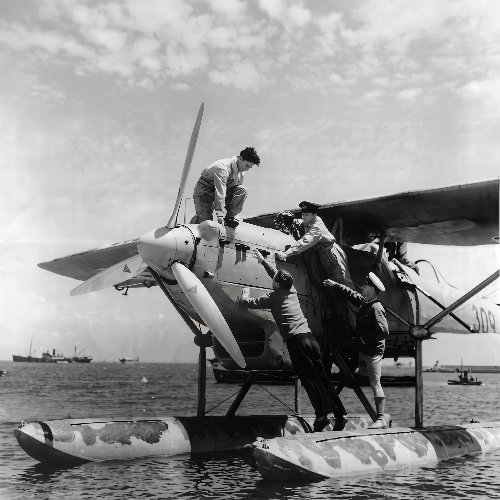
Dornier Do 22KI
Customers included:
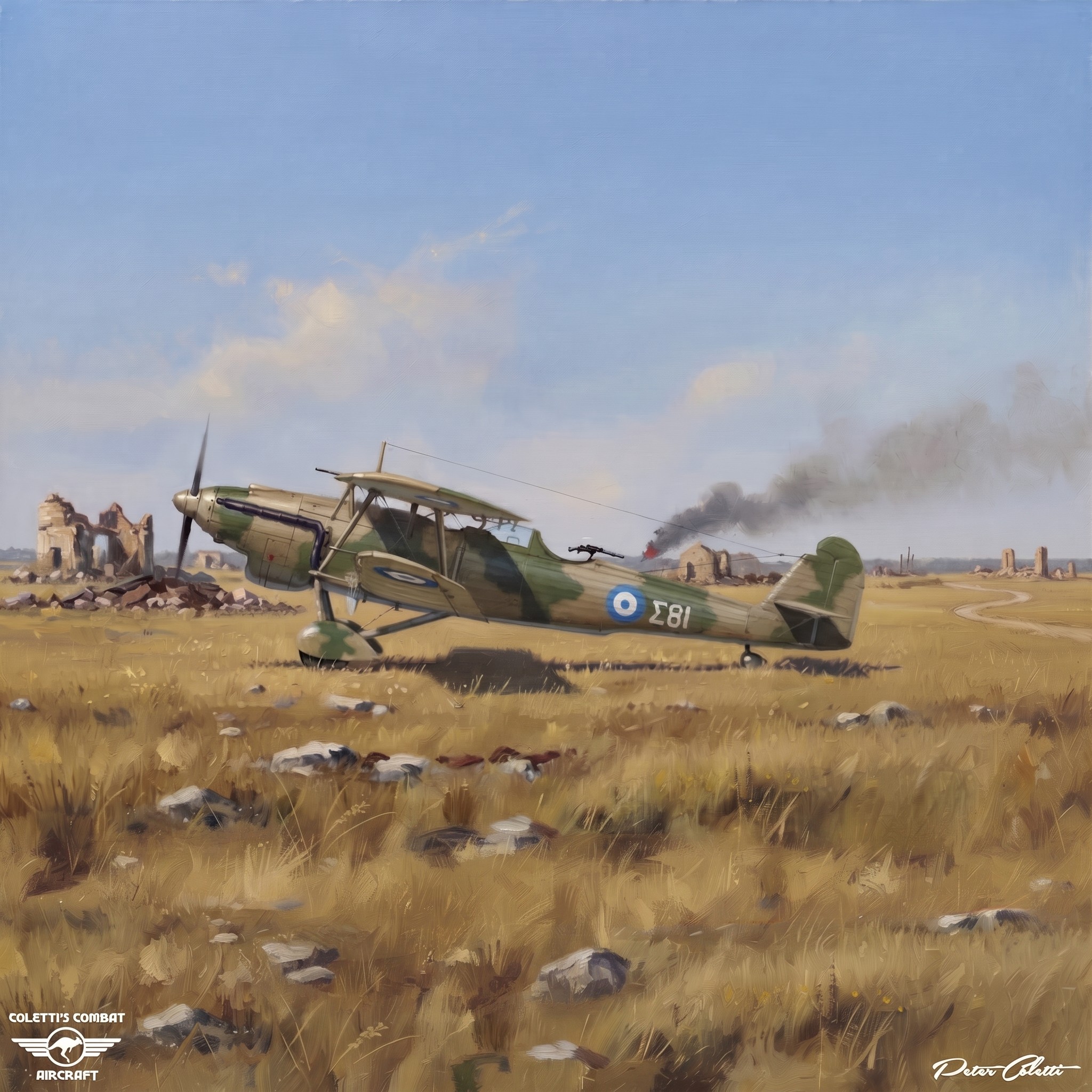
Greece (Do 22Kg)
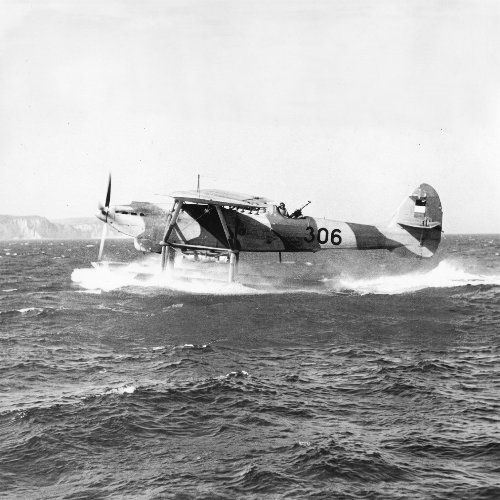
Yugoslavia (Do 22Kj)
Latvia (Do 22Kl—never delivered due to Soviet occupation)
Dornier Do 22KG
Design and Engineering
Airframe
The Do 22 was a parasol‑wing monoplane of fabric‑covered, all‑metal construction:
Slightly swept‑back wing mounted on struts above the fuselage
Twin floats braced to both wing and fuselage
Crew of three: pilot, observer, and gunner
Dornier Do22 KJ
Dimensions
(Do 22 series):
Length: 13.12 m
Wingspan: 16.20 m
Height: 4.80 m
Dornier Do 22L
Powerplant
The aircraft was powered by a Hispano‑Suiza 12Ybrs liquid‑cooled V‑12 engine producing 860 hp, driving a three‑bladed propeller.
Dornier Do 22L
Armament
The Do 22 carried:
One fixed forward‑firing machine gun
Two flexible machine guns in the rear cockpit
One ventral tunnel gun
Dornier Do22 KJ
Offensive payload:
One 800 kg torpedo,
or
Four 50 kg bombs
Dornier Do22 KJ
Construction Features
Key design characteristics included:
All‑metal stressed‑skin fuselage
High‑mounted wing for improved visibility and reduced spray
Twin floats for maritime operations
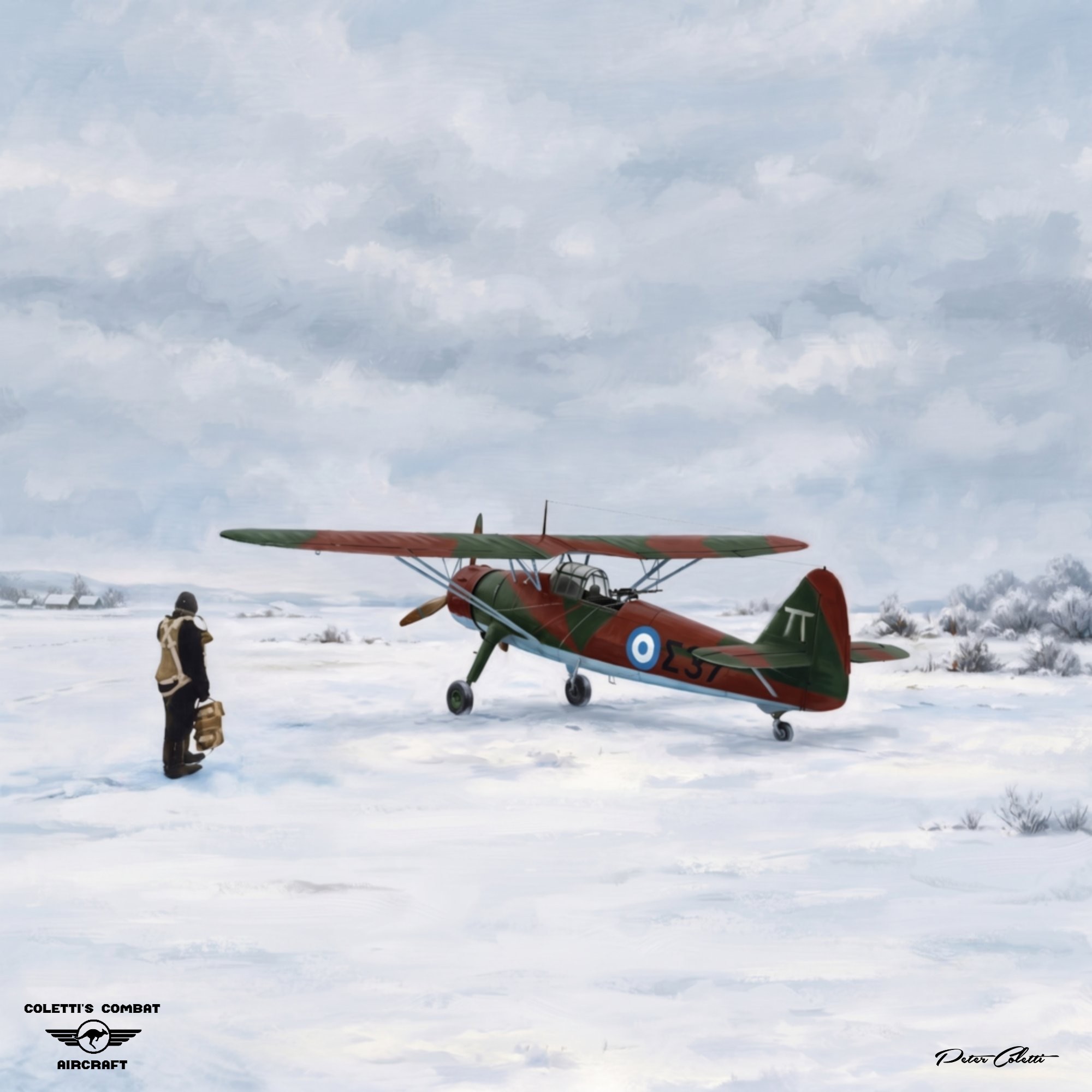
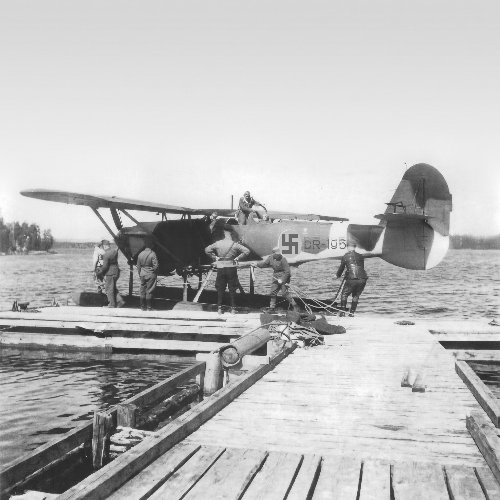
Capability to operate with floats or skis (Finnish service)
Dornier Do 22L
Performance
Performance figures (Do 22 series):
Maximum speed: 350 km/h (217 mph)
Range: 2,300 km (1,429 miles)
Service ceiling: 9,000 m (29,528 ft)
These specifications made the Do 22 competitive among mid‑1930s naval reconnaissance aircraft, though limited production restricted its broader impact.
Dornier Do22 KJ
Variants
Do C3
Early prototypes (two built), basis for Do 22 development.
Do 22Kg
Export version for Greece.
Do 22Kj
Export version for Yugoslavia.
Do 22Kl
Export version for Latvia; never delivered due to Soviet occupation; transferred to Finland in 1942.
Do 22L
Land‑based version with conventional landing gear; one prototype only.
Dornier Do C3
Operational History and WWII Context
Greek Service
Greece operated Do 22Kg aircraft for maritime patrol and convoy escort.
All Greek aircraft were destroyed during the German invasion of the Balkans in 1941.
Yugoslav Service
Yugoslavia operated 12 Do 22Kj aircraft.
During the Axis invasion in April 1941, crews of eight aircraft escaped to Egypt, where they flew under RAF control until lack of spare parts grounded them.
Latvian / Finnish Service
Latvia ordered four aircraft, but they were not delivered due to the Soviet occupation in 1940.
Germany retained the aircraft and transferred them to Finland in 1942, where they served on floats or skis until the end of WWII.
Dornier Do 22KI
Luftwaffe Evaluation
Although the Do 22 demonstrated good performance, the Luftwaffe rejected it in favour of other designs.
Its export‑only status limited its operational footprint.
Dornier Do 22L
Conclusion
The Dornier Do 22 was a capable and versatile maritime reconnaissance and torpedo‑bomber floatplane that found modest success among smaller European air forces.
Its parasol‑wing design, robust construction, and long range made it well‑suited for coastal patrol and naval cooperation missions.
However, its limited production, export‑only role, and the rapid escalation of WWII meant that it remained a niche aircraft, overshadowed by larger and more modern seaplanes.
Despite this, the Do 22 played meaningful roles in the Balkans Campaign, Mediterranean operations, and Finnish reconnaissance missions, earning a place as one of Dornier’s more interesting pre‑war export designs.