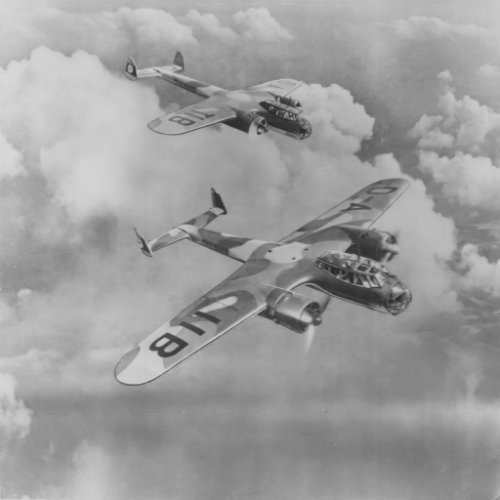
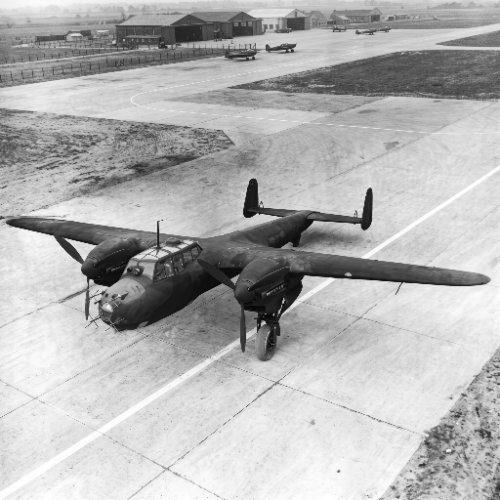
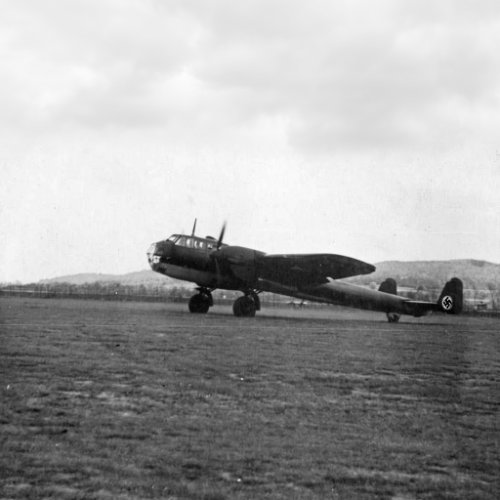
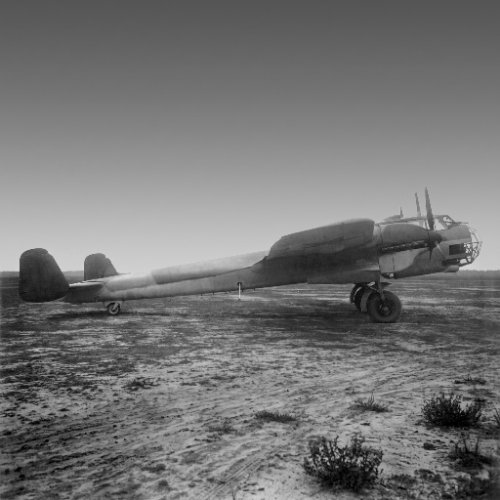
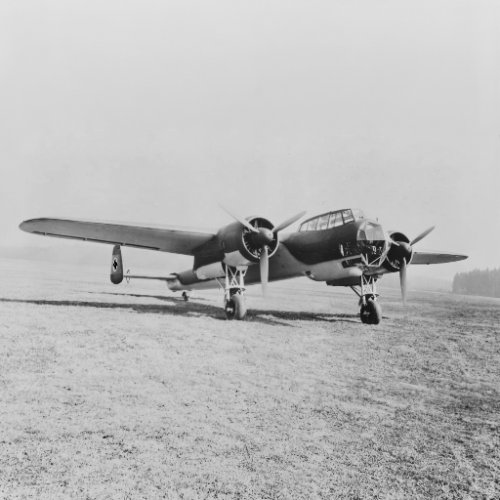
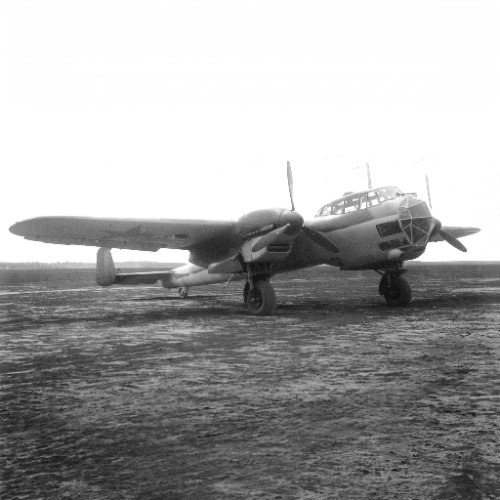
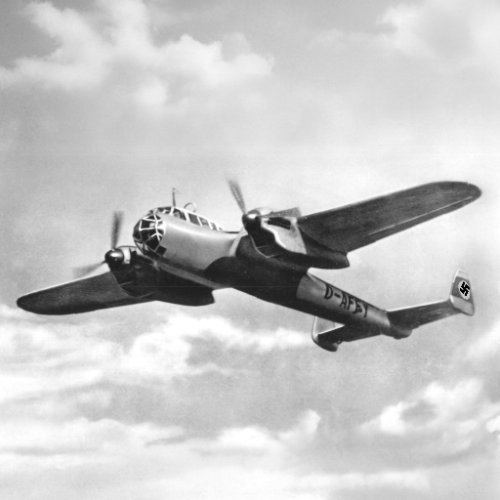
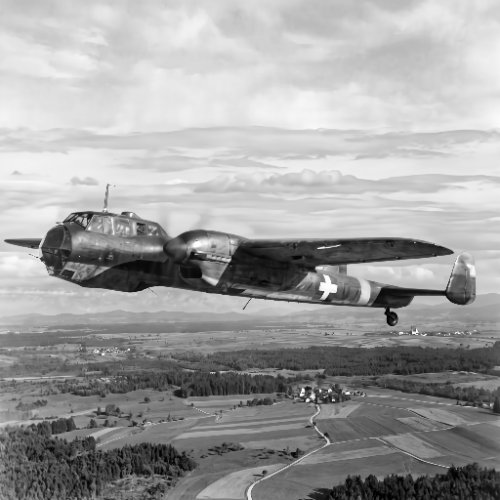
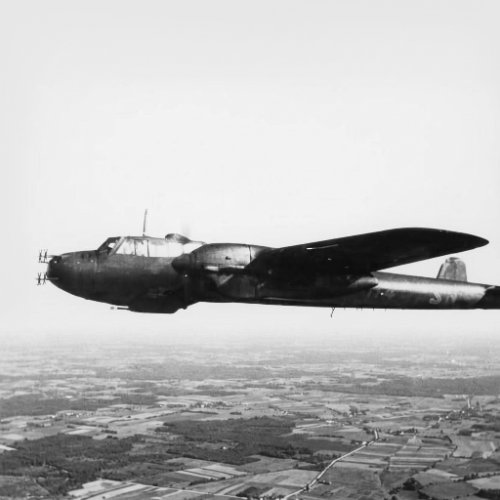
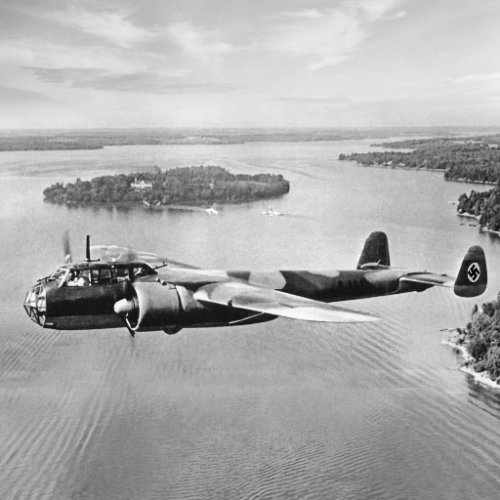
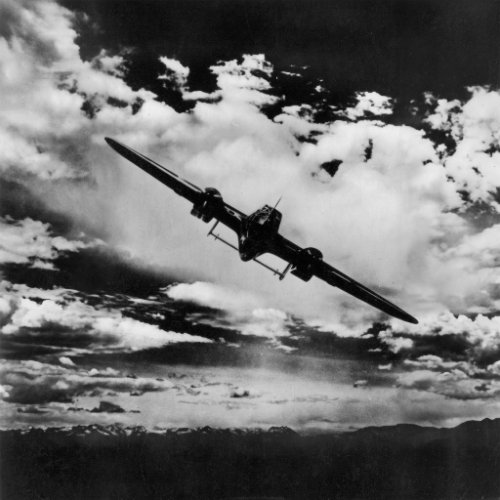
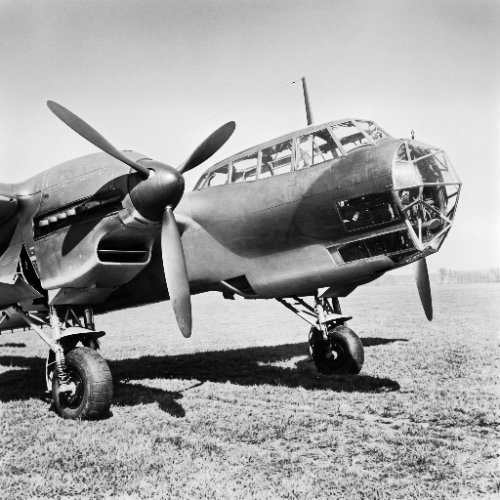
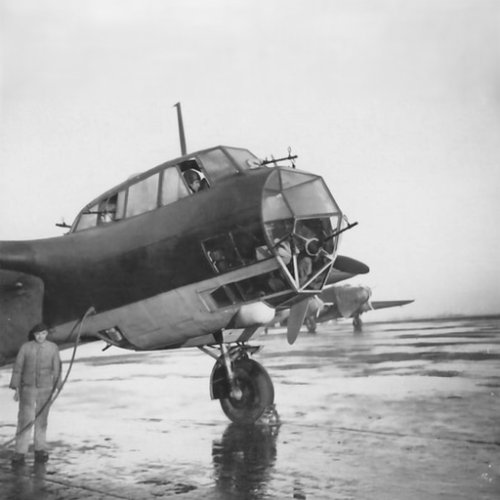
The Dornier Do 215 was a twin‑engined German light bomber, strategic reconnaissance aircraft, and later night fighter, developed as an export‑oriented derivative of the Dornier Do 17 “Flying Pencil”.
Built in relatively small numbers—about 100–105 aircraft between 1939 and 1941—it nonetheless carved out a distinct niche as a fast, long‑range reconnaissance platform and as one of the Luftwaffe’s early radar‑equipped night fighters.
Development
Export roots and designation
Origin of the Do 17 fast bomber
The Do 215 began as a refinement of the Do 17Z fast bomber, which had attracted renewed foreign interest in the late 1930s.
A Do 17Z demonstrator sent to Yugoslavia in July 1937 was, for bureaucratic reasons, given the designation Do 215, and the Reich Air Ministry (RLM) subsequently reserved this designation for export versions of the Do 17Z.
Pre‑series demonstrator
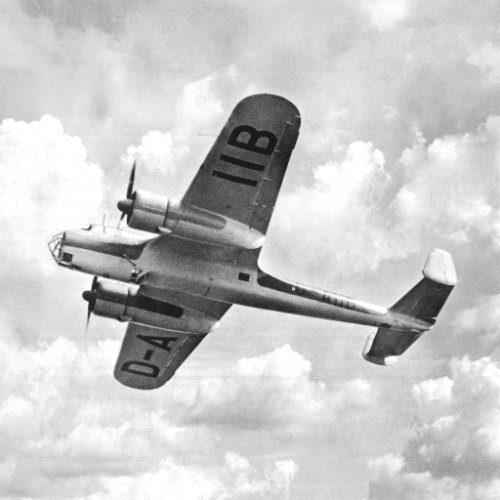
Dornier prepared a pre‑series Do 17 Z‑0 demonstrator with civil registration D‑AAIV for export customers.
Though essentially identical to the production Do 17Z, the RLM treated it as the prototype of the Do 215 export family.
Prototype evolution
V1 and V2 prototypes
Three prototypes explored different powerplants:
Do 215 V1: retained the Bramo 323 Fafnir radial engines of the Do 17Z; it crashed during testing.
Do 215 V2: fitted with Gnome‑Rhône 14‑NO radial engines; completed testing but offered no real performance gain over the Do 17Z and failed to attract export orders.
V3 and the DB 601 breakthrough
The third prototype, Do 215 V3, introduced Daimler‑Benz DB 601 Ba liquid‑cooled inline engines (about 1,175 PS / 1,159 hp each).
First flown in spring 1939, it showed a clear improvement in speed and overall performance, establishing the DB‑powered configuration as the basis for series production.
Swedish order and Luftwaffe embargo
Swedish A‑1 order
Series production of the Do 215 A‑1 began in 1939, with 18 aircraft ordered by Sweden as an export light bomber to replace French Breguet 694s.
Embargo and redesignation
With the deteriorating political situation in Europe, Germany imposed an export embargo in August–September 1939.
The completed Swedish aircraft were seized and pressed into Luftwaffe service.
After modifications, they were redesignated Do 215 B‑0 to B‑5, forming the standard production series.
Production scale
Official figures indicate around 102–105 Do 215s built between 1939 and 1941 at Dornier’s Oberpfaffenhofen plant near Munich.
Design and engineering
Airframe and layout
Flying Pencil lineage
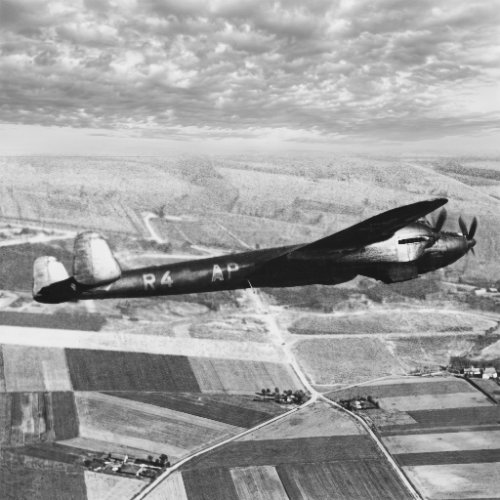
The Do 215 retained the characteristic slim fuselage and mid‑mounted monoplane wing of the Do 17, earning the same nickname “Flying Pencil”.
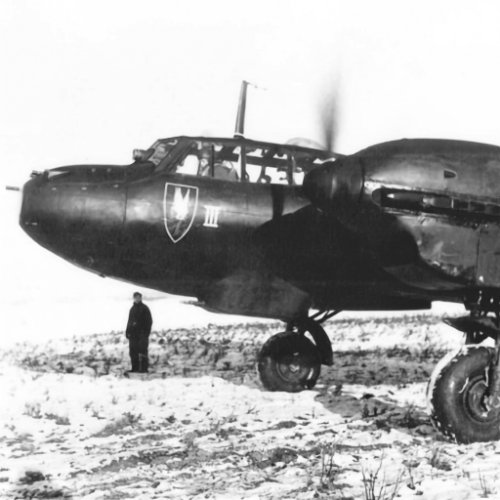
The crew of four—pilot, bombardier/navigator, and two gunners—occupied a heavily glazed forward cockpit, giving excellent visibility but cramped working conditions.
Dimensions and structure
Typical Do 215B data:
Length: ~15.8 m
Wingspan: ~18.0 m
Wing area: ~55 m²
Loaded weight: ~8,800 kg
The fuselage housed an internal bomb bay, which could alternatively be fitted with cameras for reconnaissance missions.
Powerplant
Inline DB 601 engines
The defining technical upgrade over the Do 17 was the adoption of Daimler‑Benz DB 601 liquid‑cooled V‑12 engines:
DB 601 Ba: about 1,175 PS (1,159 hp / 864 kW) per engine on early B‑series.
Some sources note DB 601A engines rated around 1,100 hp on later aircraft.
These engines drove three‑blade propellers in streamlined nacelles, improving speed, climb, and high‑altitude performance compared to the radial‑engined Do 17Z.
Armament and equipment
Bomber and reconnaissance fit
Early bomber/reconnaissance Do 215B variants typically carried:
4–6 × 7.92 mm MG 15 defensive machine guns in nose, dorsal, and ventral positions.
Internal bombload up to 1,000 kg (≈2,200 lb), usually in combinations of 50–250 kg bombs.
In reconnaissance roles, the bomb bay was equipped with Rb‑series cameras, turning the aircraft into a long‑range strategic photo platform.
Night‑fighter armament
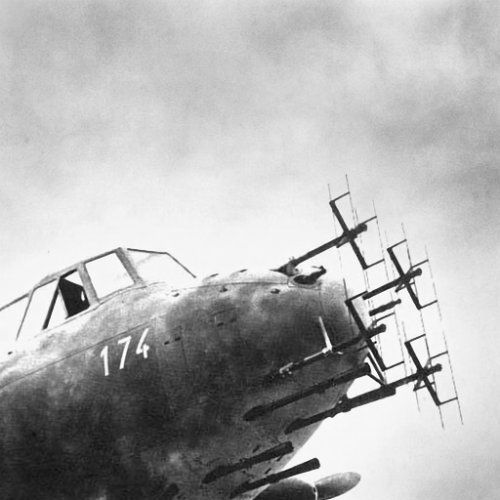
The dedicated night‑fighter variant Do 215 B‑5 concentrated heavy armament in the nose:
4 × 7.92 mm MG 17 machine guns.
2 × 20 mm MG FF cannons.
It also carried Lichtenstein radar (on later machines) and flame‑dampened exhausts, making it one of the Luftwaffe’s early purpose‑built night fighters.
Performance
General performance (Do 215B)
With twin DB 601 engines and a clean airframe, the Do 215B achieved:
Maximum speed: about 470–485 km/h at 4,000 m (≈292–301 mph).
Range: up to 2,450 km in reconnaissance configuration.
Service ceiling: roughly 8,200–9,000 m.
These figures placed it among the faster twin‑engine aircraft of its class in 1939–1941, particularly valuable for deep reconnaissance and night interception.
Variants
Prototypes
Do 215 V1
Based on Do 17 Z‑0 with Bramo 323 radials.
Crashed during testing.
Do 215 V2
Fitted with Gnome‑Rhône 14‑NO radials.
Completed tests but offered no significant improvement over Do 17Z.
Do 215 V3
First with DB 601 Ba inline engines.
Demonstrated markedly better performance; became the pattern for production.
Production series
Do 215 A‑1
Initial export bomber version for Sweden.
Embargoed and never delivered; airframes later converted to B‑series for Luftwaffe use.
Do 215 B‑0 / B‑1 / B‑2
Early bomber/reconnaissance variants.
Standard DB 601 engines, internal bomb bay, multiple MG 15s.
Used primarily by Aufklärungsgruppen for long‑range reconnaissance.
Do 215 B‑3 / B‑4
Improved reconnaissance versions with refined equipment fits and camera installations.
B‑4 widely used over the UK, Norway, and Eastern Front.
Do 215 B‑5 (night fighter)
Nose packed with 4 × MG 17 and 2 × MG FF.
Equipped with radar and flame‑dampers.
Served as an early dedicated night‑fighter platform, preceding the more numerous Ju 88C/G and Bf 110 night fighters.
Operational history and WWII context
Strategic reconnaissance and bombing
Early war deployment
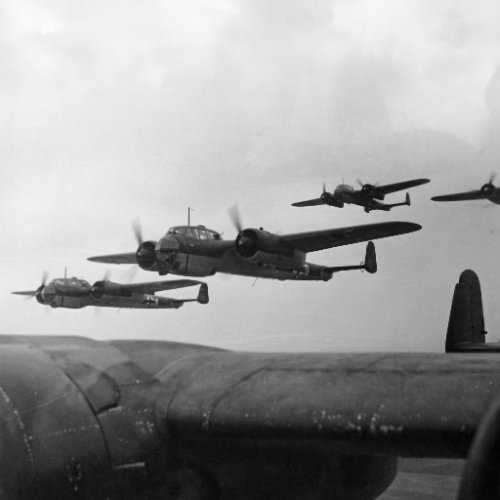
Although conceived as an export aircraft, most Do 215s entered Luftwaffe service from 1939 onward.
They were assigned to specialized units such as Aufklärungsgruppe des Oberbefehlshabers der Luftwaffe (Aufk.Gr.Ob.d.L.), a strategic reconnaissance group operating rare and often prototype aircraft.
Theatres of operation
Do 215s flew:
Strategic reconnaissance over the UK during the Battle of Britain, photographing ports, airfields, and industrial targets.
Maritime and land reconnaissance in Norway and the North Sea.
Long‑range missions on the Eastern Front, tracking Soviet troop movements and logistics.
In the light‑bomber role, they conducted limited bombing operations, but the type was quickly overshadowed by larger and more capable bombers such as the Do 217 and Ju 88.
Night‑fighter role
Transition to night fighting
As the Luftwaffe sought to counter increasing RAF night bombing, the Do 215’s speed and DB 601 engines made it a candidate for conversion to a night fighter.
The Do 215 B‑5 variant, fitted with radar and heavy nose armament, entered service in 1941–1942, operating in the Defence of the Reich.
Although effective in limited numbers, it was soon outnumbered and outclassed by purpose‑built night fighters like the Ju 88C/G and Bf 110G, and production of the Do 215 ceased by 1941.
Foreign operators and late service
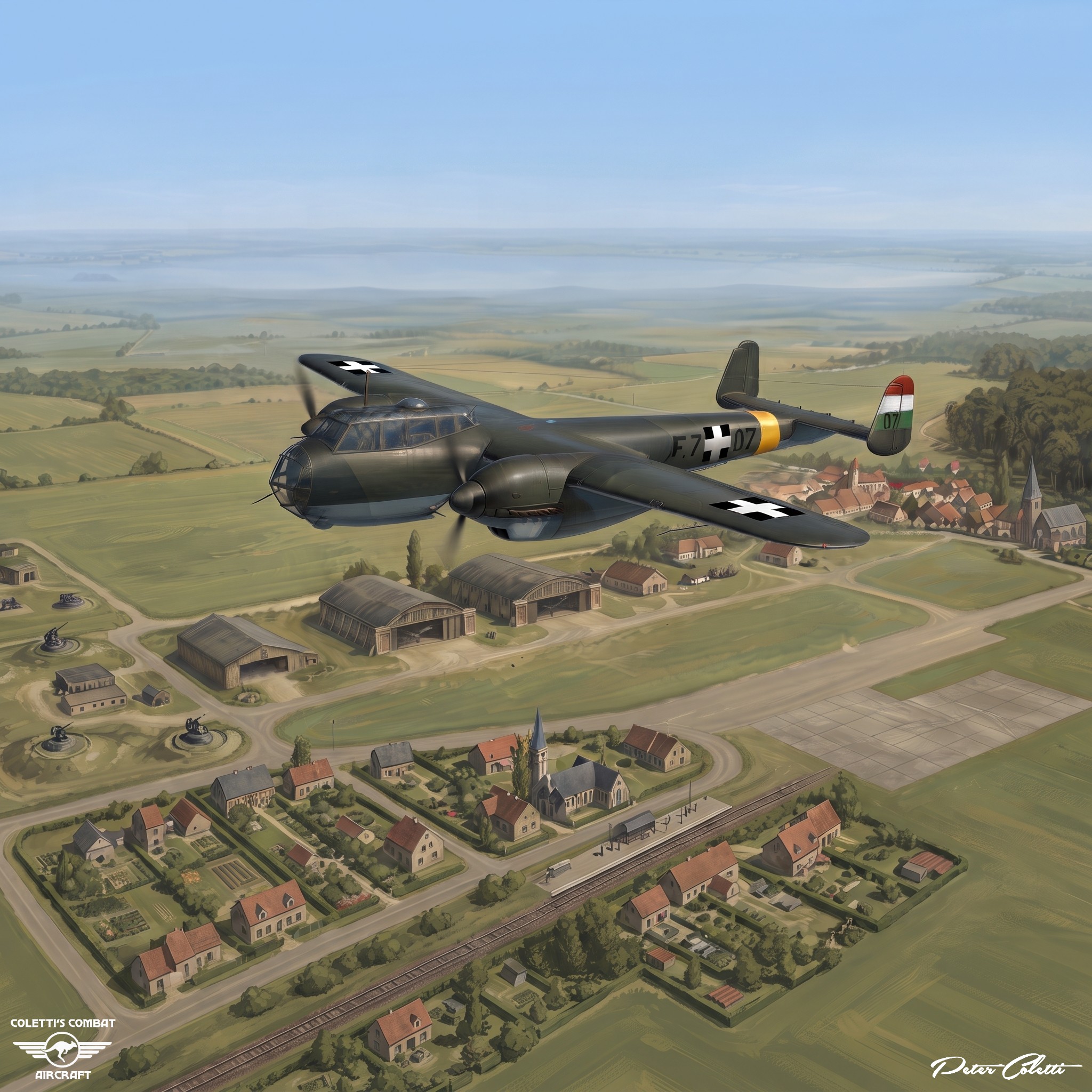
Hungarian service
The Royal Hungarian Air Force received four Do 215s in 1942 and seven more in 1943, using them for reconnaissance and bombing over Serbia, Romania, and later against Soviet forces from October 1944.
Retirement
Within the Luftwaffe, the Do 215 was largely withdrawn from front‑line service by 1944, replaced by more modern bombers and night fighters.
Officially, the type was retired around 1944, with only a handful lingering in secondary roles.
Legacy
Bridge between Do 17 and Do 217
The Do 215 stands as a transitional design:
Technically, it married the slim Do 17 airframe with modern DB 601 engines, foreshadowing the more powerful Do 217.
Operationally, it proved the value of fast, long‑range reconnaissance and helped pioneer early radar‑equipped night‑fighter concepts.
Though produced in modest numbers and overshadowed by its successor, the Dornier Do 215 occupy a distinct niche in WWII aviation history—as an export bomber turned strategic reconnaissance workhorse and as one of the Luftwaffe’s first dedicated night fighters.