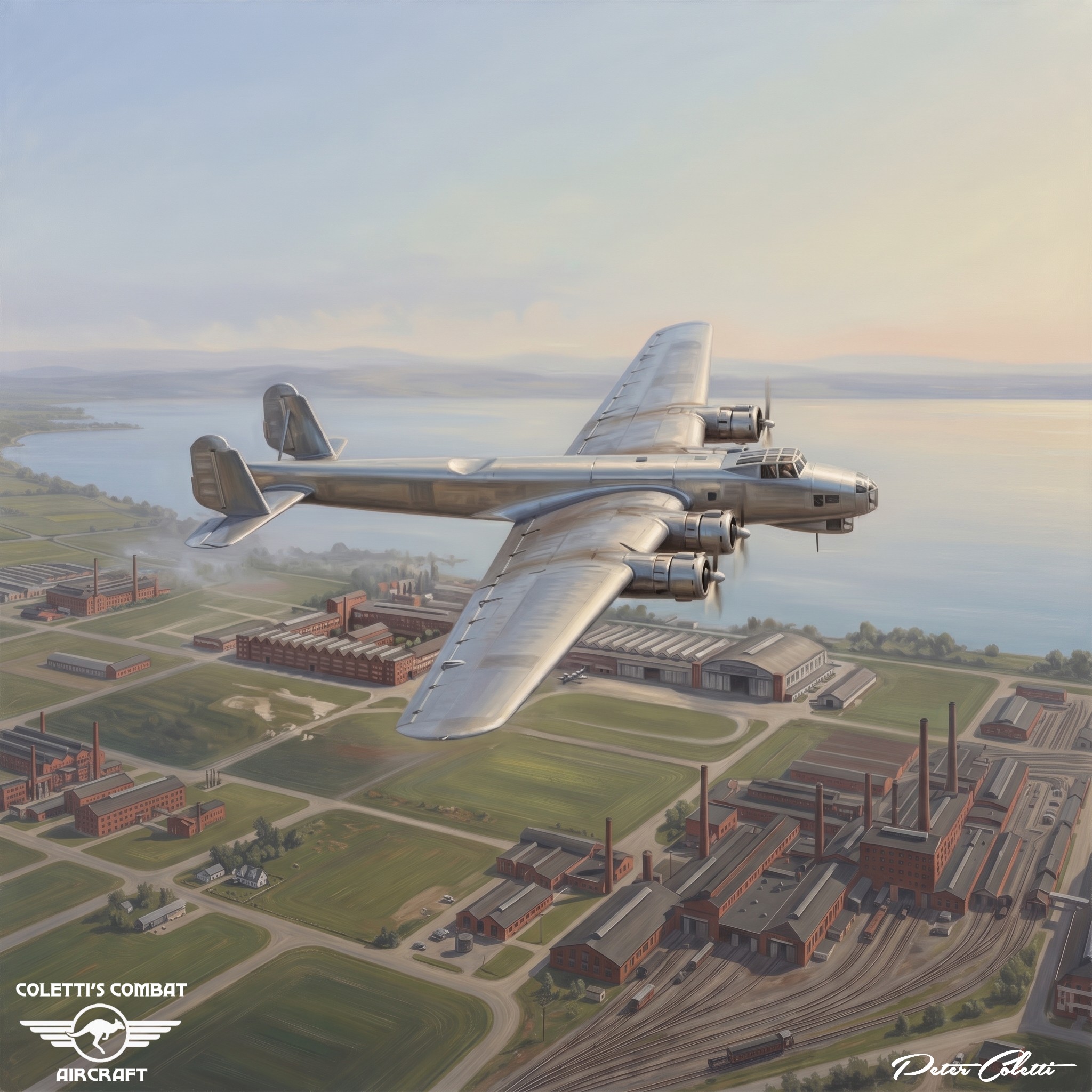
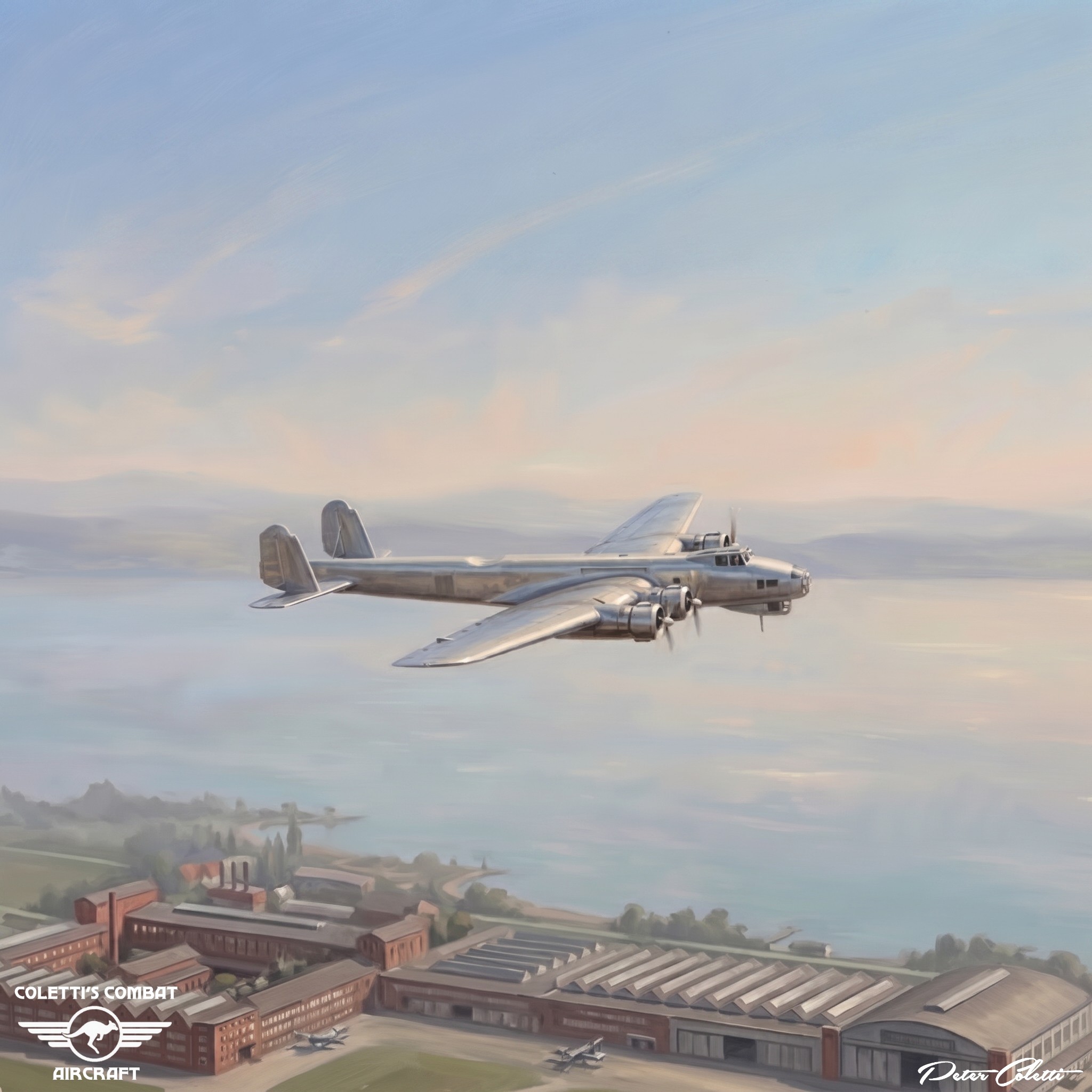
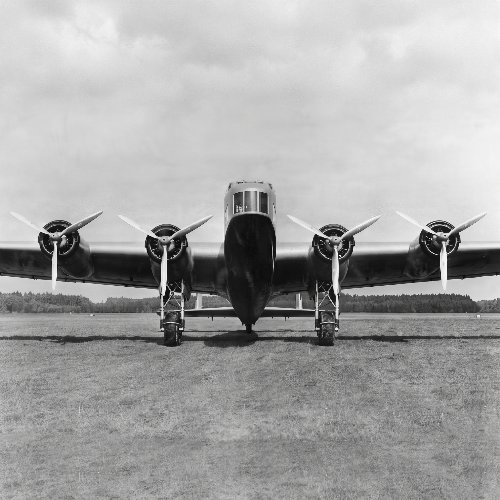
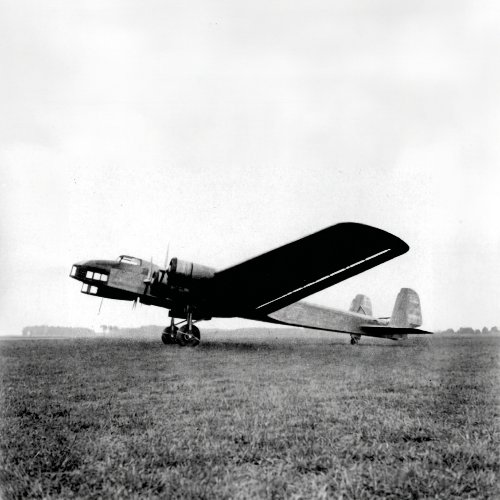
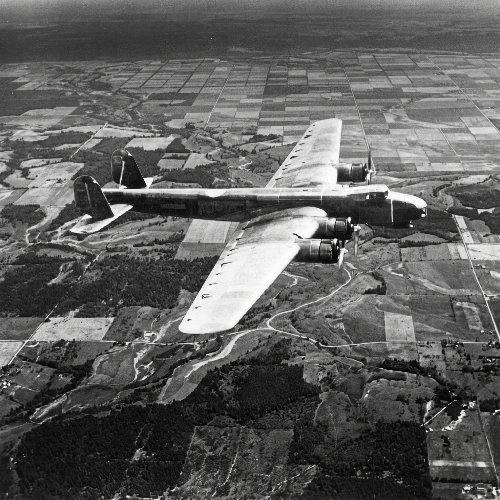
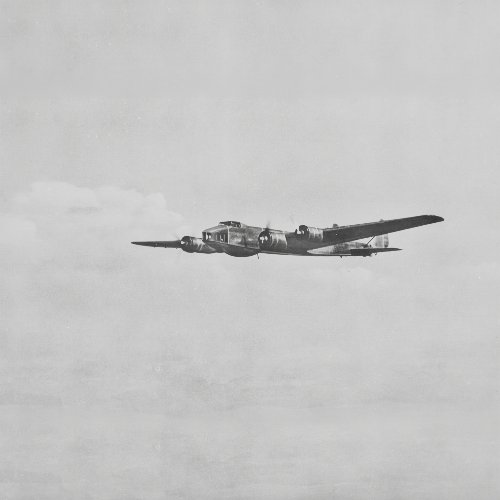
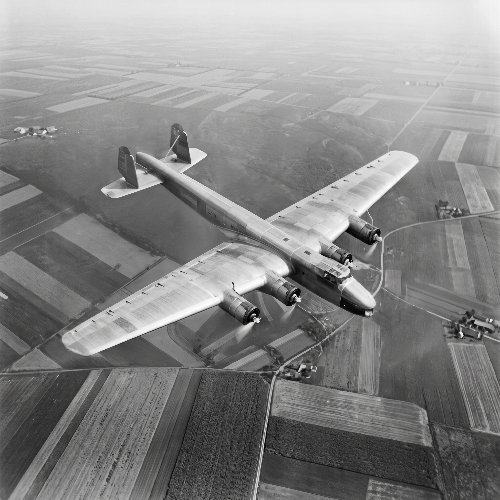
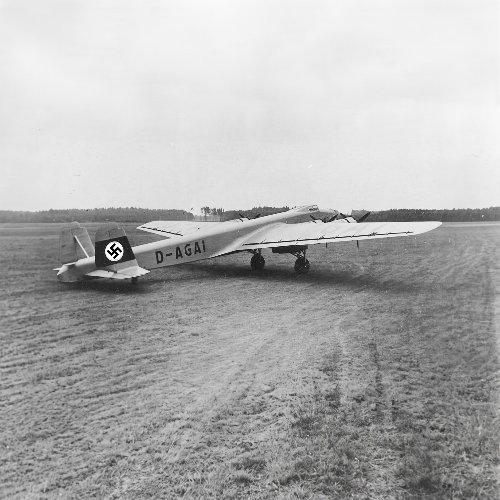
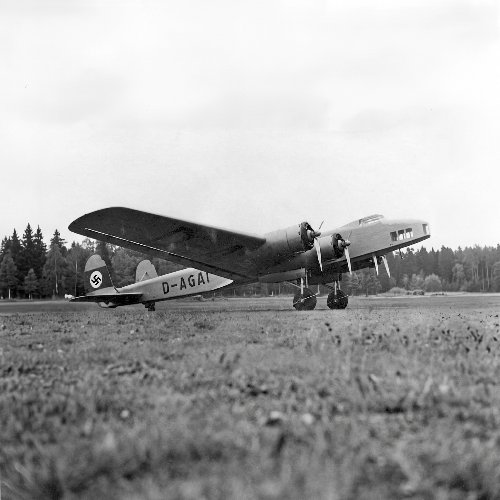
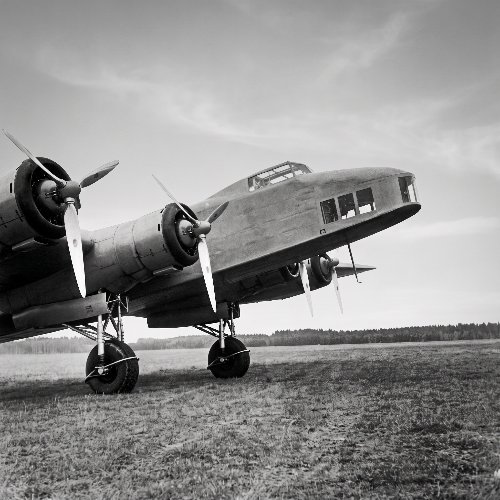
The Dornier Do 19 was a four‑engined German heavy bomber prototype developed in the mid‑1930s as part of the Luftwaffe’s ambitious “Ural bomber” long‑range strategic bombing program.
Conceived to strike deep targets such as Soviet industrial centres in the Ural Mountains, it represented Germany’s earliest attempt to field a true strategic bomber.
The Do 19 first flew on 28 October 1936, but only one of three prototypes ever took to the air; the program was cancelled in 1937 following a doctrinal shift away from strategic bombing.
Development
Origins in the Ural bomber Program (1934–1935)
In 1934, the German Air Ministry issued a requirement for a long‑range heavy bomber capable of reaching targets deep inside the Soviet Union.
This “Ural bomber” concept was championed by General Walther Wever, the Luftwaffe’s first Chief of Staff, who believed Germany needed an independent strategic bombing capability.
Dornier and Junkers were both tasked with designing prototypes:
Dornier Do 19
Junkers Ju 89
Each company received orders for three prototypes in late 1935.
Prototype Construction (1935–1936)
The Do 19 was designed as a mid‑wing, all‑metal, cantilever monoplane with:
A rectangular‑section fuselage
Twin‑fin tail unit mounted on a low tailplane
Retractable landing gear, including the tailwheel
Power was intended to come from four Bramo 322 H‑2 radial engines, mounted in nacelles at the wing’s leading edge.
The first prototype, Do 19 V1, flew on 28 October 1936.
The other two prototypes never flew—one was used for ground testing and the other scrapped.
Program Cancellation (1936–1937)
The Do 19’s development coincided with a major doctrinal shift:
General Wever died in an aircraft crash on 3 June 1936.
His successor, Albert Kesselring, abandoned strategic bomber development in favour of fighters and tactical bombers such as the Ju 88.
By May 1937, the Ural bomber program was cancelled.
The Do 19 was relegated to a technology demonstrator, and the Luftwaffe shifted resources to the Bomber A program, which later produced the Heinkel He 177.
One prototype was later converted into a transport aircraft and used during the 1939 invasion of Poland.
Design and Engineering
Airframe
The Do 19 featured:
Mid‑wing monoplane layout
All‑metal stressed‑skin construction
Rectangular fuselage cross‑section
Twin‑fin tail mounted on a low tailplane
Retractable landing gear (including tailwheel)
Dimensions (Do 19 prototype):
Length: 25.45 m
Wingspan: 35 m
Height: 5.76 m
Crew and Internal Layout
The Do 19 was designed for a crew of ten, including:
Pilot
Co‑pilot
Navigator
Bombardier
Radio operator
Five gunners
The fuselage included multiple defensive gun positions (nose, dorsal, ventral, tail), reflecting contemporary doctrine that heavy bombers could defend themselves through concentrated firepower.
Some early specifications referenced Bramo 322 H‑2 engines, but the Bramo 323 is the confirmed powerplant for the prototype.
Armament and Payload
Defensive armament:
2 × 7.92 mm MG 15 machine guns
2 × 20 mm cannons
Bombload:
Up to 1,600 kg of bombs in an internal bomb bay
Performance
Prototype performance was modest:
Maximum speed: 315 km/h
Range:1,600 km
Service ceiling: 5,600 m
These figures were significantly below expectations for a strategic bomber, contributing to the program’s cancellation.
Variants
Only three prototypes were built:
Do 19 V1
First and only flying prototype
Maiden flight: 28 October 1936
Later converted to a transport aircraft
Do 19 V2
Ground‑test airframe
Never flown; scrapped
Do 19 V3
Partially completed
Scrapped before flight
No production variants were developed.
Operational History and WWII Context
Strategic Context
The Do 19 was intended to form the backbone of a German strategic bomber fleet.
Its cancellation had long‑term consequences:
Germany entered WWII without a true heavy bomber, relying instead on medium bombers (He 111, Ju 88, Do 17).
Historians argue that the lack of a strategic bomber hindered Germany’s ability to conduct sustained air offensives, including the Battle of Britain and anti‑shipping operations.
Limited Wartime Use
Only one Do 19 saw operational use:
The V1 prototype was converted into a transport aircraft and used during the 1939 invasion of Poland.
The aircraft had no combat role as a bomber.
Conclusion
The Dornier Do 19 stands as a symbol of Germany’s abandoned strategic bombing ambitions.
Designed under the Uralbomber program, it was intended to give the Luftwaffe long‑range striking power comparable to contemporary American and British heavy bombers.
Instead, doctrinal shifts, leadership changes, and disappointing performance led to its cancellation after only one prototype flew.
Although it never entered service, the Do 19’s development influenced later heavy bomber efforts—most notably the Heinkel He 177—and its cancellation contributed to the Luftwaffe’s lack of strategic bombing capability during WWII.