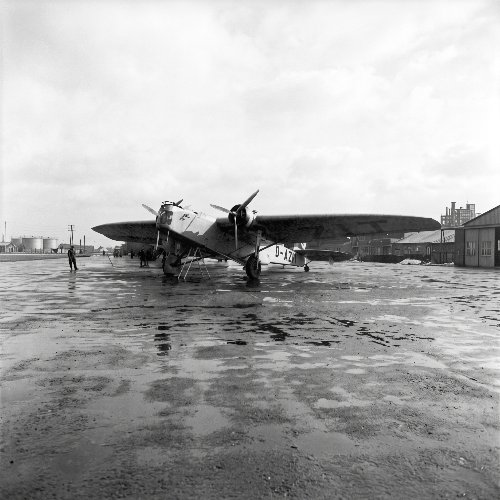
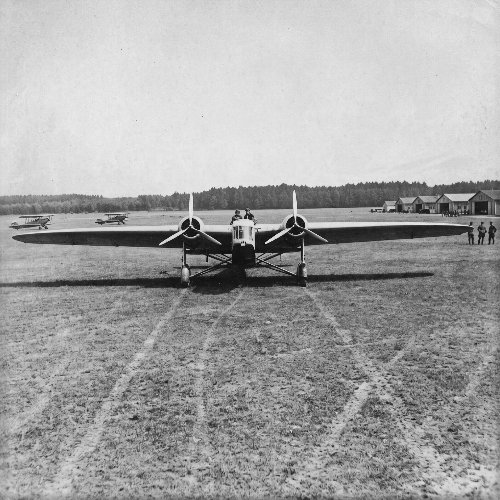
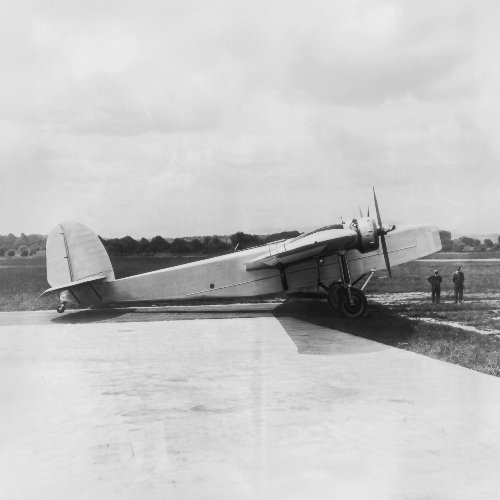
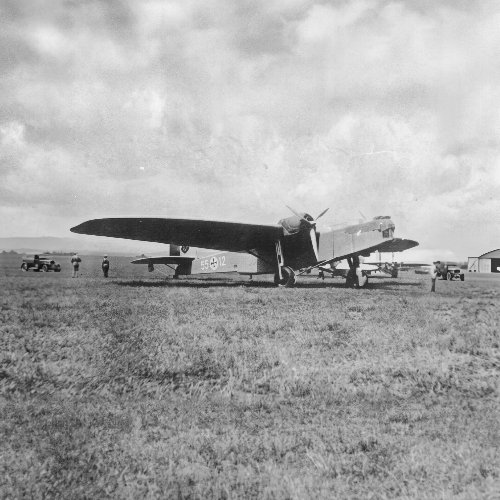
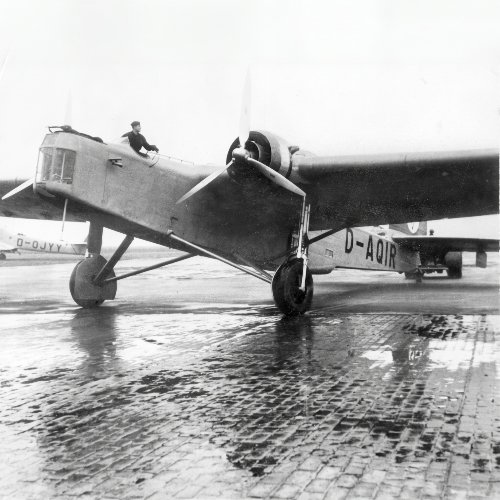
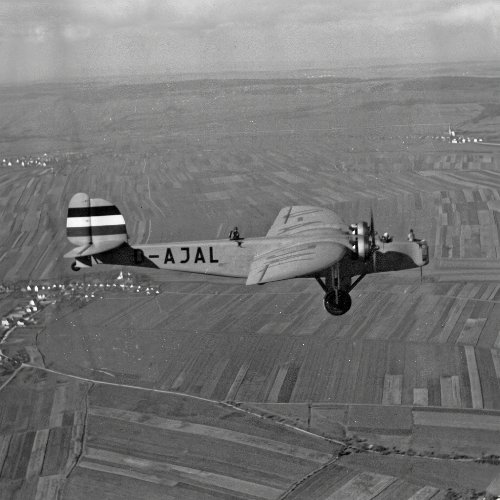
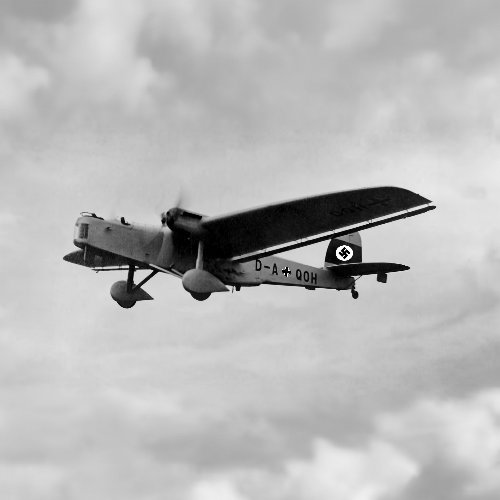
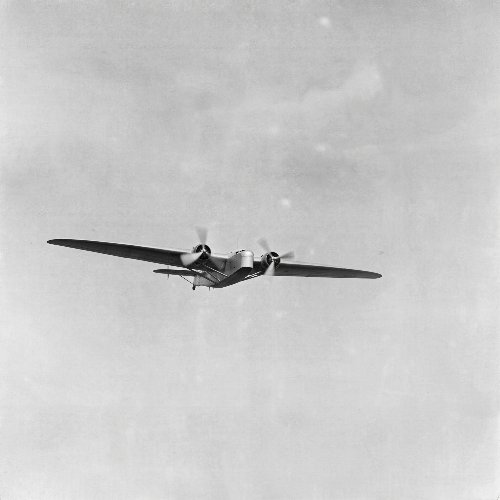
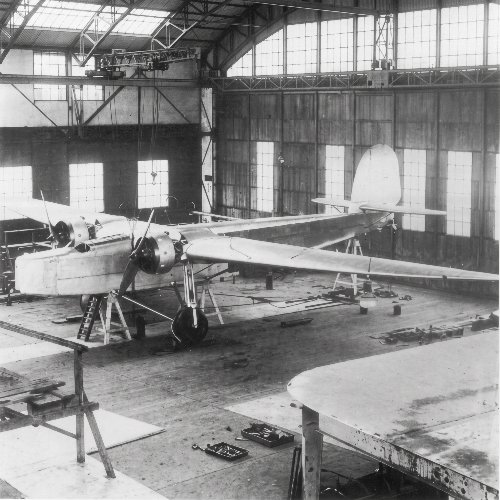
The Dornier Do 11 was a twin‑engined heavy bomber developed in secret in early‑1930s Germany as part of the clandestine rearmament that preceded the open formation of the Luftwaffe.
First flown on 7 May 1932, it entered service the same year under the guise of a civil freight aircraft, masking its true role as a bomber trainer for the still‑illegal Luftwaffe.
A total of 372 aircraft were built between 1933 and 1936, making it one of Germany’s earliest mass‑produced heavy bombers.
Although intended as a frontline bomber, the Do 11 suffered from serious structural and handling problems, leading to its withdrawal by 1936 and replacement by improved successors such as the Do 13 and Do 23.
Dornier Do 11
Development
Origins in Secret Rearmament (1931–1933)
The Do 11 originated as the Dornier F, a covert bomber project developed to circumvent the Treaty of Versailles.
Dornier disguised the aircraft as a civil freight transport for the German railway system and Deutsche Luft Hansa, allowing public display without revealing its military purpose.
Dornier Do 11
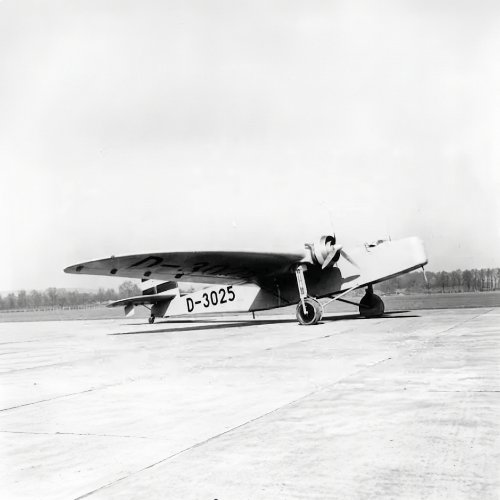
Development drew on earlier Dornier bombers:
Do P (1930)
Do Y (1931)
The Do 11 became the next step in this lineage, and the first Dornier bomber to adopt a twin‑engine configuration, unlike its three‑ and four‑engined predecessors.
The prototype flew on 7 May 1932 from Dornier’s Swiss facility to maintain secrecy.
Dornier Do Y
Production and Early Service (1933–1934)
In 1933, the Reichsluftfahrtministerium (RLM) officially redesignated the Dornier F as the Do 11, authorizing series production.
Although nominally a “heavy bomber,” the Do 11 was primarily used as a training aircraft for the emerging Luftwaffe, which was still illegal under international law.
Dornier Do Y
Design and Engineering
Airframe
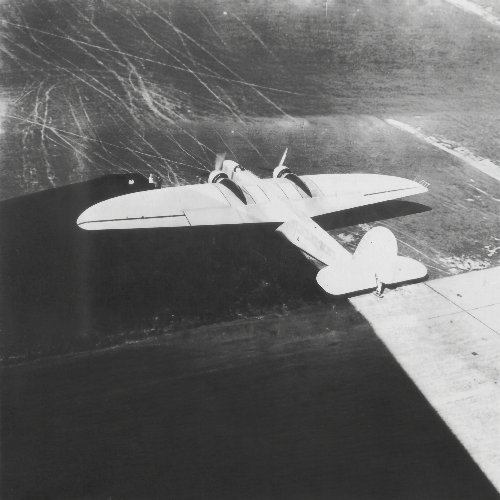
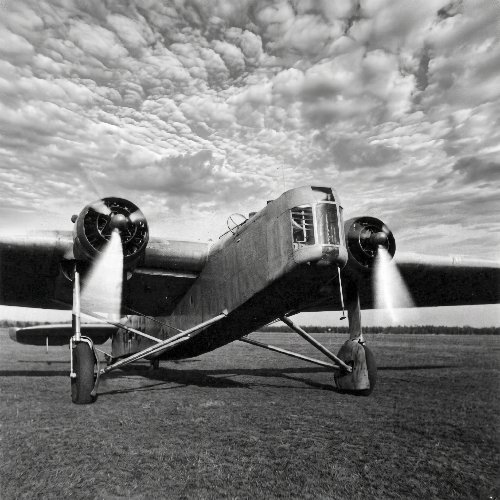
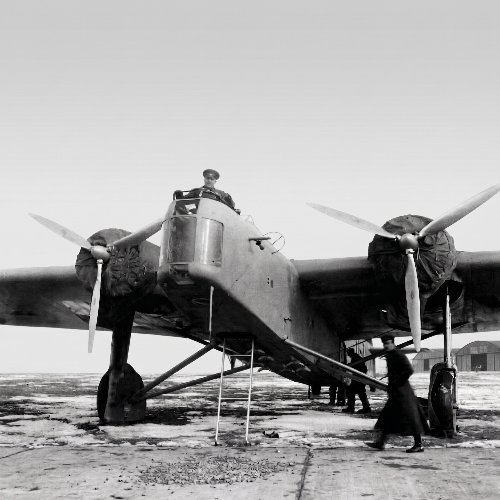
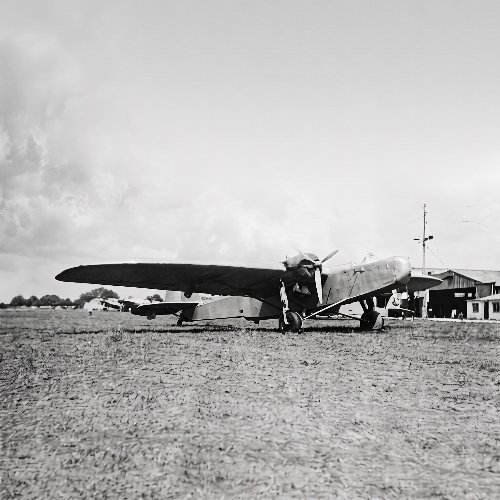
The Do 11 was a high‑wing monoplane with:
A metal framework fuselage covered largely in fabric
Twin radial engines mounted on the wings
A glazed nose for the bombardier
Fixed landing gear (retractable gear was tested but proved unreliable and often locked down)
The high‑wing layout provided good downward visibility and ground clearance for the bomb bay, a configuration that influenced later Dornier bombers.
Dornier Do Y
Powerplant
Two engine families powered Do 11 variants:
Siemens‑Halske Sh.22B‑2 radial engines (650 hp) on production models
Early prototypes used BMW 132 radials
Dornier Do 11
Crew and Armament
Crew: four (pilot, bombardier/navigator, radio operator, gunner)
Defensive armament:
Three 7.92 mm MG 15 machine guns (nose, dorsal, ventral)
Dornier Do 11
Bombload:
Up to 1,000 kg internally, typical for early‑1930s medium/heavy bombers.
Structural Problems
The Do 11 suffered from:
Severe wing vibration, requiring structural reinforcements
Unreliable retractable landing gear
General instability and poor handling, making it unpopular with pilots
These issues led to multiple crashes and accelerated the aircraft’s replacement.
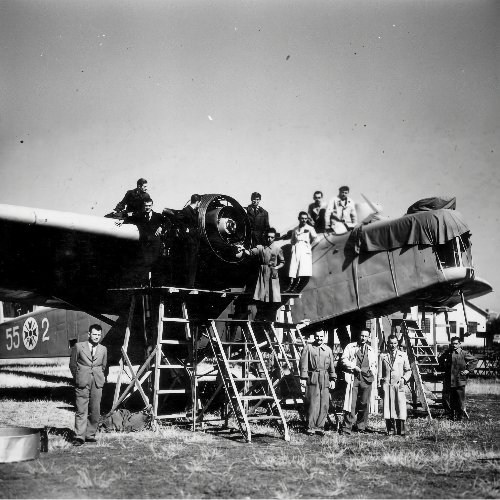
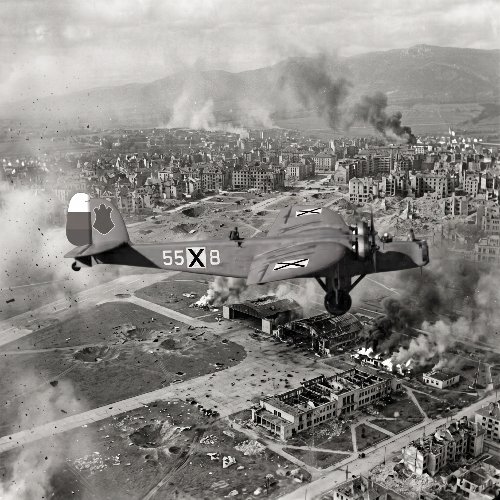
Bulgarian Dornier Do 11
Performance (Do 11D)
Representative specifications (Do 11D):
Length: 18.8 m
Wingspan: 26.3 m
Dornier Do 11
Height: 5.49 m
Wing area: 107.8 m²
Empty weight: 5,978 kg
Max takeoff weight: 8,200 kg
Dornier Do 11
Powerplant: 2 × Siemens‑Halske Sh.22B‑2 radials (650 hp each)
Fuel capacity: 1,545 L
Performance figures were modest, reflecting early‑1930s technology and the aircraft’s structural limitations.
Dornier Do 11
Variants
Do F
Prototype designation before RLM renaming.
Do 11C
First production version with Sh.22B‑2 engines.
Do 11D
Second production version with shorter‑span wings to reduce vibration; last variant to carry the Do 11 designation.
Dornier Do 11
Successor Designs
The Do 11 directly led to:
Do 13 – simplified redesign, but plagued with its own problems
Do 23 – corrected many faults and became the true operational successor
Dornier Do 11
Operational History and WWII Context
Secret Pre‑war Service (1932–1936)
The Do 11 never saw combat in WWII.
Dornier Do 11
Instead, it served:
As a trainer for the covert Luftwaffe
Under the guise of a civil freight aircraft for German railways and Lufthansa, allowing public operation without revealing its military purpose
Its role was foundational: it was the main heavy bomber of the secretly developing Luftwaffe, albeit briefly.
Dornier Do Y
Withdrawal Before WWII
Due to persistent structural and handling problems, the Do 11 was withdrawn from service by 1936, replaced by improved designs (Do 13, Do 23).
Dornier Do Y
Export Use
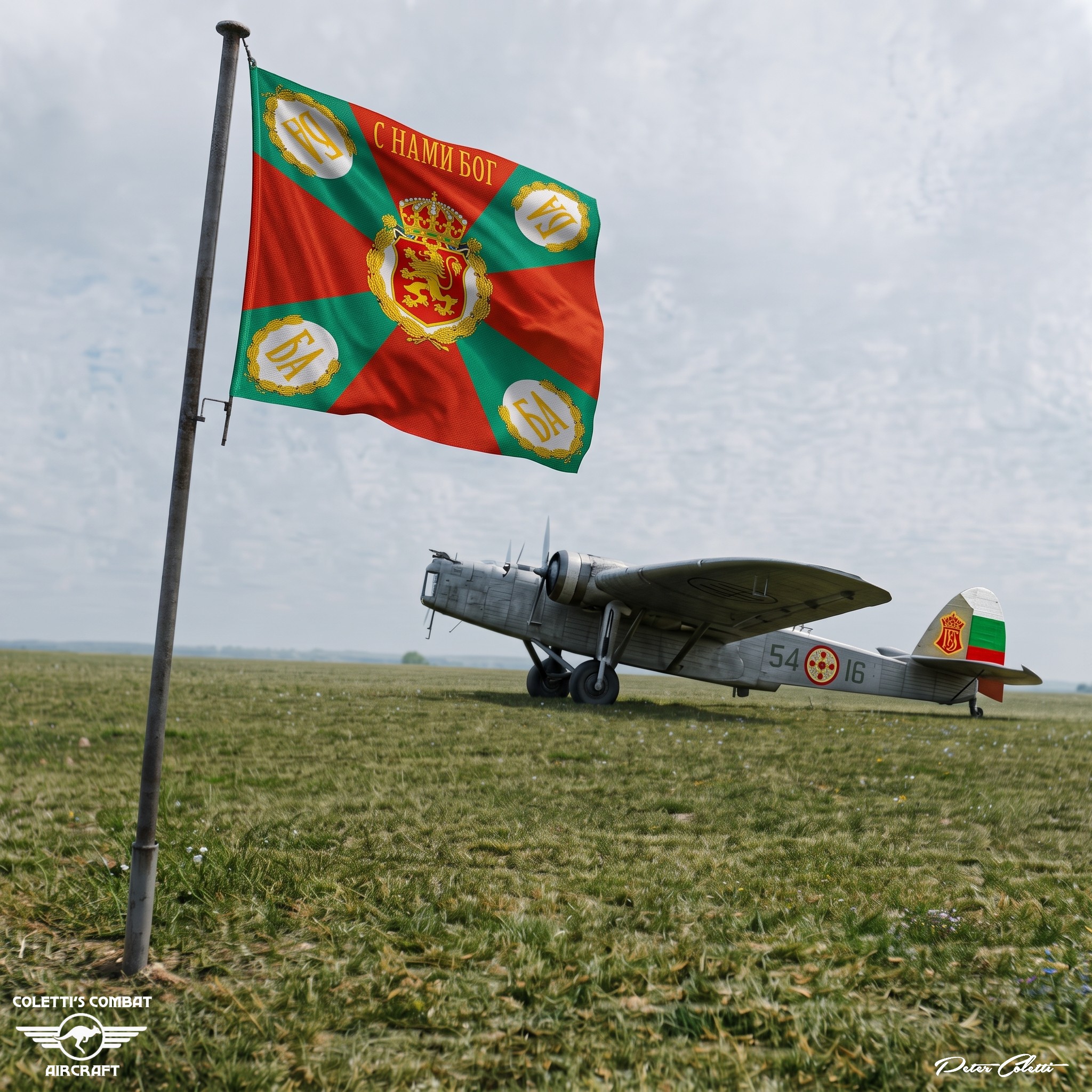
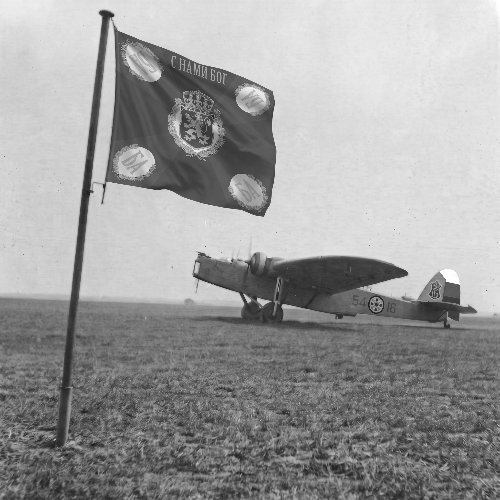
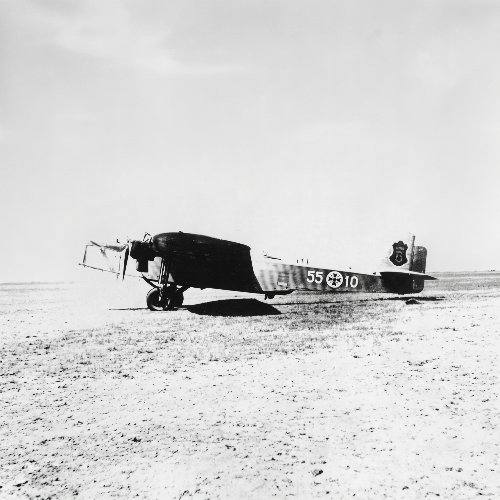
A small number were exported to Bulgaria, where they saw limited service but suffered similar reliability issues.
Dornier Do 11
Conclusion
The Dornier Do 11 occupy a unique place in aviation history as one of the first bombers built for Germany’s clandestine rearmament.
Although structurally flawed and operationally limited, it served as a critical stepping stone toward more capable Dornier bombers and helped train the early Luftwaffe.
Its narrow window of service, secretive origins, and technical shortcomings make it an important—if transitional—aircraft in the evolution of German military aviation.