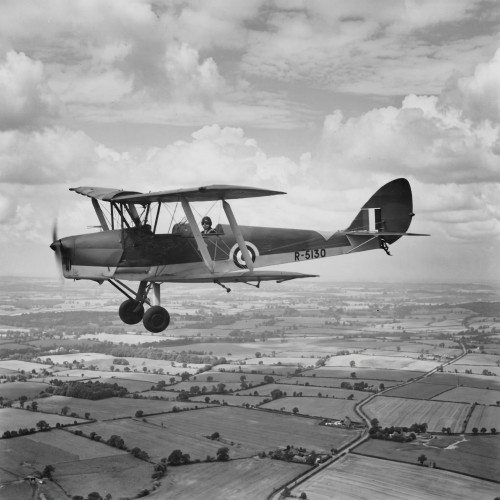
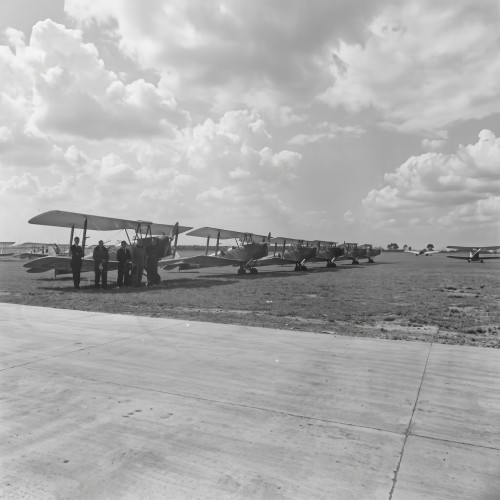
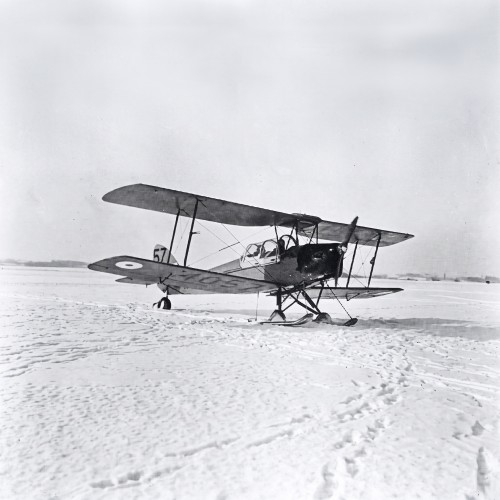
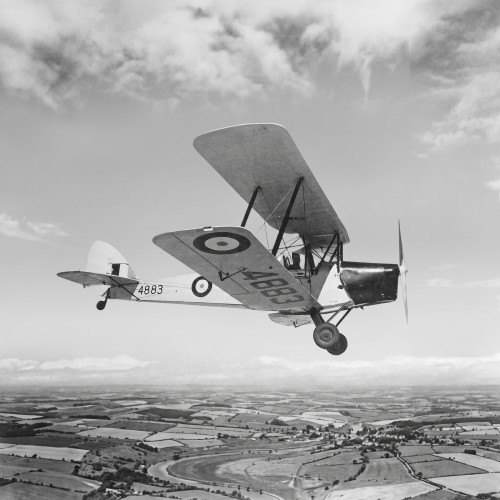
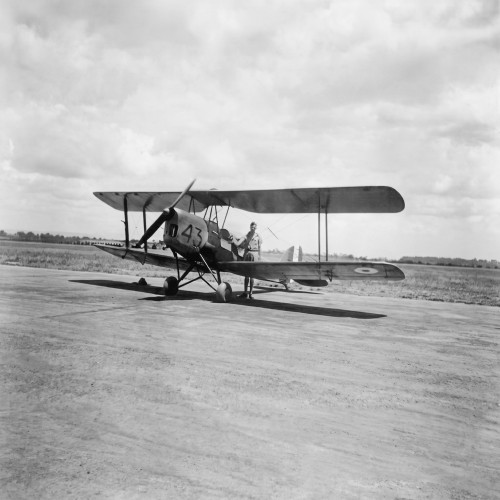
The Tiger Moth was the product of nearly a decade of refinement in De Havilland’s “Moth” series of light aircraft.
Beginning with the DH.60 Cirrus Moth in 1925, De Havilland created a family of simple, reliable, and affordable trainers and touring aircraft.
By the late 1920s, the Royal Air Force required a more modern primary trainer that could prepare pilots for increasingly advanced aircraft while remaining easy to maintain and forgiving to fly.
Tiger Moth
Need for a New Trainer
The RAF’s existing trainer, the DH.60T Moth Trainer, had shortcomings.
The most significant was cockpit access: pilots wearing parachutes struggled to enter and exit the front cockpit due to the wing’s position.
The Air Ministry issued specification T.23/31, calling for a redesigned aircraft that retained the Moth’s strengths but addressed these ergonomic and safety issues.
Tiger Moth
Design Evolution
De Havilland responded by re‑engineering the Moth airframe.
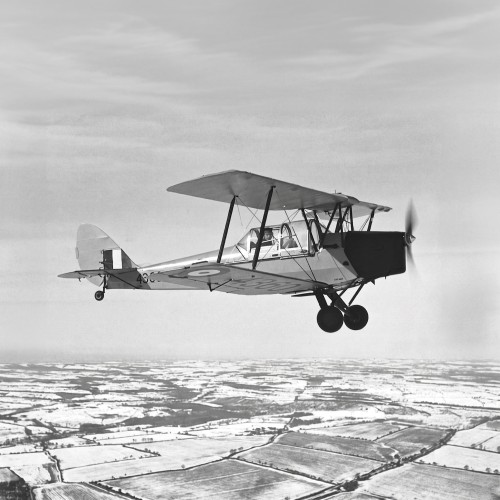
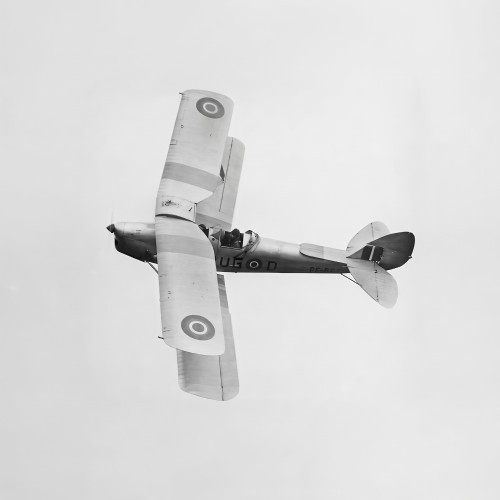
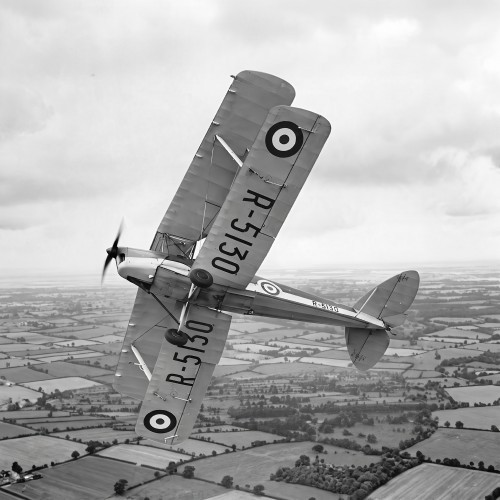
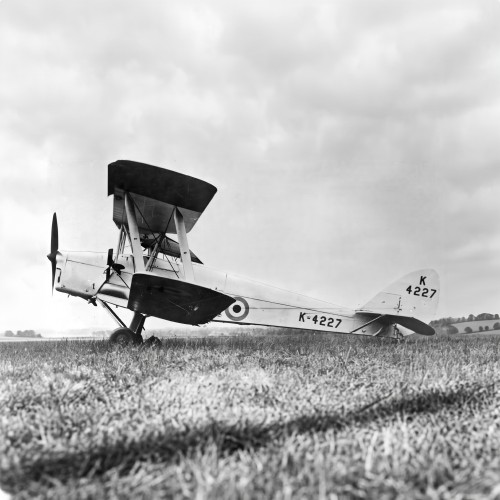
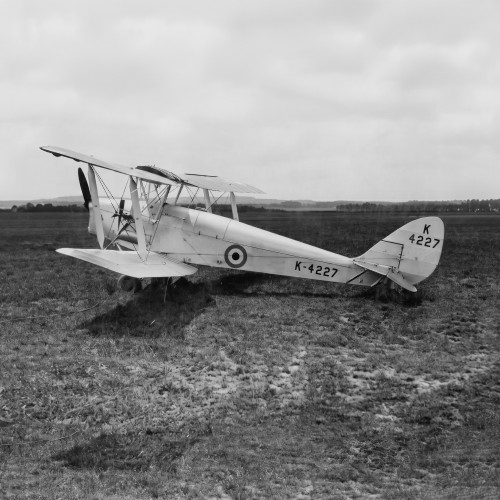
The key innovation was sweeping the upper wing back and shifting it forward relative to the fuselage.
This preserved the aircraft’s centre of lift while opening the front cockpit area.
Tiger Moth
Additional changes included:
Strengthened fuselage structure
Revised fuel tank placement
Improved exhaust routeing
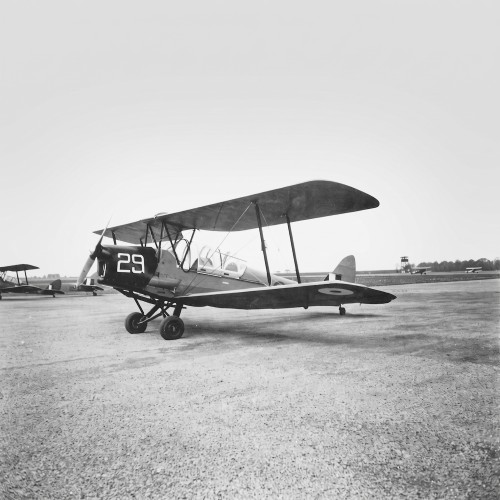
DH-82C Tiger Moth
Fold‑down cockpit doors
Enhanced control harmonisation
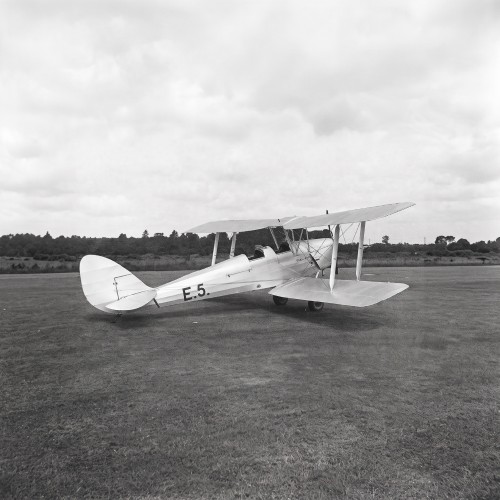
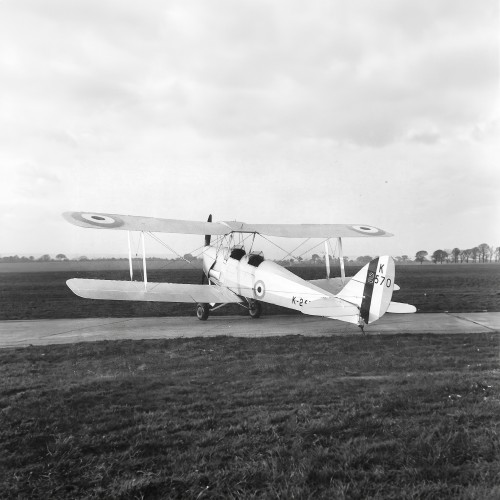
The prototype DH.82 Tiger Moth flew on 26 October 1931, piloted by Hubert Broad.
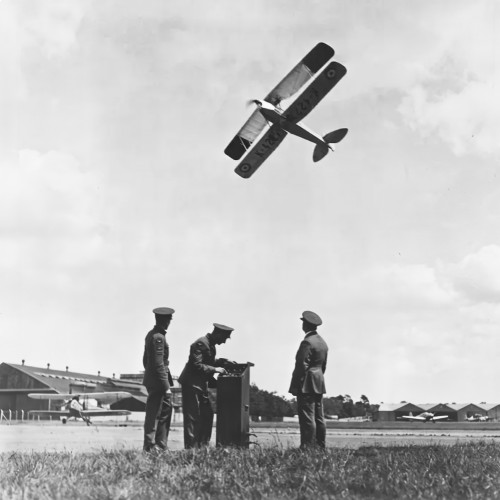
It was immediately successful, entering RAF service in early 1932 and becoming the backbone of British elementary flight training.
Design and Construction
General Configuration
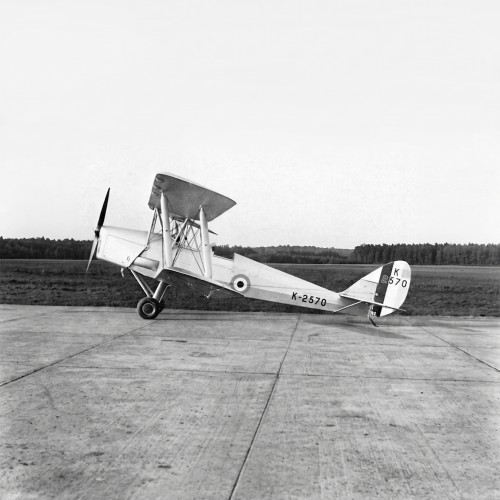
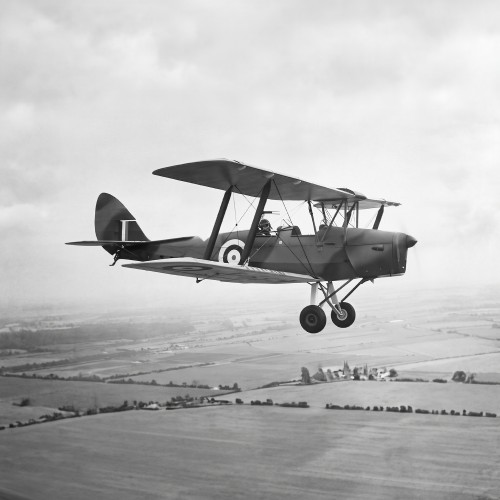
The Tiger Moth is a two‑seat, tandem‑cockpit biplane with dual controls.
Its design emphasises simplicity, ruggedness, and predictable handling.
Structure
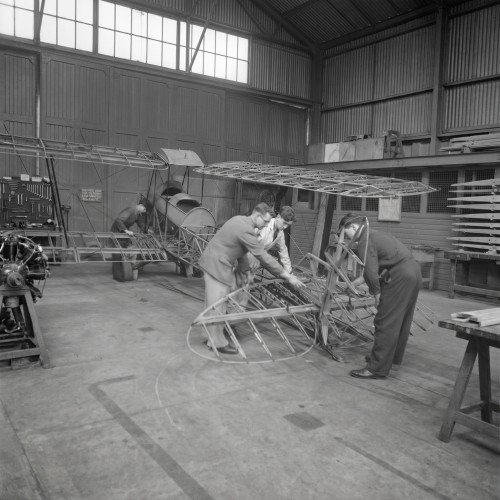
Fuselage: Welded steel‑tube frame with fabric covering
Wings: Wooden structure, fabric‑covered, with characteristic sweepback
Tail: Conventional tailplane and fin, fabric‑covered
Undercarriage: Fixed main wheels with tailskid or tailwheel
Cockpit
The open cockpits are arranged in tandem, with the instructor typically in the rear seat.
Both cockpits have full flight controls.
Fold‑down doors improve access, and the aircraft’s layout provides excellent visibility.
Tiger Moth
Powerplant
Most Tiger Moths are powered by the 130 hp De Havilland Gipsy Major I, an inverted four‑cylinder inline engine.
Earlier DH.82s used the 120 hp Gipsy III.
Tiger Moth
Handling Characteristics
The Tiger Moth is known for:
Gentle stall behaviour
Predictable spin entry and recovery
Light control forces
Good aerobatic capability
These qualities made it ideal for novice pilots.
Performance and Specifications
(DH.82A Tiger Moth II)
Crew: 2
Length: 7.29 m (23 ft 11 in)
Wingspan: 8.94 m (29 ft 4 in)
Height: 2.68 m (8 ft 10 in)
Empty weight: ~512 kg (1,129 lb)
DH-82C Tiger Moth
Max take‑off weight: ~828 kg (1,825 lb)
Engine: 1 × Gipsy Major I, 130 hp
Max speed: ~175 km/h (109 mph)
Cruise speed: ~140 km/h (87 mph)
Range: ~480 km (300 mi)
Service ceiling: ~4,100 m (13,500 ft)
Rate of climb: ~580 ft/min
Tiger Moth
Production History
United Kingdom
The Tiger Moth was produced in enormous numbers.
Between 1931 and 1944, 8,868 aircraft were built worldwide.
During WWII, De Havilland’s factories were heavily committed to Mosquito production, so Morris Motors at Cowley manufactured thousands of Tiger Moths under contract.
DH-82C Tiger Moth
International Production
Canada: 1,548 DH.82C aircraft built, featuring enclosed cockpits, brakes, and other cold‑weather adaptations
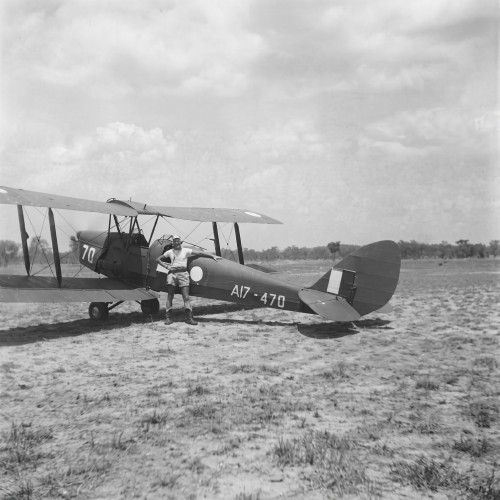
Australia: Significant wartime production for the RAAF
New Zealand: Local assembly and operation
The Tiger Moth became one of the most widely produced training aircraft in history.
Tiger Moth
Operational History and WWII Context
RAF Service
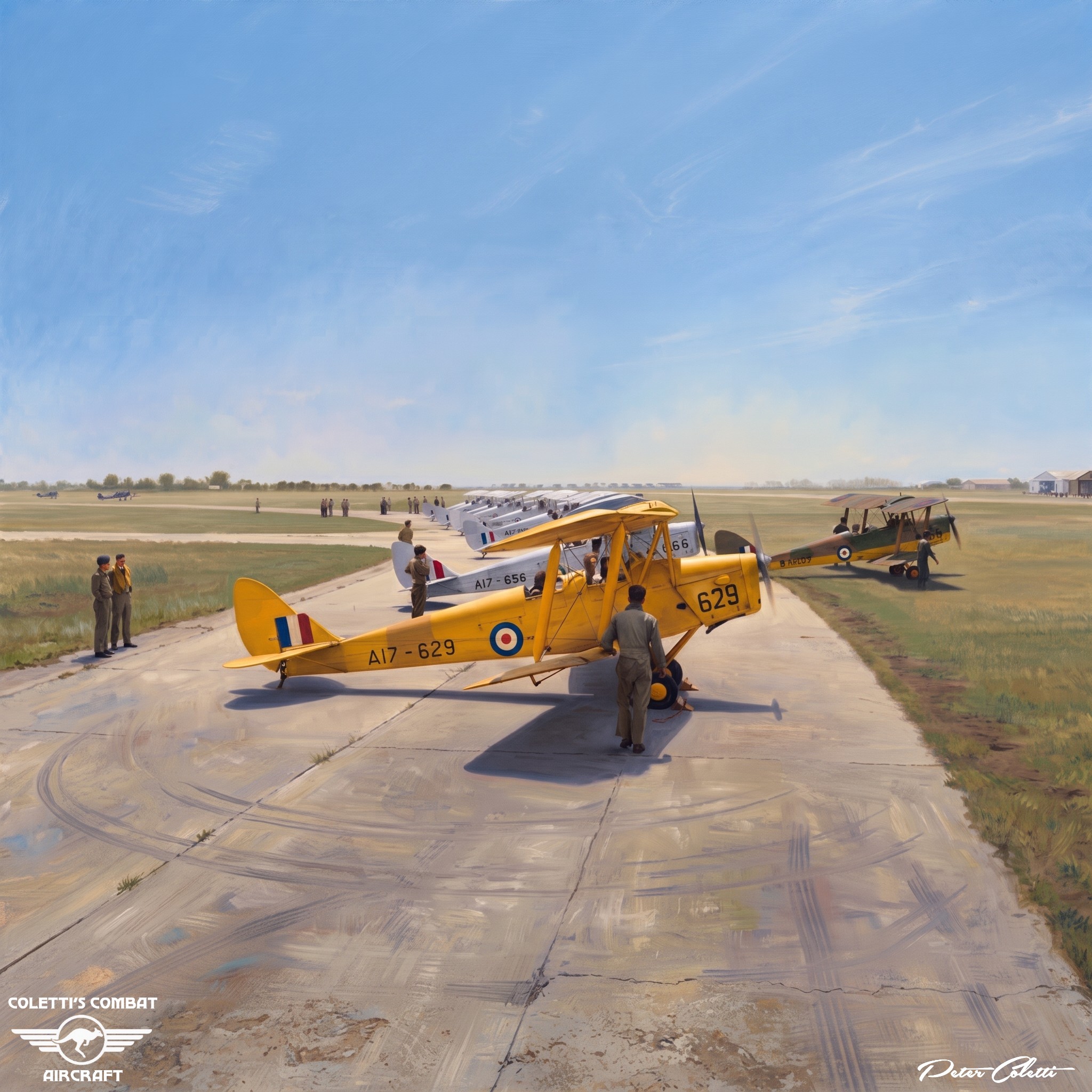
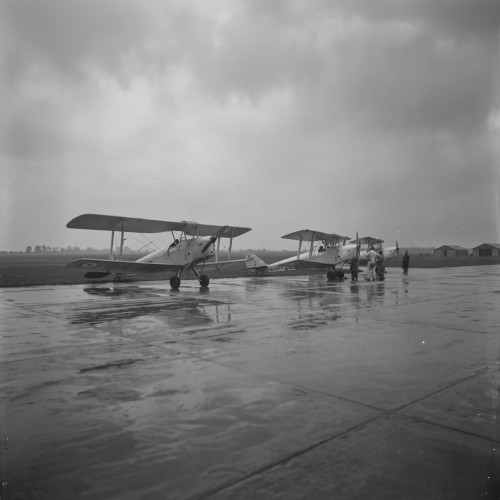
By 1939, the Tiger Moth was the RAF’s standard elementary trainer.
Nearly every British and Commonwealth pilot who flew in WWII began their training in a Tiger Moth.
It served at Elementary Flying Training Schools (EFTS) throughout the Empire.
Tiger Moth
Secondary Wartime Roles
Although designed as a trainer, the Tiger Moth performed numerous wartime duties:
Home Defence: Some aircraft were fitted with light bomb racks during the 1940 invasion scare.
Coastal Patrol: Used for low‑level reconnaissance
Liaison and Communications: Reliable and easy to operate from small fields
Glider Tug (limited use): Some modified for towing training gliders
Tiger Moth
Post‑war
After WWII, thousands of surplus Tiger Moths entered civilian service.
They became popular for:
Aerobatic training
Agricultural spraying (with modifications)
Club flying
Vintage aircraft collections
The Tiger Moth remains one of the most iconic and beloved biplanes ever built.
The DH.82B Queen Bee
Origins and Purpose
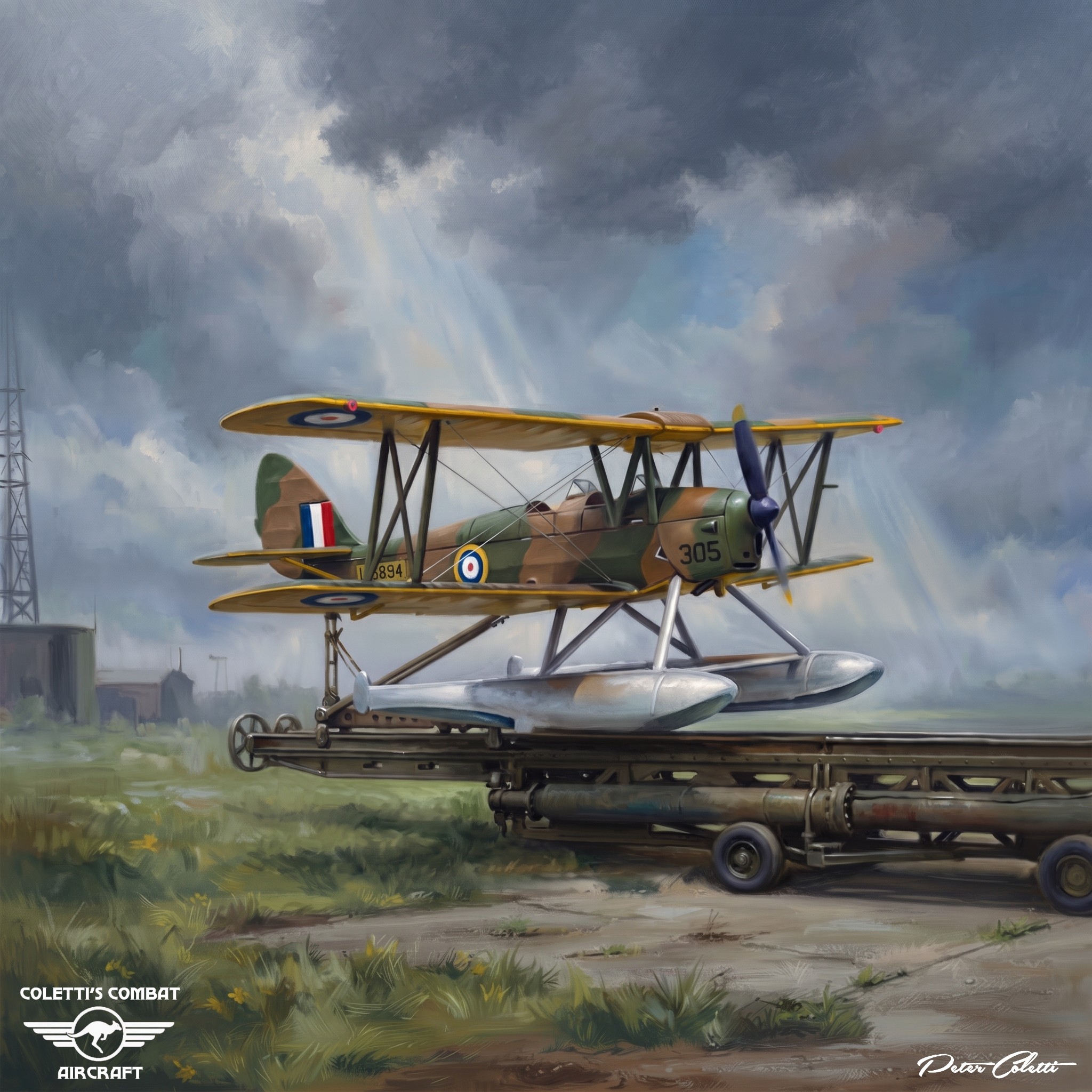
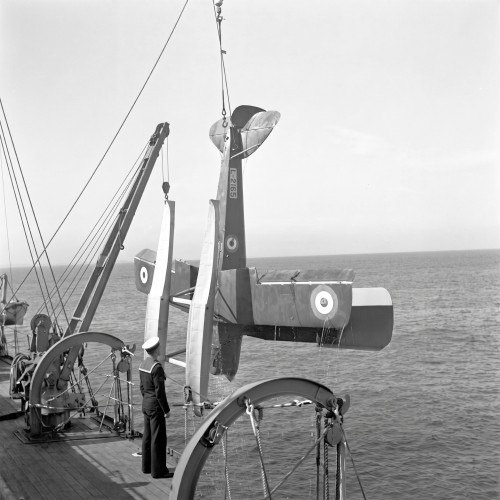
The Queen Bee was a radio‑controlled target aircraft developed from the Tiger Moth for anti‑aircraft gunnery training.
It was one of the world’s first practical unmanned aerial vehicles and the first mass‑produced British drone.
Queen Bee
Development began in the early 1930s under the Royal Aircraft Establishment (RAE).
The goal was to create a low‑cost, recoverable target that could simulate enemy aircraft for naval and army gunners.
Queen Bee
Design Differences from Tiger Moth
Structural Changes
Wooden fuselage instead of steel tube, chosen for lower cost and buoyancy if ditched
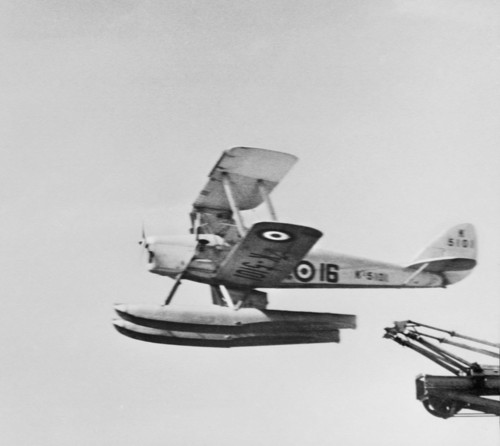
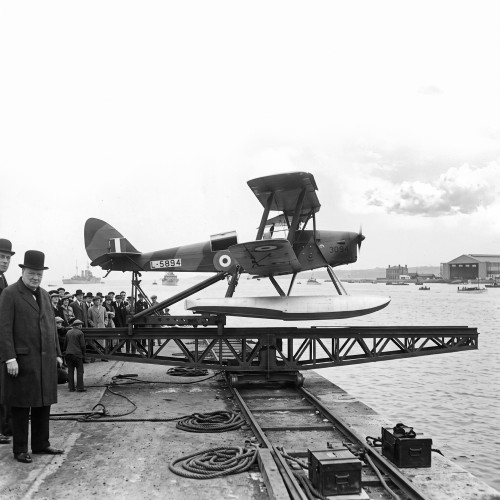
Strengthened airframe for catapult launching
Catapult spools fitted under the fuselage
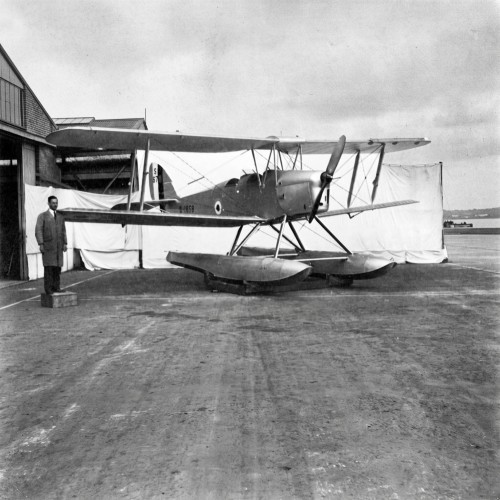
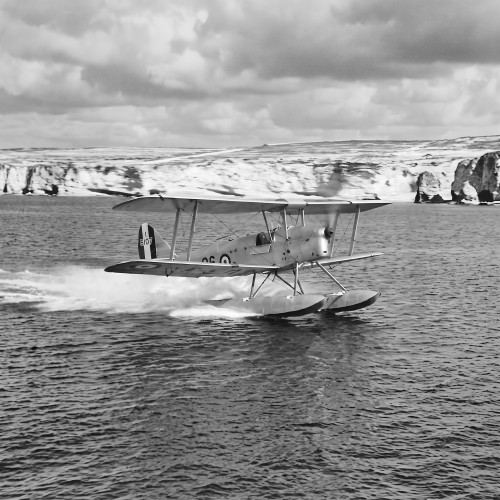
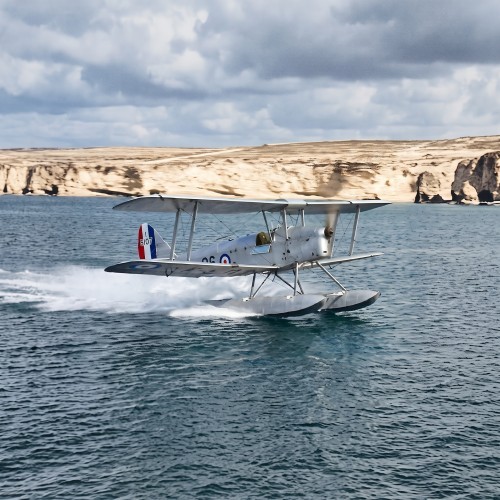
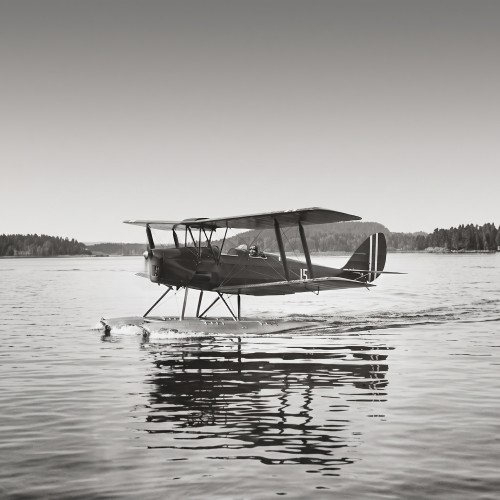
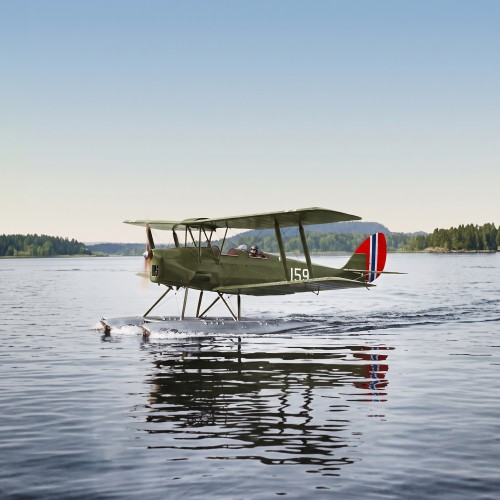
Float‑equipped versions for naval use
Queen Bee
Control System
The Queen Bee used a pneumatic servo system powered by a wind‑driven air pump mounted on the fuselage.
Radio commands actuated:
Rudder
Elevator
Throttle
A pilot could still fly the aircraft manually from the front cockpit for ferrying or testing.
Queen Bee
Performance
Performance was similar to the Tiger Moth:
Max speed: ~104 mph
Range: ~300 miles
Engine: 130 hp Gipsy Major
Queen Bee
Production
Between 1935 and 1943:
~380 Queen Bees were built.
Most were produced at De Havilland Hatfield.
Additional production by Scottish Aviation at Prestwick
Queen Bee
Operational Use
The Queen Bees were used extensively by:
Royal Air Force
Fleet Air Arm
They were launched from ships, coastal batteries, and airfields.
Many were recovered after training exercises, though losses were expected.
Legacy
The Queen Bee directly influenced the adoption of the term “drone” for radio‑controlled aircraft.
It stands as a pioneering step in unmanned aviation.
Queen Bee
Variants Summary
Tiger Moth Family
DH.82: Initial version with Gipsy III
DH.82A Tiger Moth II: Main production model with Gipsy Major
DH.82C: Canadian cold‑weather version with enclosed cockpit and brakes
Thruxton Jackaroo: Post‑war four‑seat conversion
Various agricultural and aerobatic conversions
Tiger Moth
Queen Bee
DH.82B Queen Bee: Radio‑controlled target drone
Float‑equipped Queen Bee: Naval variant for shipboard launch
Queen Bee
Summary
The De Havilland Tiger Moth became one of the most important training aircraft of the 20th century, shaping the flying careers of tens of thousands of pilots across the British Commonwealth.
Its simplicity, reliability, and forgiving handling made it ideal for elementary training, while its robust construction allowed it to serve in numerous secondary roles during WWII.
The Queen Bee, derived from the Tiger Moth, was a groundbreaking unmanned aircraft that pioneered radio‑controlled flight for military training.
Its success laid the conceptual foundation for modern drones.
Together, the Tiger Moth and Queen Bee represent both the traditional and the innovative sides of De Havilland’s design philosophy—one a classic trainer, the other a technological milestone.