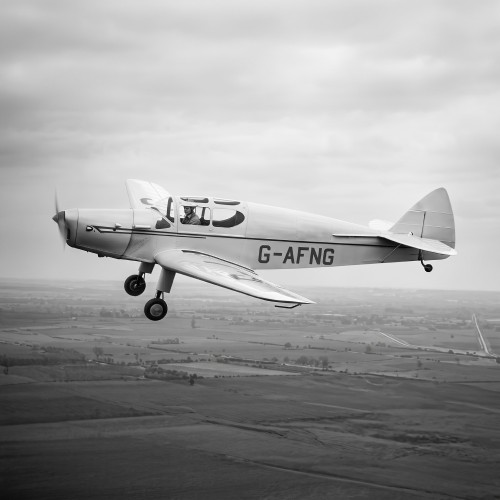
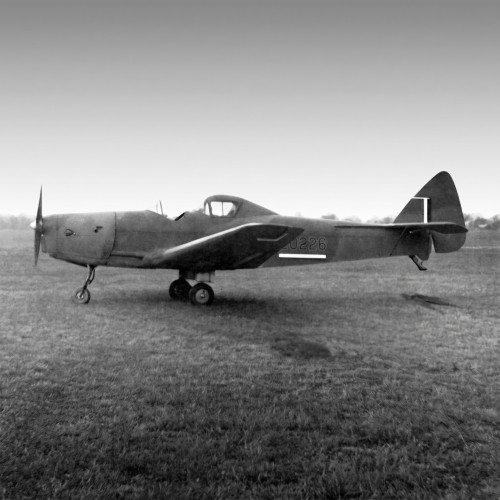
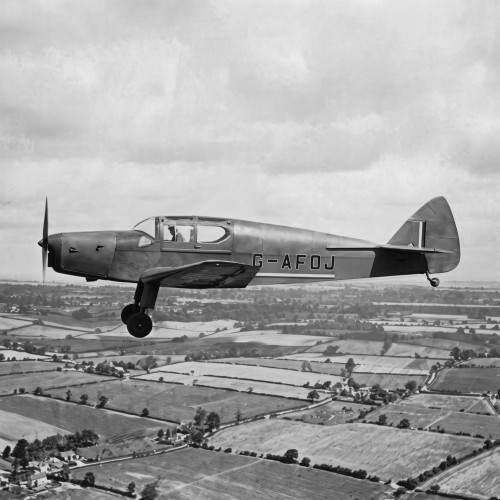
The DH‑94 Moth Minor emerged in the 1930s as De Havilland’s attempt to modernise its famous Moth line of light aircraft.
Earlier Moths—such as the DH.60 and DH.82 Tiger Moth—were biplanes, and although successful, they required complex rigging and maintenance.
De Havilland had experimented with monoplane concepts as early as 1931 with the DH.81 Swallow Moth, a low‑wing, open‑cockpit two‑seater powered by a Gipsy IV engine, but only one was built before the project was shelved.
By the mid‑1930s, advances in wooden stressed‑skin construction—refined on aircraft like the DH.88 Comet racer—made a monoplane successor viable.
The DH‑94 was designed to deliver similar performance to the Tiger Moth with less power while eliminating the rigging complexity of biplanes.
The prototype, built entirely of spruce and plywood, first flew on 22 June 1937 at Hatfield Aerodrome, piloted by Geoffrey de Havilland.
Design Characteristics
Configuration
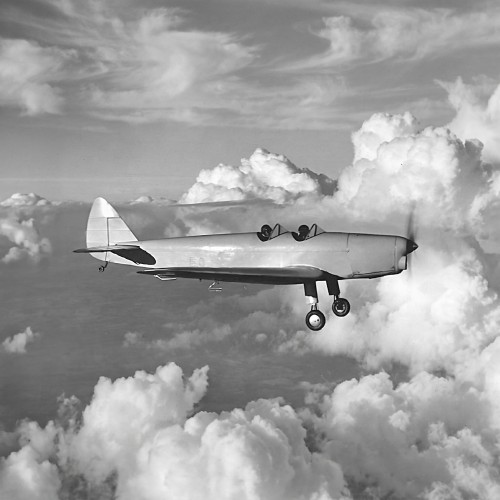
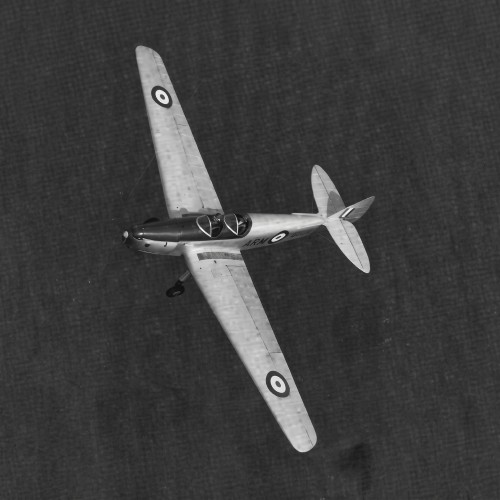
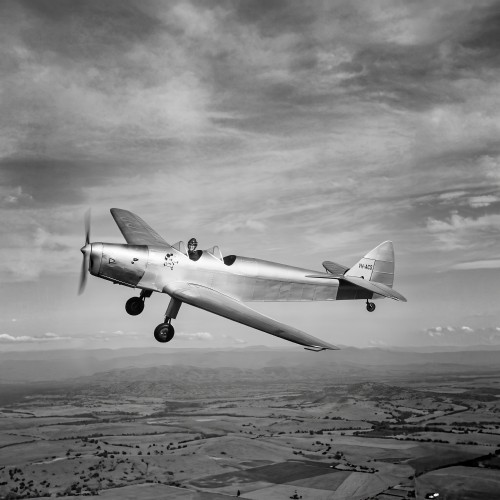
The Moth Minor was a two‑seat, low‑wing monoplane intended for touring and training.
It featured:
All‑wood construction using plywood torsion‑box techniques.
Cantilever wing with contours inspired by the DH.88 Comet.
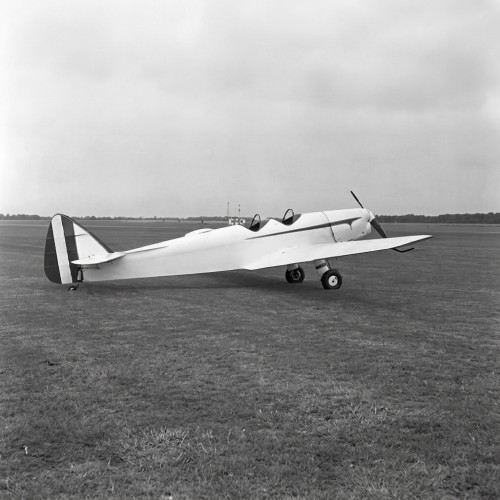
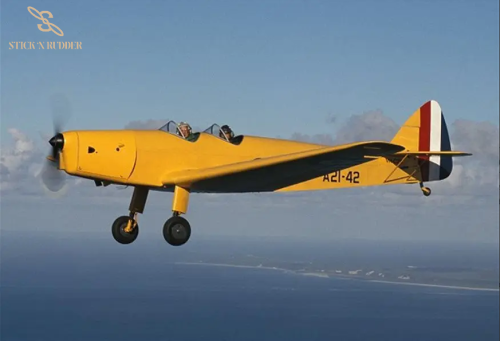
Fixed tailwheel undercarriage, with the main gear attached to the wing’s front spar.
Open cockpit in most versions, though nine aircraft were built with hinged coupe tops for an enclosed cabin.
Large perforated airbrake under the centre section for improved landing control.
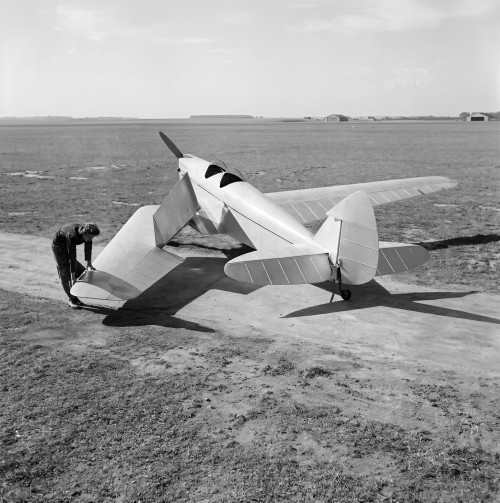
Folding wings, allowing compact hangar storage—an innovation for light monoplanes of the era.
Unlike earlier Moths, the DH‑94 was flown solo from the front seat, improving visibility and handling.
Powerplant
The aircraft was powered by a 67 kW (90 hp) Gipsy Minor four‑cylinder inline engine.
Cabin
Most aircraft had two seats, though some sources note seating for two adults plus one child in enclosed‑cabin versions.
Performance and Specifications
(Values from multiple authoritative sources; ranges reflect minor variations.)
Wingspan: 11.15 m (36 ft 7 in)
Length: 7.44 m (24 ft 5 in)
Height: 1.93 m (6 ft 4 in)
Wing area: 15.05 m² (162 sq ft)
Empty weight: ~440–446 kg (970–983 lb)
Loaded weight: ~703 kg (1,550 lb)
coupe
Performance
Max speed: 118–124 mph (190 km/h) depending on altitude and source
Cruise speed: ~100 mph (161 km/h)
Stall speed: 43 mph (69 km/h)
Rate of climb: 620 ft/min (189 m/min)
Service ceiling: ~16,000 ft (4,900–5,030 m)
Range: 300 miles (483 km) standard; 600 miles (966 km) with long‑range tank
Take‑off run: 571 ft (174 m)
Landing run: 361 ft (110 m)
experimental landing gear
Production History
Pre‑war Production (UK)
Production began shortly after certification in late 1937.
By the outbreak of WWII:
~100 aircraft had been built in the UK.
Other sources list 71 completed, plus nine Coupes, before wartime disruption.
The aircraft was priced at £575, making it attractive to flying clubs seeking modern monoplanes.
coupe
Wartime Production (Australia)
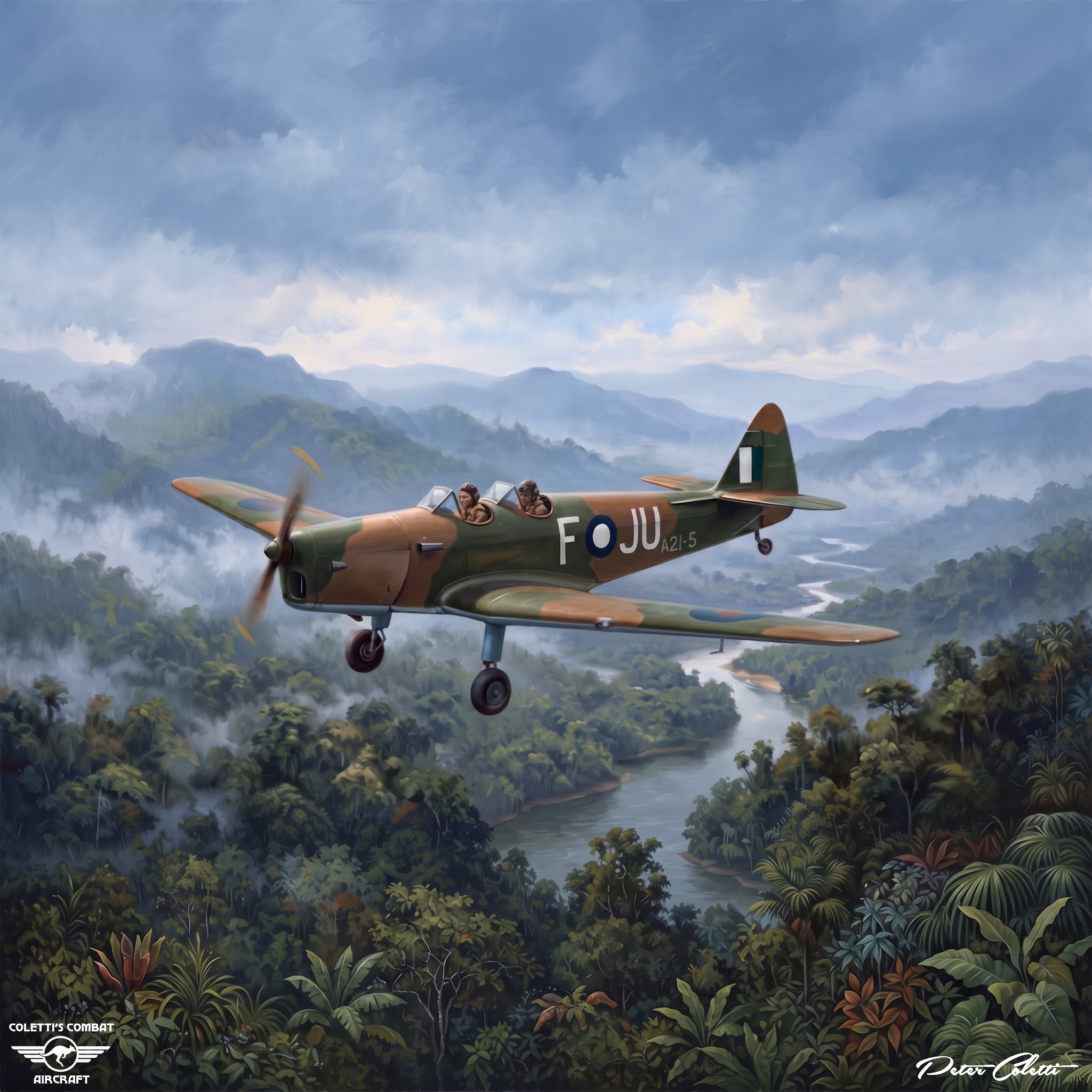
When Hatfield’s facilities were diverted to wartime aircraft production in 1940, all drawings, jigs, components, and unfinished airframes were shipped to De Havilland Australia at Bankstown Aerodrome.
Australia produced:
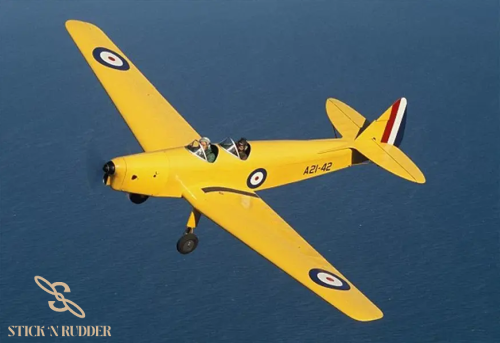
More than 40 aircraft for the RAAF.
Official RAAF serials ran from A21‑1 to A21‑42, delivered between January 1940 and November 1941.
Total worldwide production is generally cited as about 140–150 aircraft.
Operational Use and WWII Context
United Kingdom
At the start of WWII, most UK‑based civil Moth Minors were impressed into service by:
Royal Air Force (RAF)
Fleet Air Arm (FAA)
One example was even used by the United States Army Air Corps.
Roles included:
Elementary training
Liaison duties
General communications
Australia
A large number of UK civil aircraft were shipped to Australia and impressed into RAAF service, supplementing locally built examples.
The type served throughout the war in:
Training
General duties
Light liaison work
New Zealand
Five aircraft were impressed by the RNZAF between 1940 to 1946.
Experimental Variant
A notable wartime experiment produced a tricycle‑gear Moth Minor with a canopy over the rear seat, first flown on 29 April 1940.
Post‑war Use
After WWII, surviving Moth Minors returned to civilian life, especially in the UK and Australia.
Many were operated by private owners and flying clubs, valued for their simplicity, low operating cost, and classic wooden construction.
Variants
DH‑94 Moth Minor (Standard)
Two‑seat open‑cockpit monoplane
Primary touring and training version
Moth Minor Coupe
Enclosed cabin with built‑up rear fuselage and hinged coupe top
Nine built in the UK before WWII
Experimental Tricycle‑Gear Variant
One prototype with tricycle landing gear and rear canopy
First flight: 29 April 1940
Summary
The De Havilland DH‑94 Moth Minor was a significant transitional aircraft in the evolution of light aviation.
It represented De Havilland’s move from biplane trainers to modern wooden monoplanes, combining simplicity, affordability, and innovative construction.
Although its civilian market was curtailed by WWII, the aircraft found widespread use in Commonwealth air forces and remains an important example of pre‑war British aeronautical design.