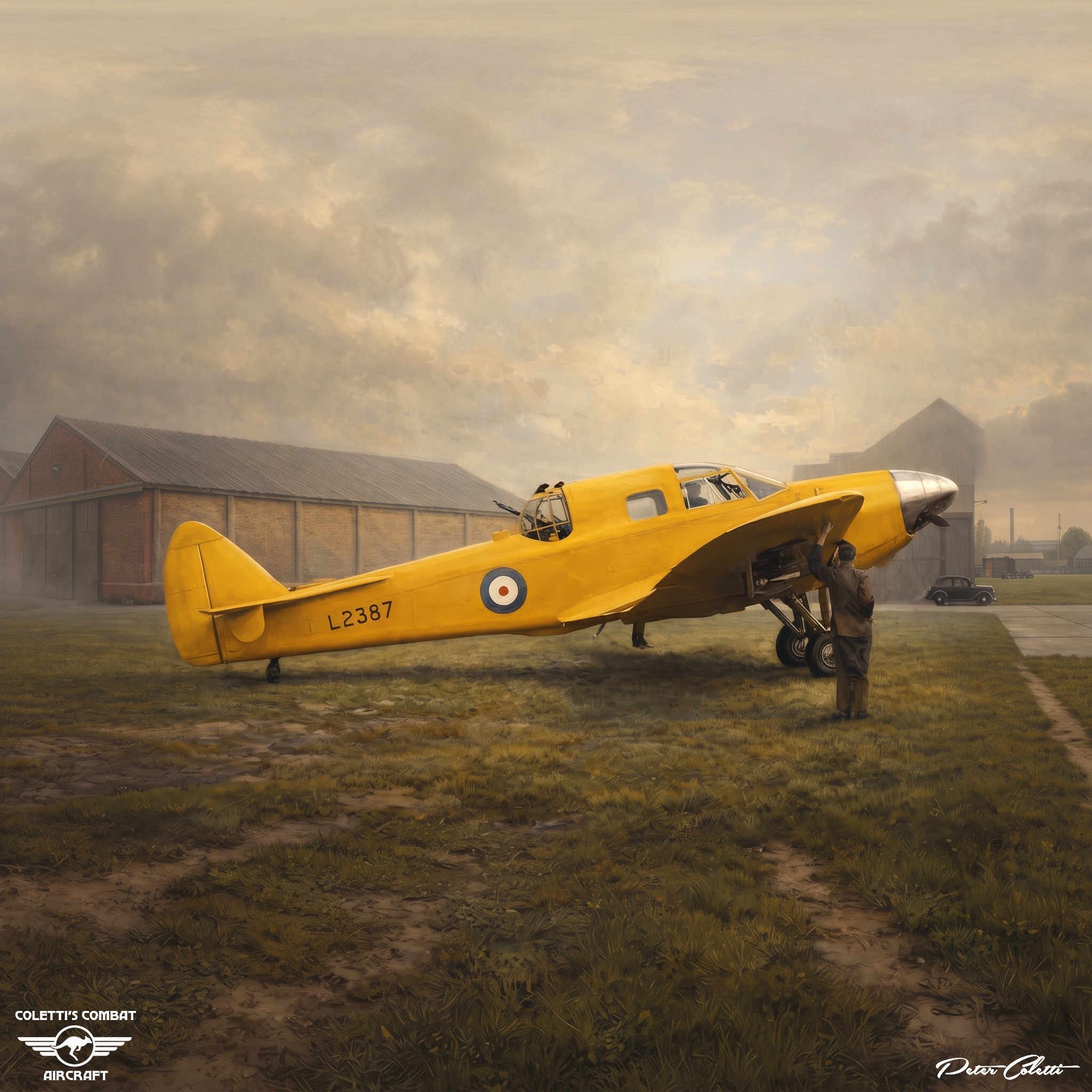
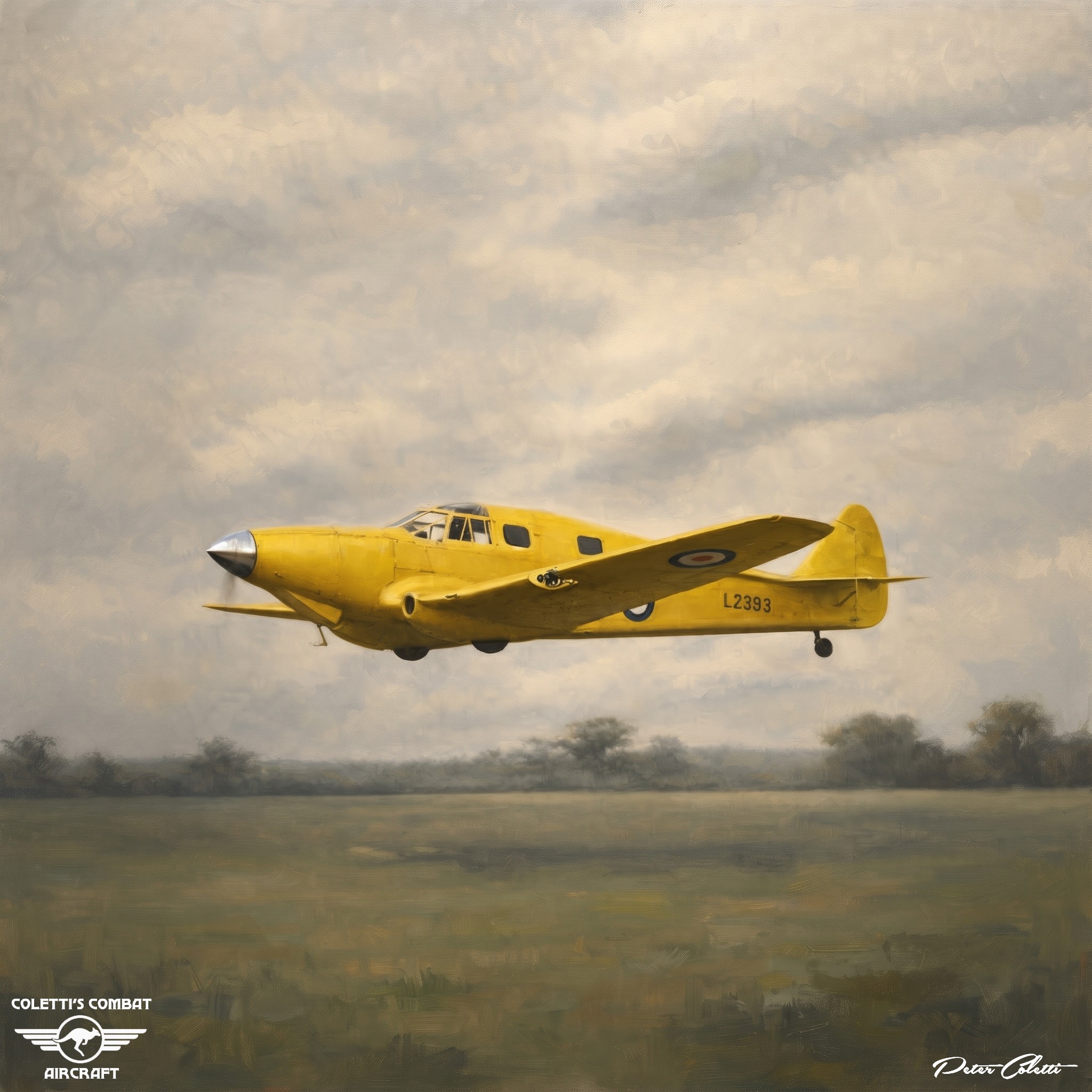
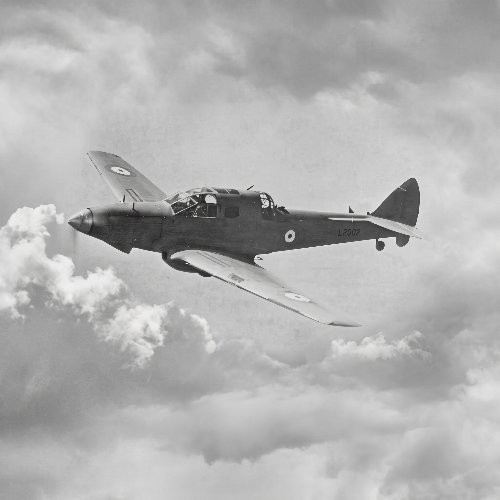
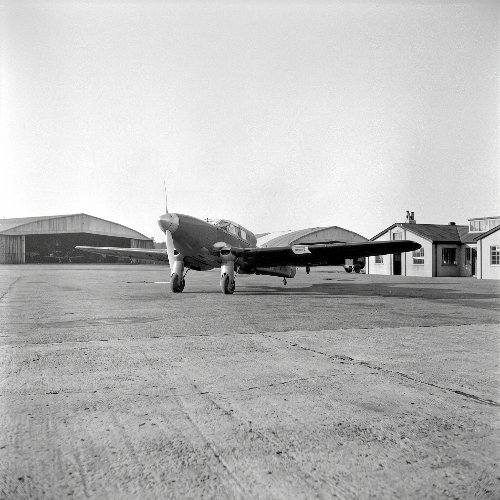
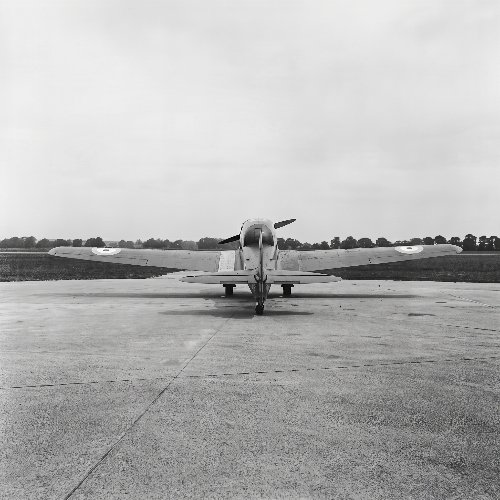
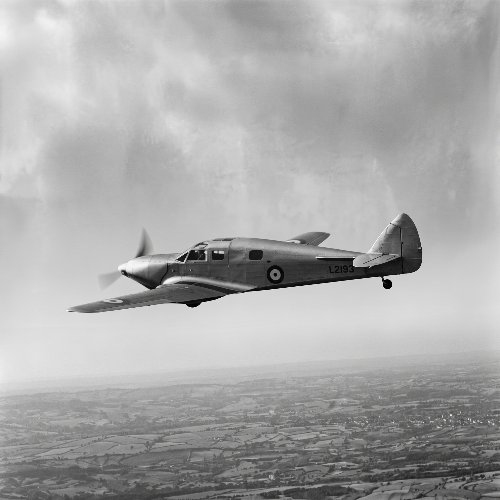
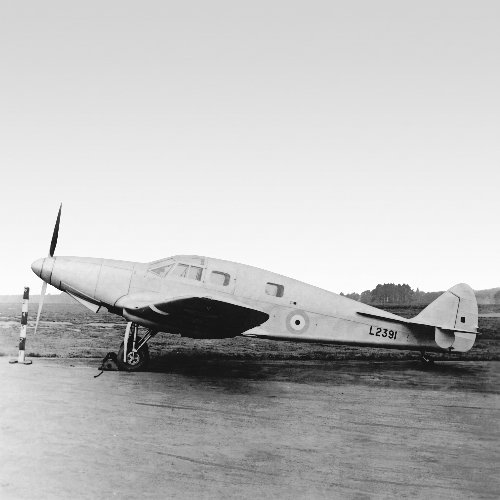
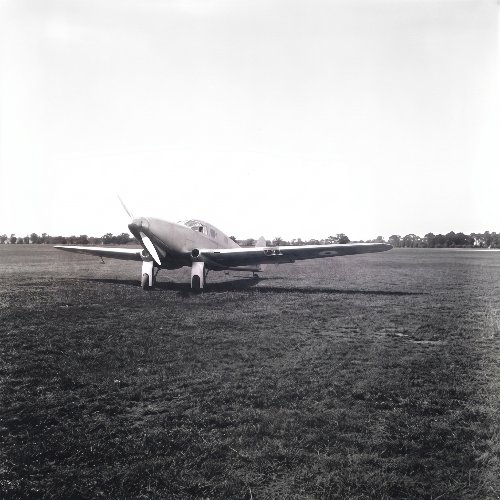
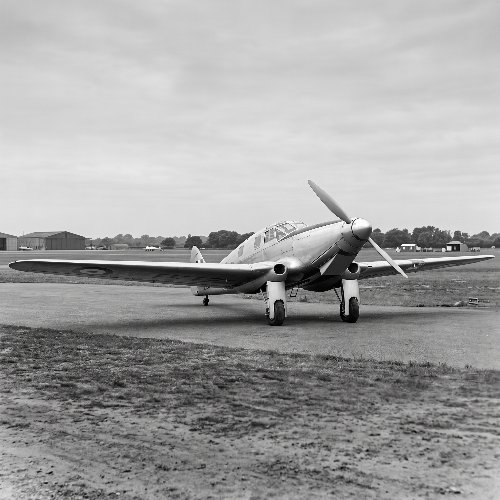
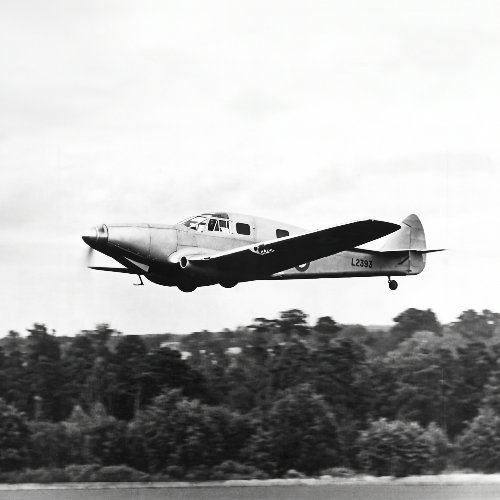
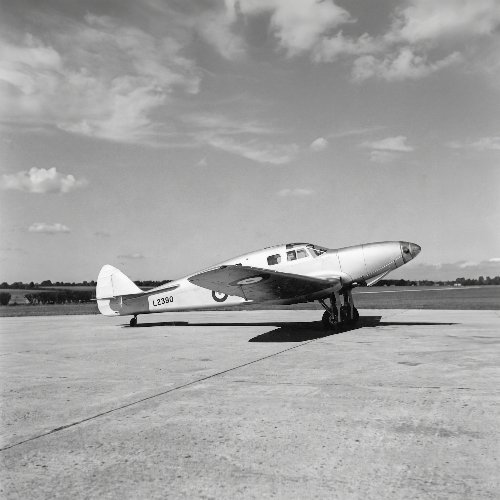
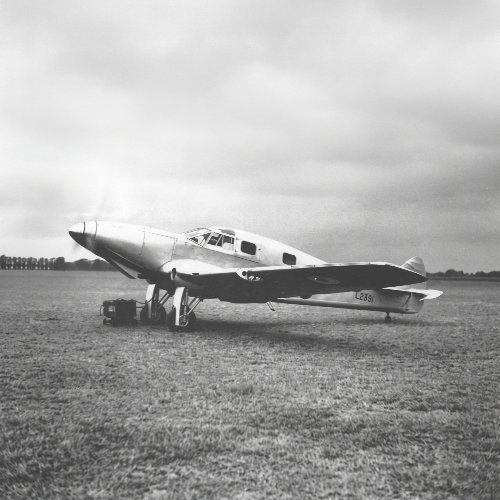
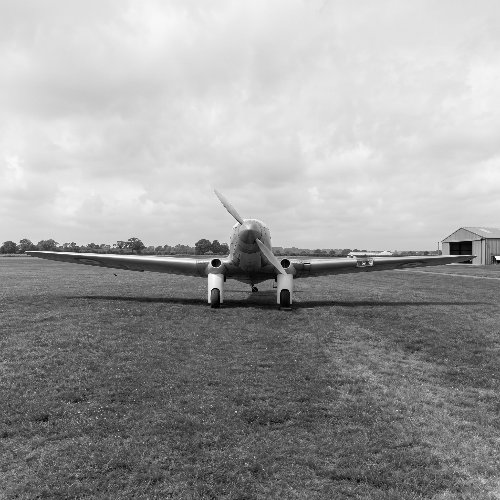
The de Havilland DH.93 Don was a British three‑seat, multi‑role training aircraft developed in the late 1930s to meet the RAF’s growing need for modern monoplane trainers.
Conceived as an advanced, all‑in‑one instructional platform for pilots, radio operators, and air gunners, it embodied many of de Havilland’s cutting‑edge wooden construction techniques.
Despite its promising concept and state‑of‑the‑art features, the Don ultimately proved unsatisfactory in in-service trials, leading to a drastically reduced production run and limited operational use.
v1 prototype
Development History
Origins and Air Ministry Specification T.6/36
The Don originated from Operational Requirement OR.34, which sought a modern monoplane replacement for the Hawker Hart/Hind family of trainers.
The Air Ministry issued Specification T.6/36 on 12 June 1936 and, unusually, awarded it directly to de Havilland without competitive tender.
v1 prototype
The specification demanded:
A multi‑role trainer capable of pilot, radio operator, and gunnery instruction.
Side‑by‑side seating for student and instructor.
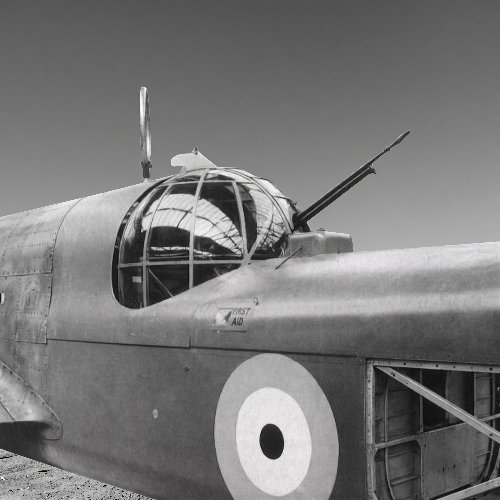
A fully enclosed dorsal turret for air‑gunnery training.
Space for crew members to change positions in flight.
A design that mirrored the handling of new monoplane fighters and bombers entering RAF service.
v1 prototype
Prototype Development
Arthur E. Hagg led the design effort, drawing heavily on de Havilland’s advanced wooden monocoque construction methods used in the DH.88 Comet, DH.90 Dragonfly, and DH.91 Albatross.
The fuselage consisted of four resin‑impregnated moulded plywood sections, strengthened by stringers, while the wings used plywood box spars and diagonal spruce planking.
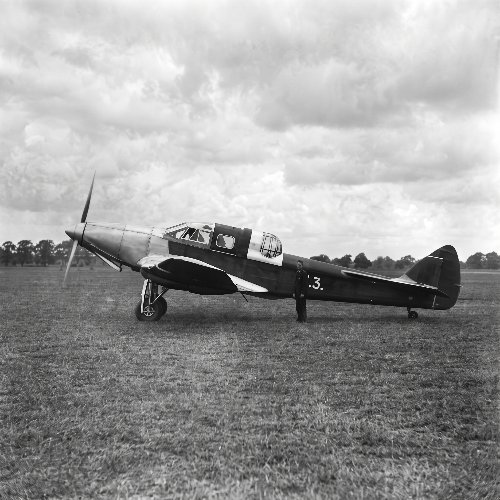
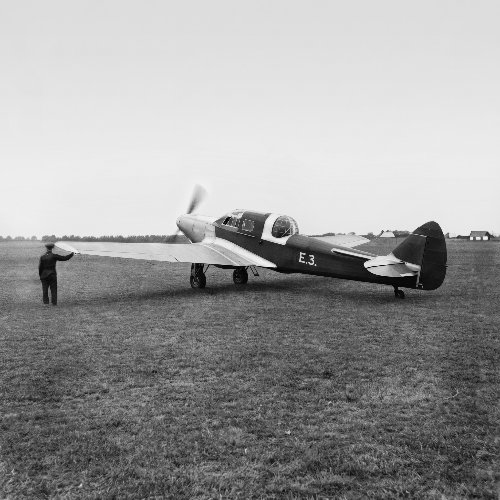
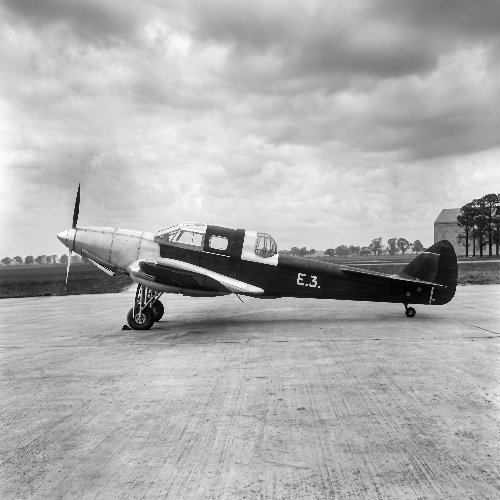
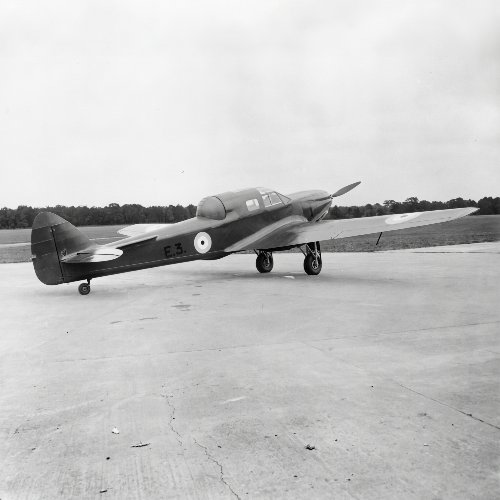
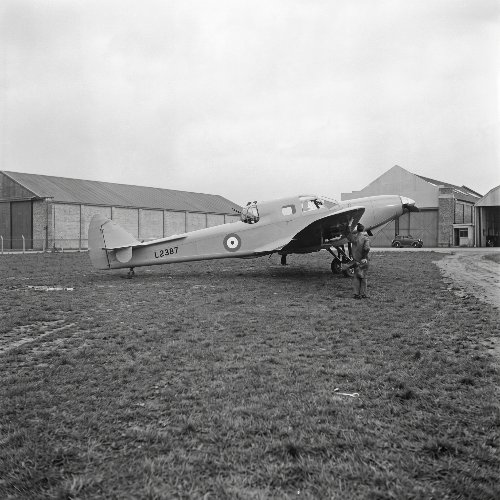
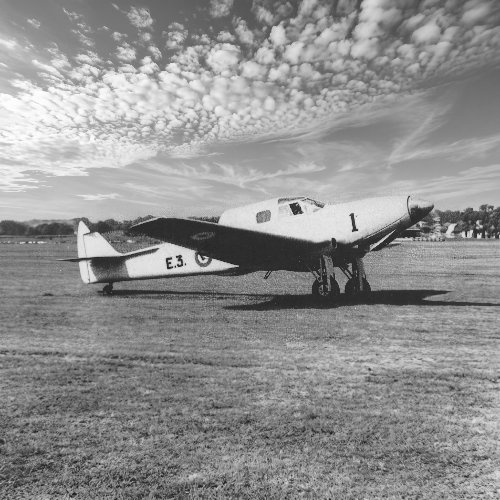
The prototype (test marks E‑3, later RAF serial L2387) first flew on 18 June 1937 at Hatfield and appeared publicly only eight days later at the Hendon Airshow.
v1 prototype
Early Trials and Problems
During official evaluation at RAF Martlesham Heath, additional equipment increased weight, degrading performance.
Attempts to compensate included:
Removal of the dorsal turret.
Addition of small auxiliary fins (“finlets”) beneath the tailplane.
Despite these modifications, the Don failed to meet training requirements.
The original order for 250 aircraft was reduced to 50, with 20 delivered as engineless airframes for ground instruction.
v1 prototype
Design and Technical Characteristics
Structure and Materials
The Don was a low‑wing monoplane of wooden stressed‑skin construction:
v1 prototype
Fuselage: Four moulded plywood sections, curved top/bottom, flat mid-sections, reinforced by stringers.
Wings: Three‑section structure with plywood box spars and spruce planking.
This construction lineage foreshadowed techniques perfected later in the DH.98 Mosquito.
v1 prototype
Crew Layout and Training Features
The Don was intended as a “combination trainer”, with:
Side‑by‑side pilot and instructor with full blind‑flying instrumentation.
Cabin space for a trainee wireless operator.
Hand‑cranked dorsal turret for a trainee air gunner (with Lewis gun).
Wing‑mounted machine gun for pilot gunnery practice.
Racks for 16 practice bombs (2‑lb) and a bomb‑aiming hatch for bombing instruction.
Although capable of multiple training roles, it was only expected to perform one role at a time, with accommodation for three crew.
v1 prototype
Powerplant and Systems
The Don used the de Havilland Gipsy King (military version of the Gipsy Twelve) inverted V‑12 air‑cooled engine producing 525 hp.
A distinctive reverse‑airflow cooling system ducted air from wing‑root intakes over the engine and out the rear of the cowl, contributing to aerodynamic cleanliness.
v1 prototype
Other advanced features included:
Retractable undercarriage
Constant‑speed, variable‑pitch propeller
v1 prototype
Dimensions (Communications Role)
Length: 37 ft 4 in (11.38 m)
Wingspan: 47 ft 6 in (14.48 m)
Height: 9 ft 5 in (2.87 m)
Wing area: 304 sq ft (28.2 m²)
Empty weight: 5,050 lb (2,291 kg)
Gross weight: 6,530 lb (2,962 kg)
v2
Performance
Performance varied slightly depending on configuration (trainer vs. communications aircraft).
v2
General Performance
Maximum speed: 189 mph (304 km/h)
Range: 890 miles (1,430 km) in communications configuration
Service ceiling: 23,300 ft (7,100 m)
Rate of climb: 820 ft/min (4.2 m/s)
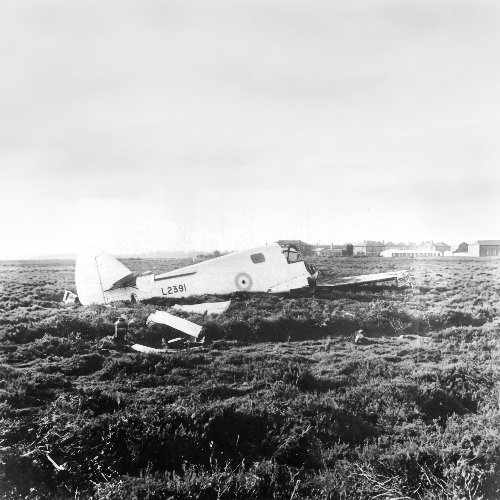
The sad ending for the Don v2
Prototype/Design Estimates
All‑Aero reports slightly different figures for early test performance:
Maximum speed: 216 mph (348 km/h) at 8,000 ft
Service ceiling: 21,500 ft (6,401 m)
Range: 855–890 miles depending on role
These differences likely reflect prototype vs. production configurations and weight changes.
v2
Operational History
RAF Service
After failing to meet training expectations, the Don’s role shifted:
Served mainly as communications and liaison aircraft with No. 24 Squadron and various RAF station flights.
By March 1939, all remaining aircraft were grounded and used as instructional airframes.
v2
Production Summary
30 completed aircraft
20 additional airframes delivered without engines
Original order of 250 reduced to 50 due to poor evaluation results.
v2
Variants
The Don did not develop into a family of variants.
The primary distinctions were:
Prototype configuration: Dummy turret, no finlets.
Modified production aircraft: turret removed, auxiliary tail fins added, and equipment changes to reduce weight.
No specialised sub‑variants entered service.
v2
Context Within WWII
Although the Don was introduced shortly before WWII (1938), it did not play an operational role in the conflict.
Its grounding in early 1939 meant it was unavailable for wartime training expansion.
v2
However, its development is historically significant because:
It represented de Havilland’s last pre‑war attempt at a multi‑role trainer.
Its construction techniques directly influenced the DH.98 Mosquito, the company’s most important WWII aircraft.
The Don’s failure reinforced Air Ministry scepticism towards de Havilland’s wooden designs—scepticism later overturned by the Mosquito’s extraordinary success.
During WWII, de Havilland focused on mass‑producing Tiger Moths, Rapides, Oxfords, and especially the Mosquito, whose wooden construction lineage traced back through the Comet, Albatross, and Don.
v2
Assessment and Legacy
The de Havilland Don was an ambitious but ultimately unsuccessful attempt to create a universal monoplane trainer.
Its shortcomings—primarily weight growth, performance degradation, and handling issues—prevented it from fulfilling its intended role.
Yet its design embodied many innovations that matured in later de Havilland aircraft.
Its legacy lies not in operational achievements but in its place within the evolutionary chain of de Havilland’s wooden aircraft technology, culminating in the Mosquito, one of WWII’s most celebrated aircraft.