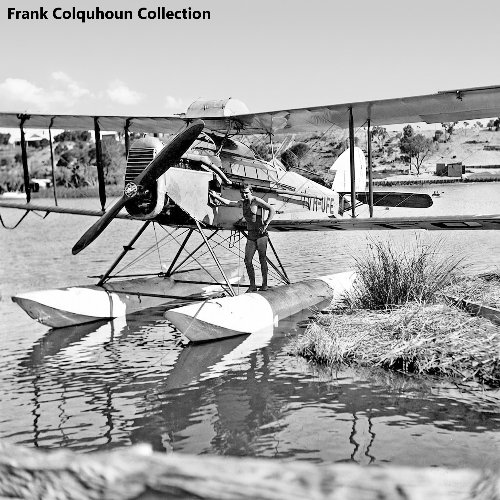
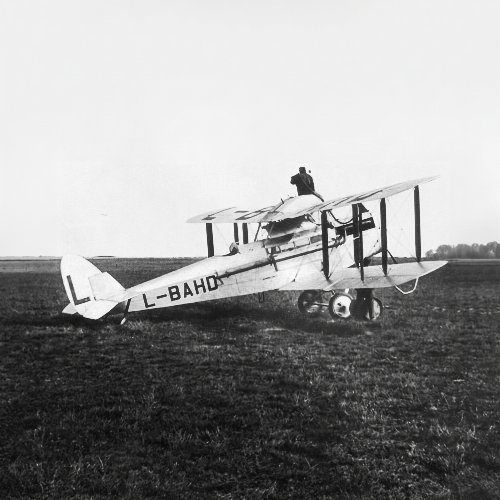
The De Havilland DH.50 emerged in the early 1920s as Britain’s civil aviation sector sought to replace worn‑out wartime aircraft such as the DH.9C, which had become increasingly unreliable for commercial use.
Geoffrey de Havilland recognised that surplus military types could no longer meet the needs of expanding passenger and mail services, prompting the design of a purpose‑built civil transport aircraft.
Development began in 1922, drawing heavily on operational experience with the DH.9 series.
The goal was to produce a robust, economical, long‑range transport capable of carrying multiple passengers in comfort—something wartime conversions could not reliably provide.
The first prototype, G‑EBFN, flew on 30 July 1923 from Stag Lane Aerodrome, piloted by Hubert Broad.
Within days of its first flight, the prototype demonstrated exceptional reliability when flown by Alan Cobham in Scandinavian reliability trials, winning first prize and immediately establishing the DH.50’s reputation as a dependable long‑distance aircraft.
Design and Construction
Airframe and Layout
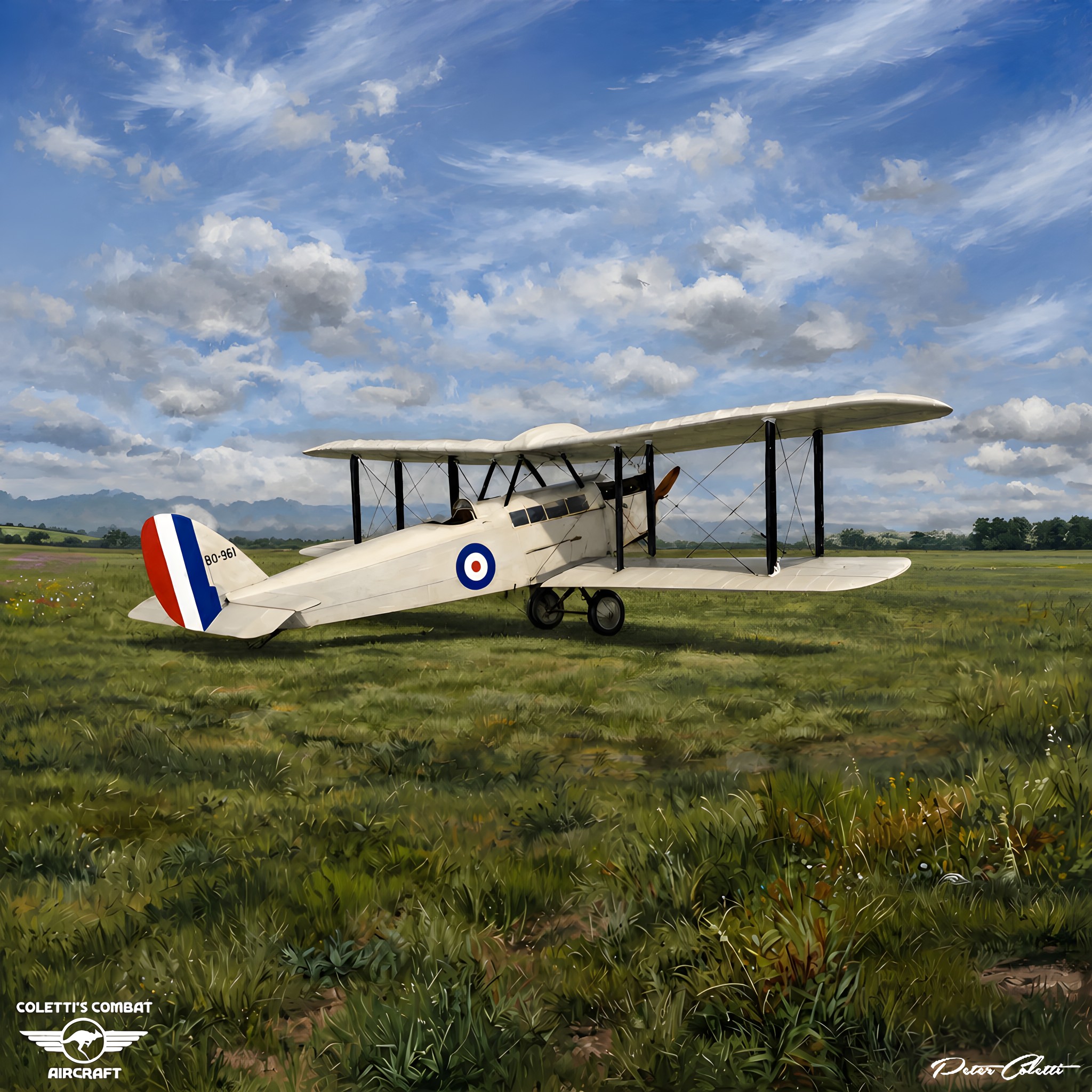
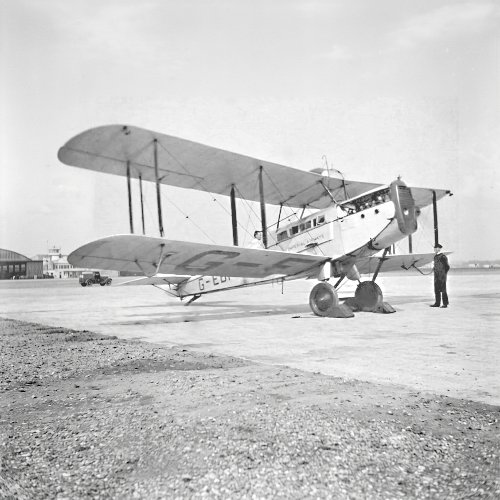
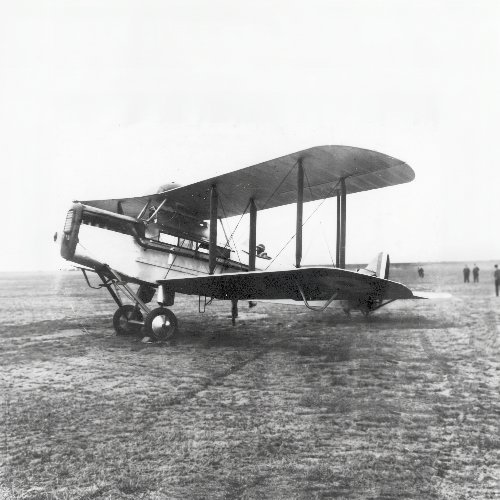
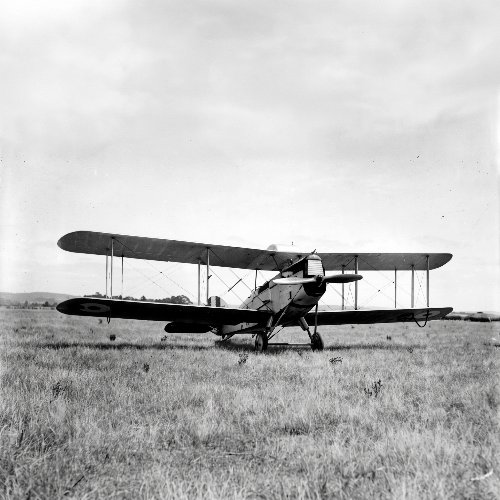
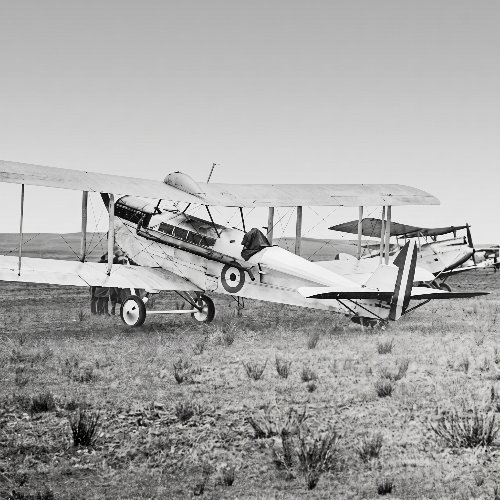
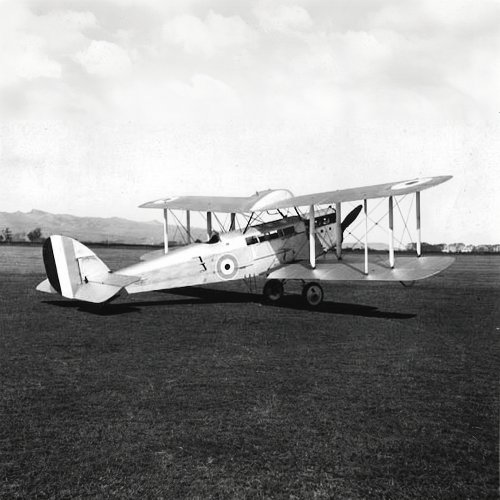
The DH.50 was a single‑engine, two‑bay biplane of largely wooden construction, typical of early 1920s British commercial aircraft.
It featured:
Enclosed cabin for three to four passengers, positioned between the wings.
Open cockpit for the pilot located aft of the cabin.
Fixed tailskid landing gear for landplane versions.
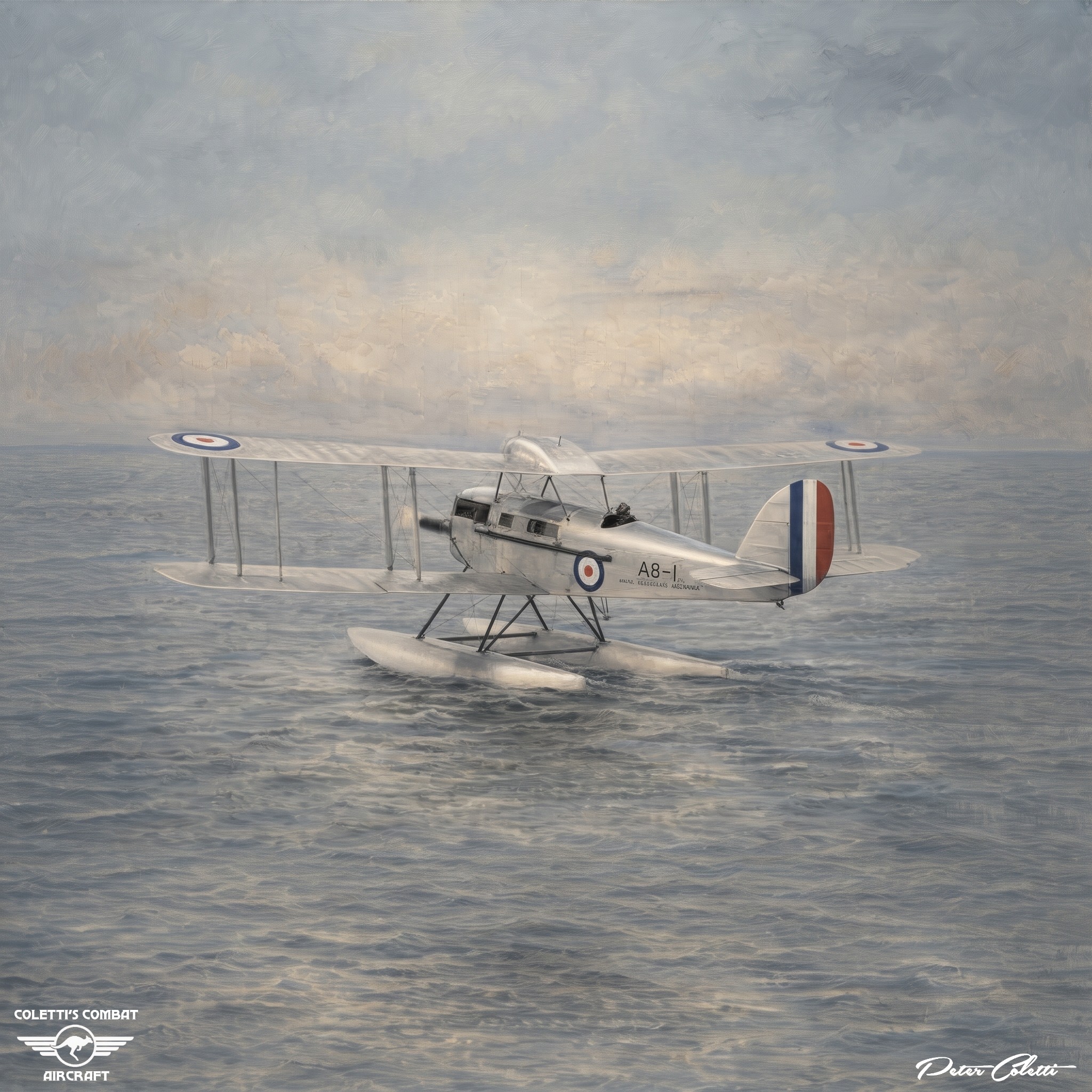
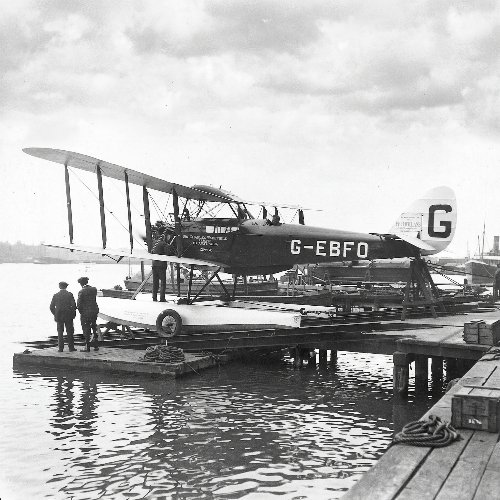
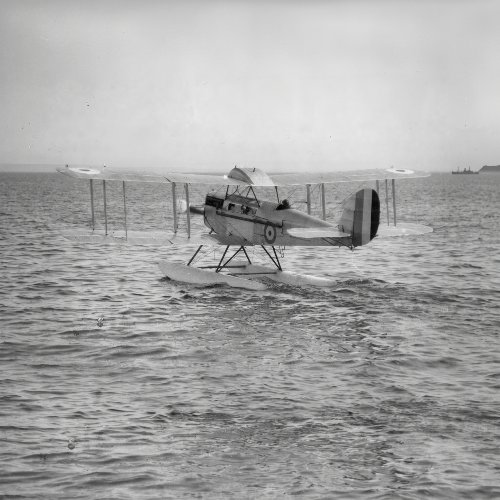
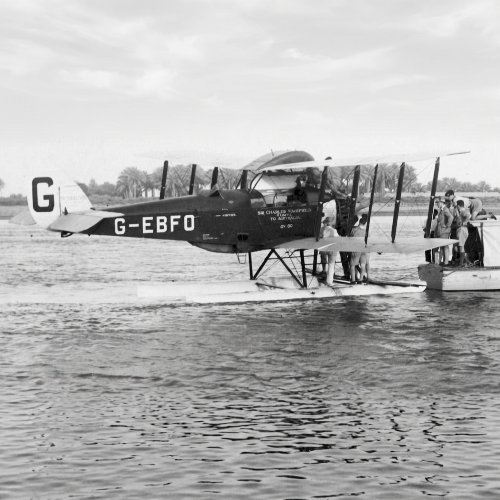
Optional twin floats for amphibious and survey operations.
This configuration offered a balance of comfort, visibility, and structural simplicity.
The enclosed cabin was a significant improvement over earlier wartime conversions, providing weather protection and making the aircraft more suitable for commercial routes.
Dimensions
Across sources, the DH.50’s dimensions remained consistent:
Wingspan: ~13.03 m (42 ft 9 in)
Length: ~9.07–9.29 m (29 ft 9 in to 30 ft 5 in)
Wing area: ~40.3–40.6 m²
Height: ~3.35 m (11 ft)
Powerplant The DH.50 family used a wide variety of engines depending on operator and variant:
Siddeley Puma inline engine (~240 hp / 179 kW) — standard on early DH.50s.
Armstrong Siddeley Jaguar radial engine (~385 hp) — used on DH.50J.
Bristol Jupiter radial engines (various marks, up to ~450 hp).
ADC Nimbus, Pratt & Whitney Wasp C, and Walter W‑4 (Czech‑built aircraft).
This flexibility made the DH.50 attractive to operators in remote regions where engine availability varied.
Performance Characteristics
Performance varied with engine type, but typical figures include:
Maximum speed: 166–180 km/h (103–112 mph)
Cruise speed: 132–153 km/h (82–95 mph)
Range: ~603–612 km (375–380 miles)
Service ceiling: ~4,450 m (14,600 ft)
Empty weight: ~1,094–1,095 kg
Loaded weight: ~1,905 kg (4,200 lb)
These numbers placed the DH.50 among the more capable single‑engine transports of its era, especially for long‑distance survey and mail flights.
Operational History and Significance
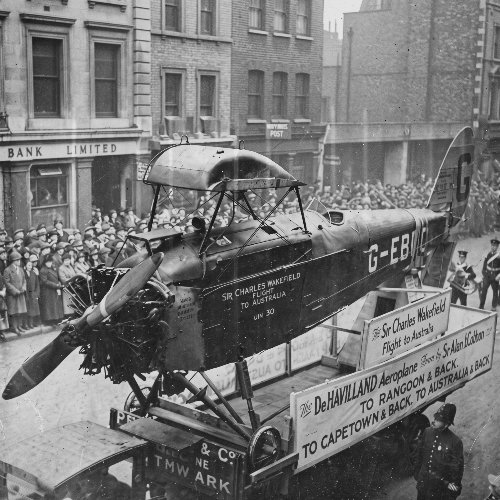
Alan Cobham’s Long‑Range Flights
The DH.50 achieved international fame through the pioneering flights of Sir Alan Cobham, who used both the prototype and later DH.50J variants for record‑setting journeys:
1924: First round‑trip flight from England to India (8,500 miles).
1925–1926: 16,000‑mile flight from Croydon to Cape Town.
1926: England–Australia survey flight using a float‑equipped DH.50J.
These flights demonstrated the aircraft’s endurance and reliability, earning Cobham a knighthood and cementing the DH.50’s place in early long‑distance aviation.
Commercial Use
The DH.50 served with several major operators:
Imperial Airways (Europe)
Qantas (Australia)
Western Australian Airways
SABENA (Belgian Congo)
Aero (Czechoslovakia)
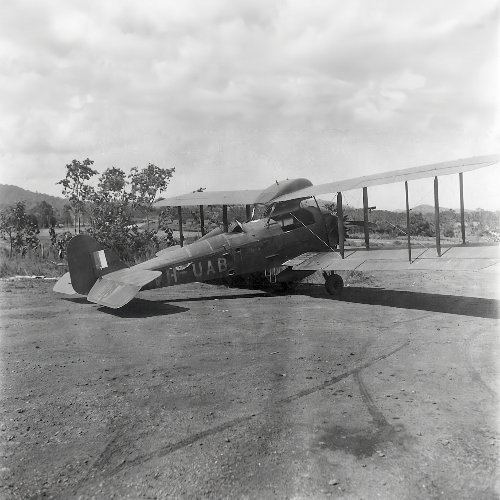
In Australia, the DH.50 became one of the most important early airliners.
Sir Hudson Fysh of Qantas described it as “the most successful and significant air transport aeroplane introduced into Australia in this single‑engine era.”
Royal Flying Doctor Service
A Qantas‑built DH.50 was modified as an aerial ambulance named Victory, becoming the first aircraft used by the Royal Flying Doctor Service—a major milestone in Australian aviation history.
Military Use
The DH.50 saw limited military service, including:
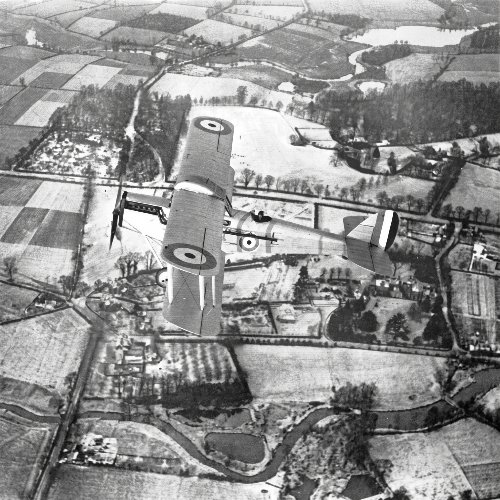
Royal Australian Air Force (RAAF) — used for international flights and later impressed into service during WWII.
New Zealand Permanent Air Force — operated several DH.50s.
Variants
DH.50 (Standard Model)
Siddeley Puma engine
Landplane configuration
Baseline commercial transport
DH.50A
Floatplane version
Used for survey flights and RAAF international missions
Built under licence in Australia, Belgium, and Czechoslovakia
DH.50J
Radial‑engine variant (Jaguar or Jupiter)
Improved performance
Used by Cobham for long‑range flights
Several built by Qantas under licence
Production
Production totals vary slightly by source, but combined output was approximately:
17–38 aircraft built in the UK (depending on the counting of sub‑variants and rebuilds).
16 built in Australia (Qantas, Western Australian Airways, Larkin).
3 built in Belgium (SABCA).
7 built in Czechoslovakia (Aero).
Total worldwide production was around 40–43 aircraft, making it a modest but influential type.
World War II Context and Final Years
Although designed in the 1920s, several DH.50s survived into the early years of World War II, particularly in Australia and New Guinea.
Their roles included:
Communications and liaison duties
Civil aviation support
Emergency transport in remote regions
One of the longest‑serving examples, delivered in 1928, was destroyed by enemy action in New Guinea in 1942, illustrating how even ageing civil aircraft were pressed into service during wartime shortages.
By the mid‑1940s, all DH.50s had been retired or lost, ending the operational life of a type that had helped bridge the gap between wartime surplus machines and modern commercial airliners.
Legacy
The De Havilland DH.50 stands as a landmark in early civil aviation:
It proved that purpose‑built commercial aircraft could outperform converted wartime designs.
It enabled pioneering long‑distance flights that expanded global air routes.
It played a foundational role in Australian aviation, including Qantas and the Royal Flying Doctor Service.
Its flexible design and international licence production demonstrated the global reach of De Havilland’s engineering.
Though produced in small numbers, the DH.50’s impact was disproportionately large, marking a key step in the evolution of reliable, long‑range single‑engine transports.