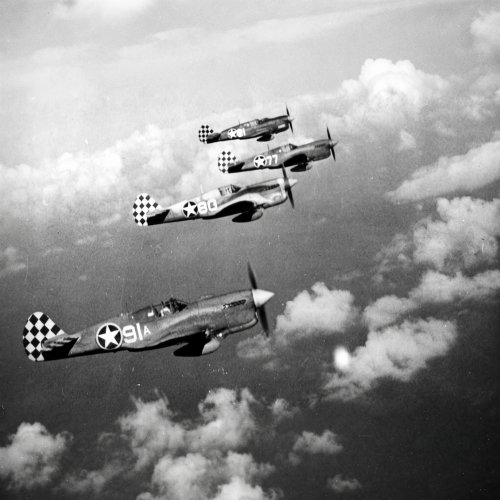
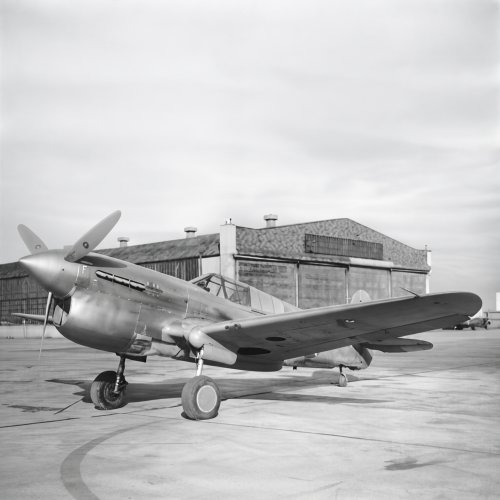
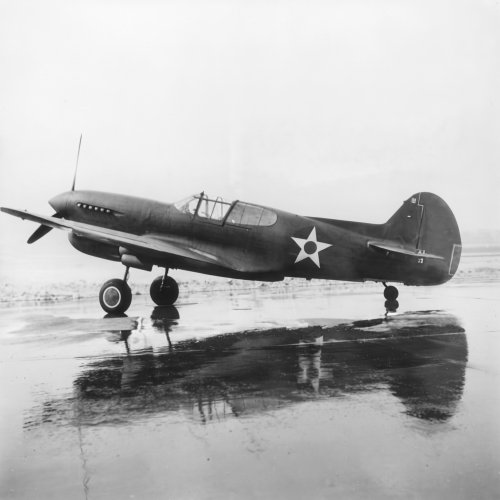
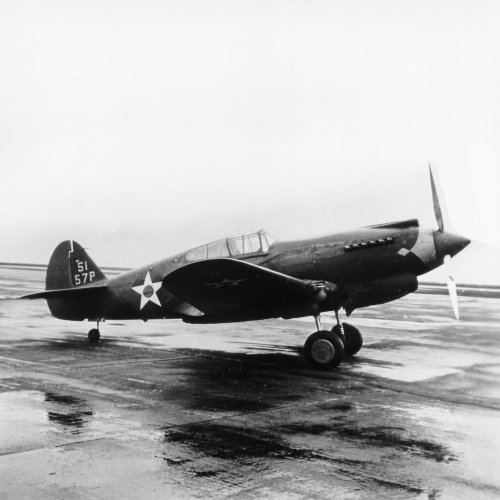
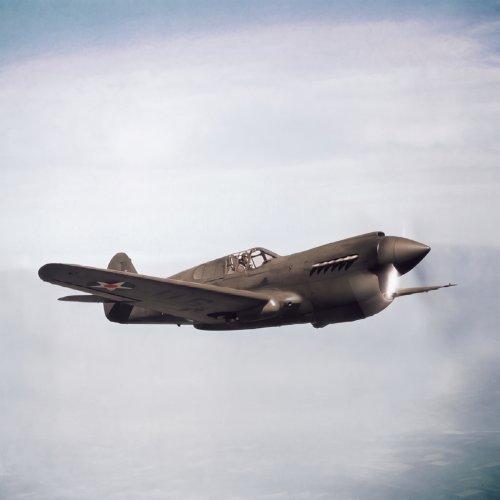
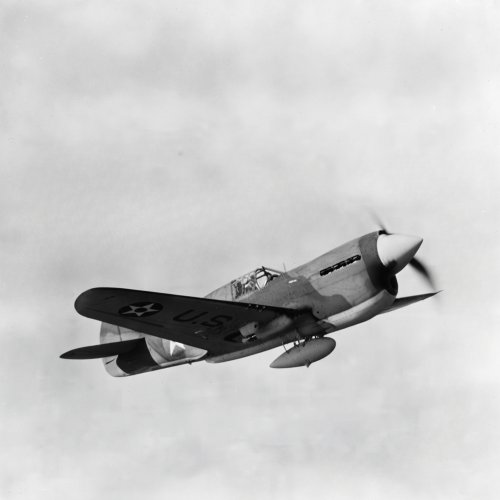
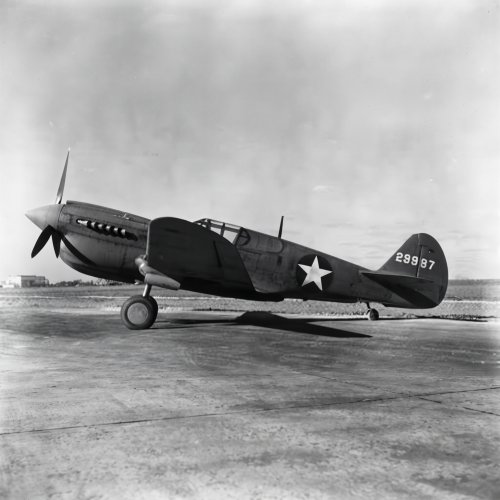
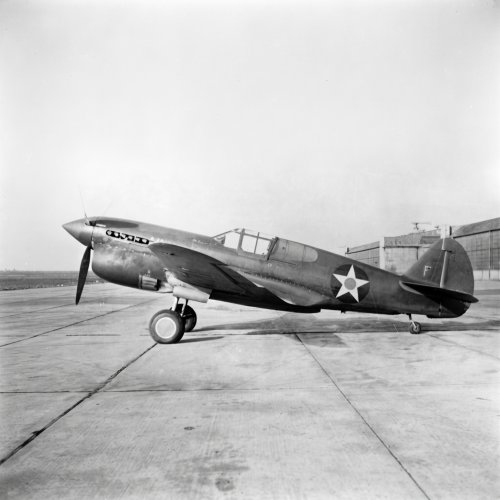
The Curtiss P‑40 Warhawk was one of the most important Allied fighters of the early Second World War—not because it was the best, but because it was available in quantity when nothing else was.
Designed as a rapid evolution of the Curtiss P‑36 Hawk, it became a rugged, hard‑hitting fighter‑bomber that served across nearly every Allied front from 1941 to 1944.
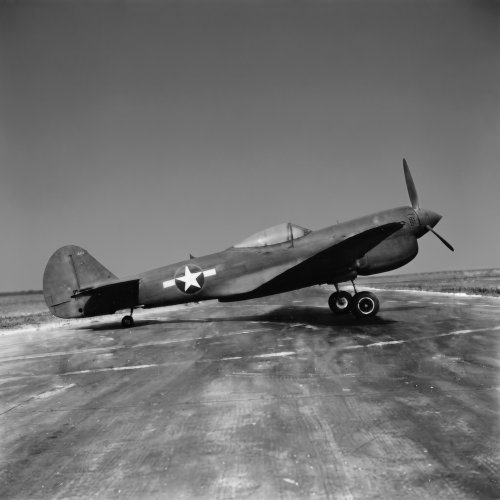
XP-40Q-2
Origins and Development
The P‑40’s story begins with the Curtiss P‑36 Hawk, a radial‑engined monoplane fighter adopted by the U.S. Army Air Corps in the late 1930s.
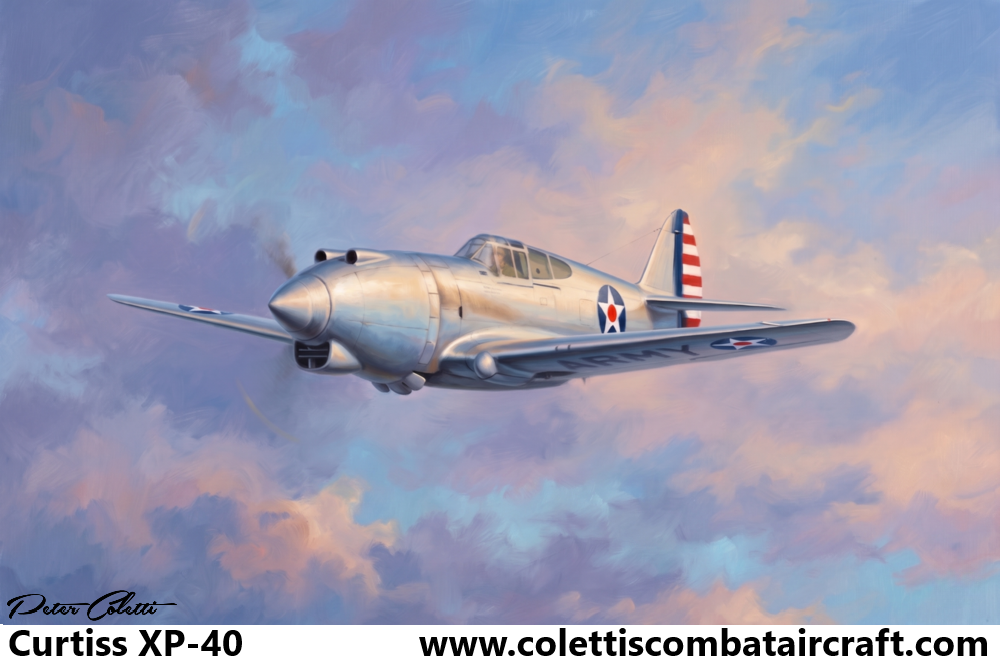
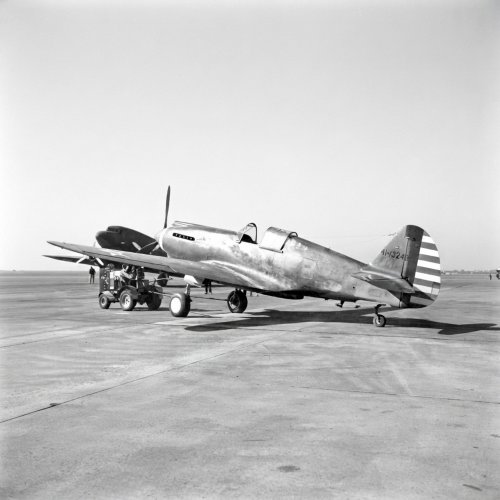
Curtiss engineer Donovan Berlin sought to modernise the design by replacing the radial engine with the new Allison V‑1710 liquid‑cooled V‑12, creating the prototype XP‑40, which first flew on 14 October 1938.
XP-40
This redesign was intentionally simple: Curtiss reused the P‑36 airframe, saving development time and enabling immediate mass production.
Curtiss XP-40Q-2A
The XP‑40 won the 1939 U.S. fighter competition largely because it could be built quickly, not because it outperformed competitors.
As war loomed, this mattered more than cutting‑edge performance.
Production began in 1939, and by 1944, Curtiss had built 13,738 P‑40s, making it the third most‑produced American fighter of WWII after the P‑51 and P‑47.
All were manufactured at Curtiss‑Wright’s Buffalo, New York, plant.
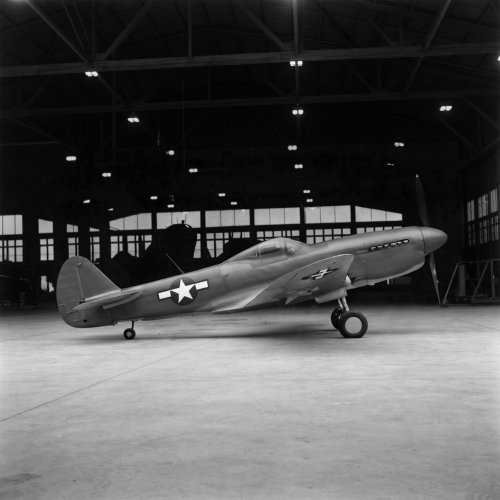
XP-40Q-1
Design Characteristics
Airframe and Construction
The P‑40 was a single‑seat, single‑engine, all‑metal monoplane with a distinctive long nose housing the Allison engine.
Its structure was rugged and durable, able to absorb significant battle damage.
Pilots praised its stability as a gun platform, especially in diving attacks.
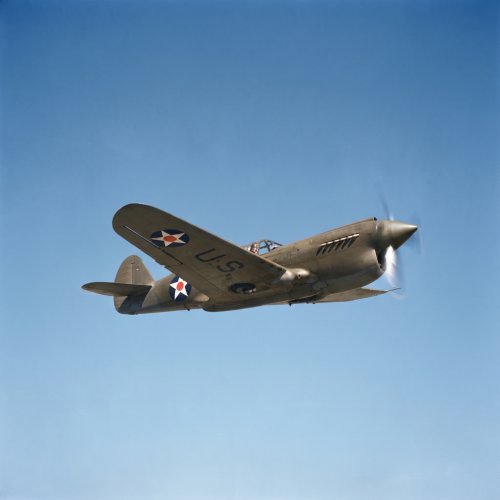
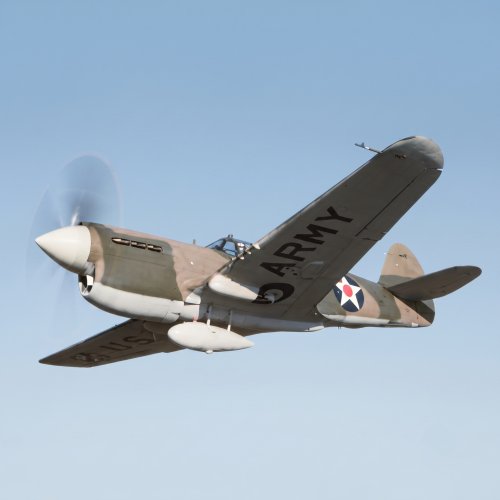
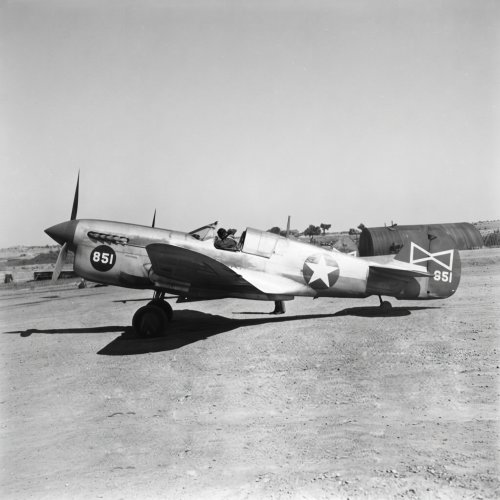
P-40K
Engine and Performance
The Allison V‑1710 provided around 1,150 hp at low altitude, giving the P‑40:
Max speed: ~360 mph (varied by variant)
Service ceiling: ~29,000 ft
Range: 650–850 miles
Climb rate: ~2,100 ft/min (P‑40E)
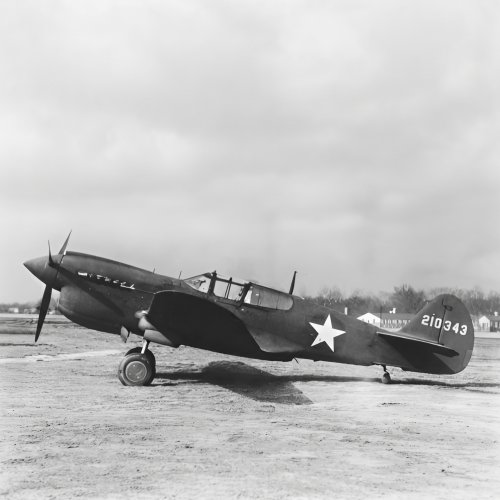
P-40E
However, the Allison lacked a two‑stage supercharger, causing severe power loss above ~15,000 ft.
This made the P‑40 inferior at high altitude to fighters like the Bf 109, Fw 190, and A6M Zero, restricting its use in high‑altitude European operations.
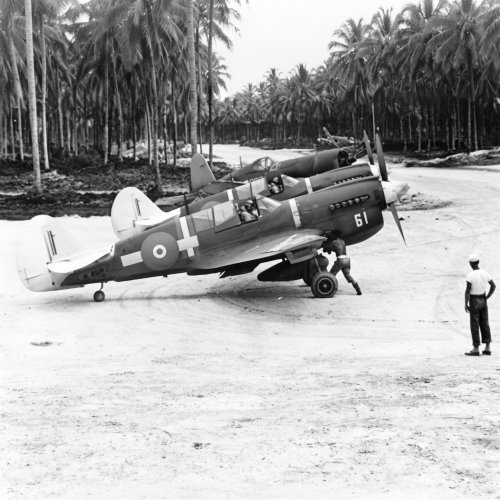
Kittyhawk Mk.IA
Armament
Armament evolved across variants:
Early P‑40B/C:
2 × .50 cal nose guns
4 × .30 cal wing guns
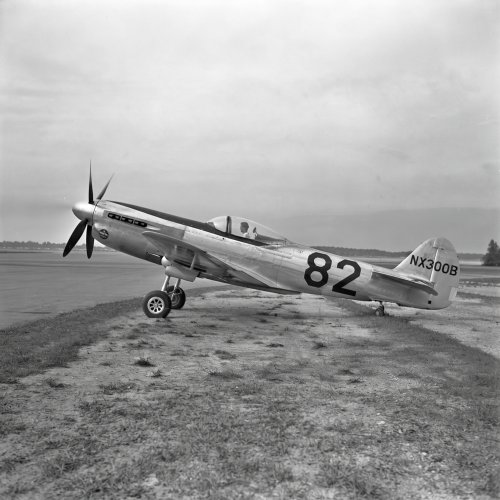
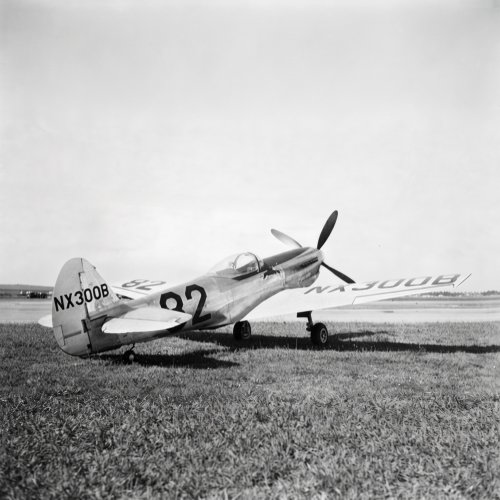
XP-40Q-2A Racer
P‑40E onward:
6 × .50 cal wing‑mounted Browning M2 machine guns (standard)
P-40D
Later variants could carry:
Bombs up to 2,000 lb
Rockets for ground‑attack roles
Tomahawk Mk.IIB
Operational History and WWII Context
Early War Service
The P‑40 entered service just as the Allies faced severe shortages of modern fighters.
P-40B
It became the principal American fighter of 1941–42, serving in:
North Africa
China–Burma–India (CBI)
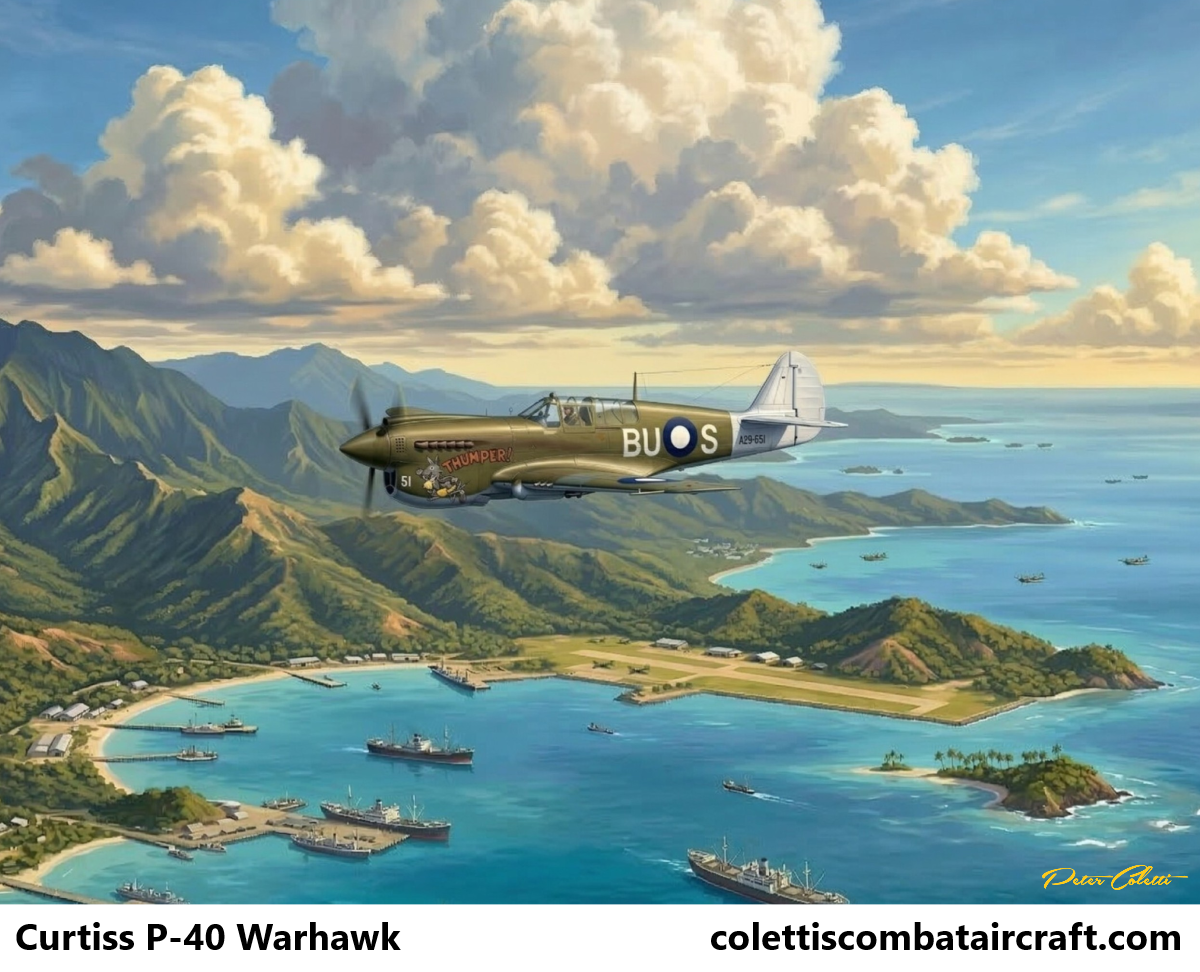
South-West Pacific
Middle East
South-east Asia
Defence of Pearl Harbour (two P‑40s famously took off during the attack)
P-40B
British Commonwealth Service
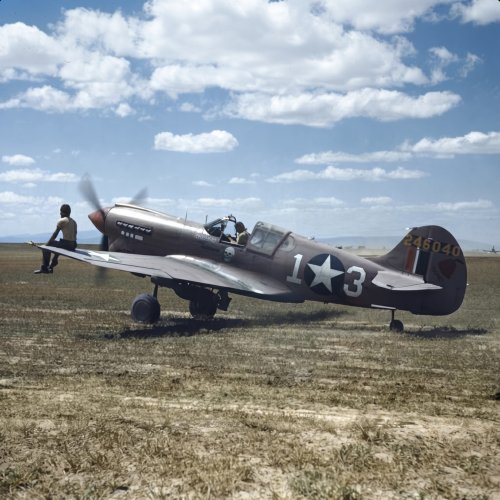
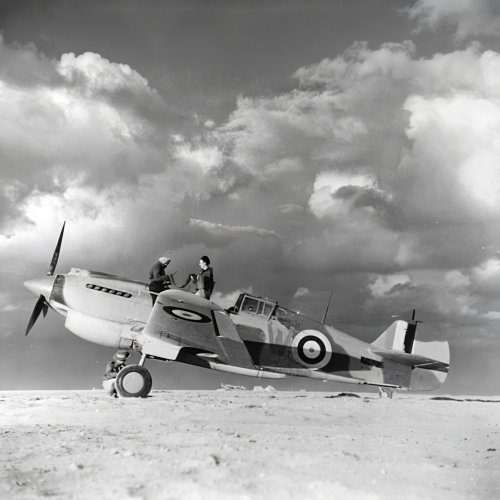
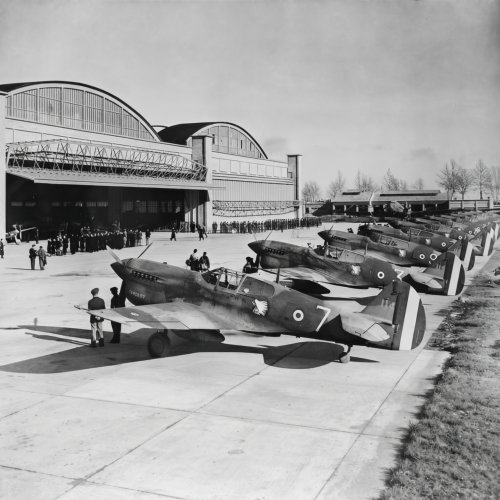
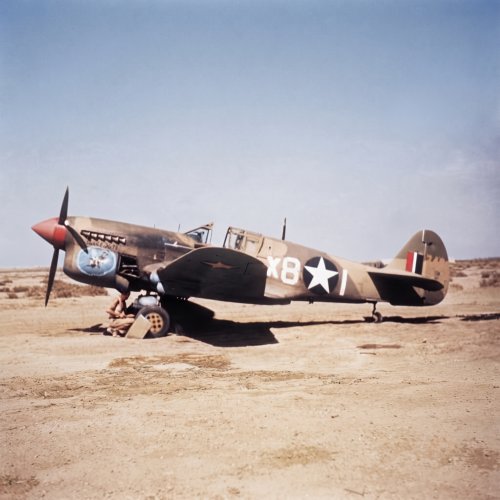
The RAF designated early models Tomahawk (P‑40, P‑40B/C) and later models Kittyhawk (P‑40D onward).
Commonwealth squadrons used them extensively in the Desert Air Force, beginning combat operations in June 1941.
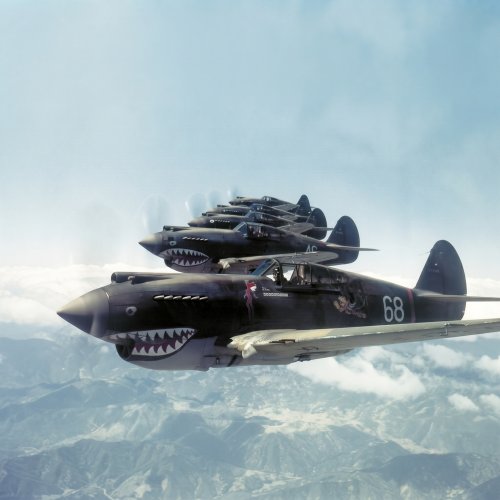
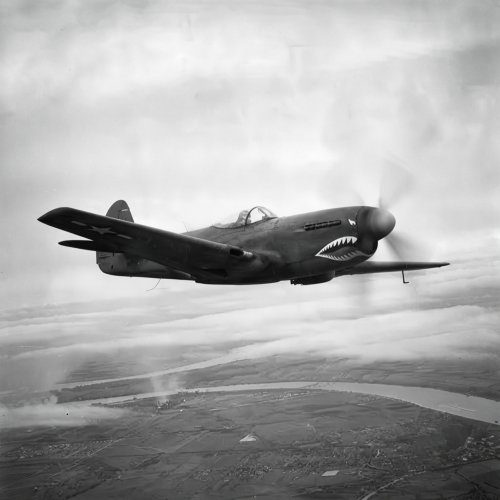
No. 112 Squadron RAF popularised the iconic shark‑mouth nose art, later adopted by American units.
Flying Tigers and the China Theatre
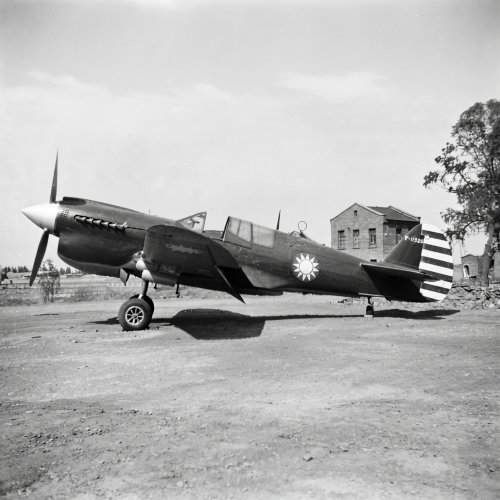
The P‑40 achieved legendary status with the American Volunteer Group (AVG)—the Flying Tigers—fighting for China in 1941–42.
Commander Claire Chennault taught pilots to avoid dogfighting Japanese aircraft and instead use dive‑and‑zoom tactics, exploiting the P‑40’s strength in dives and durability.
Their success produced one of the war’s most famous fighter images: the shark‑mouth Warhawk.
P-40K
North Africa and the Mediterranean
P‑40s equipped U.S., British, Australian, and South African squadrons in the desert campaigns.
They performed ground‑attack, escort, and air‑defence missions, often facing Bf 109s at altitudes where the P‑40 struggled.
The Merlin‑powered P‑40F/L variants improved altitude performance somewhat.
P-40L
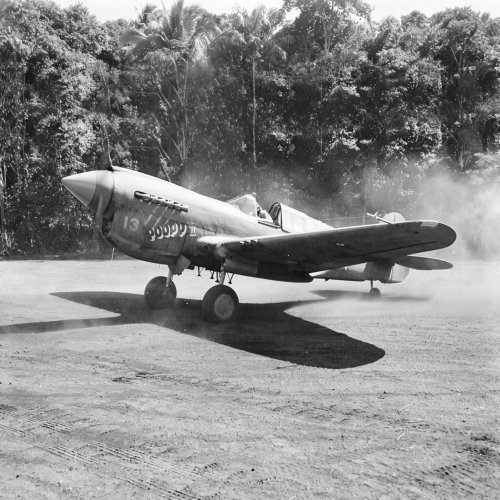
Pacific Theatre
In the Pacific, the P‑40 fought in:
New Guinea
Guadalcanal
Philippines
Solomons
Here, combat occurred at lower altitudes, allowing the P‑40 to perform effectively against Japanese aircraft when using energy tactics rather than turning fights.
P-40D
Soviet Service
Under Lend‑Lease, the USSR received large numbers of P‑40s.
Soviet pilots achieved ace status flying them, appreciating their durability and firepower despite altitude limitations.
P-40K with a strengthened tail
Variants and Evolution
The P‑40 underwent continuous refinement.
Major variants include:
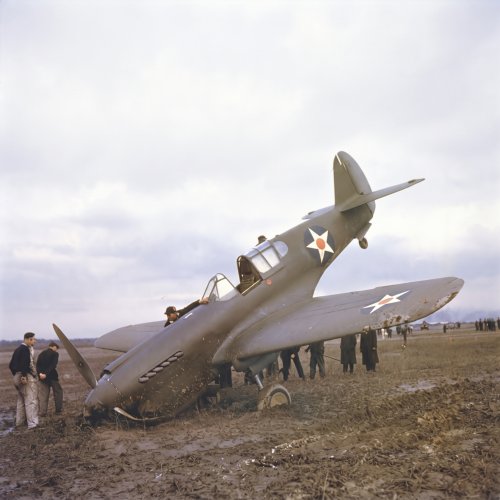
P-40C
P‑40B/C (Tomahawk): Early models used by the Flying Tigers; mixed armament.
P‑40D: Redesigned nose; eliminated nose guns; improved Allison engine.
P-40E
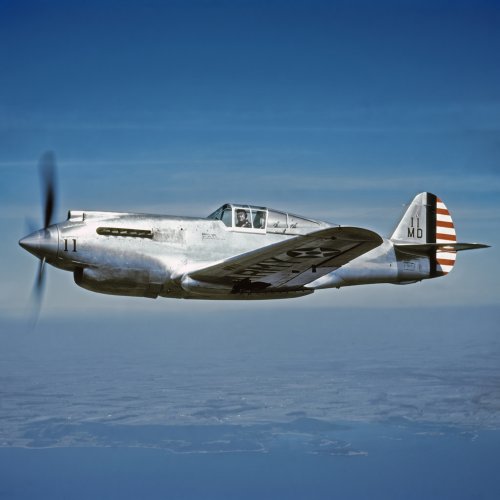
P‑40E (Kittyhawk I): First major production model; six .50 cal guns; widely used.
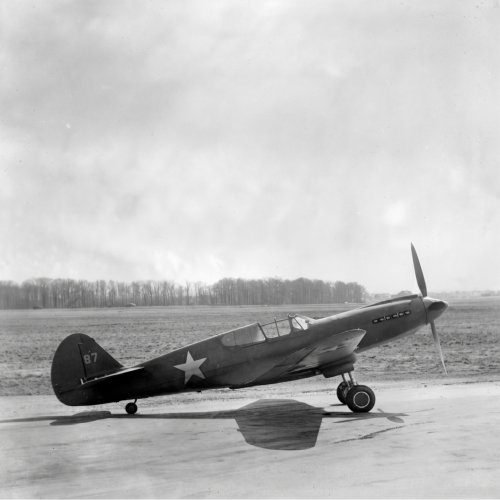
P-40K
XP‑40K: A single P‑40K‑10 fitted with a V‑1710‑43 engine, built to evaluate wing‑root radiator installations.
KITTYHAWK II (P-40F)
P‑40F/L: Fitted with Packard‑built Merlin engines for better altitude performance; used mainly in North Africa.
P-40N
P‑40K–N: Returned to Allison engines; progressively lightened; P‑40N was the fastest production version.
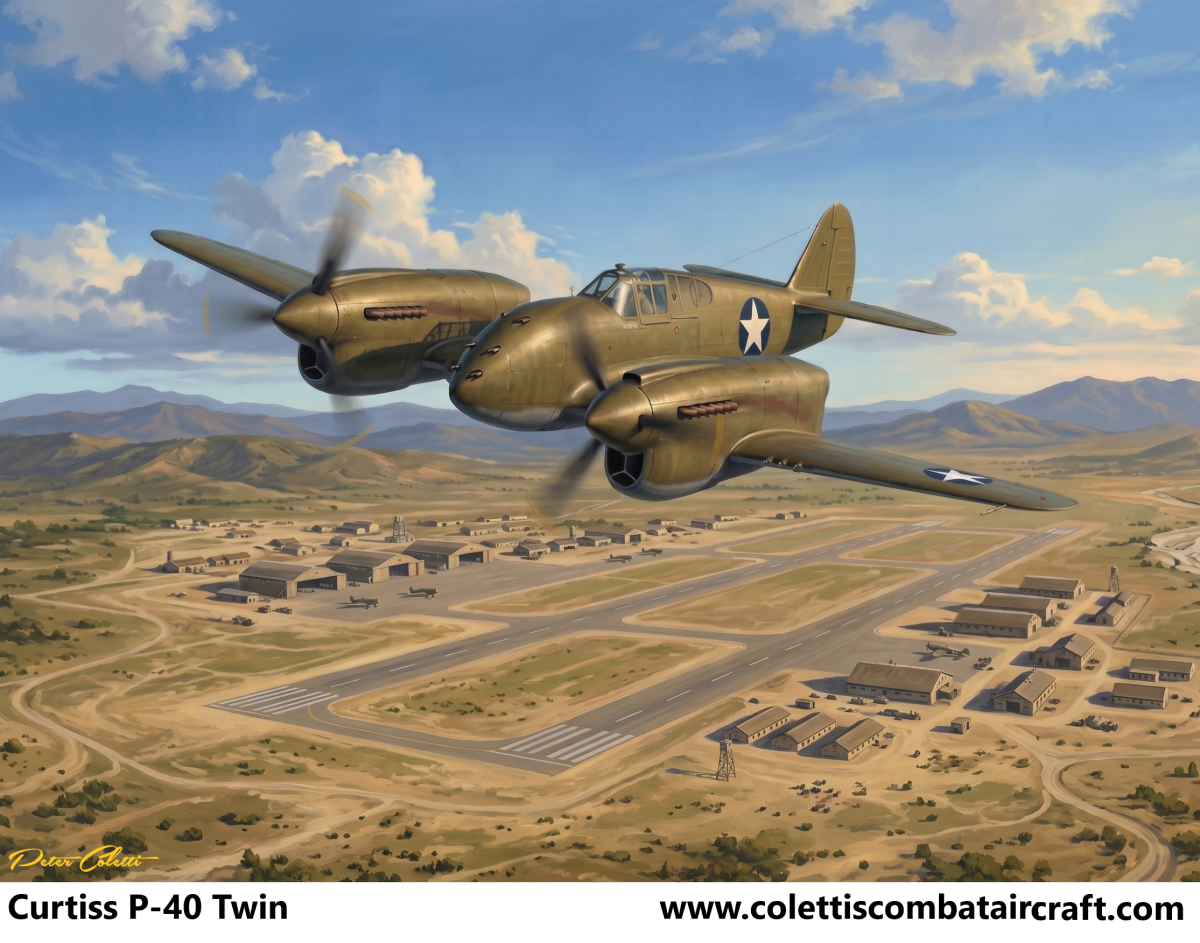
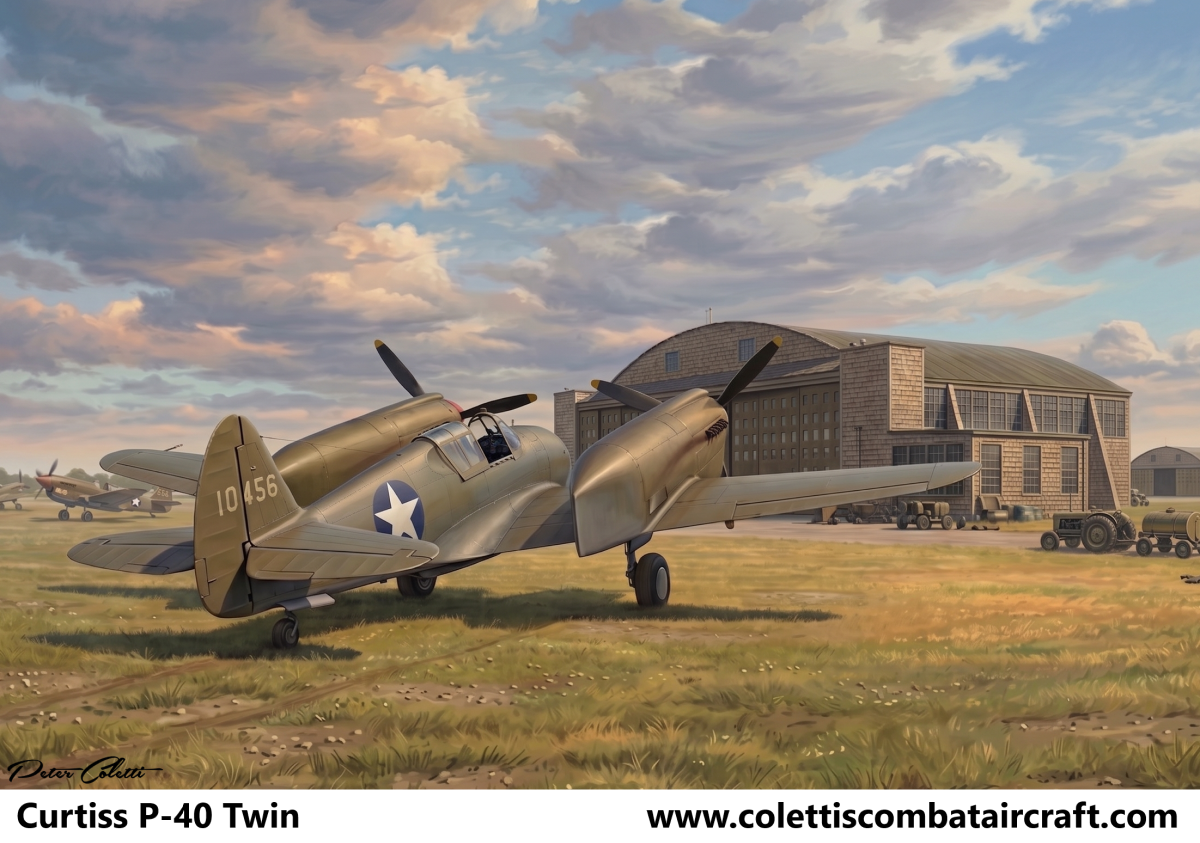
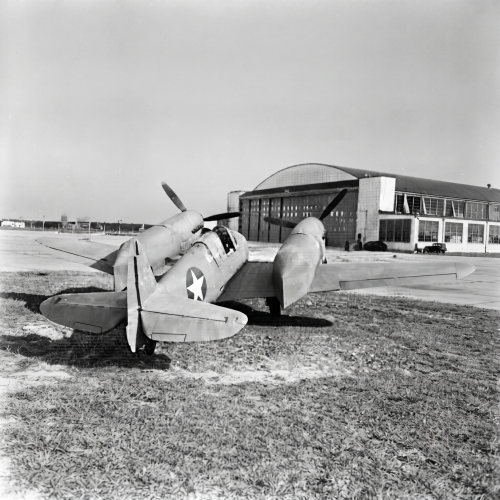
P-40 Twin
P‑40 Twin:The P‑40 Twin emerged from a period of intense experimentation in American fighter design during the early 1940s.
Surviving photographs show a twin‑engine airframe retaining the P‑40’s fuselage lines but incorporating two wing‑mounted engines and modified landing gear.
These images confirm that at least one prototype or test airframe existed, though no evidence indicates formal USAAC adoption or serial production.
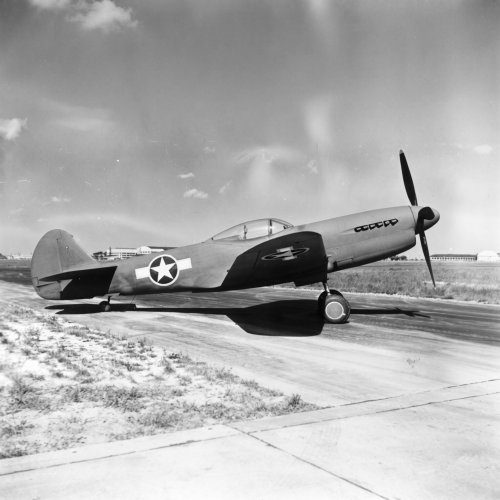
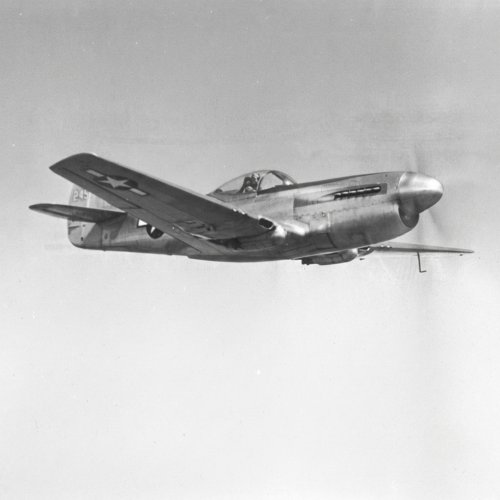
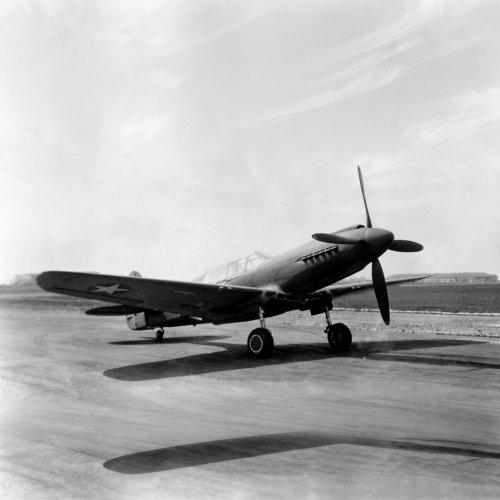
XP‑40Q: (First Prototype)
A heavily reworked P‑40K airframe with a streamlined nose, relocated cooling intakes, and an Allison V‑1710‑121 (~1,425 hp).
Retained the original canopy and fuselage spine.
Demonstrated major drag‑reduction gains and significantly higher speed than any prior Warhawk.
XP‑40Q‑1
Further refined P‑40K conversion featuring a cut‑down rear fuselage and bubble canopy, greatly improving visibility.
Adopted a compact chin radiator, a four‑bladed propeller, and a water‑injected Allison engine.
Represented the first fully modernised “ultimate Warhawk” configuration.
XP‑40Q‑2
Based on a P‑40N with clipped wing tips for reduced drag and slightly higher top speed.
Retained the bubble canopy, revised cooling system, and high‑power Allison engine.
Generally considered the best‑performing and best‑handling of the three prototypes.
XP‑40Q‑3
Refers to incremental refinements, minor changes to canopy shape, radiator ducting, fuselage length, and wingtip configuration.
All shared the same design goal: maximum speed and visibility within the limits of the P‑40 airframe.
P-40K
Strengths and Weaknesses
Strengths
Extremely rugged and reliable
Excellent dive speed and structural strength
Strong firepower
Stable gun platform
Easy to maintain in harsh environments
Available in large numbers early in the war
P-40K
Weaknesses
Poor high‑altitude performance
Mediocre climb rate
Outclassed by newer fighters by 1943–44
Required disciplined tactics to counter more manoeuvrable opponents
P-40L
Strategic Importance
The P‑40’s greatest contribution was timing.
It was the fighter the Allies had when war broke out.
While not a high‑altitude thoroughbred, it was:
P-40N
Tough
Reliable
Mass‑produced
Exported widely (UK, USSR, China, Australia, and many others)
It bought the Allies critical time until more advanced fighters—like the P‑51 Mustang and F6F Hellcat—could enter service.
XP-40N
Conclusion
The Curtiss P‑40 Warhawk was never the best fighter of WWII, but it was one of the most important.
From the deserts of North Africa to the jungles of New Guinea and the skies over China, it served as a dependable workhorse during the war’s most desperate years.
Its combination of ruggedness, firepower, and availability ensured that it played a decisive role in early Allied air operations, earning a place as one of the war’s most iconic aircraft.