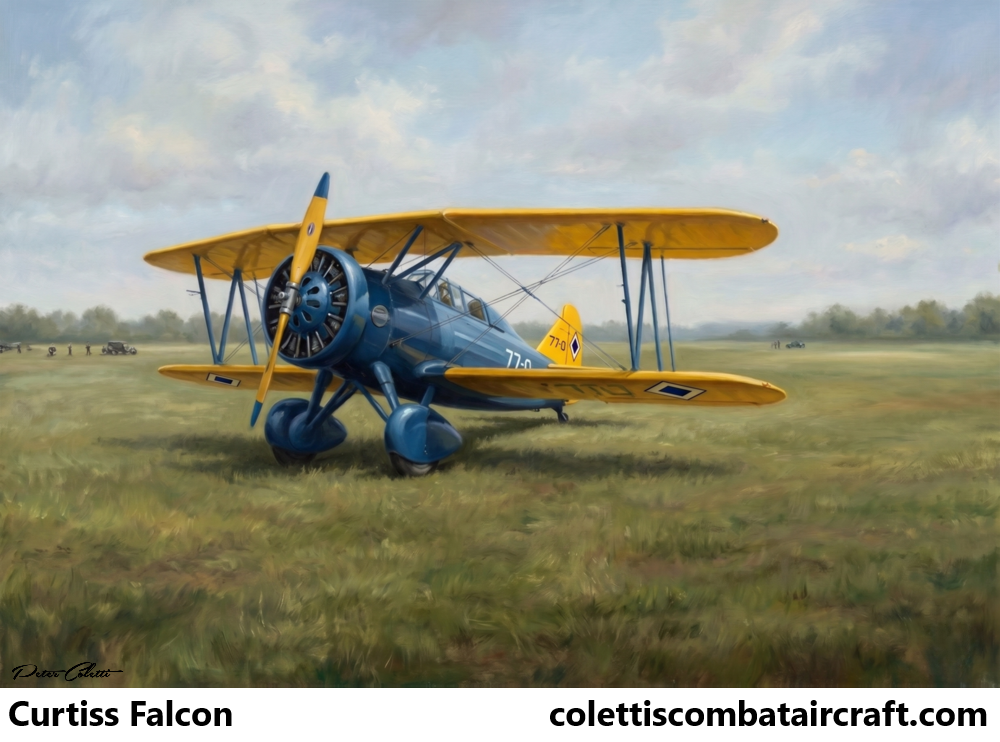
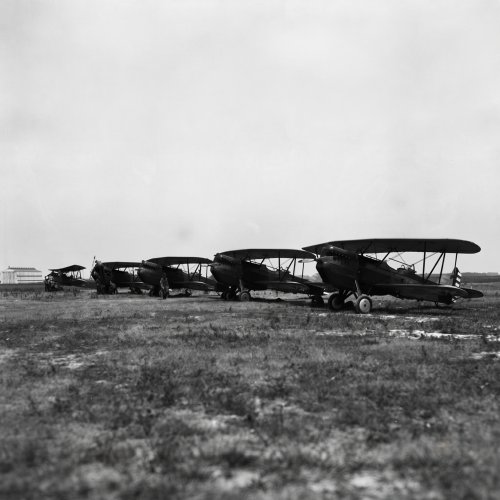
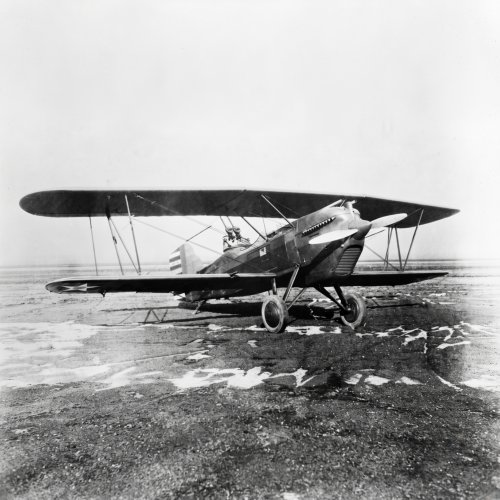
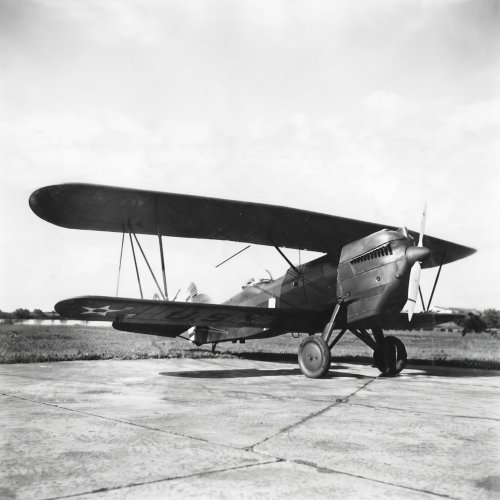
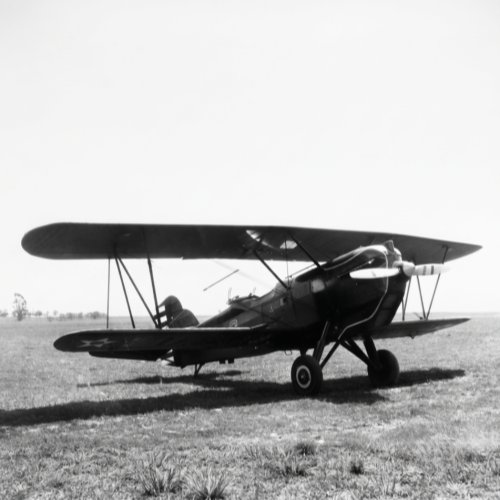
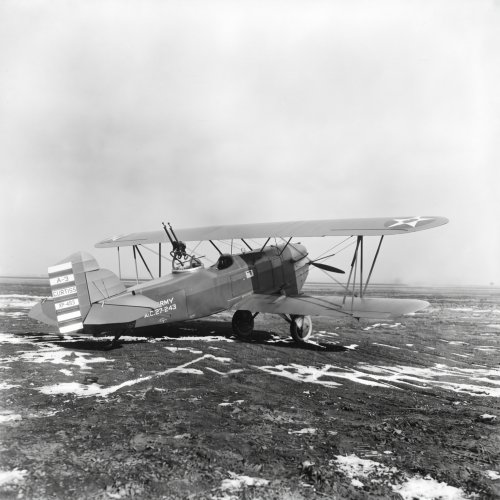
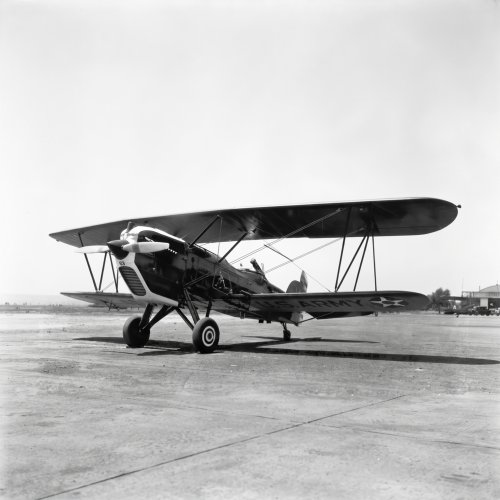
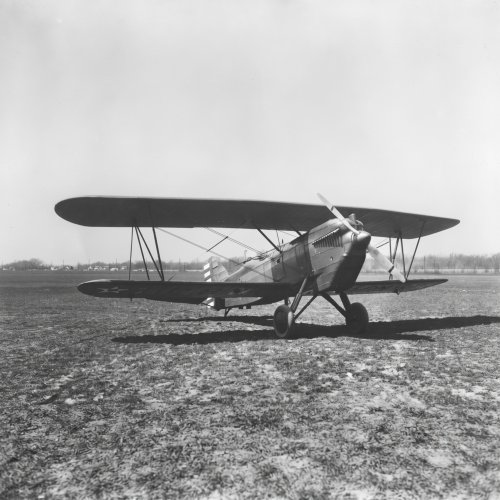
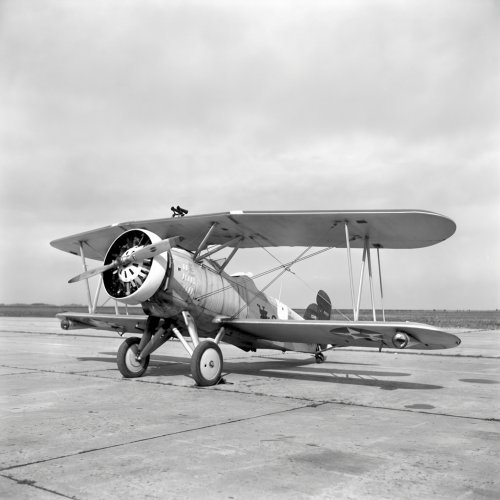
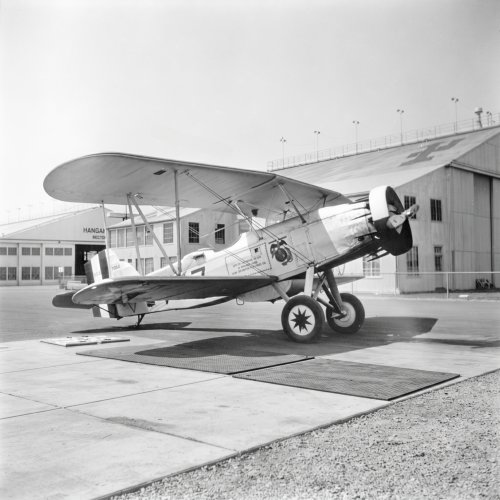
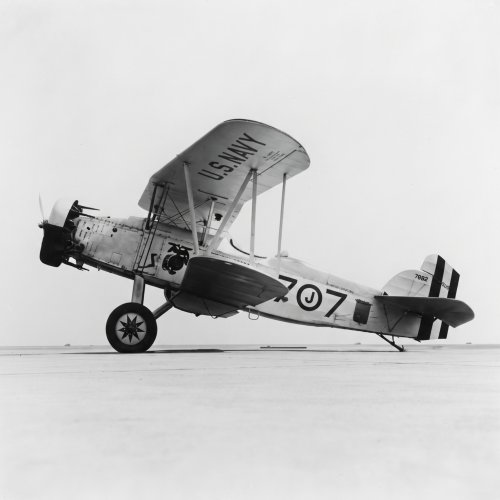
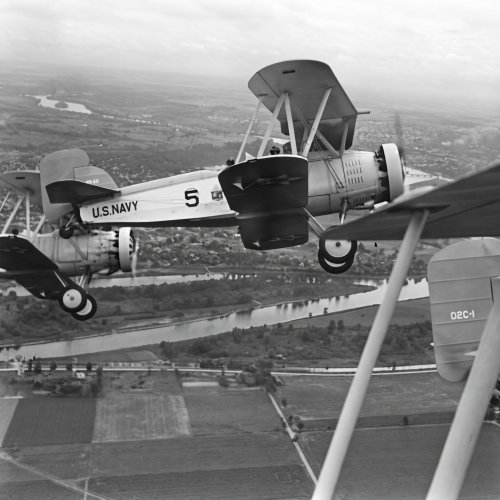
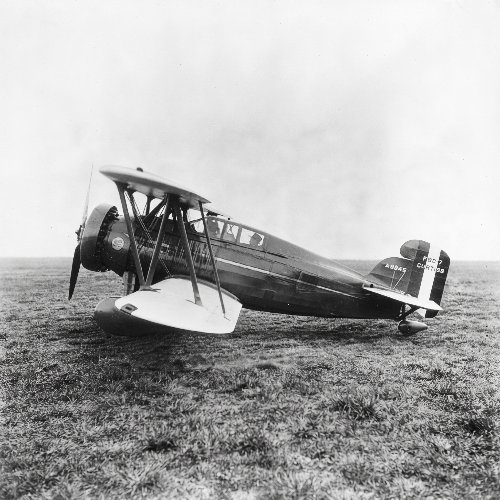
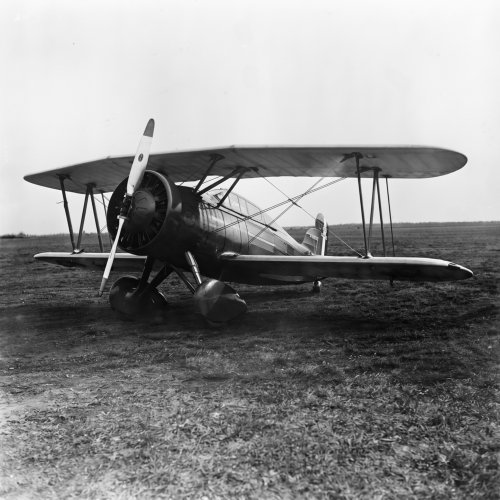
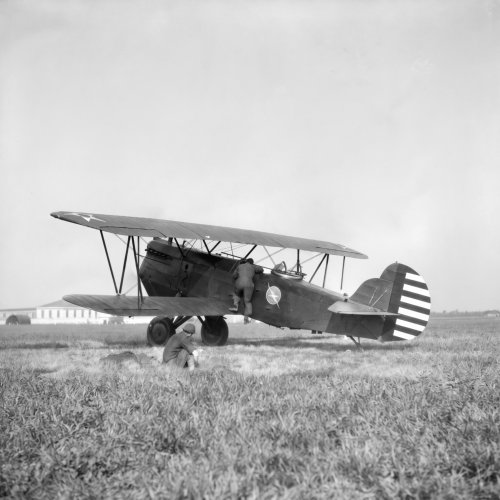
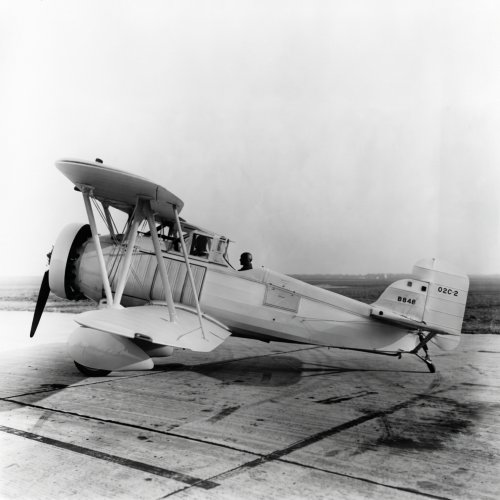
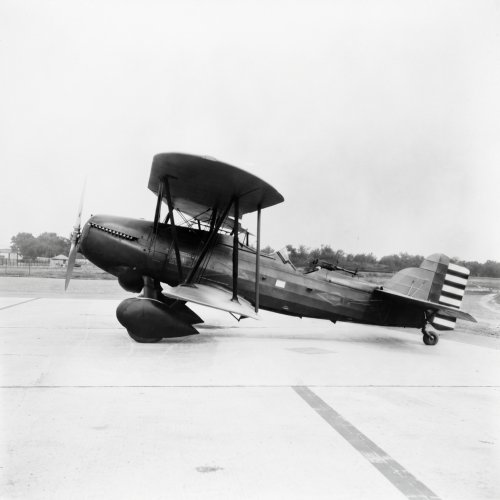
The Curtiss Falcon family was developed during the U.S. Army Air Service’s modernisation push in the early 1920s.
Curtiss initially entered a Packard‑powered prototype in the Army’s observation aircraft competition, but when the Army abandoned the Packard engine requirement and reopened the contest for aircraft powered by the Curtiss D‑12 (V‑1150), Curtiss re‑engined its design and won the 1925 trials.
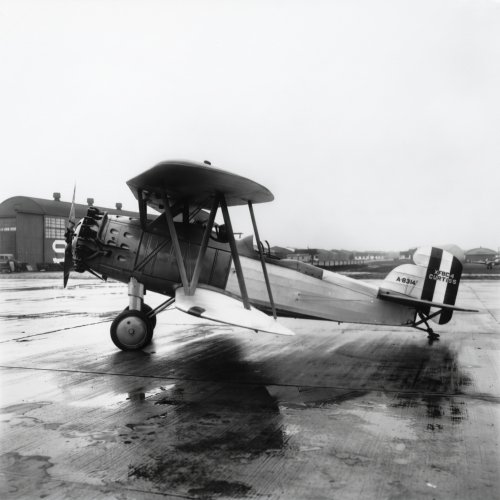
This led to production of the Curtiss O‑1 Falcon, a rugged and modern observation aircraft.
The Falcon introduced a hybrid construction method—metal‑tube fuselage with wooden wings—that became a hallmark of Curtiss interwar engineering.
Its success led to expanded roles, including attack and naval dive‑bombing variants.
Design Characteristics
Airframe
Unequal‑span biplane with a straight lower wing and slightly swept upper wing tips.
Two‑seat tandem cockpit (pilot forward, observer/gunner aft).
Mixed construction: aluminium‑tube fuselage with steel tie‑rod bracing; wooden wings with fabric covering.
Fixed landing gear with tail skid (later tailwheel).
Open cockpits typical of the era.
Powerplants
Prototype: Packard 1A‑1500 V‑12.
Production O‑1: Curtiss V‑1150 (D‑12), approx. 435 hp.
Later variants used improved V‑1150 series engines.
Armament
One fixed forward‑firing .30 Browning machine gun.
Two flexible .30 Lewis guns for the observer.
Light bomb load capability on attack and naval variants.
Performance (Representative O‑1 Figures)
Maximum speed: approx. 140–150 mph.
Service ceiling: approx. 15,000 ft.
Range: approx. 350–400 miles.
Crew: 2.
Performance varied slightly across sub‑variants and engine configurations.
Operational History
U.S. Army Air Corps — Observation Role
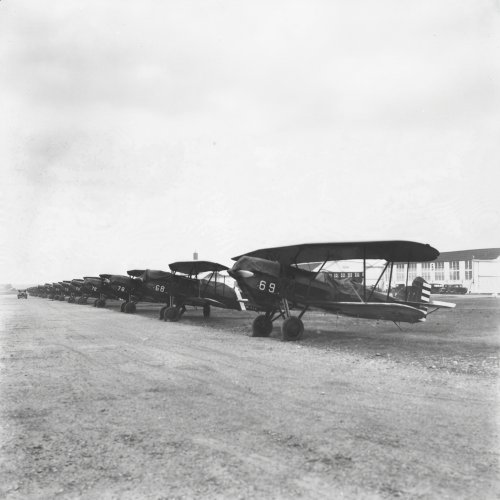
The O‑1 Falcon served in the 1st, 5th, and 99th Observation Squadrons of the 9th Observation Group at Mitchel Field, New York.
It remained in first‑line service until 1934 and in second‑line roles until 1937.
Primary duties included:
Artillery spotting
Photographic reconnaissance
Liaison and courier missions
Training and proficiency flying
Its reliability and ruggedness made it a dependable interwar observation aircraft.
Attack Role — A‑3 Falcon
Curtiss developed the A‑3 Attack Falcon beginning in 1927.
76 A‑3s were delivered, followed by 78 improved A‑3Bs.
Operated by the 8th, 13th, and 19th Attack Squadrons of the 3rd Attack Group and the 26th Attack Squadron in Hawaii.
The A‑3 featured:
Strengthened structure for dive‑bombing and low‑level attack.
Improved control surfaces and tail design.
Enhanced bomb‑carrying capability.
It remained in first‑line service until 1934.
U.S. Navy and Marine Corps — F8C Falcon / OC Helldiver
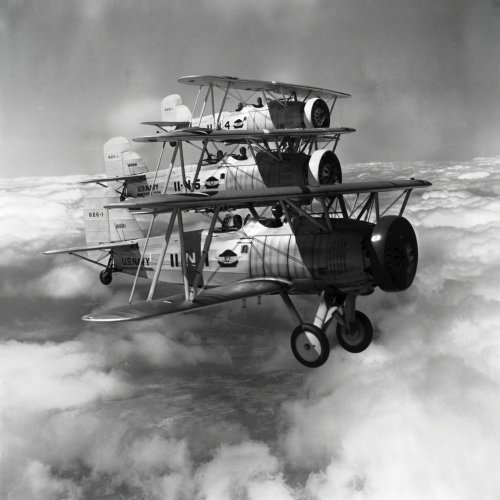
The Navy adopted the Falcon as the F8C‑1 and F8C‑3, initially as shipboard fighter‑bombers.
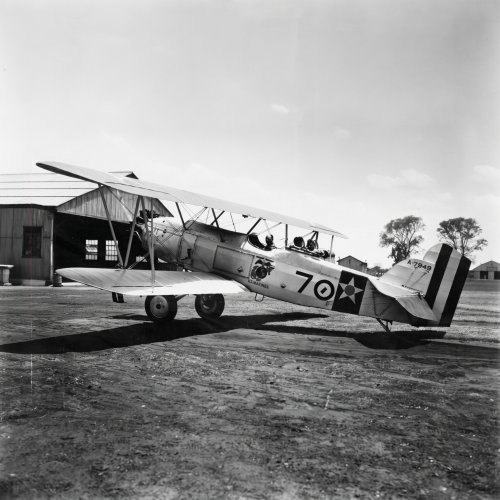
The Marine Corps later redesignated them OC‑1 and OC‑2 for observation and dive‑bombing roles.
These aircraft became the first U.S. Marine Corps dive bombers, earning the name ‘Helldiver’—a name later reused for the WWII SB2C.
Marine Falcons pioneered:
Early dive‑bombing tactics.
Close air support for ground forces.
Shipboard fighter‑bomber operations.
Their robust construction and manoeuvrability made them ideal for the demanding dive‑bombing role.
Foreign Service
Falcons saw combat in the Constitutionalist Revolution of 1932 in Brazil, where they were used by São Paulo’s forces for reconnaissance and light attack.
Variants
Observation Variants
O‑1 — Initial production model with the Curtiss D‑12 engine.
O‑1A — Liberty‑powered variant with improved rear cockpit.
OC‑1 / OC‑2 — Marine Corps observation/dive‑bombers (Helldiver).
World War II Context
By the start of WWII, all Curtiss Falcon biplanes had been retired from U.S. service.
Their influence, however, persisted in:
U.S. Marine Corps dive‑bombing doctrine.
Curtiss naval aircraft development.
The naming lineage leading to the SB2C Helldiver.
Some Falcons in Latin America continued flying into the early 1940s, but none played a meaningful role in WWII combat.
Legacy
The Curtiss Falcon family represents a pivotal transition in American military aviation:
From WWI‑style wood‑and‑fabric biplanes
Towards metal‑structured, specialised attack and naval aircraft
Establishing the Marine Corps’ dive‑bombing tradition
Demonstrating Curtiss’s engineering leadership in the interwar period
The Falcon line’s combination of ruggedness, versatility, and innovative construction made it one of the most influential American biplane families of the 1920s.