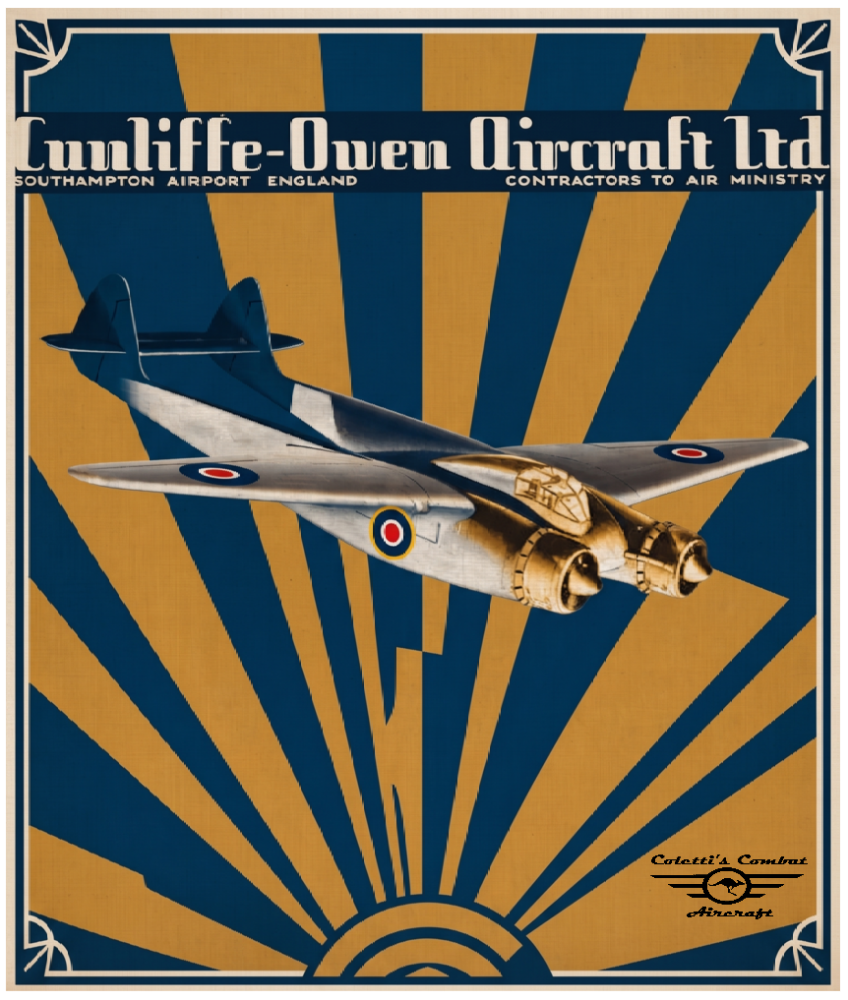
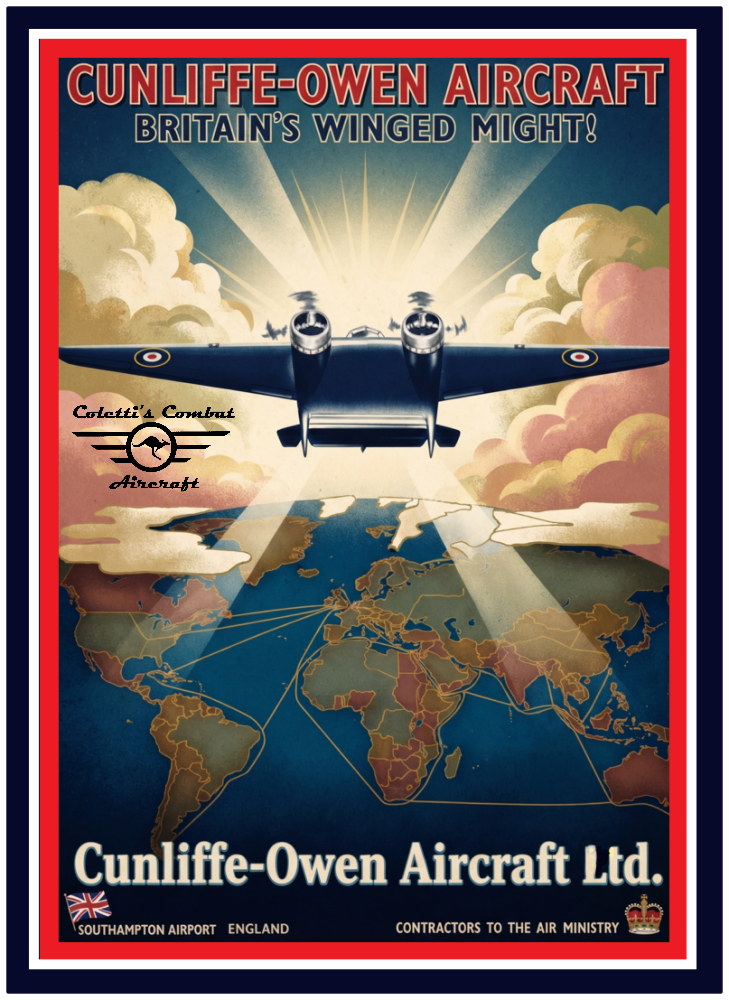
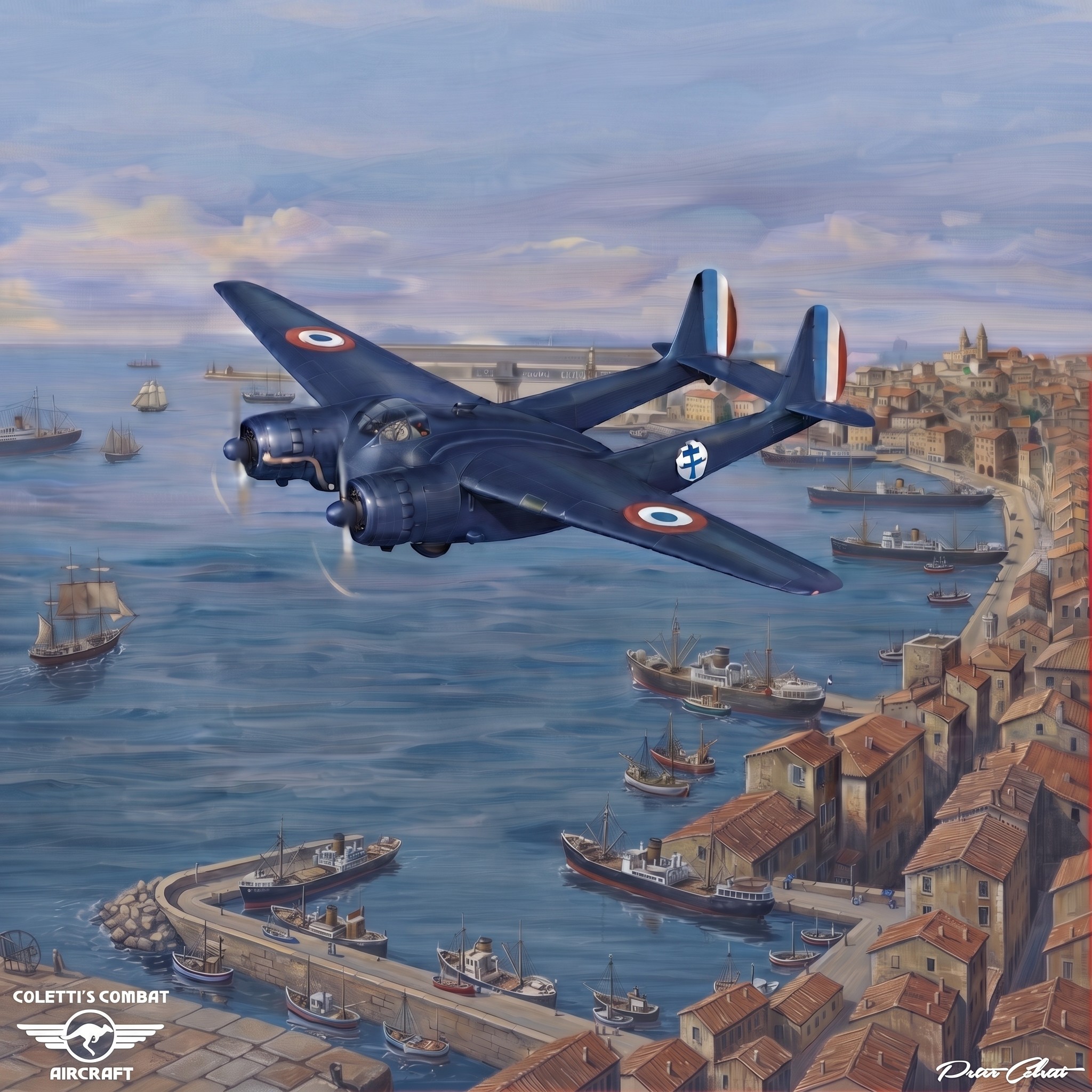
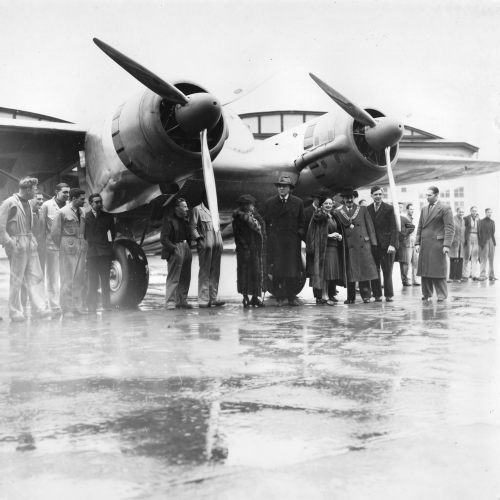
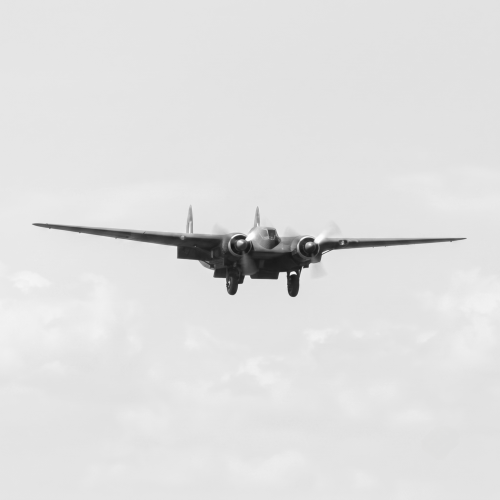
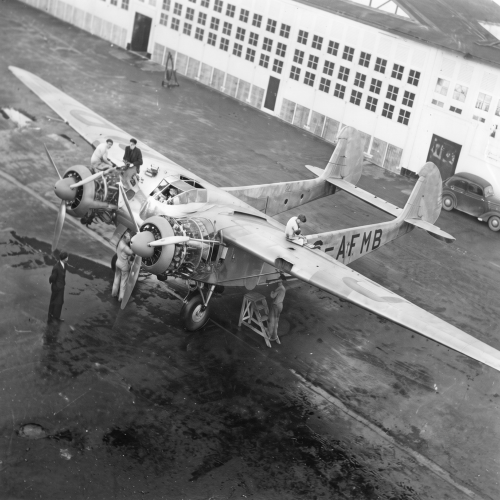
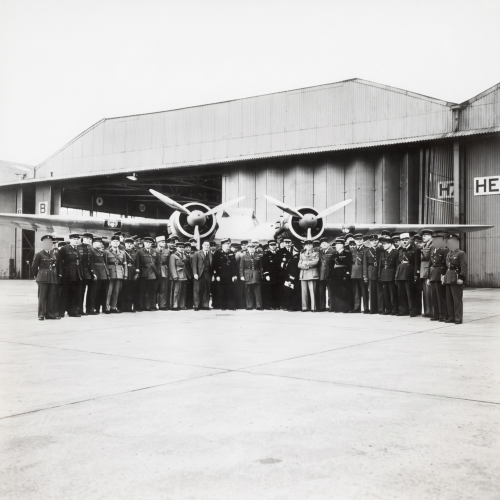
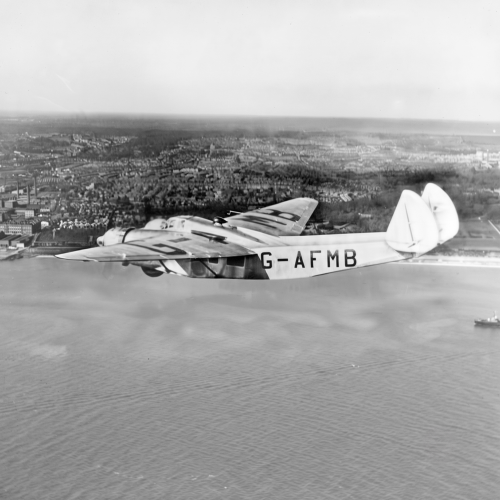
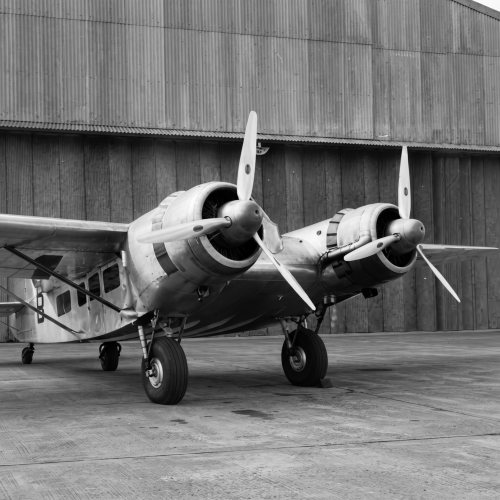
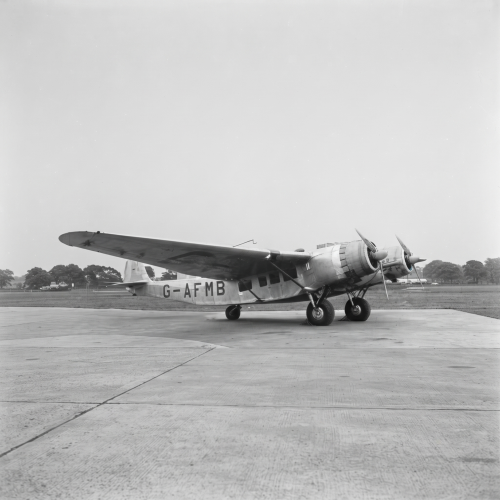
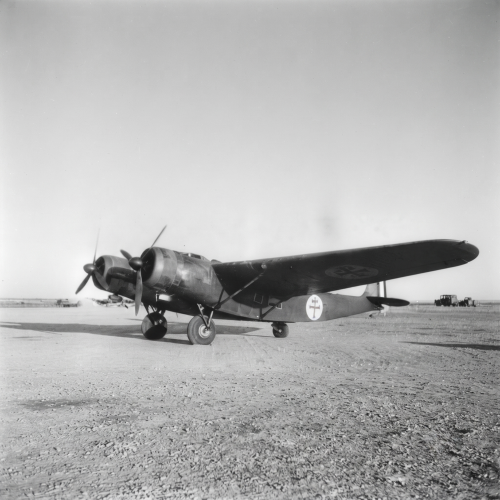
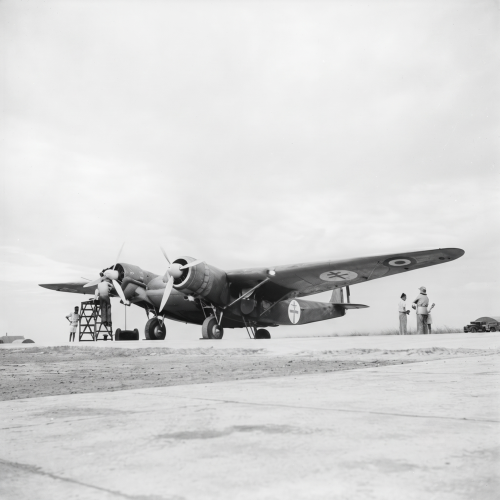
The Cunliffe‑Owen OA‑Mk I emerged from British industrialist Sir Hugo Cunliffe‑Owen’s interest in Vincent Burnelli’s “lifting‑fuselage” aircraft concepts.
Burnelli’s UB‑14 design of the 1930s featured a broad, airfoil‑shaped fuselage intended to contribute to lift and improve crashworthiness.
The UB‑14 attracted international attention, and Cunliffe‑Owen sought to bring the concept to Britain.
After the collapse of the Scottish Aircraft and Engineering Company—originally intended to build a Burnelli‑derived aircraft called the Clyde Clipper—Cunliffe‑Owen acquired the rights and assets and formed BAO Ltd in 1937, later renamed Cunliffe‑Owen Aircraft Ltd in May 1938.
The company was established at Southampton Airport, Eastleigh, with a large factory built as part of Britain’s pre‑war “shadow factory” programme.
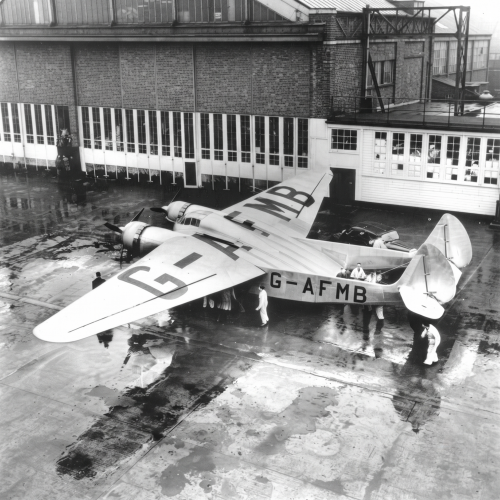
Work began on a redesigned, all‑metal version of the Burnelli UB‑14, designated Cunliffe‑Owen OA‑I (or OA‑Mk I).
This aircraft was intended as a 15‑passenger commercial transport and represented a significant structural and aerodynamic evolution from Burnelli’s earlier prototypes.
Construction of the prototype began in the company’s original hangar in 1938.
Only one aircraft was completed before the outbreak of World War II halted further development.
Design Philosophy
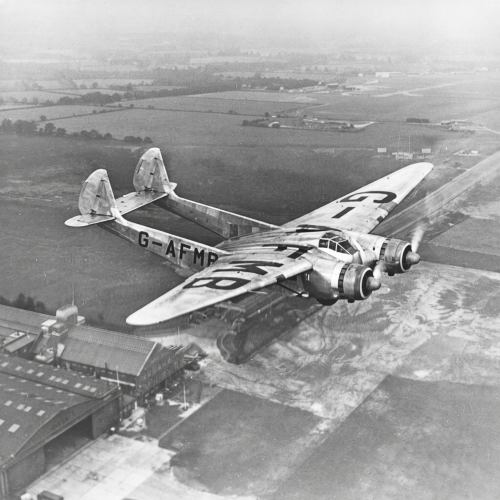
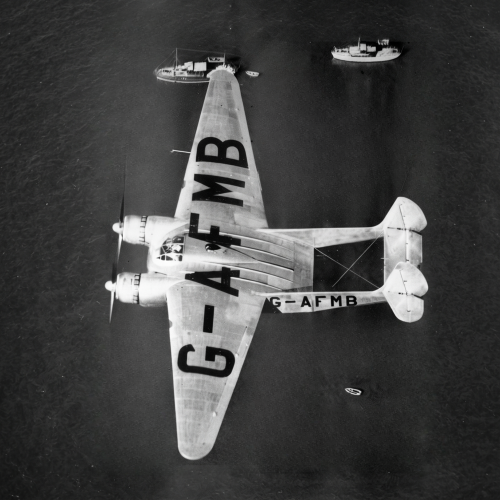
The OA‑Mk I was built around Burnelli’s “lifting fuselage” principle: the central body itself was shaped as an airfoil, contributing to lift and providing a large internal volume for passengers and cargo.
Although popularly described as a “flying wing”, the aircraft retained a tail carried on twin booms, making it technically a lifting‑body aircraft rather than a true flying wing.
The design aimed to combine the following:
High structural strength through stressed‑skin metal construction.
Crashworthiness, a hallmark of Burnelli’s philosophy.
Passenger comfort, with a spacious cabin and large baggage capacity.
Improved aerodynamic efficiency via the airfoil‑section fuselage and continuous upper wing surface.
Structural and Aerodynamic Design
Fuselage and Cabin
The fuselage was an airfoil-section body with four main bulkheads:
Bulkheads 1 and 2 carried the loads of the main spars and wing‑bracing struts.
Bulkhead 3 served as a cabin stiffener.
Bulkhead 4 carried the tailwheel loads.
The stressed‑skin covering was Alclad, and the cabin accommodated 15 passengers.
Four facing aft behind bulkhead 1.
Five facing forward ahead of bulkhead 2.
Six facing forward ahead of bulkhead 5, with a large baggage compartment behind them.
Entry was via large doors on each side, and the two‑crew cockpit sat above and ahead of the cabin at the wing’s leading edge.
Wing
The OA‑Mk I featured a high‑wing, semi‑cantilever layout:
Outer wings tapered and matched the fuselage’s airfoil section but had a narrower chord.
The upper wing surface was continuous from tip to tip.
Outer panels were braced with parallel lift struts.
Wing structure included:
Two I‑section spars.
Warren‑girder ribs.
Stressed Alclad skin.
Control surfaces:
Narrow‑chord ailerons over two‑thirds of the outer span.
Split trailing‑edge flaps between ailerons and fuselage.
An additional flap beneath the rear fuselage ahead of the tailwheel.
Tail and Booms
The tailplane was all metal, mounted on rectangular‑section, wire‑cross‑braced booms with D‑shaped fairings.
These booms were deeper than those on the Burnelli UB‑14 and attached at an angle so they appeared horizontal when the aircraft was on the ground.
Twin fins and rudders were raked forward in flight.
Undercarriage
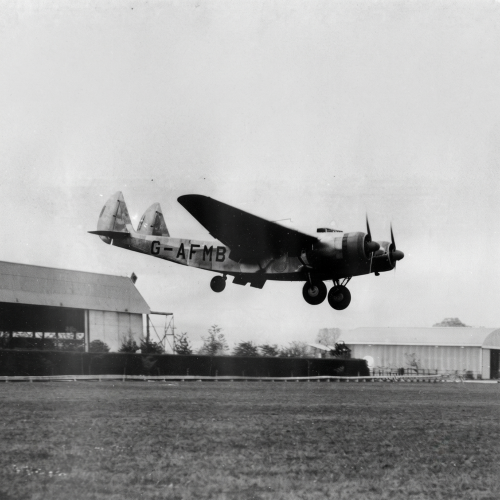
The OA‑Mk I had a fully retractable undercarriage:
Main wheels retracted forward into the engine nacelles at the fuselage’s outboard corners.
The castoring tailwheel retracted forward into the fuselage’s tail.
Retraction was powered by engine‑driven hydraulics.
Powerplant and Systems
The aircraft was originally intended to use Rolls‑Royce Kestrel engines (as on the Clyde Clipper), but these were replaced by two Bristol Perseus sleeve‑valve engines:
Initially planned: 900 hp Perseus XIIC.
Ultimately installed: 710 hp Perseus XIVC.
Each drove a constant‑speed, fully feathering three‑bladed propeller.
Fuel capacity was distributed across eight wing tanks, four per outer wing.
Performance (Known / Inferred from Design)
Although detailed performance figures are not provided in the sources, the OA‑Mk I’s configuration suggests:
Moderate cruise speed typical of twin‑engine transports of the late 1930s.
Good low‑speed handling due to large flaps and lifting fuselage.
Improved structural safety and survivability, consistent with Burnelli’s design philosophy.
Operational History and WWII Context
The OA‑Mk I was completed in 1939, just as Europe entered World War II.
The outbreak of war halted further development and prevented the aircraft from entering commercial service.
During the war:
Cunliffe‑Owen Aircraft shifted to repair, overhaul, and licensed production, notably building Supermarine Seafires and performing contract work for the Air Ministry and major British manufacturers.
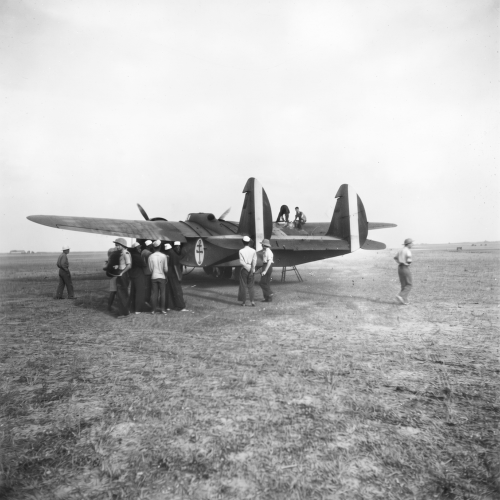
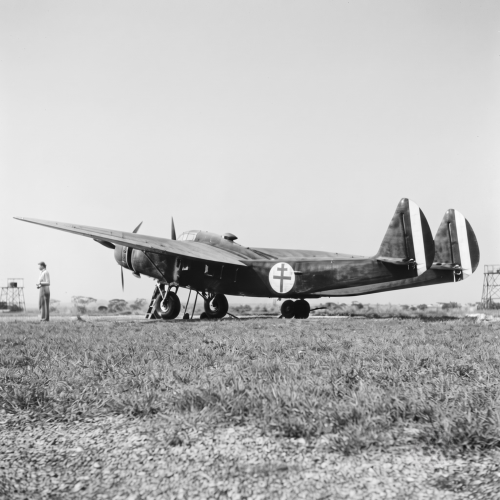
The OA‑Mk I remained a one‑off prototype, occasionally photographed (including in Egypt in 1942), but was never mass‑produced or militarised.
The aircraft’s failure to reach production was due to:
Wartime priorities redirecting resources to combat aircraft.
The company’s limited pre‑war experience.
The unconventional nature of Burnelli’s lifting‑fuselage designs, which struggled to gain institutional support.
After the war, Cunliffe‑Owen attempted to pivot to civil aircraft production (e.g., the Concordia), but financial difficulties led to the company’s collapse in 1947.
Variants
Only one OA‑Mk I was built.
No true variants entered production, though the design lineage included the following:
The earlier Burnelli UB‑14 prototypes.
The planned but unrealised Clyde Clipper (Scottish Aircraft & Engineering Co.).
Postwar Cunliffe‑Owen designs such as the COA‑19 Concordia, unrelated in configuration but part of the company’s civil aviation ambitions.
Summary
The Cunliffe‑Owen OA‑Mk I was a unique British adaptation of Vincent Burnelli’s lifting‑fuselage concept, built in 1939 as an advanced, all‑metal, twin‑engine transport aircraft.
Its innovative airfoil‑section fuselage, retractable undercarriage, and distinctive twin‑boom tail made it one of the most unusual aircraft of its era.
Despite promising design features, only one example was completed, its development halted by the onset of World War II.
The OA‑Mk I remains a notable historical example of unconventional aerodynamic thinking and the challenges of introducing radical aircraft designs during periods of global conflict.