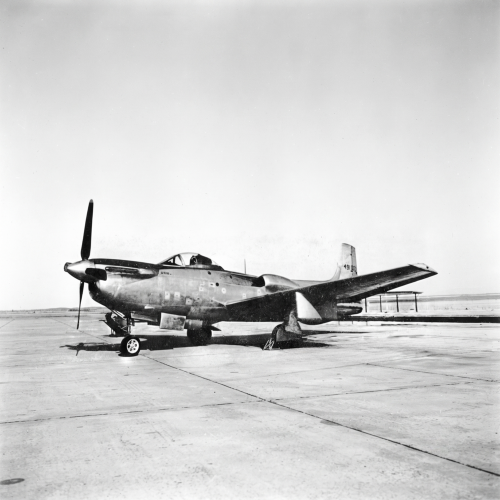
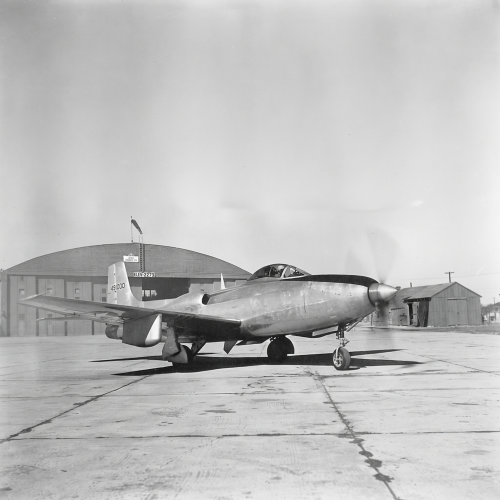
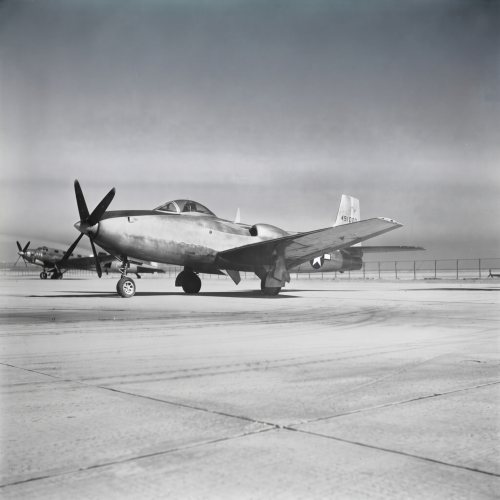
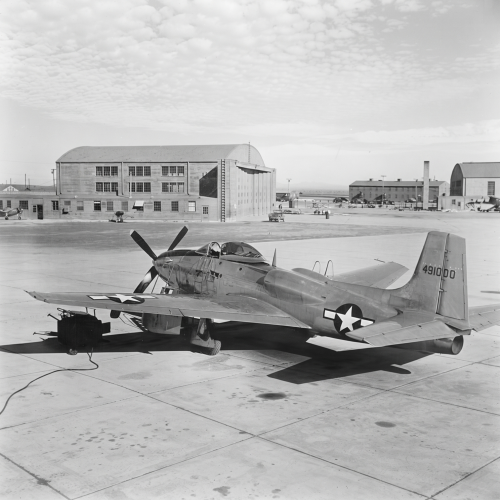
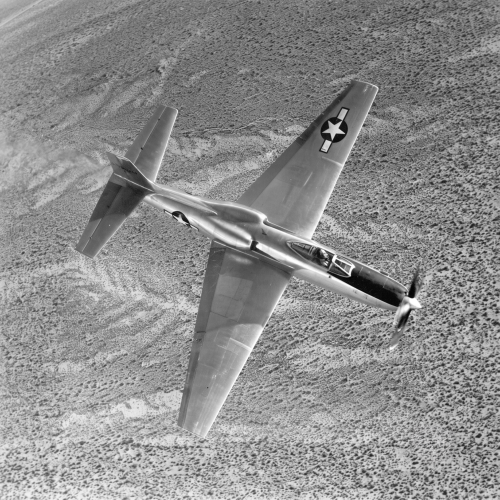
The Consolidated‑Vultee XP‑81 was conceived during the closing phase of the Second World War, when the U.S. Army Air Forces sought fighters with both long‑range endurance and high‑speed combat capability.
Early turbojets offered speed but suffered from short range, while turboprops promised excellent fuel economy but lacked high‑altitude performance.
The XP‑81 was designed as a mixed‑power fighter, combining a turboprop for cruise with a turbojet for combat, reflecting the transitional moment between piston‑engine fighters and the emerging jet age.
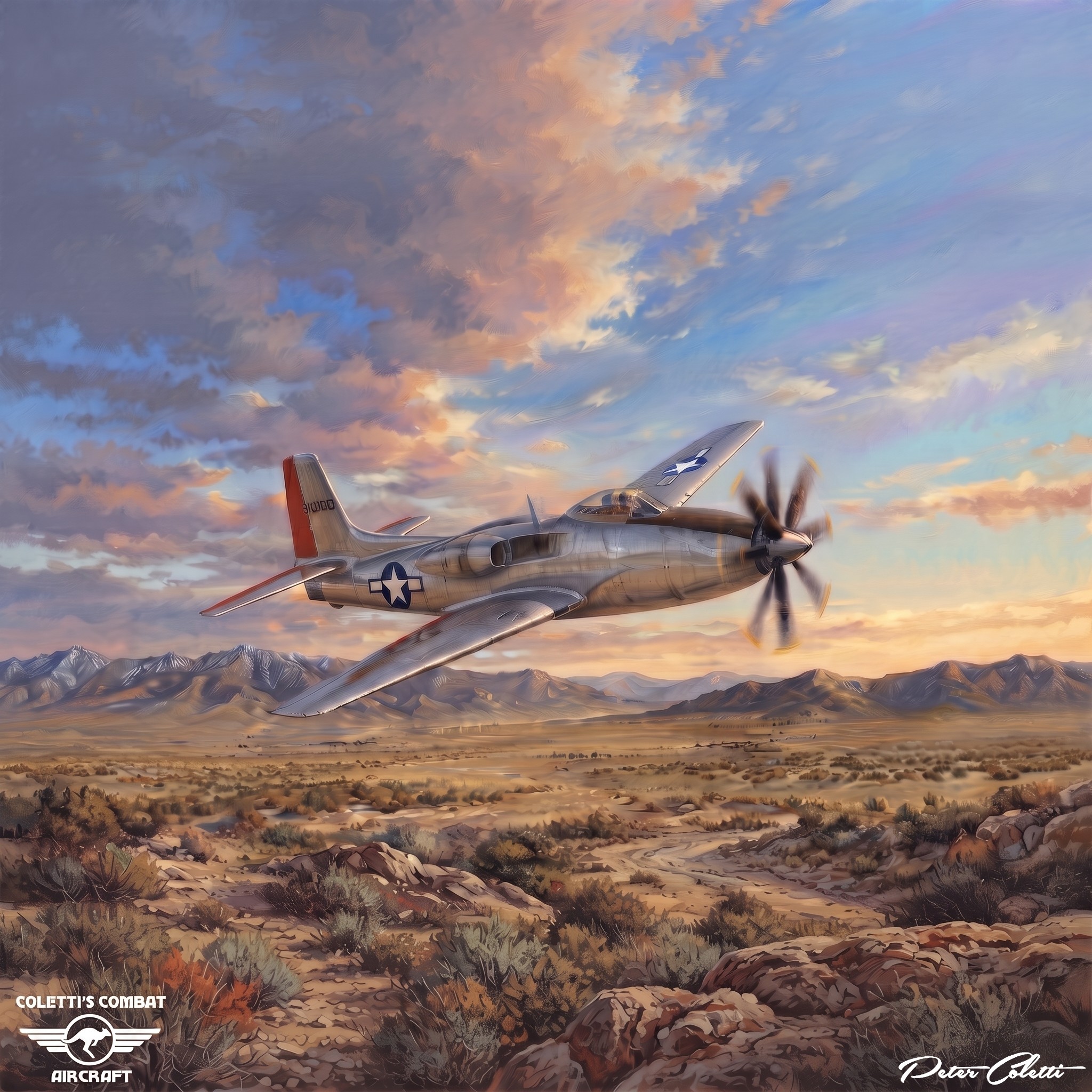
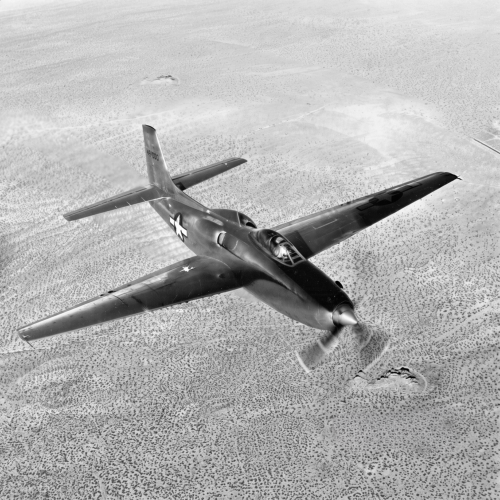
Consolidated-Vultee XP-81 (RR Merlin)
Development History
Concept Phase (1944)
Convair proposed a single‑seat fighter powered by:
A General Electric TG‑100 turboprop in the nose
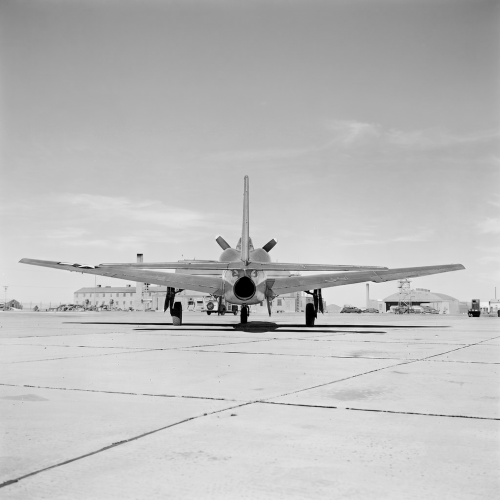
An Allison J33 turbojet in the rear fuselage
This hybrid arrangement aimed to deliver long‑range escort capability for Pacific operations and anticipated postwar strategic missions.
Consolidated-Vultee XP-81 (RR Merlin)
Engine Delays and the Merlin Substitution
The TG‑100 turboprop was still in early development and suffered repeated delays.
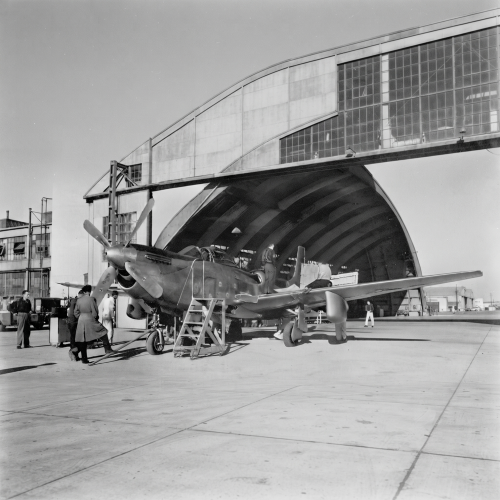
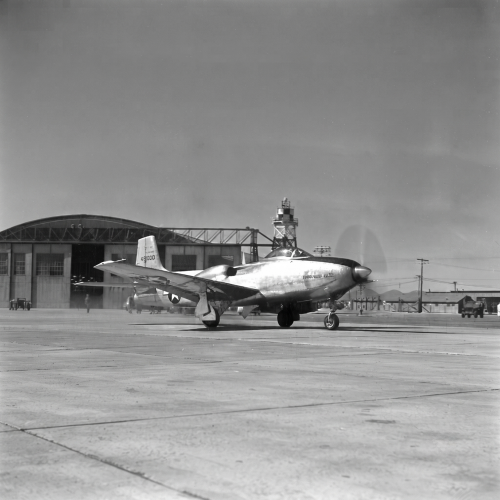
To avoid halting the airframe test programme, Convair installed a Rolls‑Royce Merlin V‑1650‑7, the American‑built Packard version of the famous British engine.
This was the same engine family powering the P‑51 Mustang, and its reliability made it ideal for initial flight trials.
Consolidated-Vultee XP-81 (RR Merlin)
First Flights (1945)
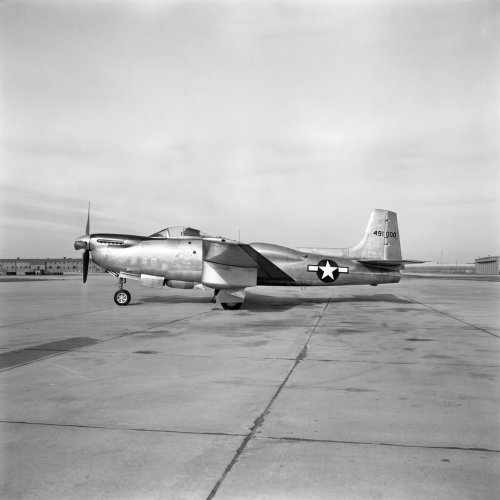
The XP‑81 first flew on 7 February 1945 with the Merlin engine driving a four‑blade propeller.
These flights focused on:
Airframe handling
Aerodynamic behaviour
Systems integration
Jet‑engine airflow testing
The Merlin‑powered prototype demonstrated stable handling and validated the basic airframe design.
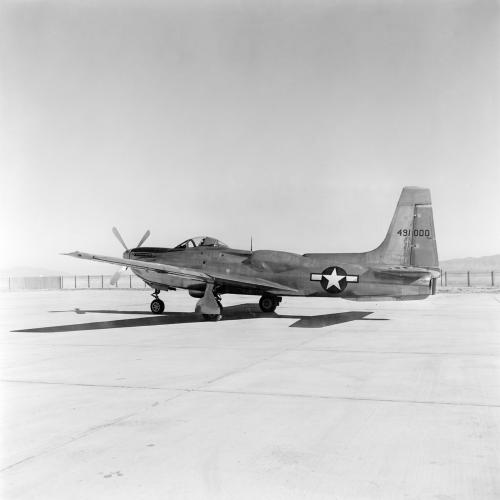
Consolidated-Vultee XP-81
Transition to Turboprop Testing (1946)
Once the TG‑100 became available, the Merlin was removed and the turboprop installed.
The aircraft resumed testing in 1946, now operating with its intended hybrid propulsion system.
However, the turboprop suffered from the following:
Gearbox vibration
Power delivery inconsistencies
Maintenance complexity
These issues slowed progress and prevented full performance validation.
Consolidated-Vultee XP-81
Cancellation (1947)
By 1947, pure jet fighters such as the P‑80 Shooting Star and emerging designs like the F‑86 Sabre rendered mixed‑power concepts obsolete.
The XP‑81 programme was cancelled, and the second prototype was never completed.
Consolidated-Vultee XP-81
Design and Technical Characteristics
Airframe
The XP‑81 featured:
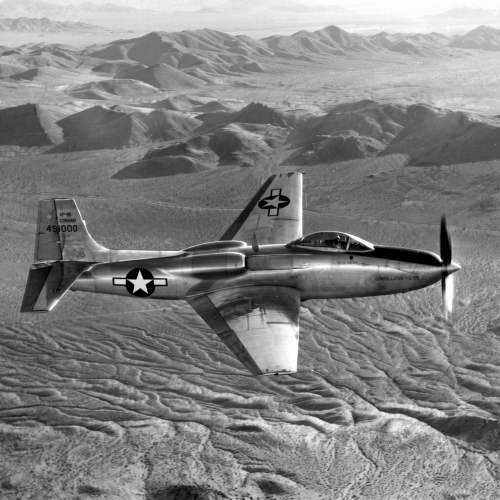
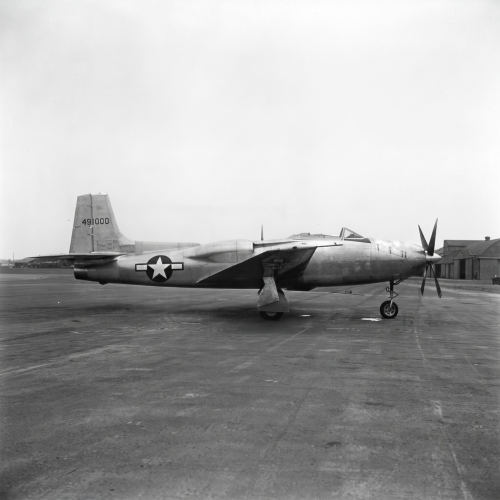
A streamlined, mid‑wing monoplane layout
All‑metal construction
Tricycle landing gear
A bubble canopy for excellent visibility
Laminar‑flow wing profiles inspired by late‑war fighter research
Consolidated-Vultee XP-81
Propulsion System
The XP‑81’s defining feature was its hybrid propulsion arrangement.
Rolls‑Royce Merlin V‑1650‑7 (Prototype Only)
Used for initial flight testing
Approx. 1,700 hp
Liquid‑cooled V‑12 piston engine
Provided reliable, predictable thrust for early airframe evaluation
Allowed Convair to begin flight testing months before the turboprop was ready
The Merlin never represented the intended operational configuration, but it was essential to keeping the programme on schedule.
Consolidated-Vultee XP-81 (RR Merlin)
General Electric TG‑100 (XT31) Turboprop
Approx. 2,300–2,500 shp
Drove a large four‑blade propeller
Intended for long‑range cruise efficiency
Suffered from early‑generation turbine reliability issues
Consolidated-Vultee XP-81
Allison J33 Turbojet
Approx. 4,000 lbf thrust
Side‑mounted intakes
Tail exhaust nozzle
Provided high‑speed dash capability for combat
Consolidated-Vultee XP-81
Performance (Projected)
Because the turboprop‑jet combination was never fully refined, performance figures remain estimates:
Max speed: ~540 mph
Cruise: 300–350 mph
Range: ~1,200 miles
Ceiling: ~40,000 ft
Armament (planned): Six .50‑cal machine guns
Consolidated-Vultee XP-81
Variants
XP‑81 Prototype 1
Flew with Merlin engine initially
Later converted to turboprop configuration
Only prototype to fly
XP‑81 Prototype 2
Never completed
Intended to incorporate improvements from early testing
Consolidated-Vultee XP-81
Operational and Historical Significance
The XP‑81 represents a technological crossroads:
One of the earliest American attempts at hybrid turbine propulsion
A reflection of wartime urgency and postwar technological acceleration
A demonstration of how rapidly pure jet fighters overtook mixed‑power concepts
Its brief life highlights the speed at which aviation technology evolved between 1944 and 1947.
Consolidated-Vultee XP-81
Legacy
Although it never entered production, the XP‑81 contributed to:
Early turboprop development
Mixed‑propulsion research
The broader transition from piston fighters to jets