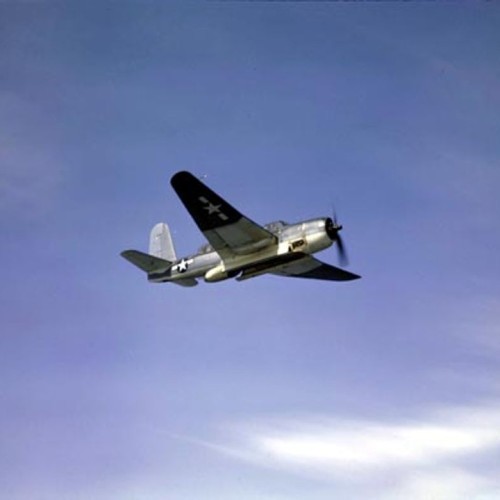
Consolidated TBY‑1 Seawolf / Vought XTBU‑1 Sea Wolf
Consolidated TBY‑1 Seawolf / Vought XTBU‑1 Sea Wolf
Origins and Requirement (1939–1941)
In 1939, the United States Navy issued a requirement for a new generation of carrier‑borne torpedo bombers to replace the ageing Douglas TBD Devastator.
The Navy sought an aircraft with greater speed, range, payload capacity, and survivability—qualities urgently needed as tensions in the Pacific escalated.
Vought responded with a clean-sheet design designated XTBU‑1 Sea Wolf, a mid‑wing, single‑engine torpedo bomber powered by the Pratt & Whitney R‑2800 Double Wasp.
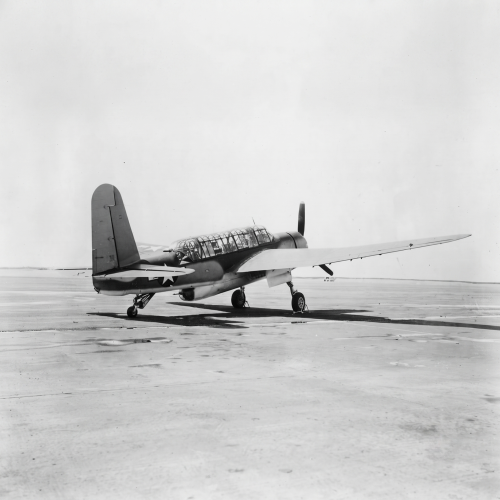
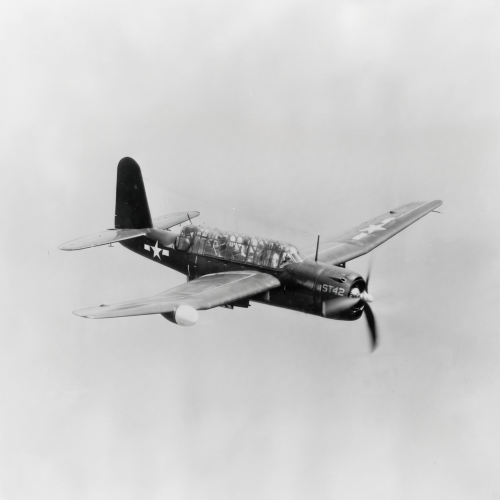
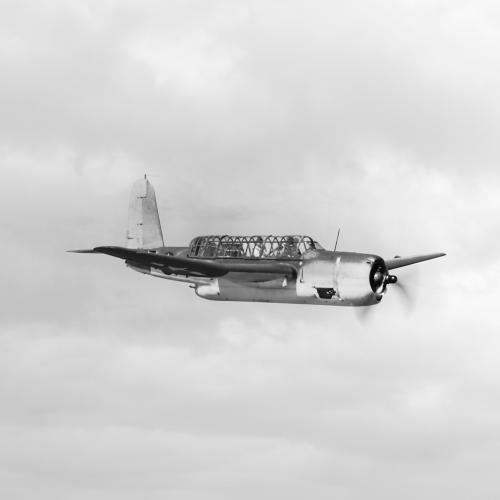
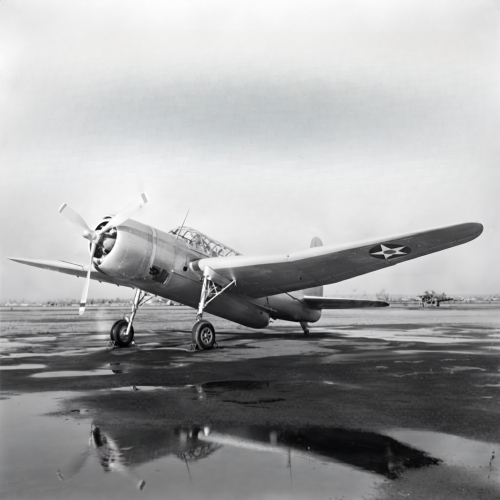
Vought XTBU-1 Sea Wolf (late)
The prototype embodied the navy’s desire for a modern, robust attack aircraft capable of delivering heavy ordnance while defending itself with multiple machine gun positions.
The XTBU‑1 made its first flight on 22 December 1941, just two weeks after the attack on Pearl Harbour, placing it at the very beginning of America’s wartime aircraft expansion.
Early evaluations showed that the XTBU‑1 offered better performance than the Grumman TBF Avenger, which had also been developed to meet the same requirement.
The Navy quickly placed an order for 1,000 aircraft, anticipating rapid production and frontline deployment.
However, events soon conspired to delay the Sea Wolf’s entry into service.
Vought XTBU-1 Sea Wolf (late)
Prototype Troubles and Production Transfer (1942–1943)
Although promising, the XTBU‑1 prototype suffered several mishaps during testing.
It was damaged during an arrested‑landing trial—an essential evaluation for carrier aircraft—and after repairs, it was damaged again in a collision with a training aircraft.
These incidents slowed the Navy’s acceptance process, though the aircraft was eventually approved.
By the time the XTBU‑1 was ready for production, Vought was fully committed to manufacturing the F4U Corsair, one of the most critical fighter programmes of the war.
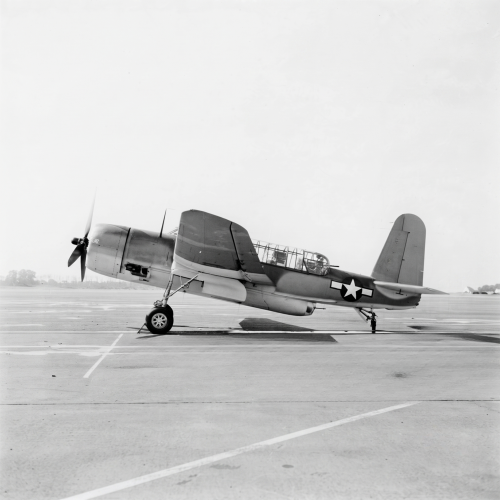
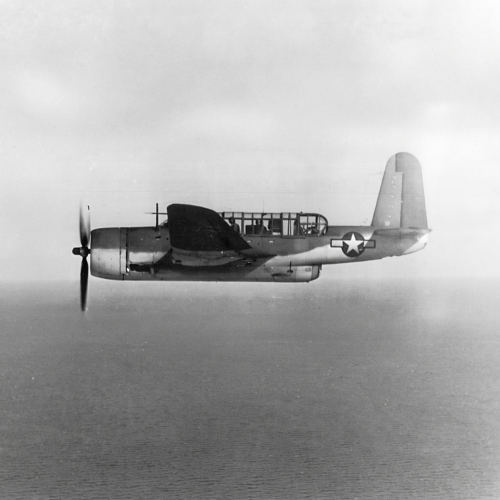
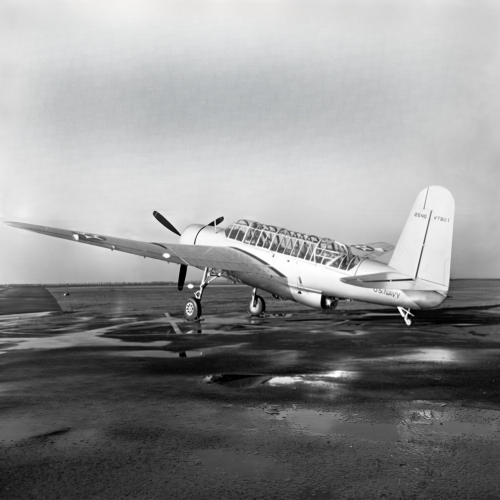
Consolidated TBY-2 Seawolf
With factory space and labour already stretched, Vought could not produce the Sea Wolf in meaningful numbers.
The Navy therefore transferred production responsibility to Consolidated‑Vultee (Convair), which would build the aircraft under the designation TBY Sea Wolf.
Convair planned to produce the aircraft at a new facility in Allentown, Pennsylvania, but the factory was not completed until late 1943.
This delay—combined with the prototype’s earlier setbacks—meant that the Sea Wolf lost its chance to enter service during the critical early years of the Pacific War.
Consolidated TBY-2 Seawolf
Design Characteristics and Technical Features
The Sea Wolf was a three‑seat, mid‑wing torpedo bomber with folding wings for carrier storage.
Its structure was conventional but robust, reflecting lessons learned from early-war naval aviation.
Vought XTBU-1 Sea Wolf (late)
Airframe and Layout
Crew of three: pilot, turret gunner, and bombardier/radio operator.
Mid‑wing configuration for stability and internal volume.
Retractable tailwheel landing gear suited for carrier operations.
Folding wings to reduce deck footprint.
Large internal bomb bay capable of carrying a torpedo or bombs.
Output: 2,100 hp, providing competitive performance for its class.
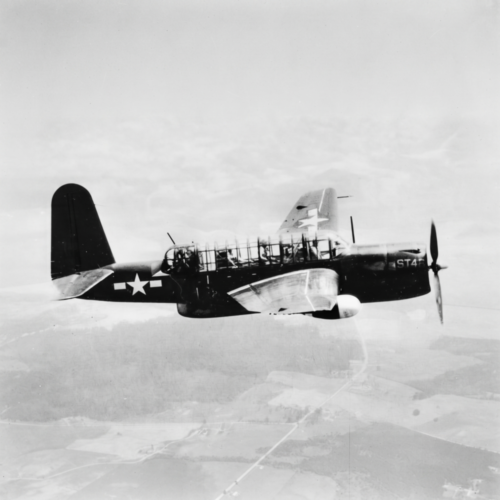
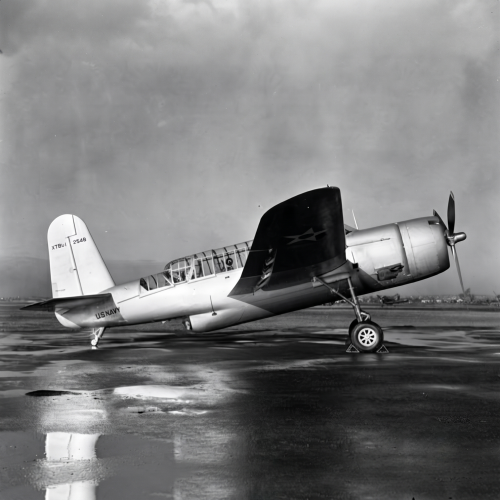
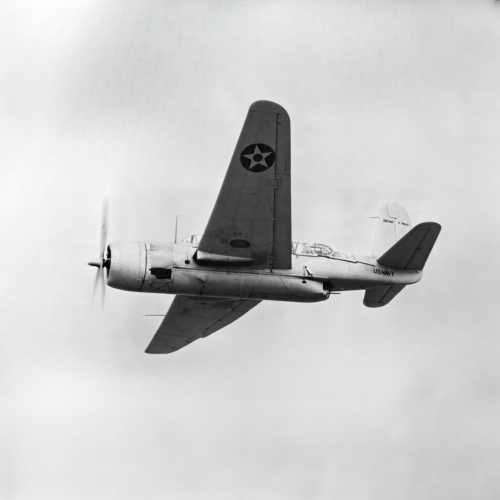
Vought XTBU-1 Sea Wolf (early)
Armament
The Sea Wolf carried a substantial defensive and offensive armament suite:
One .50‑calibre cowling gun firing forward.
Two .50‑calibre wing guns.
One .50‑calibre dorsal turret gun.
One .30‑calibre ventral gun for rearward defence.
Up to 2,000 lb of bombs or a single torpedo.
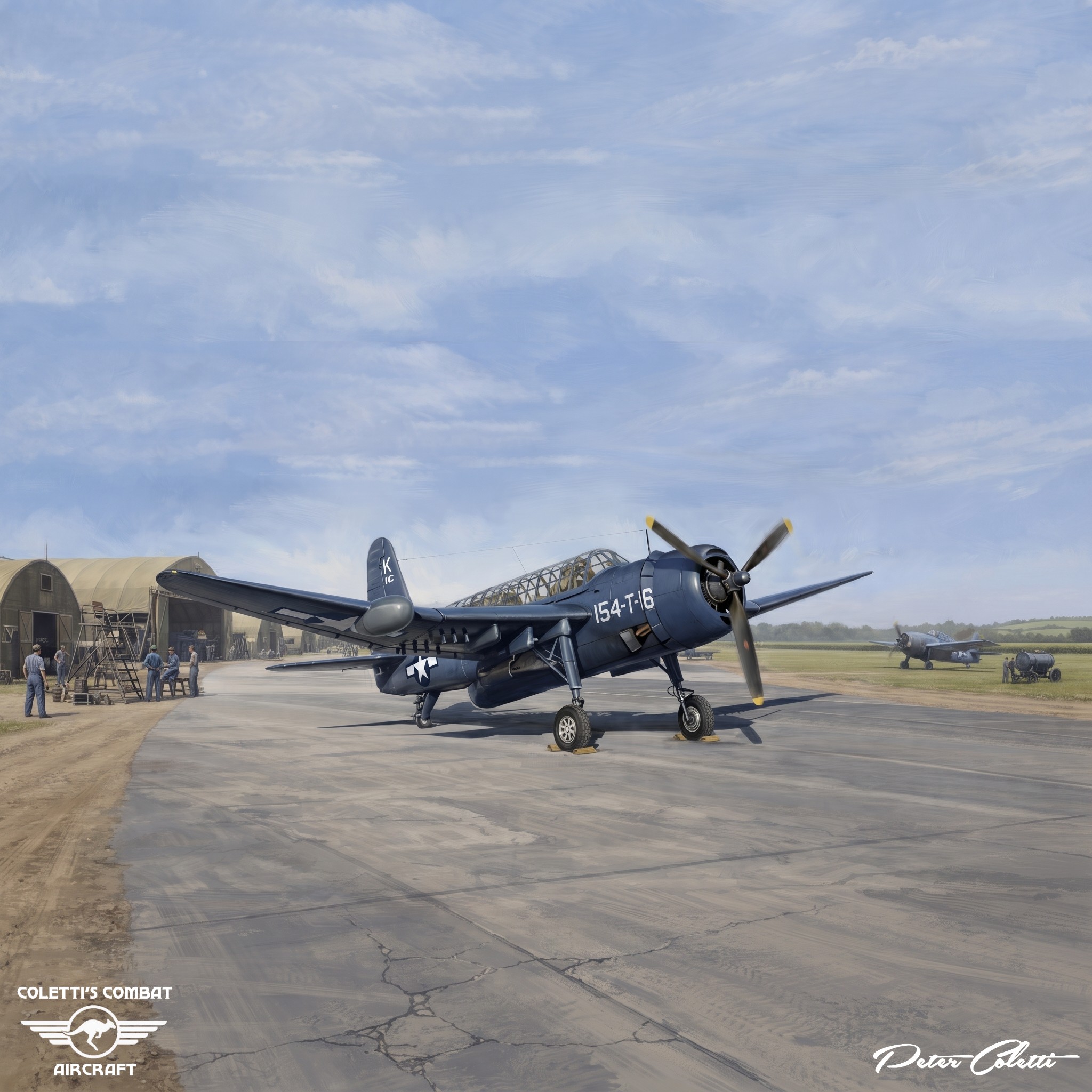
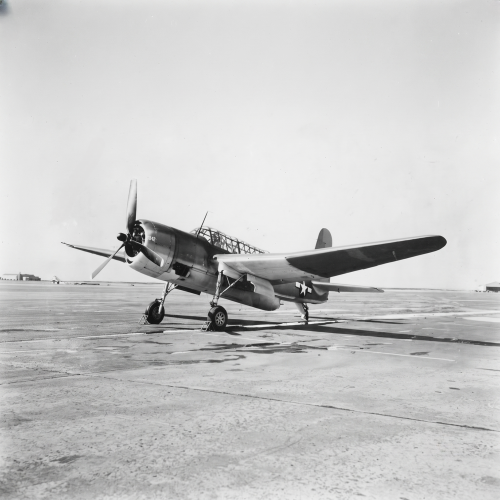
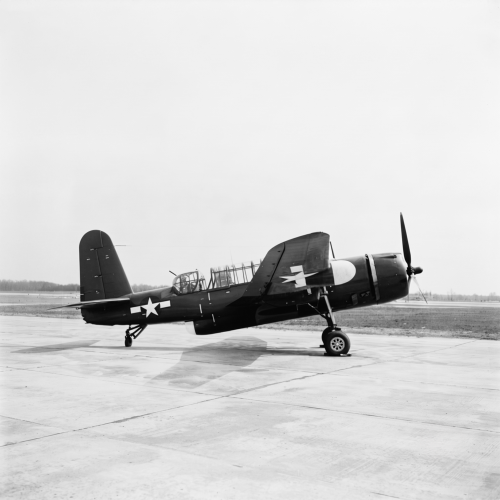
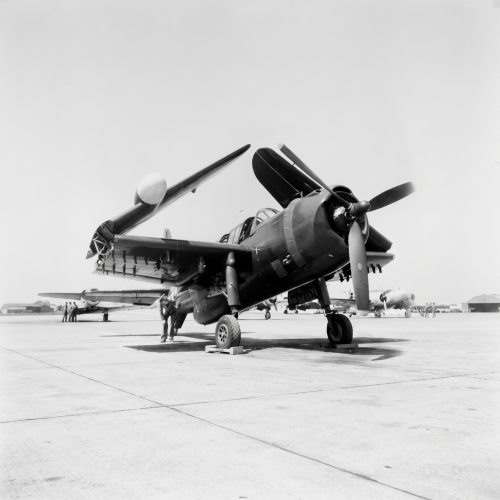
Consolidated TBY-1 Seawolf
Radar Equipment
The production TBY‑2 variant incorporated an under‑wing radar pod mounted beneath the starboard wing.
This gave the aircraft improved night‑attack and maritime‑search capability, aligning it with late‑war naval doctrine emphasising radar‑equipped strike aircraft.
Consolidated TBY-2 Seawolf
Performance (TBY‑2)
Maximum speed: 312 mph at 17,700 ft
Cruise speed: 156 mph
Combat range: 1,025 miles with a torpedo
Service ceiling: 29,400 ft
Rate of climb: 1,770 ft/min
These figures placed the Sea Wolf slightly ahead of the Avenger in several metrics, though not enough to justify replacing an already established aircraft in the middle of wartime production.
Vought XTBU-1 Sea Wolf (early)
Production, Delays, and Operational Fate (1944–1946)
The first production aircraft flew on 20 August 1944, but by this time the Grumman TBF/TBM Avenger had become the Navy’s standard torpedo bomber.
Every torpedo squadron was already equipped with Avengers, and the Navy saw little reason to disrupt logistics or training pipelines by introducing a new aircraft so late in the war.
Convair ultimately built 180 TBY‑2 Sea Wolves, far short of the original order for 1,100.
A planned TBY‑3 variant—an improved model—was cancelled before production began.
Vought XTBU-1 Sea Wolf (early)
The Sea Wolf’s late arrival, combined with minor technical issues and the Navy’s preference for the proven Avenger, ensured that the aircraft never saw combat.
The Sea Wolf entered limited service in late 1944 and early 1945, equipping VT‑97 by April 1945.
With the war ending in August 1945, the Navy cancelled all remaining orders.
The aircraft continued to serve in reserve and training roles into the late 1940s, experiencing several minor accidents typical of postwar operations.
By the time of the Korean War, the type had been completely retired.
Consolidated TBY-2 Seawolf
Variants
XTBU‑1 Sea Wolf Prototype designed by Vought; one built.
TBY‑1 Sea Wolf Planned initial production version; not built.
TBY‑2 Sea Wolf Radar‑equipped production model; 180 built, remainder cancelled.
TBY‑3 Sea Wolf Proposed improved variant; 600 ordered but cancelled after VJ Day.
Vought XTBU-1 Sea Wolf (early)
WWII Context and Legacy
The Sea Wolf’s story is emblematic of wartime aircraft development: promising designs could be overtaken by events, production bottlenecks, or shifting strategic priorities.
Although the XTBU‑1 initially outperformed the Avenger, the Avenger’s early availability and combat record made it indispensable.
By the time the Sea Wolf was ready, the Navy was preparing for the invasion of Japan and focusing on radar‑equipped Avengers and future single‑seat attack aircraft such as the Martin AM Mauler.
Consolidated TBY-1 Seawolf
The rapid postwar shift towards jet propulsion and more advanced attack aircraft further marginalised late‑war piston designs.
The Sea Wolf, despite its capabilities, became one of many “almost‑combat” aircraft whose timing prevented meaningful operational use.
Today, the Consolidated TBY Sea Wolf is remembered as a technically competent but strategically unlucky aircraft—an example of how industrial capacity and timing can matter more than performance in wartime procurement.
Its brief service life and limited production make it a rare and intriguing subject for aviation historians.