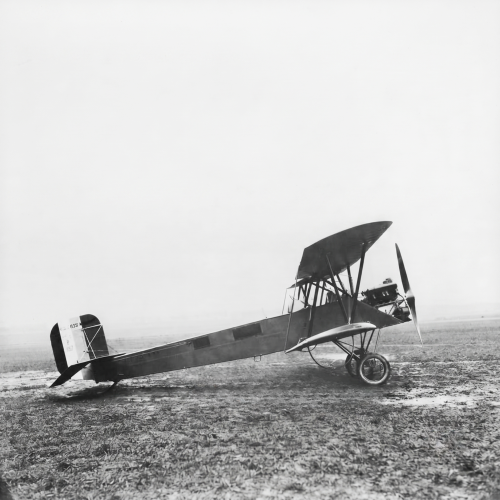
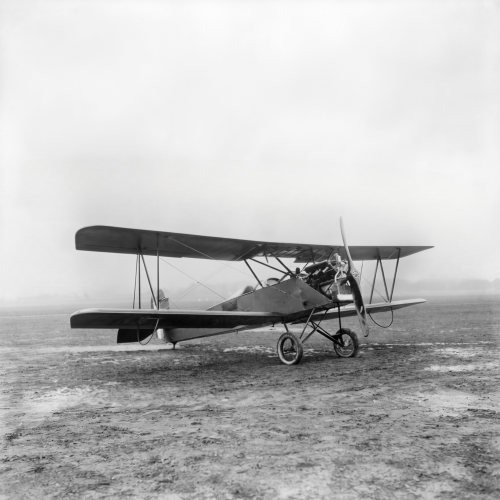
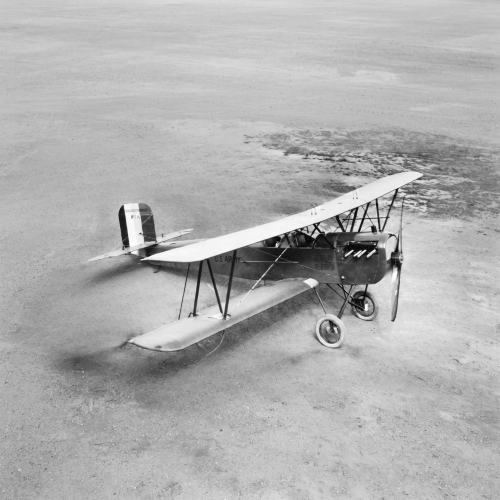
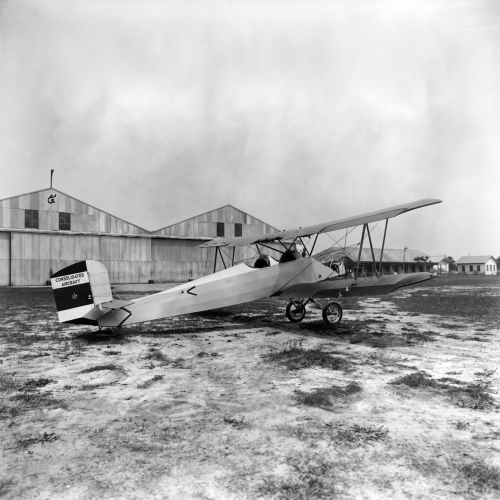
The Consolidated PT‑1 Trusty originated from a sequence of Dayton‑Wright experimental trainers developed in the early 1920s.
These designs—beginning with the TA‑3 and evolving through the TW‑3—were shaped by Colonel Virginius E. Clark, whose innovations included the Clark Y airfoil and the adoption of welded chrome‑molybdenum steel‑tube fuselage construction.
These features represented a significant technological step beyond the wood‑framed trainers of the First World War.
The U.S. Army Air Service evaluated several Dayton‑Wright prototypes, including the TA‑3 with Le Rhone rotary engines and, later, the TW‑3 powered by a 150 hp Wright‑Hispano V‑8.
The TW‑3 showed the most promise, and in 1923 the Army ordered 20 aircraft.
At this moment, General Motors divested from aviation, and Reuben H. Fleet purchased the Dayton‑Wright trainer rights, forming the Consolidated Aircraft Corporation.
The TW‑3 order transferred to Fleet’s new company, becoming the foundation of Consolidated’s future production line.
Fleet refined the TW‑3 extensively, removing the engine cowling for better visibility and redesigning the fuselage to provide tandem seating instead of the earlier side‑by‑side arrangement.
This rebuilt aircraft—nicknamed the “Camel”—became the basis for the Consolidated Model 1, which first flew in mid‑1924.
After successful trials, the army ordered 50 production aircraft designated PT‑1, marking Consolidated’s first major production programme.
Siamese Procurement
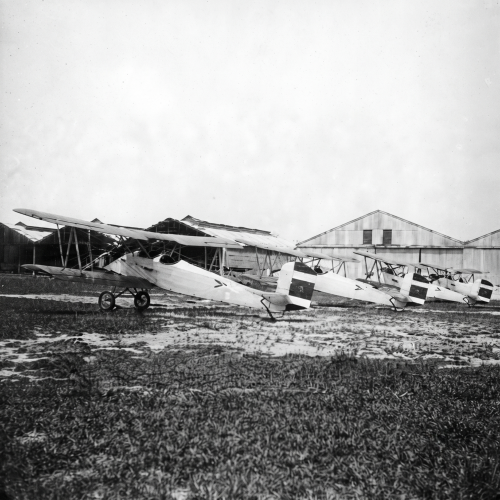
Among the 224 PT‑1s produced, four were built specifically for Siam (modern Thailand).
These aircraft were identical to U.S. PT‑1s and represented one of the earliest instances of American primary trainers being exported to South-east Asia.
Their acquisition coincided with Siam’s efforts to modernise its small but growing air arm during the late 1920s.
Design and Construction
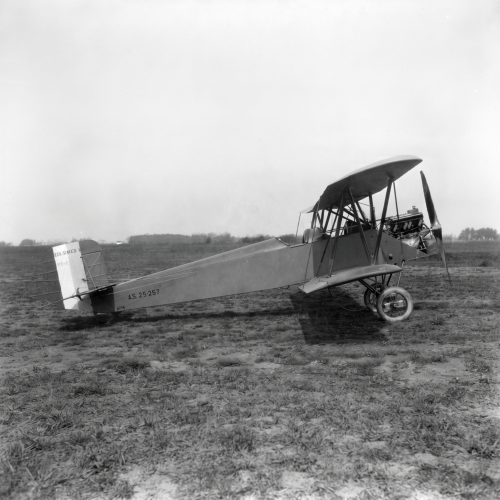
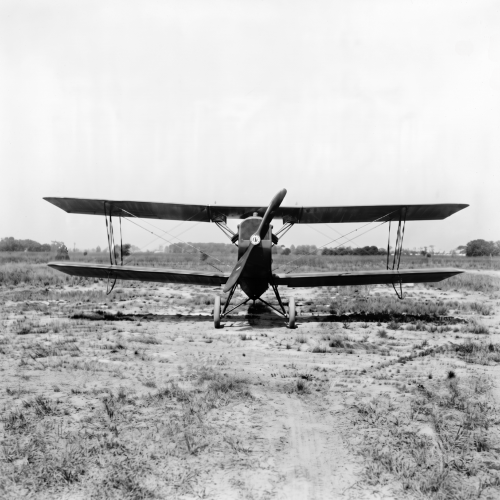
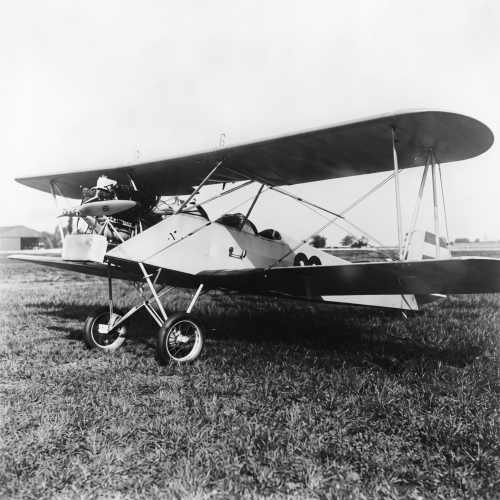
The PT‑1 Trusty was a two‑bay biplane built around a welded steel‑tube fuselage with spruce wing spars.
Its design emphasized ruggedness, ease of maintenance, and predictable handling—qualities essential for a primary trainer.
Key features included the following:
Tandem open cockpits for instructor and student
Wright‑Hispano E water‑cooled V‑8 engine producing 180 hp
Wingspan of 34 ft 5.5 in; length of 27 ft 9.25 in; height of 9 ft 10 in
Two 20‑gallon fuel tanks mounted in the upper wing
Split‑axle landing gear using DH‑4 wheels
24‑inch wing stagger for improved stability
Early aircraft had flat dorsal turtle decks, while later ones incorporated faired dorsal fairings.
Many PT‑1s operated without engine cowlings to prevent overheating of the Wright‑Hispano engine.
Performance and Handling
The PT‑1 earned the nickname “Trusty” due to its forgiving flight characteristics and exceptional spin‑recovery behaviour.
At Brooks Field, Texas, its first year of service saw no serious injuries, reinforcing its reputation as a safe and stable trainer.
Cadets found it responsive and predictable, though its benign handling sometimes led to overconfidence when transitioning to more demanding aircraft.
Its 180 hp engine provided adequate performance for basic training, aerobatics, and emergency recovery instruction, though it was not fast by contemporary standards.
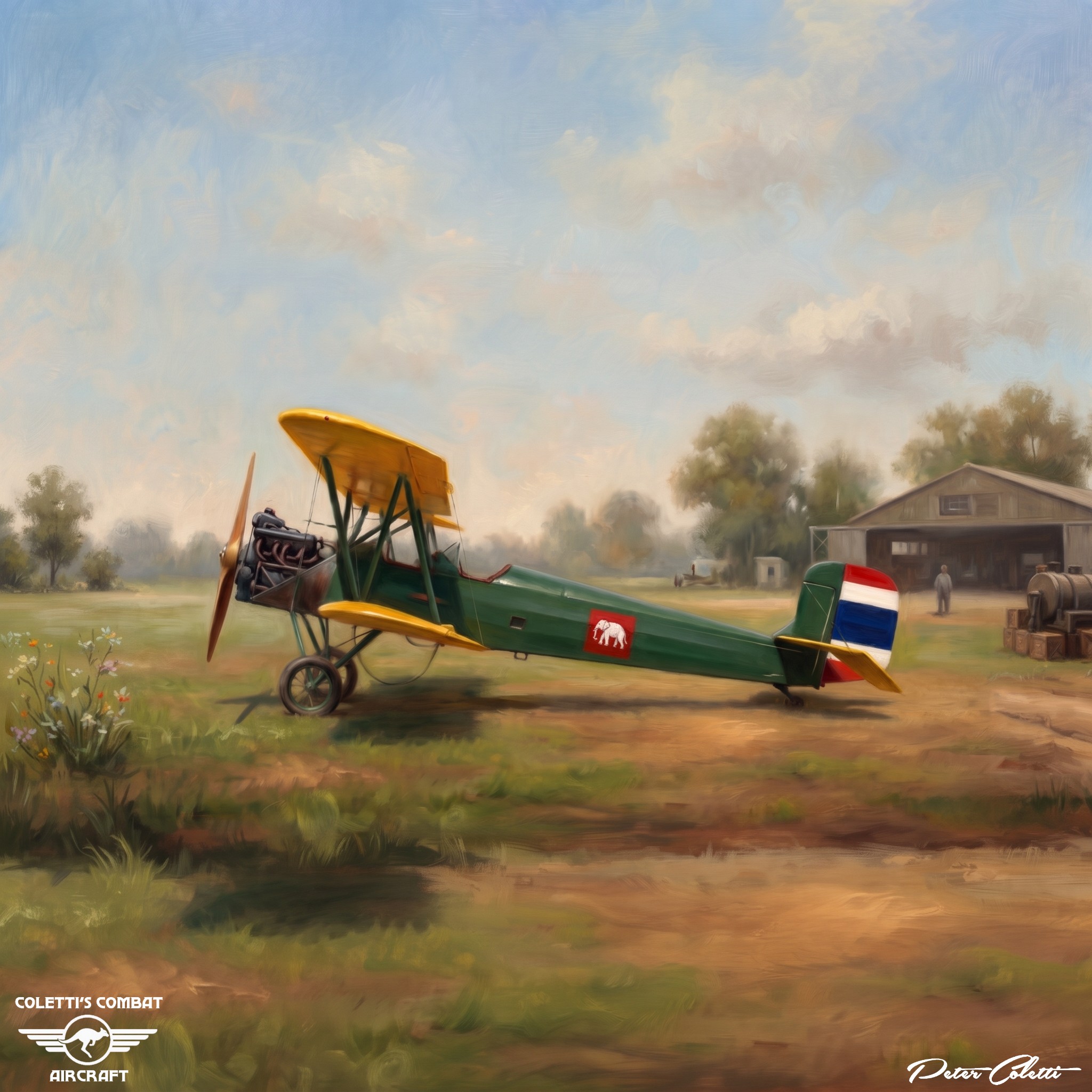
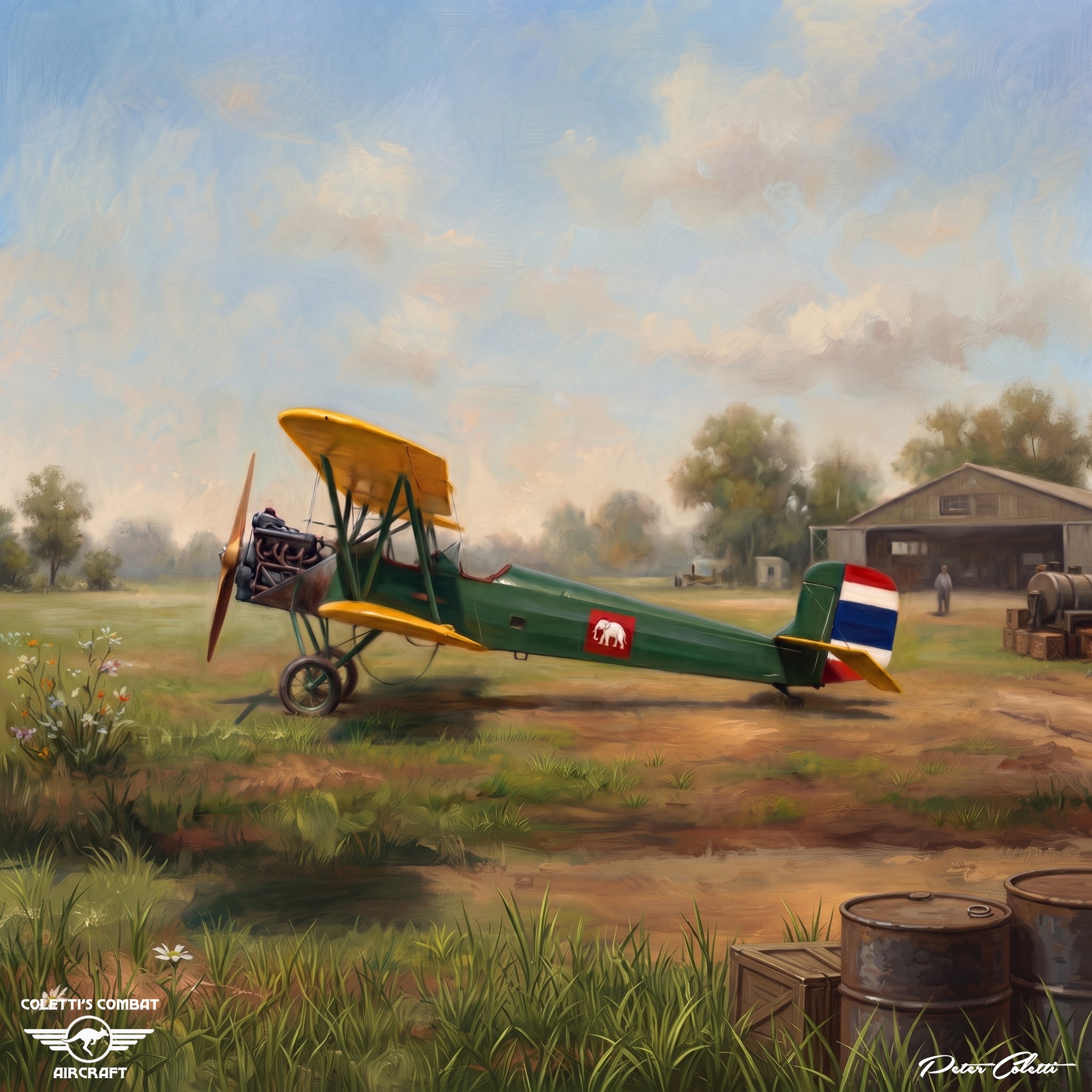
A Siamese Trusty awaits an engine
Variants and Related Designs
The PT‑1 lineage included several related aircraft:
TA‑3 — Early rotary‑powered prototypes
TW‑3 — Improved water‑cooled V‑8 variant; direct precursor to the PT‑1
“Camel” — Slim‑fuselage TW‑3 rebuild with tandem seating
NY‑1 — Naval variant; one PT‑1 won a U.S. Navy competition and entered service as the NY‑1
Experimental PT‑1 conversions — Some fitted with Wright R‑790 Whirlwind radial engines in 1927 due to engine shortages
The Siamese PT‑1s were standard production aircraft without unique modifications.
Operational Use in Siam
Siam’s four PT‑1s entered service during a period of gradual modernisation in the Royal Siamese Air Force.
In the late 1920s and early 1930s, they were used for elementary pilot training, familiarisation flying, and basic proficiency work.
Their rugged construction and forgiving handling made them well‑suited to a small air arm with limited resources and modest training throughput.
World War II Context and Continued Siamese Use
Although obsolete by global standards by the late 1930s, Siam’s PT‑1s remained in service as basic trainers until late 1939.
Several factors contributed to their longevity:
Durability — The welded steel‑tube fuselage allowed the aircraft to remain structurally sound long after many wood‑framed contemporaries were retired.
Limited training demands — Siam’s pilot training needs were relatively small, allowing older aircraft to remain viable for introductory instruction.
Slow modernisation pace — Newer trainers such as the Avro 626 and later Japanese aircraft entered service gradually, and older types were not immediately replaced.
Non‑combat suitability — The PT‑1’s gentle handling made it ideal for early‑stage flight training even as more modern aircraft took over advanced roles.
By 1939, the Royal Siamese Air Force operated a mixed inventory of European, American, and increasingly Japanese aircraft.
In this environment, the PT‑1s continued to serve in:
elementary flight training
liaison and utility duties within airbases
non‑combat proficiency flying for junior pilots
Legacy
The PT‑1 Trusty marked the beginning of Consolidated Aircraft’s rise as a major American manufacturer.
Its export to Siam illustrates the early international reach of U.S. training aircraft and the role such machines played in developing smaller air forces during the interwar period.
Though long obsolete by World War II, the PT‑1’s extended service life—particularly in Siam—speaks to its durability, reliability, and suitability as a foundational training aircraft.