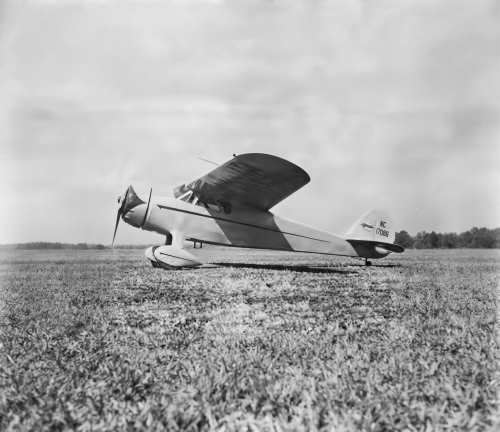
The Cessna Airmaster series emerged during the Great Depression, a period when the aviation industry had nearly collapsed.
Cessna Aircraft Company was struggling financially, and founder Clyde Cessna had stepped away from the business.
His nephew, Dwane Wallace, a newly graduated aeronautical engineer, took control and began designing a modern, efficient aircraft to revive the company.
The prototype C‑34 Airmaster first flew in 1935 and immediately proved successful, winning the 1935 Denver Air Races and generating much‑needed sales.
This success stabilised Cessna’s finances and set the stage for a series of refinements: the C‑37, C‑38, C‑145, and finally the C‑165.
Production of the Airmaster family ran from 1935 until 1942, ending when the United States entered World War II and Cessna shifted entirely to military aircraft production.
Approximately 182–228 Airmasters were built across all variants, with around 80 of those being C‑145/C‑165 models.
Design and Engineering
Airframe and Construction
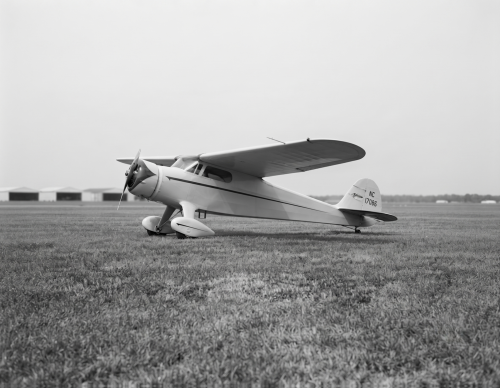
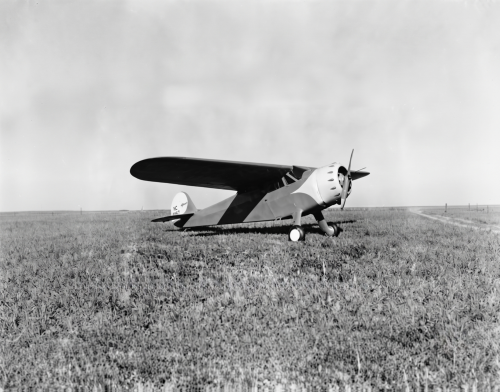
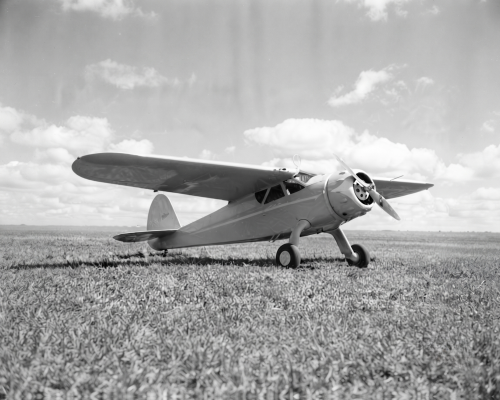
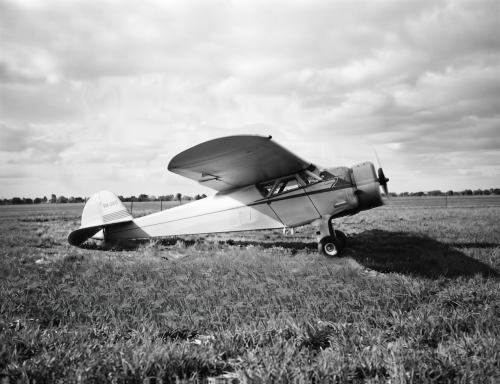
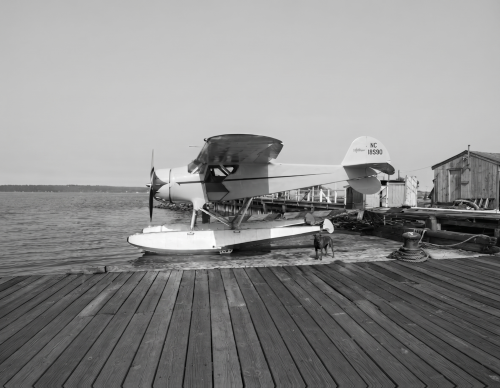
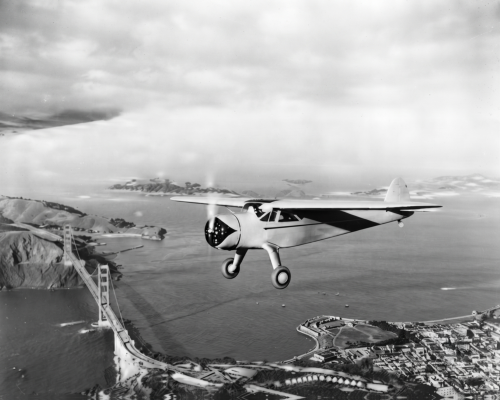
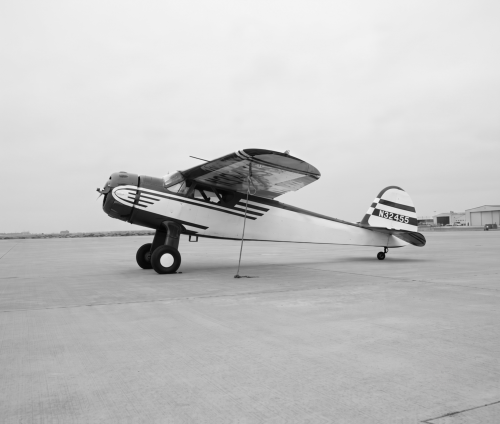
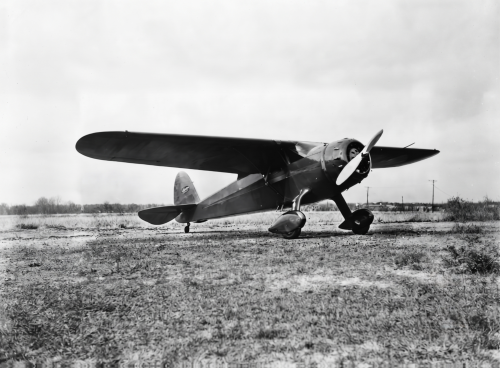
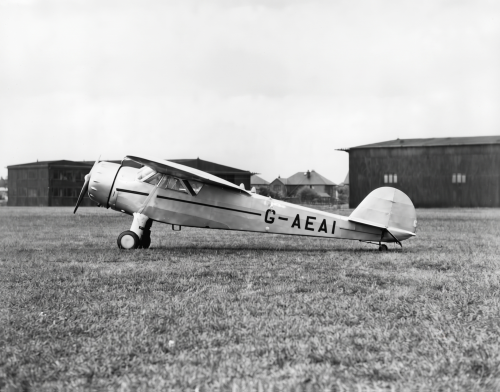
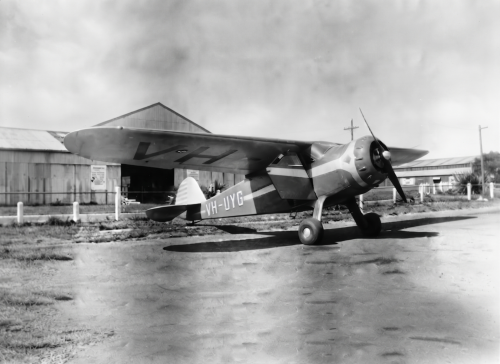
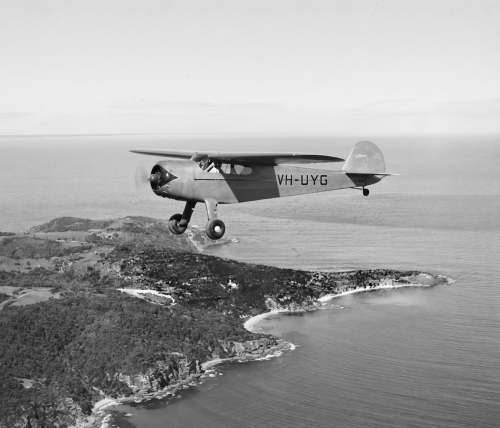
The C‑165 retained the Airmaster’s signature high‑mounted cantilever wing, a streamlined fuselage, and advanced aerodynamic shaping unusual for the mid‑1930s.
Its structure combined a steel‑tube fuselage with wooden stringers and formers, while the wings and tail surfaces were entirely wooden.
This construction reflected pre‑war American light‑aircraft practice but was already becoming outdated by the early 1940s.
The wing used a NACA 2412 aerofoil, contributing to its efficient cruise performance.
The cabin was narrow but refined, seating four in a 1+3 arrangement, with a full‑width rear bench and a luggage compartment behind it.
Fuel was carried in two wing‑root tanks with an optional cabin‑roof tank for extended range.
Systems and Controls
The aircraft featured dual control columns, push‑pull rods for elevator actuation, cable‑driven ailerons, and heel brakes integrated with the rudder pedals.
These systems were typical of the era but executed with unusual precision, contributing to the Airmaster’s reputation for smooth handling.
Powerplant and Performance
The defining feature of the C‑165 was its Warner Super Scarab Series 50 radial engine, producing 165 hp, an upgrade from the 145 hp engines used in the C‑145.
This power increase gave the C‑165 its designation and significantly improved performance.
Key Performance Figures
Across sources, typical performance values include:
Max speed: 169 mph (272 km/h)
Cruise speed: 150 knots / 173 mph (modern evaluation) or ~156 mph (252 km/h) depending on configuration
Stall speed: ~49–57 mph (80–92 km/h)
Rate of climb: ~925–1,000 ft/min
Service ceiling: ~19,300–20,000 ft
Range: 525–725 miles depending on fuel configuration
These figures made the C‑165 one of the fastest and most capable personal aircraft of its era, outperforming many contemporaries well into the 1940s.
Variants Within the Airmaster Line
Although the C‑165 is a specific model, it belongs to a broader evolutionary family:
C‑34 (1935): First Airmaster; highly streamlined; won races; saved Cessna financially.
C‑37: Wider cabin, improved landing gear, electric flaps.
C‑145: Final refinement of C‑34 with 145 hp engines, belly flap removed, and fuselage lengthened.
C‑165: Identical to C‑145 except for the more powerful 165 hp engine; considered the pinnacle of the series.
The C‑165 was also the first Airmaster to formally carry the “Airmaster” name after Cessna adopted three‑digit model numbers in 1937.
Operational Use and WWII Context
The C‑165 was designed as a civil touring aircraft, not a military platform.
Its role was personal transportation, business travel, and recreational flying.
However, its production and operational life were directly shaped by the onset of World War II.
When the U.S. entered the war in 1941–42, Cessna halted all Airmaster production to focus on military aircraft such as the Cessna T‑50 Bobcat and later the Cessna UC‑78.
The Airmaster’s mixed wood‑and‑fabric construction was considered too slow and expensive to produce for wartime needs, and the industry rapidly shifted towards all‑metal aircraft.
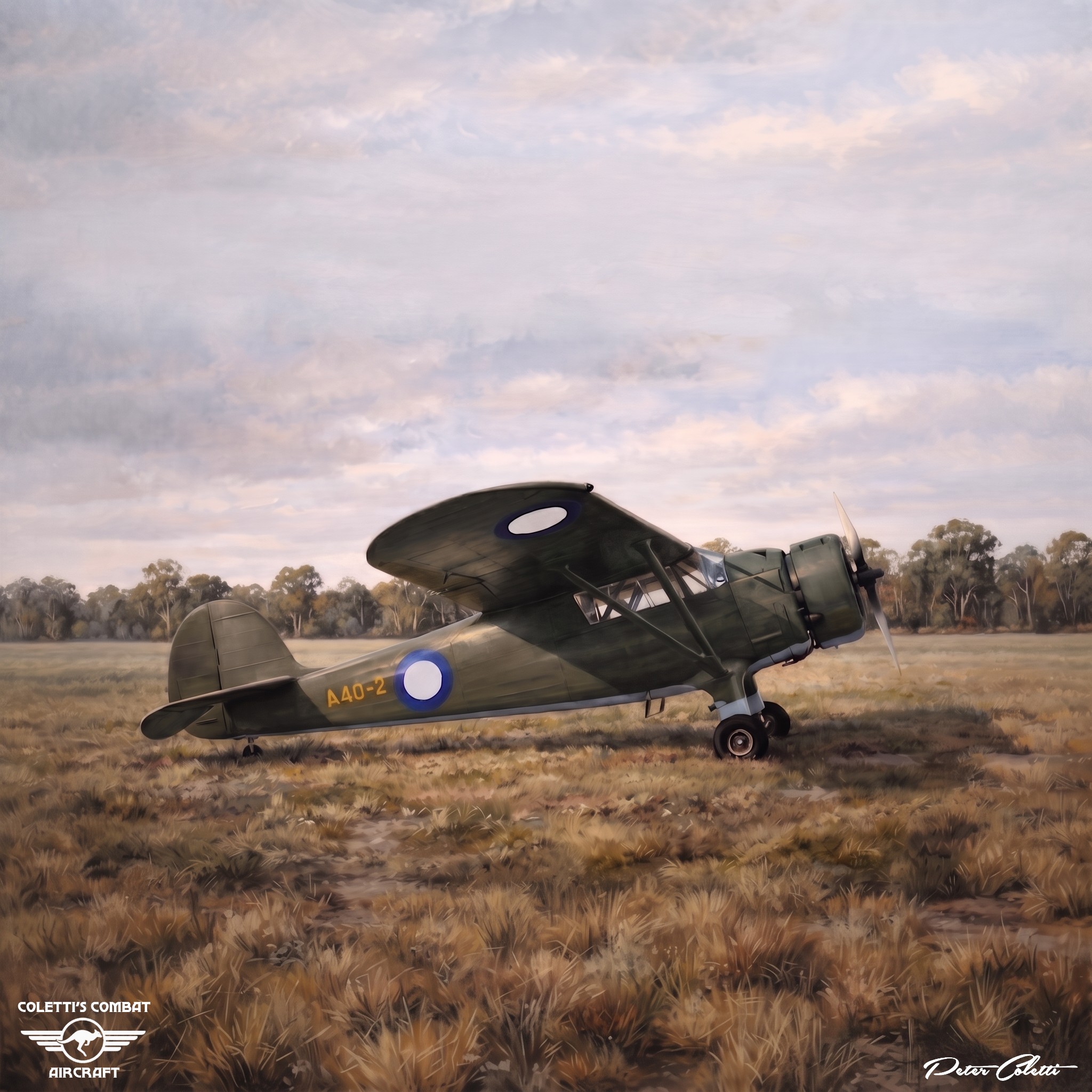
Some Airmasters, including C‑165s, were impressed into limited military service for liaison or training roles, but they were never standardised military aircraft.
Their primary significance in WWII lies in how their discontinuation marked Cessna’s transition into mass production of modern, metal military aircraft.
Legacy
The Cessna 165 Airmaster is remembered as the following:
The aircraft that revitalised Cessna during the Depression.
A showcase of advanced pre‑war aerodynamics and engineering.
The final and most capable member of the Airmaster family.
A bridge between 1930s wood‑and‑fabric aircraft and the all‑metal designs that defined WWII and postwar aviation.
Surviving examples are prized by collectors for their elegance, performance, and historical significance.