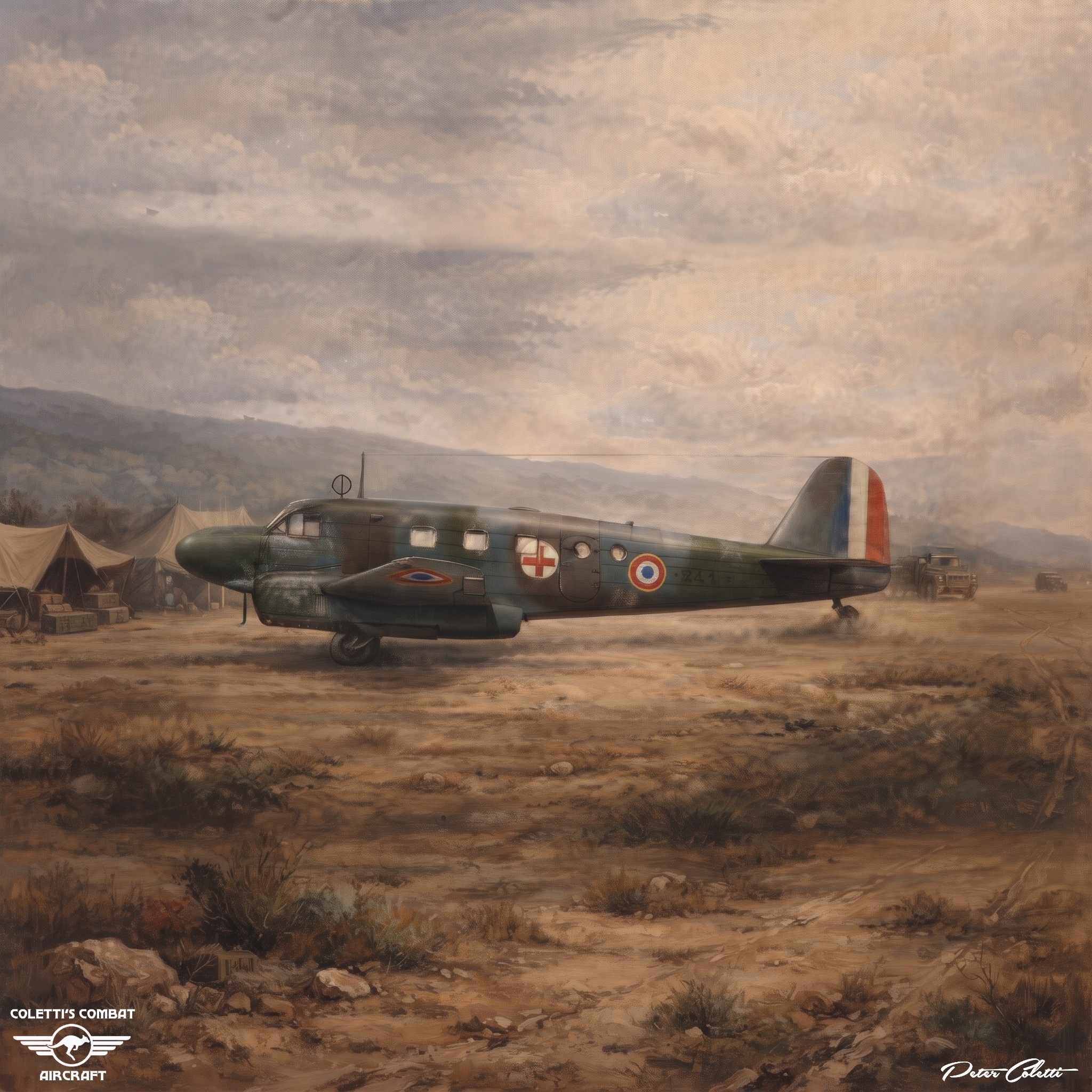
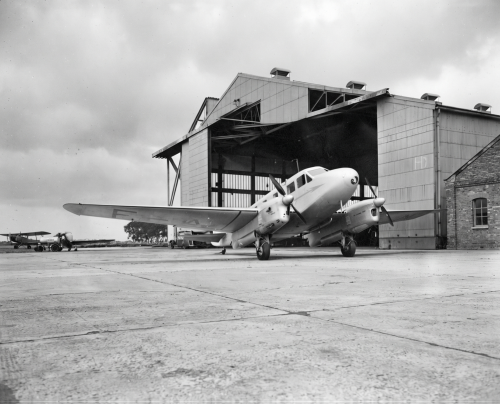
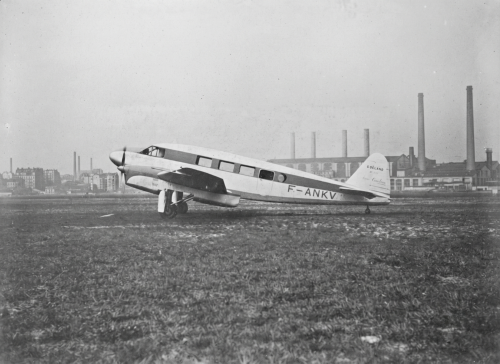
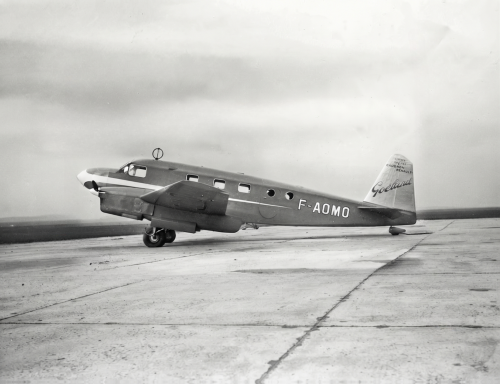
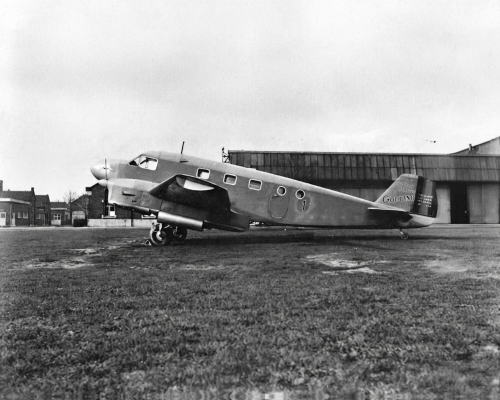
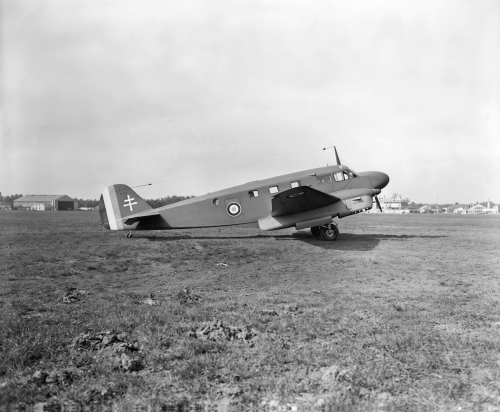
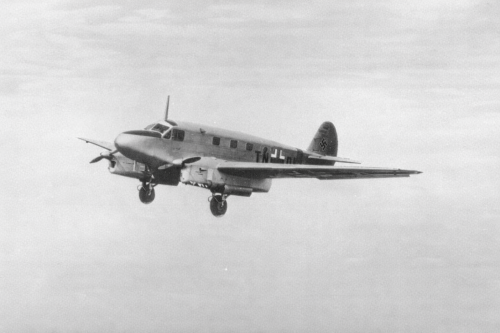
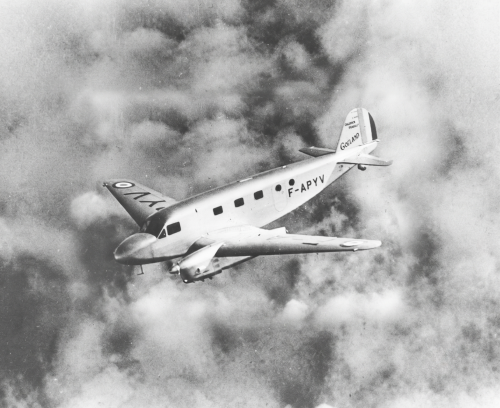
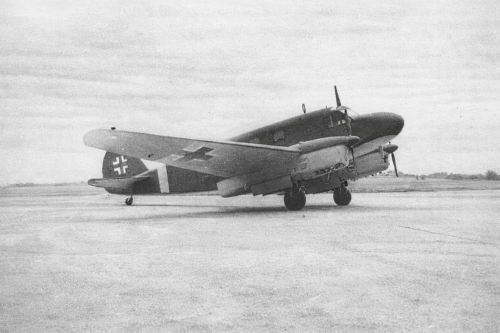
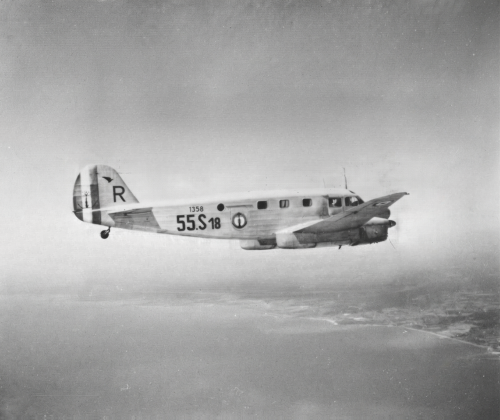
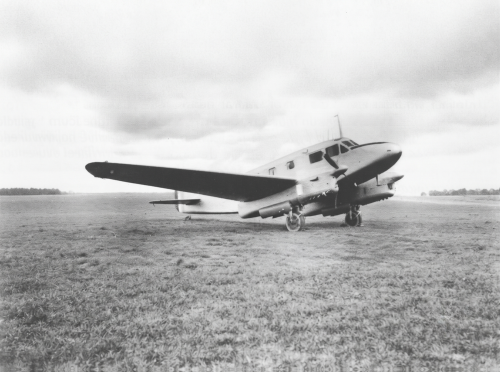
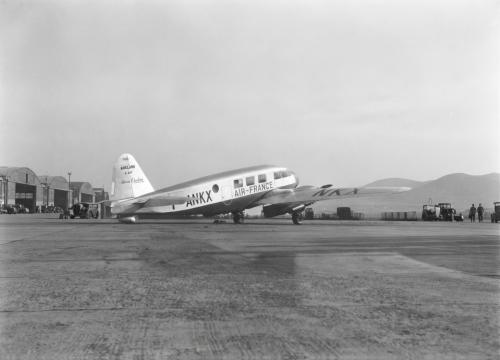
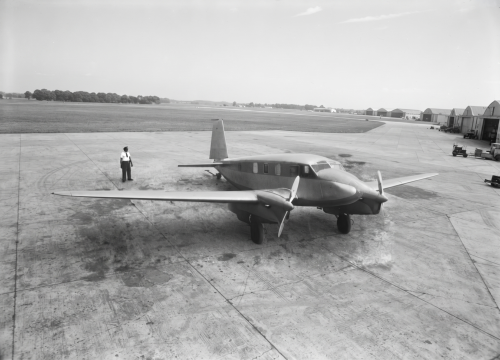
The Caudron C.440 Goéland was a French twin‑engine civil and military utility aircraft developed in the mid‑1930s.
Designed by Marcel Riffard, it became one of the most widely produced French aircraft of its era, with 1,702 examples built across numerous variants.
Its combination of wooden construction, reliable Renault engines, and flexible cabin arrangements made it a mainstay of French commercial aviation before WWII and a significant transport and liaison aircraft during the war.
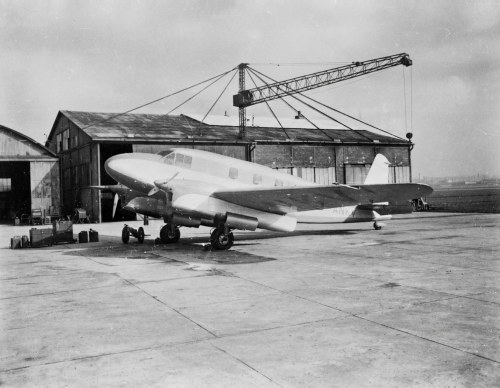
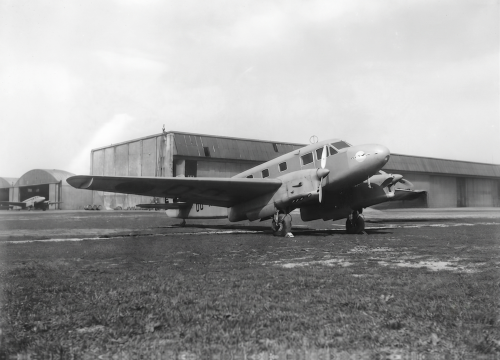
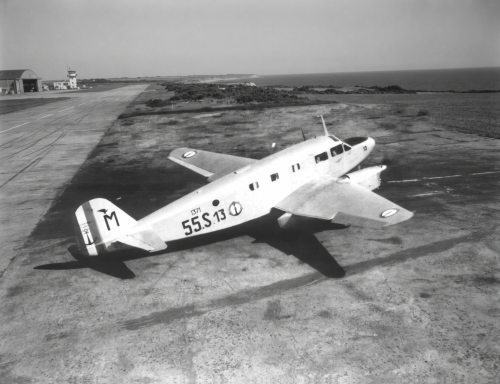
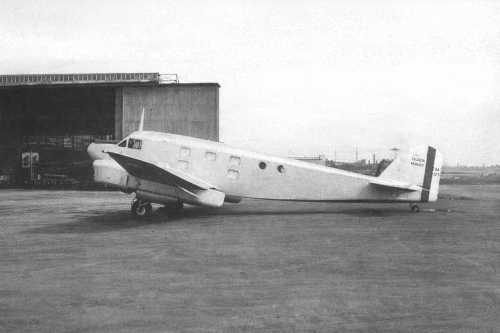
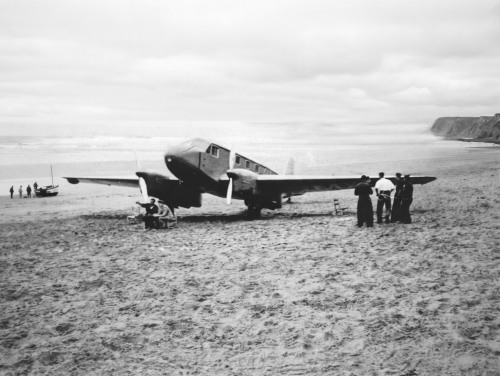
Caudron C.440 prototype
Development History
Origins (1933–1934)
Caudron sought to create a modern, economical twin‑engine aircraft for regional airlines, air taxi operators, and government services.
The design philosophy emphasised the following:
Low operating cost
Ease of maintenance
Short‑field capability
Adaptability for passenger, cargo, ambulance, and military roles
The first prototype flew in 1934, marking Caudron’s entry into the competitive European light‑transport market.
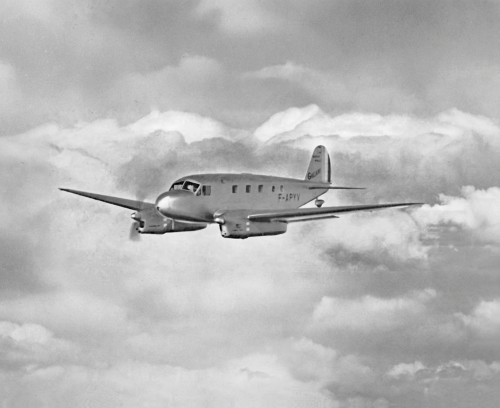
Caudron C.444
Pre‑war Expansion
The Goéland quickly attracted interest from the following:
Air France
Air Bleu
Aéromaritime
Régie Air Afrique
Aeroput (Yugoslavia)
Private operators across Europe and Africa
Its wooden structure allowed rapid production, and Caudron continuously refined the design, producing a long sequence of variants with improved aerodynamics, engines, and specialised equipment.
Caudron C.444
WWII Production & Use
By 1939, the Goéland was well established.
With the outbreak of war:
Many civilian aircraft were impressed into military service by the French Armée de l’Air.
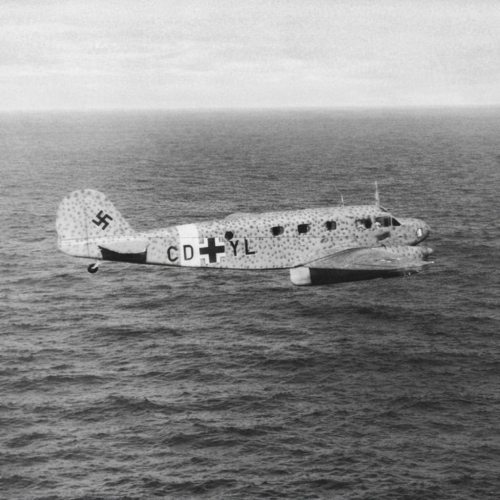
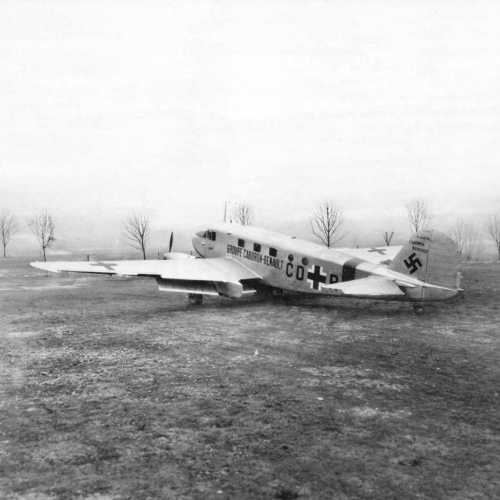
After the fall of France in 1940, the aircraft was used by the German Luftwaffe and Deutsche Luft Hansa for liaison and transport duties.
The Slovak Air Force ordered 12 militarised C.445M aircraft in 1942.
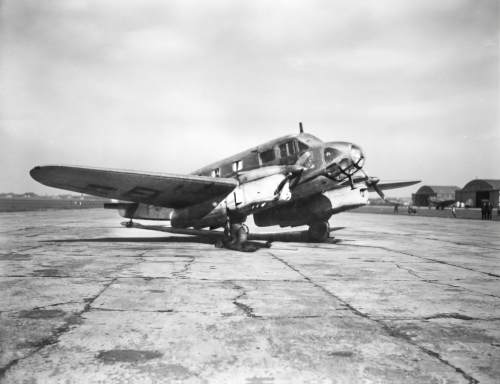
Caudron C.445
Postwar Production
After WWII, Caudron was absorbed into SNCA du Nord, and the Goéland continued in production as the Nord Goéland, with 325 additional aircraft built for civil and military use.
Design & Construction
Airframe
The Goéland was a low-wing cantilever monoplane with a tailwheel undercarriage.
Its structure was:
Wooden throughout, including spars, ribs, and most fuselage skinning
Metal skinning on the forward and upper fuselage for durability and ease of maintenance
The main landing gear retracted into the engine nacelles, reducing drag while keeping the mechanism simple and robust.
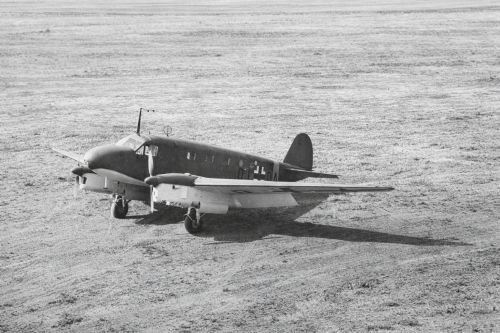
Caudron C.448
Cabin
The standard cabin layout seated six passengers, with:
Forward and aft baggage compartments
A rear toilet
Options for stretcher mounts (C.447)
Space for cameras or survey equipment (C.449/4)
Caudron C.449
Engines
Most variants used Renault 6Q inverted inline engines, typically producing around 220 hp each.
Later versions introduced:
Counter‑rotating propellers
Supercharged engines
Long‑range fuel systems
Military equipment and radios
Caudron C.445
Performance (Representative: C.445M)
Crew: 2
Length: 13.68 m
Wingspan: 17.59 m
Height: 3.40 m
Wing area: 42.0 m²
Empty weight: 2,292 kg
Gross weight: 3,500 kg
Caudron C.445
Powerplant: 2 × Renault 6Q, 164 kW (220 hp) each
Max speed: 300 km/h
Range: 1,000 km
Service ceiling: 7,000 m
Rate of climb: 3.3 m/s
These figures varied slightly across variants depending on wing dihedral, propeller type, and engine configuration.
Caudron C.449
Operational History
Civil Use
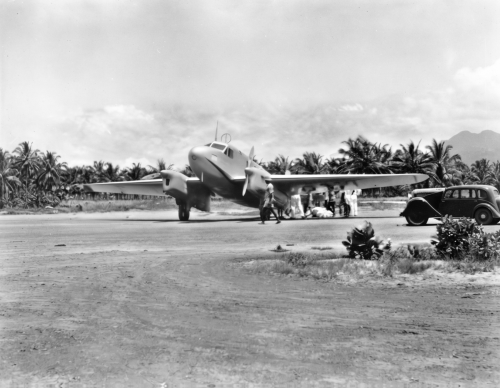
The Goéland served extensively with European and African airlines.
Air France
SABENA
Aigle Azur
Compagnie Air Transport (CAT)
Air Bleu
Régie Air Afrique
Aeroput
Its reliability and low cost made it ideal for:
Regional passenger routes
Postal transport
Cargo and freight
Air taxi operations
Caudron C.444
Military Use
The aircraft served in the following:
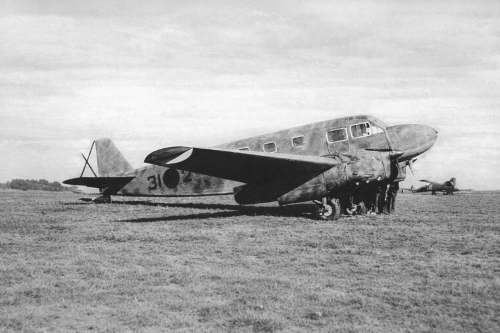
Armée de l’Air (France), Aéronavale, Vichy French Air Force, Luftwaffe, Slovak Air Force, Bulgarian Air Force, Spanish Republican Air Force, Royal Yugoslav Air Force (one impressed aircraft)
Roles included:
Liaison
Personnel transport
Medical evacuation (C.447)
Photographic reconnaissance (C.449/4)
Training (post-war Nord Goéland)
Variants
Caudron C.440 prototype
C.440 — Prototype (3 built)
The initial design featured:
Standard Renault engines
Straight outer wing panels
Conventional propeller rotation
Basic six‑seat cabin
These prototypes validated the aerodynamic layout and structural concept.
Caudron C.441
C.441 — Improved Wing & Engine Variant (4 built)
Key changes:
Renault 6Q‑01 engine
Dihedral added to outer wing panels for improved stability
This variant refined handling characteristics and became the basis for later wing geometry changes.
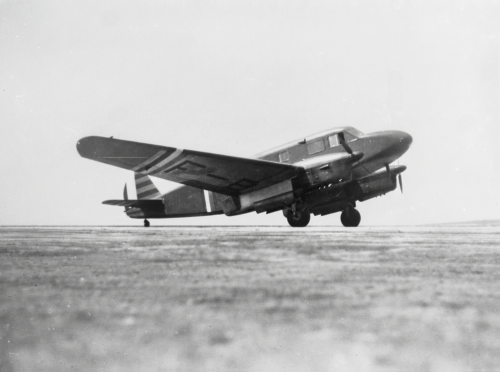
C.444 — Counter‑Rotating Propeller Version (17 built)
This innovation was adopted on all subsequent versions.
C.445 — Main Pre‑war Production Version (114 built)
Features:
Increased outer wing panel dihedral
Standardized counter‑rotating propellers
Improved cabin fittings
This became the backbone of pre‑war commercial fleets.
Caudron C.445
C.445/1 (2 built)
A minor subvariant, likely experimental or tailored for specific customers.
C.445/2 (3 built)
Another limited‑production refinement, possibly testing structural or equipment changes.
Caudron C.445
C.445/3 — Major Postwar Production Version (510 built)
The most numerous variant:
Built under SNCA du Nord
Used extensively as a trainer and transport
Featured updated avionics and standardized postwar equipment
Caudron C.445
C.445M — Militarised Version (404 built)
Large‑scale military production:
Reinforced structure
Military radios
Optional armament mounts
Used by France, Germany, Slovakia, Bulgaria, and others
Caudron C.445
C.445R — Long‑Range Version (1 built)
A unique aircraft with:
Additional fuel tanks
Extended range for survey or long‑distance liaison missions
Caudron C.446
C.446 — “Super Goéland” (1 built)
An experimental high‑performance version:
Likely featured aerodynamic refinements
Possibly tested more powerful engines or structural changes
Caudron C.447
C.447 — Air Ambulance Version (31 built)
Designed for medical evacuation:
Stretcher mounts
Medical equipment
Modified cabin layout
Used by the French Air Force postwar.
Caudron C.448
C.448 — Supercharged Engine Version (7 built)
Introduced:
Supercharged Renault engines
Improved high‑altitude performance
Likely used for mountainous or long‑range operations
Caudron C.449
C.449 — Final Production Version (349 built)
The last major family of Goélands:
Standardized late‑war and postwar equipment
Improved reliability
Multiple specialized sub‑variants
C.449/1
Minor equipment or structural variation.
C.449/2
Likely a customer‑specific configuration.
C.449/3
Further refinement, possibly avionics or cabin changes.
C.449/4 — Photographic Survey Version
Caudron C.445
Specialised for aerial photography:
Camera ports
Stabilized mounts
Modified cabin floor
C.449/5
Final subvariant, details likely minor or customer-specific.
Caudron C.441
WWII Context & Significance
The Goéland’s wartime story reflects the complex political landscape of Europe:
French service: Transport, liaison, and training until 1940.
Vichy service: Continued operations under the Vichy regime.
German service: Impressed aircraft are used by the Luftwaffe and Lufthansa for non‑combat roles.
Axis‑aligned Slovakia: Purchased a militarised C.445M aircraft.
Neutral and Allied operators: Bulgaria, Spain, Yugoslavia, and others used captured or purchased aircraft.
Its wooden construction made it easy to repair even under wartime shortages, and its twin‑engine reliability made it ideal for courier and liaison duties.
Caudron C.440 prototype
Postwar Legacy
The Goéland remained in service well into the 1950s:
Air France and SABENA used it for regional routes.
The French military used it as a trainer.
SNCA du Nord’s Nord Goéland kept the design alive with 325 additional aircraft built.
Its longevity and widespread use make it one of the most important French light transports of the mid‑20th century.