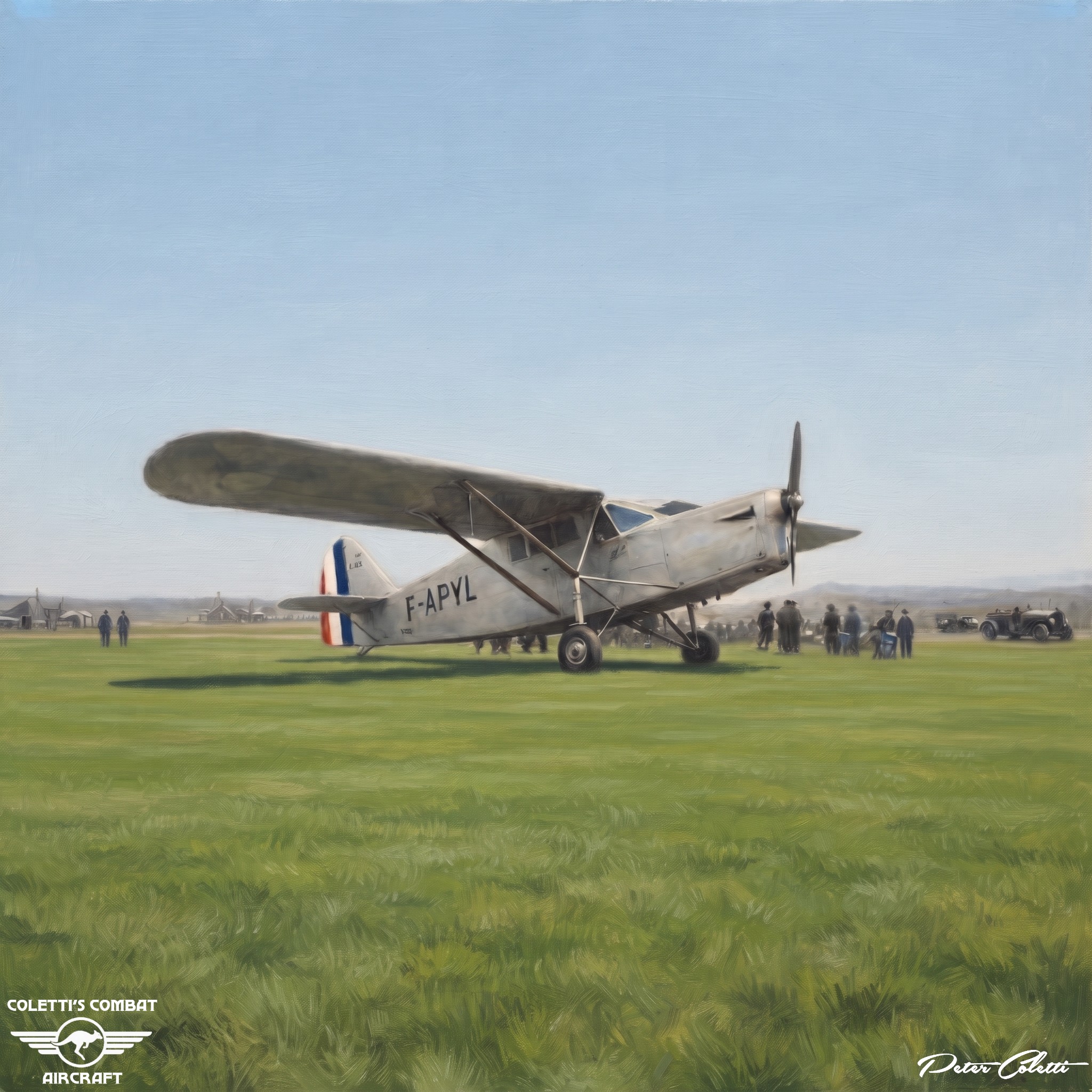
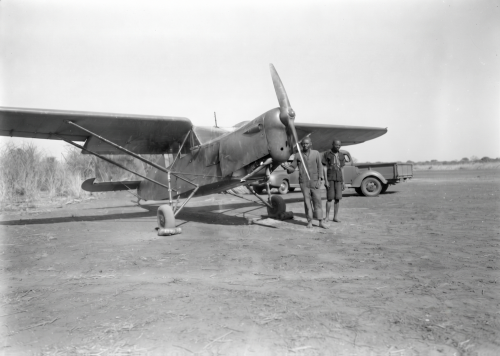
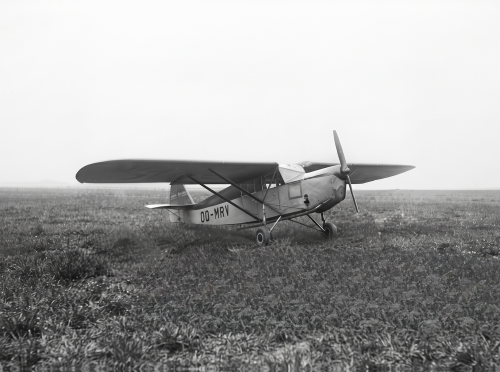
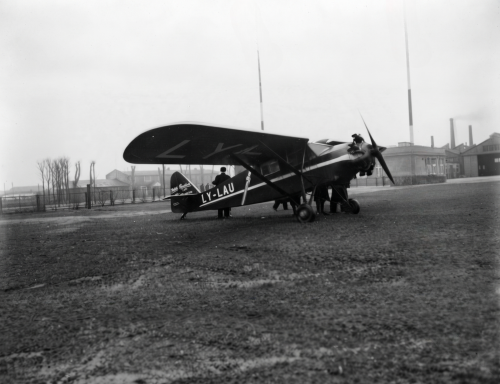
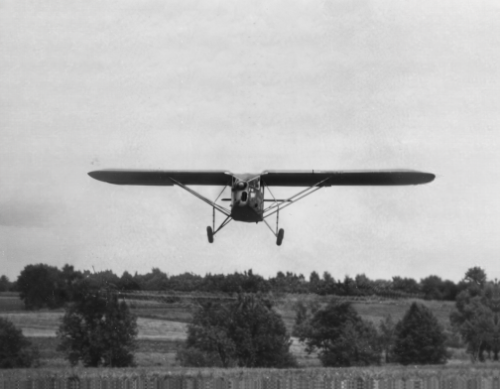
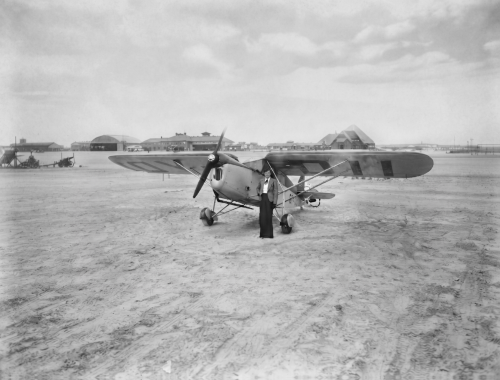
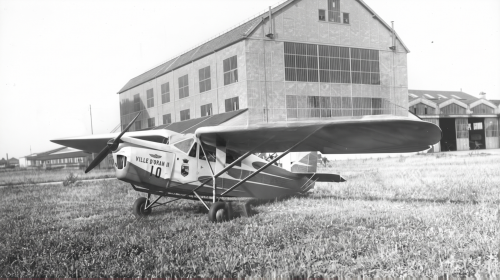
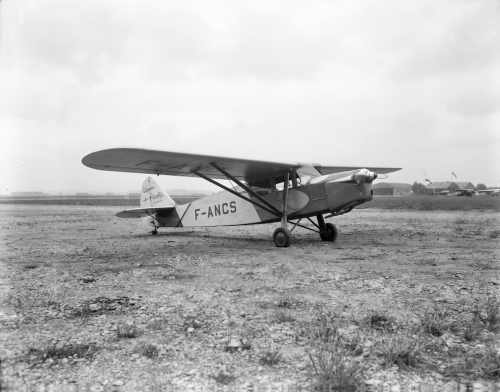
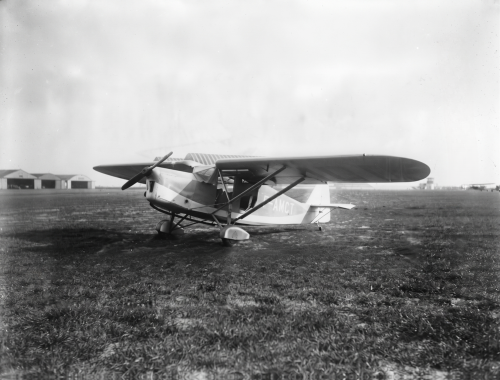
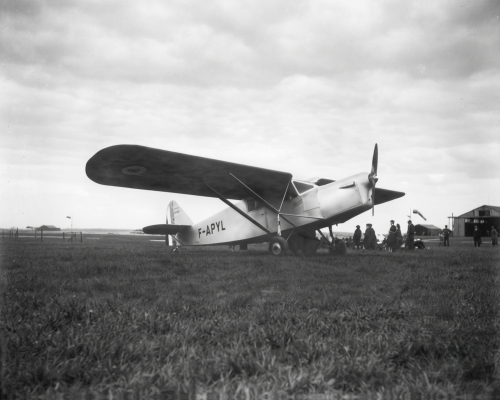
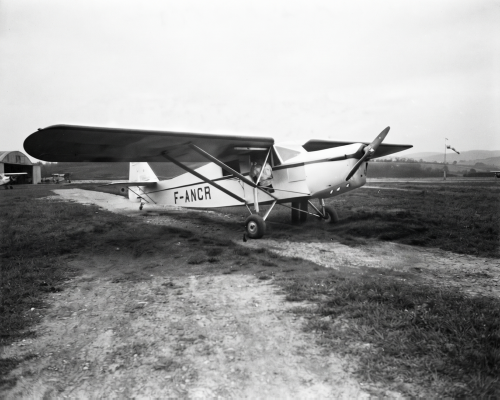
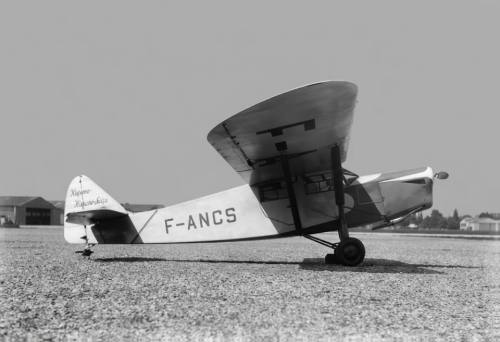
Touring monoplane idea: The Caudron C.280 Phalène (“Moth”) was conceived around 1930 by engineer Paul Deville as a modern, comfortable air‑tourer in the same general category as the British de Havilland Puss Moth.
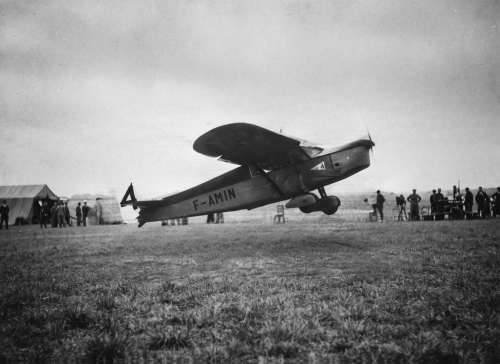
First flight: The prototype C.280 flew in March 1932, piloted by Caudron’s chief test pilot Raymond Delmotte.
Its performance and handling immediately showed strong potential, leading to a substantial production run.
Civil focus: The aircraft was designed primarily for private owners, aero clubs, and touring pilots—high-wing, good visibility, forgiving handling, and the ability to operate from rough fields.
Caudron C.280
Commercial success and evolution
Production scale: Across all variants, more than 240–250 Phalènes were built, with production running for roughly six years in the early–mid 1930s.
Publicity flights: Caudron and various owners used long‑distance “raids” and touring flights to publicise the type, which helped it gain a reputation in France and abroad.
Progressive refinement: The family evolved through incremental changes—different engines (Salmson, Renault, de Havilland Gipsy), fuselage lengthening, wingtip and tail modifications, dual controls, improved flaps and slots, and luxury interiors.
Many of these changes are reflected in the detailed sub‑variants you listed.
Caudron C.280
Military interest
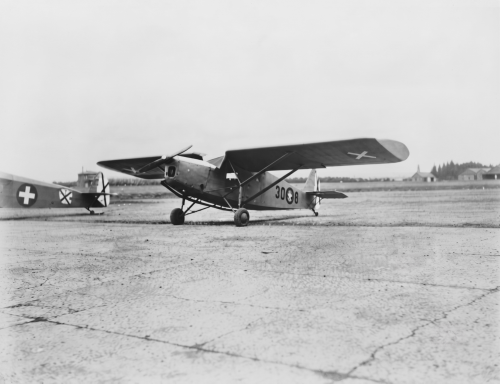
French Air Force: The Armée de l’Air ordered militarised Phalènes as liaison and training aircraft under the designations C.400 and C.410, essentially military adaptations of the civil C.282/8‑type configuration.
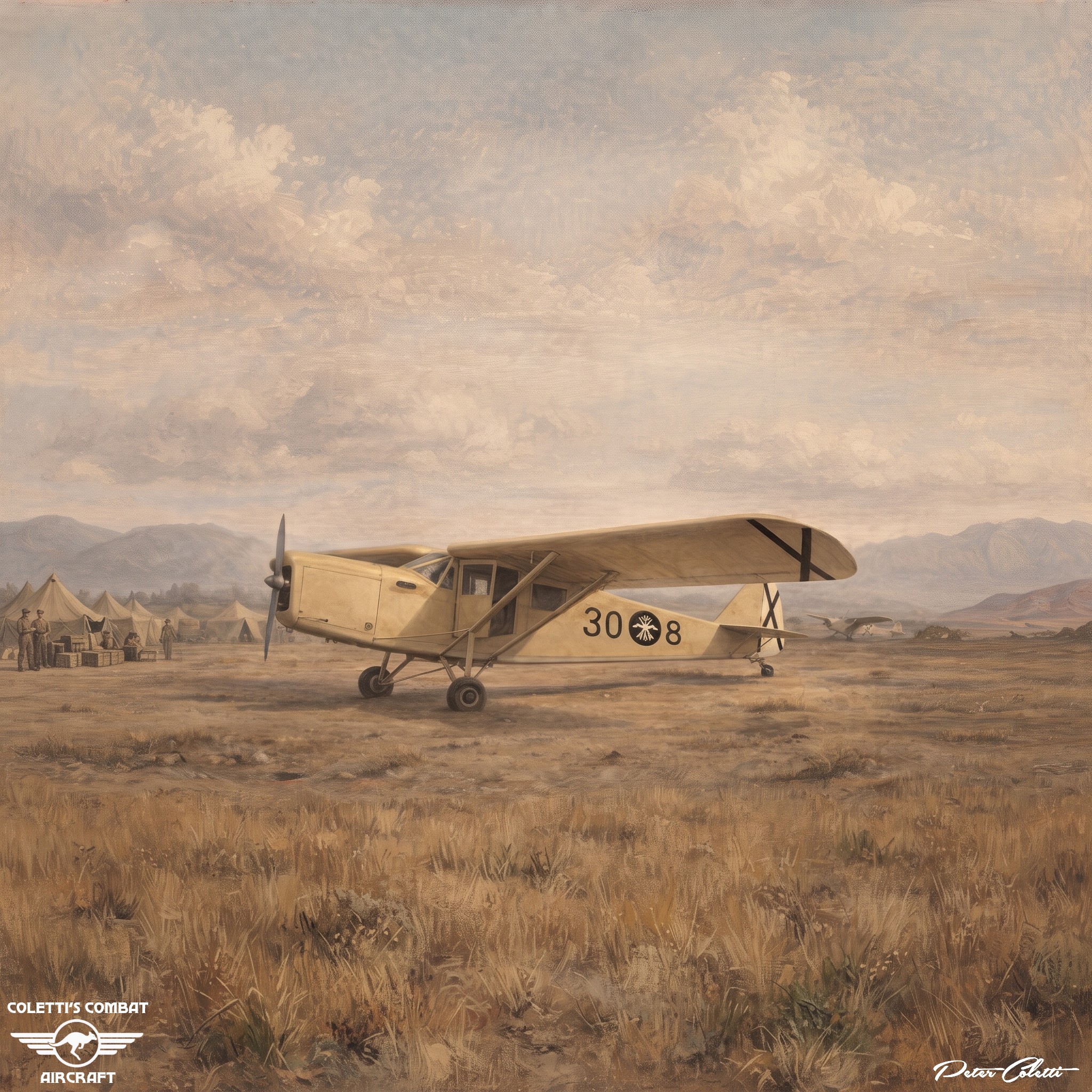
Spanish Civil War: At least one C.286 Phalène VI, originally with the Spanish Republican forces, was captured by Nationalist forces and used as a liaison aircraft during the Spanish Civil War, showing the type’s utility beyond pure civil touring.
Design and construction
General layout
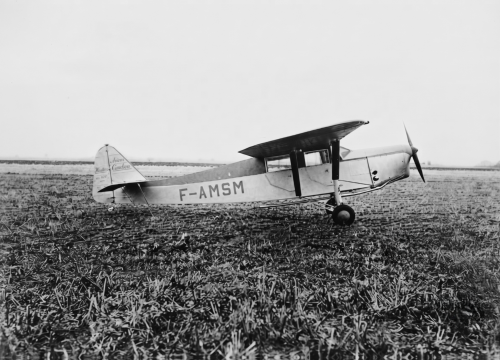
Configuration: All Phalènes shared a high‑wing, strut‑braced monoplane layout with a fixed, tailskid (or tailwheel‑type) undercarriage.
This gave good visibility, stable handling, and short‑field capability.
Cabin: The standard cabin arrangement was three seats—pilot and one passenger side‑by‑side in front, with a third seat behind them.
Some variants were configured for four seats.
Access was via doors on both sides that hinged upward and clipped under the wing, with a baggage compartment aft of the cabin.
Caudron C.280
Structure and materials
Wooden airframe: The Phalène family was built largely of wood.
The forward fuselage was plywood‑skinned, while the rear fuselage and wings were fabric‑covered over wooden structure.
Wing design:
Planform: Parallel chord wings with strut bracing using streamlined duralumin struts.
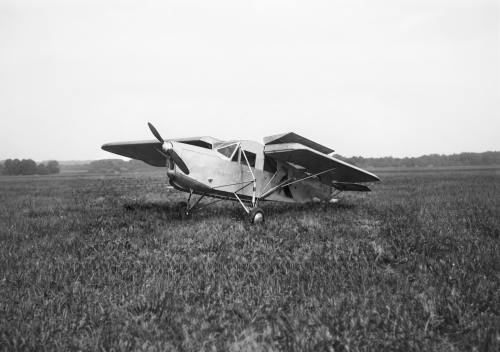
Hinged trailing edge: The entire trailing edge was hinged; outer sections acted as ailerons, and inner sections could fold upward to allow the wings to be folded alongside the fuselage for compact storage in hangars.
Tail surfaces: The horizontal tailplane, elevators, and rudder were typically of spruce framework; the fin was of welded steel tube.
Landing gear and field operation
Fixed gear: Divided main landing gear with oleo‑pneumatic shock absorbers and low‑pressure tyres, designed to operate from grass or rough fields.
Differential brakes were fitted to aid ground handling.
Rural capability: This combination made the Phalène well suited to the mixed, often unimproved airfields of 1930s Europe.
Performance and typical technical data
Because the family includes many variants, it’s useful to anchor on a representative civil model and a military derivative.
Representative civil model: Caudron C.282/8 (major production version)
Engine: 1 × Renault 4Pdi inline piston engine, about 108kW (≈120hp).
Dimensions and weights (C.282/8)
Wingspan: 11.62 m
Length: 8.25 m
Height: 2.05 m
Wing area: 25.35 m²
Empty weight: 550 kg
Takeoff weight: 1,100 kg
Performance
Maximum speed: ≈185 km/h (≈115 mph)
Cruise speed: ≈155 km/h (≈96 mph)
Service ceiling: ≈ 4,500 m
Range: ≈850 km (about 528 miles)
These figures give a good sense of the family’s performance envelope: modest but adequate speeds, respectable range for touring, and enough ceiling for typical European weather and terrain.
Military derivative: Caudron C.400 Phalène (liaison version)
Configuration and engine
Type: High‑wing monoplane with fixed landing gear, configured for pilot plus three passengers (liaison role).
Engine: Renault 4Pdi inline engine, around 120 hp.
Engine: Early sources differ slightly, but the main C.280 prototypes are described as using either the de Havilland Gipsy II four‑cylinder inline engine (around 90 kW) or, in some references, a Salmson 9Nc radial in later subvariants.
Production: About five aircraft built in this initial form.
C.280/6 Phalène
Change: Revised tail and rounded wingtips, still in the four‑seat touring category.
Engine: Salmson 9Nc radial, about 101 kW (135 hp).
Production: One aircraft built—essentially a testbed for aerodynamic refinements.
Caudron C.280
C.280/9 Phalène
Change: Fuselage lengthened by about 20 cm (roughly 7.9 in) to improve cabin space and balance.
Engine: Salmson 9Nc.
Production: Three built.
Other early C.280 subvariants (context)
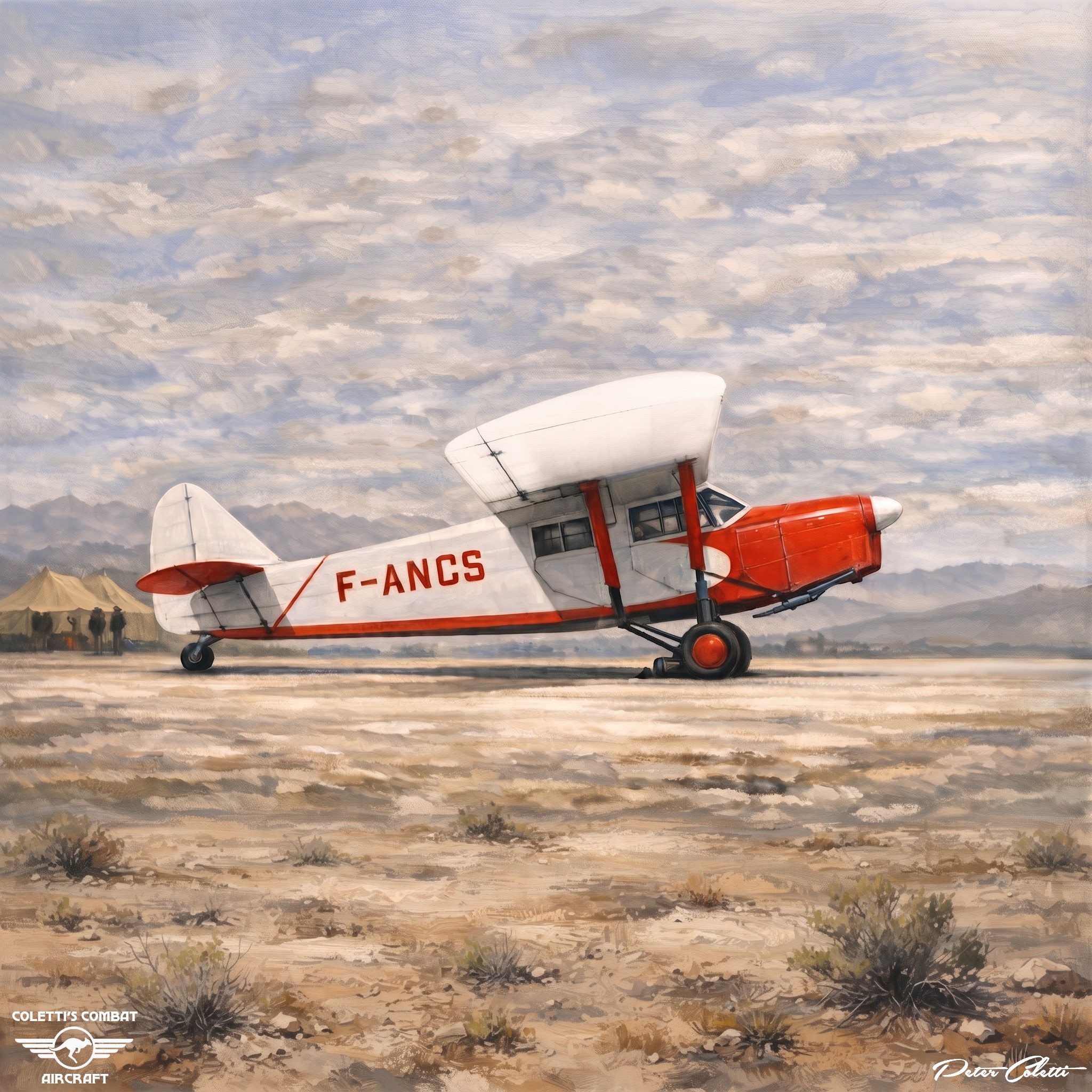
C.280/2: Light four‑seat touring version with Renault 4Pdi engine (around 108 kW, 145 hp), about 21 built.
C.280/4: Equipped with dual controls, automatic leading‑edge slots and flaps—aimed at training and safer low‑speed handling; nine built.
These early variants show Caudron experimenting with engines, cabin layouts, and aerodynamic tweaks before settling on the more standardised Renault‑powered Phalènes.
Caudron C.282
C.282 series (Phalène and Super Phalène)
C.282 Phalène
Role: A refined civil touring version.
Engine: Renault 4Pci inline engine, about 75 kW (100 hp).
Production: Around 11 built.
C.282/2 Phalène IV
Role: Improved touring model.
Engine: Renault 4Pdi, about 89 kW (120 hp).
Production: About 21 built.
C.282/3 Phalène
Change: Based on C.282 but with reduced fuel capacity, still using the Renault 4Pdi engine; likely aimed at shorter‑range club use or weight optimisation.
Production: One built.
C.282/4 Super Phalène
Role: “Super” Phalène with enhanced handling and training capability.
Features: Dual controls, automatic slots and flaps, improved low‑speed safety.
Engine: Renault 4Pdi.
Production: About ten were built in the Renault‑powered form; another group of five C.282/4 Super Phalènes are noted with Gipsy Major engines and modified tails, showing mixed engine fits under the same designation.
Caudron C.282
C.282/7 Super Phalène
Role: Further refinement of the Super Phalène concept.
Engine: Renault 4Pdi.
Production: One built.
C.282/8
Role: Major production version and de facto standard Phalène.
Changes: Stretched fuselage, increased fuel capacity, and standardised Renault 4Pdi engine.
Engine: Renault 4Pdi, around 108 kW (120–145 hp depending on the source).
Production: About 89 built, plus a few conversions from earlier variants.
C.282/9
Role: Higher‑power variant.
Engine: Renault 4Pei, about 100 kW (140 hp).
Production: Six built.
C.282/10
Role: Propeller‑optimised Super Phalène.
Engine: Renault 4Pei, fitted with a Merville series 601 propeller for improved efficiency.
Production: Around ten built. C.286 series (Phalène VI and Super Phalène)
Caudron C.286
C.286 Phalène VI
Role: Variant emphasising de Havilland powerplants.
Engine: de Havilland Gipsy III, about 78 kW (105 hp).
Production: One built in the basic C.286 form.
C.286/2 Phalène VI
Change: Rounded wingtips and Gipsy Major I engine, about 89 kW (120 hp).
Production: Around 10–11 built.
C.286/2S4 and C.286/3S4 Super Phalène (luxury versions)
Role: Special luxury Super Phalènes.
Engine: de Havilland Gipsy Major I, around 145 hp.
Features: Upgraded interiors and finish, aimed at more affluent private owners or prestigious use.
Production: About three to ten built, depending on source grouping of S4 variants.
Caudron C.286
C.282/4 Super Phalène (Gipsy‑powered tail‑modified)
Note: Some sources list a C.282/4 Super Phalène with a modified tail (as per C.280/6) and Gipsy Major I engine, with about five built—essentially a cross‑family hybrid combining the C.282 structure with the C.280‑style tail and a British engine.
C.286/5 Super‑Phalène
Change: Modified wings and tail, Gipsy Major I engine.
Production: One built.
C.286/6 Super‑Phalène
Change: Based on C.286/5 but fitted with a Merville 501 propeller.
Production: About five built.
C.286/7 Super‑Phalene
Change: Equipped with a Ratier series 1175 variable‑pitch propeller, improving climb and cruise flexibility.
Production: Around eight built.
Caudron C.286
C.286/8 Super‑Phalène
Role: Further refined Super Phalène; details vary by source, but it continued the Gipsy‑powered, improved‑propeller lineage.
Operational note: At least one C.286/8 was involved in a fatal accident in 1937, showing that these aircraft remained in active use well into the late 1930s.
C.286/9 Super‑Phalene
Role: Late‑series Super Phalène variant; specific technical differences are less clearly documented but likely involve minor engine/propeller or equipment changes within the Gipsy‑powered family.
C.289/2
Role: A less‑documented Phalène derivative; accident records mention a “Caudron 289/9 Phalene”, indicating that the C.289 series existed as further refinements or re‑engined Phalènes.
Likely configuration: High‑wing touring monoplane similar to C.282/8, probably with a Renault or Gipsy engine and minor structural or equipment changes.
Caudron C.286
C.400, C.401, C.410 (military Phalènes)
C.400 Phalène
Role: Military liaison and light transport for the French Air Force.
Configuration: High‑wing monoplane, pilot plus three passengers, fixed landing gear, and folding wings retained for compact storage.
Engine: Renault 4Pdi, about 120 hp.
Production: Around 40 C.400s built (within the broader total of 250+ phalènes).
Caudron C.401
C.401
Role: Likely a closely related military or semi‑military variant of the Phalène, with minor changes in equipment, radio fit, or internal layout; detailed public data is sparse, but it sits within the same liaison/training role.
C.410
Role: Another militarised Phalène variant ordered by the Armée de l’Air.
Use: Employed as a liaison and training aircraft, sharing the same general performance envelope as the C.400 but with equipment tailored to military needs.
Caudron C.400
Operational and WWII context
Pre‑war civil use
Aero clubs and private owners: Phalènes were widely used by aero clubs across France and other European countries for touring, training, and general club flying.
Their folding wings and rough‑field capability made them practical for small airfields.
Accident record: The Aviation Safety Network lists multiple accidents involving C.280, C.282, C.286, and later Super Phalènes from the early 1930s through the late 1950s, showing long service lives and widespread use.
Spanish Civil War
Captured aircraft: A C.286 Phalène VI originally operated by forces loyal to the Second Spanish Republic was captured by Nationalist forces and used as a liaison aircraft, illustrating the type’s adaptability to wartime communications roles.
Caudron C.410
World War II
French service:
Liaison and training: C.400 and C.410 Phalènes served with the Armée de l’Air as liaison and training aircraft in the late 1930s and into the early stages of WWII.
Continued civil flying: Some civil Phalènes remained in aero club and private use during the war, especially in French territories, though flying was constrained by occupation and fuel shortages.
Late‑war and post‑war: Accident records show Phalènes still flying in 1940 and even into the late 1940s and 1950s, indicating that surviving airframes continued in civil roles after the war, often in aeroclubs and private hands.