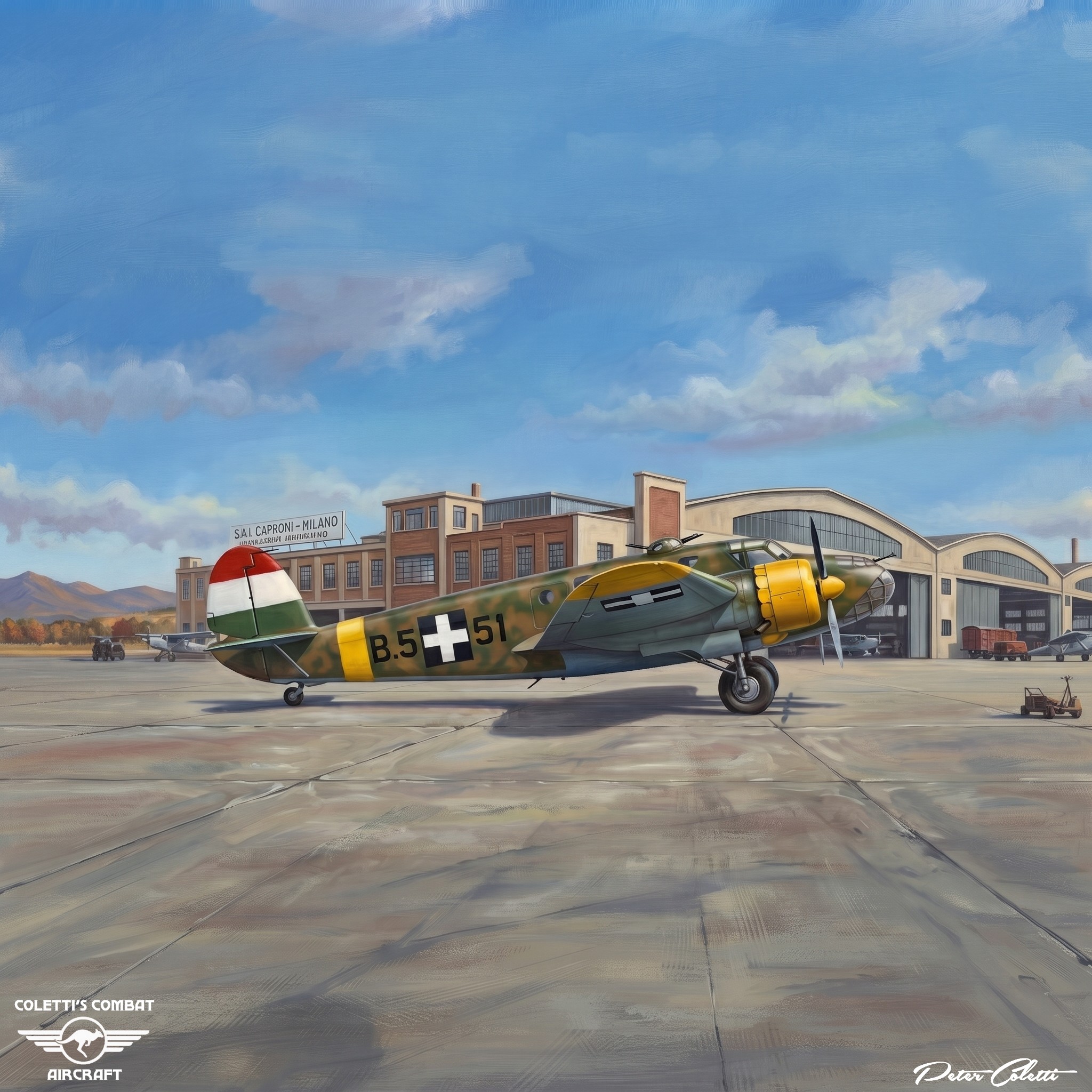
Caproni Ca.135 The Caproni Ca.135 was a twin‑engine Italian medium bomber conceived in the mid‑1930s as part of the Regia Aeronautica’s modernisation drive.
Designed by Cesare Pallavicino at Caproni Bergamaschi, it emerged from a 1934 requirement calling for a modern monoplane bomber capable of significantly higher speeds and payloads than Italy’s ageing biplane fleet.
The aircraft first flew on 1 April 1935/1936 (sources differ slightly on the year), marking Caproni’s attempt to produce a competitive medium bomber within Italy’s increasingly fragmented aviation industry.
Origins and Development Context
The Ca.135 was born from General Valle’s “R‑plan”, an ambitious programme intended to expand Italy’s air strength to 3,000 aircraft by 1940.
A major bomber competition in late 1934 specified demanding performance targets: 330 km/h at 4,500 m, 385 km/h at 5,000 m, a climb to 4,000 m in 12.5 minutes, a 1,000 km range with a 1,200 kg bombload, and an 8,000 m ceiling.
Although many entrants exceeded the speed requirement, none met the ceiling or range targets.
Despite this, the Regia Aeronautica ordered multiple designs—including 204 Ca.135s, alongside the Fiat BR.20, SM.79, CANT Z.1007, and Piaggio P.32—reflecting the era’s industrial inefficiency and political clientelism.
The Ca.135 was intended for production at Caproni’s Taliedo factory in Milan, but development remained at Ponte San Pietro, where the prototype was completed between 1934-35.
Its long gestation period was considered slow for the time.
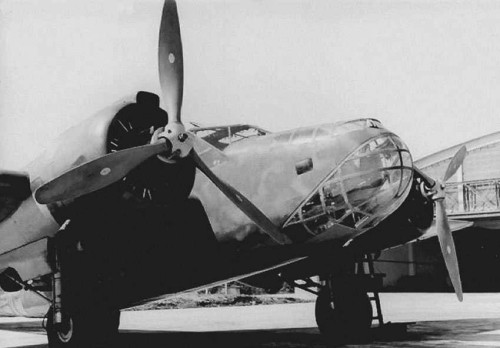
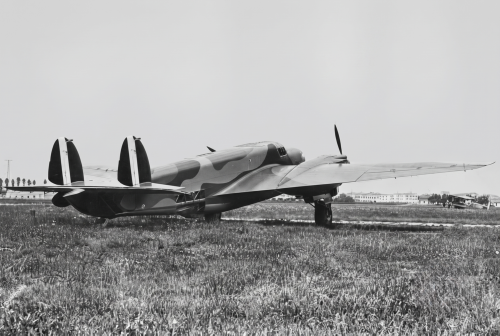
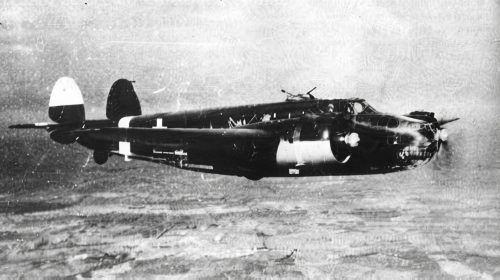
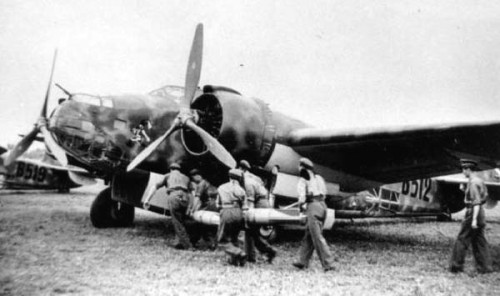
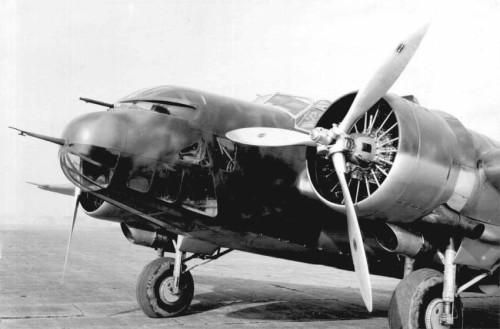
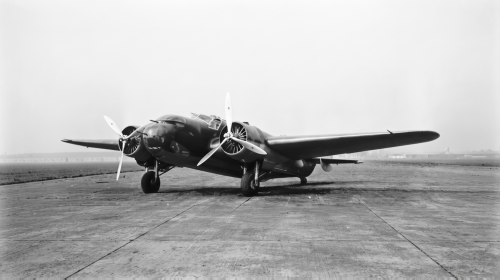
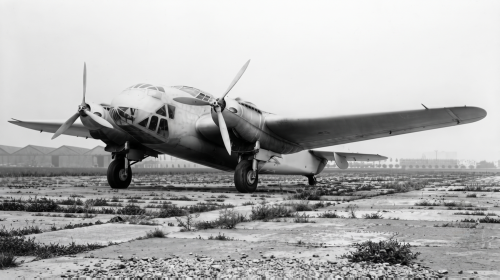
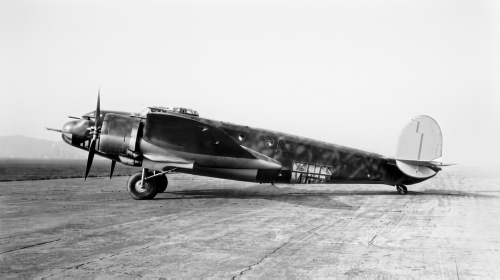
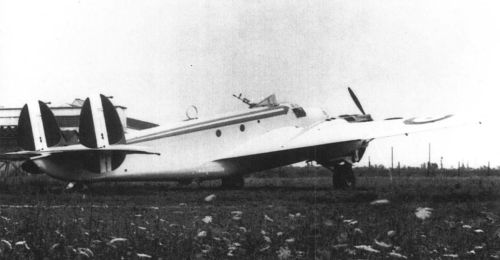
Caproni Ca.135 prototype
Airframe and Structural Design
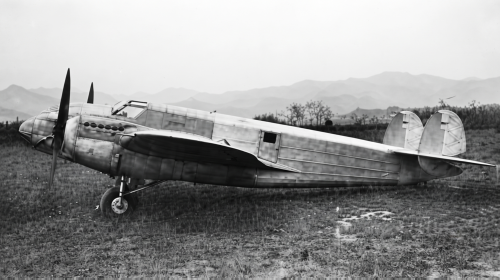
The Ca.135 was a low‑wing monoplane of mixed construction, combining metal, wood, and fabric.
Its forward fuselage used stressed‑skin metal, while the rear fuselage employed steel tubing covered in wood and fabric.
The wings—long‑chord structures comprising more than one‑third of the aircraft’s total length—used two wooden spars with plywood and metal skinning.
Tail surfaces were wooden with metal and plywood covering.
Dimensions of the prototype included:
Length: 14.5 m
Wingspan: 18.96 m
Wing area: 61.5 m²
Empty weight: 5,606 kg
Useful load: 2,875 kg
The fuselage shape differed markedly from contemporaries such as the Fiat BR.20.
If the BR.20 resembled the American B‑25, the Ca.135—with its low-slung fuselage—was closer in appearance to the Martin B‑26 Marauder.
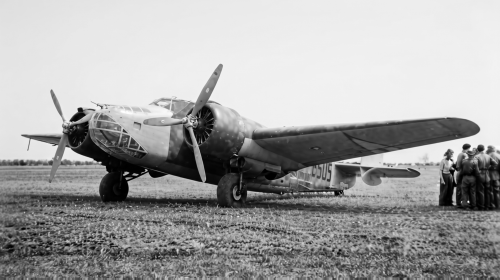
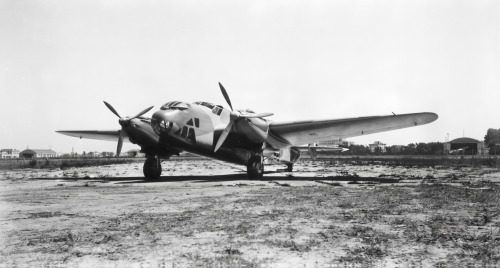
Its long nose housed the bombadier and a forward turret, and the nose section was detachable for emergency egress.
The cockpit roof had two escape hatches, and the right pilot’s seat folded to allow access to the nose compartment.
Crew Stations and Equipment
The Ca.135 typically carried four to five crew members.
The mid‑fuselage dorsal turret was manned by the co‑pilot, and later aircraft included a dedicated flight engineer’s seat.
The wireless operator’s station in the aft fuselage carried standard Italian bomber radio equipment (AR350/AR5), a radiogoniometer (P63N), and photographic gear such as the OMI AGR.90 or AGR.61, plus an APR-3 camera.
The wireless operator also manned a ventral 12.7 mm machine gun.
Powerplants and Performance
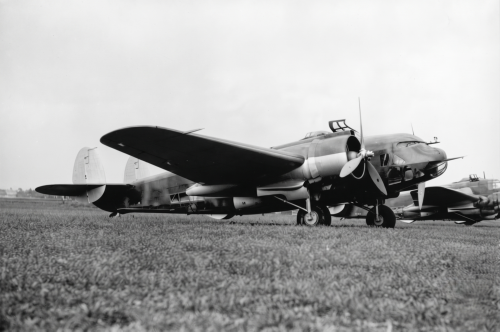
The prototype used two Isotta‑Fraschini Asso XI RC.40 radial engines rated at 815–835 hp, initially driving two‑bladed wooden propellers.
Production aircraft for Italy later adopted Piaggio P.XI RC.40 engines of 1,000 hp, improving reliability.
Performance varied significantly across versions.
The Hungarian Ca.135 bis achieved the following:
Maximum speed: 440 km/h at 5,000 m
Range: 2,000 km
Service ceiling: 7,900 m
Peruvian “Tipo Perú” aircraft, retaining Asso XI engines, reached the following:
Range: ~1,250 miles at 185 mph cruise
Payload: up to two 1,760 lb bombs
Caproni Ca.135 prototype
Armament and Bombload
Armament typically included three 12.7 mm Breda‑SAFAT machine guns in dorsal, ventral, and nose turrets.
Bombload capacity reached 1,600 kg, carried internally and externally.
Peruvian aircraft sometimes used 7.7 mm guns depending on configuration.
Variants
Ca.135 (baseline)
Powered by Isotta‑Fraschini Asso XI engines.
Early production and export units.
Ca.135 P.XI
Italian service version with Piaggio P.XI engines.
Improved reliability but still limited operational use.
Ca.135 “Tipo Perú”
Export version for Peru with specialised radio and photographic equipment.
Delivered 1937.
Ca.135 bis (Hungary)
Redesigned engine nacelles and lengthened fuselage.
Best‑performing variant; used operationally on the Eastern Front.
Ca.325 (project)
Proposed development with more powerful engines; never advanced beyond mock‑up.
Production
Total production reached approximately 109–115 aircraft between 1936 and 1941, distributed as follows:
Italy: 32 aircraft (including 14 “Tipo Spagna” intended for the Spanish Civil War but used only for training)
Peru: 6 aircraft
Hungary: 68 aircraft
Operational History and WWII Context
Italy (Regia Aeronautica)
Despite initial expectations, the Ca.135 proved operationally disappointing.
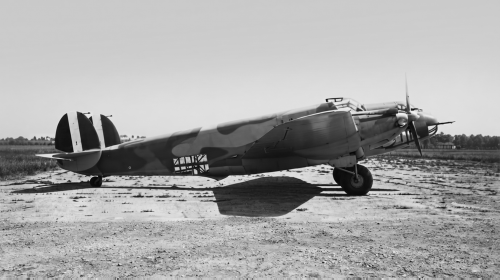
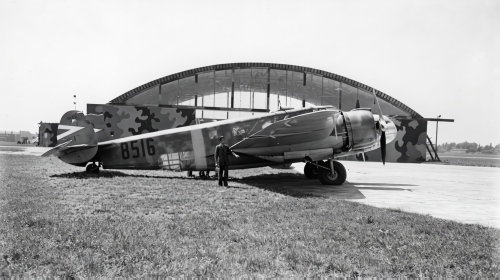
By 1940, Italy’s 32 aircraft were largely relegated to training roles, considered obsolete due to limited range, mechanical issues, and vulnerability to fighters.
Most were scrapped before seeing meaningful WWII combat.
Peru
Peru received six Ca.135s between August and November 1937.
Based at Chiclayo, they may have participated in the 1941 Ecuador–Peru border conflict, possibly conducting bombing missions near Tenguel, though documentation is sparse.
They disappeared from records by 1942.
Hungary
Hungary was the only operator to use the Ca.135 extensively in WWII.
The Ca.135 bis served on the Eastern Front, flying bombing, reconnaissance, and anti-partisan missions against Soviet forces.
Hungarian crews appreciated its speed but noted persistent reliability issues.
Assessment and Legacy
The Caproni Ca.135 embodied both innovation and systemic shortcomings in Italian aviation.
Its aerodynamic features—streamlined fuselage, long‑chord wings, and advanced structural concepts—were forward‑looking, yet its performance never fully matched expectations.
Mechanical reliability, limited range, and industrial fragmentation hindered its adoption.
While overshadowed by more successful Italian bombers such as the SM.79 and BR.20, the Ca.135 remains a notable example of 1930s Italian aeronautical ambition.