CAP-4 Paulista

CAP‑4 Paulistinha

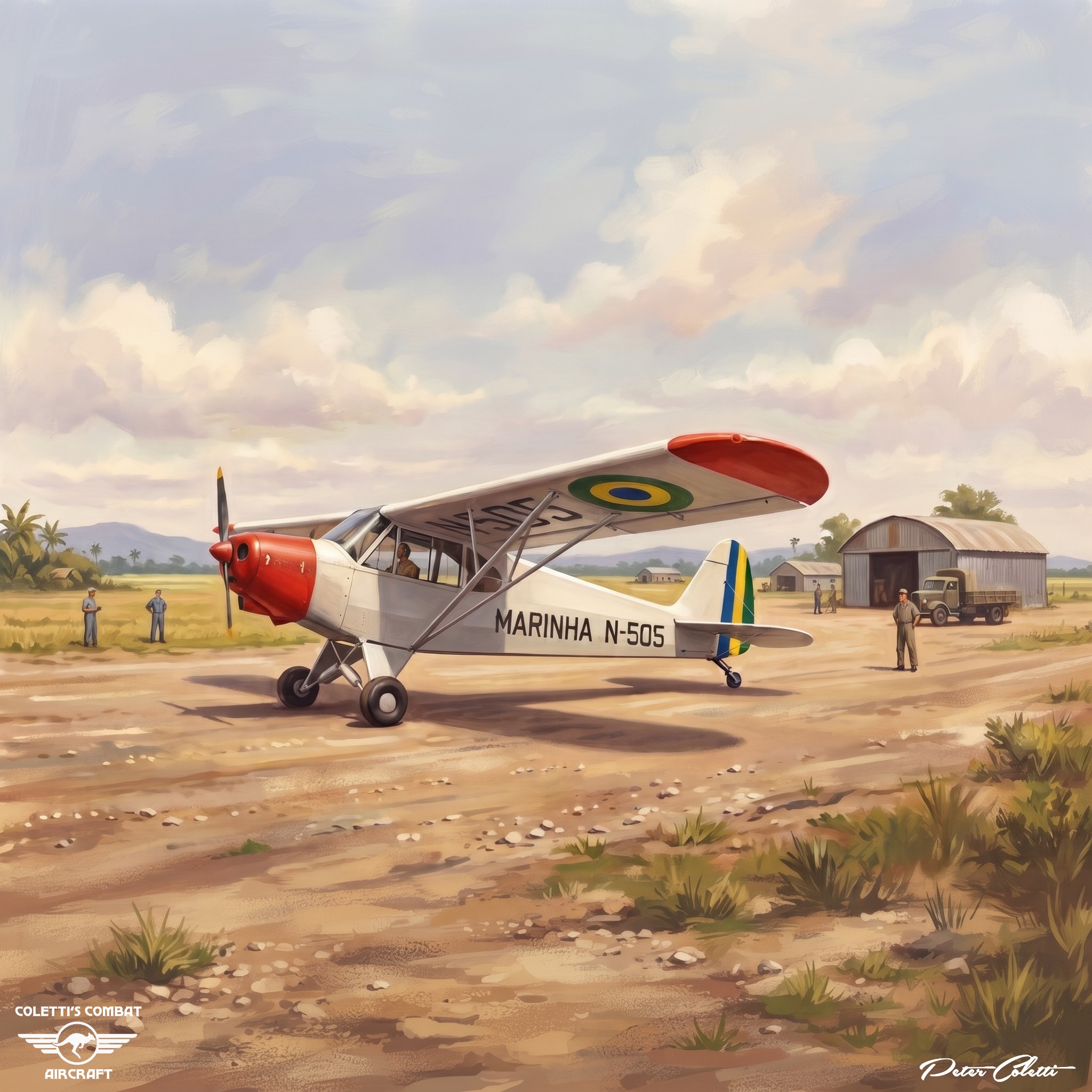
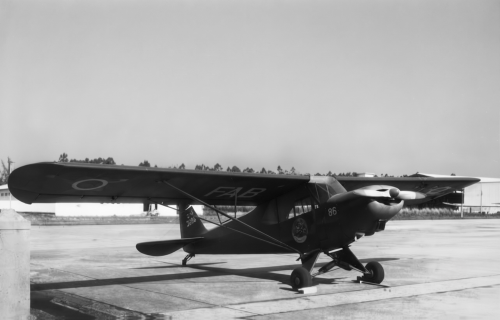
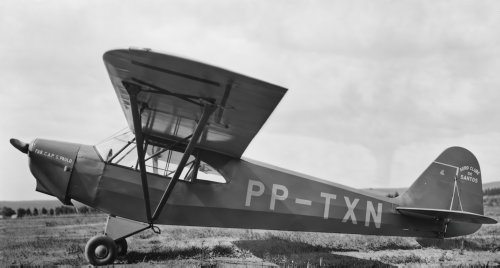
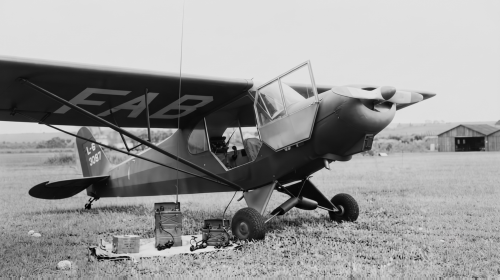
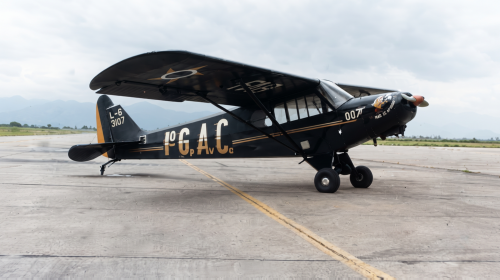
The CAP‑4 Paulistinha was a 1940s Brazilian two‑seat trainer and touring aircraft, developed by Companhia Aeronáutica Paulista as part of Brazil’s push for domestic aviation capability.

It combined simple wood‑and‑fabric construction with a reliable American engine, became one of Brazil’s first mass‑produced light aircraft, and served both civilian flying clubs and military training units during WWII.

Origins and Development
The CAP‑4 emerged from Brazil’s early aviation‑industrial movement, led by Companhia Aeronáutica Paulista (CAP) in São Paulo.

CAP had already produced the CAP‑1 and CAP‑3, but the company needed a modern, economical trainer to supply Brazil’s expanding flying clubs and the government’s pre‑war pilot‑training programmes.

Key developmental drivers:

National industrial policy — Brazil’s Estado Novo government encouraged domestic aircraft production to reduce reliance on imports.

Demand for basic trainers — Civilian aeroclubs and the military needed a simple, rugged aircraft for ab initio training.

CAP’s design philosophy — Emphasis on low cost, ease of maintenance, and use of locally available materials.

Design work began in the early 1940s, with the prototype flying in 1942.

Its name, Paulistinha, referenced the people of São Paulo, reinforcing the aircraft’s regional industrial pride.

Design and Construction

The CAP‑4 was intentionally conservative, prioritising simplicity and manufacturability over innovation.

Airframe

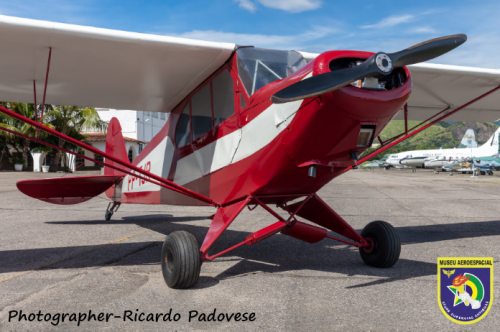
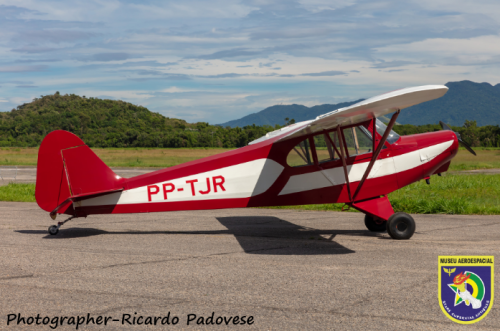
Structure — Primarily wood, with plywood skinning on the fuselage and fabric covering on the wings and control surfaces.

Wing — High‑wing, strut‑braced configuration for stability, visibility, and ease of ground handling.

Cockpit — Two seats in a side‑by‑side configuration, enclosed with a simple canopy.

Landing gear — Fixed, tailwheel type, robust enough for rough airfields.

Powerplant

Continental A‑65 four‑cylinder air‑cooled engine

Output: ~65 hp

Known for reliability and low operating cost

Widely used in American trainers like the Piper J‑3 Cub, making it ideal for Brazilian production.

Systems and Equipment

Minimal instrumentation suitable for basic flight training.

No electrical system in early units; later aircraft added radios and starter systems depending on operator needs.

Performance Characteristics

The CAP‑4’s performance was modest but well‑suited to its role.

Maximum speed: ~170 km/h

Cruise speed: ~140 km/h

Range: ~500 km

Service ceiling: ~3,500 m

Take-off distance: Short, thanks to low weight and high‑lift wing

Handling: Gentle stall characteristics, forgiving controls, stable in slow flight

These traits made it ideal for novice pilots and contributed to its popularity among aeroclubs.

Variants and Derivatives

Although the CAP‑4 itself remained relatively consistent, it spawned several related developments:

CAP‑4A — Minor refinements to structure and equipment; some sources note improved canopy and interior changes.

CAP‑4B — Experimental or limited‑run modifications, including alternative engines.

CAP‑5 — A more advanced derivative with structural improvements and aerodynamic refinements.

CAP‑9 — Later evolution with more powerful engines and updated systems.

The CAP‑4 served as a foundation for CAP’s subsequent light‑aircraft line, influencing Brazilian aviation design for years.

WWII Context

Brazil’s entry into WWII in 1942 reshaped the CAP‑4’s role.

Domestic wartime needs
Brazil joined the Allies after German U‑boat attacks on Brazilian shipping.

The government expanded pilot training programmes to support coastal patrols and cooperation with U.S. forces.

Imported aircraft became harder to obtain due to global wartime production priorities.

CAP‑4’s wartime service

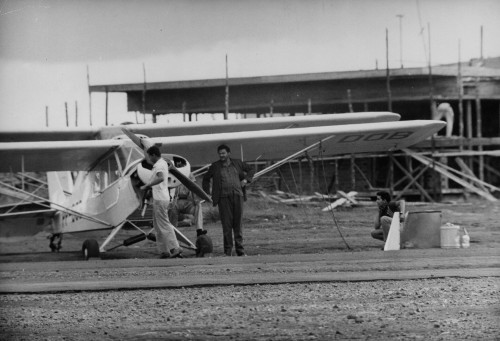
Used by Brazilian aeroclubs participating in government-directed pilot training.

Employed by the Brazilian Air Force (FAB) in limited numbers for basic instruction.

Helped maintain a pipeline of trained pilots for wartime operations, even though it was not a combat aircraft.

Industrial significance

The CAP‑4 demonstrated that Brazil could produce reliable aircraft domestically during a period of global scarcity.

This contributed to the post‑war growth of Brazil’s aviation industry, eventually leading to companies like Embraer.

Operational Legacy

The CAP‑4 became one of Brazil’s most widely used light aircraft of the 1940s.

Dozens were built, with production continuing into the late 1940s.

Aeroclubs used them for decades thanks to their low operating cost.

Surviving examples are rare but occasionally appear in museums or restoration projects.

The aircraft is remembered as a symbol of early Brazilian aviation independence.

Digital Artworks by Peter Coletti.

Share on facebook