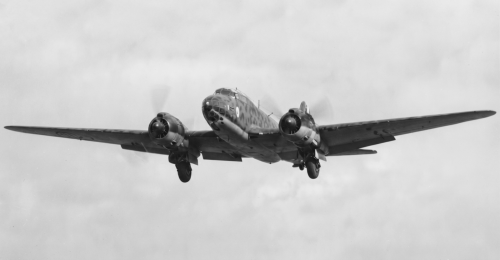
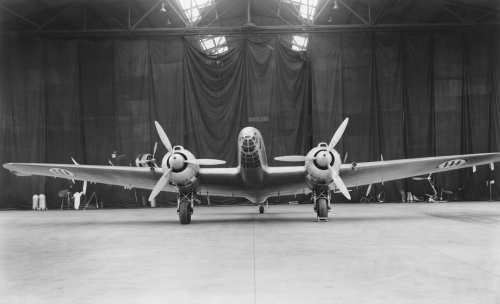
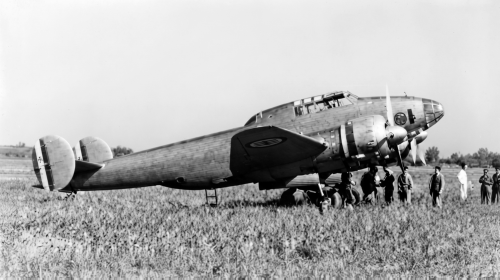
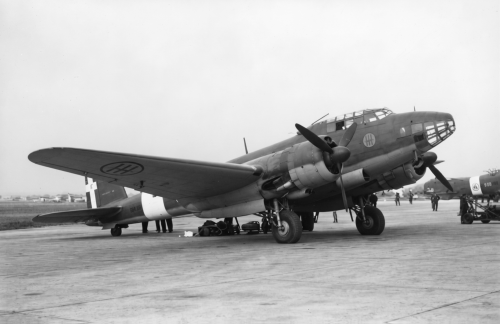
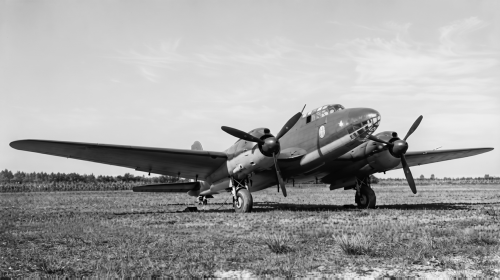
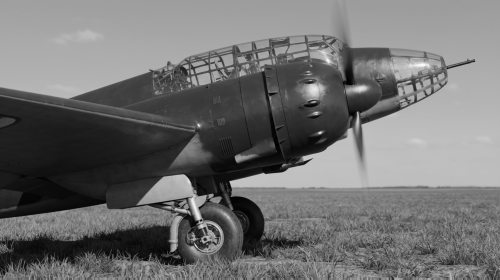
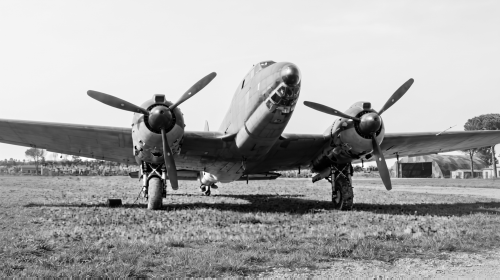
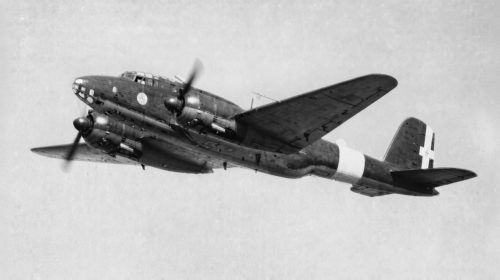
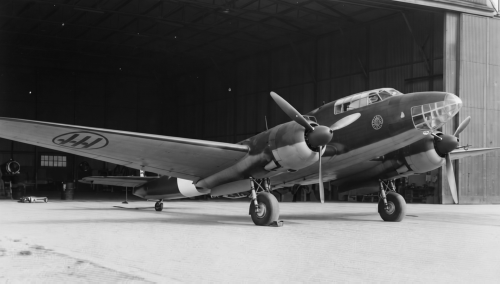
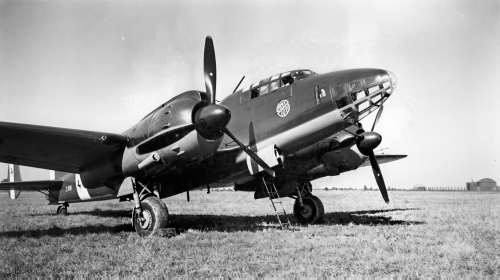
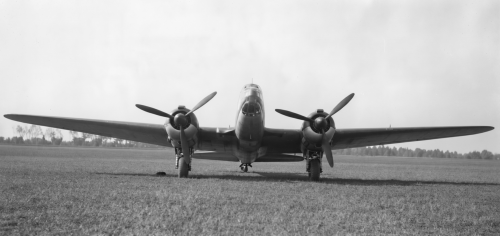
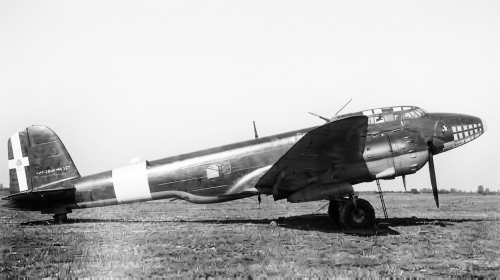
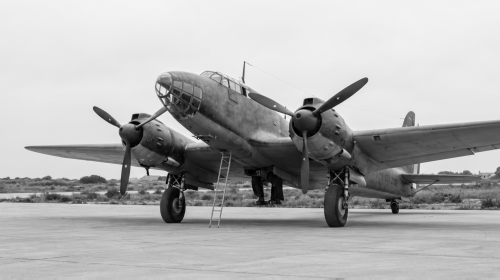
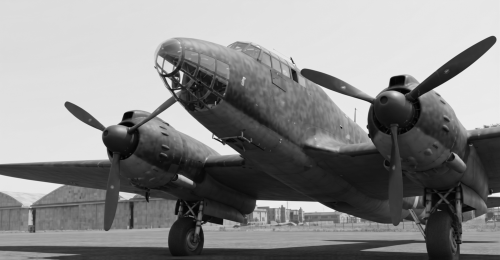
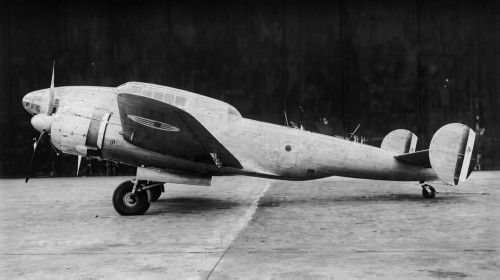
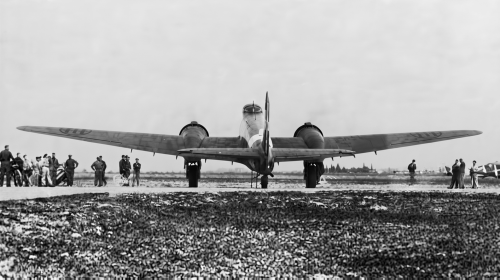
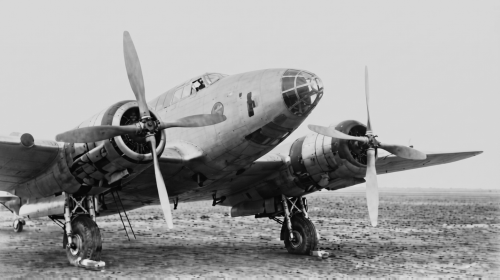
The CANT Z.1018 Leone emerged from Italy’s urgent pre‑WWII modernisation effort known as the 1939 R Plan, a programme intended to produce 3,000 modern aircraft to replace ageing bombers such as the Savoia‑Marchetti SM.79 and CANT Z.1007, which were increasingly vulnerable to faster fighters and improved defensive systems.
In 1938–1939, the Regia Aeronautica launched a competition for a new medium bomber.
CRDA (Cantieri Riuniti dell’Adriatico) initially proposed the Z.1015, an all‑metal evolution of the wooden‑framed Z.1007.
However, when the Air Force demanded a higher structural load factor—raising the requirement from 7.0 to 10.0—designer Filippo Zappata determined that modifying the Z.1015 would cause excessive weight growth.
He instead proposed an entirely new aircraft: the twin‑engine Z.1018.
The Z.1018 was intended to match the performance of the three-engined Z.1007 (combined 3,000 hp) using only two engines (combined 2,800 hp), simplifying construction and maintenance.
It also offered internal torpedo carriage—impossible in the Z.1015 layout—and multiple wing planforms tailored for different mission profiles: high‑speed, high‑capacity, and high‑altitude bomber variants.
On 23 February 1939, the Regia Aeronautica authorised production of 32 aircraft, demanding an ultimate load factor of 9.0 and deliveries before year’s end—an unrealistic schedule given that the intended engines (Alfa Romeo 135 RC.32) were not yet certified.
CRDA objected, and the first prototype was formally authorised on 7 April 1939.
The wooden prototype made its maiden flight on 9 October 1939, marking the beginning of a long, troubled development cycle.
Airframe and Structural Design
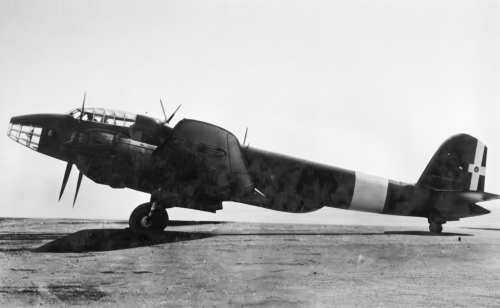
The definitive Z.1018 Leone was a low‑wing, all‑metal monoplane with a duralumin structure and light‑alloy skin.
It featured a single tail, retractable landing gear, and a crew of four to five.
Fuselage and Crew Layout
The fuselage was aerodynamically refined and unusually slim.
As with the Z.1007, the two pilots sat in tandem, not side by side.
Only the first pilot had full controls; the copilot had limited visibility and instrumentation.
Wing Structure
The wing was straight-tapered with rounded tips, built around two main spars.
The forward portion was metal‑skinned, while the aft section was fabric‑covered.
Despite weight‑saving efforts, the prototype’s empty weight ended up comparable to the three‑engined Z.1007.
Powerplant and Performance
The prototype used Piaggio P.XII RC.35 18‑cylinder air‑cooled radial engines, each producing 1,200 hp for take-off and 1,350 hp at 3,500 m.
Dry weight was 930–940 kg, and they used 87-octane fuel.
Propellers were three‑blade variable‑pitch Alfa Romeo units.
Calculated Performance
Engineers estimated:
Top speed: 524 km/h at 4,500 m
Take-off run: 354 m
Landing run: 462 m
Climb: 4,000 m in 7 min 32 s; 6,000 m in 14 min 4 s
Fuel capacity: 3,300 L in self-sealing wing tanks, plus optional 500 L auxiliary tank
Endurance: ~3 hours; range: 1,335 km at maximum cruise
Operational aircraft later demonstrated maximum speeds between 497–524 km/h, depending on configuration.
Armament and Combat Systems
Offensive Armament
The internal bomb bay could carry twelve 100‑kg bombs.
Wing hardpoints were rated for 1,000 kg each, theoretically allowing two large external weapons.
However, the calculated payload margin (2,700 kg) was insufficient for full fuel, crew, and weapons simultaneously—suggesting the prototype was never tested at maximum load.
Defensive Armament
The Z.1018 carried:
1 × 12.7 mm Breda‑SAFAT in a Caproni‑Lanciani belly turret
1 × 12.7 mm Scotti in an upper turret
2 × 7.7 mm Breda‑SAFAT in fuselage beam positions
1 × fixed 7.7 mm Breda‑SAFAT in the right wing for strafing or forward defense
Ammunition loads were 350 rounds per 12.7 mm gun and 500 rounds per 7.7 mm gun.
The upper turret proved difficult to install and ended up partially recessed, limiting its firing arc and adding weight that degraded performance.
Variants and Proposed Derivatives
Zappata envisioned multiple wing‑area variants:
High‑speed bomber: 50 m² wing
High‑capacity bomber: 63 m² wing
High‑altitude bomber: 72 m² wing
Additional proposed versions included:
Z.1018T — torpedo bomber
Z.1018M “Lince” — night fighter
Heavy fighter concepts
None progressed beyond prototype or proposal stage.
A floatplane derivative, the Z.514, was proposed using Z.506‑type floats but did not advance.
Production and Operational History
Production
The first production order—10 pre‑series Z.1018A (MM.24290–MM.24299)—was placed on 29 December 1940 and completed in 1942.
A second order for 100 aircraft followed in October 1942, but wartime disruption meant only 18–20 airframes were ever completed.
Entry Into Service
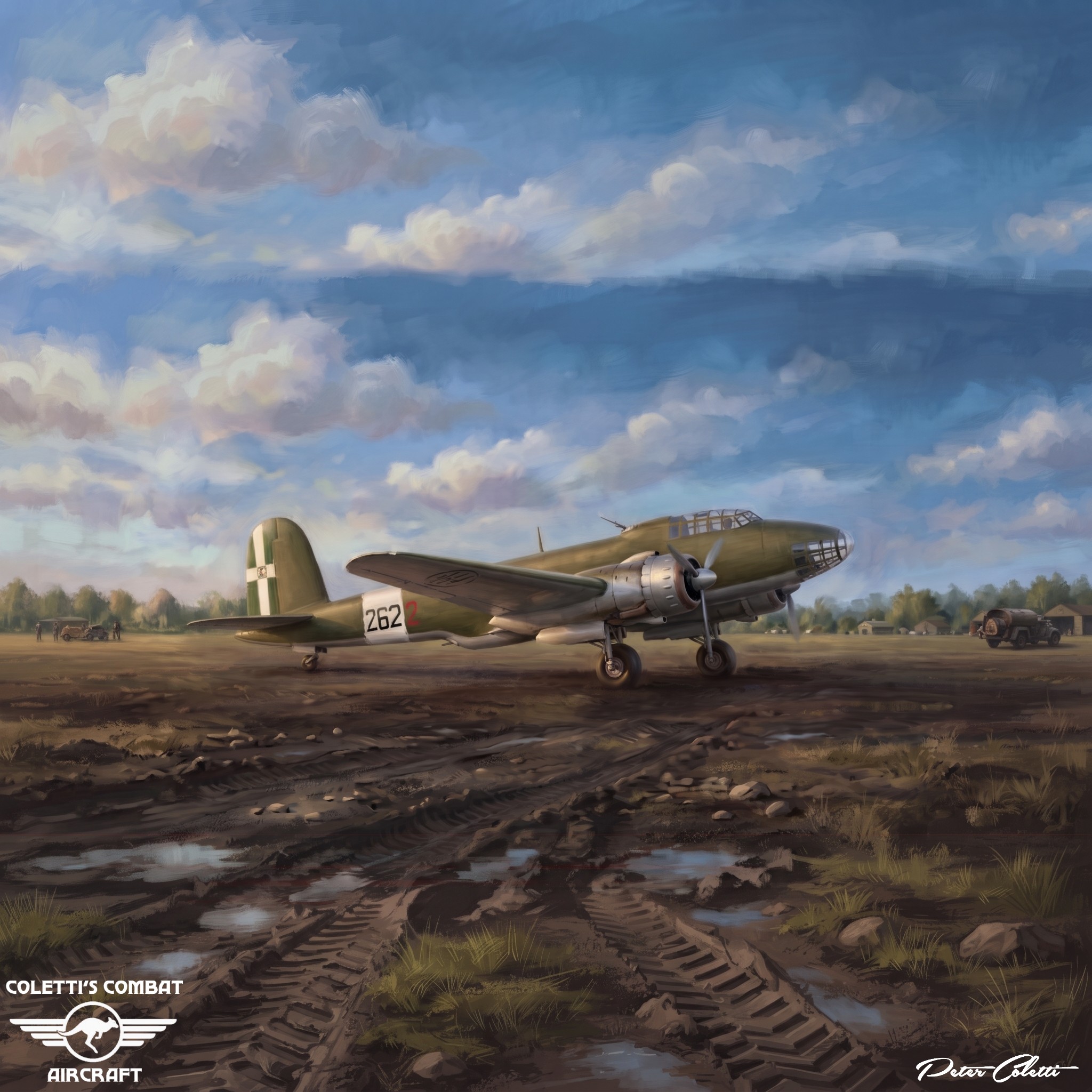
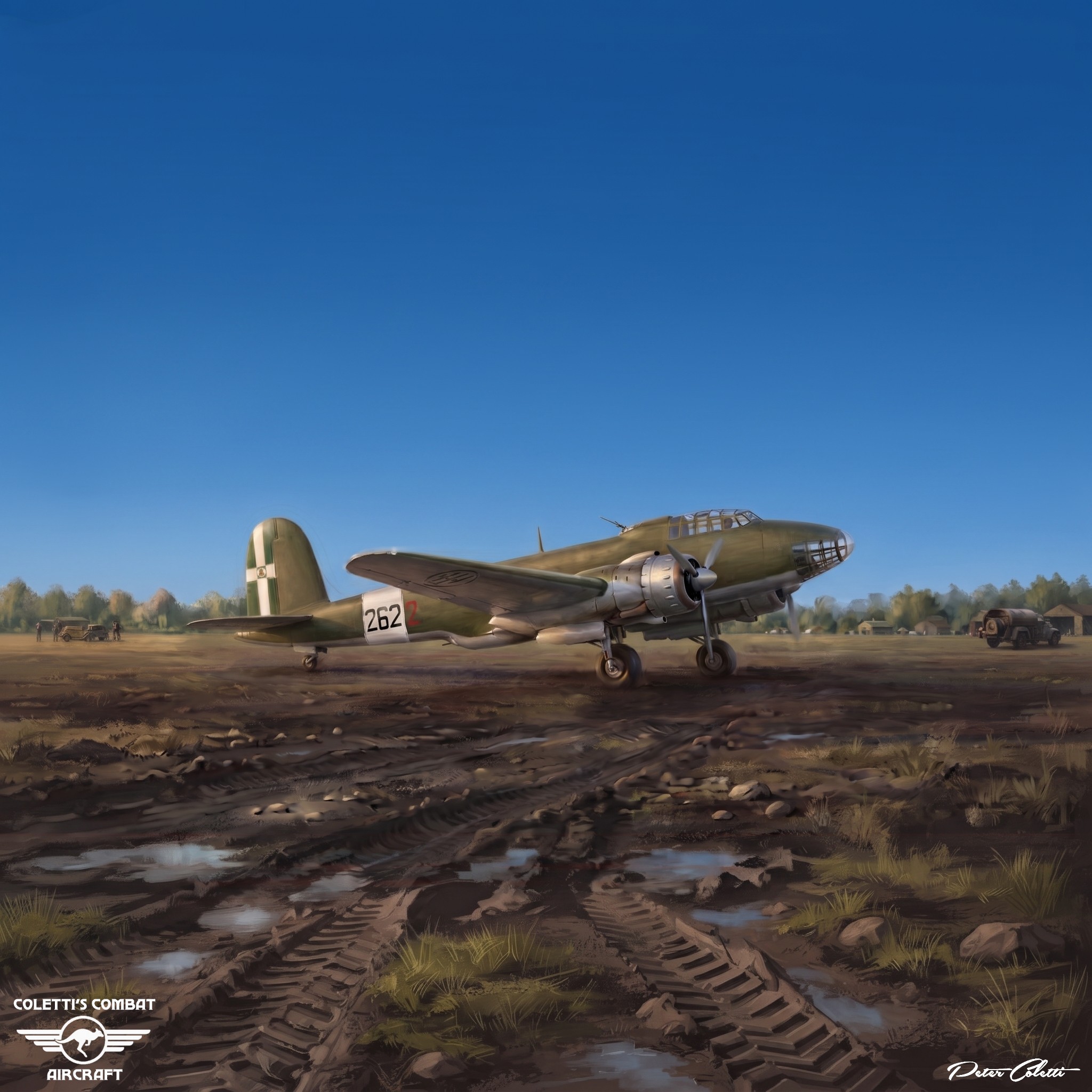
The Z.1018 entered limited service in mid‑1943, assigned to the 262nd and 263rd Squadriglie at Vicenza under the 97th Gruppo.
It underwent evaluation but saw no significant combat missions before Italy’s armistice on 8 September 1943.
Fate After the Armistice
Several aircraft were captured by German forces and sent to Rechlin for testing.
Others were flown to Allied‑controlled southern Italy or destroyed by partisans in 1945.
The type was officially withdrawn in 1944.
Technical Summary
Type: Twin‑engine medium bomber
Manufacturer: CANT (CRDA)
Designer: Filippo Zappata
First flight: 9 October 1939
Number built: ~15–20
Crew: 4–5
Length: 17.6 m
Height: 6.1 m
Wingspan: 22.5 m
Wing area: 63.1 m² (standard)
Empty weight: 8,800 kg
Max weight: 11,500 kg
Max speed: 497–524 km/h
Range: 1,335 km (standard)
Armament: 3 × 12.7 mm MG, 2 × 7.7 mm MG; internal bombs up to 1,200 kg; external loads theoretically up to 2,000 kg
WWII Context and Assessment
The Z.1018 Leone was conceived as Italy’s most modern medium bomber, comparable to contemporary Allied designs.
Its all‑metal construction, high speed, and flexible mission profiles promised a major leap over the Z.1007.
However, engine delays, structural redesigns, production bottlenecks, and Italy’s deteriorating wartime situation meant the aircraft arrived too late and, in too few numbers, to influence the conflict.
By the time it reached squadrons in 1943, Italy was already on the defensive, and the armistice halted further development.
The Leone thus remains a technically sophisticated but historically marginal aircraft—an example of promising engineering overtaken by strategic collapse.