In the late 1930s, Australia was trying to build a credible air arm while still heavily dependent on British aircraft and components.
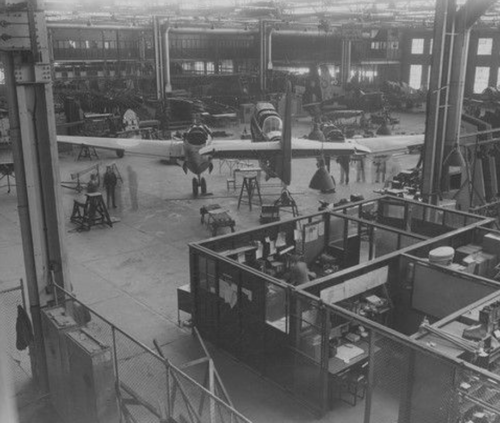
The Royal Australian Air Force (RAAF) planned to meet its maritime strike and bomber needs with locally assembled Bristol Beauforts, using imported British parts and a government-run Department of Aircraft Production to coordinate manufacture in various workshops.
When war broke out and Britain imposed strict controls on aviation exports to prioritise its own survival, those Beaufort components became uncertain.
The privately owned Commonwealth Aircraft Corporation (CAC), led by Sir Lawrence Wackett, saw both a strategic gap and an opportunity.
In 1940 the Australian War Cabinet allocated funds for CAC to design a homegrown strike aircraft that could dive-bomb, carry torpedoes, perform general bombing, and undertake reconnaissance—essentially a multirole maritime and land-attack platform tailored to Australian needs and resources.
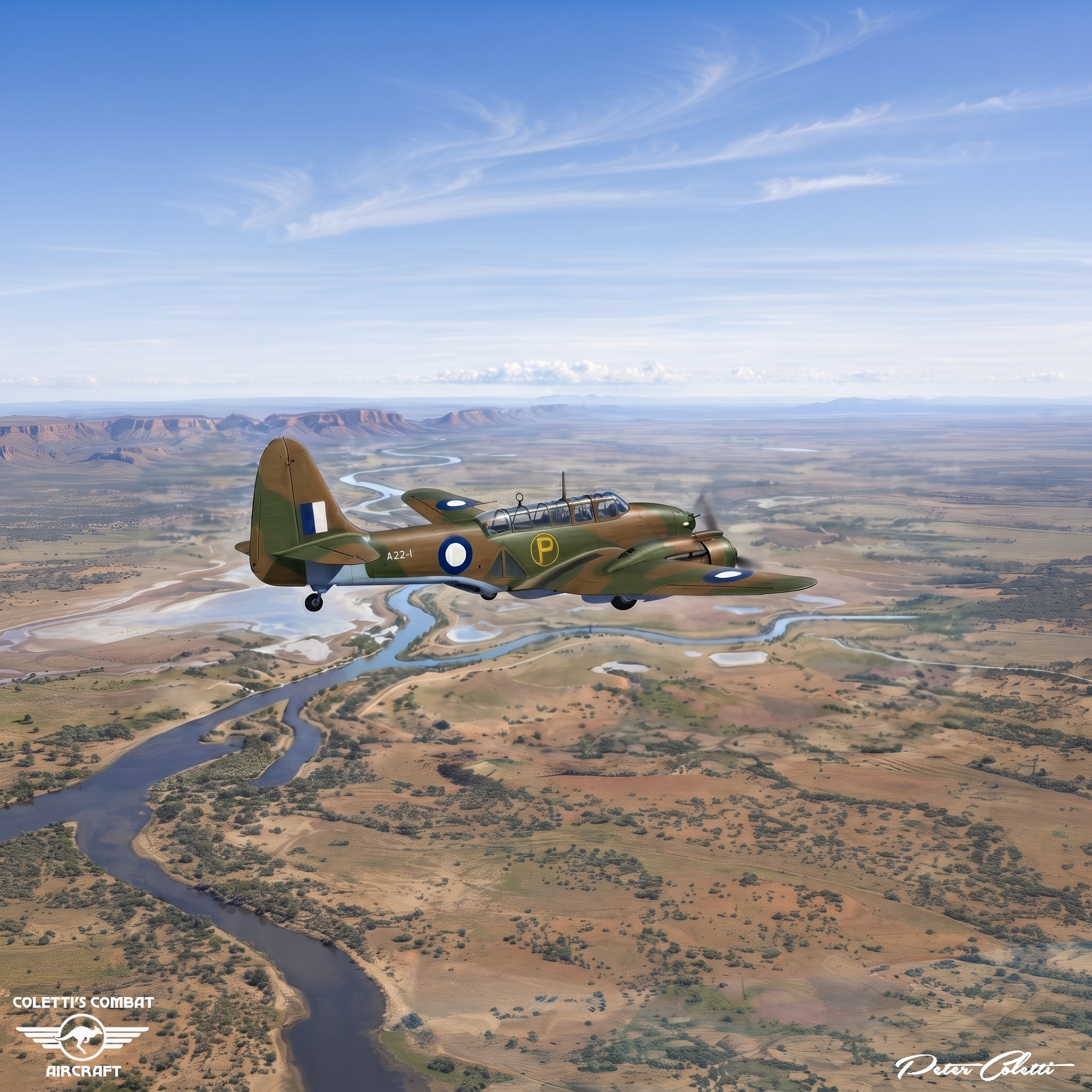
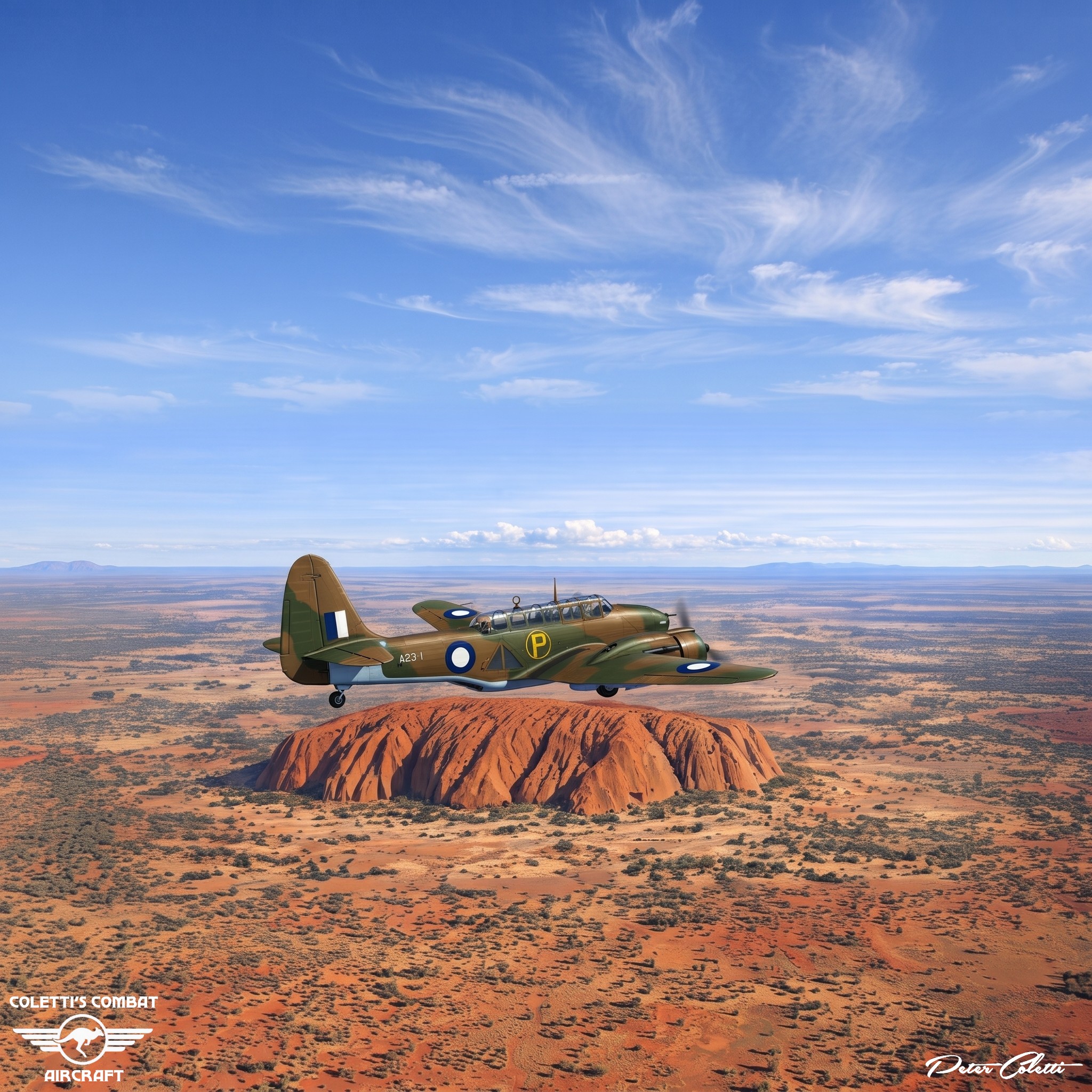
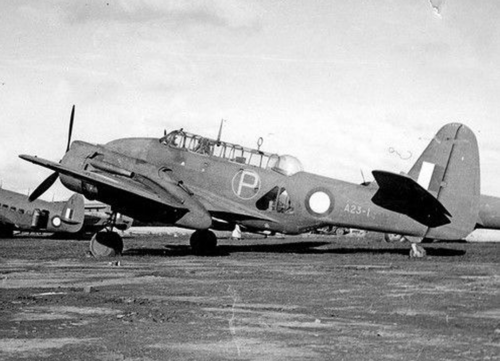
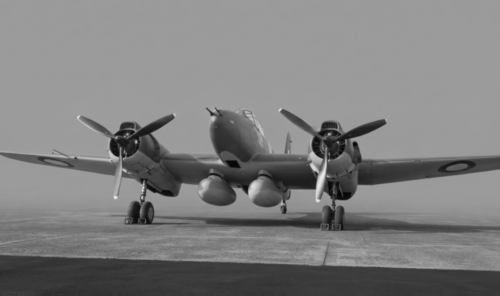
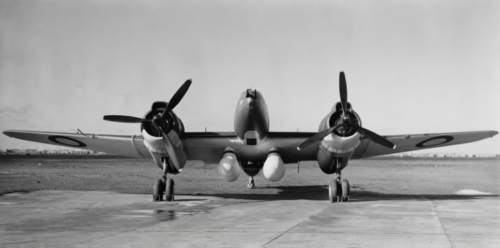
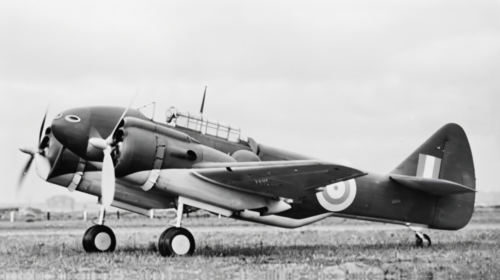
This project evolved into the aircraft family later known collectively as the CAC Woomera, comprising the CA‑4 prototype (often called the Wackett Bomber) and the refined CA‑11 Woomera.
Development history
CA‑4 Wackett Bomber
Initial concept and funding:
In mid‑1940, CAC received approval and funding to build a prototype of its twin‑engine strike bomber.
The design team under Wackett aimed to outperform the Beaufort by combining torpedo‑bomber capability with true dive‑bombing performance while keeping weight and complexity within the limits of Australian industry.
Prototype construction and first flight:
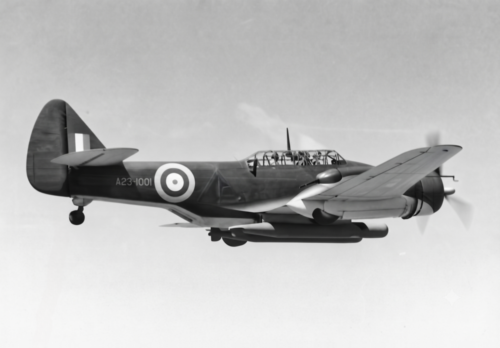
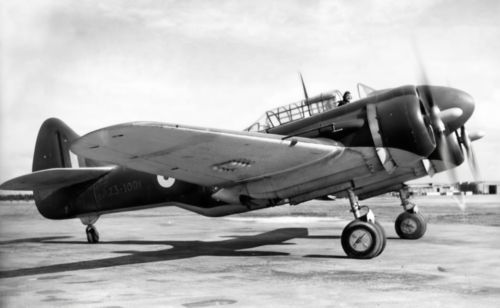
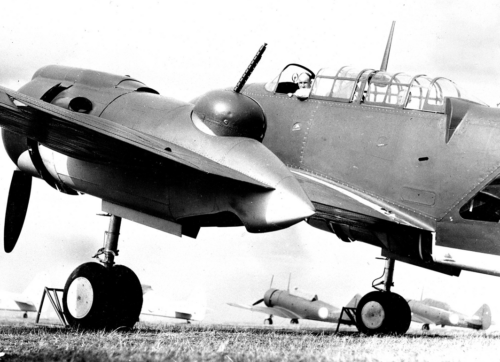
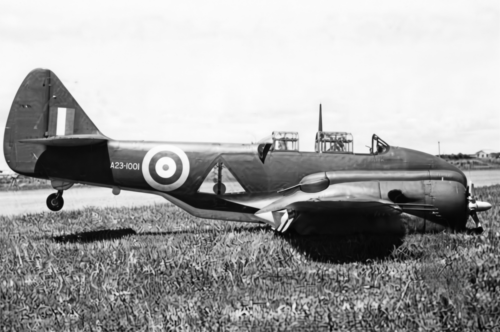
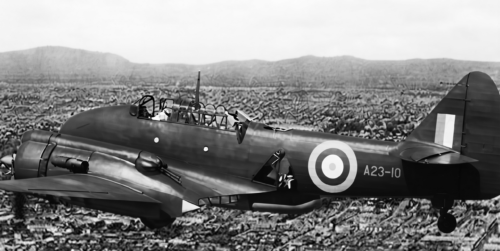
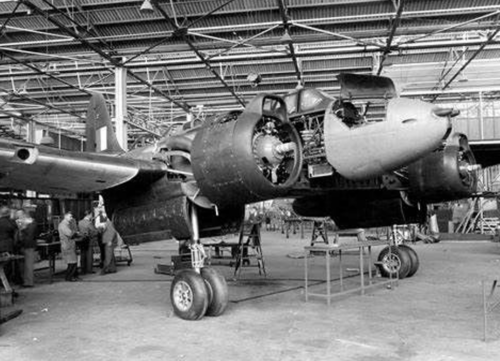
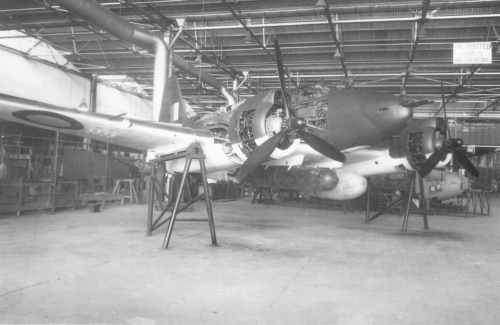
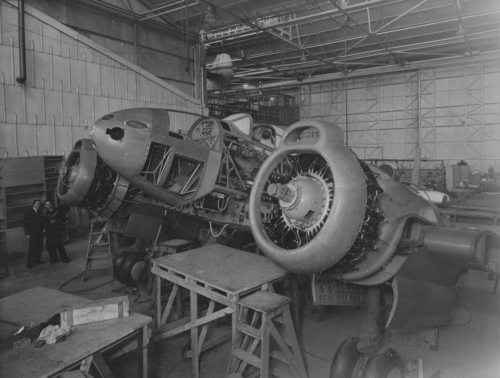
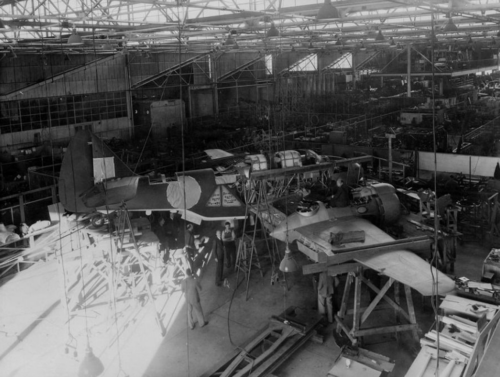
A full-scale mock-up of the CA‑4 was completed late in 1940, followed by the first prototype, serial A23‑1001.
Taxi trials began in September 1941, and the aircraft made its maiden flight on 19 September 1941 from CAC’s Fishermans Bend facility in Melbourne.
Performance and handling trials continued into 1942, and the aircraft was delivered to No. 1 Aircraft Depot at Laverton for further evaluation.
Early orders and expectations:
The Japanese entry into the war in December 1941 dramatically heightened Australia’s sense of vulnerability.
Before testing was fully complete, the RAAF accepted the basic concept and, in March 1942, placed an order for 105 production aircraft based on the CA‑4 design.
Production, however, was postponed to allow more testing and to prioritise other urgent CAC programmes such as the Wirraway trainer and Boomerang fighter.
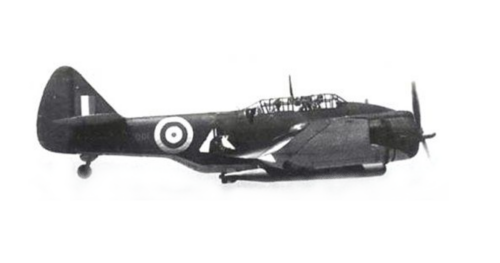
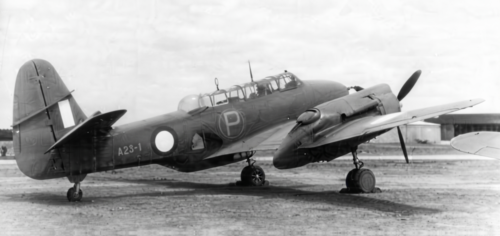
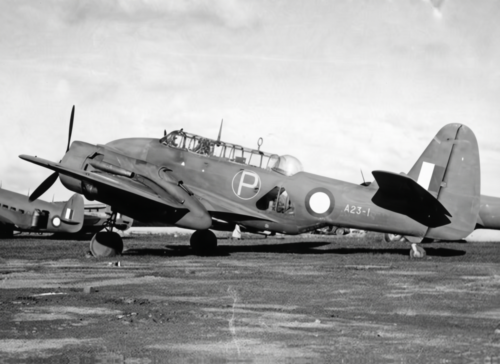
The 2nd prototype with the side triangular window covered over
Accident and programme setback:
On 15 January 1943, the CA‑4 prototype crashed during a test flight near Kilmore, Victoria, while engineers were assessing powerplant performance and aerodynamic effects of a modified leading‑edge slat.
Two of the three crew members were killed.
The loss of the only flying CA‑4 airframe was a serious blow, forcing CAC and the RAAF to reconsider the design and leading to a shift of focus towards an improved variant—the CA‑11.
CA‑11 Woomera
Redesign and refinement:
The CA‑11 was conceived as a more mature, production‑standard development of the CA‑4.
It retained the basic configuration—a twin‑engine, low‑wing monoplane with a crew of three—but incorporated structural, aerodynamic, and systems improvements, as well as more powerful engines and upgraded armament.
The name “Woomera” was formally applied to this version and to any future production aircraft, while the CA‑4 remained officially the Wackett Bomber.
Prototype delays:
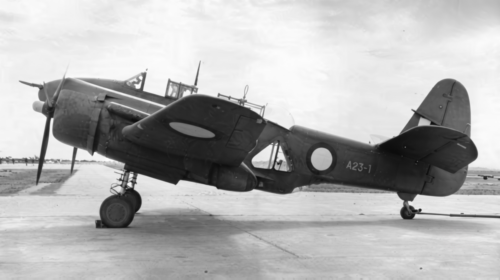
Although an initial order for 105 aircraft existed, resource constraints, competing priorities, and the need to resolve technical issues meant that the CA‑11 prototype (A23‑1) did not fly until June 1944.
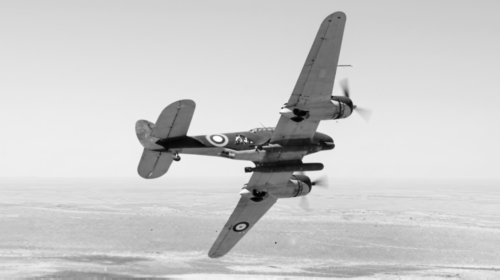
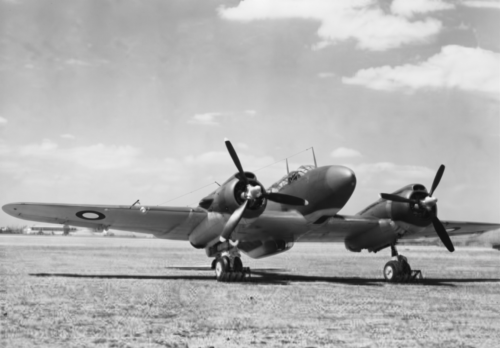
By then, the strategic situation had changed: Allied forces had access to large numbers of proven American and British bombers through Lend-Lease, and the Woomera’s design was beginning to look dated compared with types like the Bristol Beaufighter, North American B-25 Mitchell, and Douglas A-20 Havoc.
Cancellation:
The RAAF formally accepted the CA‑11 for evaluation in late 1944, but no full production followed.
With surplus Allied aircraft available and the war in the Pacific moving towards its conclusion, the order was progressively reduced and ultimately cancelled in early 1945.
Only two Woomera prototypes—one CA‑4 and one CA‑11—were completed and flown.
Design and technical features
Airframe and layout
Configuration:
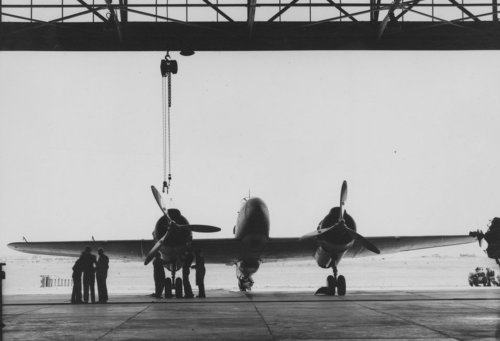
The Woomera was a low‑wing, twin‑engine monoplane with a streamlined fuselage and a crew of three: a pilot, a navigator/bomb‑aimer, and a wireless operator/gunner.
The structure used stressed‑skin construction, reflecting contemporary trends in medium bomber design.
Crew stations:
Pilot: Seated forward with primary flight controls and forward‑firing guns.
Navigator/bomb‑aimer: Positioned to operate the bombsight and navigation equipment, including a Mk IX Course Setting Bombsight in the CA‑4/CA‑11 concept.
Wireless operator/gunner: Responsible for communications and manning defensive armament, including a ventral gun position and remote‑controlled barbettes.
Powerplant
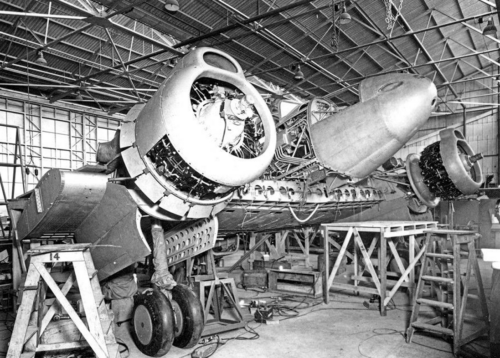
The CA‑4 prototype was powered by two Pratt & Whitney R‑1830 Twin Wasp radial engines of about 1,200 hp each.
For the CA‑11, CAC adopted upgraded Pratt & Whitney radials in the 1,300–1,350 hp class, built under licence in Australia, to improve speed, climb, and payload capability.
Fuel system and wing design
To save weight and simplify construction, Wackett dispensed with conventional self‑sealing fuel tanks.
Instead, the wing centre section was designed as a sealed cavity, effectively turning parts of the wing structure into integral fuel tanks.
Multiple fuel cells within this section fed the engines, giving the aircraft long range while avoiding the weight penalty of separate tank structures.
Armament and stores
Forward armament:
CA‑4: Four fixed .303‑inch machine guns in the nose.
CA‑11: Two .303‑inch machine guns plus two 20 mm Hispano cannon in the nose, significantly increasing striking power against surface and air targets.
Defensive armament:
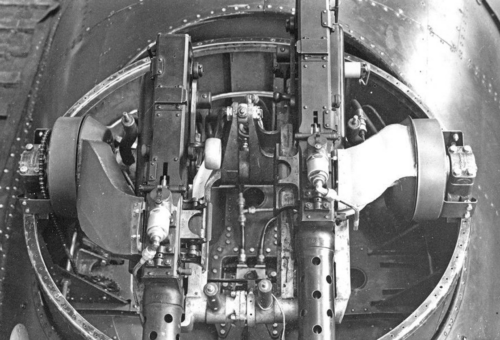
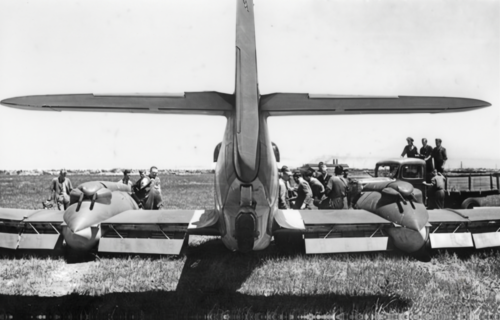
Remote‑controlled barbettes at the rear of each engine nacelle, each mounting twin .303‑inch Browning machine guns.
These hydraulically powered turrets were aimed from within the fuselage, an advanced concept for a light bomber.
A ventral gun position with a Vickers K machine gun to defend the lower rear hemisphere.
Bomb and torpedo carriage:
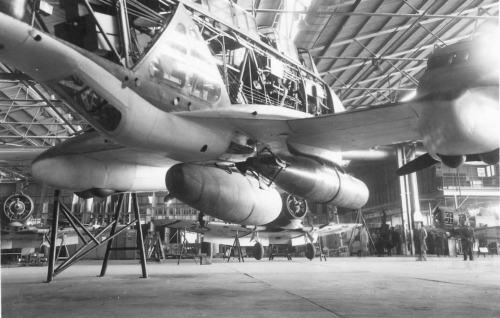
Bomb bays built into the engine nacelles, each capable of holding two 250 lb (113 kg) bombs.
Underwing racks for smaller 25 lb bombs on the outer wing panels.
Provision under the centre section for two 18‑inch aerial torpedoes or alternative loads, such as two 500 lb bombs or a large drop tank in place of one torpedo.
This arrangement allowed the Woomera to operate as a torpedo bomber, dive bomber, or general strike aircraft, with flexible combinations of bombs, torpedoes, and fuel tanks depending on mission profile.
Avionics and equipment
The aircraft incorporated a Sperry automatic pilot to reduce pilot workload on long maritime patrols and during bombing runs, along with contemporary navigation and bombing aids such as the Mk IX bombsight.
These systems reflected the RAAF’s desire for accurate, long‑range strike capability over oceanic distances.
Performance and handling
Quantitative performance (CA‑11)
From test and reference data for the CA‑11 Woomera:
Maximum speed (clean): about 454 km/h (282 mph)
Maximum speed with two torpedoes at 2,743 m (9,000 ft): about 438 km/h (272 mph)
Maximum speed at sea level: about 395 km/h (245 mph)
Cruising speed at 2,438 m (8,000 ft): about 364 km/h (226 mph)
Initial rate of climb: roughly 637 m/min (2,090 ft/min)
Service ceiling: around 6,800 m (22,300 ft)
Maximum range with two torpedoes: approximately 3,581 km (2,225 miles)
Weights were on the order of 6,400 kg empty and just over 10,000 kg loaded, placing the Woomera in the light‑to‑medium bomber category.
Qualitative handling and issues
Flight testing revealed a mix of promising traits and serious problems:
Strengths: Good speed for its class, long range with torpedo load, and heavy, flexible armament made the Woomera conceptually attractive as a maritime strike aircraft. Weaknesses: Reports noted engine overheating, structural vibration, and relatively weak control response in some regimes.
The integral wing fuel system raised concerns about vulnerability to battle damage, since the wing cavities lacked the self‑sealing properties of conventional tanks. The fatal CA‑4 crash underscored the need for structural and aerodynamic refinement, and although the CA‑11 addressed some issues, the aircraft never reached the level of maturity seen in contemporary Allied bombers that had the benefit of large‑scale operational experience.
Variants
CA‑4 Wackett Bomber
Role: Prototype three‑seat strike‑reconnaissance, dive‑bomber, and torpedo bomber.
Engines: Two Pratt & Whitney R‑1830 Twin Wasp radials (~1,200hp).
Armament: Four nose-mounted. 303 machine guns; remote‑controlled nacelle barbettes with twin .303s each, internal bomb bays in nacelles, underwing bomb racks, and torpedo capability under the centre section.
Status: One prototype (A23‑1001) built and flown; destroyed in a 1943 test accident.
Engines: Two more powerful Pratt & Whitney radials in the 1,300–1,350 hp range, built under licence.
Armament: Two 20 mm Hispano cannons and two .303 machine guns in the nose; a ventral Vickers K gun; twin .303s in each remote‑controlled nacelle barbette; a similar bomb and torpedo carriage to CA‑4 but with improved systems.
Status: One prototype (A23‑1) completed; first flight in 1944; evaluated but not ordered into production.
No further variants or production batches were built, and the Woomera programme ended with these two airframes.
World War II context and legacy
Strategic environment
When the Woomera was conceived, Australia faced the prospect of fighting a major war with limited industrial capacity and uncertain access to British aircraft.
A domestically designed strike bomber that could patrol vast ocean areas, attack shipping with torpedoes, and support land operations with dive‑bombing seemed highly desirable.
The Woomera was part of a broader push to create an indigenous aircraft industry, alongside types like the Wirraway and the Boomerang.
Changing fortunes
By the time the CA‑11 flew in 1944, the strategic picture had shifted dramatically:
The RAAF was receiving large numbers of proven American and British bombers and strike aircraft through Lend‑Lease and other arrangements.
Aircraft such as the Beaufighter, B‑25 Mitchell, and A‑20 Havoc offered mature, combat‑tested capabilities with established logistics and training pipelines.
The Woomera, still in prototype refinement, could not compete with these fully developed platforms in terms of readiness, support, and risk.
In this environment, continuing to invest in a complex indigenous bomber with unresolved technical issues made little sense.
The RAAF’s needs were already being met, and the war’s end was approaching.
Assessment and significance
Although it never entered service, the CAC Woomera is historically significant for several reasons:
Industrial ambition: It represents a bold attempt by Australian industry to design and build a sophisticated multirole strike aircraft at a time of intense global pressure and limited local experience.
Technical innovation: Features such as integral wing fuel tanks, remote‑controlled defensive barbettes, and a heavy mixed gun/torpedo armament show that CAC was willing to push beyond conservative designs.
Lessons learned: The programme highlighted the challenges of developing complex combat aircraft in wartime—balancing innovation, safety, and production realities—and helped shape later Australian thinking about when to rely on domestic designs versus imported types.