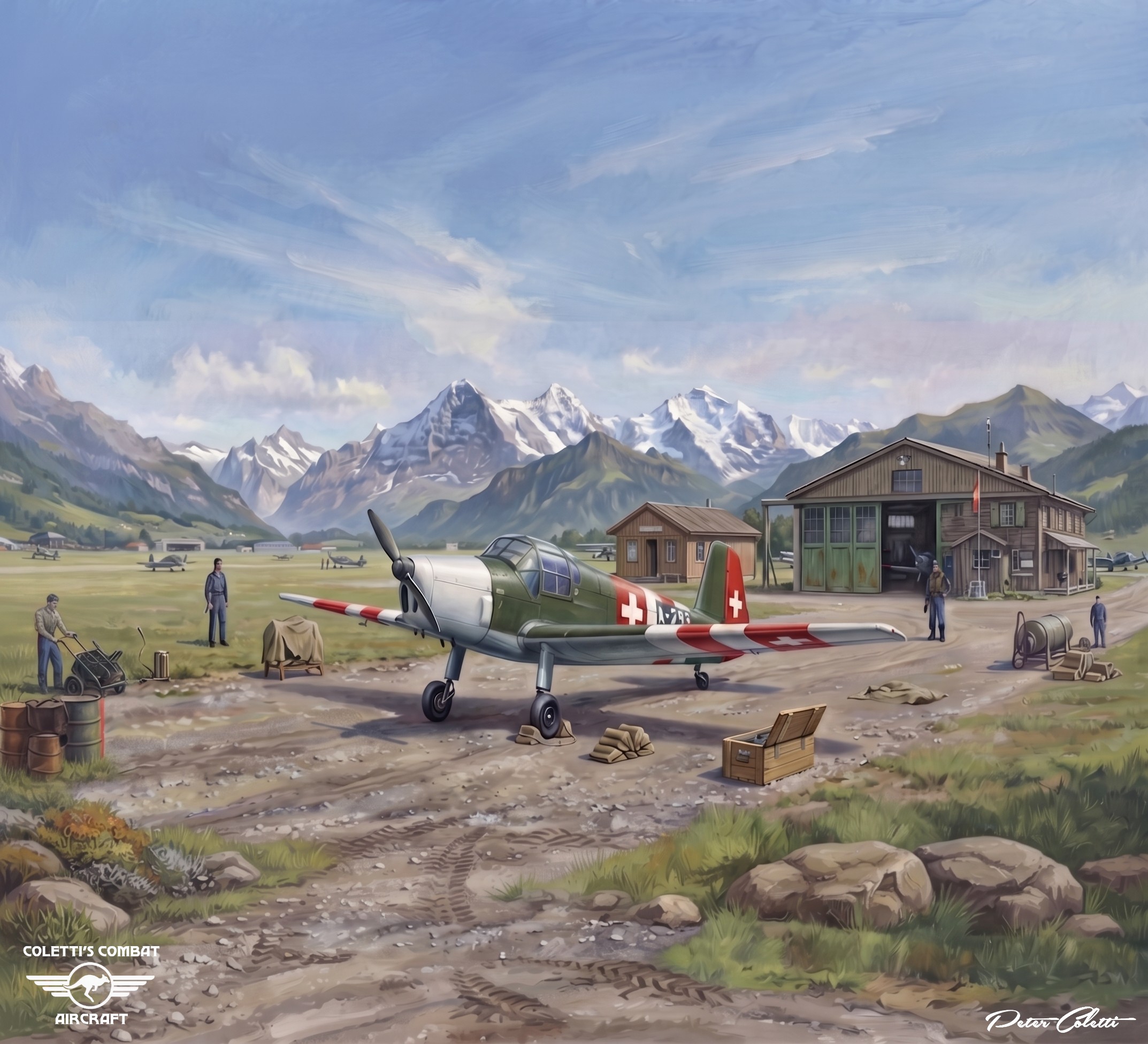
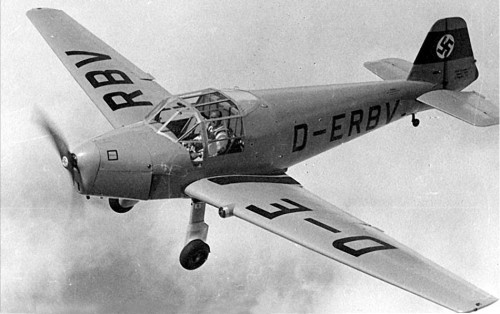
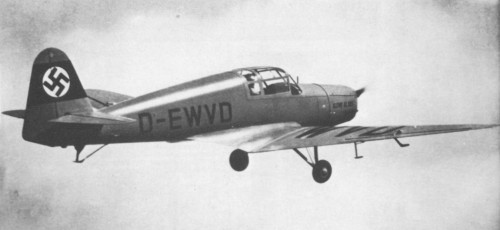
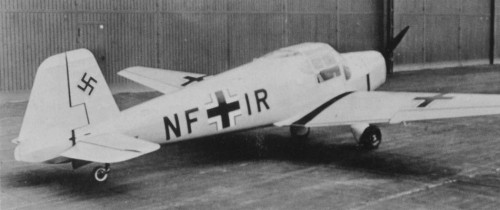
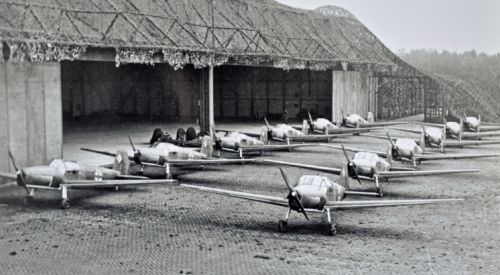
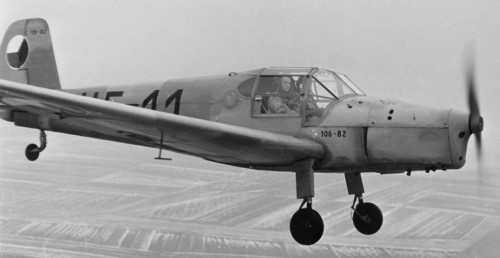
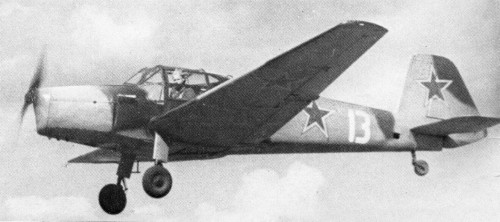
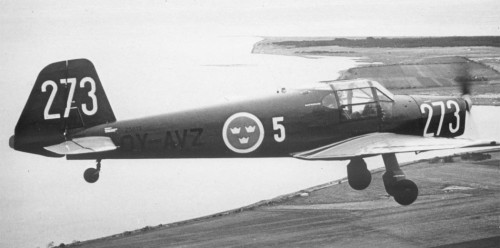
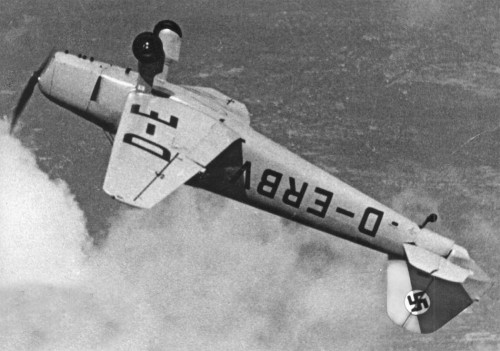
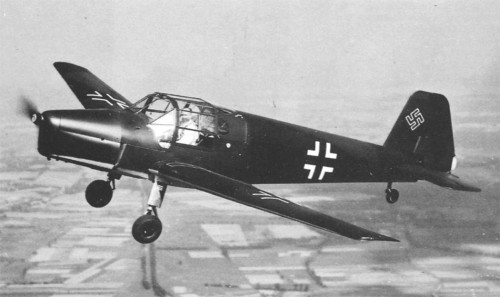
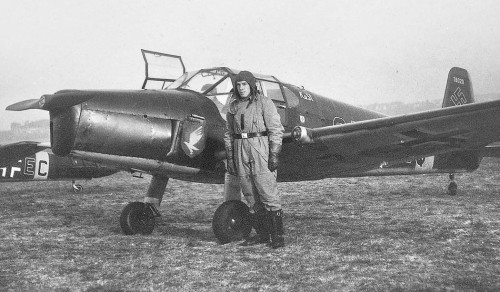
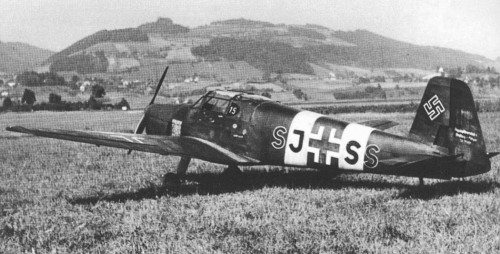
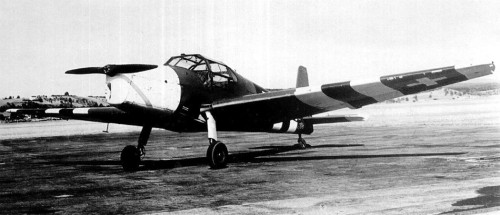
The Bücker Bü 181 Bestmann emerged from the German aviation industry’s need for a modern, economical, and versatile primary trainer during the late 1930s.
Bücker Flugzeugbau, already known for the successful Bü 131 Jungmann and Bü 133 Jungmeister, sought to create a more advanced aircraft that could bridge the gap between basic aerobatic trainers and operational military aircraft.
Designed by Swedish engineer Anders J. Anderson, the Bü 181 was conceived as a two‑seat, low‑wing monoplane with side‑by‑side seating—an arrangement that improved communication between instructor and student compared to the tandem layout of earlier Bücker designs.
The prototype flew in early 1939, demonstrating excellent handling, benign stall characteristics, and a rugged simplicity that made it ideal for mass production.
The Luftwaffe quickly adopted the aircraft as its standard elementary trainer, and production expanded not only within Germany but also under licence in several occupied or allied countries during the Second World War.
Design Characteristics
Airframe and Construction
The Bü 181 employed a mixed construction typical of late‑1930s light aircraft:
Fuselage: Welded steel‑tube frame with fabric covering aft of the cockpit; forward fuselage skinned in plywood for strength and durability.
Wings: Wooden, single‑spar wings with plywood skin and fabric‑covered control surfaces.
Tail Unit: Wooden construction with fabric covering, designed for easy repair and replacement.
This combination allowed rapid production, straightforward field maintenance, and resilience under training conditions.
Cockpit and Controls
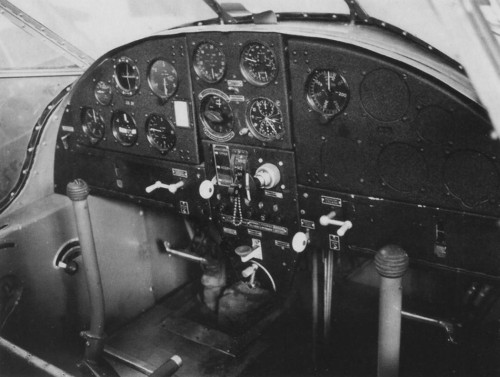
The side‑by‑side cockpit was one of the aircraft’s defining features.
It included:
Dual flight controls for instructor and student.
Excellent visibility due to the low‑wing layout and large canopy.
Simple instrumentation suitable for basic flight training, navigation, and limited aerobatics.
The canopy design evolved during production, with later variants featuring improved framing and emergency jettison capability.
Landing Gear
The Bü 181 used a fixed, wide‑track tailwheel undercarriage, providing stability during ground handling and forgiving behaviour for novice pilots.
Shock absorption was via rubber cords, and the gear was designed to withstand repeated hard landings typical of training aircraft.
Powerplant
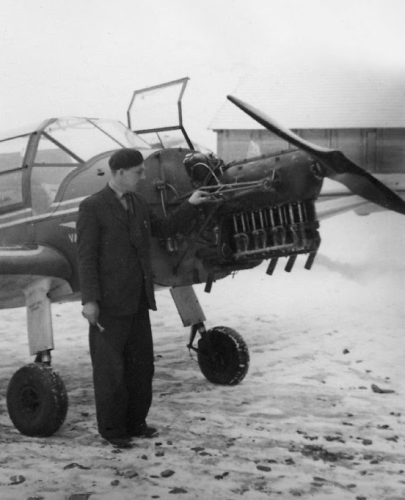
The aircraft was powered by small, reliable inline engines:
Hirth HM 500-series engines were most common, producing around 105–120 hp depending on the variant.
These air‑cooled, four‑cylinder engines offered good fuel economy and easy maintenance.
Flight Performance
The Bestmann was praised for its predictable handling and forgiving nature:
Maximum speed: ~200 km/h (125 mph)
Cruise speed: ~175 km/h (109 mph)
Range: ~500 km (310 miles)
Service ceiling: ~4,000 m (13,000 ft)
Its performance was modest but entirely adequate for its training role.
The aircraft could perform basic aerobatics, stalls, spins, and navigation exercises, making it a comprehensive elementary trainer.
Operational Use and WWII Context
Role in the Luftwaffe
The Bü 181 became one of the Luftwaffe’s most widely used training aircraft.
It served in:
Elementary flight schools
Glider pilot training units
Navigation and liaison roles
Communications flights
Its reliability and ease of handling made it a favourite among instructors.
Thousands of German pilots began their flying careers in the Bestmann.
Wartime Adaptations
As Germany’s situation deteriorated late in the war, the Bü 181 was pressed into improvised combat roles:
Some aircraft were fitted with panzerfaust anti‑tank weapons for desperate low‑level attacks during the final battles of 1945.
Others served as liaison aircraft for frontline units, carrying messages or performing light transport duties.
These adaptations were never part of the original design intent and were largely symbolic of Germany’s collapsing military situation.
Production Outside Germany
The Bü 181 was produced under licence in several countries:
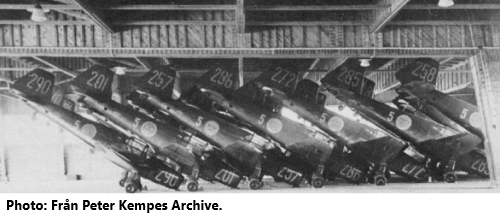
Sweden: Saab built the aircraft as the Sk 25, using it as a primary trainer well into the postwar era.
Czechoslovakia: Postwar production continued as the Zlín Z‑181/Z‑381 series.
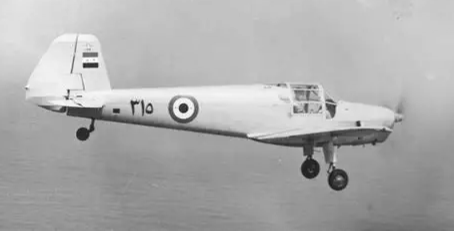
Egypt: Built locally as the Gomhouria, serving into the 1960s.
This widespread production underscores the aircraft’s sound design and enduring utility.
Variants
Bü 181 A‑1
Early production model.
Powered by the Hirth HM 500 engine (~105 hp).
Basic trainer configuration.
Bü 181 B‑1
Improved version with structural refinements.
Slightly more powerful HM 500 engine variants.
Minor cockpit and canopy improvements.
Bü 181 C‑1
Strengthened airframe.
Enhanced canopy design.
Better suited for rough‑field operations and heavier training loads.
Bü 181 D‑1
Final wartime variant.
Further structural strengthening.
Often used in liaison and utility roles.
Postwar Derivatives
Saab Sk 25 (Sweden)
Zlín Z‑181/Z‑381 (Czechoslovakia)
Gomhouria (Egypt) These versions often incorporated local engines, updated avionics, and modified airframes.
Legacy
The Bücker Bü 181 Bestmann stands as one of the most important European training aircraft of the Second World War.
Its combination of simplicity, reliability, and excellent handling made it a cornerstone of Luftwaffe pilot training.
Postwar production and long service life in multiple countries attest to the robustness of its design.
Today, surviving examples are prized by collectors and museums, representing both the technical ingenuity of Bücker Flugzeugbau and the pivotal role of trainer aircraft in shaping wartime aviation.