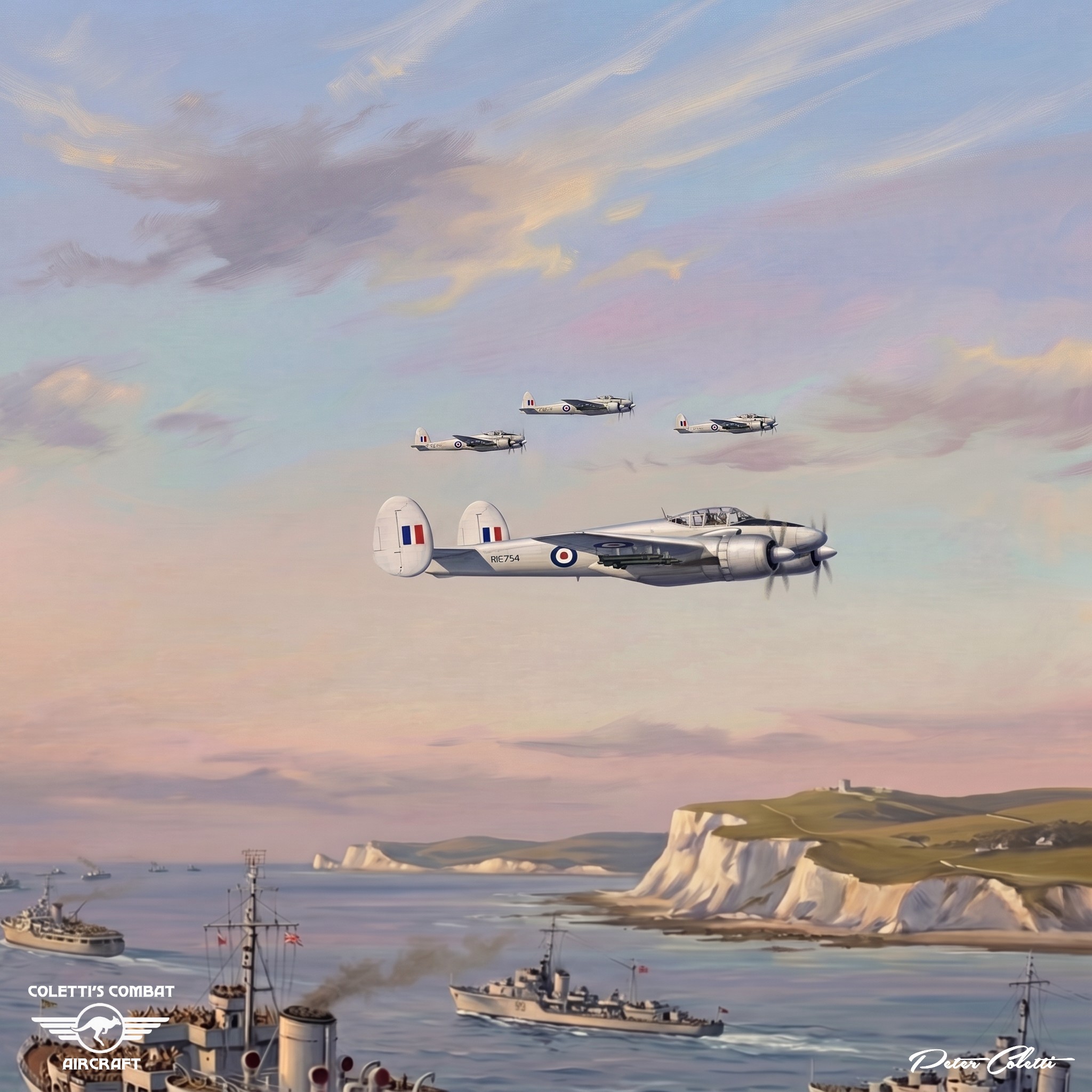
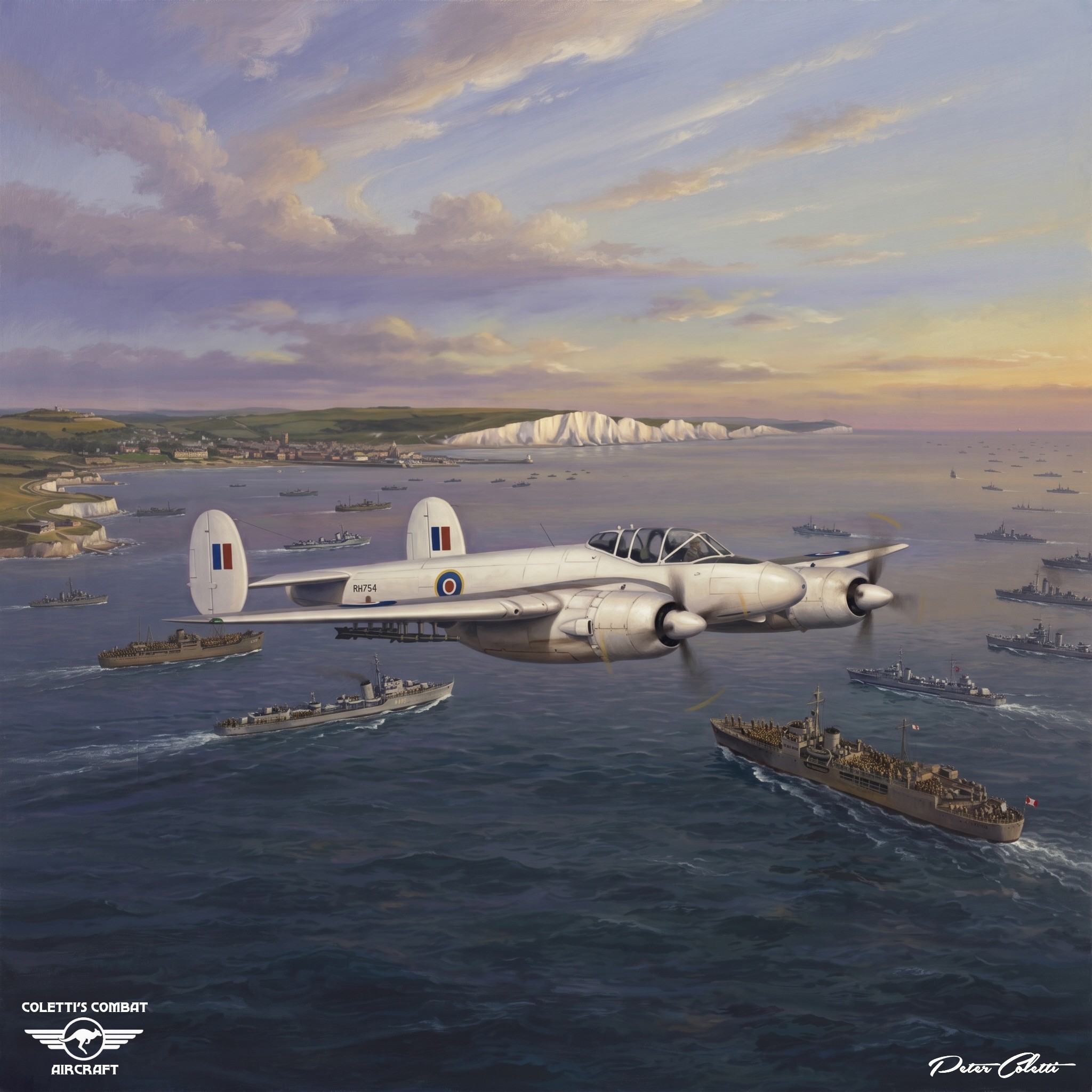
The Bristol Brigand emerged from a late‑war British requirement for a fast, long‑range strike aircraft capable of replacing the ageing Bristol Beaufighter in anti‑shipping, ground‑attack, and general strike roles.
By 1943–44, the Royal Air Force understood that the Beaufighter—though formidable—was reaching the limits of its development potential.
The Air Ministry wanted a successor that retained the Beaufighter’s ruggedness and heavy armament but offered higher speed, improved handling, and modern systems suitable for post‑war operations in the Far East.
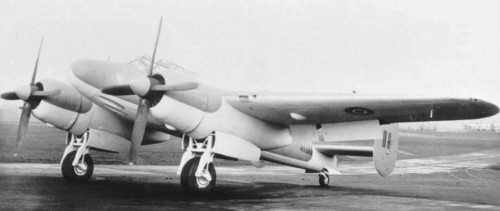
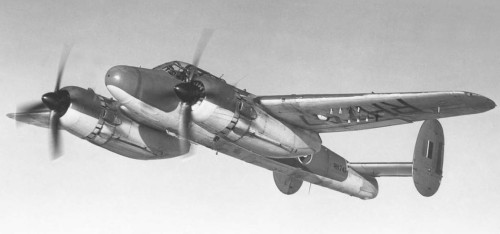
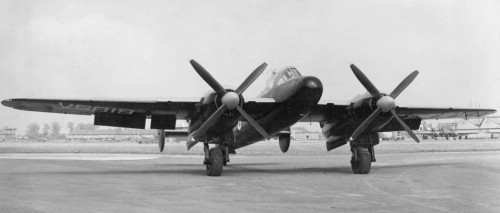
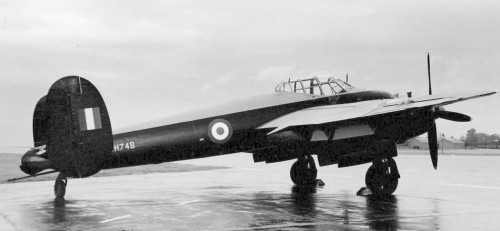
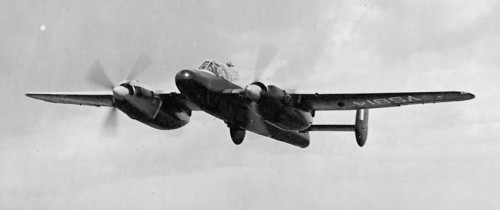
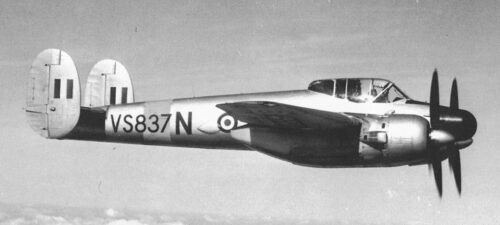
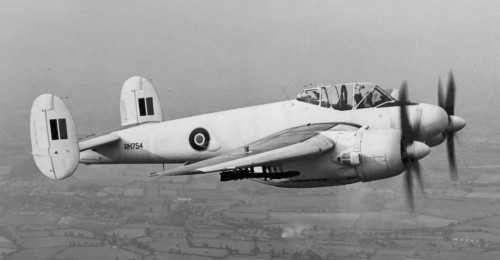
Bristol Brigand Prototype 1
Bristol Aeroplane Company responded with a design that combined wartime lessons with peacetime ambitions.
The project was initially designated the Type 164, conceived as a twin‑engine strike aircraft using Bristol’s powerful Centaurus radial engines.
The Brigand was intended to be operational before the end of the Second World War, but delays in development, shifting priorities, and the war’s rapid conclusion meant that the aircraft did not fly until December 1944 and did not enter service until after the war.
Although it missed combat in Europe, the Brigand became one of the RAF’s principal strike aircraft in the immediate post‑war years, particularly in colonial conflicts where its heavy armament and long range were valuable.
Bristol Brigand Prototype 1
Design Philosophy and Airframe Characteristics
General Configuration
The Brigand was a twin‑engine, mid‑wing monoplane built around a robust, all‑metal structure.
Bristol’s designers aimed for a clean aerodynamic form that would deliver high speed at low altitude—essential for anti-shipping strikes and ground-attack missions.
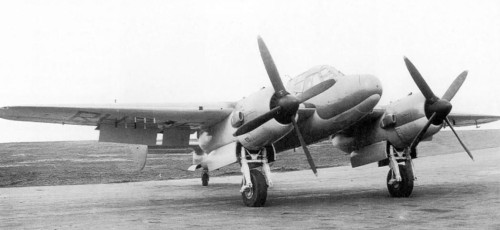
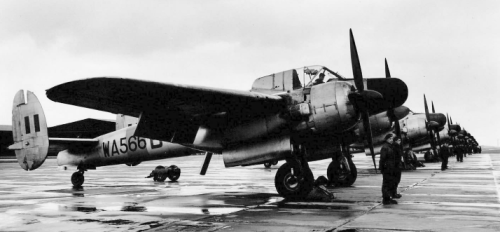
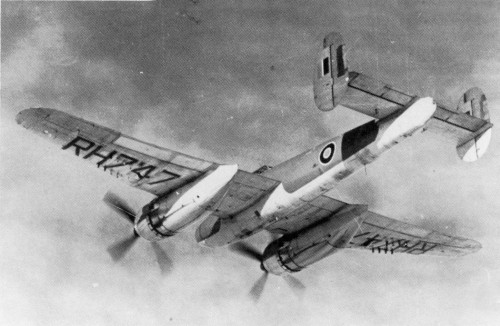
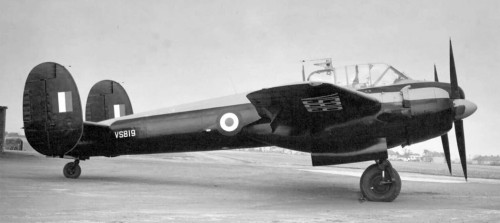
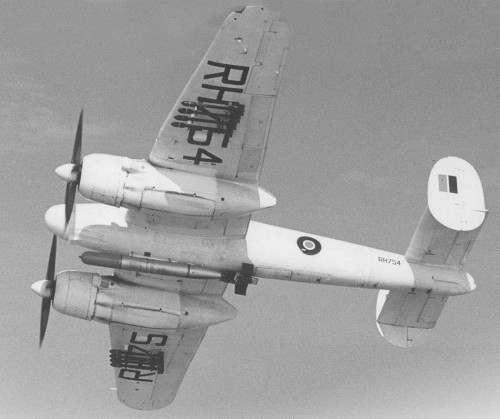
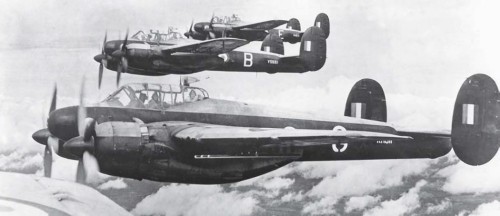
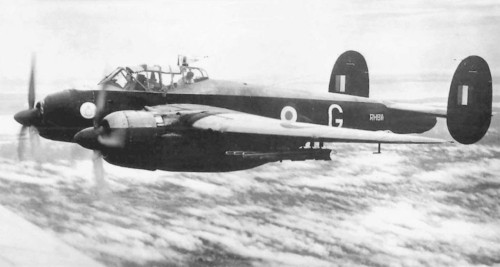
Bristol Brigand TF.1
Key design features included the following:
A slender fuselage with a three‑man crew: pilot, navigator/radio operator, and observer/gunner depending on mission.
A mid‑mounted wing with moderate taper and dihedral, optimised for stability and low‑level performance.
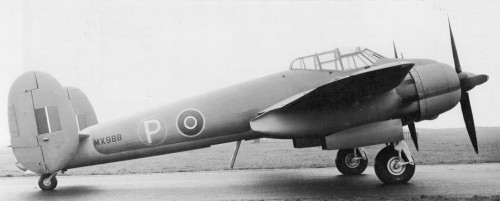
A twin‑fin tail in early prototypes, later replaced by a single large fin and rudder for improved control.
A retractable tricycle landing gear, a modern feature compared to the tailwheel Beaufighter.
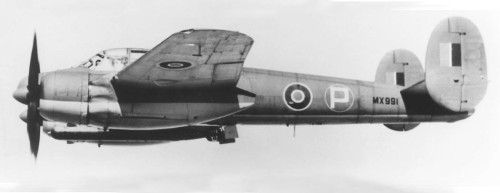
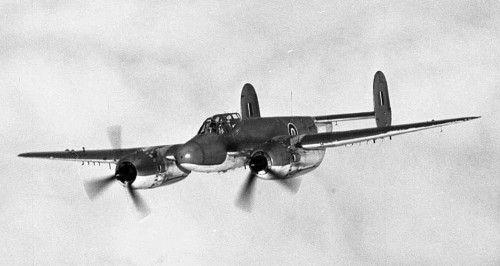
Bristol Brigand Prototype 2
Powerplant
The Brigand was powered by two Bristol Centaurus 57 sleeve-valve radial engines, each producing around 2,520 hp.
These engines were among the most advanced piston engines of the era, offering an excellent power‑to‑weight ratio and reliability when properly maintained.
The Centaurus engines drove four‑blade constant‑speed propellers, giving the Brigand strong acceleration and good performance at low altitude.
Bristol Brigand TF.1
Armament
The brigand’s armament reflected its strike-aircraft role:
Four 20 mm A A Hispano cannons are mounted in the nose, providing concentrated forward firepower.
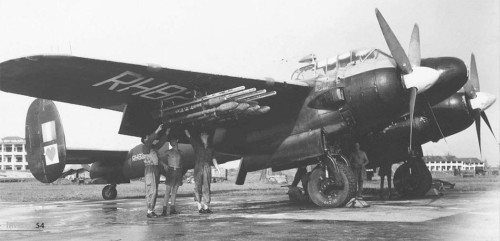
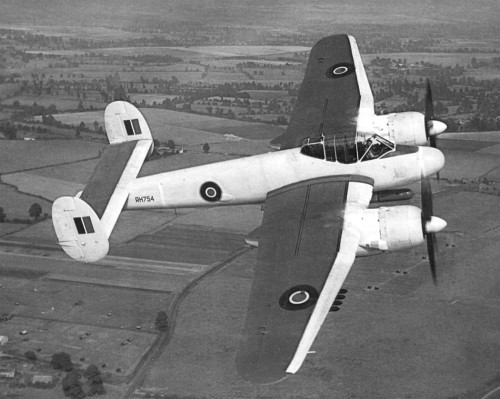
Bristol Brigand B.1
A ventral bomb bay capable of carrying:
Up to 2,000 lb of bombs,
Depth charges,
Or specialised anti‑shipping ordnance.
Underwing hardpoints for rockets or additional bombs.
This combination made the Brigand a formidable attacker against ships, vehicles, and fortified positions.
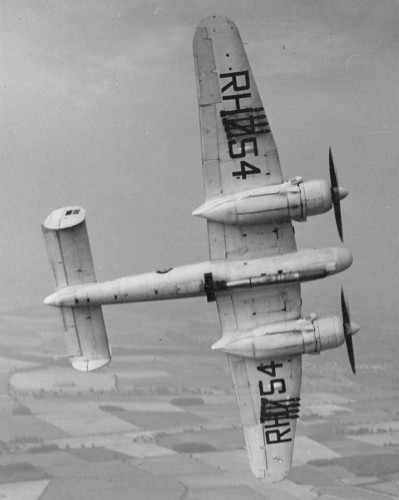
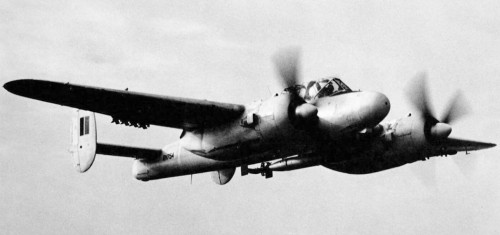
Bristol Brigand T.5
Crew and Systems
The brigand’s cockpit was laid out for efficient operation by a pilot and navigator.
Bristol Brigand MET.3
The aircraft featured:
Modern radio and navigation equipment for long‑range missions.
Provision for radar in certain variants.
Armoured protection for crew and vital systems.
Although the Brigand was designed with wartime urgency, its systems reflected the RAF’s shift towards more sophisticated post‑war strike operations.
Bristol Brigand TF.1
Performance Characteristics
The Brigand’s performance placed it among the fastest piston‑engine strike aircraft of its era.
Typical performance figures:
Maximum speed: ~350–360 mph (560–580 km/h)
Cruising speed: ~250 mph (400 km/h)
Range: ~1,500 miles (2,400 km) depending on load
Service ceiling: ~25,000 ft (7,600 m)
Bristol Brigand TF.1
Its combination of speed, range, and firepower made it well suited for long‑distance maritime patrols and rapid strike missions.
However, the brigand also suffered from several technical issues, including structural fatigue, undercarriage failures, and problems with cannon recoil affecting the airframe.
These issues limited its operational lifespan and contributed to its relatively short service career.
Bristol Brigand B.1
Variants
The Brigand family included several variants tailored to different roles:
Brigand B.1
The primary production version, designed as a strike aircraft.
It carried the full cannon armament and bomb load and was used extensively in the early post‑war period.
Brigand TF.1
A torpedo‑fighter variant intended for anti‑shipping missions.
It featured modifications to carry torpedoes and maritime ordnance.
Only limited numbers were produced.
Brigand MET.3
A meteorological reconnaissance variant used for weather research and atmospheric sampling.
It removed most armament and added specialised instrumentation.
Brigand T.4
A trainer version is used to prepare crews for Brigand operations.
It featured dual controls and simplified systems.
Bristol Brigand TF.1
Operational History and Post‑War Context
Although conceived during the Second World War, the Brigand’s operational life unfolded entirely in the postwar era.
The RAF deployed Brigands primarily in the Middle East and Asia, where colonial conflicts demanded rugged strike aircraft capable of long‑range missions.
Bristol Brigand B.1
Malayan Emergency (1948–1960)
The Brigand saw its most significant combat during the Malayan Emergency, where it conducted the following:
Ground‑attack missions against insurgent camps,
Strafing runs,
Bombing operations in dense jungle terrain.
Its heavy cannon and bomb load made it effective, but the aircraft’s mechanical issues—particularly cannon‑related structural failures—led to several accidents.
These problems accelerated its retirement.
Bristol Brigand TF.1
Other Deployments
Brigands also served in:
The Middle East for general strike duties,
Training units in the UK,
Meteorological flights.
By the early 1950s, jet aircraft and more modern piston‑engine designs were replacing the Brigand.
The type was withdrawn from frontline service by the mid‑1950s.
Bristol Brigand B.1
Assessment and Legacy
The Bristol Brigand occupies a unique place in British aviation history.
Bristol Brigand B.1
It represents:
The final generation of heavy piston‑engine strike aircraft,
A transitional design between wartime urgency and post‑war modernisation,
A capable but troubled aircraft whose potential was limited by technical issues.
Although it never fought in the Second World War, the Brigand’s design philosophy was shaped entirely by wartime experience.
Bristol Brigand TF.1
Its operational use in the Malayan Emergency demonstrated both its strengths—speed, firepower, and range—and its weaknesses, particularly structural reliability.
In retrospect, the Brigand stands as a symbol of the RAF’s attempt to extend piston‑engine strike capability into the jet age.
It was a powerful aircraft, but one overtaken by rapid technological change.