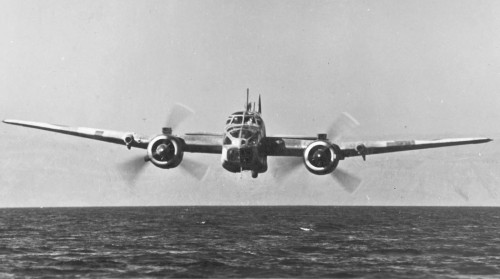
The Bristol Beaufort emerged from Britain’s urgent mid‑1930s effort to modernise its air forces for maritime defence.
As an island nation dependent on sea lanes, Britain needed aircraft capable of torpedo attack, maritime reconnaissance, and coastal bombing.
Two Air Ministry specifications—M.15/35 for a land‑based torpedo bomber and G.24/35 for a four‑seat general reconnaissance bomber—were issued in 1935 to replace ageing types such as the Vickers Wildebeest and Avro Anson.
Only three firms responded seriously: Avro, Blackburn, and Bristol.
Bristol, having recently developed the Blenheim, proposed derivative designs that evolved into the Beaufort.
Early concepts—Types 149, 150, and 152—incrementally enlarged the Blenheim’s fuselage, rearranged crew positions, and adapted the bomb bay for torpedoes.
By 1936, the Air Ministry approved Bristol’s unified solution under Specification 10/36, requiring a four‑man crew and accepting a semi‑recessed torpedo installation.
The resulting aircraft was named Beaufort, with permission from the Duke of Beaufort.
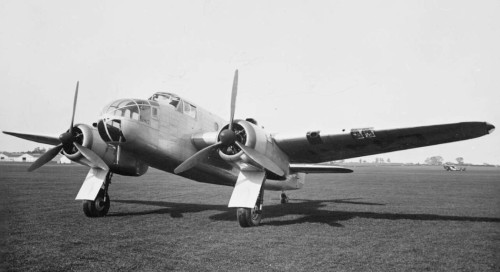
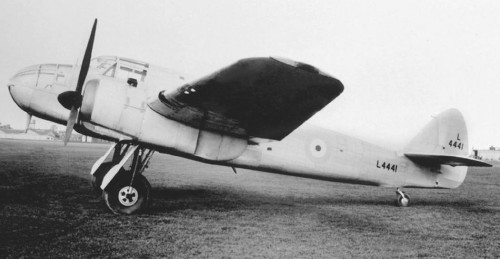
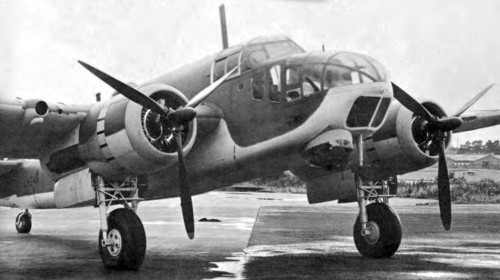
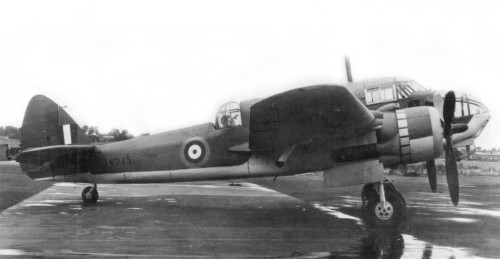
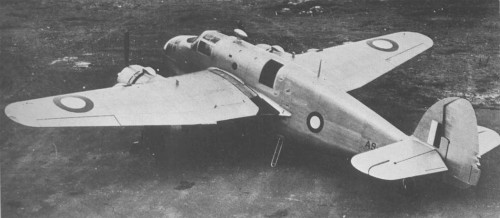
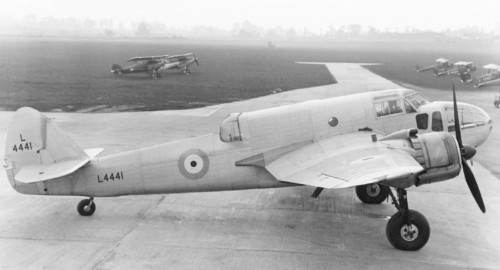
Bristol Beaufort Prototype 1
Design and Construction
Airframe and Layout
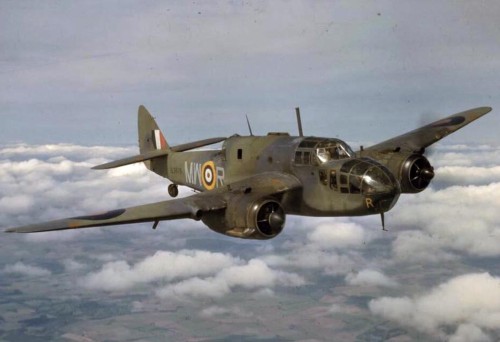
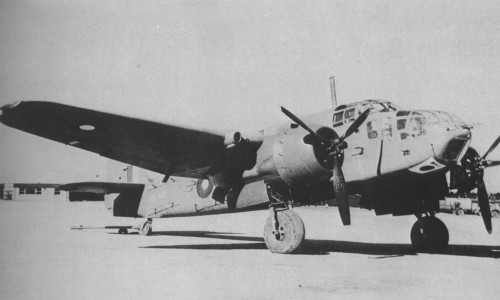
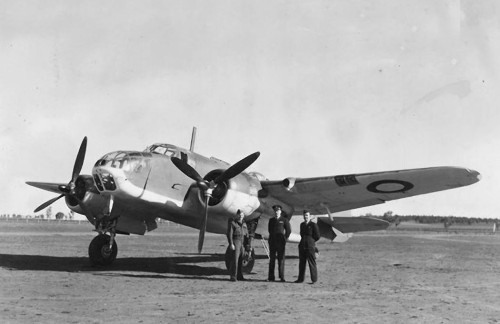
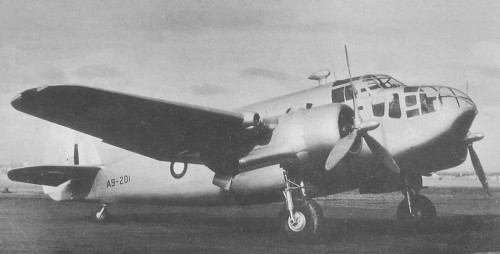
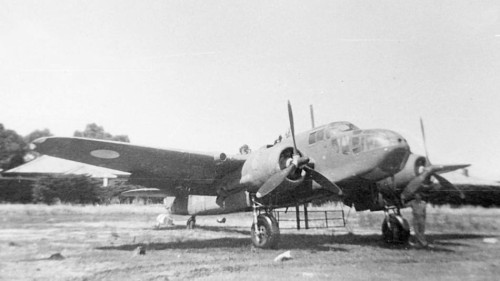
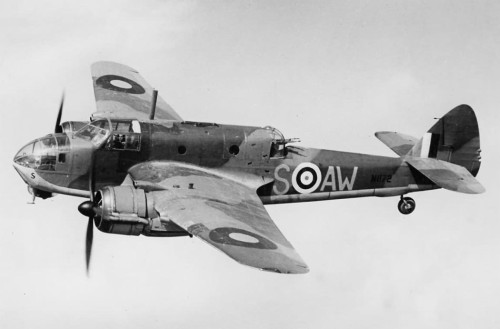
The Beaufort retained the Blenheim’s wing, tail, and much of its structural philosophy but featured a new, deeper fuselage with a raised cockpit roofline extending to the turret – its most distinctive visual change.
This allowed the pilot to sit above the bomb bay and provided space behind him for the wireless operator.
Bristol Beaufort Prototype 1
The crew of four consisted of:
Pilot
Navigator/Bomb‑aimer in the nose
Wireless operator/gunner
Dorsal gunner
The airframe was all‑metal, except for fabric‑covered control surfaces.
Bristol adopted a modular construction approach, producing small subassemblies that could be manufactured by subcontractors—an important factor in later Australian production.
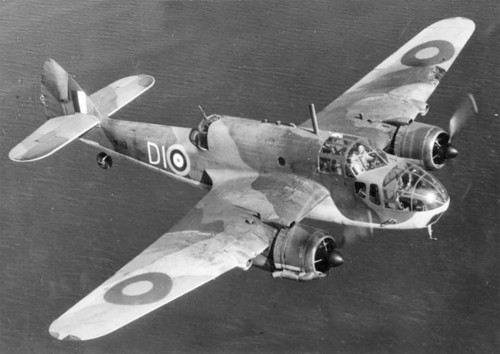
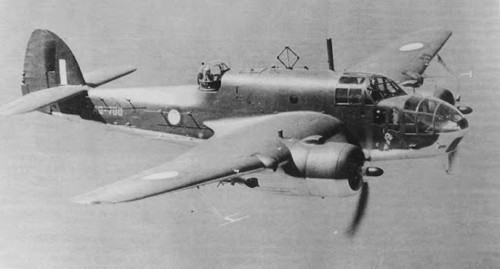
Bristol Beaufort Mk.I
Powerplant Challenges
The Beaufort was originally intended to use Bristol Perseus engines, but performance calculations showed they were inadequate for the aircraft’s increasing weight.
Bristol proposed the new Taurus two‑row radial, rated initially at 1,150 hp, but the engine was immature and suffered chronic overheating and reliability problems throughout early service.
The first production aircraft flew in October 1938, but engine cooling issues forced Bristol to abandon the streamlined Fadden cowlings in favour of conventional ring‑shutter cowlings.
Bristol Beaufort Mk.I
Armament and Equipment
Early Beauforts carried:
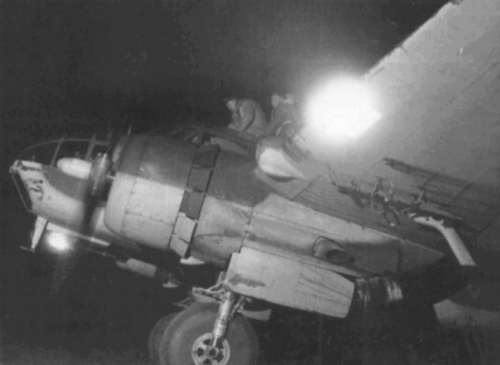
One fixed forward firing. 303 Browning in the port wing
A dorsal turret (Bristol B.I Mk I or IE) typically armed with a single Vickers K or later twin Browning’s
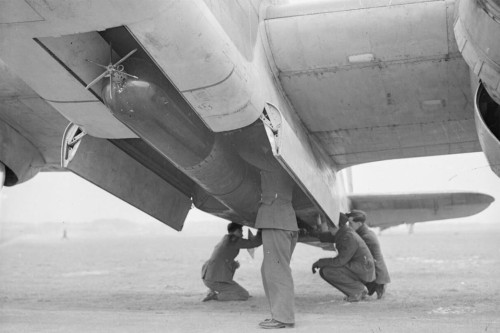
Internal bomb load of up to 908 kg, including 113 kg, 227 kg, or 681 kg mines
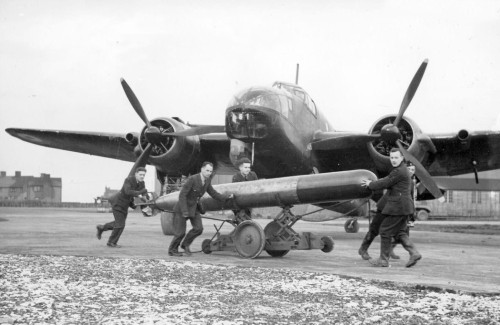
Provision for the 18‑inch Mk XII torpedo, the Beaufort’s signature weapon
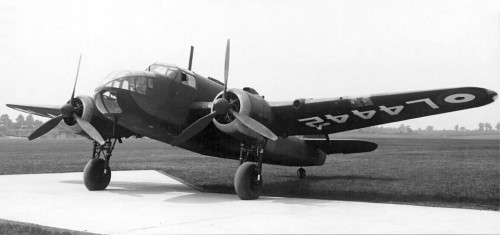
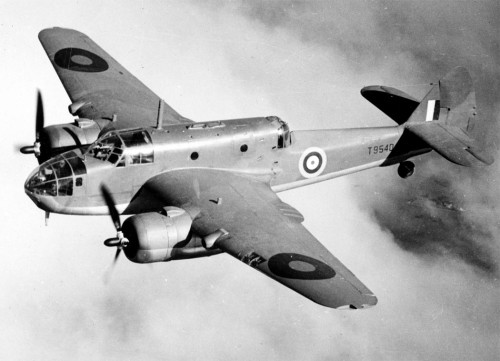
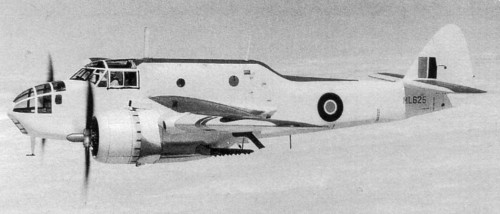
Bristol Beaufort Mk.II
Later aircraft added:
A second wing, Browning
Optional twin Vickers guns in the nose for the navigator/bomb‑aimer
Beam guns for the wireless operator
ASV Mk II radar aerials under the nose and wings
Handling and Flight Characteristics
The Beaufort was heavy, and its Taurus engines provided only marginal power.
Pilots found it:
Difficult on take-off, with a tendency to swing
Nearly incapable of maintaining altitude on one engine—an enduring hazard
Unstable as a high-altitude bombing platform, though acceptable at a low level
Despite these flaws, the Beaufort became the RAF’s primary torpedo bomber in 1940–42.
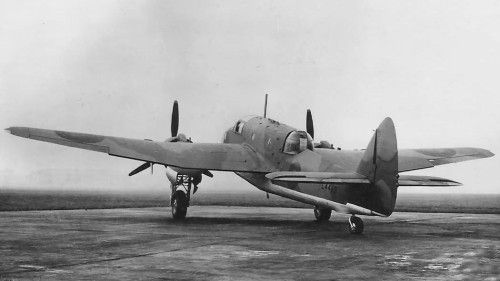
Bristol Beaufort Prototype 2
Production
United Kingdom
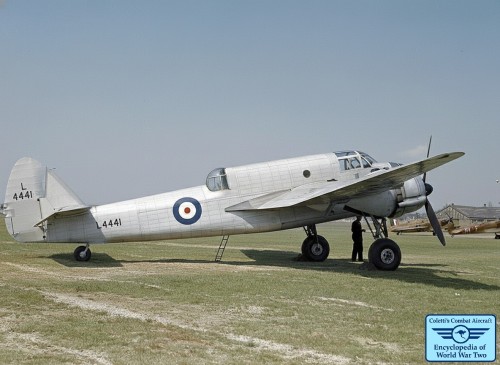
The initial order of 78 aircraft (L4441–L4518) was placed in 1936.
Production expanded rapidly, reaching a peak of 30 aircraft per month, a record for British bombers of the era.
Total UK production reached 1,429 Beauforts by late 1944.
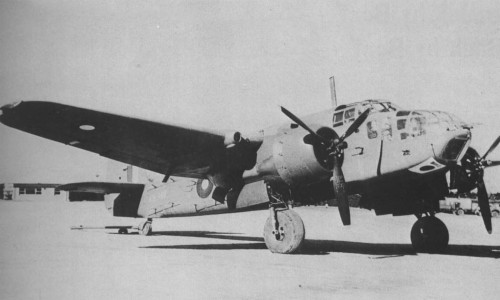
Bristol Beaufort Mk.VII
Australia
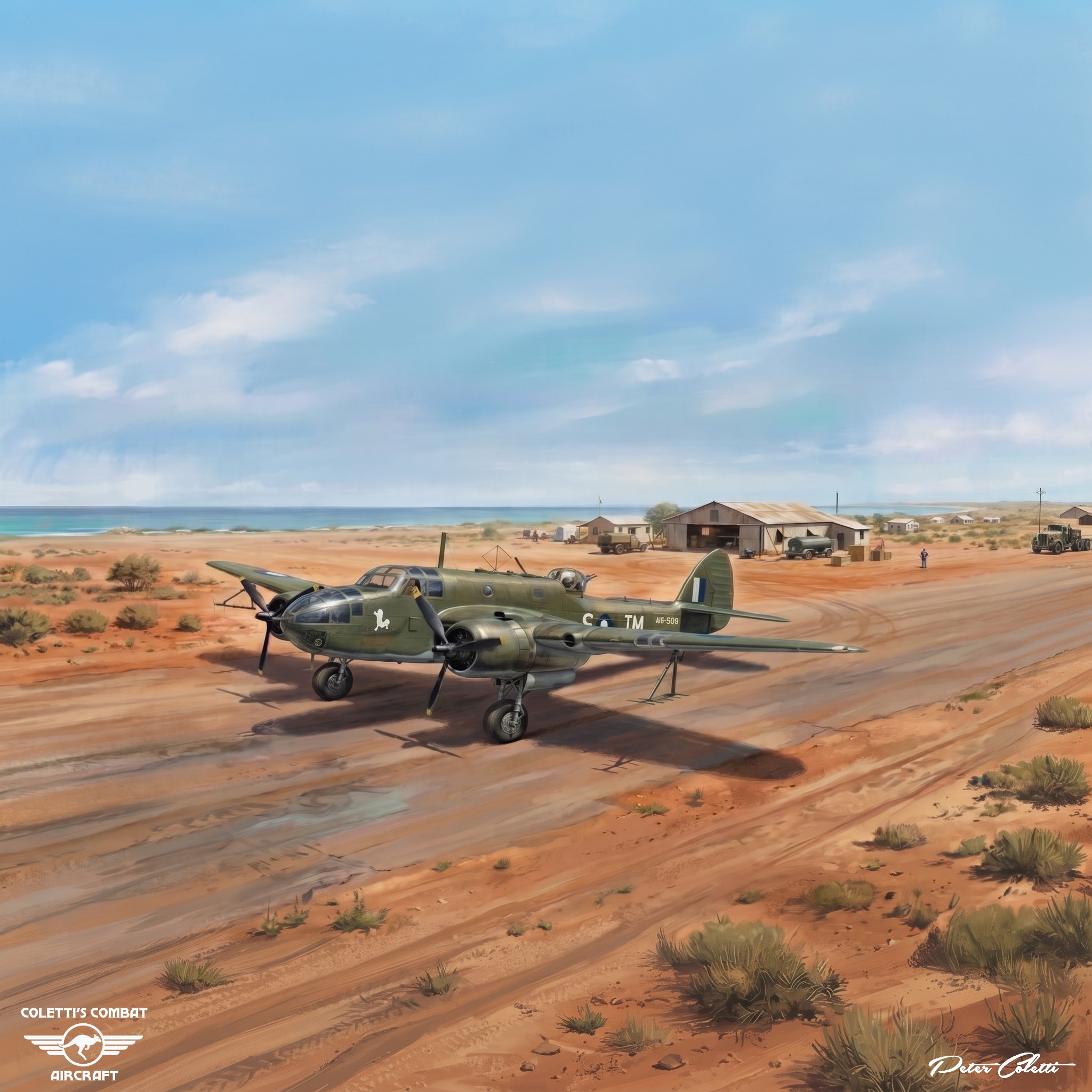
Australia selected the Beaufort for local manufacture in 1939, forming the DAP Beaufort Division.
The aircraft’s modular design made it suitable for distributed production across railway workshops and factories.
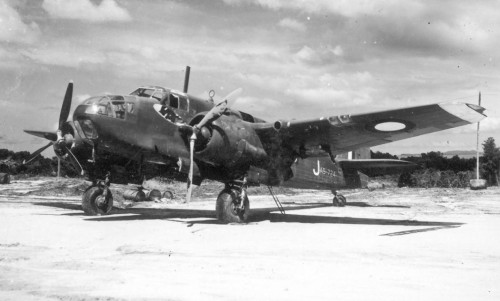
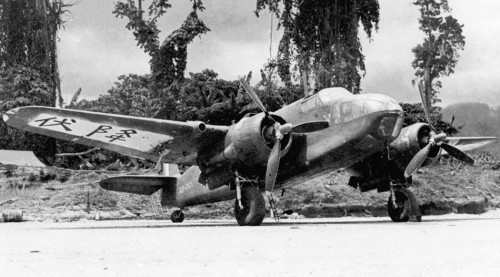
Because Taurus engines could not be supplied in quantity, Australian Beauforts used Pratt & Whitney R‑1830 Twin Wasp engines, leading to several local marks (V, VI, VII, VIII, and IX).
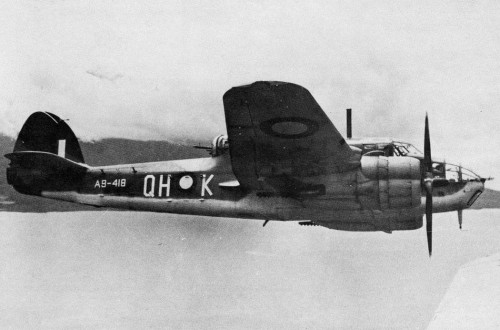
Australia produced 700+ Beauforts, with peak output matching Bristol’s UK rate of 30 per month.
All Australian aircraft featured an enlarged fin for better single‑engine control—a modification tested but never adopted on British machines.
Variants
Beaufort I
Main production version with Bristol Taurus engines.
Numerous incremental improvements to armament, cooling, and equipment.
Beaufort II
UK‑built aircraft with Twin Wasp engines, produced when Taurus’s supply faltered.
Later used mainly for training.
Beaufort III
Projected Merlin‑powered version; never built beyond experimental work.
Beaufort IV
Planned Taurus XX‑powered version with a new four‑gun turret; cancelled before production.
Australian Beaufort Variants (Mk V–VIII)
Beaufort Mk.V
50 built
First Australian‑produced Beaufort variant.
Powered by two Pratt & Whitney R‑1830‑S3C4‑G Twin Wasp radial engines.
Fitted with Curtiss Electric propellers.
Marked the transition from British Taurus‑powered airframes to the more reliable American engines.
Used primarily for training, maritime patrol, and early strike operations.
Beaufort Mk.Va
30 built
Retained the R‑1830‑S3C4‑G engines.
Switched to Hamilton Standard propellers.
It featured a larger tail unit, improving stability—especially during low‑level torpedo or skip‑bombing runs.
Operationally similar to the Mk.V but with better handling characteristics.
Beaufort Mk.VI
40 built
Powered by Pratt & Whitney R‑1830‑S1C3 engines.
Equipped with Curtiss Electric propellers.
Continued refinement of the Australian Beaufort line, improving reliability and parts commonality across RAAF fleets.
Beaufort Mk.VII
60 built
Used R‑1830‑S1C3‑G engines.
Fitted with Hamilton Standard propellers.
Represented incremental improvements in engine sub‑variants and propeller compatibility.
Served in both training and operational strike squadrons.
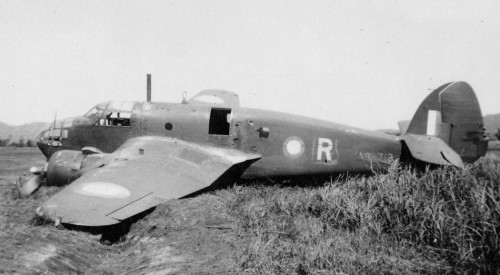
Beaufort Mk.VIII
520 built
The largest and most important Australian Beaufort variant.
Powered by R‑1830‑S3C4‑G engines with Curtiss Electric propellers.
Fitted with ASV (Air-to-Surface Vessel) radar, greatly improving maritime patrol and anti‑shipping effectiveness.
Could carry American or British torpedoes, mines, or bombs, giving it exceptional ordnance flexibility.
Backbone of RAAF Beaufort operations in the Pacific, including major actions such as the Battle of the Bismarck Sea.
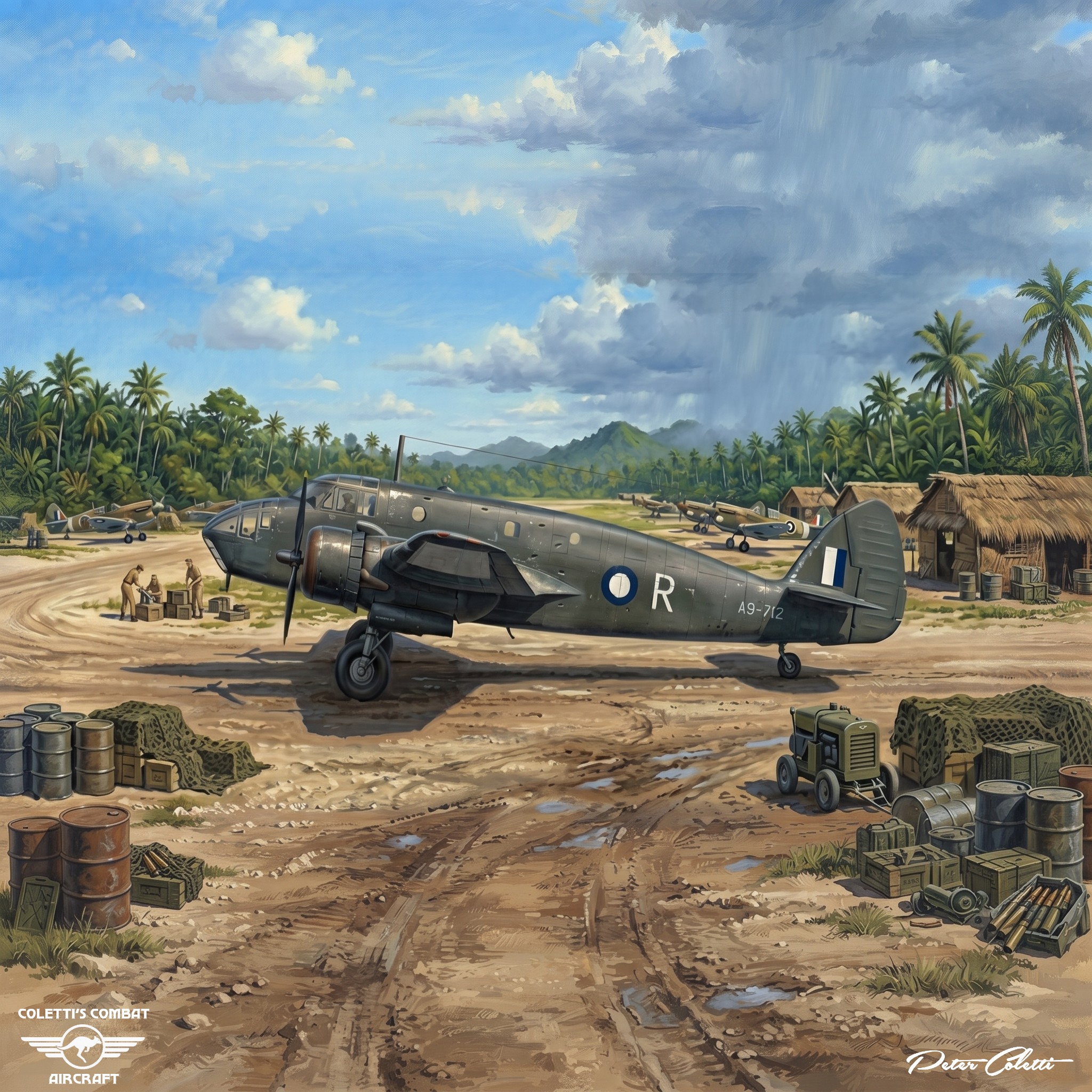
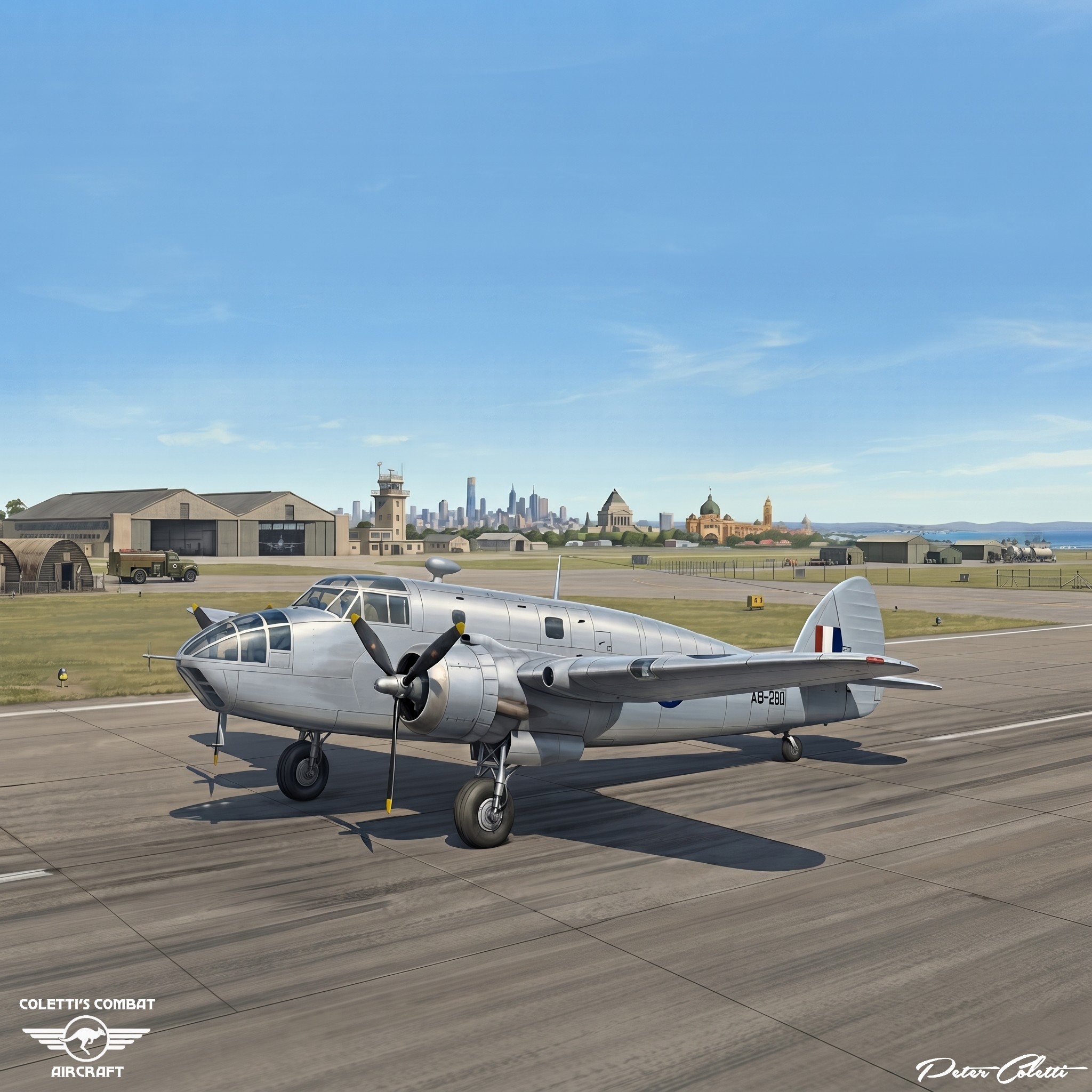
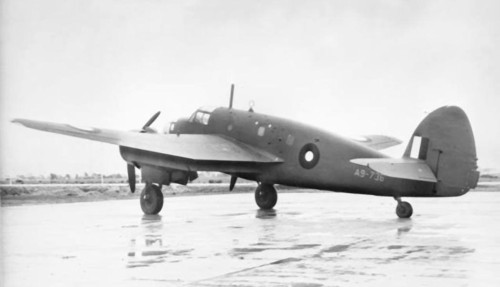
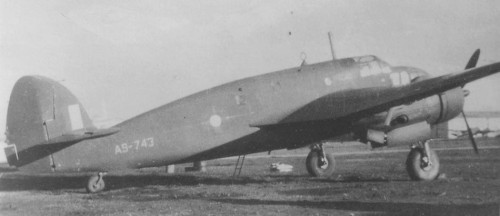
DAP Beaufort Mk.IX “Beaufighter”
Wartime Transport Conversion
Purpose and Context
By late 1943–1944, the RAAF faced a shortage of compact, twin‑engine transports capable of operating from rough forward airstrips in and around the Pacific Islands.
The Beaufort production line was already mature, and the airframe was robust, familiar to Australian maintenance units, and available in quantity.
This made it an ideal candidate for a rapid transport conversion.
Conversion and Design
The Mk.IX Beaufighter was created by modifying the Beaufort Mk.VIII airframes:
All armament removed — including turret, beam guns, and bomb gear
Fuselage interior reconfigured for cargo, mail, medical evacuation, and personnel transport
Fairings added over former turret and gun positions
Twin Wasp engines were retained, giving it the same power as late‑model Beaufort’s.
Weight reduced, improving take-off and climb performance compared to the bomber version
Operational Use
The Mk.IX served during WWII, primarily in:
RAAF Communications Units
Forward transport detachments in New Guinea and the Bismarck Archipelago
Supply and liaison flights between northern Australia and forward bases
Medical evacuation and personnel movement
Occasional special‑purpose missions, including spraying operations in tropical areas
These aircraft were valued for being the following:
Tough
Easy to maintain
Able to operate from short, rough strips faster than most light transports available to the RAAF at the time
Production
Approximately 40–46 Beaufort airframes were converted into Mk.IX Beaufreighters.
Serials were renumbered into the A9‑701 to A9‑746 block.
Operational History
The Bristol Beauforts’ Early RAF Service (1939–1940)
The Beaufort entered service with No. 22 Squadron in late 1939, but engine unreliability caused frequent groundings and accidents.
Despite this, Beaufort began operations in April 1940, laying mines and conducting low-level bombing raids.
Bristol Beaufort Mk.VIII
Torpedo Operations
The Beaufort became Britain’s primary torpedo bomber.
Key actions included:
First RAF torpedo attack of WWII (11 September 1940), damaging a 6,000‑ton ship near Ostend
Attack on Gneisenau (6 April 1941), in which F/O Kenneth Campbell’s lone Beaufort struck the battlecruiser before being shot down; Campbell received the Victoria Cross posthumously
Beaufort squadrons (22, 42, 217, and 86) operated intensively in the North Sea, English Channel, and Bay of Biscay.
Bristol Beaufort Mk.I
Mediterranean Theatre
Beauforts were heavily engaged against Axis shipping:
39 Squadron and 47 Squadron conducted torpedo and bombing strikes from North Africa and Malta, suffering heavy losses due to intense fighter opposition and flak.
Beaufort participated in attempts to intercept Scharnhorst, Gneisenau, and Prinz Eugen during the “Channel Dash”, though without success.
Bristol Beaufort T Mk.II
Indian Ocean and Ceylon
Squadrons 22, 42, and 217 were eventually deployed to Ceylon, conducting long‑range patrols but finding few opportunities for torpedo attack due to limited enemy shipping in range.
Bristol Beaufort Prototype 1
Australian Service in the Pacific
Australia formed No. 100 Squadron RAAF in early 1942, becoming the first operational Beaufort unit outside Britain.
Operating from northern Australia and New Guinea, RAAF Beauforts conducted the following:
Bombing raids on Japanese shipping and bases (first combat mission June 1942)
Torpedo attacks, though early attempts were unsuccessful due to inexperience and difficult conditions
By 1943–44, Beauforts were central to RAAF coastal and anti-shipping operations.
Bristol Beaufort Mk.VIII
Assessment and Legacy
The Bristol Beaufort was not an easy aircraft—its engines were troublesome, its single‑engine performance perilous, and its handling demanding.
Yet it filled a critical gap at a time when Britain had no other modern torpedo bomber.
It delivered important blows against German naval forces, supported Mediterranean convoy interdiction, and became a mainstay of Australian maritime air power.
Its design also directly influenced the Bristol Beaufighter, which reused the Beaufort’s wings, tail, and landing gear to create one of the war’s most successful heavy fighters.
Bristol Beaufort T Mk.II
The Beaufort’s legacy is thus twofold:
Operational – As the RAF’s principal torpedo bomber during the critical early years of WWII.
Technical – As the foundation for the Beaufighter and as a successful example of distributed wartime production, especially in Australia.