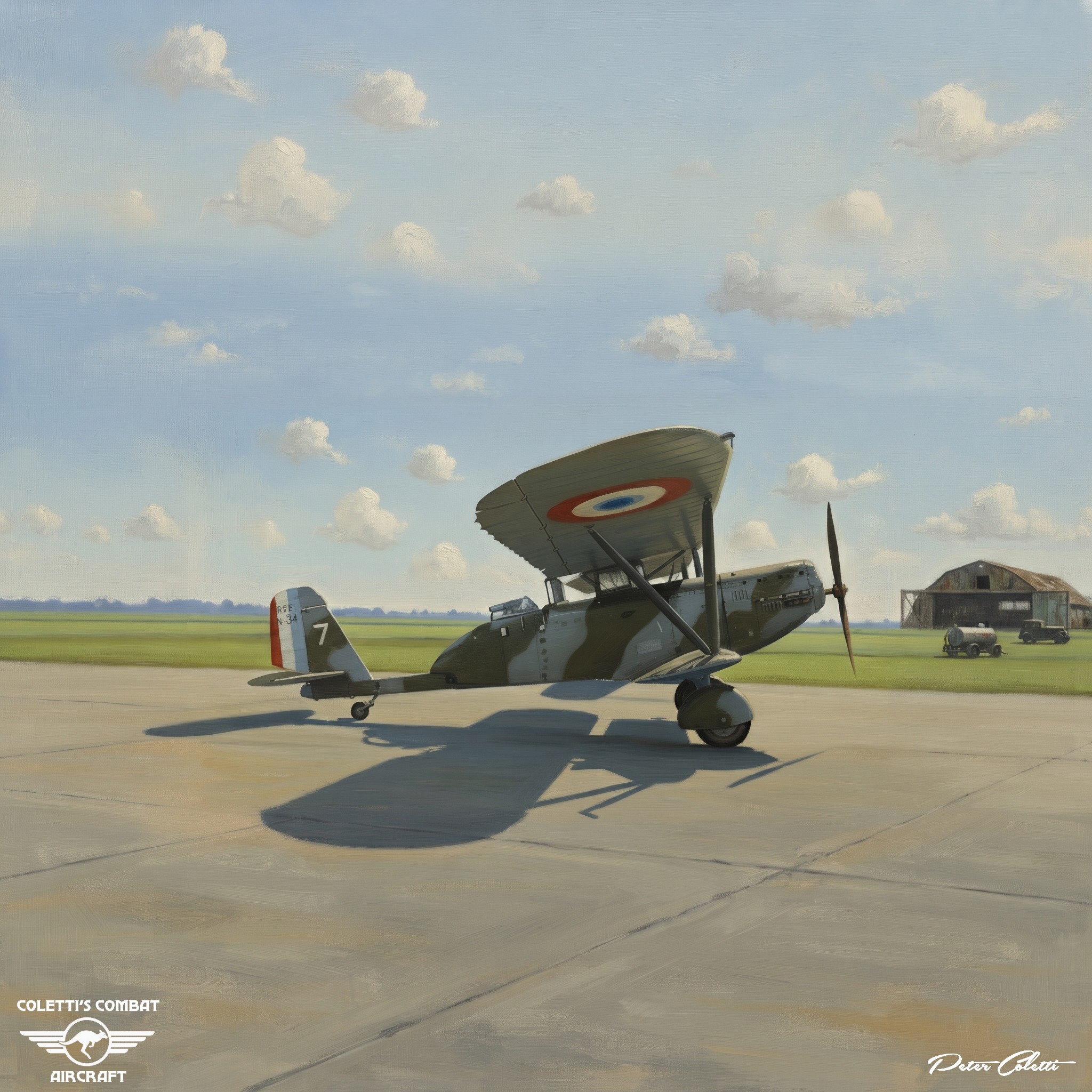
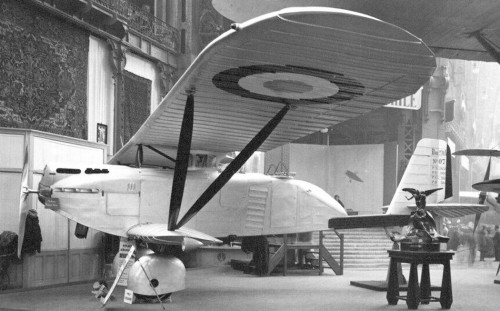
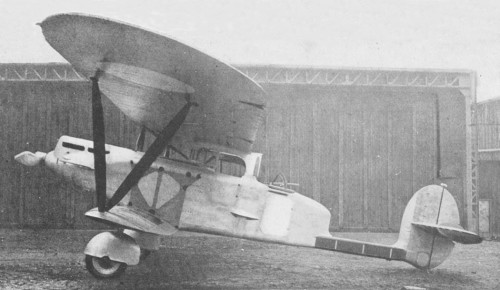
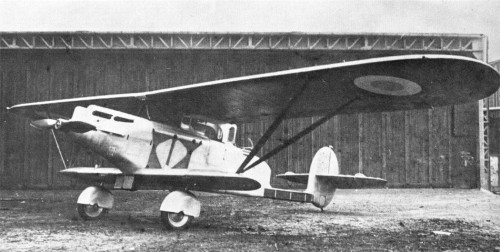
The Breguet 270 series sits right at the hinge between the First World War–era reconnaissance biplane and the more modern, all‑metal military aircraft of the 1930s.
It was conservative in layout yet radical in structure, and that tension shaped both its career and its limitations.
Origins and development
French requirement of 1928
Observation need: In 1928 the Armée de l’Air issued a requirement for a new two‑seat observation aircraft to replace the widely used Breguet 19.
The new type had to offer excellent visibility for the observer, short‑field performance, and robust construction suitable for front‑line service.
Design team: Breguet responded with a clean‑sheet design led by Marcel Vuillerme, with contributions from René Dorand, René Leduc and Paul Deville—an unusually strong engineering team for what might otherwise have been a routine army biplane.
Prototype Bre.270.01
First flight: The prototype Bre.270.01 flew on 23 February 1929, powered by a 500 hp Hispano‑Suiza 12Hb V‑12 engine.
Early testing: Flight trials revealed mediocre performance and vibration issues in the tail surfaces.
The aircraft returned to Breguet’s workshops at Vélizy–Villacoublay, where the tail unit was redesigned with a more angular fin and rudder and a lower‑set tailplane to reduce vibration.
Pre‑series machines: Nine further prototypes and pre‑series aircraft followed under Bre.270/271 designations, some with alternative engines (including Renault 12Jc), and two were shown at the 1930 Paris Salon de l’Aéronautique to promote the type.
Production orders
French orders: Despite its modest performance, the Armée de l’Air selected the Breguet 270 over competitors such as the Potez 39 and ANF Les Mureaux 131.
Initial orders for 50 aircraft were placed in December 1931, followed by further batches that brought French production of the 270/271 series to around 140 aircraft.
Total built: Across all versions, sources generally agree that more than 170 aircraft of the 270 family were built, including prototypes and export variants.
Design and construction
General layout
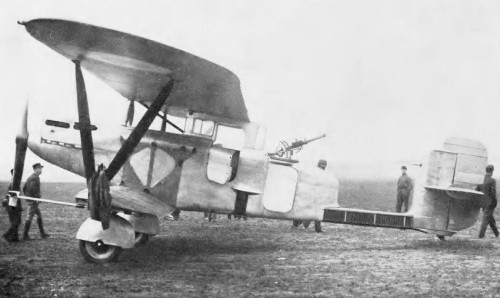
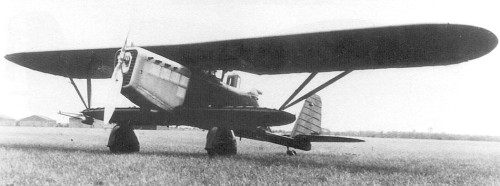
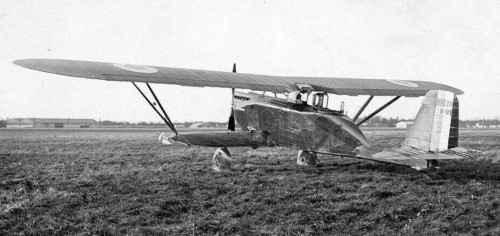
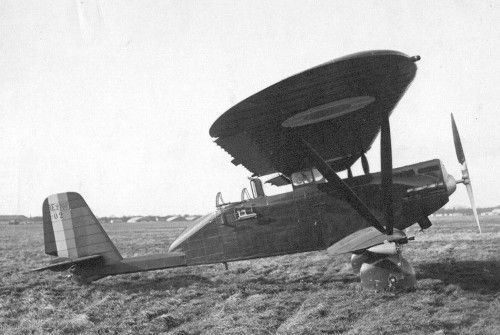
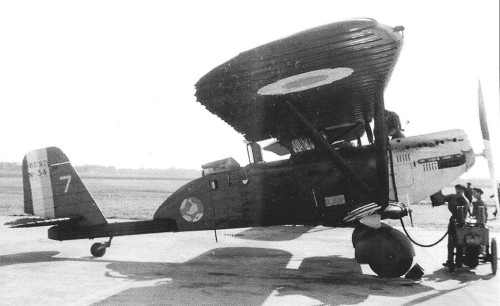
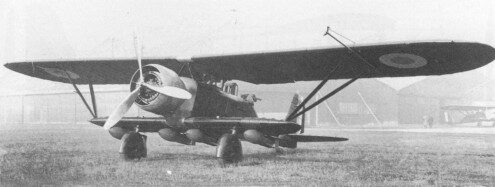
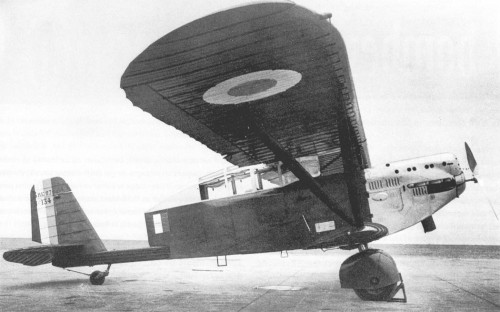
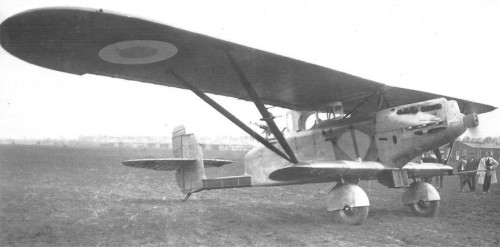
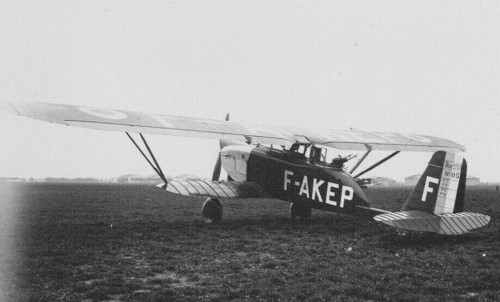
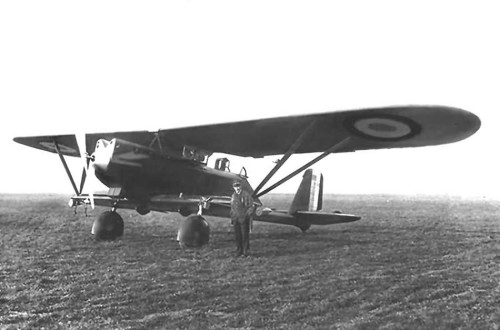
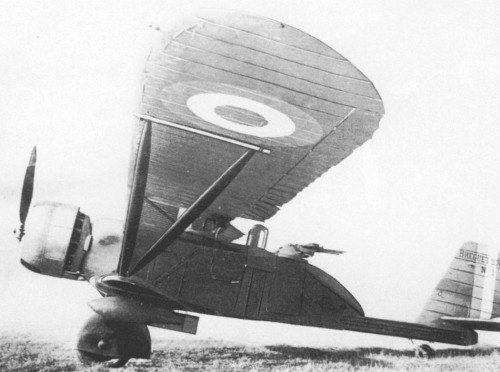
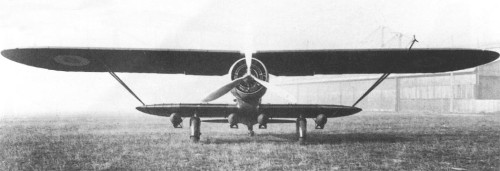
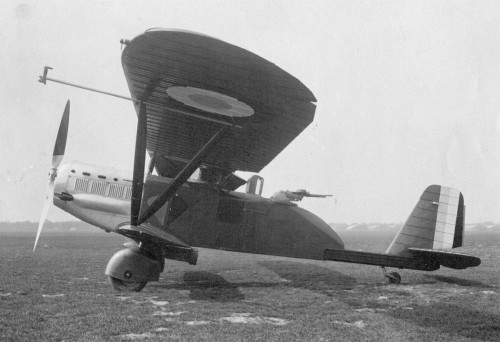
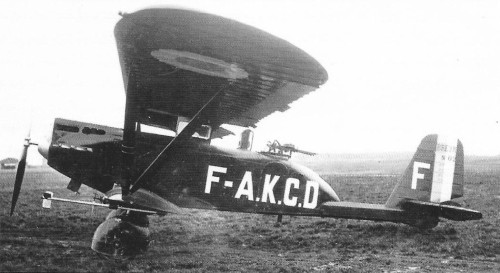
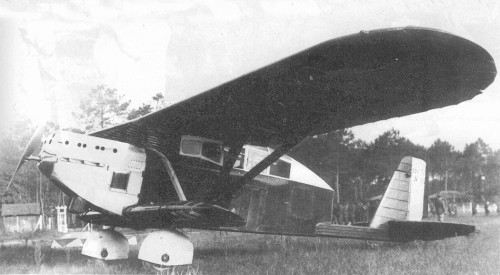
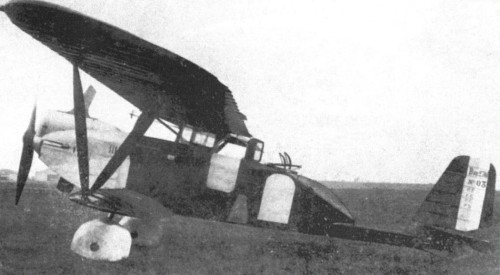
Sesquiplane configuration: The Breguet 270 was a two‑seat sesquiplane—an unequal‑span biplane with a large upper wing and a much smaller lower wing.
This gave generous wing area and lift while keeping drag and structural weight down.
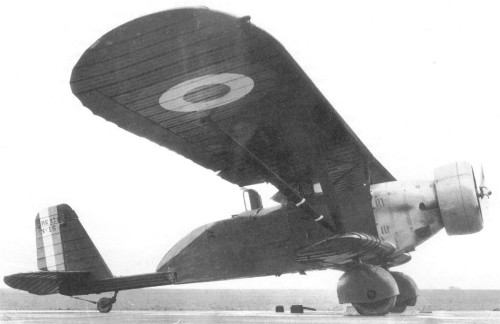
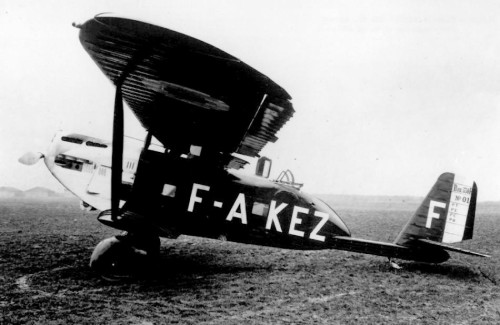
Short fuselage and tail boom: The fuselage ended abruptly behind the two open cockpits.
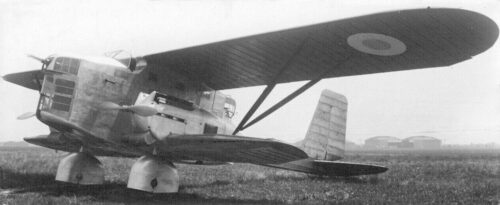
The tailplane and fin were carried on a separate boom attached to the main structural chassis.
This unusual arrangement was chosen to give the observer excellent rearward and downward visibility, a key requirement for reconnaissance and artillery spotting.
Crew: The standard crew was two—a pilot in the forward cockpit and an observer/gunner in the rear, with flexible machine‑gun mounts and bomb racks for light attack missions.
Structural philosophy
All‑metal, high‑tensile steel: The aircraft was one of the first to use high‑tensile steel extensively for all stressed structural members, replacing the more common light alloys of the period.
The engine, lower wing and tail boom were all attached to a steel chassis, creating a very tough airframe.
Mixed skinning: Non‑structural aluminium alloy sheeting covered parts of the fuselage, while the wings and tail surfaces were fabric‑covered over metal frames.
This kept cost and weight down while retaining strength.
No bracing wires: The structure was fully rigid, without external bracing wires or rods, simplifying rigging and maintenance compared with traditional wire‑braced biplanes.
Undercarriage and field performance
Robust landing gear: The 270 had a large, sturdy fixed undercarriage designed for rough, short airfields.
Short takeoff: Fully loaded, it could leave the ground in roughly 115 m of runway—excellent for forward airstrips and colonial stations, though this emphasis on lift and low‑speed handling came at the expense of maximum speed.
Armament and payload
Guns: Typical armament comprised the following:
Forward: One synchronised 7.5 mm Vickers machine gun firing through the propeller arc.
Rear: Twin Lewis guns on a flexible turret for defensive fire.
Bomb load: Early Bre.270s carried around 120 kg of bombs in an internal bay; later bomber-oriented variants increased this to about 400 kg.
Performance and handling
Basic figures (Bre.270)
Typical data for the standard Bre.270 with Hispano‑Suiza 12Hb:
Wingspan: 17.0 m
Length: 9.76 m
Height: 3.58 m
Wing area: 49.7 m²
Empty weight: 1,676 kg
Maximum takeoff weight: 2,900 kg
Engine: Hispano‑Suiza 12Hb, 500 hp
Maximum speed: about 225–230 km/h at 3,000 m
Cruise speed: slightly lower, around 200 km/h
Climb rate: roughly 3.4 m/s
Service ceiling: about 7,750 m
Range: around 1,000 km
Handling characteristics
Strength vs. agility: Pilots appreciated the ruggedness and short‑field capability, but the aircraft’s performance was considered mediocre even by early‑1930s standards.
Its steel structure and large wing area gave good stability but limited speed and climb compared with newer monoplanes.
Tail vibration: Early tail vibration issues were mitigated but never entirely eliminated, a reminder of how unconventional the tail‑boom layout was for the time.
Variants and derivatives
Core series
Bre.270:
Role: Baseline two‑seat observation aircraft.
Engine: Hispano‑Suiza 12Hb, 500 hp.
Production: Around 140 built for the Armée de l’Air, plus small export batches.
Bre.271:
Engine upgrade: Fitted with a more powerful Hispano‑Suiza 12Y engine (around 650 hp), increasing useful load and slightly improving performance.
Production: About 45 ordered by France in 1932.
Bre.272 / Bre.272 TOE:
Radial‑engine trials: Experimental versions with radial engines—initially Gnome‑Rhône 9K, later Renault 9Fas in the “TOE” (Théâtres des Opérations Extérieures) variant optimised for harsh colonial conditions.
Production: Only a handful built (essentially prototypes).
Bre.273:
Reconnaissance bomber: A more powerful development with a Hispano‑Suiza 12Ybrs engine (~860 hp) and frontal radiator, improved speed and a bomb load up to 400 kg.
Export: 15 aircraft delivered to Venezuela and six to China.
Bre.274:
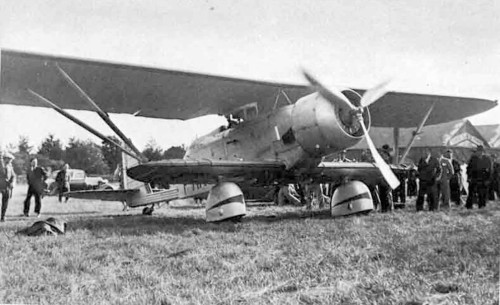
High‑power radial bomber: Fitted with a Gnome‑Rhône 14K radial (~760 hp), intended as a bomber.
Racing success: One Bre.274 was flown by Maryse Hilsz, who used it to win the 1936 Coupe Hélène Boucher at an average speed of 277 km/h.
Special conversions and related designs
VIP liaison conversions: Several Bre.270s were modified with an enclosed “glasshouse” canopy over both cockpits for liaison and transport duties, trading open-cockpit visibility for comfort and weather protection.
Bre.33:
High‑altitude reconnaissance:
Two high‑altitude derivatives (often referred to as Breguet 33) were built.
They did not enter production but were used for notable long‑distance flights:
Paris–Hanoi and return in 1932 by Paul Codos and Henri Robida.
A 35,000 km Asian tour by Maryse Hilsz, including Tokyo and multiple stops in Indochina and India.
Breguet 41
A twin‑engine biplane series sharing the same chassis and tail‑boom concept as the 270, intended as a “multiplace de combat” (multi‑seat combat aircraft).
An initial order was placed but later cancelled as more advanced designs appeared.
Operational history and Second World War context
Pre‑war service
French observation units: By the mid‑1930s, the Bre.270 and Bre.271 aircraft equipped several French observation escadrilles.
On 1 January 1936 they were still in front‑line service, though already overshadowed by newer types.
Colonial and long‑range flights: The prototype F‑AJRC, fitted with extra fuel, made a promotional long‑distance flight across Africa to Madagascar.
Export aircraft served in Venezuela and China, mainly in reconnaissance and light bomber roles, often from rudimentary airfields where the type’s ruggedness was valued.
At the outbreak of WWII
Still in service: When Germany invaded France in 1940, Breguet 270s were still on strength with at least three French groups, used for tactical reconnaissance and liaison.
Combat experience: In the face of fast, heavily armed German fighters and modern reconnaissance aircraft, the 270’s low speed and limited defensive armament made it highly vulnerable.
Combat losses mounted quickly during the 1940 campaign.
Withdrawal: After suffering these losses, the French army withdrew the remaining Breguet 270s from front‑line service.
By the armistice, the type’s operational career as a combat aircraft was effectively over, and surviving machines were relegated to secondary roles or scrapped.
Wider significance
Transitional aircraft: The Breguet 270 family illustrates the transitional nature of interwar military aviation: structurally advanced, yet aerodynamically conservative.
Its steel chassis and tail‑boom concept were innovative, but the sesquiplane layout and modest power left it behind the curve by 1939.
Legacy
While it did not achieve the fame of contemporaries like the Potez 63 series or later French monoplanes, the 270 contributed to structural experimentation and provided a stepping stone towards more capable multi-role aircraft.
Its derivatives and long‑distance flights also helped showcase French engineering and pilot skill in the early 1930s.