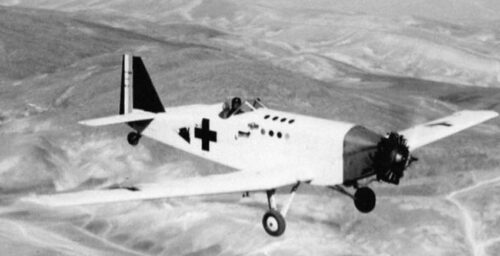
The Bloch MB.80 and MB.81 emerged from the earliest years of Avions Marcel Bloch, founded in 1930.
The company’s first efforts focused on high‑wing postal monoplanes such as the MB.60/61 and MB.71, none of which progressed beyond the prototype stage.
In 1932, the French Ministry of Aviation announced a competition for a purpose-built sanitary aircraft—a dedicated air ambulance optimised for rapid evacuation and medical access.
France was placing increasing emphasis on developing a national “air ambulance” capability, especially for its vast colonial territories where medical infrastructure was sparse and distances immense.
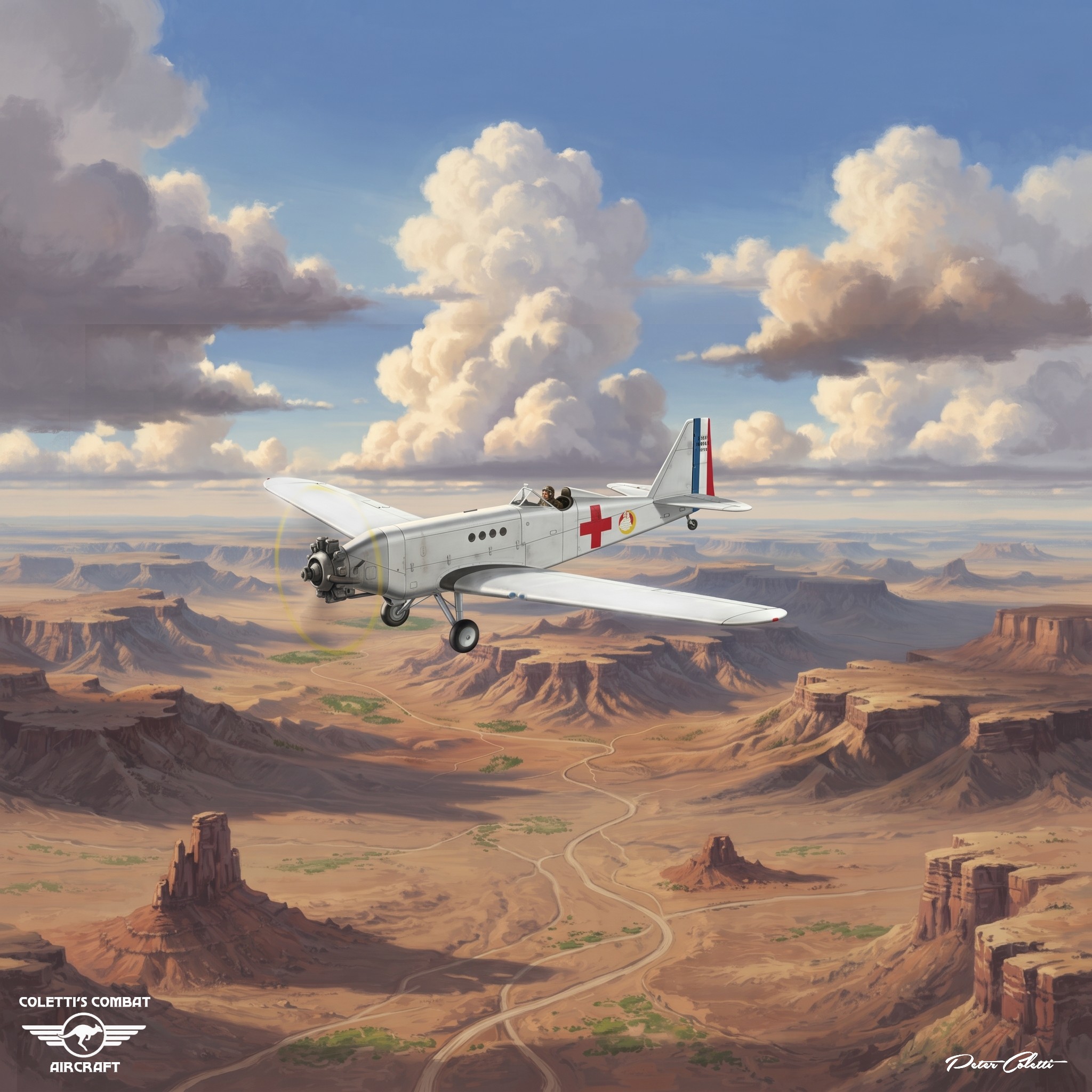
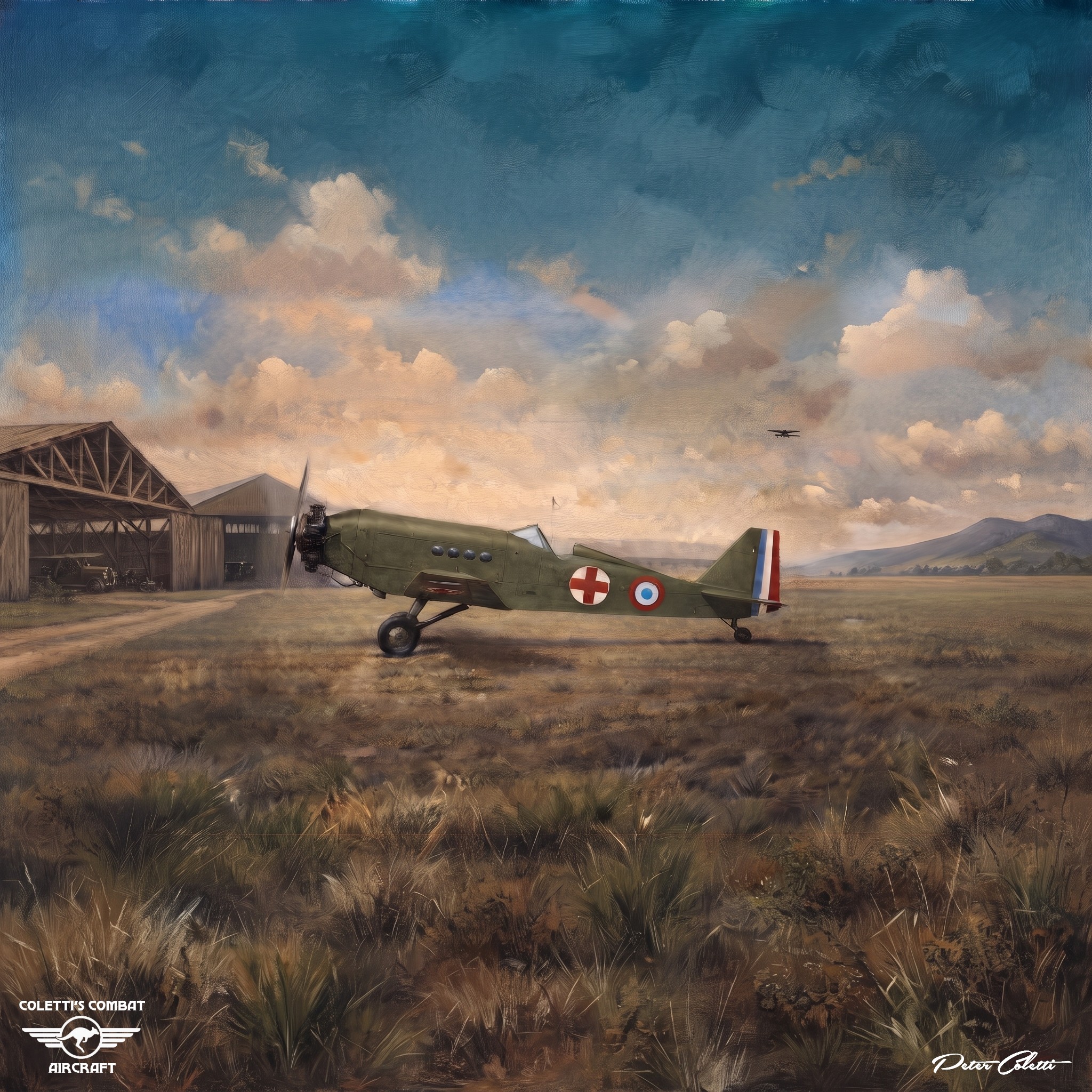
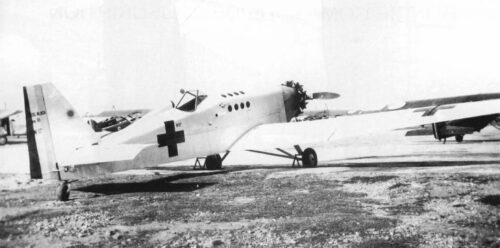
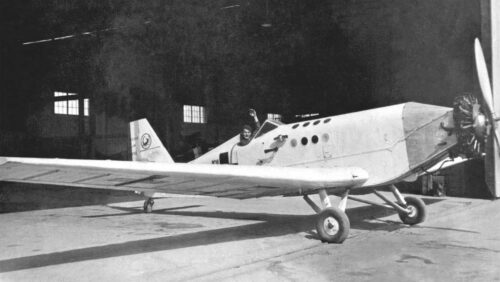
Marcel Bloch responded with the MB.80, a compact single‑engine monoplane designed specifically for casualty evacuation.
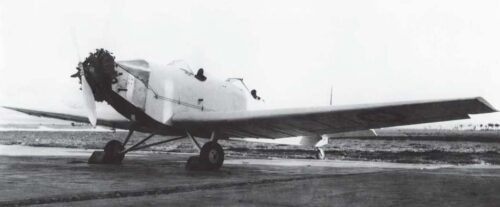
The prototype flew in 1932.
Although the MB.80 itself remained a one‑off, it served as the direct precursor to the improved MB.81, which first flew in October 1932 and entered limited production shortly thereafter.
By 1935, the first of 20 production MB.81s had been delivered to French military and colonial aviation services.
Design Characteristics
Airframe and Layout
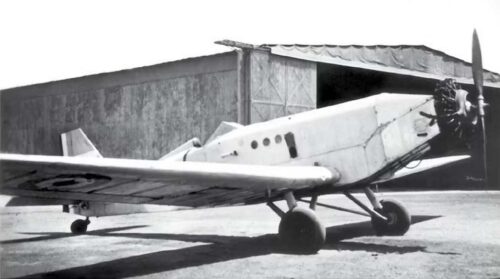
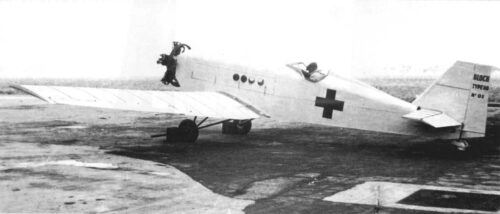
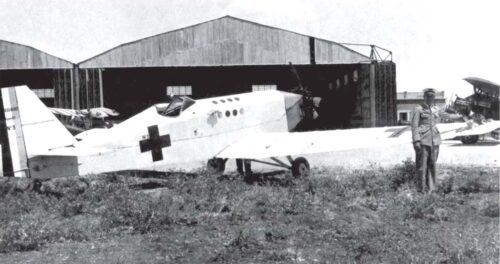
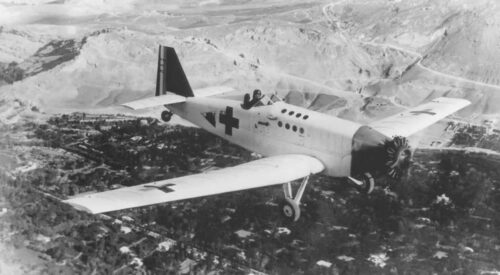
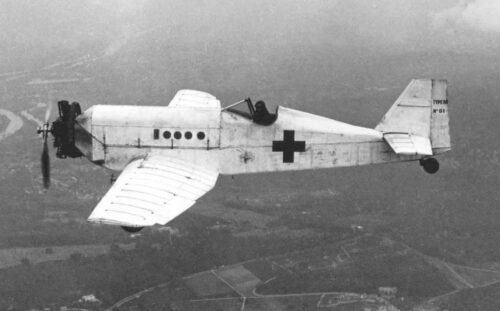
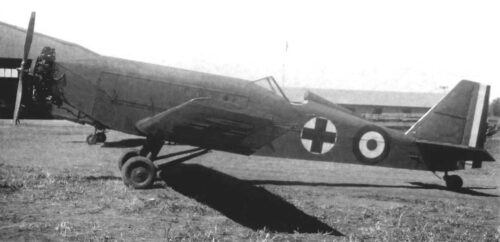
The MB.80 prototype was a low-wing, cantilever monoplane with a notably angular fuselage profile.
The design prioritised simplicity, ruggedness, and ease of maintenance—critical for operations in remote colonial regions.
Key structural features included the following:
Fixed, wide‑track landing gear, chosen to ensure safe operation from rough, unimproved airstrips common in North Africa and the Middle East.
Open cockpit for the pilot, positioned forward for maximum visibility during landings on primitive fields.
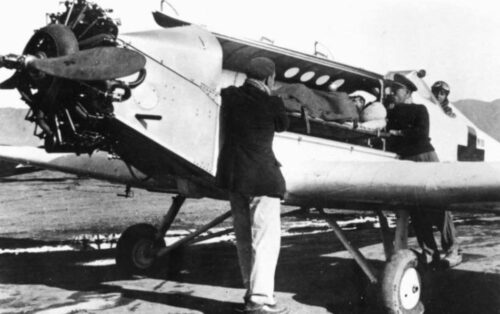
Internal stretcher compartment located behind the cockpit, accessed via removable side panels.
This allowed a single patient to be loaded quickly and protected from the elements during flight.
The MB.81 retained the same general configuration but incorporated aerodynamic refinements and a more powerful engine.
Powerplant and Performance
MB.80 (Prototype)
Engine: Lorraine 5pc radial
Power: 120 hp
This engine provided adequate performance for testing but was considered underpowered for operational use, prompting the redesign that produced the MB.81.
MB.81 (Production Model)
Engine: Salmson 9Nc radial
Power: 175 hp
The improved power plant significantly enhanced climb rate, cruise speed, and hot-weather performance—vital for colonial service.
MB.81 Performance Data
Wingspan: 12.59 m
Length: 8.40 m
Height: 2.90 m
Wing area: 17.80 m²
Empty weight: 581 kg
Max takeoff weight: 880 kg
Max speed: 188 km/h
Cruise speed: 161 km/h
Range: 654 km
Service ceiling: 6,400 m
Crew: 1 pilot
Payload: 1 stretcher patient
These figures placed the MB.81 among the more capable light medical aircraft of its era, especially considering its rugged simplicity.
Operational Use
The MB.81 found its niche in French colonial service, where its ability to operate from rough terrain made it invaluable.
It was widely used in Africa and the Middle East for medical evacuation, liaison duties, and general utility transport.
Its small size and limited payload meant it was not a mass-production aircraft, but in remote regions it provided a critical lifeline, often being the only rapid means of transporting wounded personnel or civilians to medical facilities.
Variants
MB.80 One prototype built.
Powered by a 120 hp Lorraine 5Pc.
Served as the basis for the MB.81.
MB.81
Production version with improved aerodynamics and a 175 hp Salmson 9Nc.
20 aircraft built.
Entered service in 1935.
Used primarily as an air ambulance but also for liaison and light transport.
No major subvariants are recorded, though minor field modifications were common in colonial service.
Context in the Approach to WWII
Although designed in the early 1930s, the MB.81 remained in use into the late 1930s and early stages of WWII.
Its role was limited by:
Small production numbers
Single‑patient capacity
Lack of military protection or armament
By the outbreak of war in 1939, France had begun adopting more modern liaison and medical aircraft, but the MB.81 continued to serve in secondary roles, especially in overseas territories where replacement aircraft were scarce.
During the 1940 campaign, the MB.81’s contribution was modest but symbolically important: it represented one of the earliest attempts to formalise aerial medical evacuation within French military doctrine.
Its operational history in colonial theatres also foreshadowed the later widespread use of light aircraft for casualty evacuation in WWII and beyond.
Legacy
The Bloch MB.80 and MB.81 occupy a small but significant place in French aviation history.
They were:
Among the first French aircraft designed specifically as air ambulances
Early examples of purpose‑built medevac aircraft worldwide
Important stepping stones in the development of Marcel Bloch’s company, which would later become SNCASO and eventually part of Dassault Aviation
Though produced in limited numbers, the MB.81 demonstrated the practical value of dedicated medical aircraft and helped shape French thinking on aerial evacuation during the interwar period.