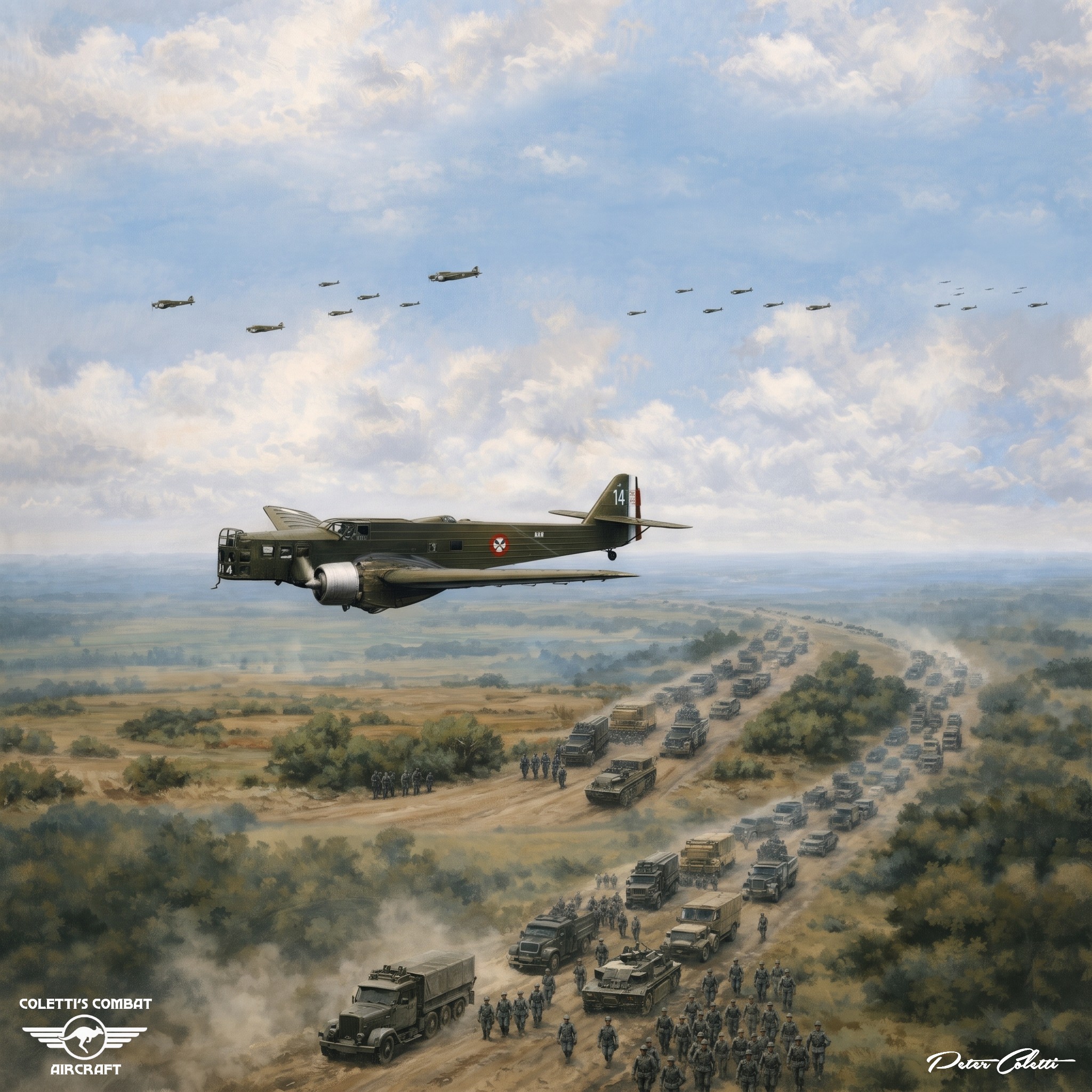
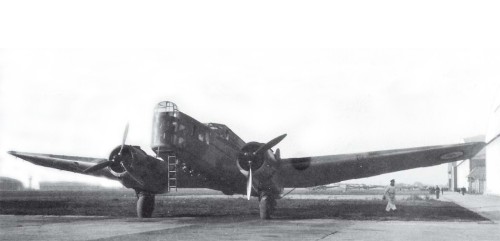
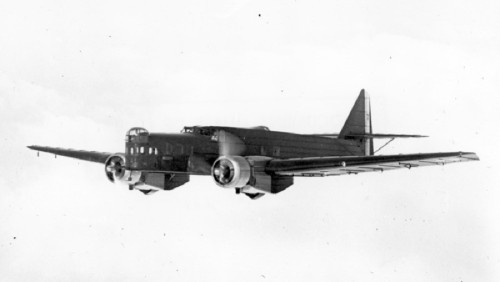
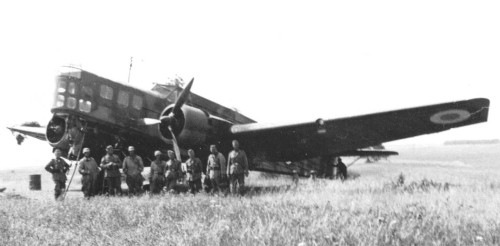
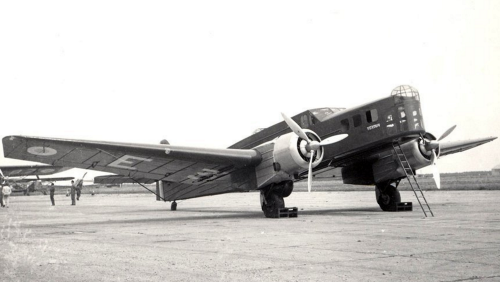
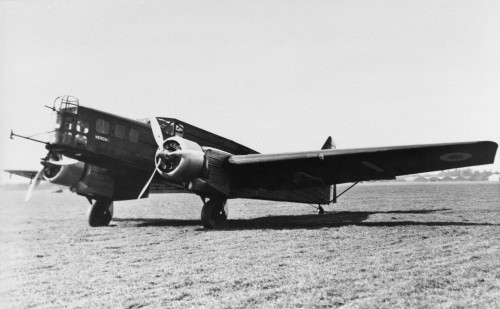
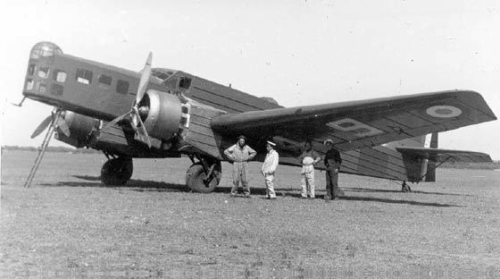
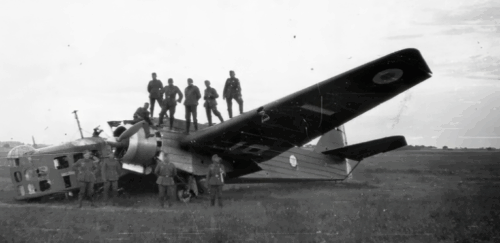
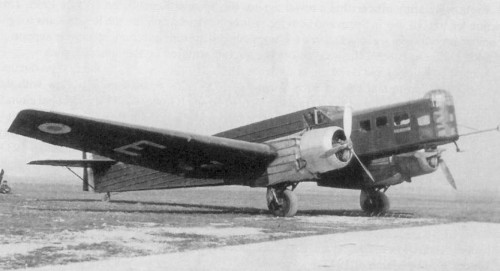
The Bloch MB.210 emerged in the mid‑1930s as part of France’s effort to modernise its bomber fleet, replacing the earlier Bloch MB.200.
Although the MB.200 had been a useful stopgap, its high‑wing, fixed‑gear configuration was already outdated by the early 1930s.
Marcel Bloch’s design bureau (later Dassault) sought to produce a more modern aircraft with improved aerodynamics, structural refinement, and better performance.
The MB.210 was conceived as a private-venture development rather than a direct government-funded programme.
Its most visible departure from the MB.200 was the adoption of a low‑wing cantilever monoplane layout and the introduction of a retractable undercarriage, although the first prototype still flew with fixed gear.
The prototype MB.210.01 made its maiden flight on 23 November 1934, powered by two 596 kW (800 hp) Gnome‑Rhône 14K radial engines.
A second prototype, the MB.211 Verdun, flew on 29 August 1935 with Hispano‑Suiza 12Y inline engines and a fully retractable undercarriage.
However, its flight tests were disappointing, and the MB.211 line was abandoned after this single example.
Despite the MB.211’s failure, the MB.210 showed enough promise for the Armée de l’Air to place production orders.
The first production aircraft flew on 12 December 1936.
Technical Challenges and Engine Replacement
Initial enthusiasm faded quickly.
Production MB.210s were underpowered, and their Gnome‑Rhône 14K engines suffered from chronic overheating, leading to the grounding of the entire fleet until a solution could be found.
The remedy was the adoption of the Gnome‑Rhône 14N series engines, which were more powerful and significantly more reliable.
These engines were first tested in the summer of 1937 and subsequently retrofitted across the fleet.
In total, 257 MB.210s were built by a consortium of French manufacturers, including Les Mureaux, Potez‑CAMS, Breguet, Hanriot, and Renault.
Design and Construction
Airframe
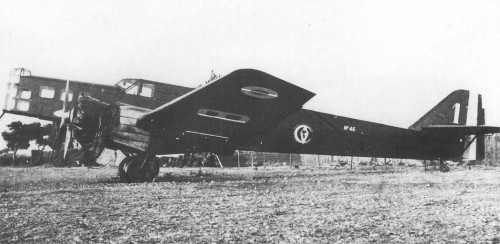
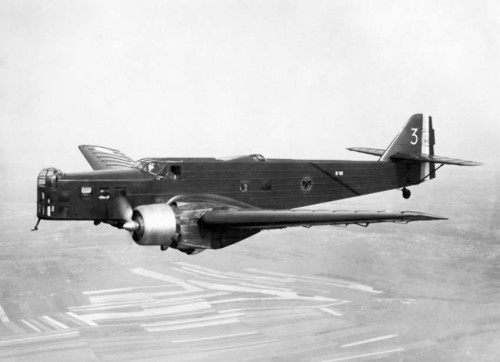
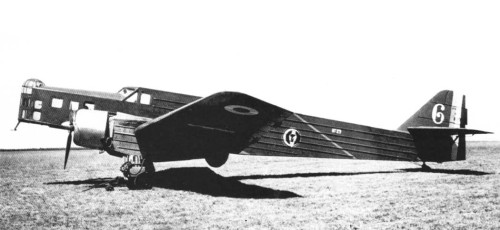
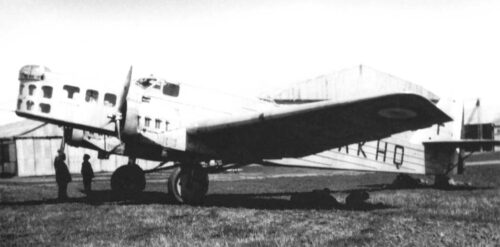
The MB.210 was a twin‑engine, low‑wing monoplane of all‑metal construction, typical of mid‑1930s French bomber designs.
Its fuselage was deep and slab-sided, with a stepped cockpit and a ventral gondola for bomb-aiming and defensive armament.
Landing Gear
Although the first prototype used fixed gear, production aircraft incorporated a retractable tailwheel undercarriage, improving aerodynamic cleanliness and speed.
Crew Layout
The standard crew of five included:
Pilot
Co-pilot or navigator
Bombardier
Radio operator
Dorsal/ventral gunners
The Hanriot‑built MB.210Bn.5 variant added an extra crew member.
3 × 7.5 mm MAC 1934 machine guns (nose, dorsal, ventral)
Bomb load: up to 1,600 kg of bombs
Performance (MB.210Bn.5)
Maximum speed: 322 km/h at 3,500 m
Cruise speed: 240 km/h
Range: 1,700 km
Service ceiling: 9,900 m
Time to 4,000 m: 12 minutes
Wing loading: 156 kg/m²
These figures placed the MB.210 behind contemporary German and British bombers by 1939, but it remained serviceable for night operations and secondary roles.
Variants
MB.210.01
First prototype
2 × Gnome‑Rhône 14K engines
Fixed undercarriage
MB.210Bn.4
Main production version
14N‑10/14N‑11 engines
MB.210Bn.5
Hanriot‑built variant
Additional crew member
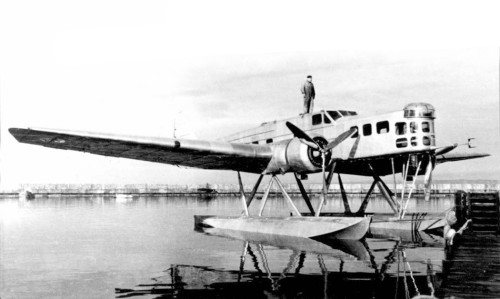
MB.210H
Floatplane version
Powered by 14Kirs engines
MB.211, Verdun
Second prototype
Hispano‑Suiza 12Y inline engines
Retractable gear
Poor performance; no further production
MB.212 and MB.218
Unbuilt project developments
Operational History
Pre‑War Service
By September 1939, the MB.210 equipped 12 bomber units of the French Air Force, forming a significant portion of France’s medium-bomber strength at the outbreak of WWII.
The 1940 Campaign
When Germany invaded France in May 1940, the MB.210 was already considered obsolete.
French bomber units were in the midst of reorganising and phasing out older types, including the MB.210, but the rapid German advance forced the aircraft back into frontline service.
The MB.210 was used primarily for night bombing missions, where its low speed and vulnerability were less critical.
Losses were still significant, and surviving aircraft were withdrawn to North Africa before the June 1940 armistice.
Foreign Operators
Bulgaria — Received six aircraft from Germany
Romania — Received 10 aircraft from an order of 24
Spain — At least three aircraft served with the Spanish Republican Air Force during the Civil War
Germany — The Luftwaffe used captured MB.210s briefly as training aircraft in 1942.
French Navy — Operated a small number post-armistice
Assessment and Legacy
The Bloch MB.210 represents a transitional stage in French bomber design—more modern than the MB.200 but overtaken rapidly by global aviation advances.
Its early engine problems, modest performance, and vulnerability in daylight operations limited its effectiveness during WWII.
Nevertheless, it served the following:
As a frontline night bomber during the critical early months of the war
As a training and secondary aircraft under Vichy and German control
As a stepping stone towards more advanced French designs that would emerge post‑war under the Dassault name
While overshadowed by more famous contemporaries, the MB.210 remains an important example of interwar French aeronautical engineering and the challenges faced by the Armée de l’Air during its rushed modernisation.