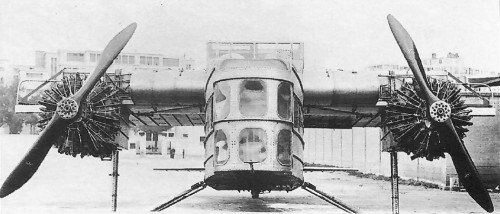
The Bloch MB.200 emerged from a 1932 French Air Ministry requirement for a new day/night medium bomber to modernise the Armée de l’Air’s interwar fleet.
France’s bomber force at the time still relied heavily on biplanes and mixed‑construction aircraft, and the Ministry sought a rugged, all‑metal monoplane capable of sustained operations in Europe’s varied climates.
Marcel Bloch’s design bureau—later part of Dassault—responded with a high‑wing, twin‑engine monoplane that embodied the transitional aesthetics and engineering of early‑1930s bomber design.
The first prototype flew on 26 June 1933.
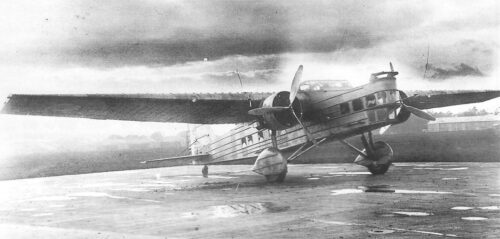
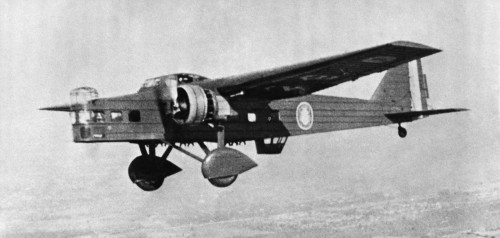
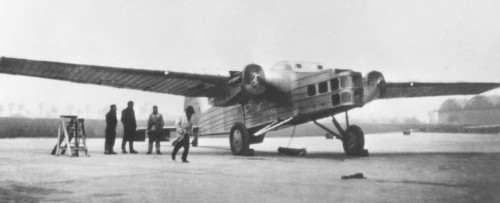
Bloch MB.200 prototype
Its performance and structural robustness impressed French evaluators, and the MB.200 was selected as one of the winners of the competition (alongside the larger Farman F.221).
An initial order for 30 aircraft followed on 1 January 1934, with deliveries beginning later that year.
Production expanded rapidly: more than 208 aircraft were built in France by a consortium of manufacturers, including Bloch, Breguet, Loire, Hanriot, SNCASO, and Potez.
The MB.200 entered service in late 1934, and by the end of 1935 it equipped twelve French bomber squadrons, forming a major component of France’s pre‑war aerial strike capability.
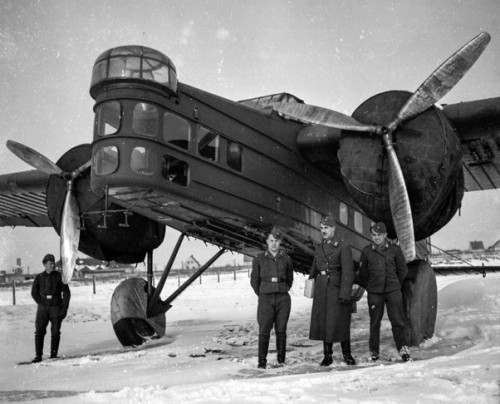
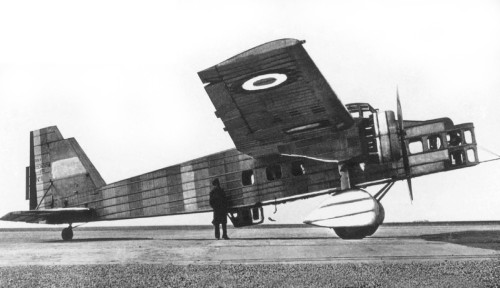
Bloch MB.200
Design and Technical Characteristics
Airframe and Layout
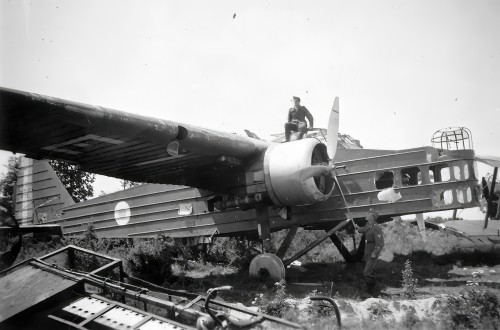
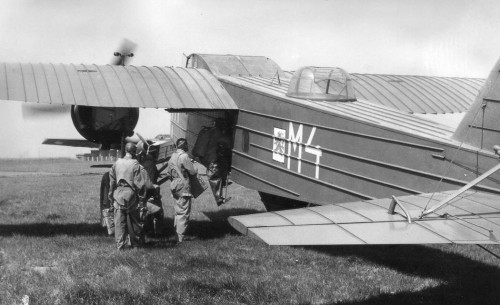
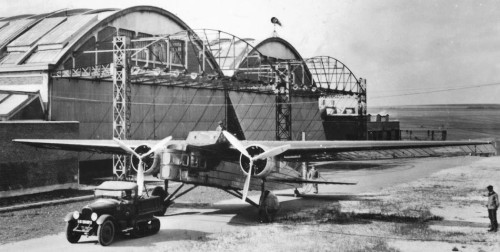
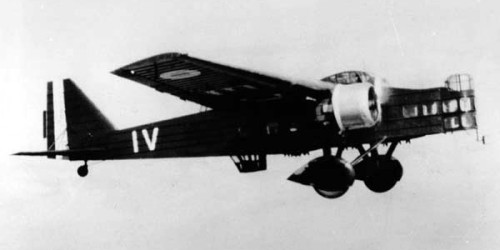
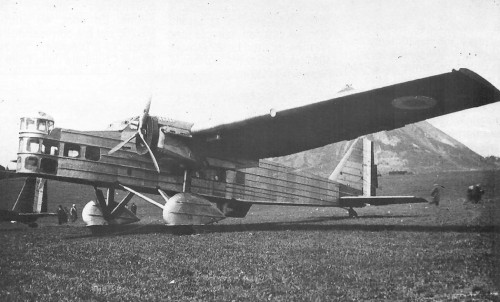
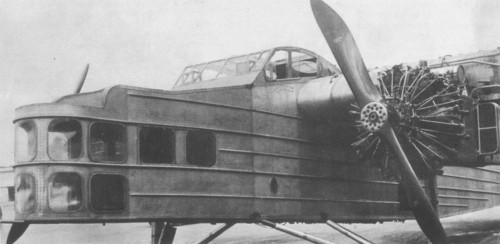
The MB.200 was a high‑wing, all‑metal cantilever monoplane with a distinctly angular, slab‑sided fuselage.
Its structural philosophy reflected the era’s shift towards stressed‑skin construction and away from fabric‑covered frames.
The high wing provided stability, good downward visibility, and simplified maintenance.
The aircraft used a fixed tailwheel undercarriage, a conservative but reliable choice that reduced mechanical complexity and maintenance demands.
The crew of four operated from an enclosed cockpit, a modern feature for the early 1930s.
Powerplant
The standard production model, the MB.200B.4, was powered by:
These engines provided adequate thrust for the aircraft’s intended medium‑altitude bombing role, though by the late 1930s they were clearly outclassed by newer designs.
Bloch MB.200
Defensive and Offensive Armament
The MB.200 carried:
3 × 7.5 mm MAC 1934 machine guns, mounted in
a nose turret
a dorsal turret
a ventral gondola
Up to 1,200 kg (2,646 lb) of bombs in an internal bay
This arrangement provided all‑around defensive coverage typical of early‑1930s bombers, though the light calibre and limited firing arcs became liabilities as fighter performance improved.
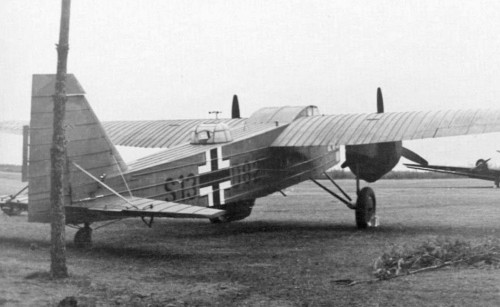
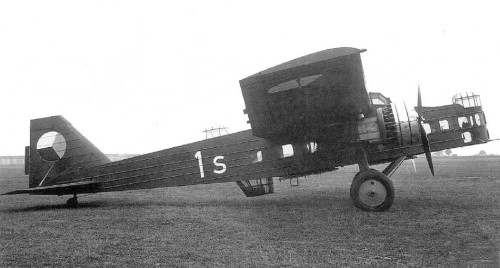
Aero MB.200
Performance
Maximum speed: 285 km/h (177 mph)
Range: 1,000 km (620 mi)
Service ceiling: 8,000 m (26,000 ft)
Rate of climb: 4.33 m/s (852 ft/min)
These figures were respectable in 1933–35 but obsolete by 1939, when newer bombers exceeded 400 km/h and carried heavier loads with better protection.
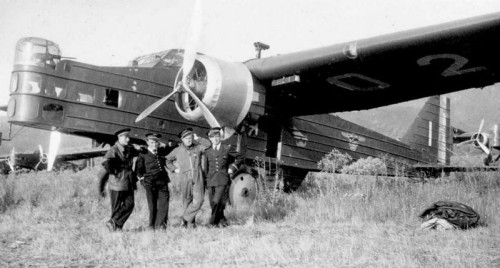
Bloch MB.200
Operational History
France
The MB.200 served as a frontline bomber in the Armée de l’Air from 1935 onward.
By the outbreak of WWII in 1939, however, it had been largely relegated to secondary duties due to its obsolescence.
More modern types—the Amiot 143, the Lioré‑et‑Olivier LeO 451, and Bloch’s own MB.210—superseded it.
Czechoslovakia
Czechoslovakia selected the MB.200 as part of a rapid modernisation programme.
Lacking domestic experience with large all-metal bombers, the Czechoslovak Air Force ordered 74 aircraft for licence production.
After delays, Aero and Avia began manufacturing in 1937, ultimately producing about 124 aircraft.
Czech‑built MB.200s were similar to French models but incorporated local equipment and armament.
After the German occupation, surviving aircraft were absorbed into the Luftwaffe or transferred to Bulgaria.
Bloch MB.200
Spain
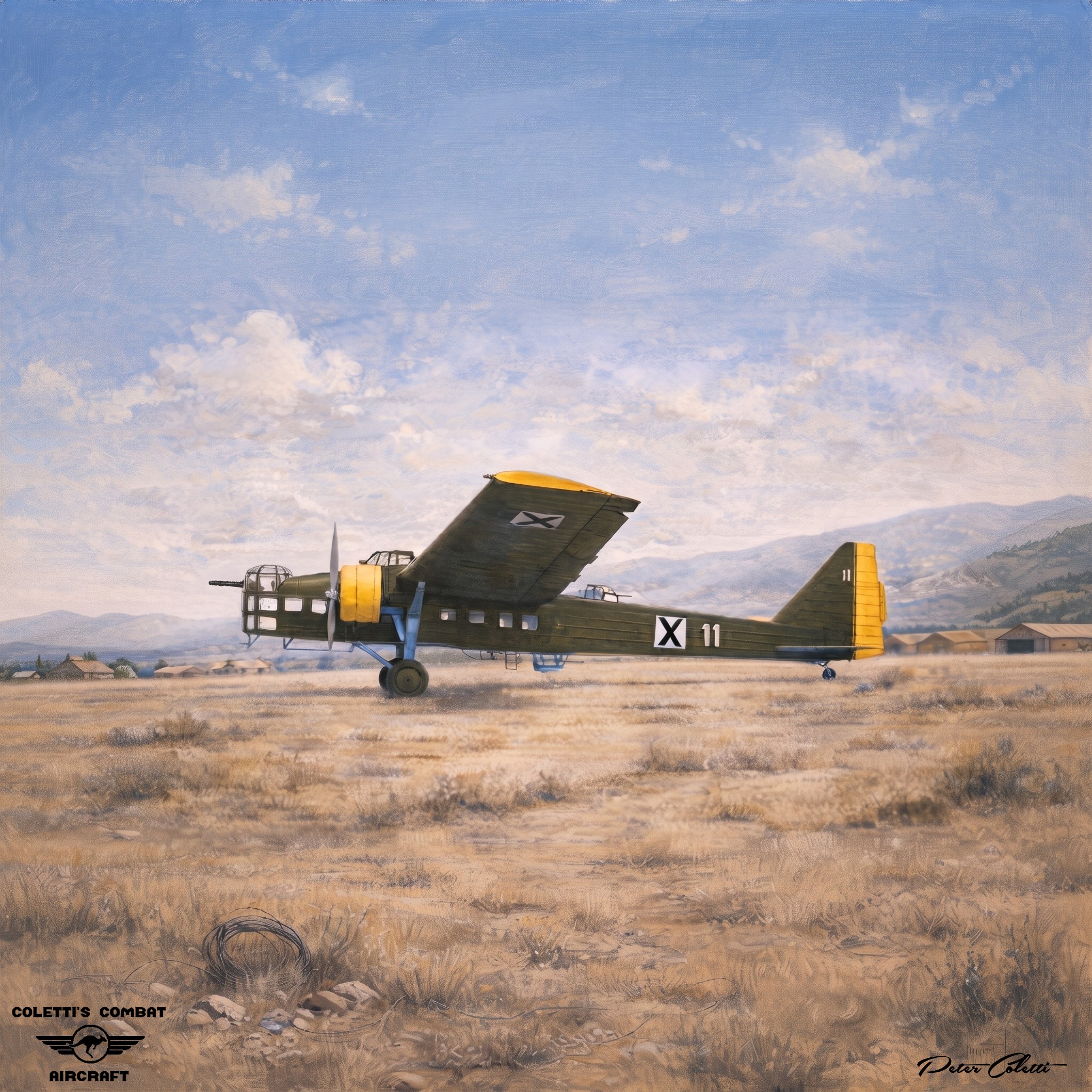
The Spanish Republic acquired two MB.200s shortly after the outbreak of the Spanish Civil War, followed by 30 more assembled in Barcelona.
The type suffered heavy losses—about one‑third were destroyed early in the conflict—and the remainder were relegated to coastal defence roles.
None survived the war.
Germany and Bulgaria
Germany inherited Czech‑built MB.200s after occupying Czechoslovakia.
The Luftwaffe used them mainly for training and second‑line duties.
Germany also sold 12 ex‑Czech aircraft to Bulgaria in 1939, where they served as trainers.
Bloch MB.200
Vichy France and the Middle East
One of the MB.200’s last combat actions occurred during the 1941 Allied invasion of Lebanon and Syria.
Vichy French forces deployed a squadron of MB.200s, conducting at least one daylight bombing attack against British shipping.
These operations highlighted the aircraft’s vulnerability in modern combat environments.
Variants
MB.200.01 — Prototype
MB.200B.4 — Main production version with Gnome–Rhône 14Kirs engines
MB.201 — Experimental version with two Hispano‑Suiza 12Ybrs engines
MB.202 — Four‑engine variant using Gnome‑Rhône 7Kdrs
MB.203 — Diesel‑powered variant with two Clerget 14F engines
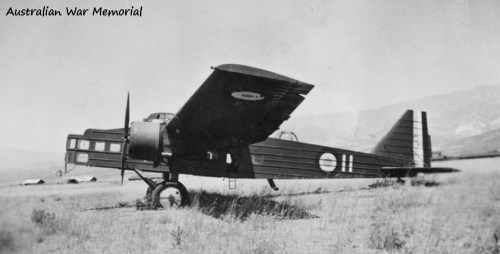
Aero MB.200
Czechoslovak Licensed Variant
One of the most significant developments in the MB.200 story was its licensed production in Czechoslovakia.
Seeking a rapid modernisation of its air force, Czechoslovakia ordered the MB.200 for local manufacture, as its industry lacked experience with large all‑metal bombers.
An initial order for 74 aircraft expanded to approximately 124, built by Aero and Avia beginning in 1937.
Czech‑built MB.200s were nearly identical to French models but incorporated local equipment and armament.
After the German occupation, surviving aircraft were taken over by the Luftwaffe or transferred to Bulgaria.
The Aero MB.200 played a crucial role in developing Czechoslovakia’s heavy‑aircraft manufacturing capability and remains one of the most important foreign‑built variants of a French bomber.
None of the experimental variants entered mass production, but they informed later Bloch bomber development.
Bloch MB.200
Assessment and Legacy
The Bloch MB.200 represents a transitional stage in bomber evolution—modern in its all‑metal construction and enclosed crew stations, yet conservative in its fixed landing gear, modest speed, and light defensive armament.
When introduced, it provided France with a reliable and relatively advanced medium bomber.
But the rapid pace of 1930s aviation quickly overtook it, and by the start of WWII it was outdated.
Bloch MB.203
Its broader legacy lies in the following:
accelerating France’s shift to all‑metal monoplane bombers
enabling Czechoslovakia to develop domestic expertise in large aircraft construction
serving as a stepping stone towards more capable Bloch designs, notably the MB.210
Though overshadowed by later aircraft, the MB.200 remains an important example of early‑1930s European bomber engineering and a key component of interwar French air power.