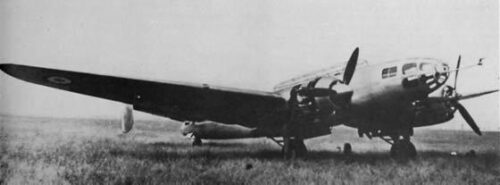
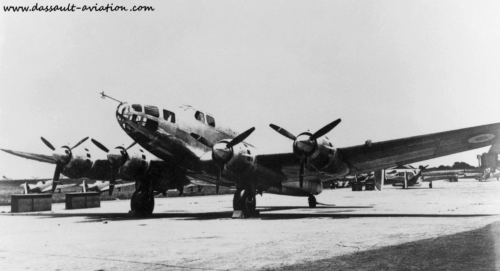
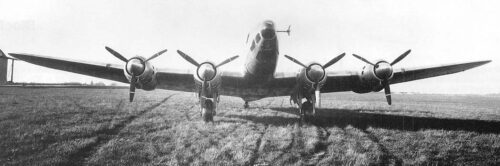
The Bloch MB.130 series emerged from a 1933 French Aviation Ministry requirement for a modern reconnaissance and tactical bomber, intended to replace ageing biplane types and provide the Armée de l’Air with a fast, all‑metal monoplane capable of both observation and light bombing roles.
This requirement directly initiated the MB.130 design programme.
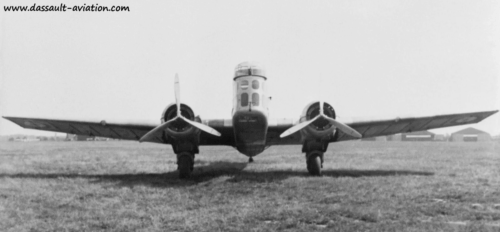
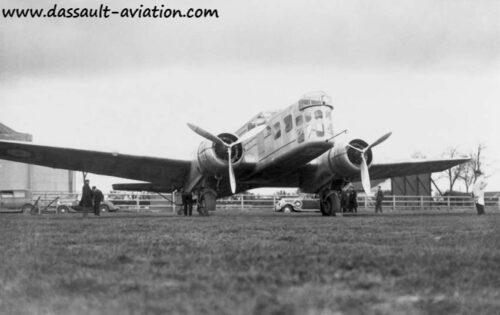
The first prototype, the MB.130.01, flew on 29 June 1934, demonstrating the basic configuration that would define the entire family: a twin‑engine, low‑wing monoplane with retractable landing gear and a crew compartment arranged for multi‑position defensive armament.
Although structurally modern, the MB.130’s performance was considered mediocre, yet the French Air Ministry—eager to modernise—ordered 40 aircraft in October 1935.
Recognising the shortcomings of the MB.130, Bloch engineers developed an improved model, the MB.131, which first flew on 16 August 1936.
Even this version required further refinement, leading to a radically revised second prototype that flew on 5 May 1937 and became the basis for full-scale production under the newly nationalised SNCASO, which had absorbed Bloch and Blériot.
Total production of all MB.131 variants reached 143 aircraft, including prototypes.
Parallel experimental developments—MB.133, MB.134, and MB.135—sought to improve performance through aerodynamic changes or more powerful engines, culminating in the four‑engined MB.135 prototype, which flew on 12 January 1939.
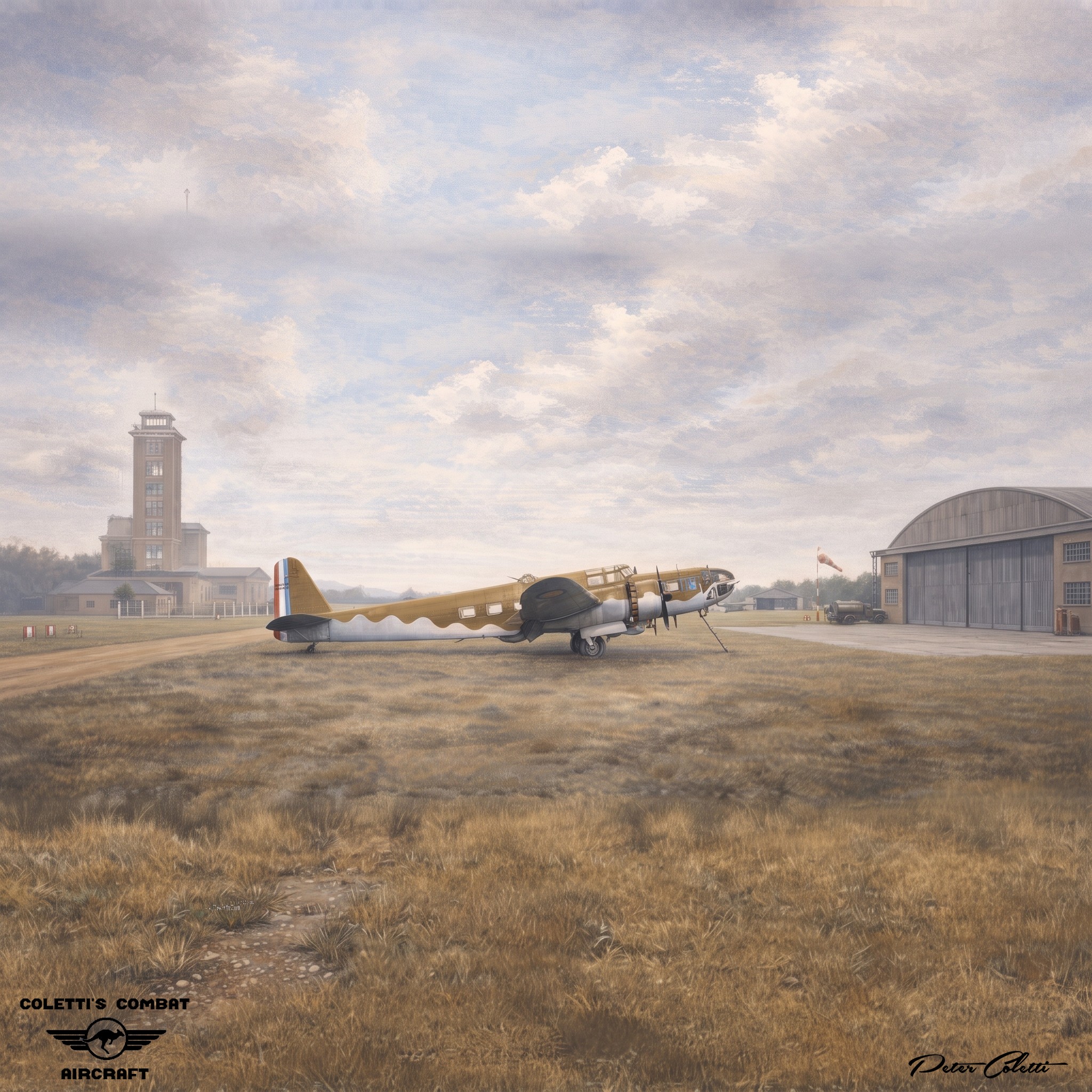
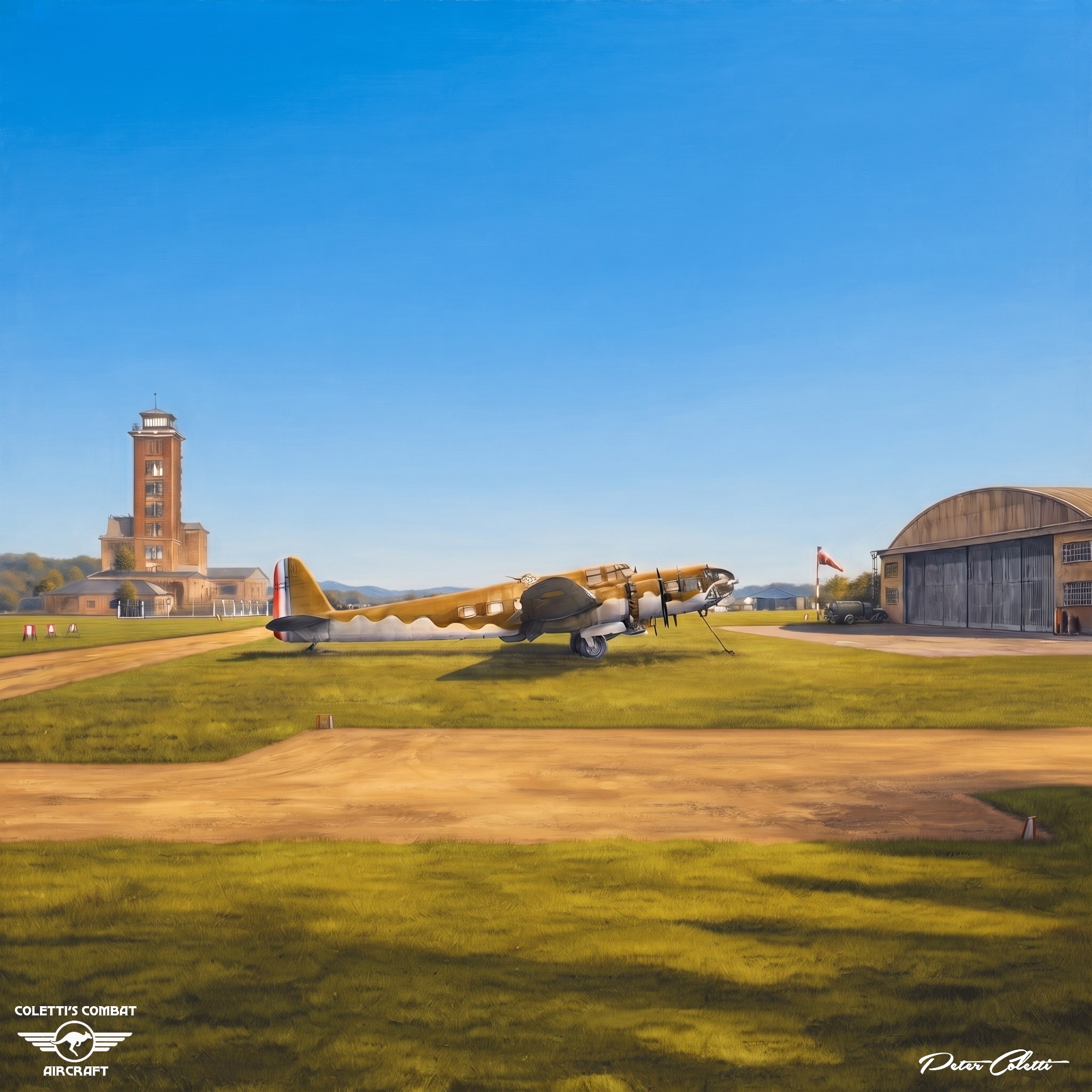
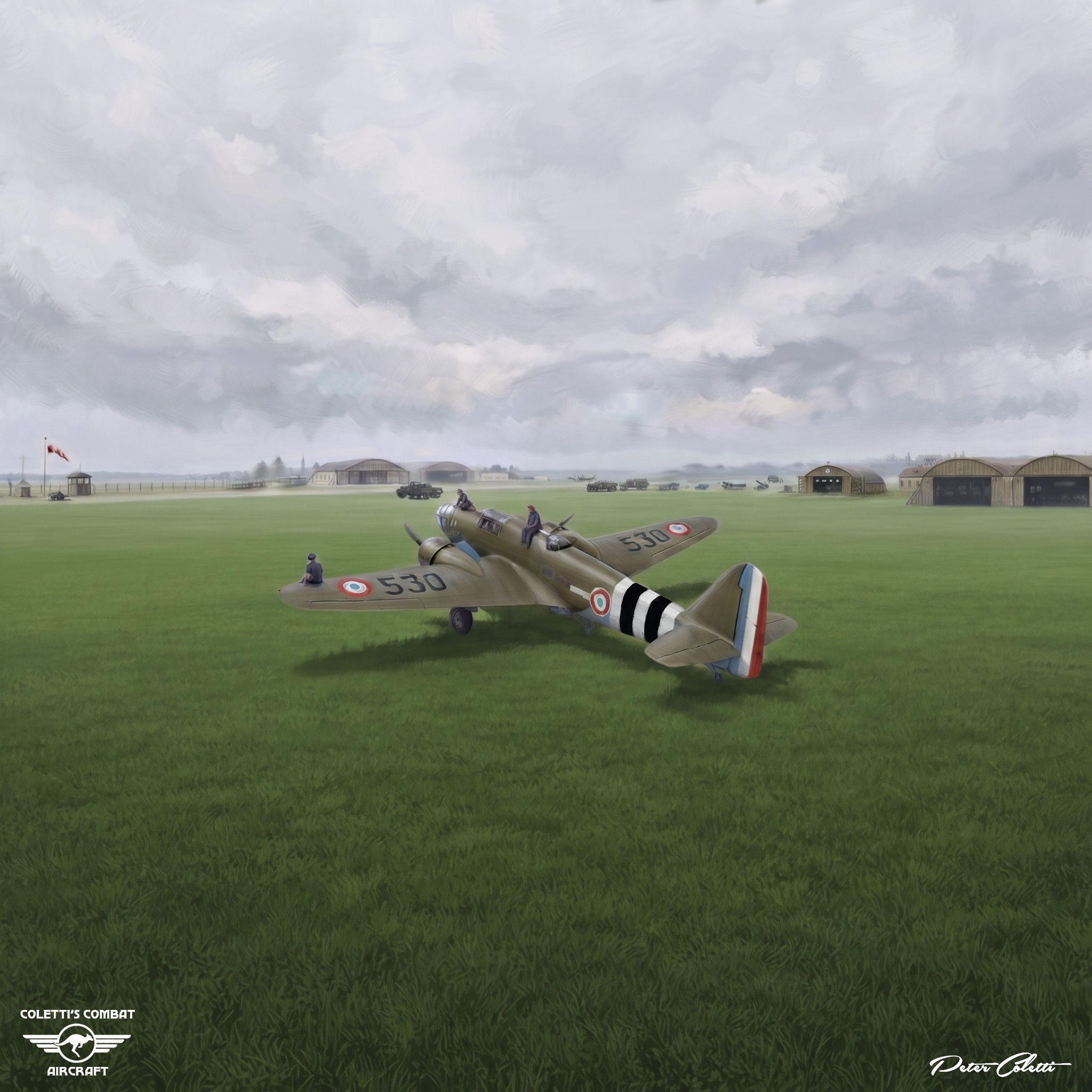
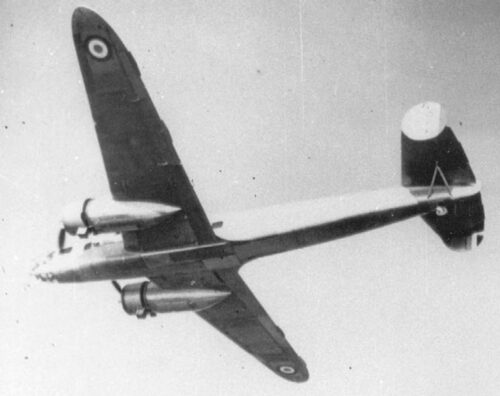
Bloch MB.130A
Design Characteristics
Airframe and Structure
The MB.130 series was built around an all‑metal stressed‑skin structure, reflecting the shift in 1930s French aircraft design towards monocoque fuselages and cantilever wings.
The aircraft featured:
Low‑wing monoplane layout for stability and visibility
Retractable tailwheel landing gear, a modern feature for the era
A fully enclosed crew compartment with positions for pilot, navigator/observer, radio operator, and gunner
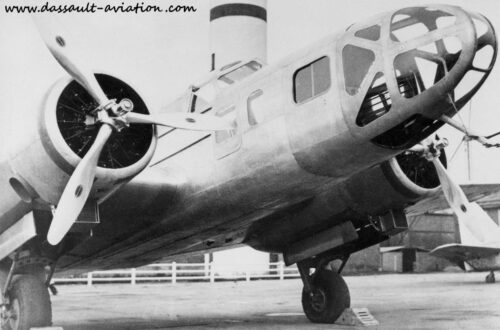
A ventral gondola for observation and defensive armament, a common French design trait of the period
Powerplant
The production MB.131 used two Gnome‑Rhône 14N radial engines, each producing 708 kW (950 hp), with opposite rotation to reduce torque effects.
Earlier prototypes used Gnome‑Rhône 14K engines, while later experimental variants tested Hispano‑Suiza radials or multiple smaller engines.
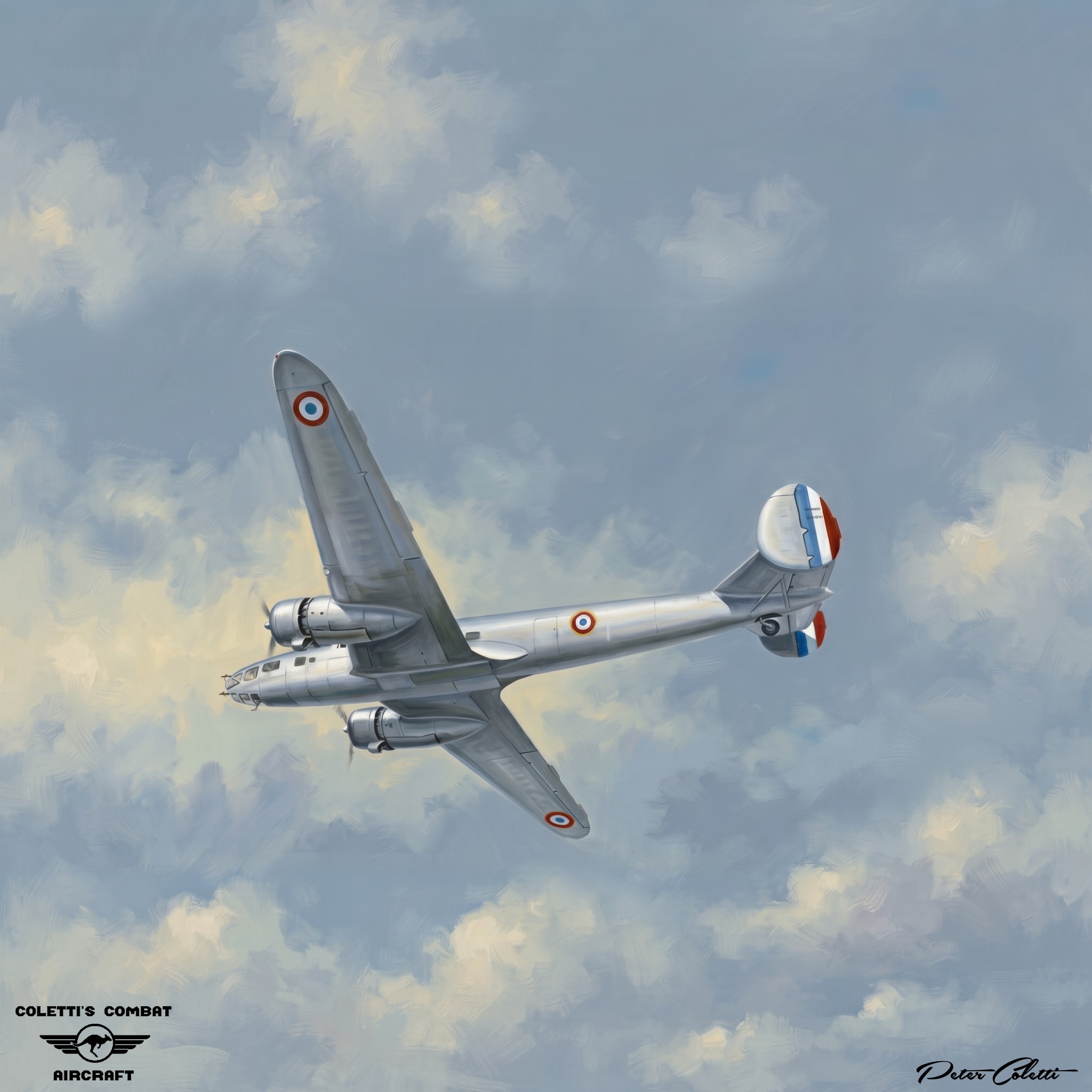
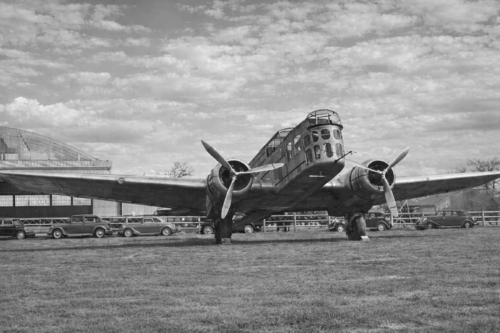
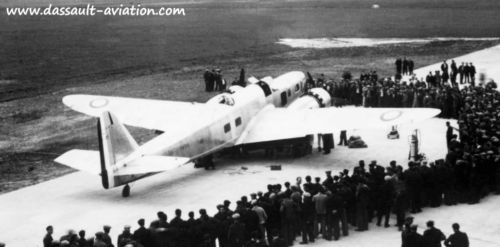
Bloch MB.133
Crew Layout and Equipment
The aircraft typically carried a crew of four:
Pilot
Observer/bombardier
Radio operator
Dorsal/ventral gunner
The MB.131 incorporated a central bomb bay in the RB.4 variant and multiple flexible gun positions, though its defensive armament was considered light by late‑1930s standards.
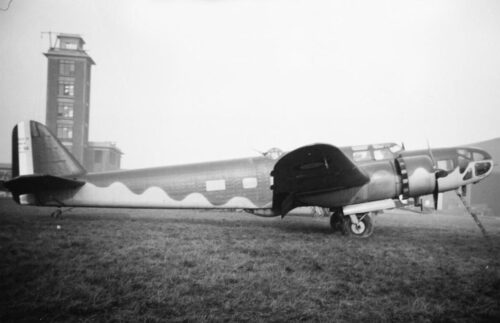
Bloch MB.131
Armament
Standard MB.131 armament consisted of:
Three 7.5 mm MAC 1934 machine guns in nose, dorsal turret, and ventral gondola positions
Bomb load options up to 800 kg, including combinations of 200 kg, 100 kg, 50 kg, or 10 kg bombs
Bloch MB.131
Performance
The MB.131RB.4’s performance reflected its reconnaissance-bomber role:
Maximum speed: 349 km/h at 3,750 m
Cruise speed: 270 km/h
Range: 1,300 km
Service ceiling: 7,250 m
Climb: 4,000 m in 13 minutes
While adequate in 1936, these figures were obsolete by 1939, especially compared to German and British contemporaries.
Bloch MB.131
Operational History
Pre‑War Service
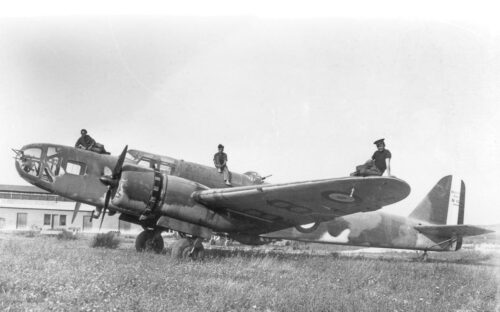
The MB.131 entered French service in June 1938, equipping seven reconnaissance groups—six in metropolitan France and one in North Africa.
Crews appreciated its stability and handling, but its speed and defensive armament were already outdated.
Early WWII Combat
At the outbreak of war in September 1939, MB.131 units were tasked with daylight reconnaissance over Germany’s western frontier.
These missions proved disastrous: the aircraft suffered heavy losses against modern Luftwaffe fighters and flak due to its low speed and weak armament.
French commanders soon restricted the type to night reconnaissance, but losses continued, and by May 1940, all metropolitan units had re-equipped with the more capable Potez 63.11, leaving only the North African group still operating MB.131s in frontline roles.
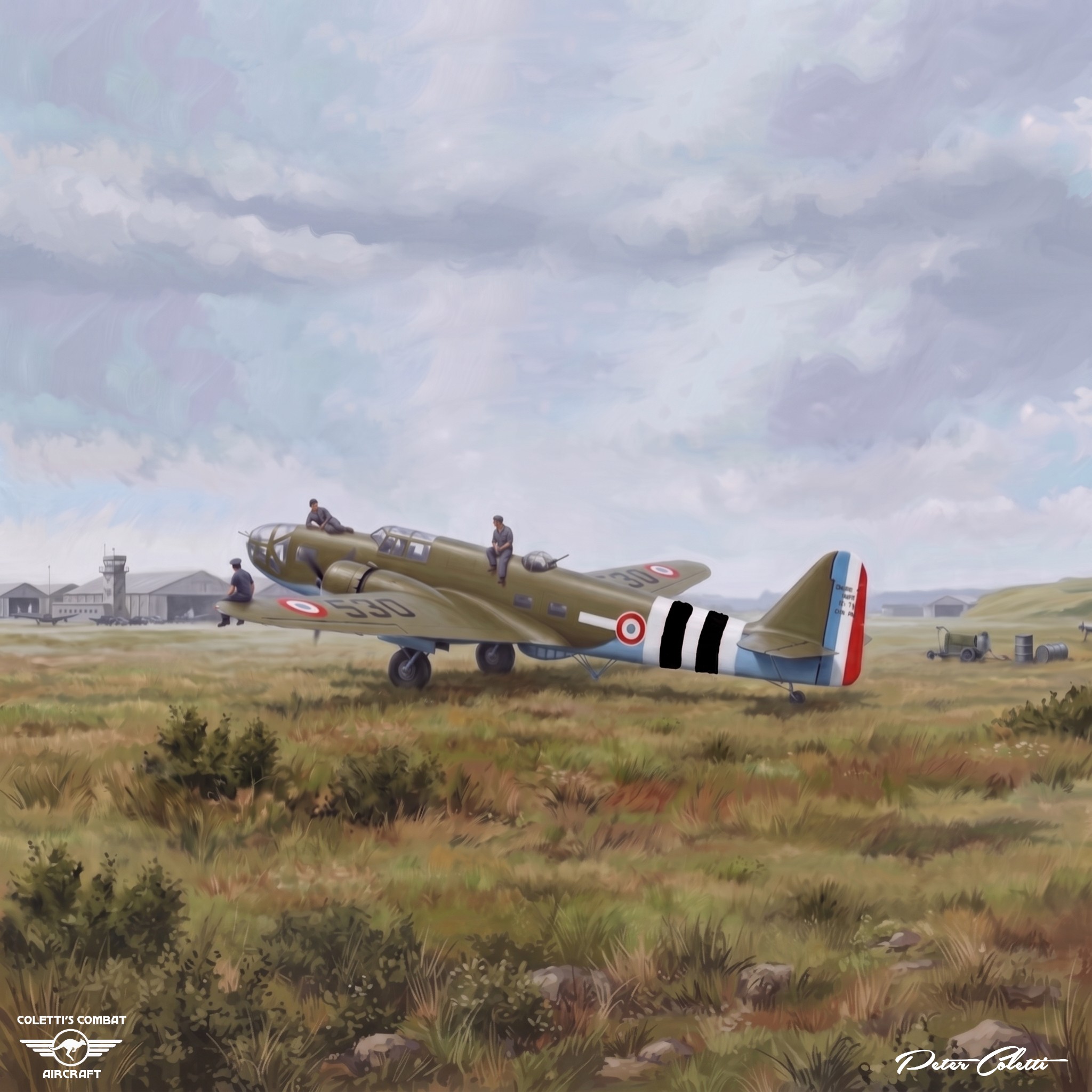
Bloch MB.130A
After the Fall of France
Following the June 1940 armistice:
Vichy forces relegated surviving MB.131s to target‑towing and training duties.
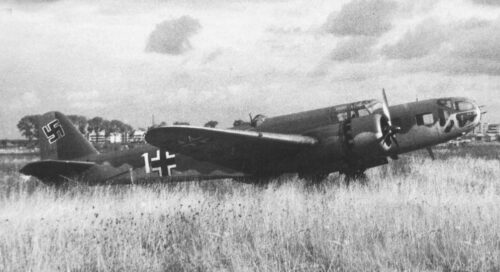
The Luftwaffe captured 21 unserviceable aircraft, though photographic evidence shows that a few were flown in secondary roles such as training or liaison.
A small number were also used by the Polish Air Forces in exile, operating from French bases before the collapse of France.
Variants of the MB.130 Series
MB.130.01
Original prototype
Powered by two Gnome‑Rhône 14Kdrs engines
Established the basic configuration of the series
MB.131 Series
MB.131.01 – First prototype with Gnome‑Rhône 14N‑10 engines
MB.131.02 – Revised prototype with new wings, tail, and fuselage
MB.131R4 – Early production reconnaissance version, 13–14 built
MB.131Ins – Dual‑control trainer, 5 built
MB.131RB.4 – Main production reconnaissance‑bomber model with internal bomb bay; 121 built (sources vary between 100 and 121).
MB.133
Prototype with redesigned tail surfaces
One built
MB.134
Prototype fitted with two 1,100 hp Hispano‑Suiza 14AA engines
One built
Intended to address the MB.131’s lack of power
MB.135
Four‑engined derivative of the MB.134
Powered by four 710 hp Gnome‑Rhône 14M radials
First flight: 12 January 1939
Demonstrated improved performance but arrived too late for production consideration
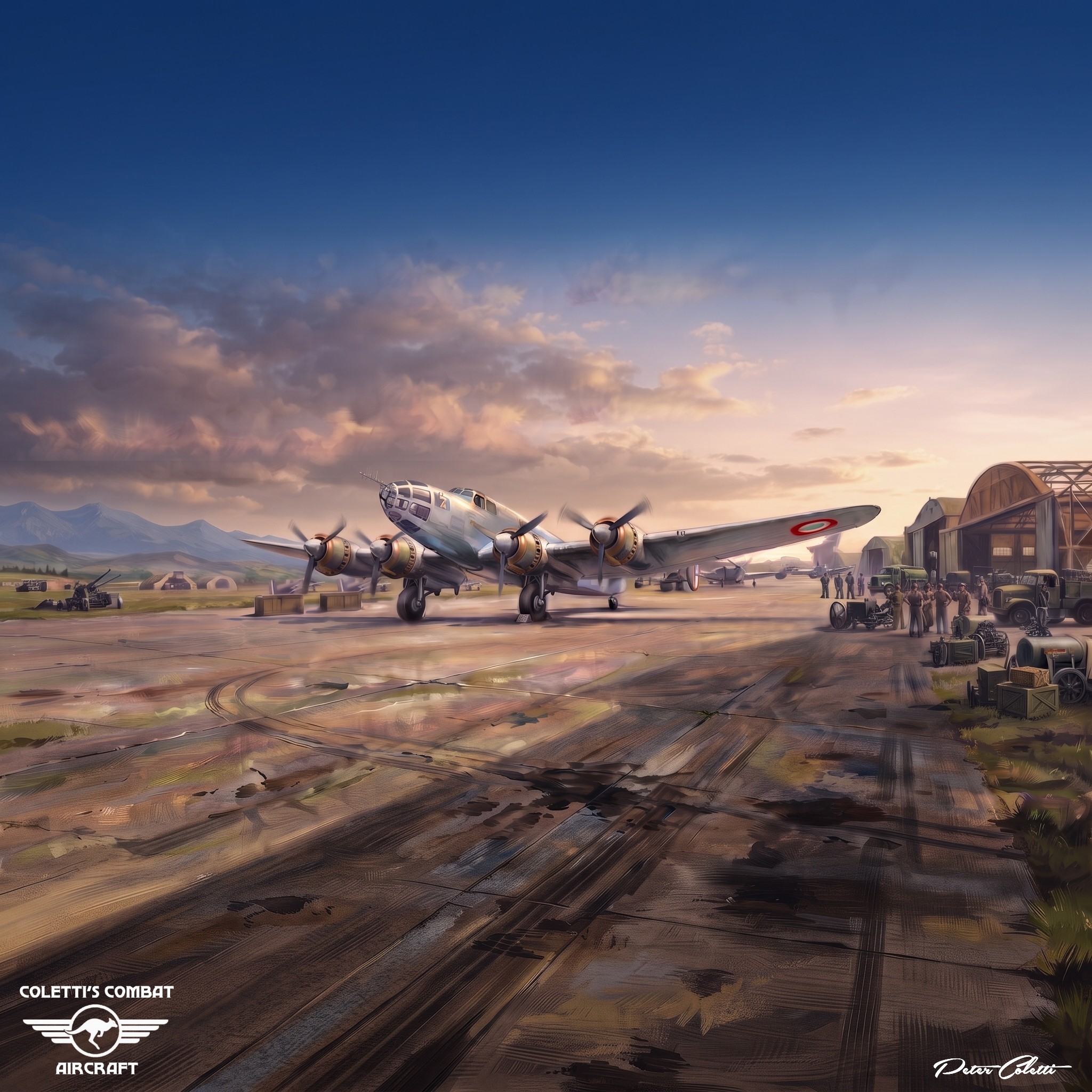
Bloch MB.135
Assessment and Legacy
The Bloch MB.130 series represents a transitional stage in French military aviation.
When conceived in 1933, the MB.130 and MB.131 were modern, forward‑looking designs.
However, rapid advances in aircraft performance during the mid‑1930s quickly rendered them obsolete.
Key limitations included the following:
Insufficient engine power
Low maximum speed
Light defensive armament
Vulnerability to modern fighters
Despite these shortcomings, the MB.131 played an important role in the early reconnaissance efforts of WWII, and its derivatives contributed to French experimentation with multi‑engine configurations.
The MB.135, though never produced, hinted at the direction French designers might have taken had the war not intervened.