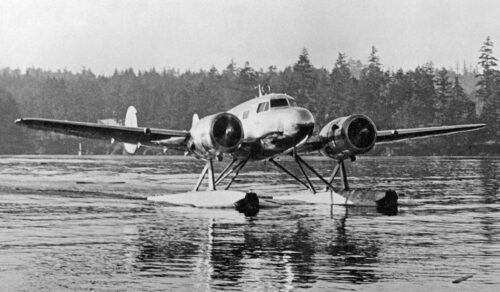
The Barkley‑Grow T8P‑1 emerged during a period of rapid innovation in American civil aviation.
Conceived by designer Archibald Barkley and produced by the Barkley‑Grow Aircraft Corporation, the aircraft was intended to compete in the expanding market for small, rugged commercial transports in the mid‑1930s.
Its designation—T8P, for Transport, 8‑Passenger—reflected the company’s ambition to offer a practical, economical airliner for regional carriers.
The project was initiated in response to a 1935 U.S. Bureau of Air Commerce specification, the same requirement that produced the Lockheed Model 12 Electra Junior and the Beech 18.
Although Lockheed ultimately won the competition, Barkley‑Grow continued development independently, aiming to carve out a niche with a simpler, more robust design.
The prototype first flew in April 1937.
Despite promising performance and innovative engineering, the aircraft struggled to gain traction in the U.S. market.
Only 11 examples were built before production ceased, a reflection of both stiff competition and the aircraft’s unconventional design choices.
Design Philosophy and Construction
General Configuration
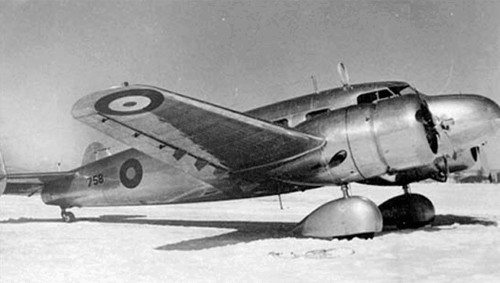
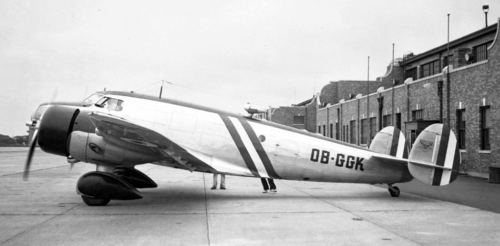
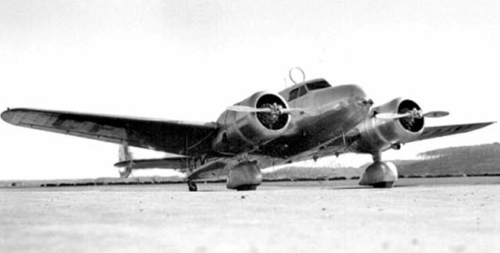
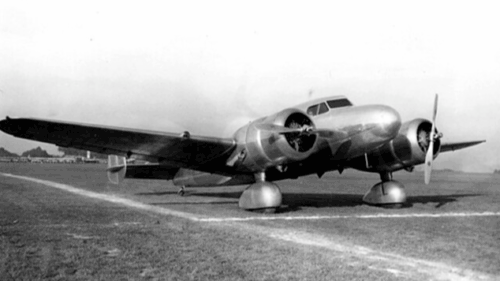
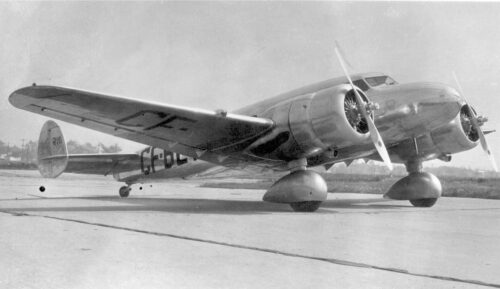
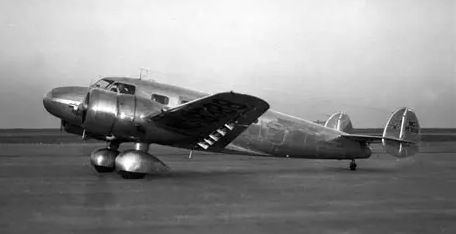
The T8P‑1 was a low‑wing, all‑metal monoplane with a twin‑tail arrangement, typical of American transports of the era.
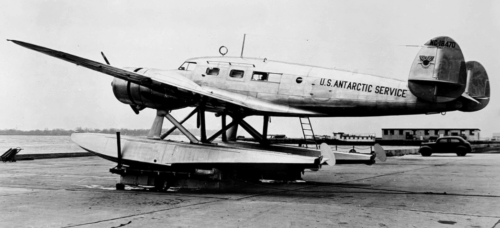
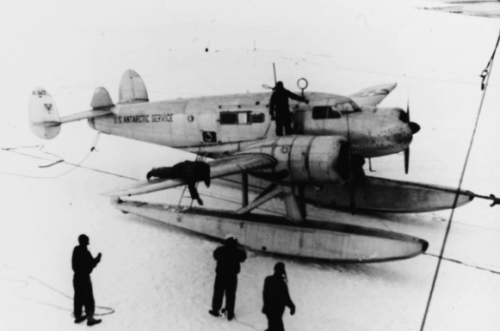
When equipped with floats, a third central tail was added to improve directional stability—an arrangement reminiscent of the later Lockheed Constellation.
The aircraft was powered by two Pratt & Whitney Wasp Junior SB radial engines, each producing 400 hp, giving it competitive performance for its class.
Undercarriage and Ruggedness
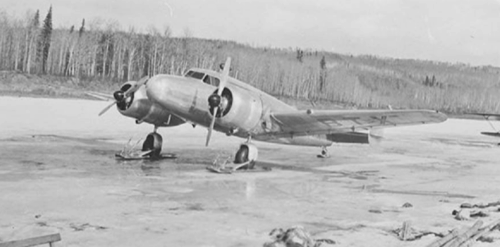
A defining feature was its fixed tailwheel undercarriage, chosen deliberately for simplicity and durability.
While this made the aircraft well‑suited to rough or unimproved airstrips, it also made the T8P‑1 less attractive to U.S. airlines seeking modern, retractable‑gear transports.
Contemporary observers and later historians have suggested that this design choice significantly limited its commercial appeal.
Innovative Wing Structure
The T8P‑1’s most distinctive engineering feature was its unique wing construction, which dispensed with traditional ribs and spars.
Instead, Barkley employed a “horizontal cell” technique:
Long, tapered aluminium strips were bent into V‑shaped profiles.
These were riveted tip‑to‑tip to form X‑shaped structural units.
The X‑units were then arranged side‑by‑side to create long, stiff internal “cells” running the span of the wing.
This method produced a wing that was light, extremely rigid, and aerodynamically clean, though expensive to manufacture and difficult to repair.
Mechanics later reported that despite the complexity, the wings performed reliably in service and presented no structural issues.
Performance Characteristics
The T8P‑1 delivered performance broadly comparable to its competitors:
Maximum speed: 225 mph at 5,000 ft
Cruise speed: 204 mph
Range: 470–630 miles, depending on fuel configuration
Service ceiling: 24,000 ft
Rate of climb: 1,420 ft/min
Its 8,750 lb gross weight and 354 sq ft wing area gave it respectable short‑field capability, especially valuable in northern climates and remote regions.
Operational History
Limited U.S. Sales
Despite its sound engineering, the T8P‑1 found few buyers in the United States.
Only 11 aircraft were completed, and domestic airlines showed little interest in a fixed-gear transport at a time when retractable undercarriages were becoming standard.
Success in Canada
The aircraft found a more appreciative market in Canada, where seven of the eleven examples were sold.
Canadian bush operators valued:
The rugged fixed gear
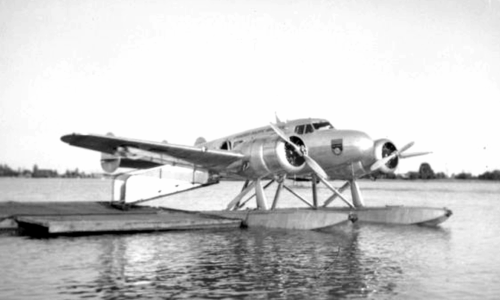
The ability to fit skis or floats
Strong performance in cold climates
Good payload capability
Operators such as Yukon Southern Air Transport and Maritime Central Airways used the type extensively in remote regions, often on floats or skis.
Notable Flights
Several T8P‑1s participated in high‑profile missions:
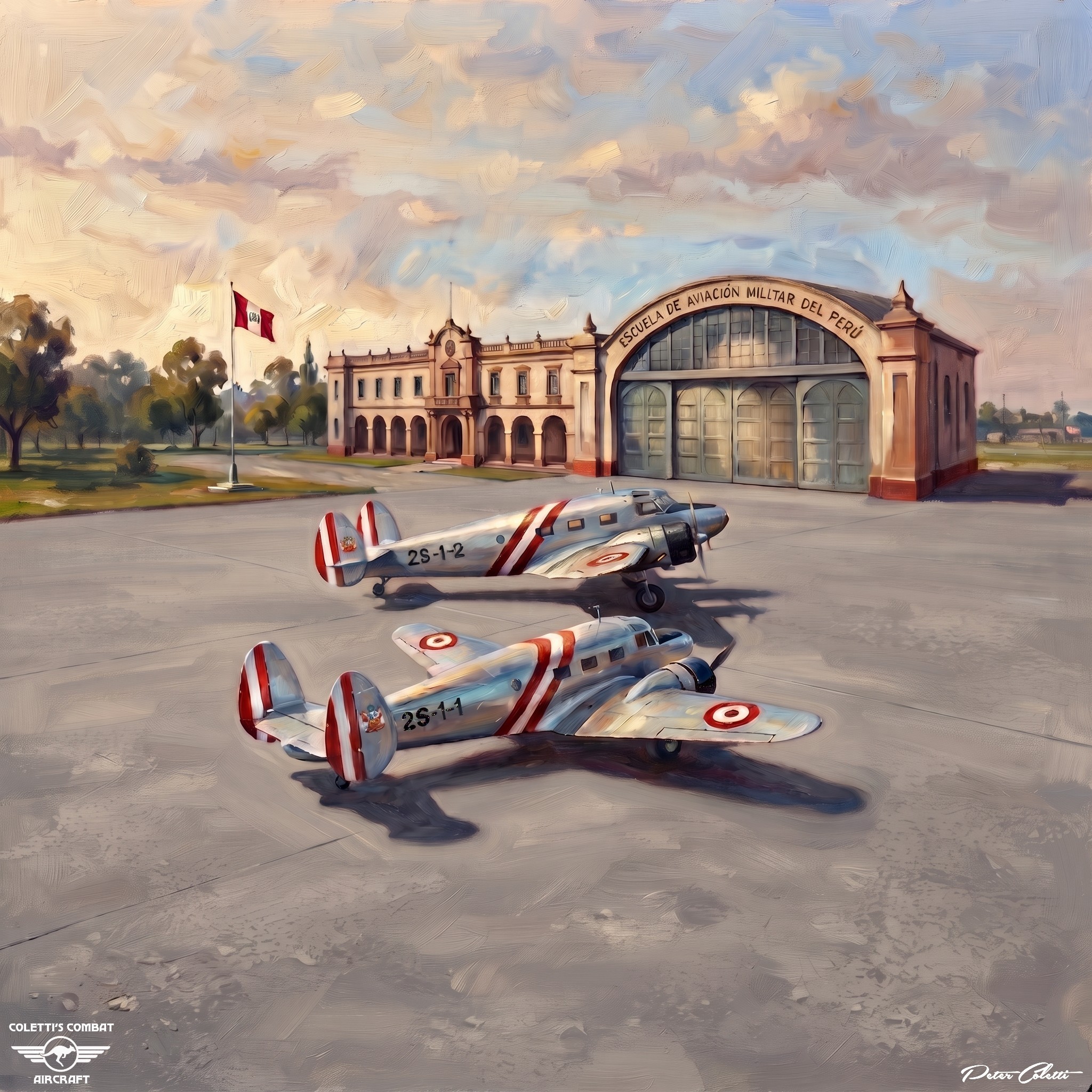
Record attempt: One aircraft was selected for a long‑distance flight from Washington, D.C., to Peru.
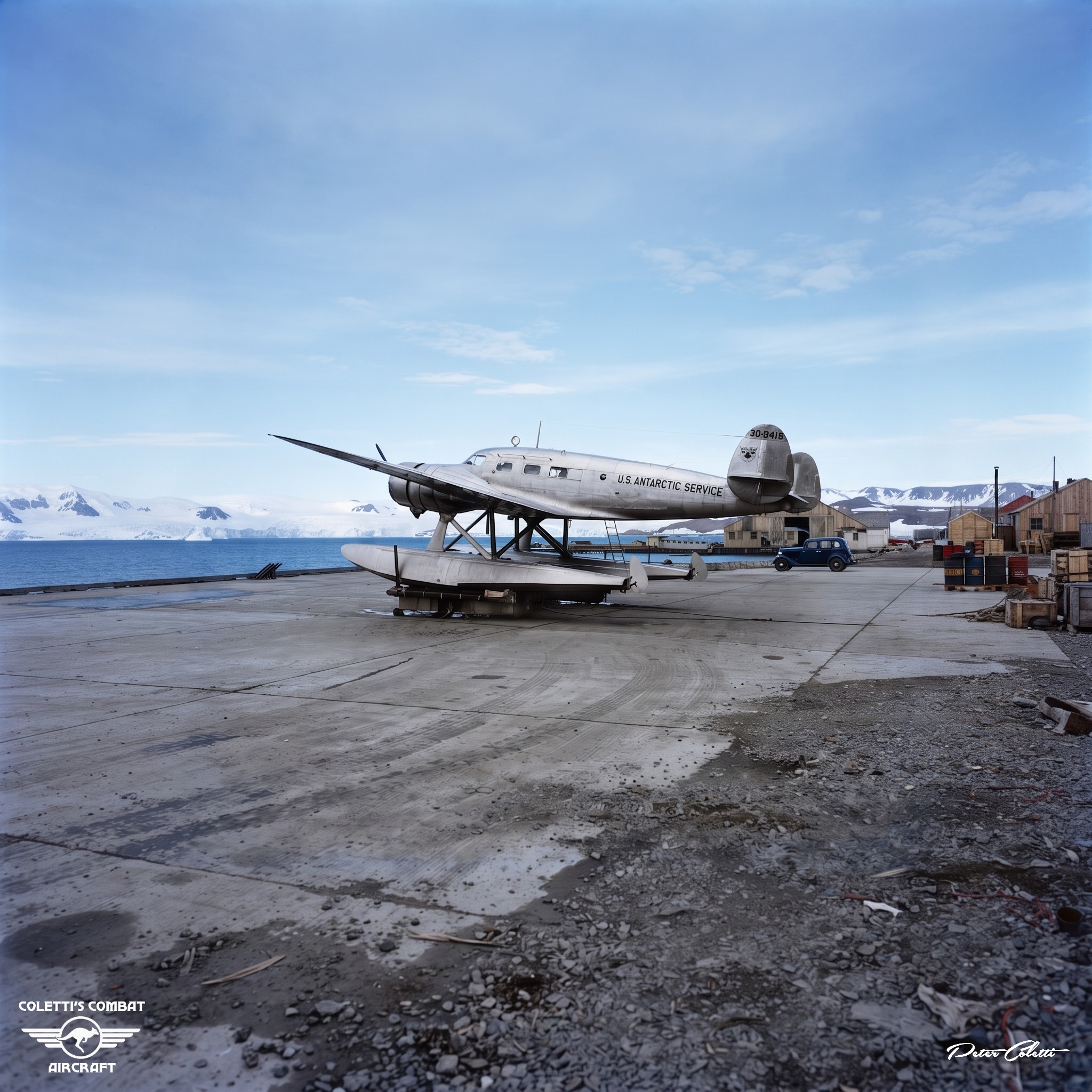
Antarctic service: Another was used by the U.S. Navy in Antarctic operations, demonstrating the type’s reliability in extreme conditions.
Greenland rescue (1942): A Maritime Central Airways T8P‑1, fitted with skis, attempted to rescue survivors of a B‑17 crash on the Greenland ice shelf.
After encountering severe headwinds, it force‑landed on 22 December 1942, broke through the ice, and sank.
The crew survived and were rescued by Inuit tribesmen.
World War II Context
Although not a military aircraft, the T8P‑1 operated during the early years of the Second World War, primarily in civilian and auxiliary roles.
Its ruggedness and adaptability made it useful for:
Arctic and sub-Arctic transport
Survey and communication flights
Emergency and rescue missions
The aircraft’s limited production meant it never played a major wartime role, but its service in remote northern regions—particularly Canada and Greenland—placed it squarely within the broader logistical landscape of WWII aviation.
Variants
The T8P‑1 existed essentially in a single production variant, with modifications tailored to operator needs:
Standard landplane with fixed tailwheel gear
Floatplane configuration, requiring the addition of a third central tail for stability
Ski‑equipped version for winter and polar operations
No major structural or performance variants were produced, largely due to the small production run.
Surviving Aircraft
A handful of T8P‑1s survive today, primarily in Canadian museums:
Reynolds‑Alberta Museum, Wetaskiwin – one aircraft in storage
Alberta Aviation Museum, Edmonton – one aircraft on static display, on loan from The Hangar Flight Museum
The Hangar Flight Museum, Calgary – T8P‑1 CF‑BQM on display
These surviving examples preserve the legacy of a distinctive and technically innovative aircraft that, despite limited commercial success, made a meaningful contribution to northern aviation.
Assessment and Legacy
The Barkley‑Grow T8P‑1 occupies a unique place in aviation history.
It was:
Technically bold, especially in its wing construction
Operationally rugged, ideal for bush flying
Commercially unlucky, overshadowed by more modern or better‑marketed competitors
Its story reflects the transitional nature of 1930s aviation—caught between the simplicity of early transports and the sophistication of the emerging modern airliner.
While it never achieved widespread adoption, the T8P‑1 proved its worth in some of the harshest environments on Earth, earning a quiet but enduring respect among pilots and historians.