Avro 626
Origins and Development
The Avro 626 emerged during a transitional moment in interwar aviation, when many air forces were modernising rapidly but still relied heavily on biplane trainers to build foundational flying skills.
A.V. Roe & Company had already achieved enormous success with the Avro 504 series, which had trained thousands of pilots during the First World War.
By the late 1920s, however, the 504’s performance and equipment were outdated.
Air forces increasingly demanded a trainer that could introduce pilots not only to basic flying but also to navigation, wireless operation, gunnery, and bombing—skills essential for the more complex aircraft entering service.
Avro responded by designing a new multi‑purpose trainer that retained the forgiving handling qualities of the 504 but incorporated modernised construction, improved aerodynamics, and the ability to carry a wide range of training equipment.
The result was the Avro 621 Tutor, a two‑seat primary trainer that entered service in 1929.
Its success encouraged Avro to develop a more versatile derivative aimed at export customers: the Avro 626, first flown in 1930.
The 626 was conceived as a “flying classroom”, capable of teaching nearly every aircrew discipline.
To achieve this, Avro added a third cockpit behind the instructor’s position, allowing the aircraft to carry specialised equipment without compromising the primary training role.
This made the 626 particularly attractive to smaller air forces that needed a single, economical platform to cover multiple training tasks.
Design and Construction
Airframe
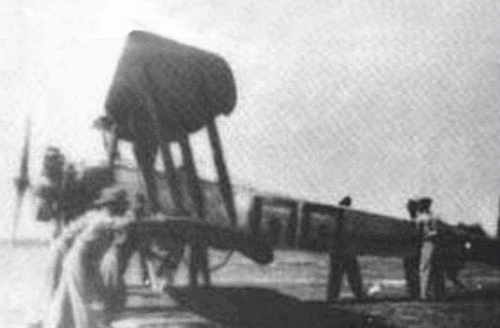
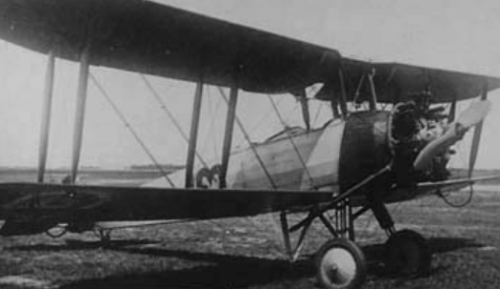
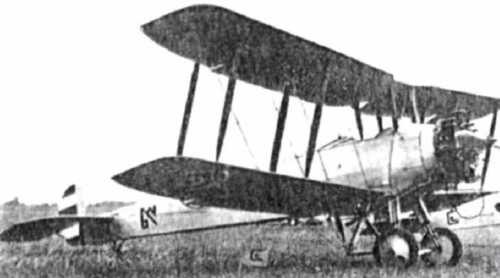
The Avro 626 was a single-engine, two-bay biplane of mixed construction.
Its design philosophy emphasised reliability, simplicity, and ease of maintenance—qualities essential for training aircraft operating in varied climates and often underfunded conditions.
Fuselage: A welded steel‑tube structure with fabric covering, providing robustness and straightforward repairability.
Wings: Wooden construction with fabric covering, featuring equal span upper and lower wings and modest stagger.
Ailerons were fitted to both wings for improved control response.
Cockpits: Three open cockpits arranged in tandem.
The forward two were used for the pilot and instructor; the third, located aft, could be equipped for navigation, wireless operation, or gunnery training.
Powerplant
Most Avro 626s were powered by the Armstrong Siddeley Lynx IVC, a seven‑cylinder air‑cooled radial engine producing around 215 hp.
The Lynx was chosen for its reliability and widespread availability, making it ideal for export customers.
Some operators selected alternative engines—often locally produced or preferred for logistical reasons—resulting in several subvariants.
Equipment and Training Features
The 626’s defining characteristic was its adaptability.
Depending on customer requirements, the aircraft could be fitted with:
Dual controls for pilot training
Full navigation instrumentation
Wireless telegraphy equipment with trailing aerial
A Scarff ring in the third cockpit for gunnery training
Light bomb racks for bombing practice
This modular approach allowed air forces to configure the aircraft for multiple roles without purchasing separate specialised trainers.
Performance Characteristics
While not a high‑performance aircraft, the Avro 626 offered stable handling, predictable stall behaviour, and excellent visibility—qualities prized in a trainer.
Typical performance figures (Lynx‑powered version):
Maximum speed: ~120 mph (193 km/h)
Cruise speed: ~100 mph (160 km/h)
Range: ~350 miles (560 km)
Service ceiling: ~15,000 ft (4,600 m)
Rate of climb: ~700 ft/min (3.6 m/s)
These numbers placed the 626 comfortably within the performance envelope needed for intermediate training while remaining forgiving enough for novice pilots.
Variants
Although the Avro 626 was not produced in large numbers compared to frontline aircraft, it spawned several notable variants:
Avro 626 (Standard Model)
The baseline export version with three cockpits and Lynx engine.
Most customers purchased this configuration.
Avro 626 Prefect
A designation sometimes applied to aircraft purchased by the Royal Air Force and Royal Navy, though the RAF primarily used the related Avro 621 Tutor.
The “Prefect” name is more commonly associated with the 621 variant equipped for navigation training.
Locally Modified Versions
Several countries adapted the 626 to their own needs:
Greece and Portugal installed alternative radios and navigation equipment.
Egypt and South Africa used the aircraft extensively for multi-role training, sometimes modifying cockpit layouts.
Irish Air Corps examples were fitted with locally preferred instrumentation and served well into the 1940s.
Engine Variants
Some operators selected different radial engines—often for licensing or supply reasons—resulting in minor performance differences.
Operational History and Global Use
The Avro 626 found its greatest success as an export aircraft.
More than a dozen countries purchased the type, including the following:
Argentina
Brazil
Chile
Egypt
Estonia
Greece
Ireland
Portugal
South Africa
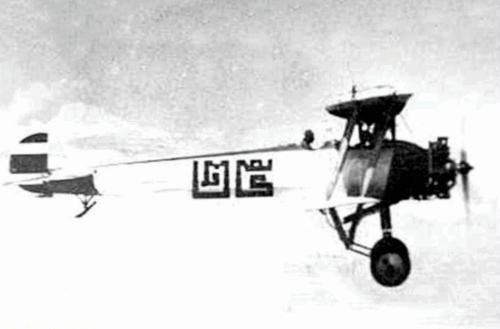
Siam (Thailand)
Yugoslavia
Its combination of low cost, rugged construction, and multi-role capability made it especially attractive to smaller air forces building their first modern training programmes.
Pre‑War Service
Throughout the 1930s, the 626 served as a primary and intermediate trainer, a navigation and wireless trainer, and a gunnery platform.
In many air forces, it formed the backbone of pilot training pipelines, often operating from remote or austere airfields.
World War II Context
Although obsolete as a frontline trainer by the outbreak of the Second World War, the Avro 626 continued to serve in several capacities:
Training: Many operators used the aircraft throughout the war for basic and intermediate flight instruction.
Liaison and communications: Its reliability and short‑field performance made it useful for courier and liaison duties.
Home defence (limited): In a few countries, including Greece and Yugoslavia, 626s were pressed into emergency reconnaissance or patrol roles during early Axis invasions.
Their slow speed and lack of protection made them unsuitable for combat, but they were used when no alternatives were available.
In the British Commonwealth, the related Avro 621 Tutor remained in widespread service, while the 626 continued to operate in nations such as Ireland, South Africa, and Egypt.
Post‑War Use
After 1945, surviving 626s were gradually retired as more modern monoplane trainers became available.
A handful continued flying into the late 1940s and early 1950s, particularly in South America and the Middle East.
Assessment and Legacy
The Avro 626 was not a revolutionary aircraft, nor was it produced in vast numbers.
Its significance lies in its role as a versatile, economical, and highly adaptable training platform during a period when many smaller air forces were transitioning into the modern aviation era.
Key contributions include:
Providing a single airframe capable of teaching multiple aircrew disciplines
Offering an affordable entry point for nations building their first structured air forces
Extending the design lineage of the Avro 504 into a new generation
Serving reliably through the turbulent years leading into and through the Second World War
Today, the Avro 626 is remembered as a classic interwar biplane trainer—an aircraft that quietly but effectively helped shape the early aviation capabilities of numerous nations.
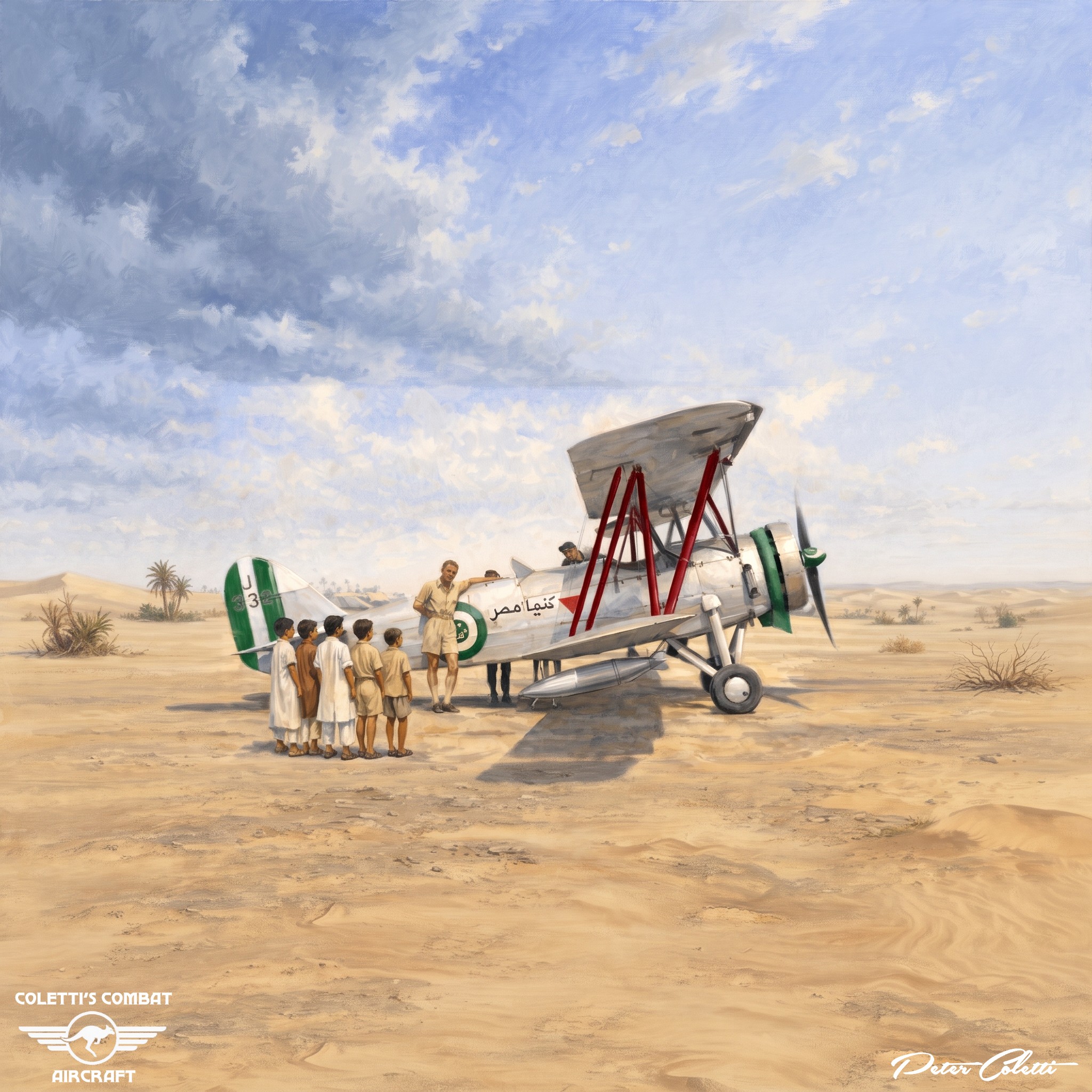
Digital Artworks by Peter Coletti.