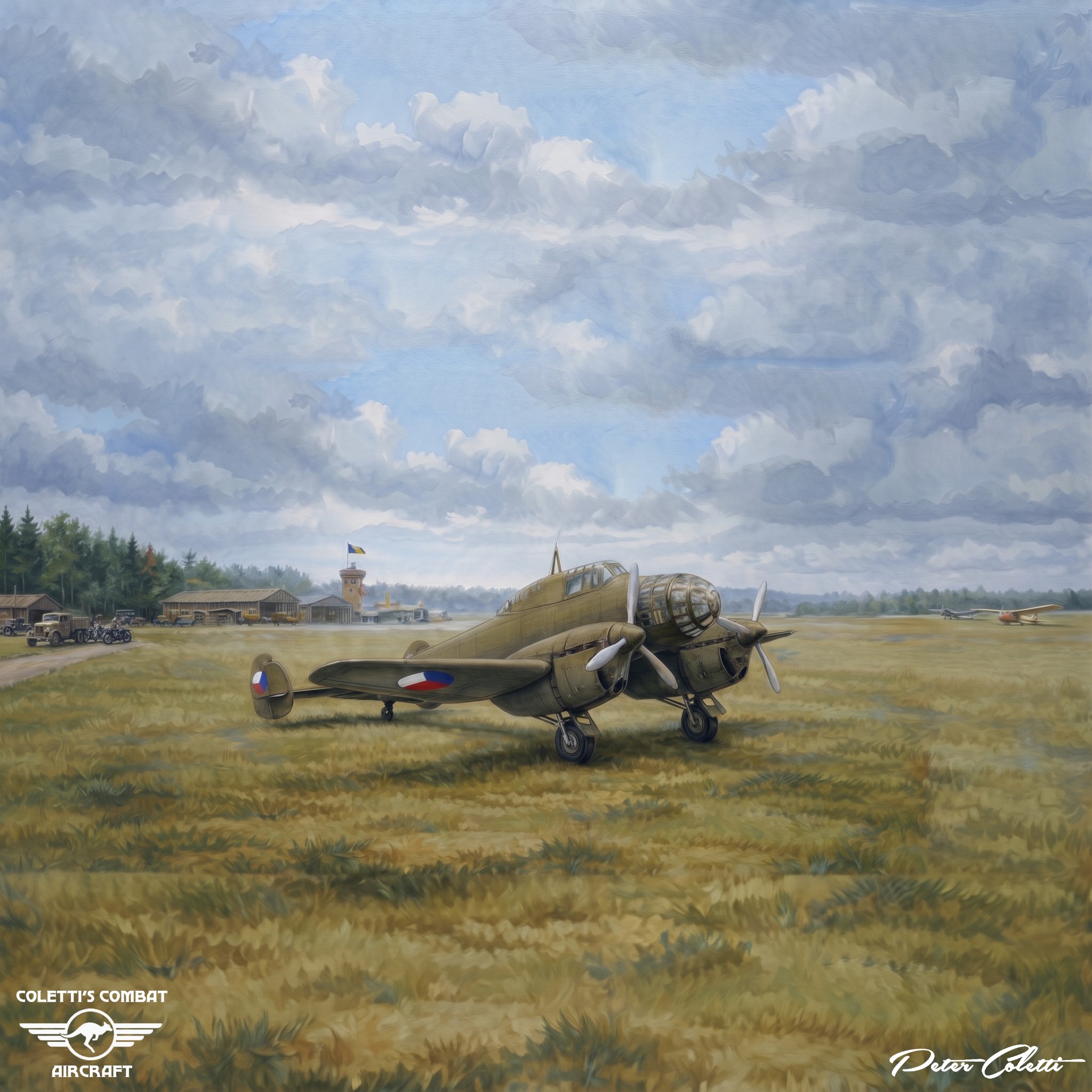
The Avia B.158 emerged from a period of rapid modernisation within the Czechoslovak Air Force during the mid‑1930s.
In January 1936, the Ministry of National Defence initiated the CSVL (Air Force Fleet Modernisation Programme), a sweeping effort to replace ageing aircraft with modern designs capable of meeting the rising military pressures in Europe.
Among the programme’s requirements was a new twin‑engine medium bomber, designated Type IV, intended to perform both day and night operations with high speed, long range, and a meaningful bomb load.
Multiple manufacturers responded:
Letov with the S‑43, Aero with the A‑206 (which evolved into the A‑300), CKD‑Praga with the E‑48, and Avia with two competing internal designs.
Avia’s engineering leadership—František Novotný and Robert Nebesář—each proposed their own solution.
Novotný’s B‑36 was a conventional mid‑wing bomber, but Nebesář’s design, the B.158, promised superior speed and a more advanced aerodynamic configuration.
Avia ultimately prioritised Nebesář’s concept, initiating prototype construction in 1936.
Design Philosophy and Airframe Configuration
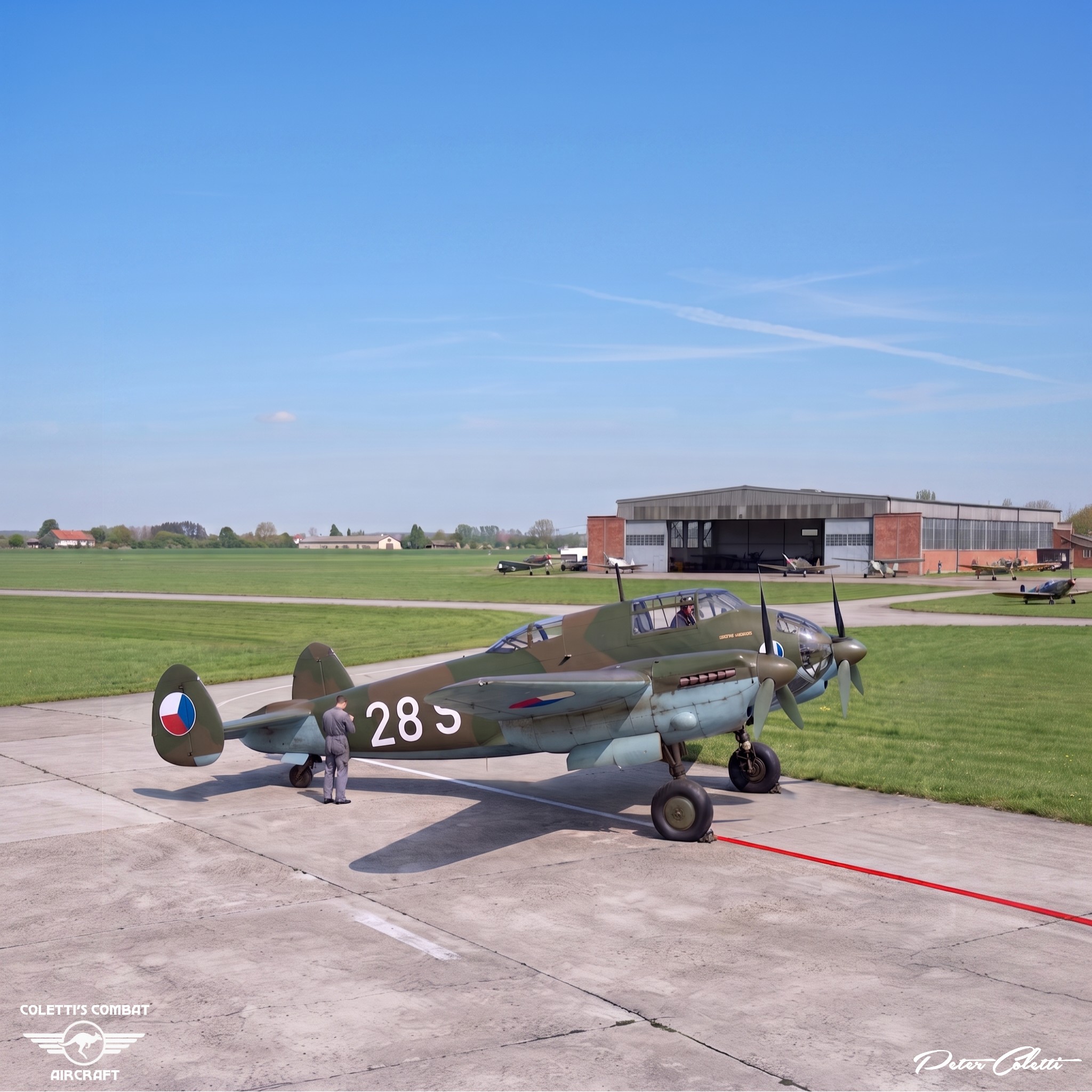
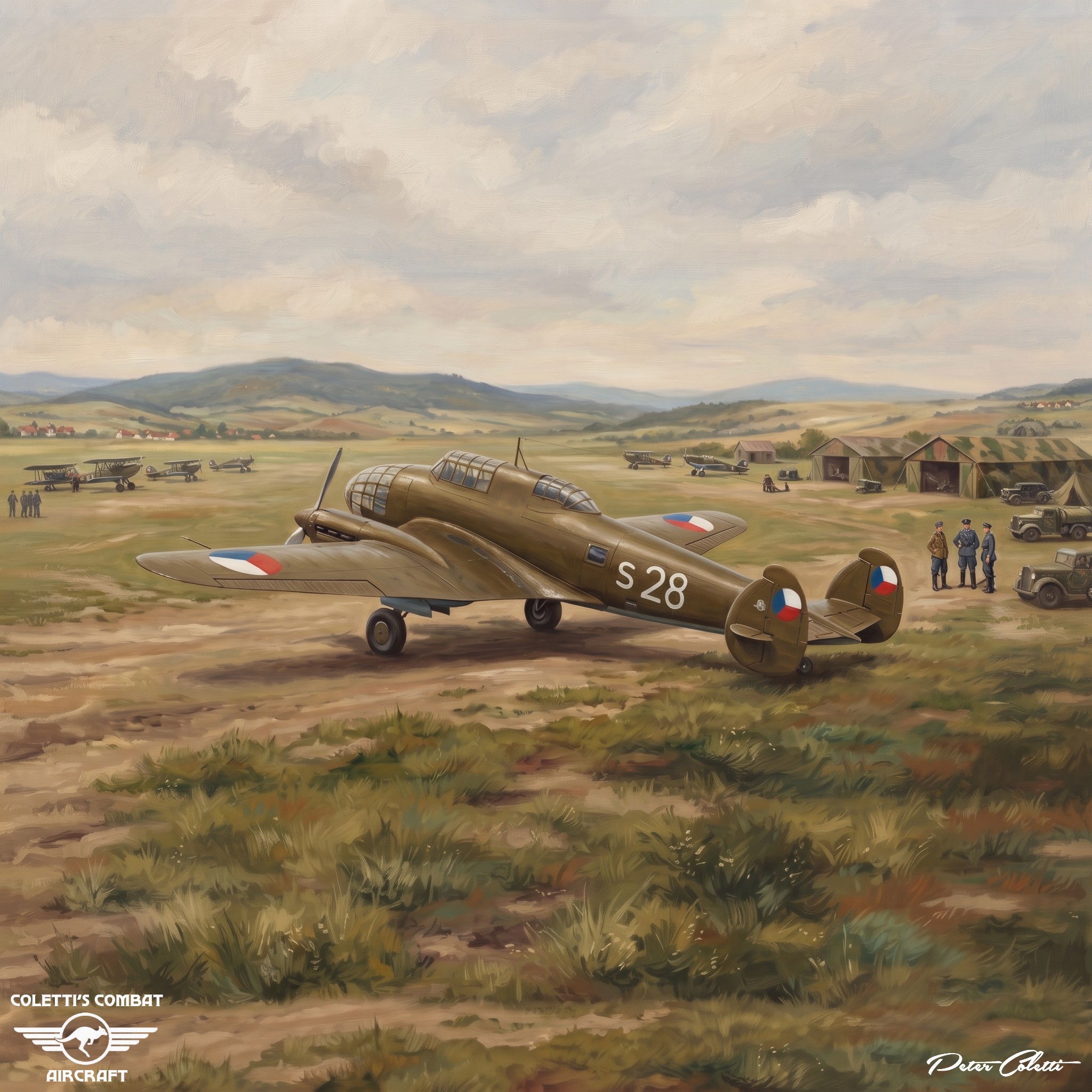
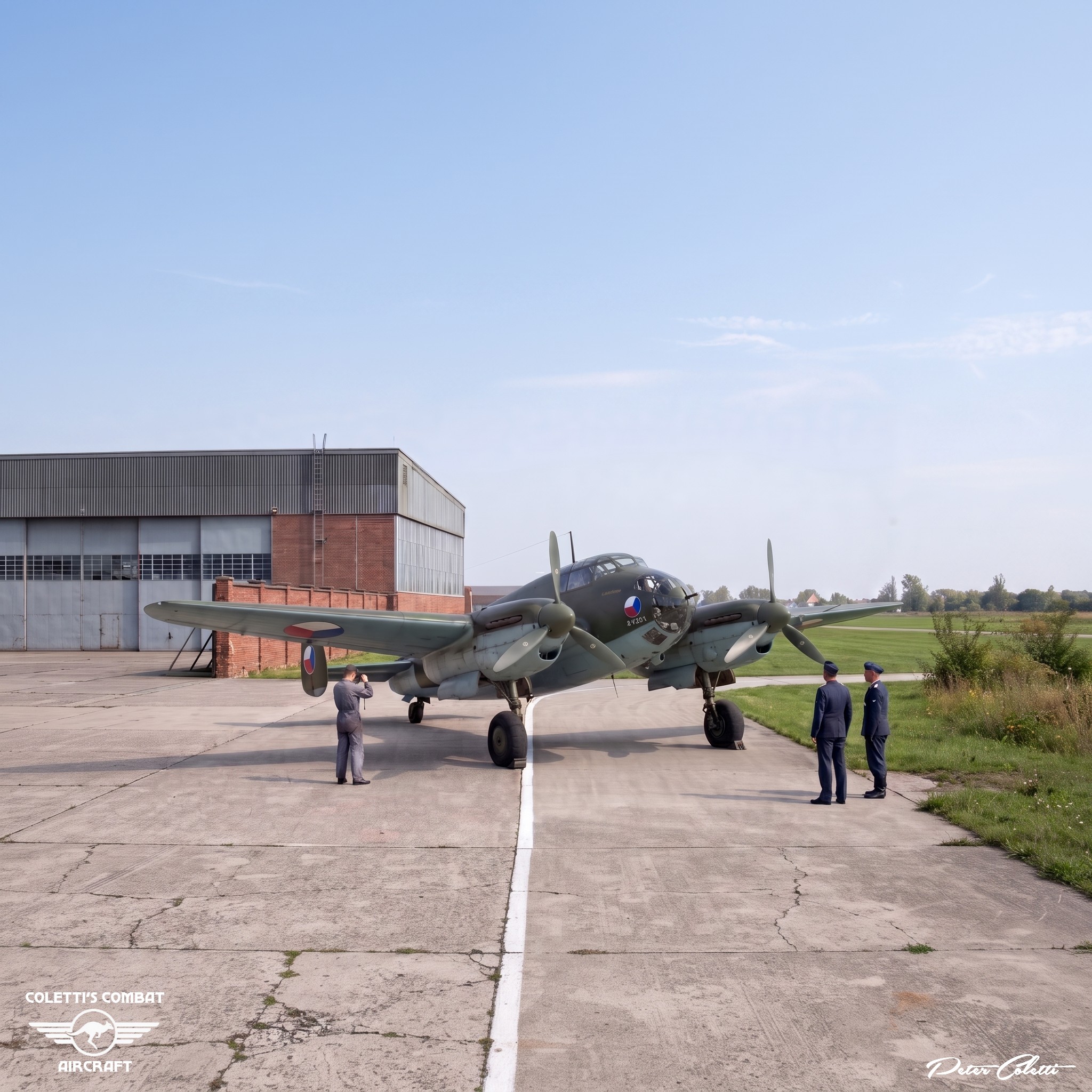
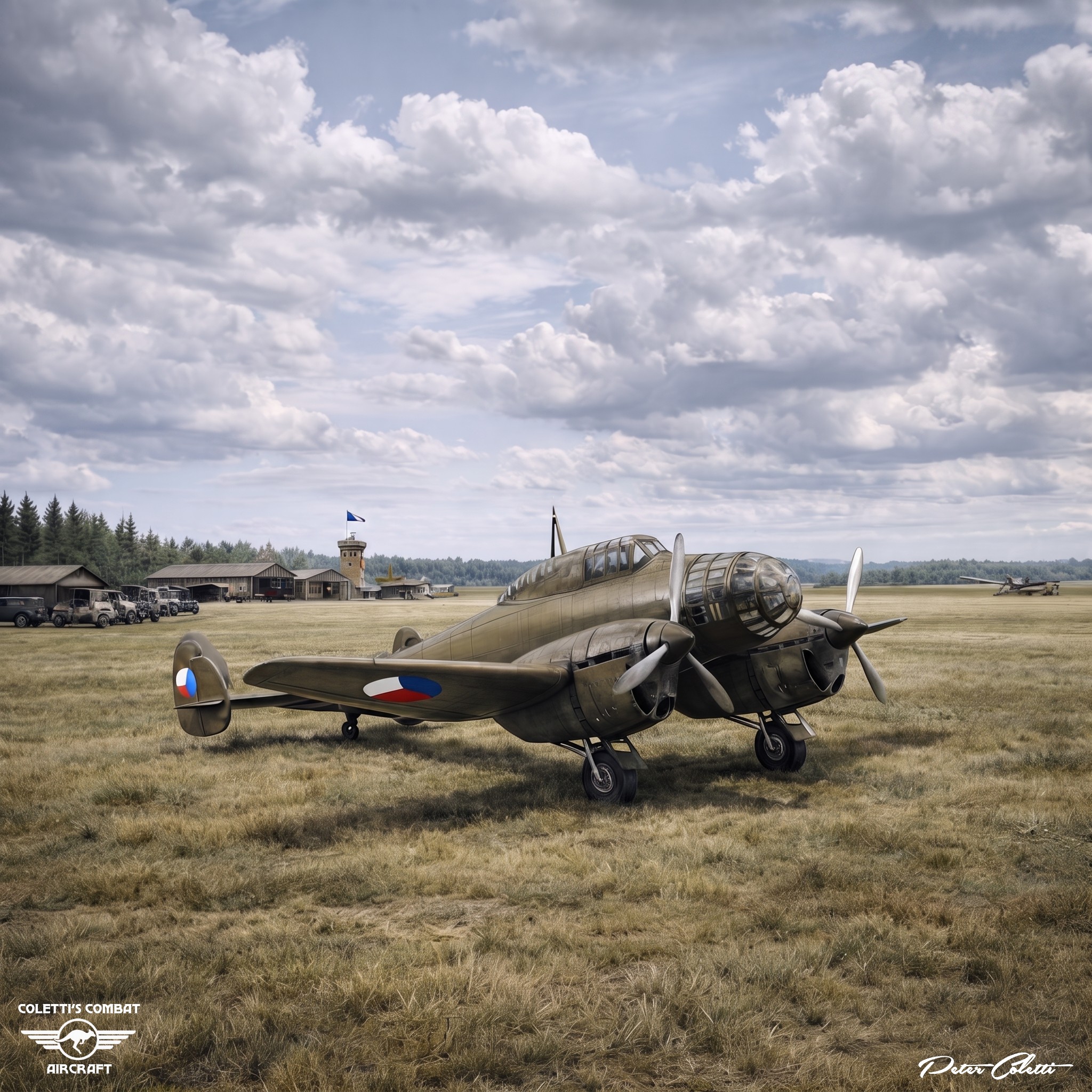
The Avia B.158 was conceived as a modern, all‑metal, low‑wing monoplane optimised for aerodynamic cleanliness and high performance.
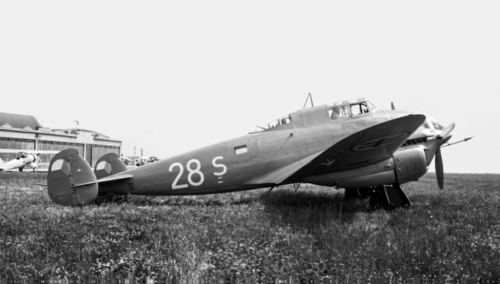
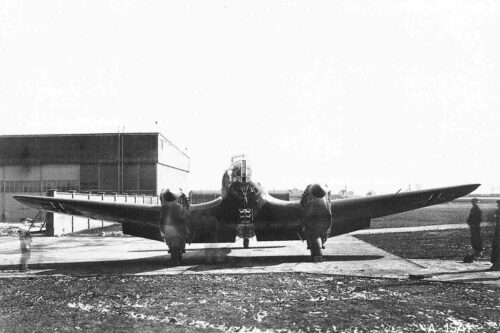
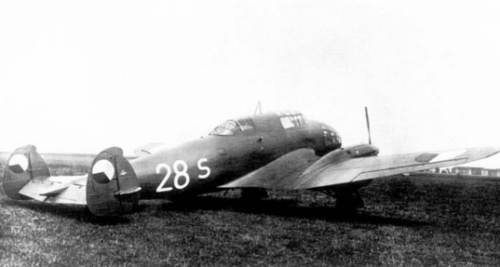
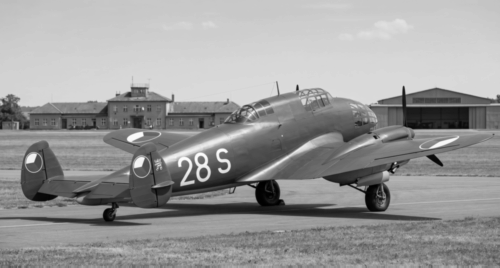
Its most distinctive structural feature was its reverse gull wing, a configuration chosen to reduce landing gear length, improve ground clearance, and streamline the engine nacelles.
The twin Hispano‑Suiza HS‑12Ydrs liquid‑cooled V‑12 engines were mounted at the wing’s inflection points, allowing the main landing gear legs to retract fully into bays behind the nacelles—an advanced feature for a Czechoslovakian bomber of the era.
The tail unit employed a twin‑fin arrangement, improving defensive firing arcs and stability.
The fuselage was designed for a crew of four: a pilot, a navigator‑bombardier, a radio operator, and a gunner.
Defensive armament consisted of 7.92 mm machine guns positioned to cover dorsal, ventral, and frontal arcs, though the exact number varied between prototype and proposed production configurations.
Internally, the aircraft incorporated a bomb bay sized for reconnaissance flares or light bombs, reflecting its evolving role during development.
The prototype was completed on 11 November 1937, designated S‑28, and prepared for flight testing shortly thereafter.
Flight Testing and Performance Issues
Initial flight trials revealed a significant challenge: the aircraft’s empty weight exceeded design expectations by 640 kg, a substantial penalty for a medium bomber intended to compete on speed.
As a result, the B.158 achieved only 435 km/h, well below the projected 482 km/h and only marginally better than Novotný’s more conservative B‑36 proposal.
Although the aircraft demonstrated stable handling and promising range, its performance shortfall placed it at a disadvantage in the ongoing competition with Aero’s A‑300, which was steadily maturing into a more capable platform.
Despite these setbacks, Avia continued refining the prototype through 1938 and early 1939.
Engineers explored aerodynamic clean‑ups and weight‑reduction measures, but the fundamental limitations of the airframe and engines proved difficult to overcome.
Proposed Variant: The B.158
In an effort to salvage the programme, Avia drafted plans for a revised bomber variant, the B.158V.
This version reduced the crew to three, simplified defensive armament to two machine guns, and reconfigured the bomb bay to carry 500 kg internally, with provisions for an additional 500 kg externally (either one 500‑kg bomb or two 250‑kg bombs).
Although the redesign promised improved performance and operational practicality, it never progressed beyond the drawing board due to the deteriorating political situation and the aircraft’s competitive disadvantages.
Impact of the German Occupation
By March 1939, the Aero A‑300 had effectively won the Czechoslovak bomber competition, but before procurement could proceed, Germany occupied Czechoslovakia, abruptly halting all domestic military aircraft programmes.
German authorities selectively continued work on certain advanced Czechoslovak designs, but the B.158 was not among the favoured projects.
Nevertheless, the Luftwaffe expressed enough curiosity to evaluate the prototype.
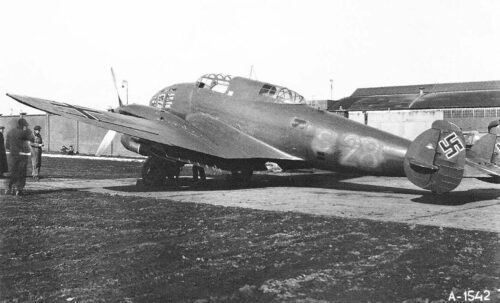
The aircraft was repainted with German markings and transferred to the Rechlin test centre in mid‑1939.
There, it underwent a series of test flights, but its performance was deemed mediocre by German standards.
With no operational or developmental value to the Reich, the lone prototype was dismantled for scrap in 1940, ending the B.158’s brief existence.
Technical Specifications (Prototype)
Wingspan: 16.00 m
Length: 12.00 m
Height: 5.20 m
Wing Area: 42.70 m²
Empty Weight: 4,300 kg
Normal Takeoff Weight: 4,093 kg
Engines: 2 × Avia‑built Hispano‑Suiza HS‑12Ydrs, 860 hp each
Maximum Speed: 435 km/h
Cruising Speed: 405 km/h
Range: 1,850 km
Service Ceiling: 8,500 m
Crew: 3–4
Armament: Up to five 7.92 mm machine guns; bomb load up to 1,000 kg (prototype + proposed configurations)
Assessment and Legacy
The Avia B.158 represents a fascinating “what‑if” in Czechoslovak aviation history.
Technically ambitious, aerodynamically modern, and structurally advanced, it nonetheless suffered from weight growth, insufficient engine power, and stiff competition from the more refined Aero A‑300.
Its development was further disrupted by the geopolitical catastrophe of 1939, which froze all native aircraft programmes.
Although it never entered production, the B.158 illustrates the high level of engineering sophistication achieved by Czechoslovak designers in the late 1930s.
Its reverse gull wing, retractable landing gear, and streamlined fuselage placed it among the more modern medium‑bomber prototypes of its era.
Today, it survives only in photographs, drawings, and technical records—an intriguing footnote in the story of pre‑war European aviation.