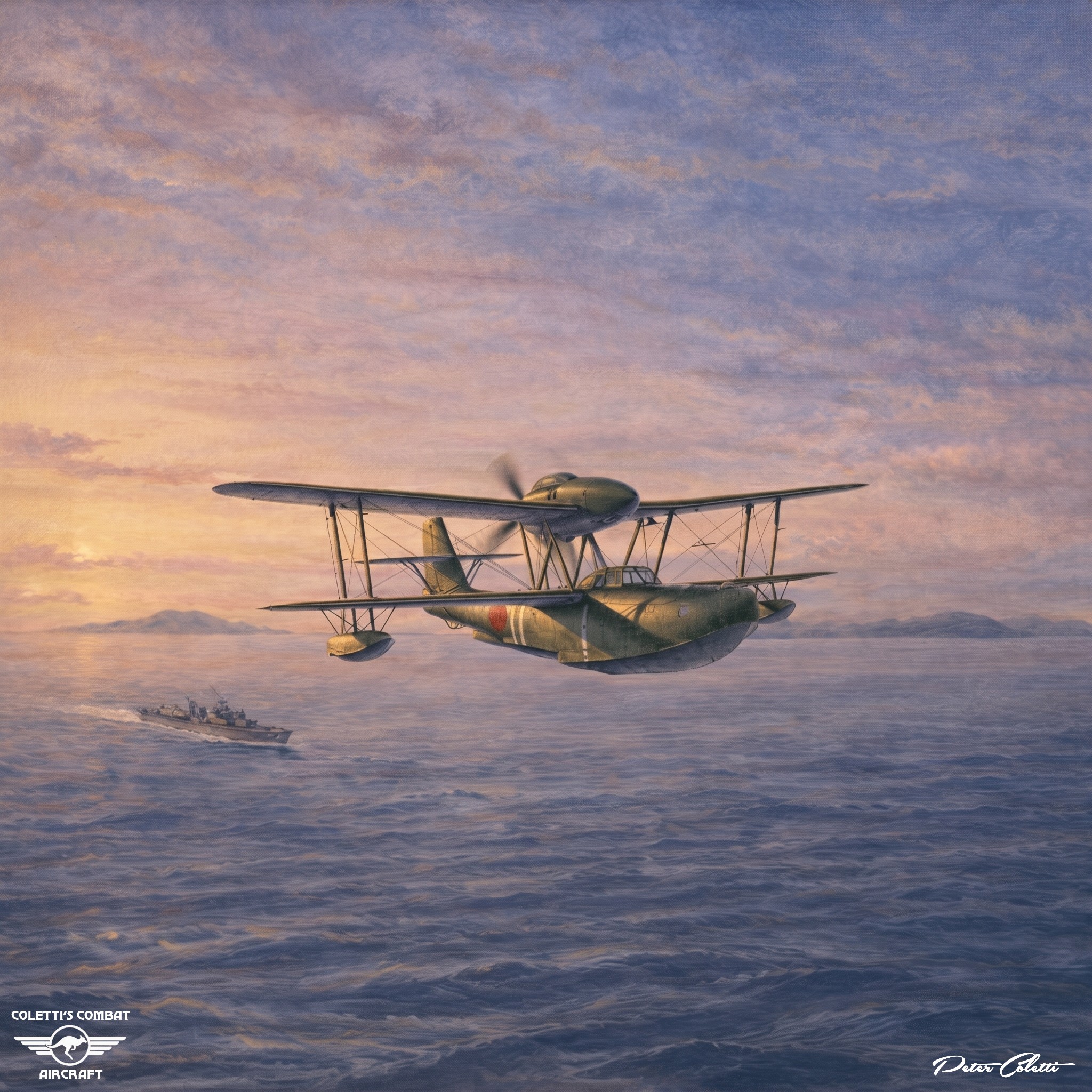
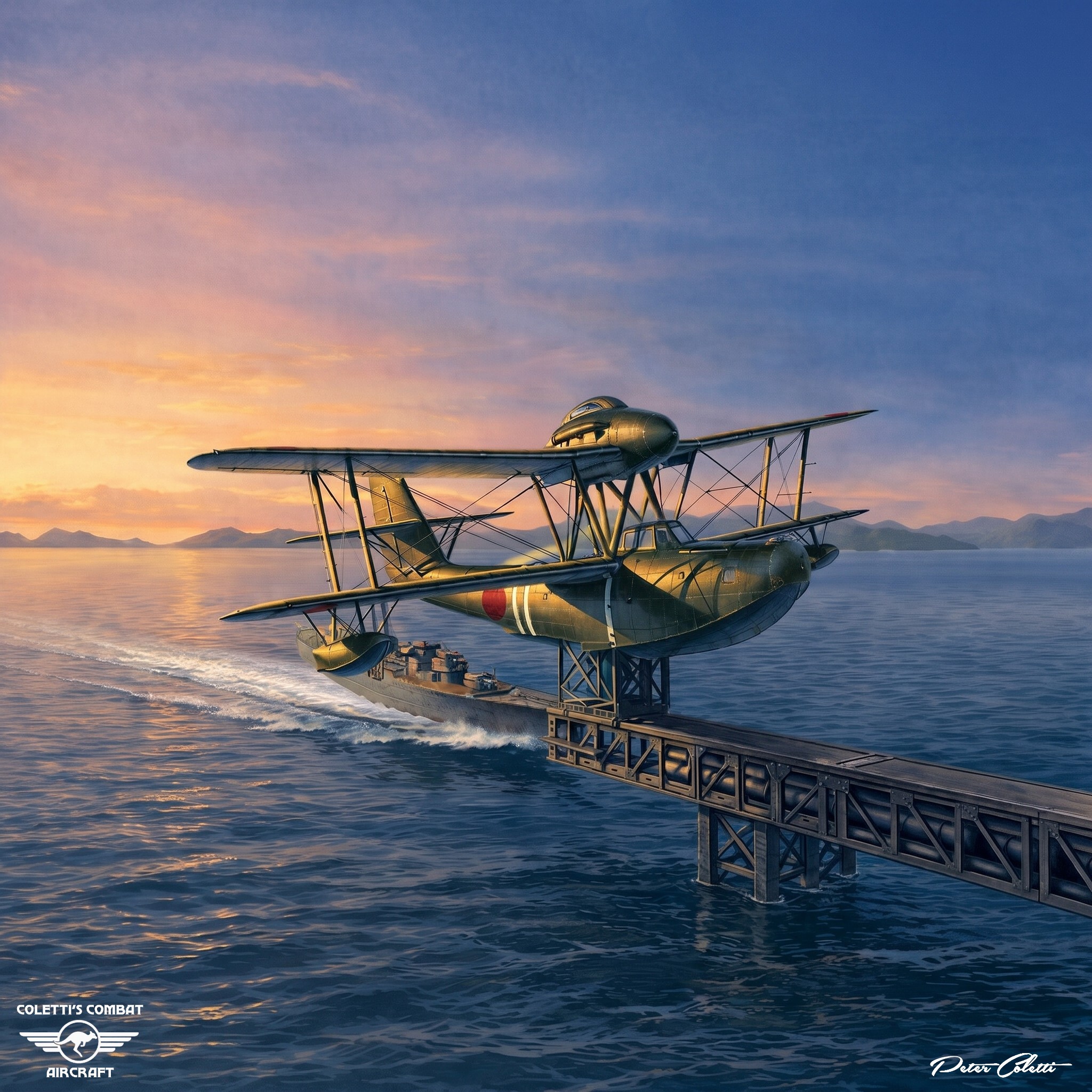
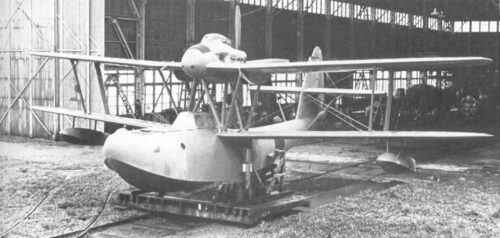
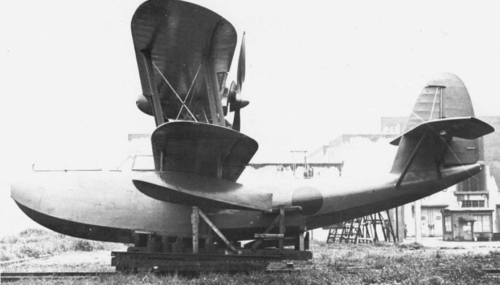
The Aichi E11A was a rare, purpose‑built Japanese night‑reconnaissance flying boat whose development, design, and operational history illustrate a transitional moment in Imperial Japanese Navy (IJN) aviation doctrine.
Only 17 aircraft were built, yet the type reflects the IJN’s interwar emphasis on gunnery spotting from capital ships and the rapid obsolescence of such specialised aircraft once WWII began.
Development: From Requirement to Adoption
In 1936, the IJN issued a requirement for a successor to the underperforming Aichi E10A (Type 96 “Hank”), seeking a faster, more capable night reconnaissance seaplane for battleships and cruisers.
Aichi responded with a design drawing based on its AB‑4 and E10A lineage, emphasising improved speed, stability, and night‑operation handling.
Key development milestones:
1936: IJN issues specification for a night gunnery‑spotting seaplane.
June 1937: First flight of the E11A prototype.
1937–1940: Limited production run of 17 aircraft after outperforming the competing Kawanishi E11K in trials.
Adopted as the Navy Type 98 Reconnaissance Seaplane (E11A1).
The aircraft’s niche role and the emergence of more versatile floatplanes (notably the Aichi E13A “Jake”) curtailed further production.
Design & Technical Characteristics
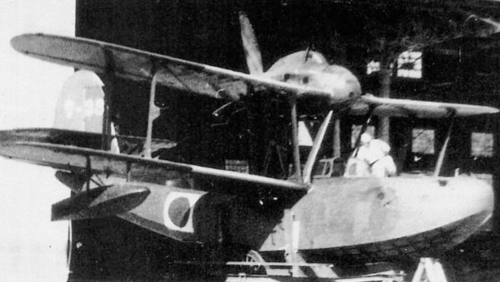
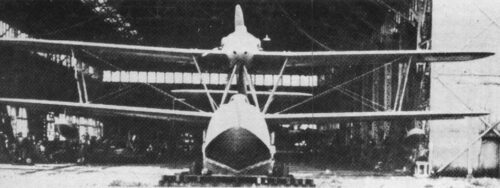
The E11A was a single-engine biplane flying boat with a distinctive pusher-propeller configuration, optimised for quiet night operations and stable water handling.
Airframe & Layout
Configuration
Biplane flying boat with a two-step hull for improved water takeoff.
Engine
One Hiro Type 91 Model 22 W‑12 liquid‑cooled engine, ~600–620 hp, mounted above the wing driving a pusher propeller.
Crew
Three — pilot, radioman, and gunner — with open positions for visibility during night spotting.
Construction
Mixed metal/wood typical of 1930s IJN seaplanes.
Dimensions
Length
10.71 m
Wingspan
14.49 m
Height
~4.5–5.5 m (sources vary slightly)
Wing area
46.4 m²
Performance
Max speed
217 km/h at 2,400 m
Range
1,945–2,063 km (variation due to fuel load reporting)
Service ceiling
~4,425 m
Empty weight
1,927 kg
Max takeoff weight
~3,300 kg
Armament
1 × 7.7 mm Type 92 machine gun in a flexible mount.
No bomb or torpedo capability — it was strictly a reconnaissance and spotting aircraft.
Variant
E11A1 — Production Model
The only variant built.
Served as the night reconnaissance and gunnery‑spotting version adopted by the IJN.
Operational Use & WWII Context
Although conceived for capital‑ship gunnery spotting, the E11A entered service just as naval warfare was shifting towards air power and carrier operations.
Early Service (1939–1941)
Assigned primarily to light cruisers acting as destroyer leaders.
Launched via catapult for night spotting, maritime patrol, and long‑range scouting.
WWII Deployment
The E11A saw limited but notable early-war use:
Invasions of Hong Kong, the Philippines, and Malaya (1941–42).
Battle of Midway (June 1942): At least one E11A operated from the cruiser Nagara.
Aleutian Islands campaign: Another aircraft supported northern operations.
Decline and Withdrawal
By mid‑1942, the E11A was clearly obsolete:
Too slow and lightly armed to survive in contested airspace.
Replaced by more capable floatplanes such as the Aichi E13A “Jake” and Nakajima A6M2‑N.
Remaining aircraft were relegated to training, communications, and transport roles until the end of the war.
No examples survived post‑1945.
Summary The Aichi E11A represents a transitional moment in naval aviation — a specialised night‑spotting flying boat designed for a style of battleship warfare that was already fading by the time it entered service.
Its innovative pusher‑engine biplane design and long range made it well‑suited for quiet nocturnal reconnaissance, but its limited production and rapid obsolescence reflected the accelerating pace of WWII aviation technology.
Though only 17 were built, the E11A’s brief operational history provides insight into pre‑war IJN doctrine and the challenges of adapting specialised aircraft to the fast‑changing realities of modern naval combat.