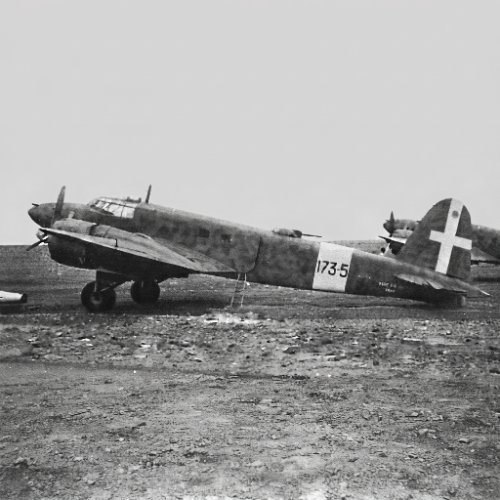
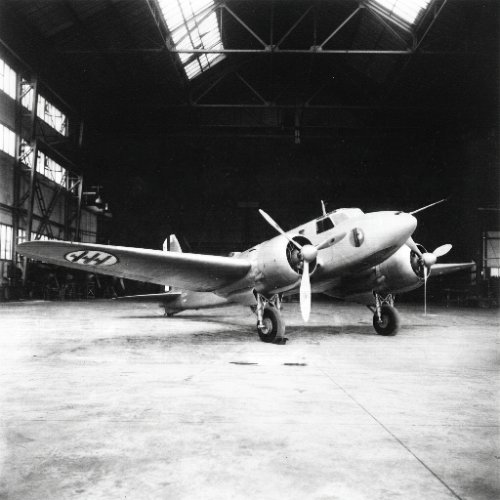
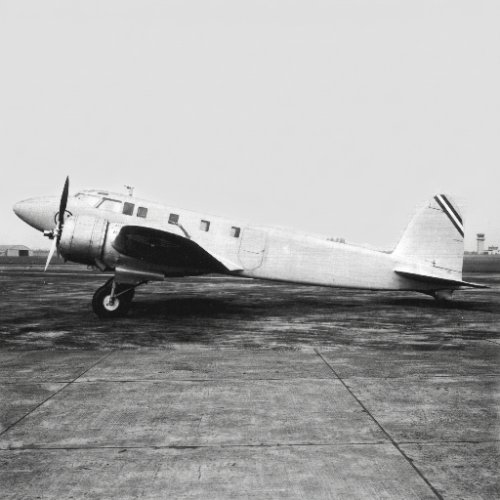
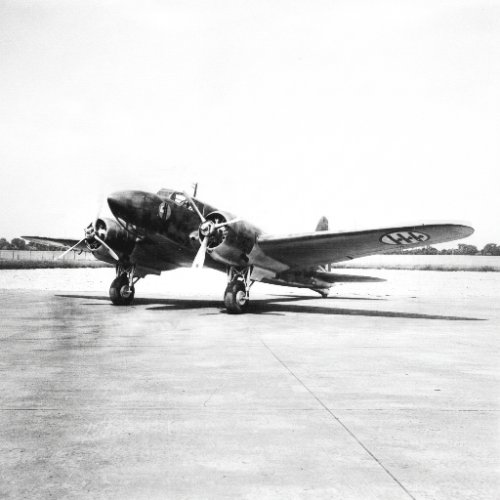
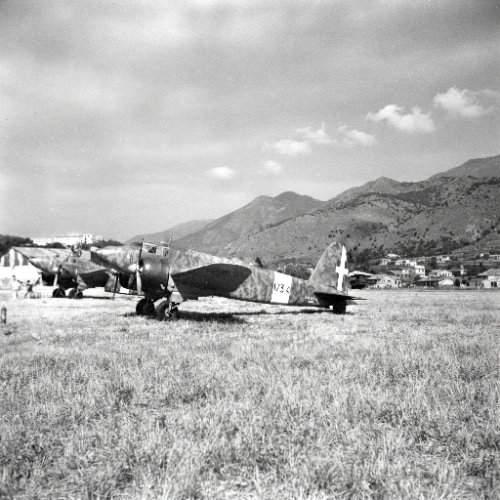
In the mid-1930s, the Regia Aeronautica (Italian Royal Air Force) sought to modernise its inventory by issuing specifications for a modern, multi-seat, twin-engined aircraft.
Originally envisioned as a versatile asset capable of functioning as a high-speed light bomber, a long-range strategic reconnaissance platform, and a heavy escort fighter, the project drew proposals from several major Italian aviation firms.
Fiat’s aviation division developed the CR.25 under this mandate.
The designation “CR” traditionally stood for Caccia Rosatelli (reflecting Fiat’s chief designer Celestino Rosatelli), though the aircraft departed from traditional single-seat biplane fighters to embrace a twin-engine monoplane layout.
The first prototype (MM.332) took to the air on July 22, 1937.
Consequently, the Regia Aeronautica initially placed a production order for 40 aircraft.
However, shifting strategic priorities, political interference, and bureaucratic indecision plagued Italian wartime manufacturing.
The production order was drastically curtailed to just 10 aircraft (plus the two prototypes, bringing total production to a mere 12 airframes).
Despite its promising beginning, the CR.25 suffered the fate of many Italian twin-engined designs of the era—undermined by low production volumes, shifting doctrine, and a lack of high-level institutional backing.
Technical Design and Structural Layout
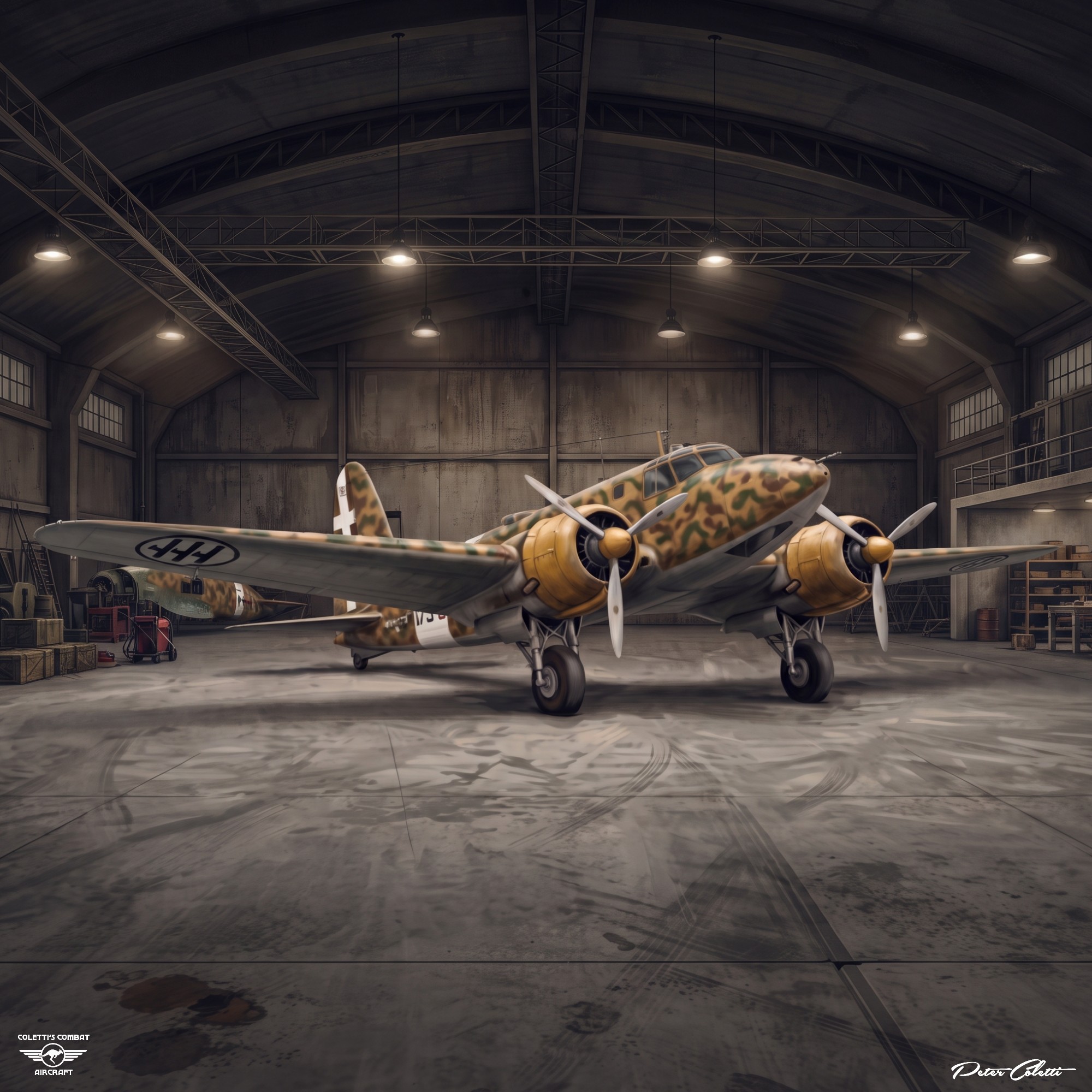
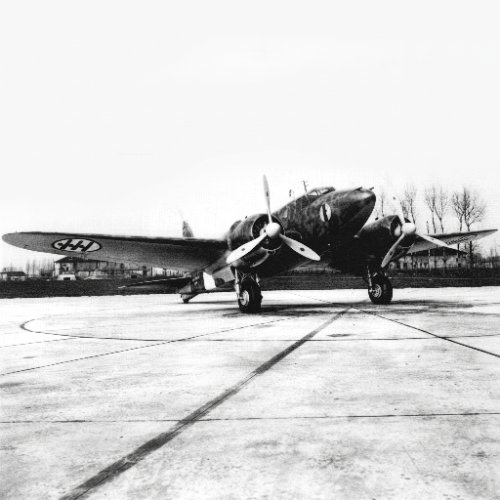
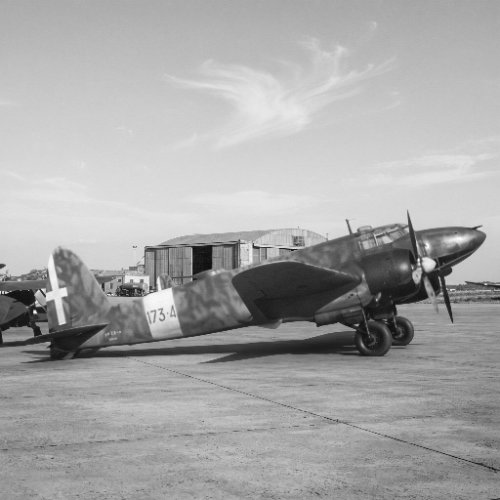
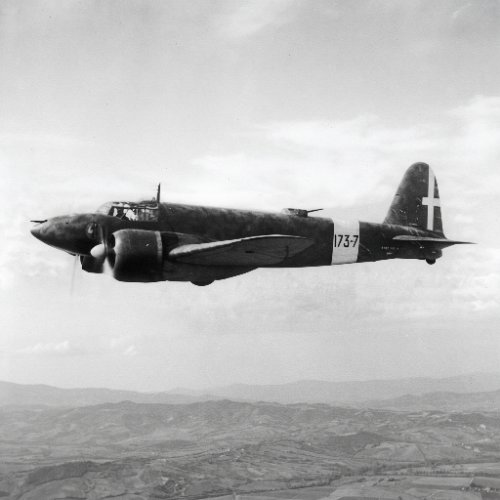
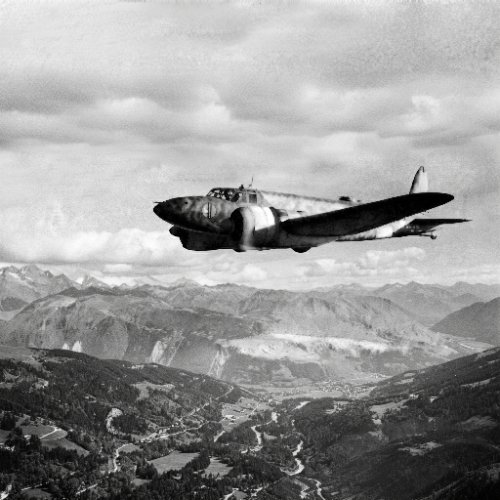
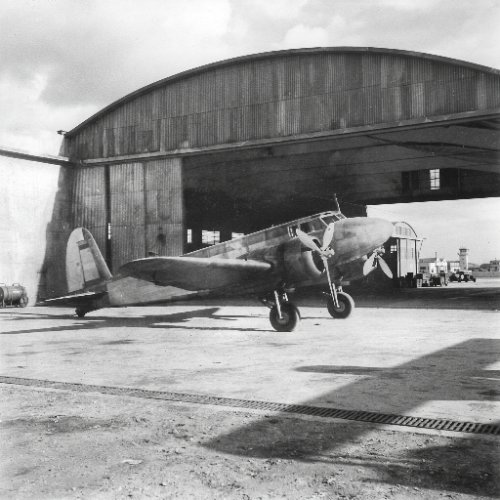
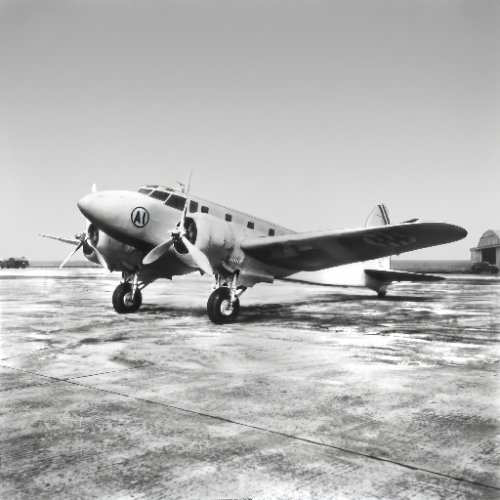
The FIAT CR.25 was a twin-engine, low-wing cantilever monoplane of all-metal construction, utilising light-alloy stressed skin with fabric control surfaces.
Fuselage and Structure: The fuselage utilised a robust structure built around four tubular longerons joined by crossbars, braces, and diagonal metal tubing, divided into modular sections.
Wings and Tail: The wings featured a double-spar duralumin structure with metal skinning, while the ailerons featured duralumin frames with fabric covering.
The empennage featured a twin-tail (double-finned) configuration that provided stable directional control, particularly important for engine-out performance.
Landing Gear: The aircraft featured a retractable conventional tailwheel landing gear.
The main gear legs retracted rearward completely into the streamlined engine nacelles.
Powerplant: Power was supplied by two Fiat A.74 R.C.38 14-cylinder, air-cooled radial piston engines, each rated at 840 hp (630 kW) at 3,800 metres.
The engines drove three-bladed Fiat variable-pitch metal propellers.
Fuel was housed in six protected wing tanks featuring self-sealing elements capable of withstanding small-arms fire.
Accommodation and Crew:
The crew typically consisted of two or three members depending on the mission profile: a pilot, a navigator/observer, and (on bomber or extended missions) a dedicated machine gunner/radio operator.
Performance Specifications (CR.25bis)
Crew: 3
Length: 13.56 m (44 ft 6 in)
Wingspan: 16.00 m (52 ft 6 in)
Height: 3.40 m (11 ft 2 in)
Wing Area: 39.20 m² (421.9 sq ft)
Empty Weight: 4,375 kg (9,645 lb)
Gross/Max Takeoff Weight: 6,525 kg (14,385 lb)
Powerplant: 2 × Fiat A.74 R.C.38 radial engines, 840 hp each
Maximum Speed: 460 km/h (286 mph / 250 kn) at 5,500 m (18,000 ft)
Operational Range: 2,100 km (1,300 mi / 1,100 nmi)
Service Ceiling: 8,100 m (26,575 ft)
Rate of Climb: To 6,000 m (20,000 ft) in 16 minutes, 39 seconds
Variants and Modifications
Due to its small production run, variations of the CR.25 were limited mostly to prototype adaptations and pre-series configurations:
CR.25 (Prototypes): The initial two aircraft (including MM.332) built for evaluation as reconnaissance-bomber platforms.
CR.25bis: The definitive pre-series production standard.
Ten airframes were completed to this specification, optimised for strategic reconnaissance and long-range escort duties.
Armament was standardised around fixed forward guns and defensive positions.
CR.25D: The 10th pre-series airframe (prototype MM.332, rebuilt or reallocated) modified into a high-speed VIP transport.
It featured a luxury passenger cabin layout and dual controls, utilised primarily by the Italian air attaché for high-level personnel transport between Rome and Berlin.
CR.25 quarterer: A proposed upgrade from early 1943 featuring increased wing surface area for enhanced stability, more powerful engines, and heavier armament. It never advanced past the drawing board.
Armament
Offensive: Typically equipped with two fixed, forward-firing 12.7 mm Breda-SAFAT heavy machine guns mounted in the nose. (Some exploratory configurations mounted up to four).
Defensive: One 12.7 mm Breda-SAFAT machine gun mounted in a dorsal rotating turret (such as a Breda type or Scotti installation) operated by the rear gunner.
Ordnance: Capable of carrying an internal bomb bay load of up to 300 kg (660 lb) of conventional drop ordnance for light tactical bombing and ground support roles.
Operational History and WWII Context
Though the initial order envisioned dozens of airframes fulfilling widespread frontline roles, only a tiny cadre of CR.25s ever saw active combat.
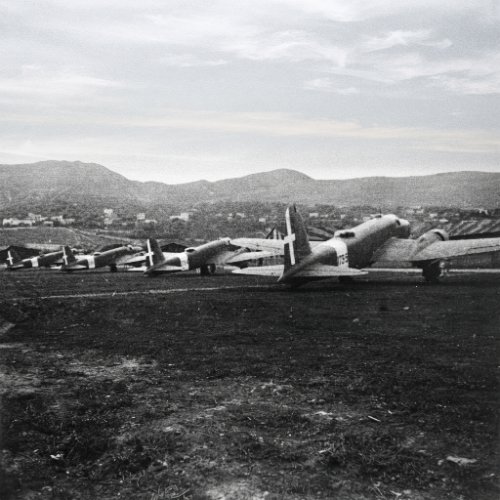
By July 1941, a small detachment of four aircraft and their crews were declared combat-ready and deployed to Palermo-Boccadifalco in Sicily under the Regia Aeronautica.
Four additional aircraft soon reinforced them, bringing the active operational group to eight machines.
Throughout late 1941 and early 1942, the CR.25 served extensively over the central Mediterranean.
Strikingly, despite operating in a contested theatre against Allied naval and air assets, the type proved reliable, and no CR.25 was never shot down by enemy aircraft.
Their primary missions involved long-range maritime reconnaissance, antisubmarine patrols, and Axis convoy escort duties.
Pilots praised the aircraft’s benign handling, docility, and stable instrument platform characteristics.
However, the operational lifespan of the CR.25 was heavily constrained by logistics.
The acute shortage of spare parts, combined with landing accidents on rough frontline airfields and the rapid advancement of higher-performance Allied fighters (such as the Bristol Beaufighter), took a heavy toll.
By late 1942 and early 1943, active airframes dwindled to a handful.
The survivors were withdrawn to northern Italy (Cameri) and relegated to secondary roles or grounded, replaced by more ubiquitous types like the Caproni Ca.314.
Following the Italian armistice in September 1943, the remaining ground CR.25 airframes were seized by German forces, seeing sporadic service in transport or training units until late 1944 before vanishing entirely from the historical inventory.