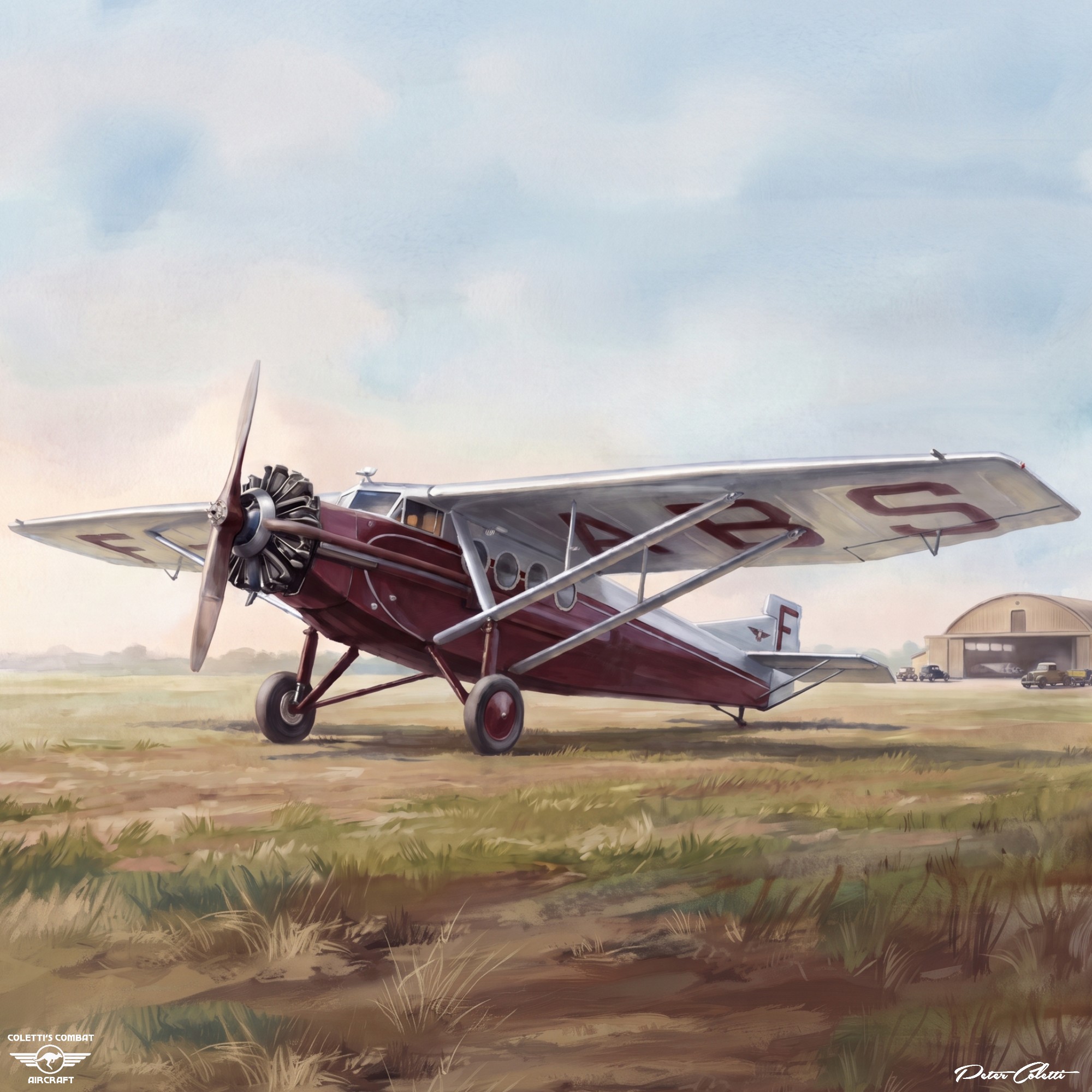
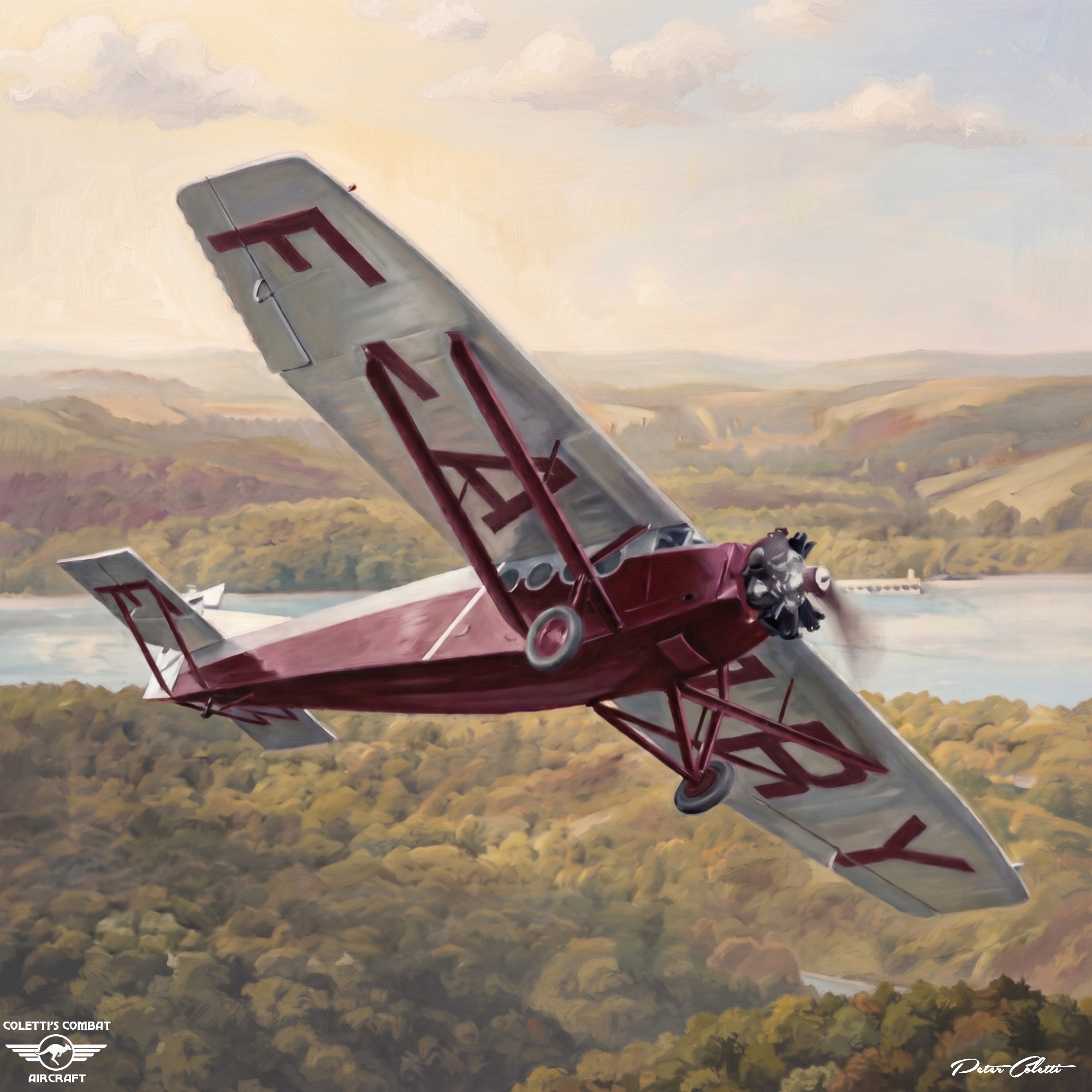
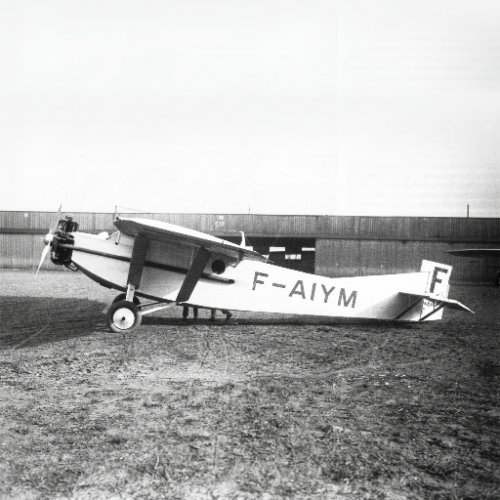
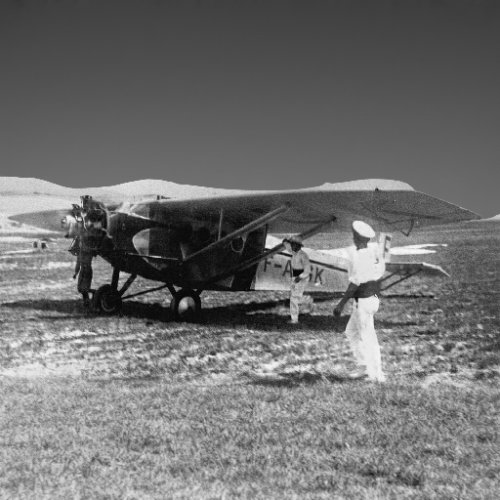
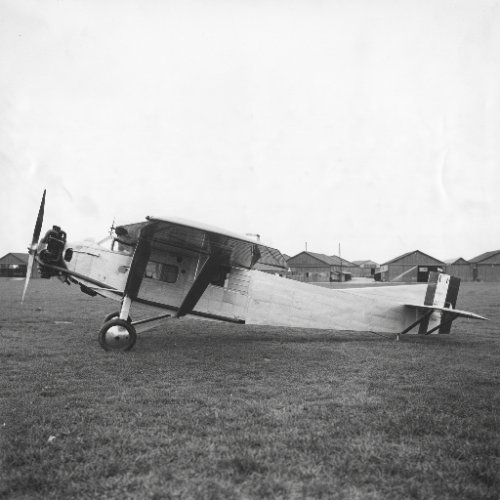
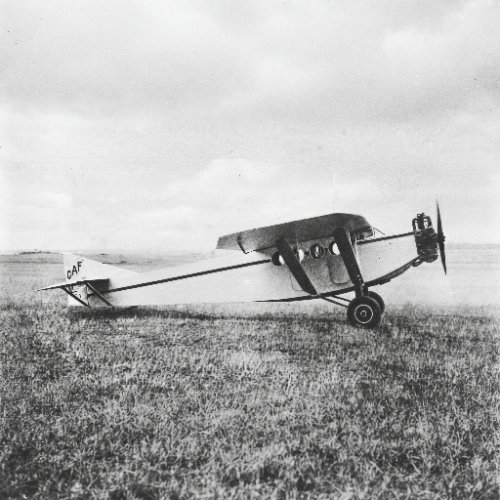
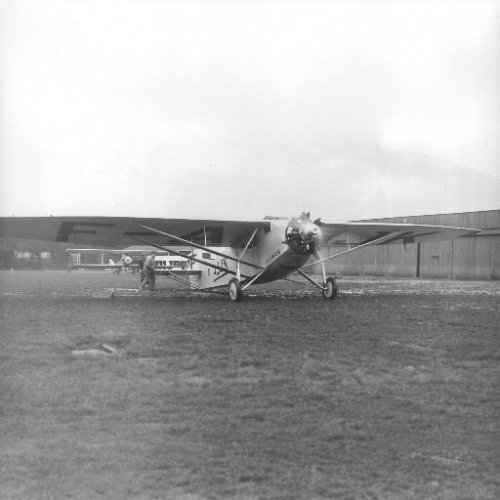
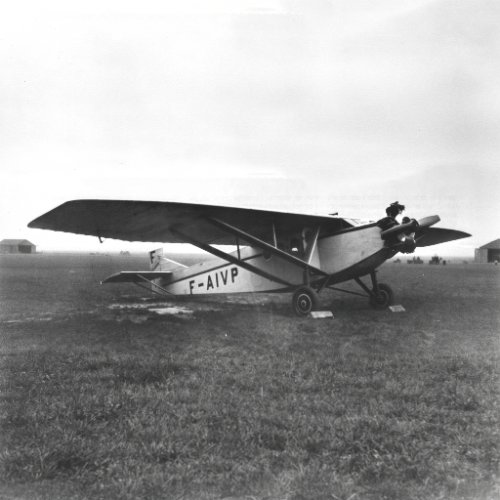
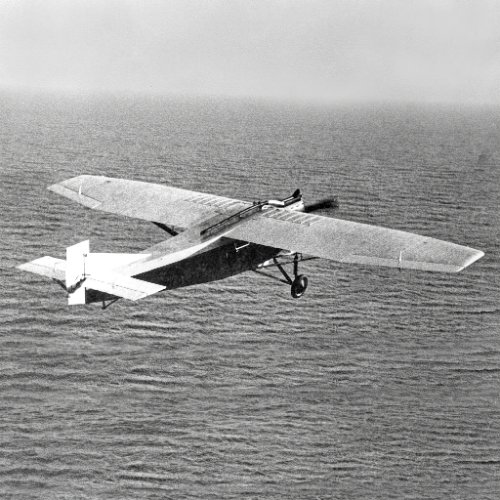
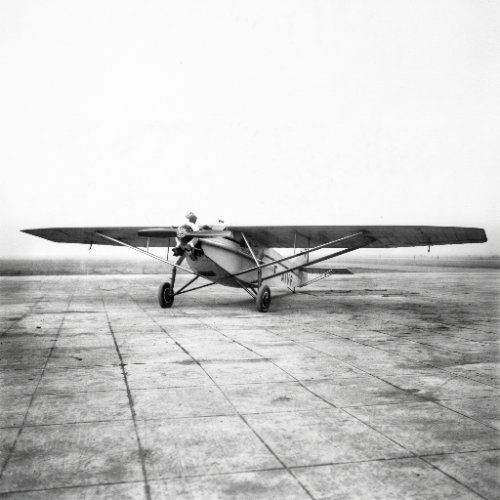
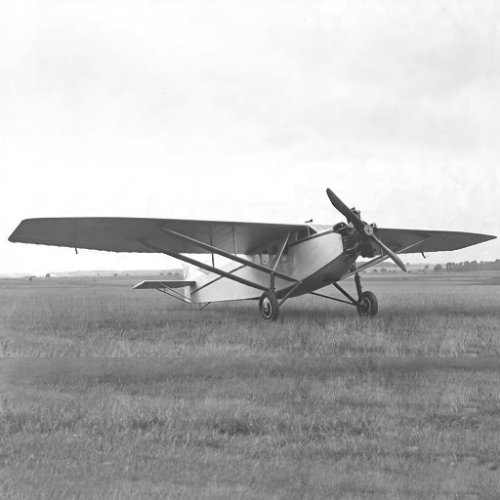
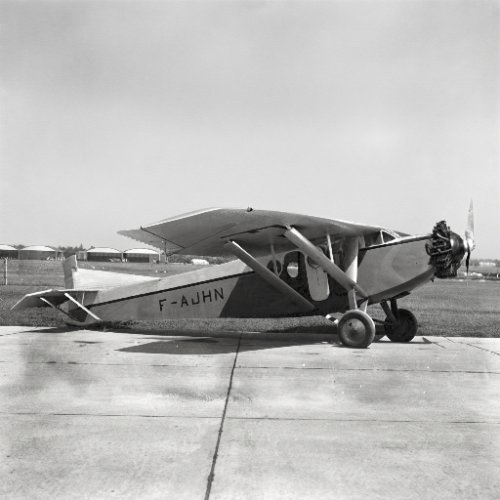
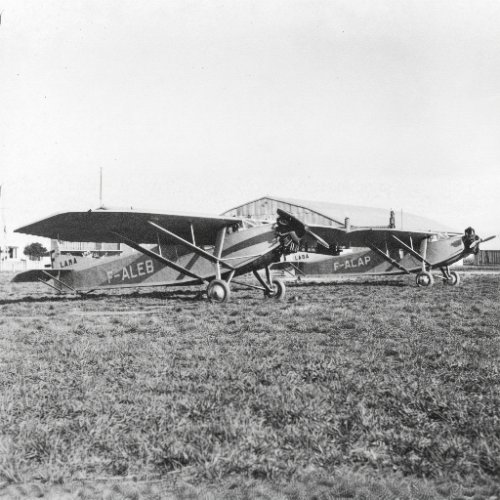
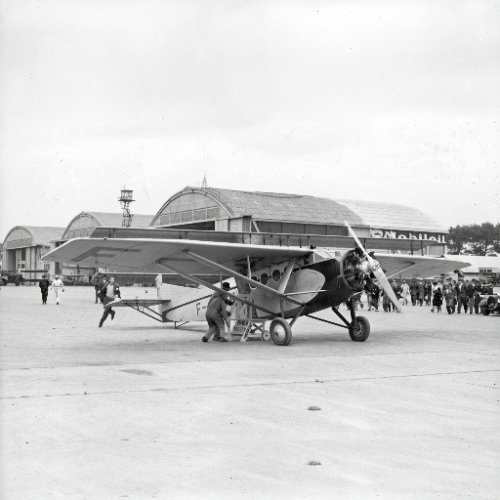
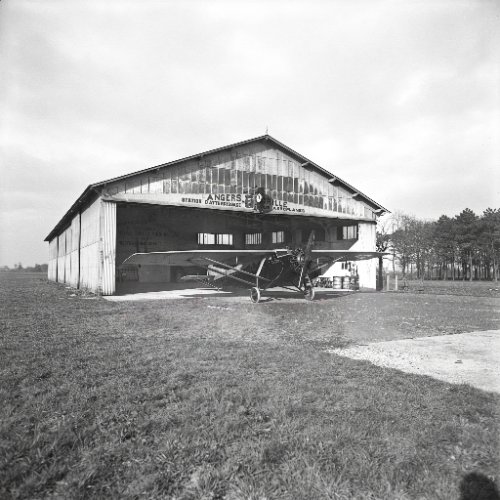
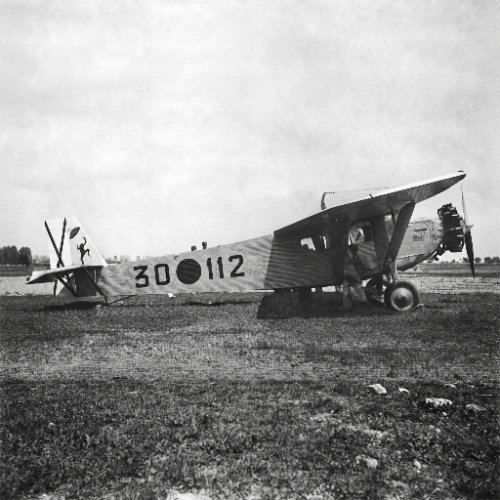
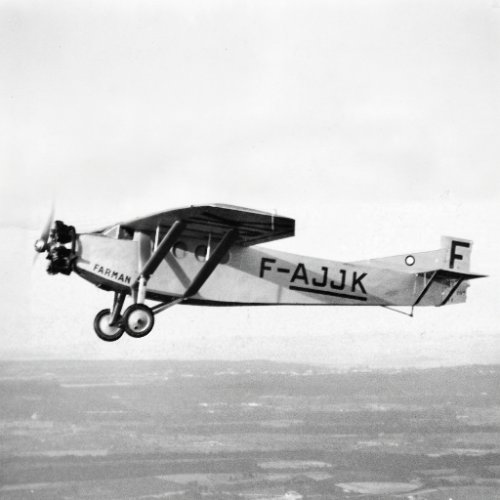
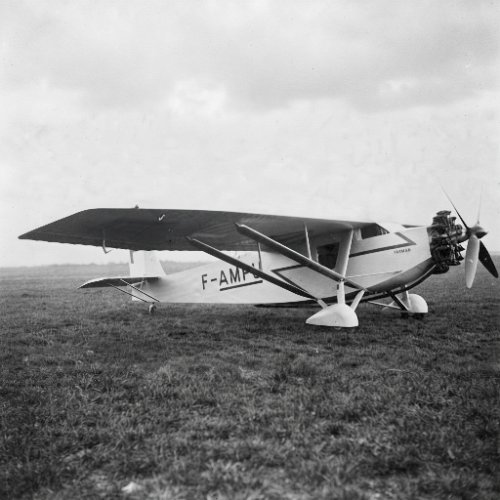
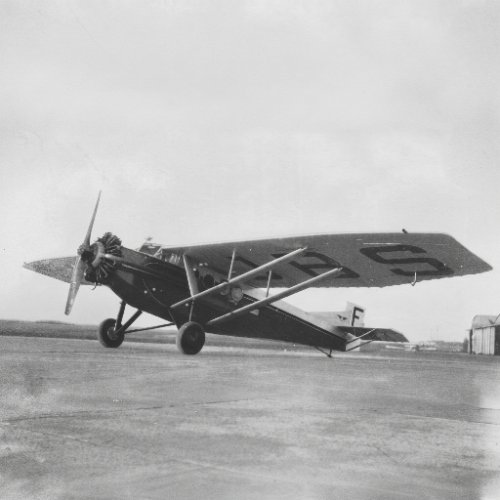
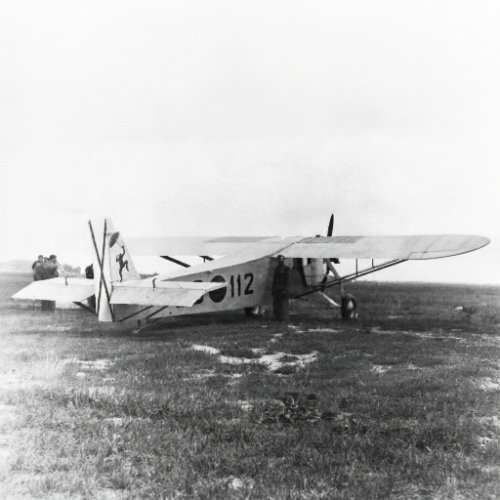
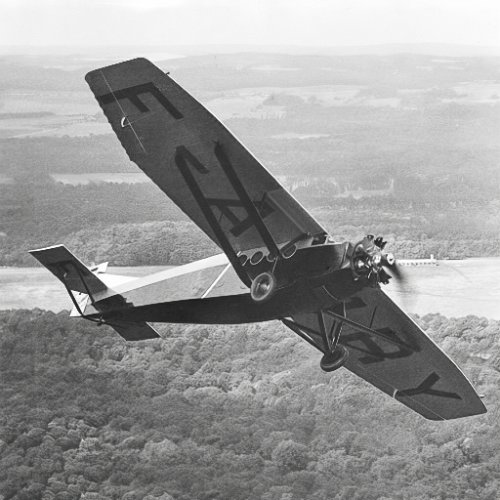
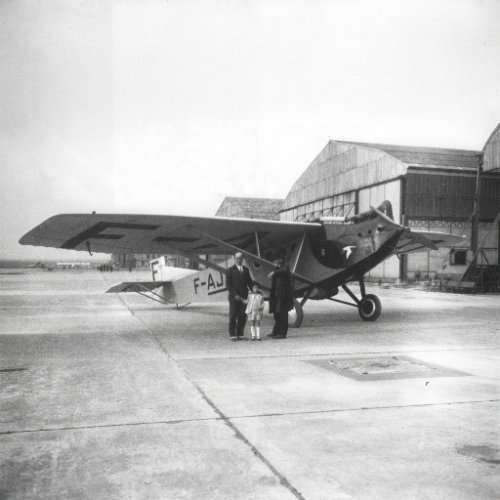
The Farman F.190 was one of the most successful French light transport and utility aircraft of the late interwar period.
Designed by the famous Farman aviation company, it first flew in 1928 and became a versatile aircraft used for passenger transport, air taxi work, medical evacuation, colonial communications, long-distance flights, and later military liaison duties.
The type represented a shift in French civil aviation towards practical, economical monoplanes capable of serving remote routes and small airfields.
Approximately 158 aircraft of the F.190 family and its derivatives were built, making it a significant commercial success for Farman.
Although primarily a civilian aircraft, the F.190 found itself drawn into military service during the Second World War, where surviving aircraft were employed in secondary duties by the French Air Force and other operators.
Historical Background
During the late 1920s, aviation was undergoing a major transformation.
Airlines and private operators increasingly demanded aircraft that were safer, more economical, and more comfortable than earlier open-cockpit biplanes.
In the United States, enclosed-cabin light transports had demonstrated considerable commercial potential, and French manufacturers sought to develop comparable aircraft.
The Farman company responded with the F.190, a rugged high-wing monoplane intended to operate from small airfields with minimal infrastructure.
It was designed to carry a pilot and several passengers while remaining simple to maintain and economical to operate.
The aircraft’s enclosed cabin represented a substantial improvement in passenger comfort over many contemporary designs.
The prototype flew in 1928 and quickly demonstrated good handling qualities and reliability.
As a result, numerous airlines, private owners, and colonial operators acquired the type.
It proved particularly useful across France’s overseas territories, where rough landing grounds and long distances demanded a robust aeroplane capable of operating independently of major support facilities.
Design and Construction
General Configuration
The F.190 was a single-engine, high-wing, strut-braced monoplane with conventional fixed landing gear.
The high-wing arrangement provided several advantages:
Excellent downward visibility.
Good stability.
Ease of passenger boarding.
Improved clearance from rough or uneven airfields.
The aircraft featured a fully enclosed fuselage cabin, a relatively modern characteristic for the late 1920s.
Unlike many commercial aircraft of the period, passengers travelled in a sheltered environment protected from weather and engine slipstream.
Structure
The aircraft utilised mixed construction techniques common during the era.
Wood formed a large portion of the airframe structure, while metal fittings were employed in areas subject to greater stress.
The wing was externally braced by struts, reducing structural weight while maintaining strength.
Landing Gear
The undercarriage was fixed and uncomplicated, designed for operation from primitive airstrips.
A tailskid rather than a tailwheel was fitted on early variants, reflecting typical design practices of the period.
The simplicity of the landing gear reduced maintenance requirements and helped operators in isolated regions.
Cabin
The standard cabin accommodated:
One pilot.
Four passengers.
Access was provided through side doors, and the aircraft’s spacious cabin made it suitable for numerous specialised roles.
In ambulance form, stretchers and medical attendants could be carried in place of passengers.
Technical Characteristics
Farman F.190 (Main Production Version)
Crew: 1 pilot
Passengers: 4
Length: 10.45 m
Wingspan: 14.40 m
Height: approximately 3.0 m
Empty Weight: 926 kg
Maximum Take-off Weight: approximately 1,800 kg
Engine: 1 × Gnome-Rhône 5Ba radial engine
Power: 230 hp (170 kW)
Maximum Speed: approximately 185-200 km/h
Cruising Speed: approximately 160-165 km/h
Range: approximately 850 km
Service Ceiling: approximately 5,150 m
These figures placed the F.190 among the more capable European light transports of its era.
While not exceptionally fast, it compensated with good range, reliability, and operational flexibility.
Operational Service
Civil Aviation
The F.190 found widespread employment as:
Air taxi aircraft.
Regional airliner.
Executive transport.
Colonial communications aircraft.
Survey and utility transport.
Around thirty aircraft were operated by airlines throughout Europe.
Several French airlines, including Air Union, Air Orient, CIDNA, and Lignes Farman, used the type.
When Air France was formed in 1933 from a merger of multiple French carriers, fifteen Farman F.190 family aircraft entered the new airline’s fleet.
Record Flights and Long-Distance Operations
The aircraft gained a reputation for reliability through a number of long-distance flights across Africa, the Middle East, and other remote regions.
Such operations demonstrated the practicality of small commercial monoplanes for linking distant territories.
These flights also served as valuable publicity for Farman’s products.
Colonial Use
French colonial authorities valued the F.190 because it could reach isolated settlements lacking developed airports.
Its straightforward maintenance and ability to handle rough conditions made it especially useful throughout North and West Africa.
The F.390 Development
By the early 1930s civil aviation was advancing rapidly, and operators wanted larger cabins with better comfort.
Farman responded by developing the F.390, an improved derivative introduced in 1932.
Changes included:
Enlarged cabin.
Revised vertical tail.
Four-bladed propeller.
Improved passenger accommodation.
The F.390 family remained closely related to the F.190 but represented Farman’s attempt to remain competitive against newer European transports.
However, production remained relatively limited.
Variants
One of the most notable aspects of the F.190 family was the tremendous variety of engine installations.
Farman frequently adapted the airframe for different customers and powerplants.
Principal Variants
F.190
Main production model.
230 hp Gnome-Rhône 5Ba radial.
57 built.
F.191
Long-range version.
240 hp Gnome-Rhône 5Bc.
Built for a Portuguese customer.
1 built.
F.192
Powered by Salmson 9AB radial.
22 built.
F.192/1
More powerful Salmson engine.
2 built.
F.193
Equipped with Farman 9Ea radial.
22 built.
F.193/1
Enhanced Farman engine version.
1 built.
F.194
Hispano-Suiza-powered model.
4 built.
F.195
Export version for Venezuela.
6 built.
F.196
Fitted with a 300 hp Gnome-Rhône engine.
1 built.
F.197
Lorraine-powered version.
9 built.
F.197S
Dedicated ambulance aircraft.
Carried two stretchers and a medical attendant.
Among the earliest specialised air ambulance adaptations of the design.
F.198
Renault-powered version.
2 built.
F.199
Lorraine Algol engine.
6 built.
Farman F.390
F.390 Family
F.390
Enlarged derivative.
6 built.
F.391
Improved engine installation.
4 built.
F.392
Alternative engine arrangement.
4 built.
F.393
Most developed member of the enlarged family.
11 built.
World War II Service
By the outbreak of the Second World War in September 1939, the Farman F.190 was already considered somewhat outdated.
Modern military aircraft were significantly faster and carried far greater payloads.
Nevertheless, the qualities that had made the aircraft attractive to civil operators still made it useful for secondary military duties.
Many surviving civilian examples were requisitioned by French authorities and pressed into military service.
Their wartime roles included:
Liaison missions.
Communications flights.
Personnel transport.
Light courier duties.
Medical evacuation.
The aircraft was not used as a combat type.
Its modest speed, lack of armament, and civilian origins made it unsuitable for front-line operations.
However, it remained valuable for maintaining communications between military headquarters, airfields, and rear-area facilities.
Following the German invasion of France in 1940, surviving aircraft were gradually withdrawn, destroyed, or dispersed.
A few remained in operation by the end of the war.
Assessment
The Farman F.190 was not a revolutionary aircraft, but it was an important and highly practical one.
It helped bridge the gap between the fragile, limited transports of the immediate post-First World War era and the more sophisticated commercial aircraft of the 1930s.
Its combination of reliability, versatility, and ease of operation allowed it to serve airlines, private owners, colonial administrations, medical services, and military organisations alike.
In French aviation history, the F.190 stands as one of the most successful light utility aircraft of the interwar period.
Its large number of variants demonstrates both the adaptability of the basic design and the rapidly evolving engine technology of the era.
Though overshadowed by more famous airliners and military aircraft, it played an important role in expanding air transport across France, Europe, and the
French colonial empire before and during the early years of the Second World War.