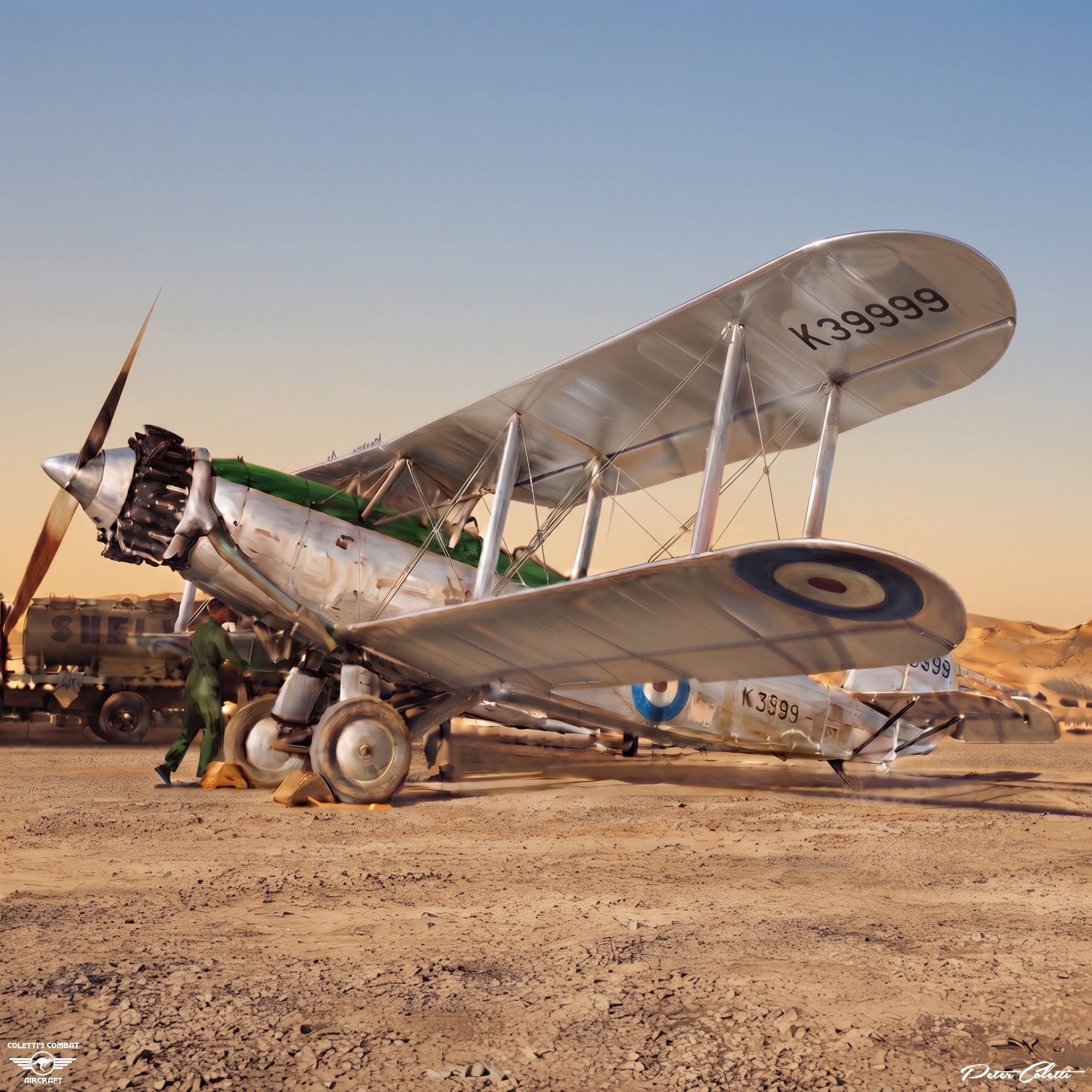
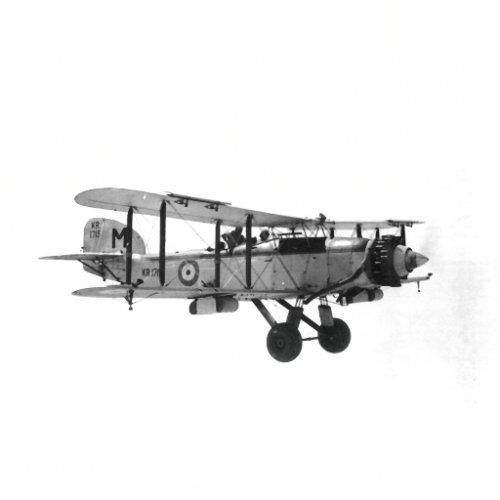
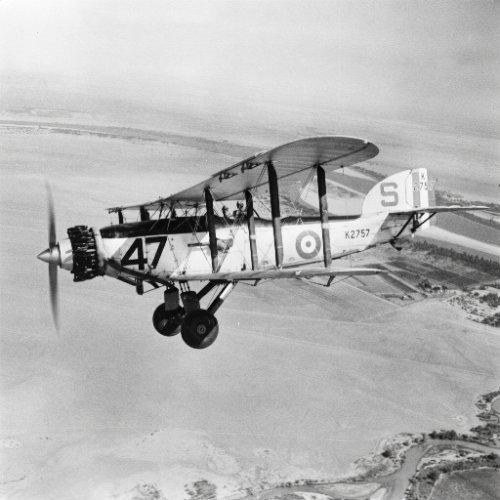
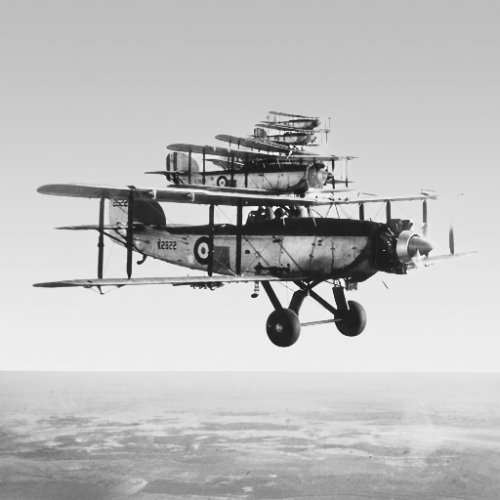
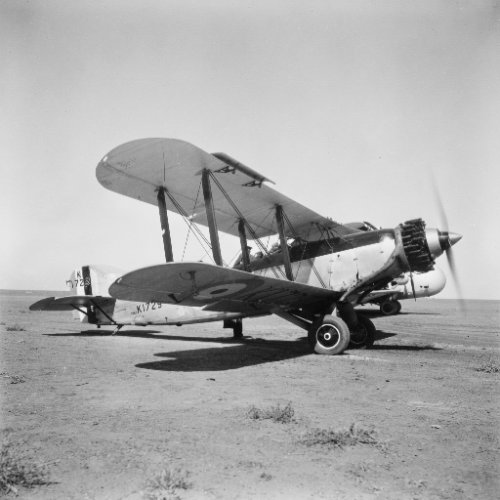
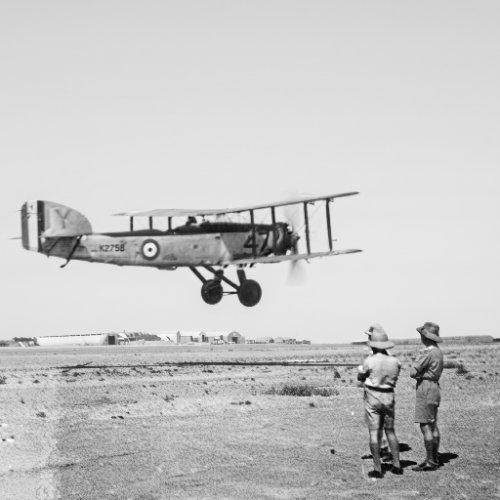
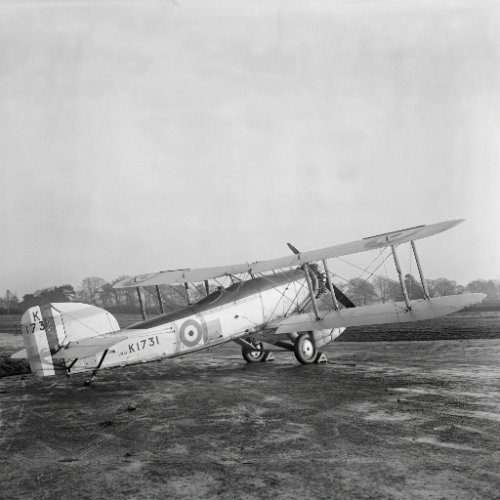
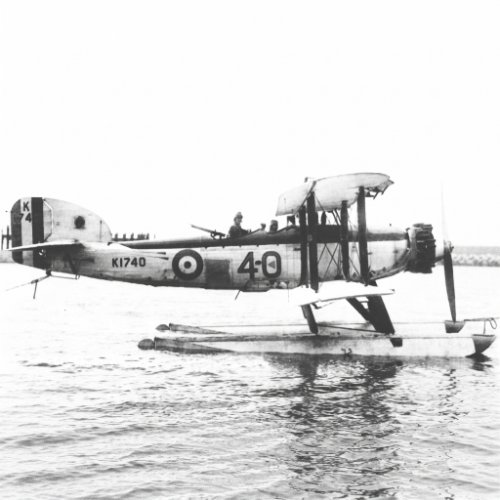
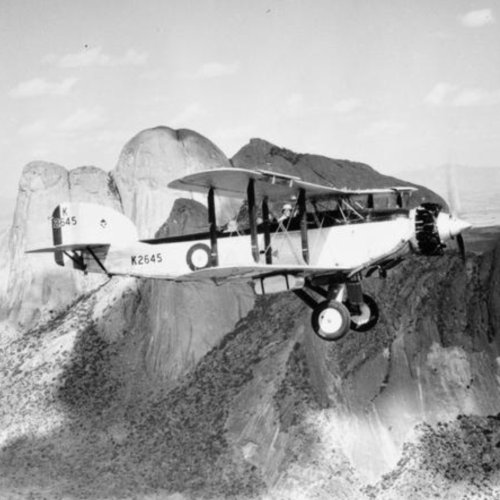
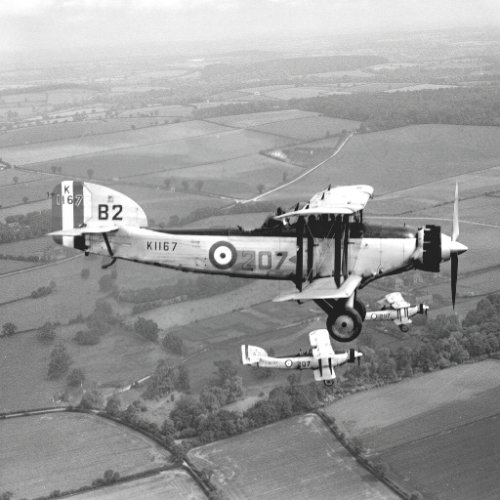
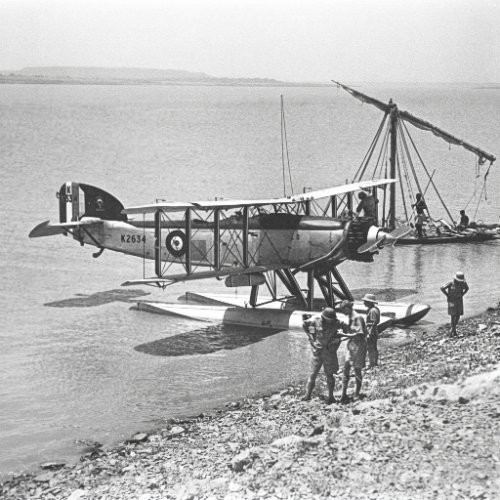
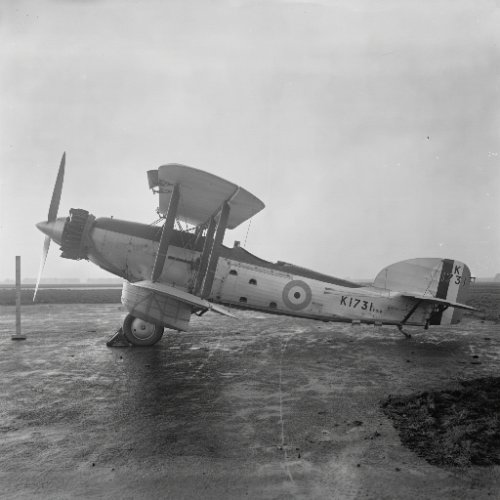
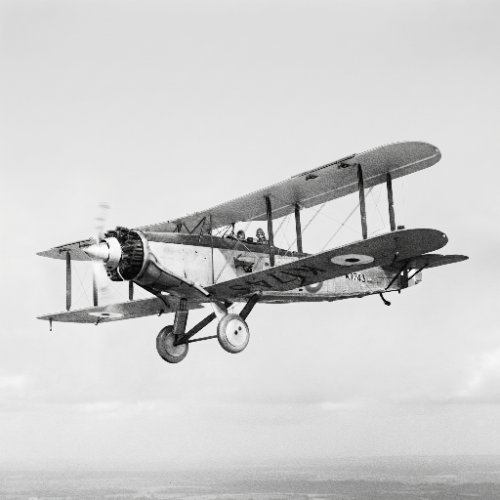
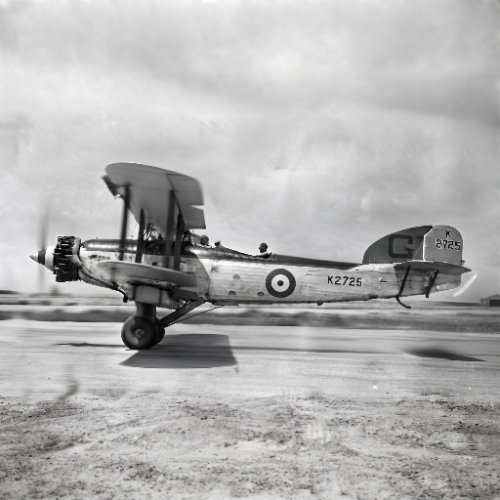
The Fairey Gordon was conceived as an evolutionary improvement of the Fairey IIIF, one of the most widely used British interwar aircraft.
It originated under Air Ministry Specification 18/30, which called for a two‑seat general‑purpose day bomber capable of reconnaissance, light bombing, and army co‑operation roles.
The IIIF’s main limitation was its Napier Lion inline engine, which was powerful but complex and increasingly outdated.
To address this, Fairey developed the IIIF Mk V, replacing the Lion with the newer Armstrong Siddeley Panther radial engine.
This redesign produced the aircraft that became known as the Fairey Gordon.
The prototype—converted from an IIIF Mk IV (serial J9154)—first flew on 3 March 1931.
The RAF ordered the Gordon as a day bomber and general‑purpose aircraft, and production began immediately.
Roughly 178 new aircraft were built for the RAF, and around 80–90 IIIFs were converted to Gordon standard.
Design and Technical Characteristics
Airframe
The Fairey Gordon was a conventional two‑bay biplane with a fabric‑covered metal structure, typical of late‑1920s RAF design philosophy.
Its layout was robust and simple, optimised for colonial operations and rough‑field use.
Key structural features included:
Metal fuselage and wings with fabric covering.
Two‑seat tandem cockpit for pilot and observer/gunner.
Fixed landing gear with a tail skid or tail wheel depending on the variant.
Straightforward instrumentation, including airspeed indicator, altimeter, oil pressure gauge, tachometer, turn‑and‑bank indicator, and compass.
Powerplant
The Gordon was powered by the Armstrong Siddeley Panther IIa, a 14‑cylinder air‑cooled radial engine producing 525–605 hp depending on sub‑variant.
This engine was more reliable and easier to maintain than the Napier Lion, making the Gordon better suited to overseas service in harsh climates.
Armament
The Gordon carried:
One fixed forward‑firing .303‑in Vickers machine gun.
One .303‑in Lewis gun on a pivoting mount in the rear cockpit.
Up to 500 lb (227 kg) of bombs on underwing racks.
Dimensions and Performance
Typical specifications:
Wingspan: 45 ft 9 in (13.95 m)
Length: 36 ft 9 in (11.20 m)
Height: 14 ft 2 in (4.32 m)
Max speed: 145 mph (233 km/h) at sea level
Range: 600 miles (966 km)
Service ceiling: 22,000 ft (6,705 m)
Crew: 2
These figures placed the Gordon squarely within the RAF’s interwar light‑bomber category—adequate for colonial policing and training but increasingly outdated by the late 1930s.
Variants
Fairey IIIF Mk V (Prototype)
The transitional version from the IIIF, fitted with the Panther engine.
Gordon Mk I
Main production version.
Two‑seat day bomber and general‑purpose aircraft.
154 produced before production shifted to Mk II.
Gordon Mk II
Featured a larger fin and rudder for improved stability.
Only 24 were completed before production ended.
Fairey Seal
Navalised version of the Gordon with folding wings for carrier use.
Operated by the Fleet Air Arm.
Export Variants
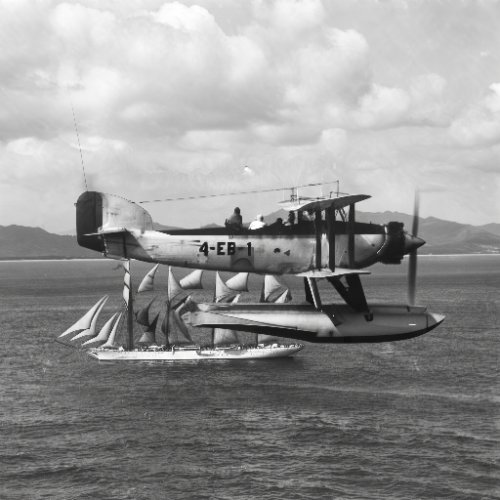
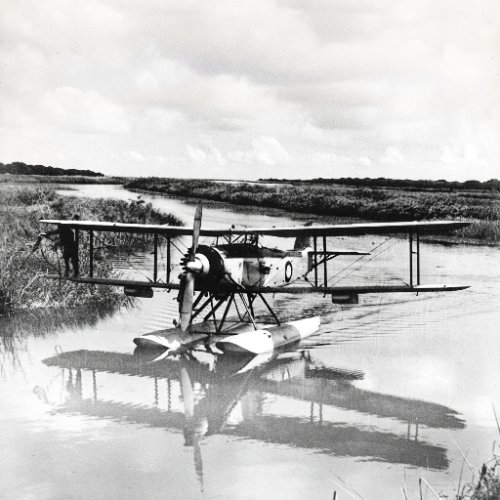
E1F: Brazilian Navy designation.
Brazil purchased 20 Gordons (15 landplanes, 5 floatplanes).
Additional exports to Egypt, China, and New Zealand.
Operational History and WWII Context
RAF Service in the 1930s
The Gordon served widely across the British Empire, equipping RAF squadrons in:
Iraq and Palestine (No. 14 and No. 55 Squadrons)
Egypt (No. 6, No. 45, No. 47 Squadrons)
Sudan and India (frontier patrols)
Its roles included:
Light bombing
Reconnaissance
Army co‑operation
Training and target towing
By the late 1930s, the Gordon was increasingly relegated to training duties as newer monoplanes entered service.
World War II
Although largely obsolete by 1939, the Gordon did see limited WWII action:
Anglo‑Iraqi War (1941)
Seven Gordons at RAF Habbaniya were hastily reconverted from target tugs back into bombers in April 1941.
They flew combat missions defending the airfield against Iraqi forces during the Anglo‑Iraqi War in early May.
Royal New Zealand Air Force
New Zealand received 49 Gordons in 1939; 41 entered service as trainers.
Many were worn out from Middle Eastern service, and maintenance was difficult.
They were retired and scrapped between 1942 and 1943, with the last struck off in 1943.
Other Operators
Brazil (landplanes and floatplanes)
Egypt (Royal Egyptian Air Force)
China
New Zealand (RNZAF)
Assessment and Legacy
The Fairey Gordon was a transitional interwar biplane, bridging the gap between the complex Napier Lion‑powered IIIF and more modern monoplanes that followed.
It was:
Reliable and rugged for colonial operations.
Widely exported and adaptable to multiple roles.
Obsolete by WWII but still used in training and emergency combat.
Its most notable wartime moment came during the defence of RAF Habbaniya, where Gordons—already relegated to target‑towing—were pressed back into combat and contributed to repelling Iraqi forces.