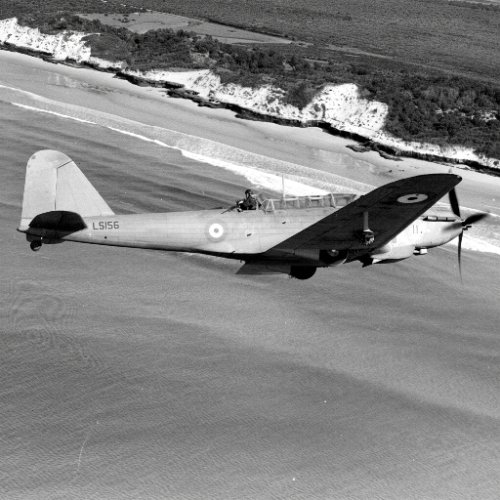
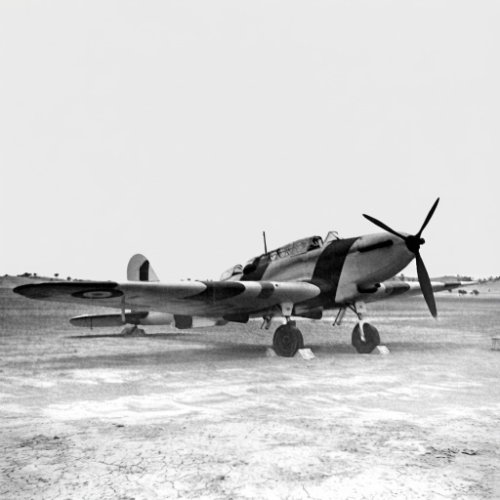
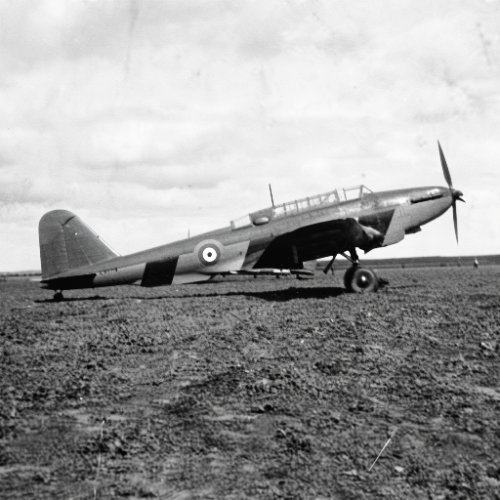
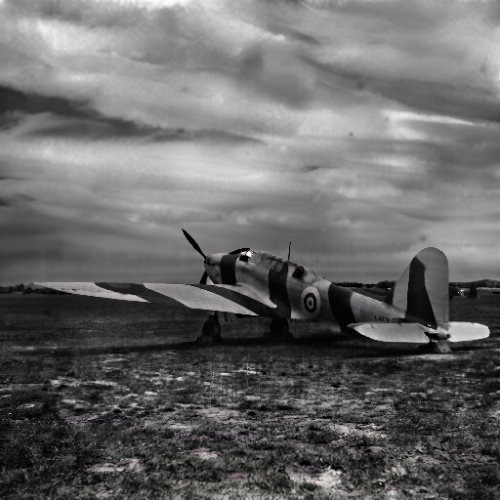
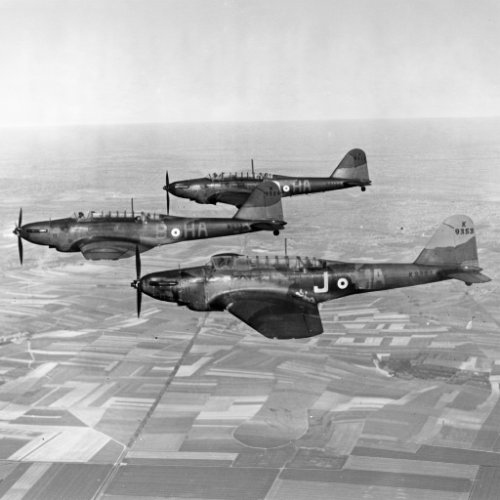
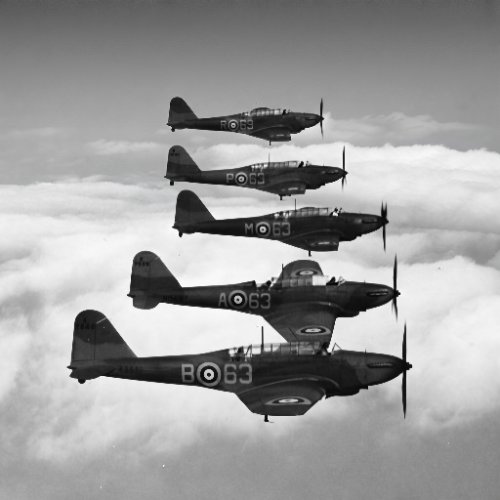
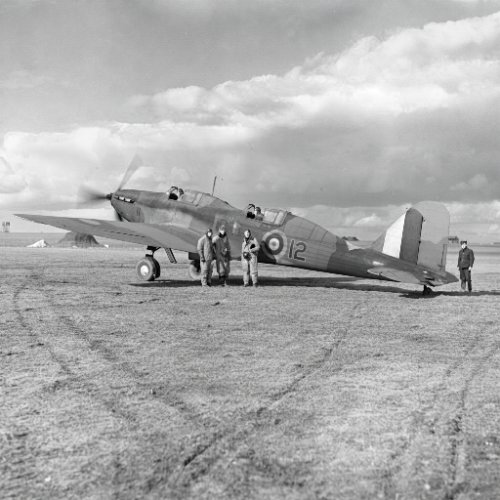
The Fairey Battle was born from Air Ministry Specification P.27/32 (1932), which called for a fast, single‑engine light bomber to replace the Hawker Hart and other biplane day bombers.
The Geneva disarmament discussions had imposed a 6,000 lb weight limit (excluding engine) on single‑engine bombers, forcing designers to produce compact aircraft with modest bomb loads yet high speed.
Fairey proposed a modern, low‑wing monoplane with an enclosed cockpit and internal bomb stowage—radically advanced compared with the RAF’s existing fabric‑covered biplanes.
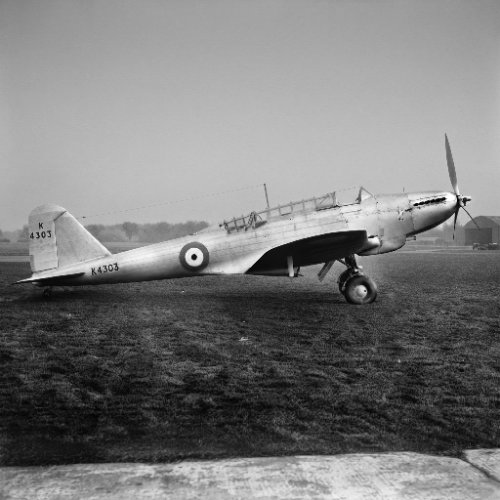
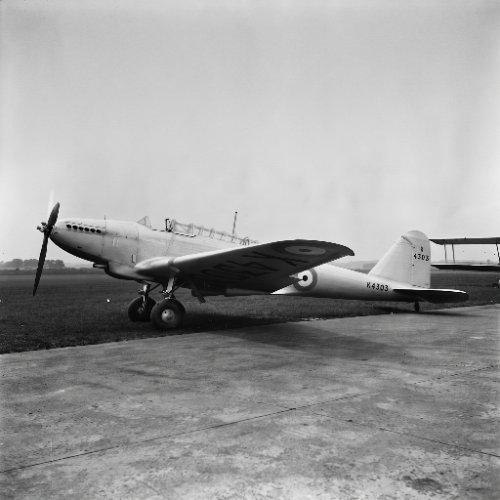
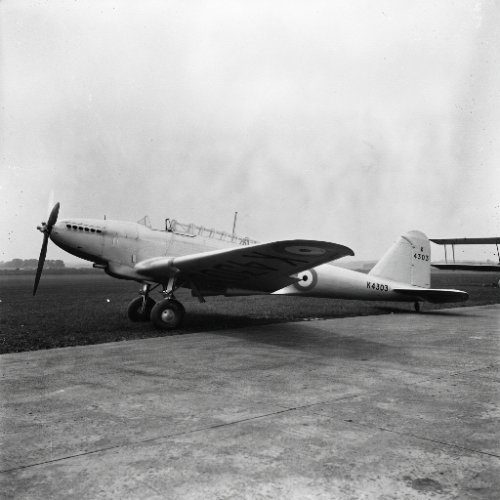
The prototype Battle (K4303) first flew on 10 March 1936, powered by the new Rolls‑Royce Merlin I engine of about 1,030 hp, the same basic powerplant that would later drive the Hurricane and Spitfire.
Even before the prototype flew, the Air Ministry ordered 155 aircraft, eager to modernise its bomber force under the RAF Expansion Plans of the mid‑1930s.
By 1937, the Battle entered squadron service, and by September 1939, roughly 1,000 battles were in the RAF inventory—making it the principal light bomber at the outbreak of war.
Design and technical characteristics
Airframe and layout
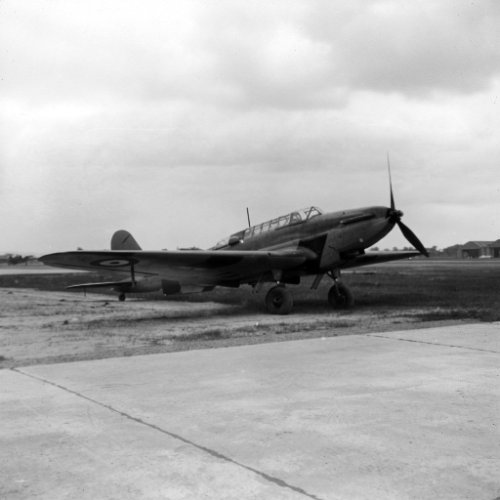
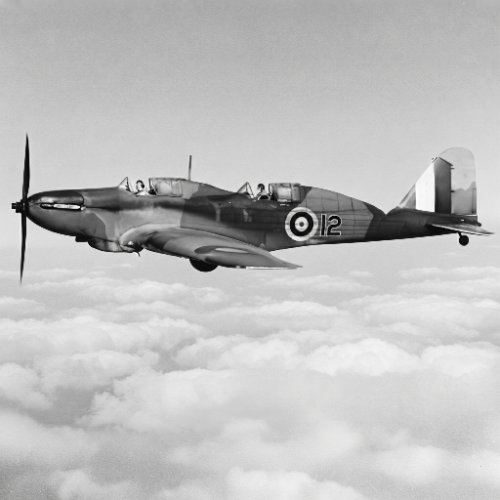
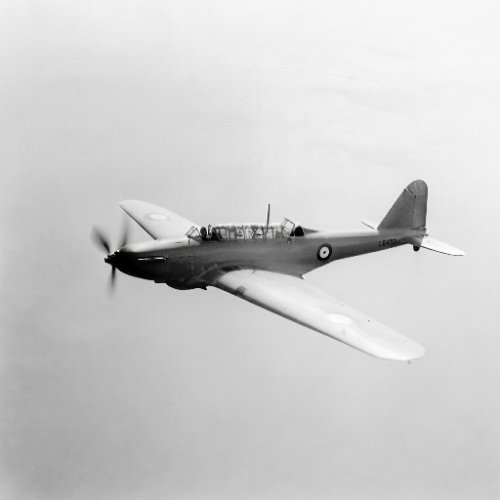
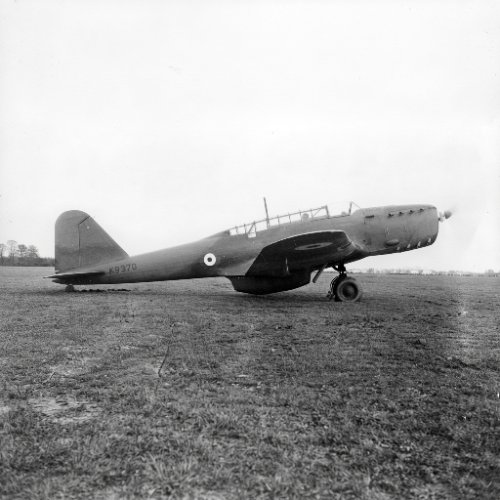
The Battle was a single‑engine, low‑wing monoplane of all‑metal construction with a stressed‑skin fuselage and wings—very much in line with contemporary fighter design philosophy but stretched to accommodate a bomber’s payload and crew.
Key features:
Long, slender fuselage with a continuous greenhouse canopy covering the pilot, observer/bomb‑aimer, and rear gunner.
Internal bomb bay in the fuselage, designed to carry up to 1,000 lb of bombs in four cells.
Retractable main undercarriage and fixed tailwheel, reducing drag compared with earlier fixed‑gear bombers.
Three‑man crew: pilot, navigator/bomb‑aimer, and wireless operator/air gunner.
The aircraft’s clean lines and monoplane configuration made it appear advanced, but the combination of three crew, an internal bomb bay, and structural requirements pushed the weight up, eroding the performance advantage that had been envisioned in the early design stages.
Powerplant
Early production battles used the Rolls‑Royce Merlin I, later Merlin II and Merlin III, liquid‑cooled V‑12 engines in the 1,030–1,065 hp range.
This gave the Battle respectable speed for a bomber in 1936–37, but by 1939 it was outclassed by modern fighters such as the Bf 109.
Performance (typical Battle Mk I)
Approximate figures:
Maximum speed: ~241 mph (388 km/h) at altitude in early trials, but operationally closer to 220–230 mph.
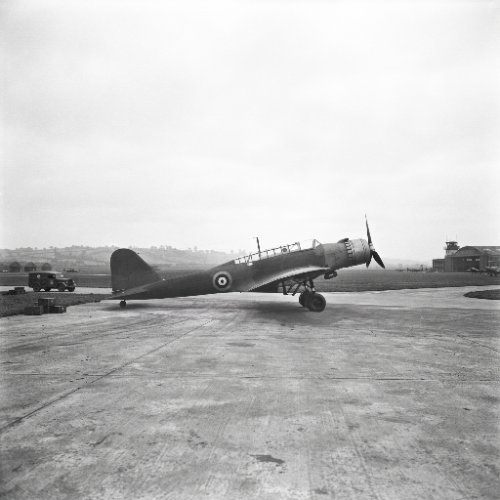
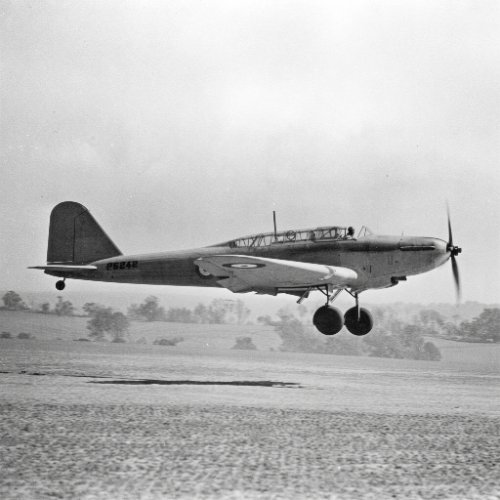
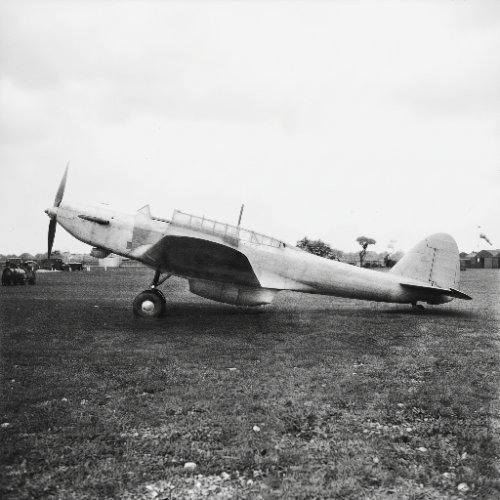
Fairey battle with a Bristol Taurus II engine
Range: Around 600 miles (1,000 km) with a 1,000 lb bomb load, matching the original specification.
Service ceiling: About 25,000 ft, though missions were usually flown at lower altitudes.
Crew: 3
In practice, the Battle’s speed and climb were insufficient against modern fighters, and its lack of armour and self‑sealing tanks made it highly vulnerable to both flak and interception.
Armament and payload
Offensive and defensive fit:
Bomb load: Up to 1,000 lb internally (typically four 250 lb bombs), sometimes supplemented by small external stores.
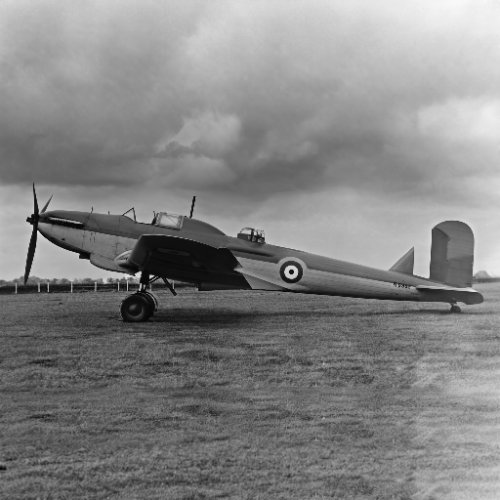
Fairey Battle with Napier Sabre engine
Forward armament: One fixed 0.303 in. Browning machine gun in the starboard wing.
Defensive armament: One 0.303 in Vickers K machine gun on a flexible mount in the rear cockpit.
Compared with later light and medium bombers, this was a modest payload and a weak defensive armament, further contributing to the Battle’s vulnerability in daylight operations.
Variants and production
Around 2,185 battles were built between 1937 and 1940 by Fairey and subcontractors.
Key variants:
Battle Mk I:
Main production and combat version.
Merlin I/II/III engine, standard bomb bay and armament.
Battle T (Trainer variants):
Dual‑control conversions for pilot training.
Used extensively in the Commonwealth Air Training Plan in Canada and other locations.
Target tug and special conversions:
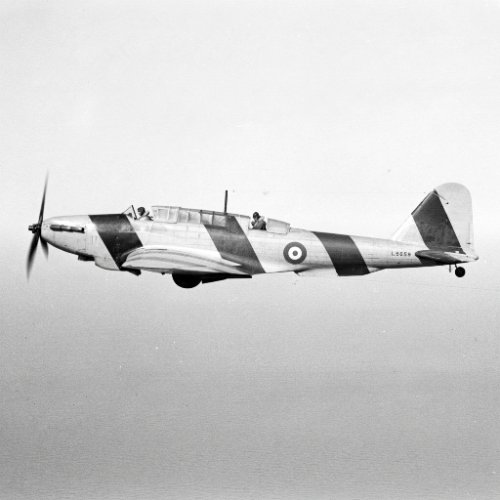
Battles were modified with winches and towing gear for target towing.
Some are adapted for gunnery and bombing training with revised equipment fits.
No fundamentally new combat marks were produced; instead, the type evolved into a training and support platform once its frontline inadequacy became clear.
Operational history and WWII context
Early war and the Battle of France
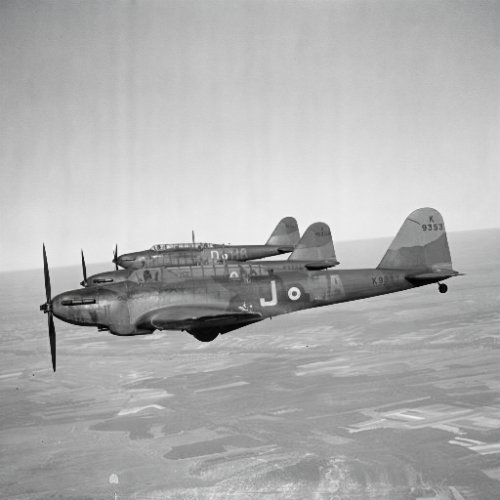
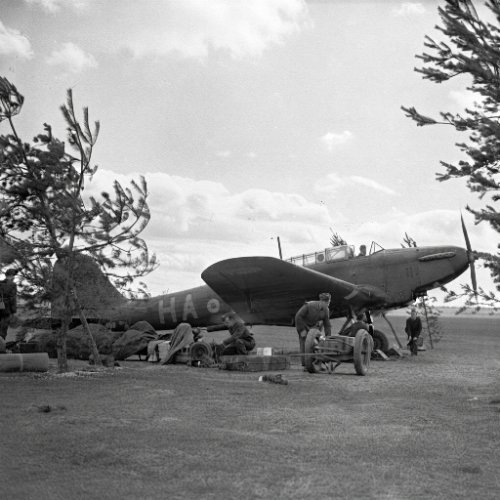
At the outbreak of war in September 1939, several RAF squadrons equipped with battles deployed to France as part of the Advanced Air Striking Force.
Initially, the aircraft flew reconnaissance and limited bombing missions, but their shortcomings were exposed almost immediately: on 30 September 1939, four of five battles on a border reconnaissance were shot down by Bf 109s.
During the Battle of France (May–June 1940), battles were sent against German columns, bridges, and communication targets, including the Meuse and Albert Canal bridges.
Loss rates were catastrophic—on some days exceeding 40–60% of sorties, and on 11 May 1940, one formation suffered 100% losses.
Fairey P.24 Prince Battle
Around 200 battles were lost in six weeks.
It was on one such mission, attacking the Maastricht bridges on 12 May 1940, that Flying Officer Donald Garland and Serjeant Thomas Grey of No. 12 Squadron earned the RAF’s first two Victoria Crosses of the war, highlighting both the bravery of crews and the extreme danger of daylight low‑level attacks in an obsolete aircraft.
By mid‑June 1940, surviving battles were withdrawn from daylight frontline bombing in Europe.
Shift to night operations and training roles.
Once moved to night bombing, loss rates dropped dramatically—from roughly one aircraft in every two sorties by day to about one in two hundred by night.
However, the RAF quickly recognised that more capable aircraft—such as the Bristol Blenheim, and later the Wellington and other mediums—were better suited to sustained bombing campaigns.
The battle was progressively relegated to:
Bombing and gunnery training for RAF and Commonwealth crews.
Target towing for air‑to‑air and ground‑to‑air firing practice.
General training duties under the British Commonwealth Air Training Plan, especially in Canada.
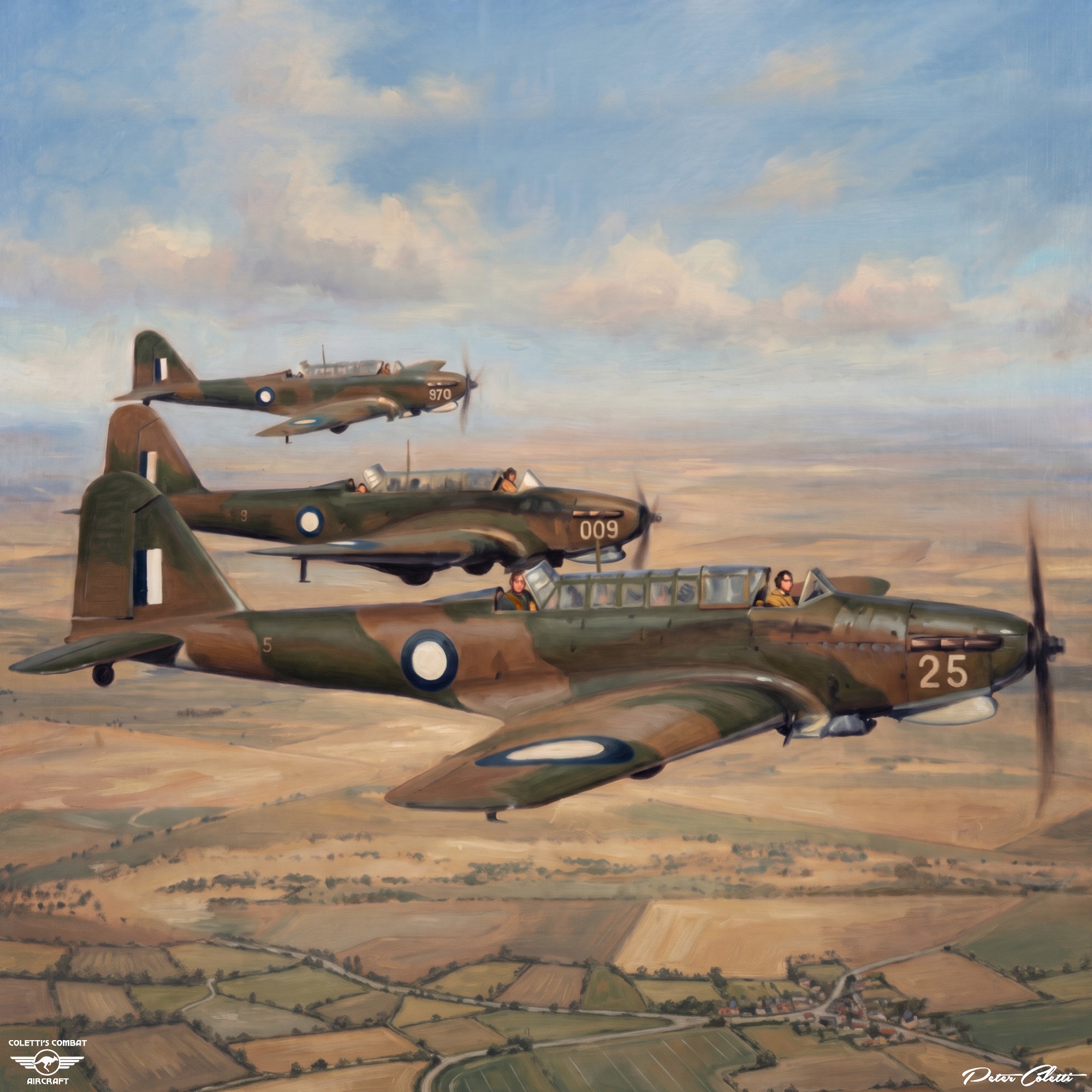
Several Allied air forces used the Battle in training or secondary roles, including Canada, Australia, South Africa, and others, but it disappeared from combat use relatively early in the war.
Retirement and legacy
The battle remained in training and support roles into the late 1940s, gradually replaced by more modern trainers and surplus wartime types.
Historically, the Fairey Battle stands as:
A technological bridge between interwar biplane bombers and fully modern all‑metal monoplanes.
A stark example of how rapid advances in fighter and air defence technology can render a seemingly modern bomber obsolete almost overnight.
A symbol of courage and sacrifice—its crews flew extremely hazardous missions in 1939–40, suffering heavy losses yet earning some of the earliest high‑level decorations of the war.