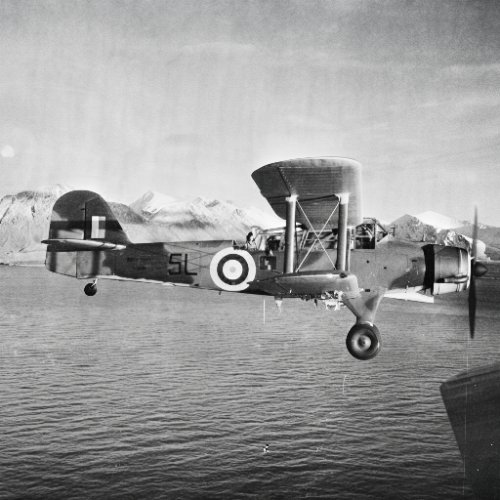
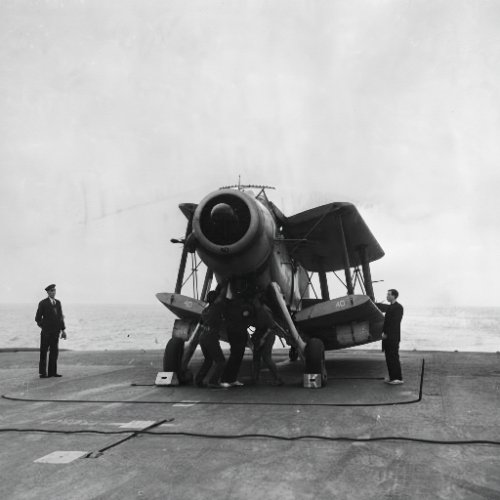
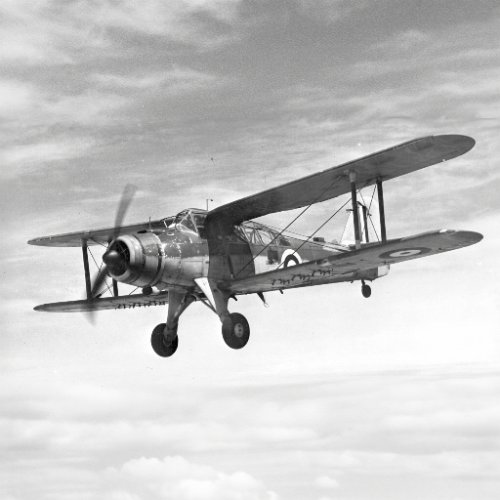
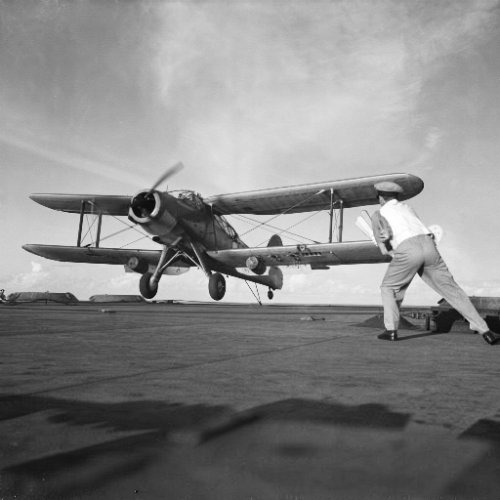
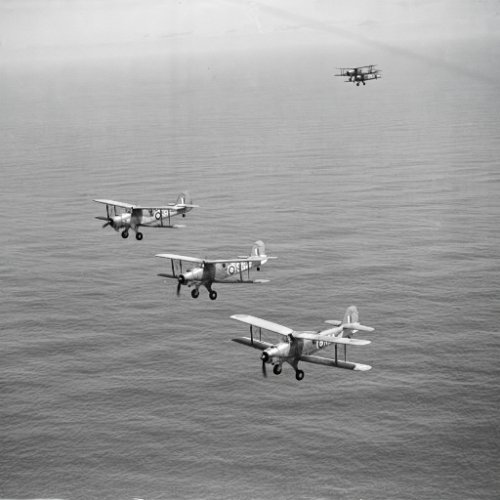
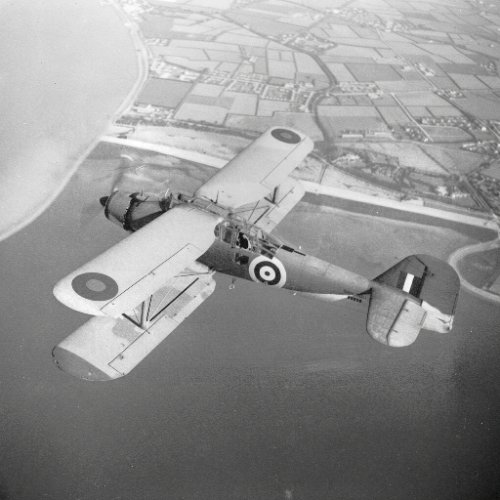
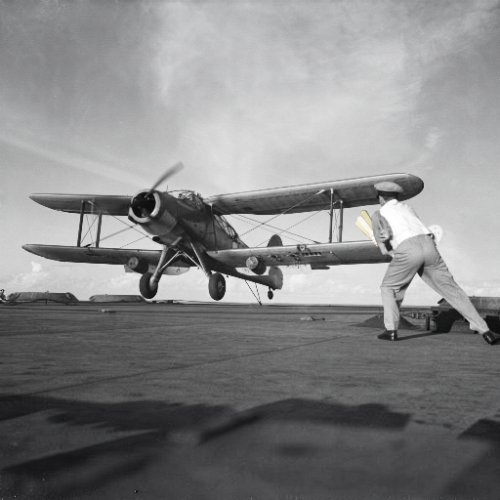
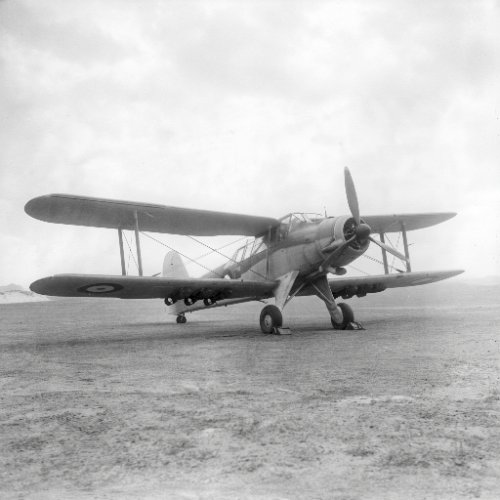
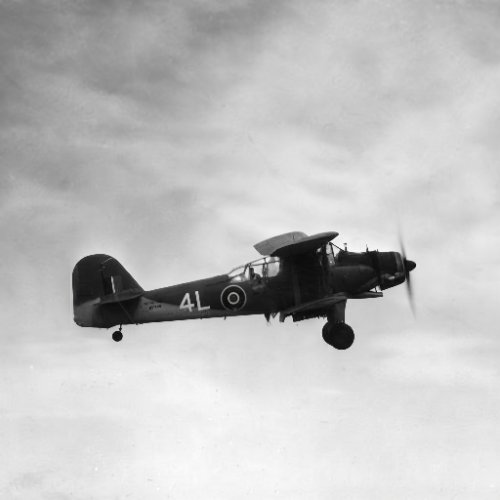
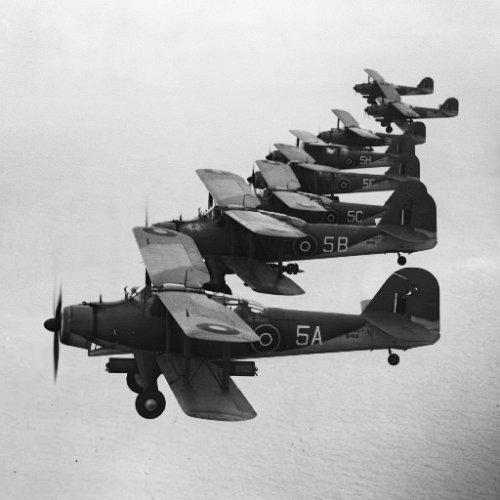
The Fairey Albacore emerged from a late‑1930s Air Ministry effort to replace the ageing but highly successful Fairey Swordfish.
Two specifications—M.7/36 and S.41/36—defined the requirement for a three‑seat torpedo‑spotter‑reconnaissance (TSR) aircraft capable of carrying an 18‑inch Mark XIIA torpedo, performing dive‑bombing, level bombing, and reconnaissance, and operating effectively from aircraft carriers.
The specifications demanded dual flight controls, a powered rear turret, improved navigation and observation facilities, and significantly enhanced crew comfort through soundproofing and heating, which implied an enclosed cockpit—a major step forward from the open‑cockpit Swordfish.
Fairey Aviation responded with several designs, including both biplane and monoplane concepts.
Although the monoplane was more modern, officials rejected it due to concerns that its higher speed and different handling characteristics were unsuitable for the wide range of slow‑speed carrier and spotting tasks envisioned.
Thus, Fairey refined its biplane proposals, conducting extensive wind‑tunnel testing at RAE Farnborough (1936–1937) to optimise wing profiles, tail surfaces, and flap arrangements.
The final design—named Albacore—represented the last major British carrier‑borne biplane torpedo bomber.
Prototyping and Production
The first flight occurred on 12 December 1938, and production began in 1939.
Two prototypes were evaluated, and the chosen configuration entered full production at Fairey’s Hayes facility.
Between 1939 and 1943, 800 Albacores were built.
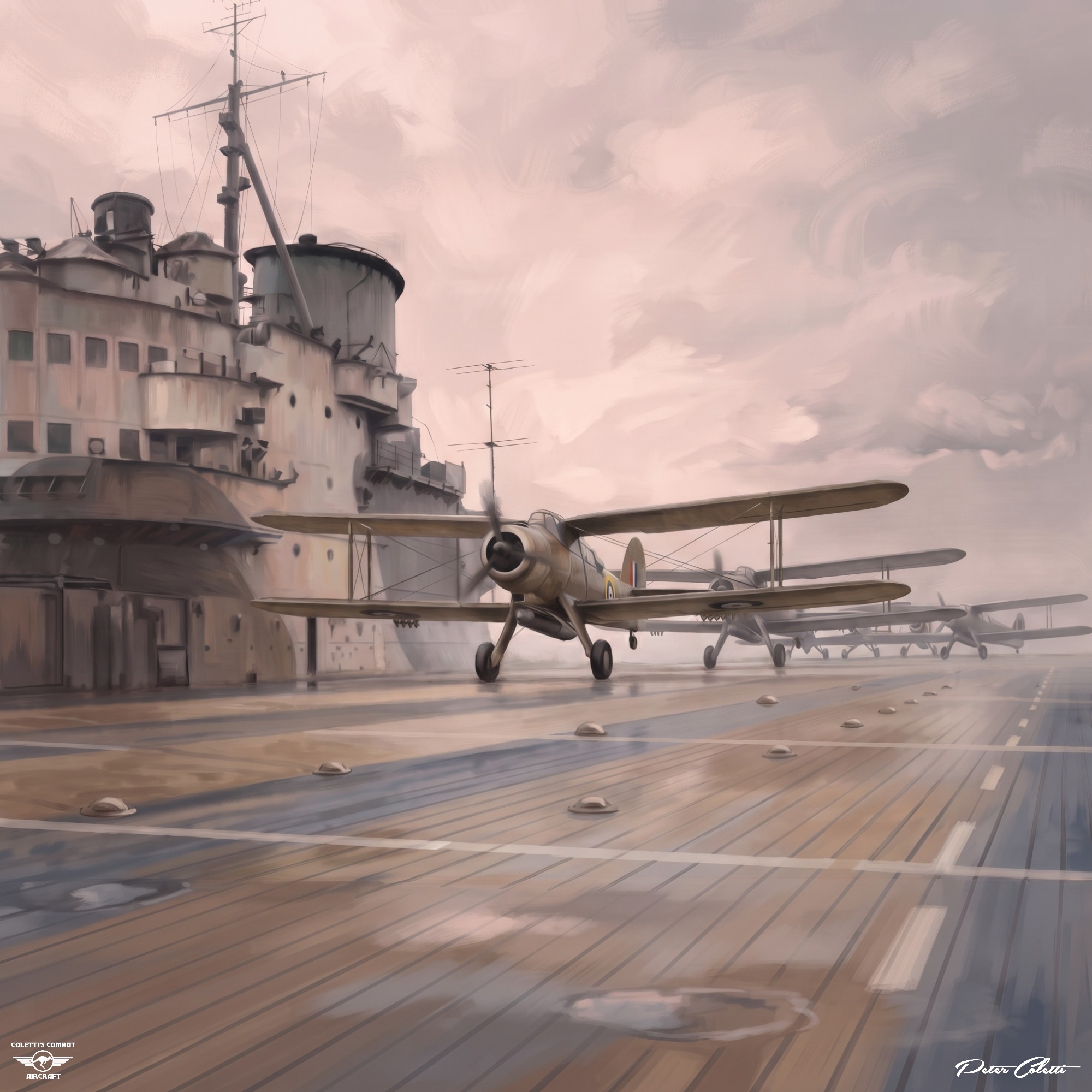
The aircraft entered service in March 1940 with the 826 Naval Air Squadron of the Fleet Air Arm (FAA).
Early operations were land‑based, focusing on anti‑shipping strikes in the English Channel, before carrier operations began in November 1940.
At its peak, 15 first‑line FAA squadrons operated the type.
Technical Design and Construction
Airframe and Structure
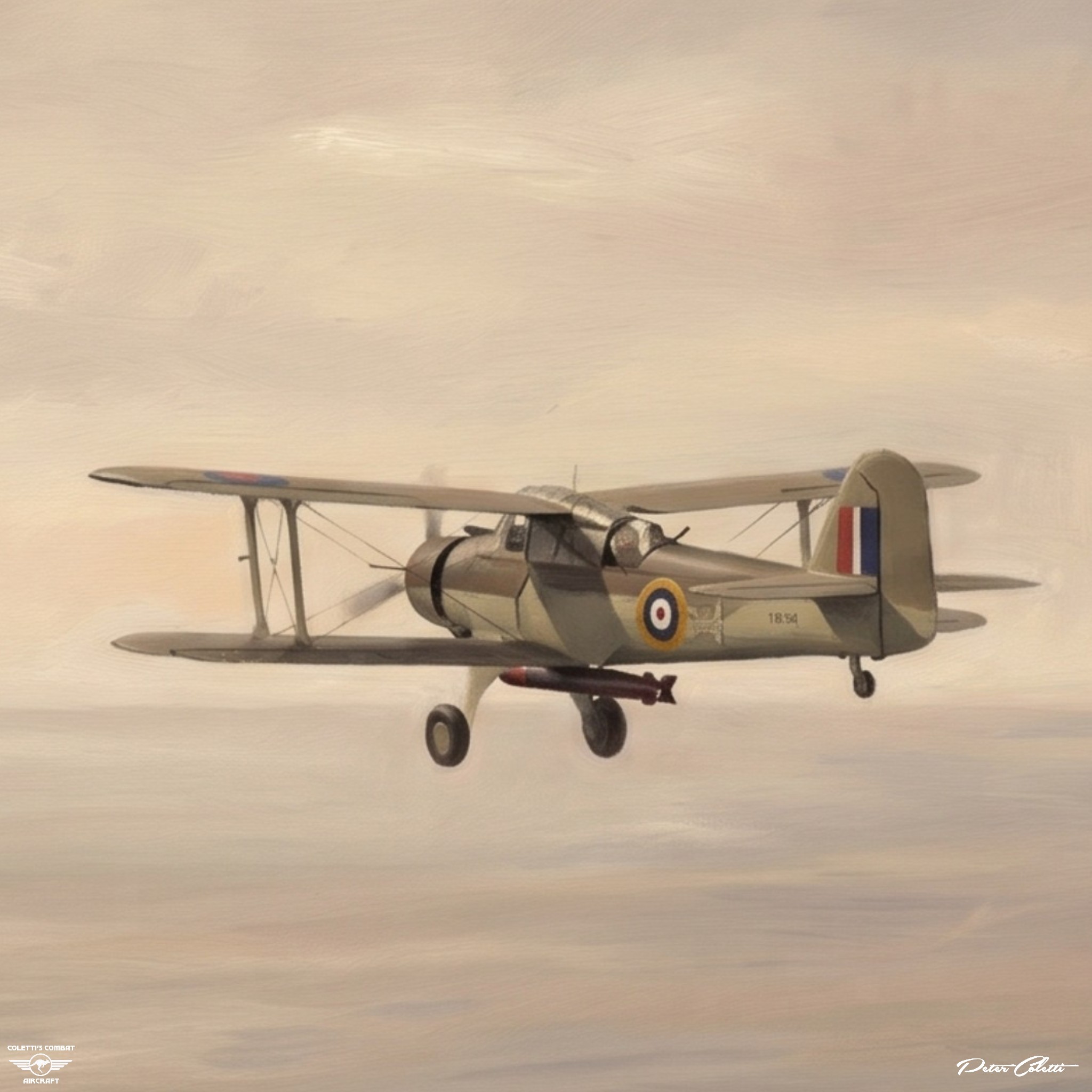
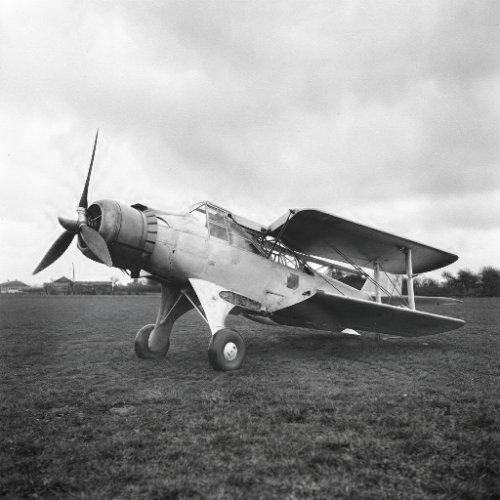
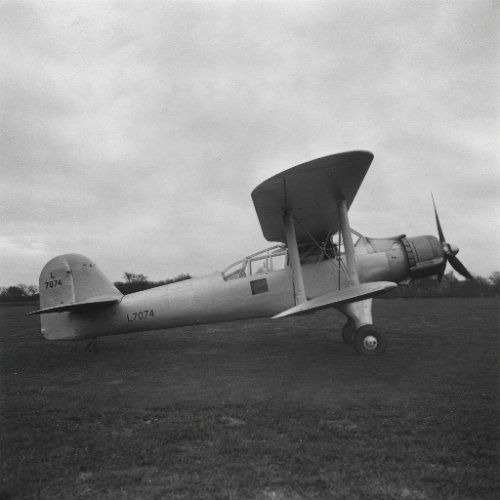
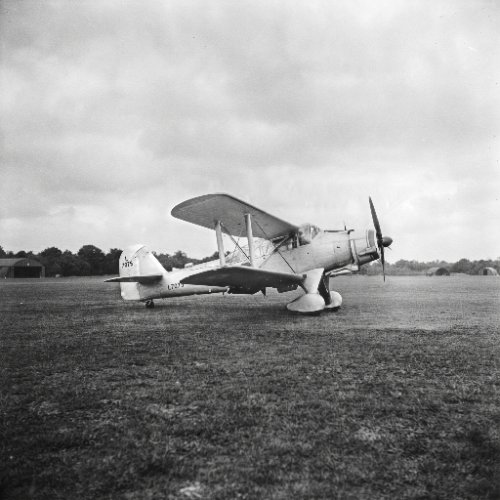
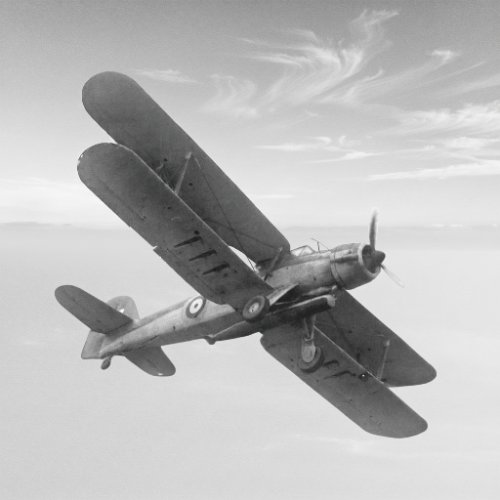
The Albacore was a single‑engine, three‑seat biplane with a metal structure and fabric covering typical of late‑interwar British naval aircraft.
Although visually similar to the Swordfish, it incorporated numerous refinements:
Enclosed cockpit for pilot, observer, and telegraphist‑air gunner, improving comfort and reducing fatigue.
Revised wing structure with improved flaps informed by wind‑tunnel research.
A more aerodynamic fuselage with a fixed faired undercarriage.
Dual controls to allow the observer to fly the aircraft if necessary.
Enhanced heating and soundproofing, unusual for a biplane torpedo bomber.
Powerplant
The Albacore was powered by the Bristol Taurus II (and later Taurus XII) 14‑cylinder radial engine, producing 1,065 hp.
This gave it modest performance improvements over the Swordfish but still placed it behind contemporary monoplane designs.
Performance
Key performance characteristics included:
Maximum speed: ~161 mph (259 km/h)
Range: ~710 miles (1,143 km)
Wingspan: 50 ft (15.24 m)
Length: 39 ft 10 in (12.14 m)
Crew: 3
Although faster and more comfortable than the Swordfish, the Albacore’s performance remained limited by its biplane configuration.
Crews appreciated its short takeoff and landing capability, reliability, and stable handling, but it never achieved the legendary reputation of its predecessor.
Armament and Payload
The Albacore carried:
One fixed forward‑firing 7.7 mm machine gun in the starboard wing
One or two 7.7 mm Vickers K guns in the rear cockpit
One 18‑inch torpedo (760 kg / 1,675 lb)
Up to 2,000 lb (907 kg) of bombs for level or dive bombing
It could also carry depth charges for anti‑submarine patrols.
Later aircraft incorporated ASV radar, enabling night and poor‑weather operations.
Operational History in WWII
Early Wartime Service
The Albacore’s combat debut occurred on 31 May 1940, attacking German E‑boats in the North Sea.
Land‑based operations continued through 1940, targeting shipping and coastal installations.
Mediterranean Theatre
The aircraft saw its most significant action in the Mediterranean:
Battle of Cape Matapan (March 1941): Albacores helped cripple the Italian battleship Vittorio Veneto, contributing to a decisive Allied victory.
North African Campaign: Supported ground forces during the Second Battle of El Alamein.
Invasion of Sicily (Operation Husky, 1943) and Salerno landings (Operation Avalanche, 1943): Provided torpedo strikes, dive‑bombing, and reconnaissance.
Atlantic and Arctic
Albacores flew convoy protection missions in the Atlantic and Arctic, performing anti‑submarine patrols and reconnaissance.
Their ability to operate from small escort carriers made them useful despite their obsolescence.
Operation Torch
During Operation Torch (November 1942), Albacores supported Allied landings in North Africa, conducting bombing and spotting missions.
Decline and Replacement
Despite being designed as the Swordfish’s successor, the Albacore never fully displaced it.
The swordfish remained in frontline service longer due to its exceptional low‑speed handling and adaptability.
By late 1943, the Albacore was being replaced by modern monoplanes:
Fairey Barracuda (British)
Grumman Avenger (American)
The Albacore continued in secondary roles until the end of the war and was finally retired in 1949.
Variants
The Albacore did not have numerous major variants; production focused on a single principal model with incremental improvements:
Albacore Mk I: Main production version, powered by Bristol Taurus II or XII engines.
Minor modifications included radar‑equipped aircraft and small structural or equipment changes across production batches.
Operators
Primary operators included:
Royal Navy Fleet Air Arm (main user)
Royal Air Force (limited use)
Royal Canadian Air Force (operated small numbers)
Assessment and Legacy
The Fairey Albacore represented the final evolution of the British carrier‑borne biplane bomber.
It incorporated meaningful improvements—enclosed cockpit, better engine, radar capability, and improved ergonomics—but entered service at a time when aviation technology was rapidly shifting towards faster, more capable monoplanes.
Crews nicknamed it the “Applecore”, a humorous reference to its fuselage shape.
Although overshadowed by its predecessor and successors, the Albacore performed reliably in demanding theatres, contributing significantly to Allied naval air operations from 1940 to 1943.