The Fairchild PT‑19 originated from a U.S. Army Air Corps requirement for a modern, low‑wing monoplane primary trainer to replace ageing biplane trainers such as the Stearman PT‑17.
Fairchild engineers recognised that no low‑wing primary trainer existed in U.S. production at the time, prompting the company to design a new aircraft around the Ranger L‑440 inline engine.
Development began with the Fairchild M‑62, designed under chief engineer Armand Thiebolt, who emphasised interchangeable parts, nonstrategic materials, and a layout that would resist ground‑looping through a wide‑track landing gear.
The M‑62 first flew on 15 May 1939 and won a competitive fly‑off against 17 rival designs later that year, leading to an initial Army order on 22 September 1939.
The aircraft entered service in 1940 as the PT‑19, becoming one of the principal primary trainers of the U.S. Army Air Forces during World War II.
Design and Construction
Airframe and Layout
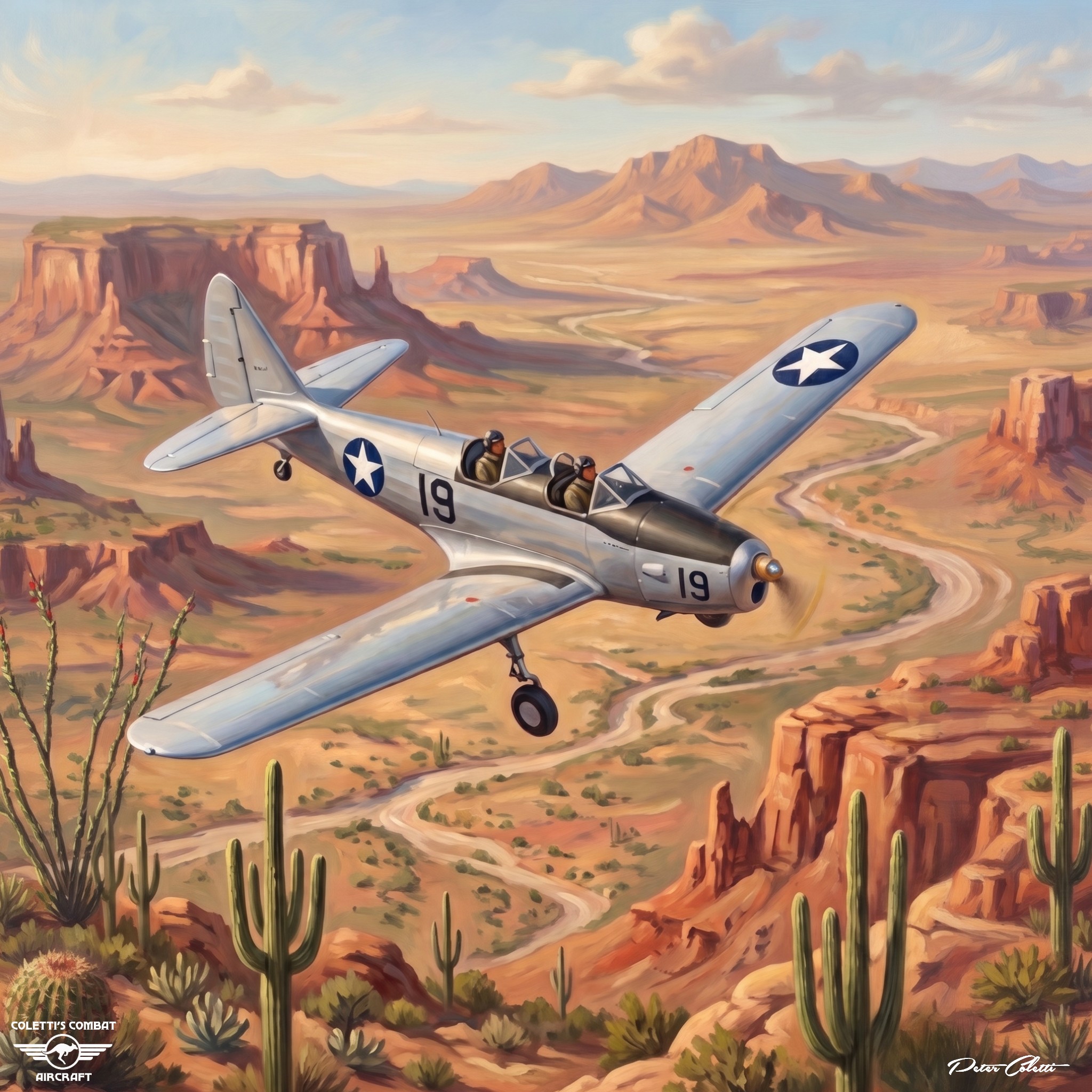
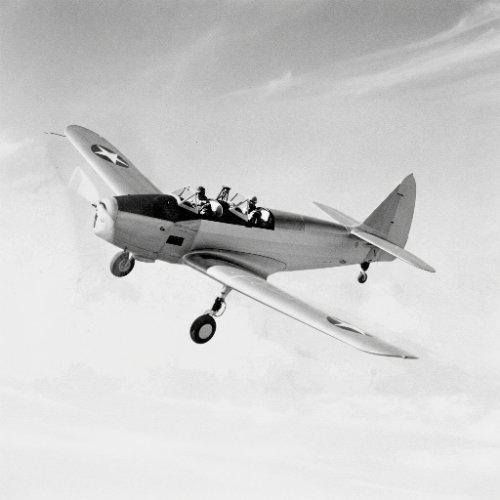
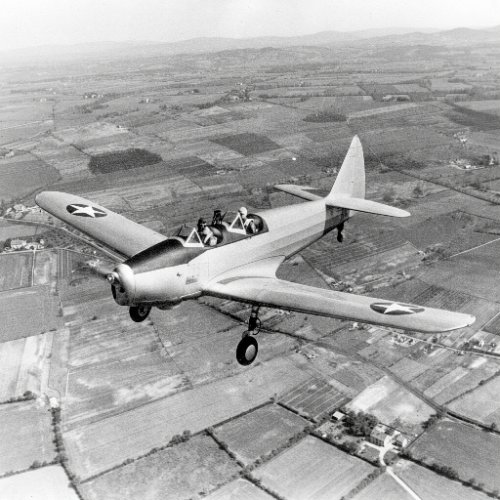
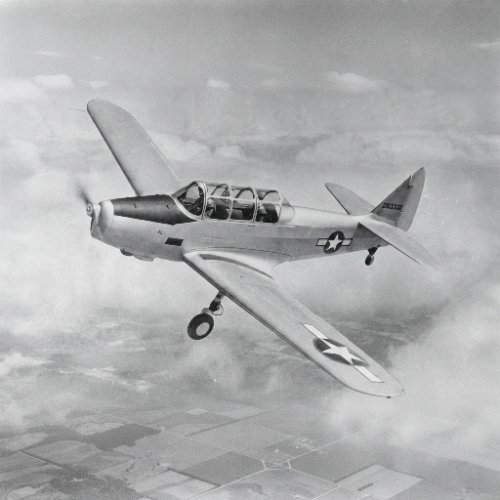
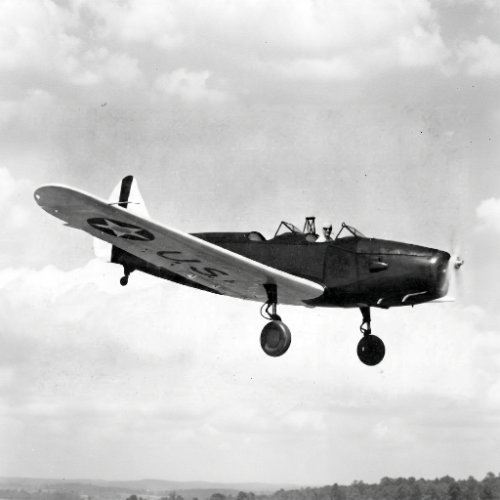
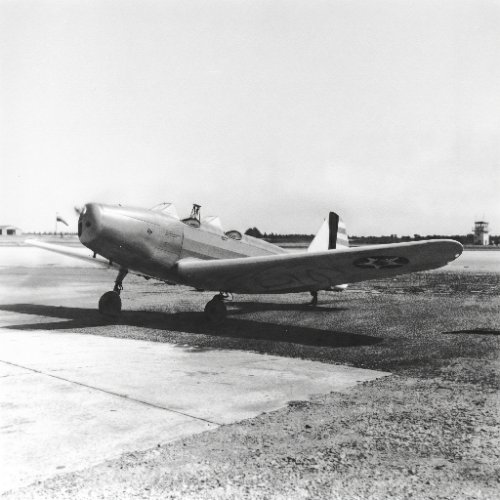
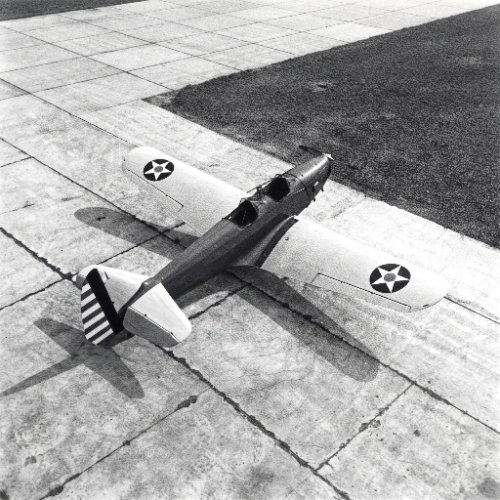
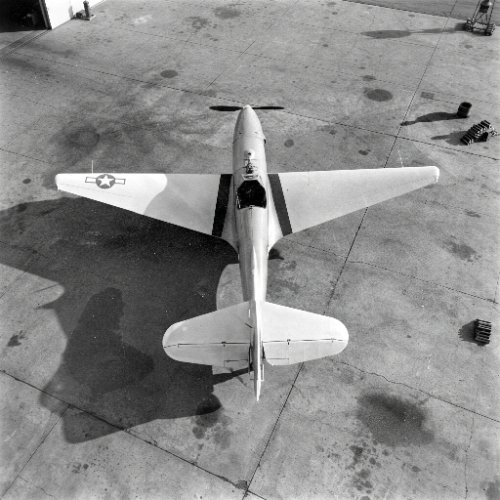
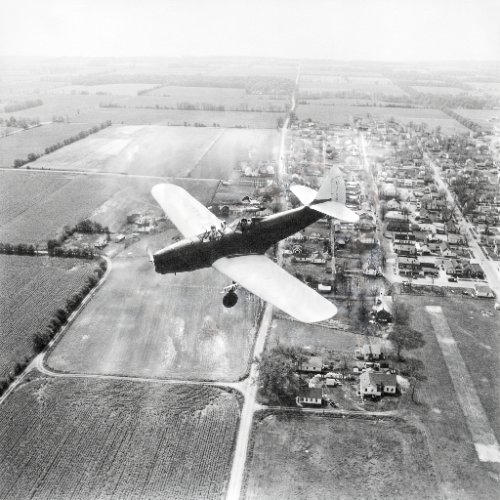
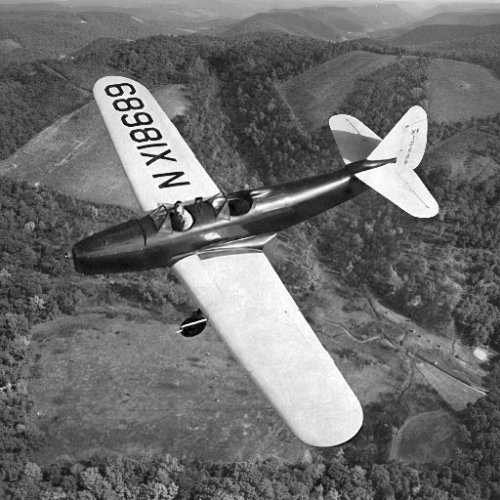
The PT‑19 is a two‑seat, tandem‑cockpit, low‑wing monoplane with fixed landing gear and a tailwheel.
Its construction was deliberately simple and rugged:
Fuselage: Welded steel‑tube structure with fabric covering.
Wings: Cantilever wooden wings with mahogany or fir plywood skin; hollow‑box spars and Duramold covering.
Landing gear: Widely spaced fixed gear designed to prevent ground‑looping.
Cockpit: Open cockpit in most variants; enclosed canopy in PT‑26 versions.
The inline Ranger engine allowed a narrow cowling, improving forward visibility and propeller efficiency compared to radial‑engined trainers.
Training Characteristics
The PT‑19 was designed to mimic the handling of front‑line fighters more closely than biplane trainers:
Higher wing loading
Higher stall speed
More precise control response
These traits made it an ideal bridge between basic and advanced training, earning it the nickname “Cradle of Heroes” for its role in shaping thousands of Allied pilots.
Powerplant and Performance
The PT‑19 family used several versions of the Ranger L‑440 inline six‑cylinder engine, producing 175–200 hp depending on the variant.
Radial‑engined variants (PT‑23 series) used the 220 hp Continental R‑670.
Representative Specifications (PT‑19A)
Wingspan: 36 ft
Length: 28 ft
Maximum speed: 124 mph
Cruise speed: 106 mph
Service ceiling: 16,000 ft
Range: 480 miles
Gross weight: ~2,450 lb.
These performance figures placed the PT‑19 squarely between slow, forgiving biplane trainers and faster advanced trainers, making it ideal for primary instruction.
Variants
PT‑19 (Initial Production Model)
Powered by a 175 hp Ranger L‑440‑1
270 built.
PT‑19A
Powered by a 200 hp Ranger L‑440‑3
3,226 built (Fairchild, Aeronca, St Louis Aircraft Corp).
PT‑19B Instrument‑training version with collapsible hood 143 built.
PT‑23 / PT‑23A
Radial‑engined version using 220 hp Continental R‑670
774 PT‑23s and 256 PT‑23As were built.
PT‑26 Series (Canadian “Cornell”)
Enclosed cockpit for cold‑weather training
Powered by a 200 hp L‑440‑3 or L‑440‑7
Built for the Royal Canadian Air Force under the Commonwealth Air Training Plan
Cornell I (PT‑26), Cornell II (PT‑26A), Cornell III (PT‑26B)
Over 1,700 Canadian‑built aircraft across variants.
XPT‑23A
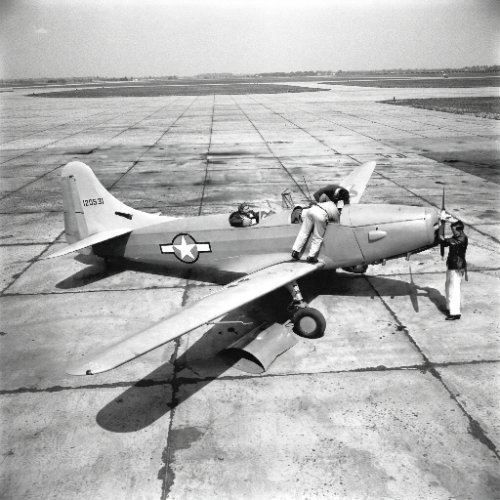
Experimental PT‑19 re‑engined with Continental R‑670‑5 radial.
Operational History and WWII Context
Role in U.S. Army Air Forces Training
The PT‑19 became one of the primary trainers of WWII, used at dozens of U.S. training fields.
Its combination of stability, predictable stall behaviour, and forgiving handling made it ideal for cadets beginning flight training.
More than 7,700 PT‑19‑series aircraft were built during the war by Fairchild, Aeronca, Howard, and St Louis Aircraft Corporation to meet the massive demand for pilot training.
Allied Use
The PT‑19 and PT‑26 were supplied to:
Royal Canadian Air Force (as Cornell)
Royal Air Force
Norway, Brazil, Ecuador, Chile
These aircraft trained thousands of Allied pilots under the British Commonwealth Air Training Plan and other programmes.
Postwar Use
After WWII, surplus PT‑19s found civilian roles in:
Agricultural spraying
Glider towing
Sport flying
Flight schools
Many remain airworthy today, maintained by museums and heritage organisations such as the Commemorative Air Force and the National Air and Space Museum.
Production and Legacy
Production Summary
Total PT‑19 series built: Over 7,700 aircraft.
Manufacturers included Fairchild, Aeronca, Howard, and St Louis Aircraft Corporation.
Legacy
The PT‑19 was one of the most important primary trainers of World War II, bridging the gap between slow biplanes and faster advanced trainers.
Its simple construction, reliable inline engine, and forgiving flight characteristics made it ideal for mass pilot training.
By war’s end, it had become one of the most produced U.S. military trainers, and its influence continued in postwar aviation through widespread civilian use and preservation efforts.
Summary
The Fairchild PT‑19 was a rugged, low‑wing monoplane primary trainer developed from the M‑62 prototype and introduced in 1940.
Designed with nonstrategic materials, interchangeable parts, and a stable wide‑track landing gear, it provided a modern alternative to biplane trainers.
Powered mainly by Ranger inline engines, it offered higher wing loading and more fighter‑like handling, making it ideal for preparing cadets for advanced training.
With more than 7,700 built and extensive use by the USAAF, RCAF, RAF, and other Allied nations, the PT‑19 became one of the defining training aircraft of WWII.
Its variants—including the radial‑engined PT‑23 and enclosed‑cockpit PT‑26—expanded its versatility across climates and training needs.
Today, surviving examples remain symbols of the massive pilot‑training effort that enabled Allied airpower during the war.