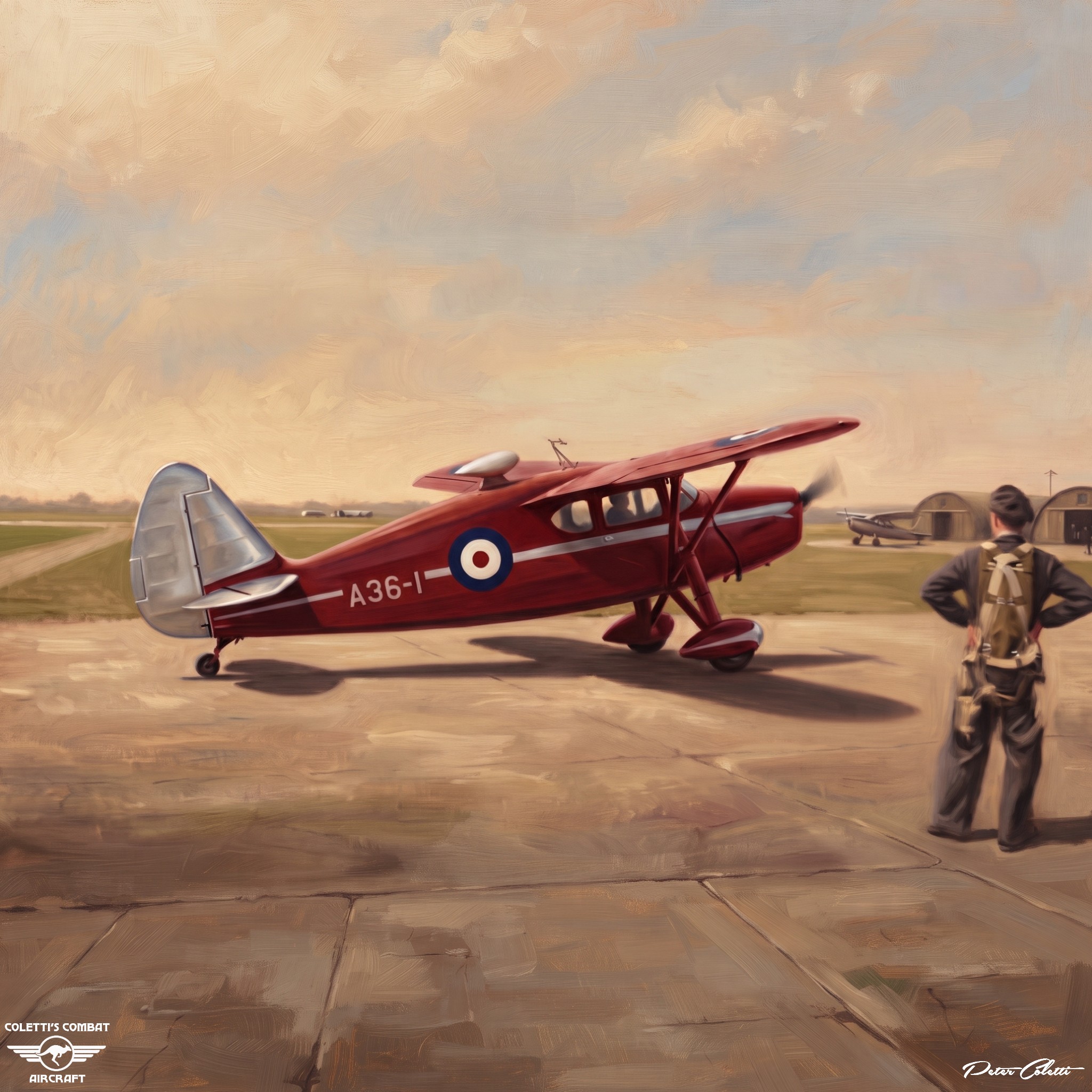
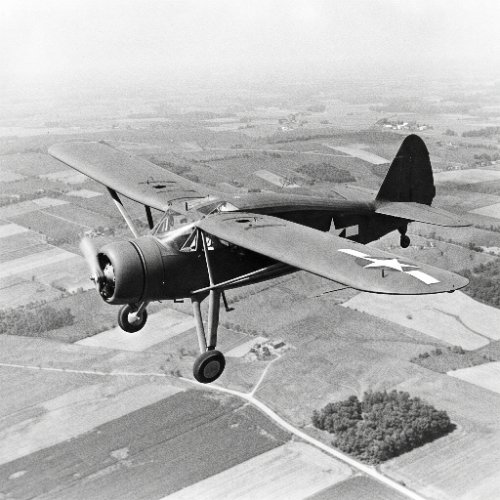
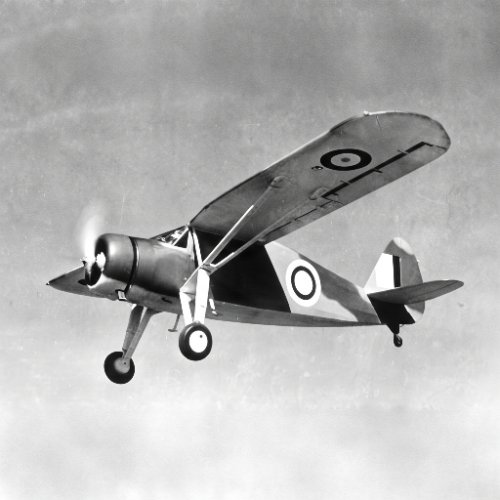
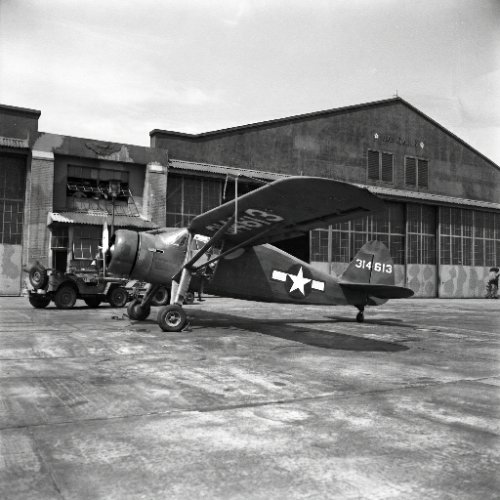
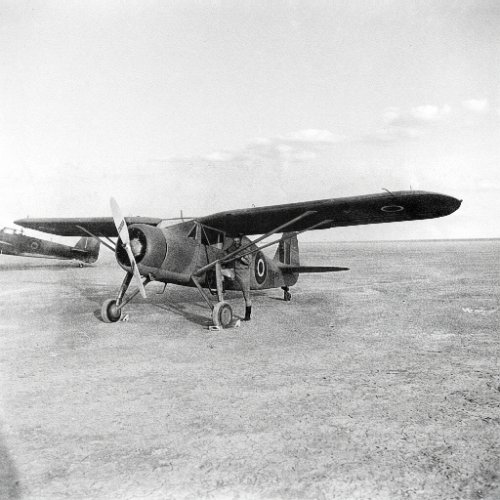
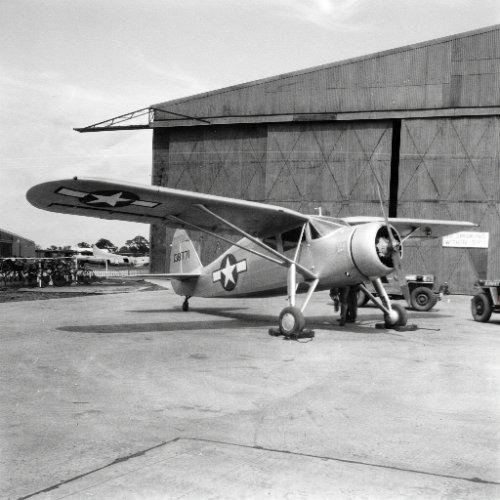
The Fairchild 24 emerged from Fairchild’s effort to survive the economic collapse of the early 1930s.
With airline orders evaporating during the Great Depression, Fairchild redirected its engineering resources towards producing a rugged, affordable personal aircraft.
This pivot followed the modest success of the Fairchild 22, a small sport aircraft that demonstrated a market for reliable private machines.
Fairchild Argus
The design lineage traces back to the Kreider‑Reisner K.R.22, inherited when Fairchild acquired the Kreider‑Reisner Aircraft Company in 1928.
The first enclosed‑cabin derivative, the Model 24‑CB, flew in 1932.
George Hardman’s design team initially envisioned the F‑24 as a two‑seat enclosed cabin aircraft using tooling and aerodynamic data from the F‑22.
Fairchild Argus
The prototype flew at Hagerstown, Maryland, in late 1931.
Rapid refinement followed: the two‑seat layout became three‑place, then four‑place, establishing the configuration that defined the production aircraft.
Fairchild Argus III
Design Philosophy and Construction
The Fairchild 24 was engineered for durability, simplicity, and comfort.
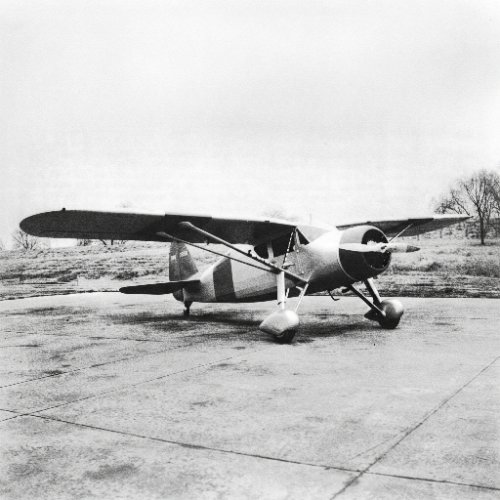
The aircraft’s high‑wing monoplane layout provided stability and excellent visibility, while its cabin was unusually roomy for a light aircraft of the era.
Fairchild Argus
A defining structural feature was its robust undercarriage.
Designed for unimproved grass fields, the landing gear used a vertical oil cylinder and pivoting strut attached to the lower fuselage.
This compact, shock‑absorbing system allowed the aircraft to operate from rough terrain and even accept float installations for water operations.
Fairchild Argus III
Powerplants and Aerodynamic Refinement
The Fairchild 24 was produced with a wide range of engines, reflecting both customer preference and Fairchild’s evolving design goals:
Early radial engines:
Warner 125 hp radial (Model 24C‑8‑B)
Warner 145 hp radial (Model 24C‑8‑C)
Warner Scarab 145 hp and later Warner Super Scarab 165 hp (most common early variants)
Fairchild Argus III
Inline engines:
Menasco Pirate and American Cirrus inline engines in early production
The Ranger 150 hp inline engine was introduced in 1935.
Ranger 165 hp inline engine in later K‑model variants
Fairchild Argus
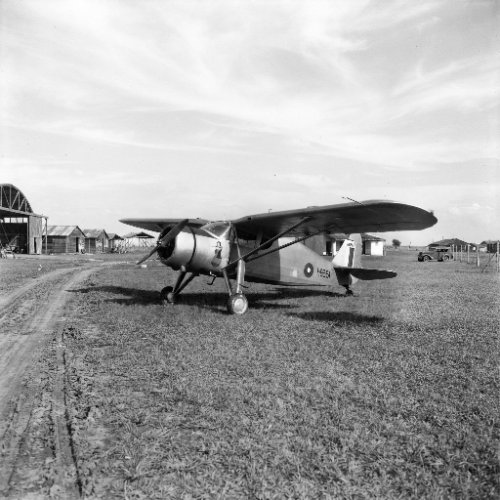
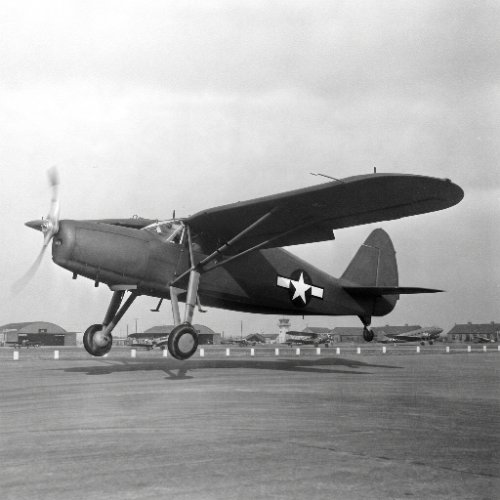
Radial‑powered versions had a blunt cylindrical nose, while inline‑powered UC‑61K and UC‑86 military variants featured a more tapered nose profile.
Major aerodynamic refinements arrived in 1938–1939 with redesigned vertical tail surfaces and hydraulic brakes.
These changes improved handling and brought the aircraft to its peak pre‑war configuration.
Fairchild Argus III
Performance Characteristics
A representative Ranger‑powered Fairchild 24R‑46A offered:
Engine: 1 × Ranger L‑440‑5, 200 hp
Seats: 4
Wingspan: 36 ft 4 in (11.08 m)
Fairchild UC-61K Forwarder
Length: 23 ft 10 in (7.27 m)
Max take-off weight: 2,900 lb (1,300 kg)
Cruise speed: 108 kt (124 mph / 200 km/h)
Range: 404 nm (460 mi / 750 km)
Fairchild GK-1
Ceiling: 12,700 ft (3,900 m)
Rate of climb: 900 ft/min (5 m/s)
These numbers varied across engine types, but they illustrate the aircraft’s capability as a practical touring and utility machine.
Fairchild Argus
Civilian Role and Market Success
From its first flight in 1932 through the end of production in 1948, more than 2,200–2,232 Fairchild 24s were built across all variants.
The aircraft’s reliability, ease of maintenance, and comfortable cabin made it a favourite among private owners, small businesses, and flying schools.
Its ability to operate from rough fields broadened its appeal in rural areas and frontier regions.
Fairchild Argus
Military Adoption and WWII Context
The Fairchild 24 became an important light utility aircraft during World War II, serving in multiple Allied air arms:
United States Army Air Forces (USAAF)
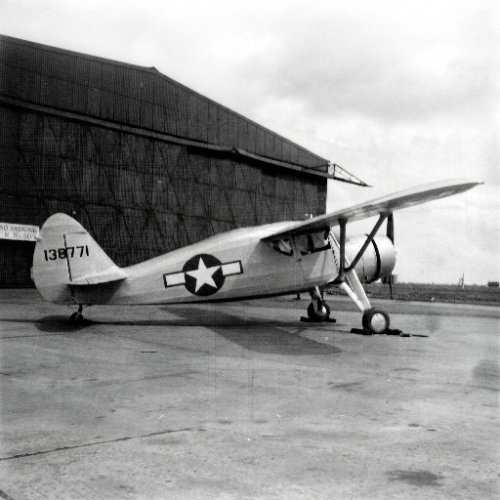
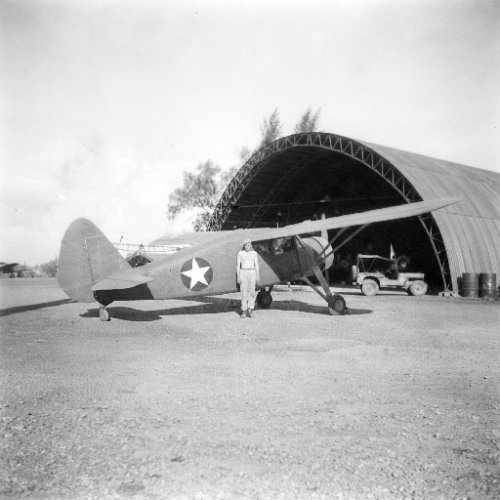
Designated UC‑61 Forwarder, the aircraft performed liaison, personnel transport, and light cargo duties.
Its short‑field performance and reliability made it ideal for dispersed operations.
Fairchild Argus
United States Navy
The Navy operated variants designated GK‑1 and J2K, primarily for instrument training.
Royal Air Force (RAF)
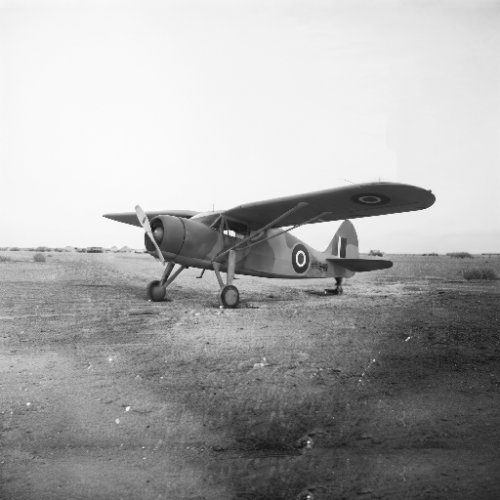
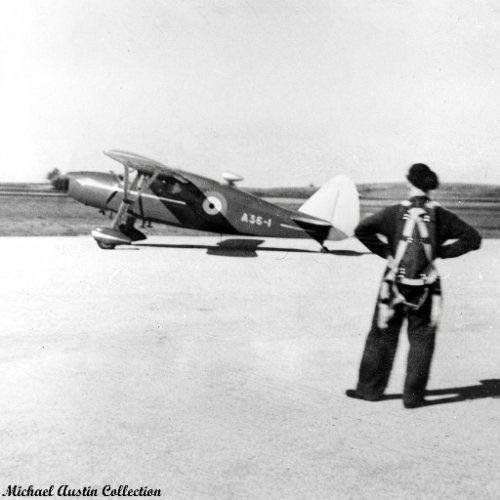
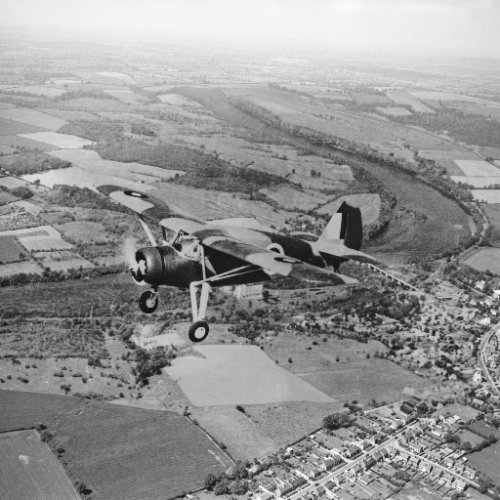
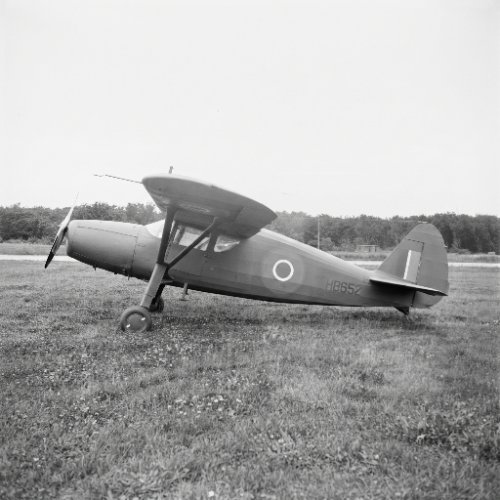
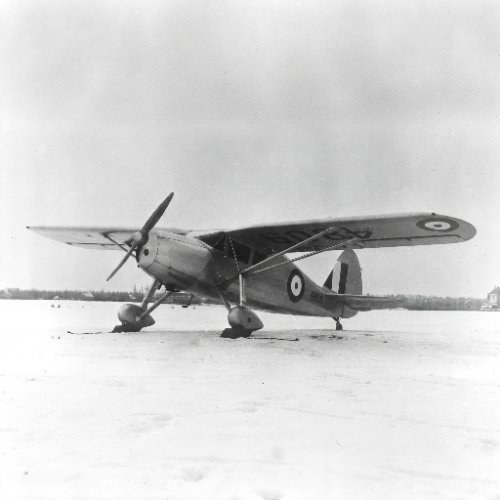
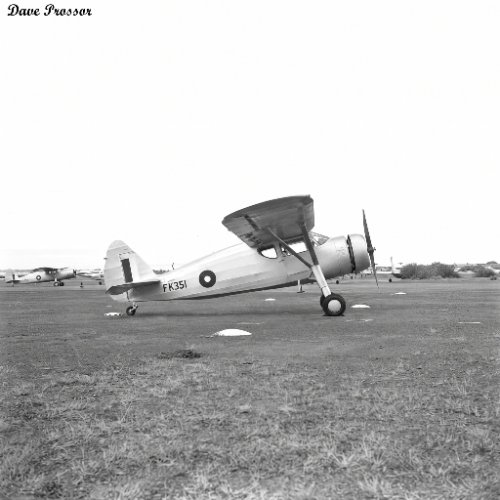
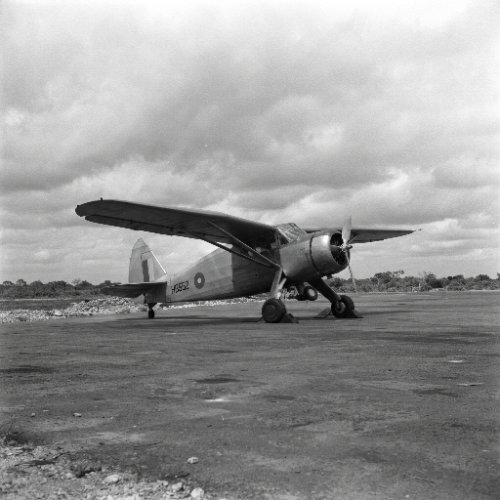
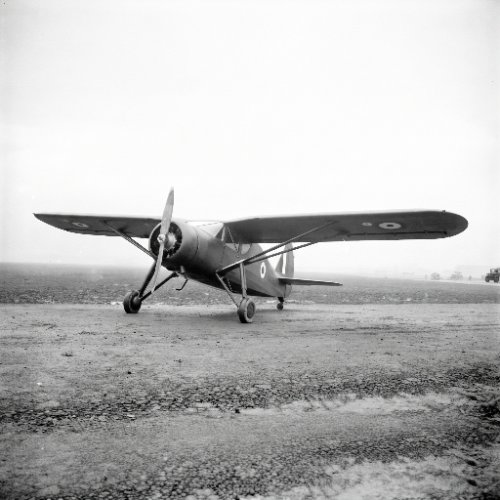
Under Lend‑Lease, the RAF received aircraft designated Argus I, II, and III, using them for communications, training, and general utility roles.
U.S. Civil Air Patrol (CAP)
In 1942, CAP armed some UC‑61s with two 100‑lb bombs for anti‑submarine patrols along the U.S. East Coast—an unusual combat role for a light civilian aircraft.
Fairchild Argus
Variants Overview
The Fairchild 24 family included numerous sub‑types distinguished by engine choice, equipment, and structural refinements:
C‑series: Early radial‑powered civilian models (Warner engines).
W‑series: Upgraded Warner Super Scarab radial engines (165 hp).
K and J models (1938–1939): Featured redesigned tail surfaces and hydraulic brakes.
UC‑61 / UC‑86: USAAF liaison and utility variants.
Argus I–III: RAF Lend‑Lease versions.
GK‑1 / J2K: U.S. Navy training variants.
Fairchild Argus
Production, Legacy, and Post‑War Fate
Fairchild produced the Model 24 continuously from 1932 to 1946, after which production rights were sold to Texas Engineering & Manufacturing Company (TEMCO), which continued building the aircraft until 1948.
The aircraft’s longevity owed much to its rugged construction and forgiving flight characteristics.
Fairchild Argus
Many examples remain airworthy today, prized by vintage aircraft enthusiasts for their classic lines and dependable performance.
Fairchild itself transitioned after the war into military jet and helicopter production, eventually becoming Fairchild Republic before its absorption into Northrop Grumman in 1987.
Fairchild Argus
Summary
The Fairchild 24 stands as one of the most successful American light aircraft of the 1930s and 1940s.
Conceived during economic hardship, it evolved into a versatile, durable, and widely adopted machine serving both civilian and military roles.
Its broad engine options, robust landing gear, comfortable cabin, and reliable performance ensured a production run spanning sixteen years and a legacy that continues in vintage aviation circles.