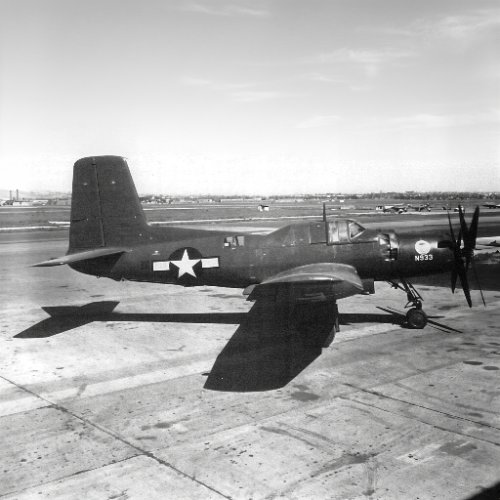
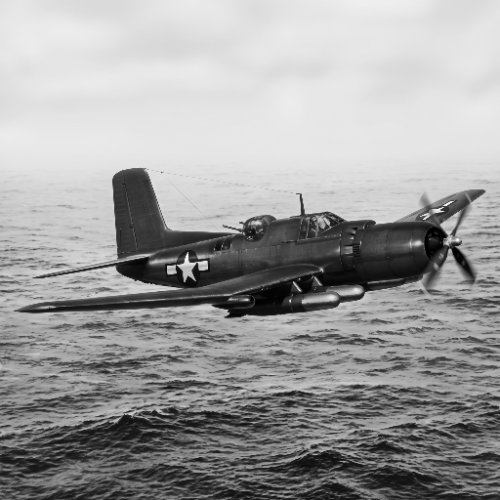
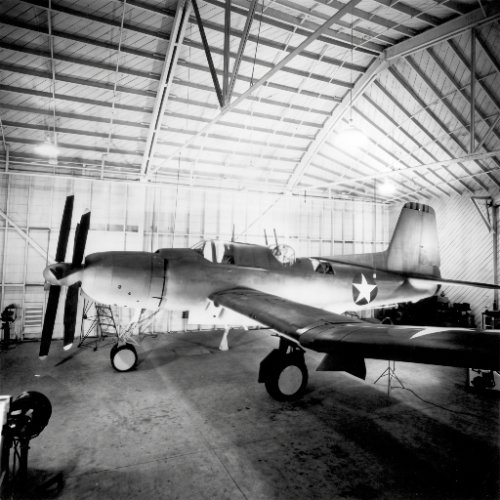
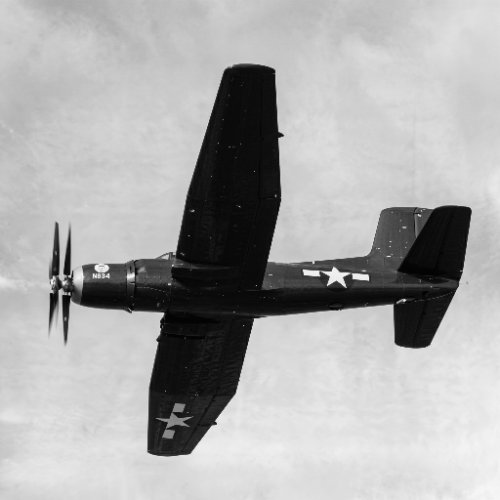
In late 1941, the United States Navy foresaw the need for an advanced, long-range carrier-borne torpedo and dive bomber capable of striking targets across vast Pacific distances.
Anticipating the construction of the large 45,000-ton Midway-class aircraft carriers (CVB-41), the Navy issued requirements for an aircraft substantially heavier and more capable than the Grumman TBF Avenger.
Douglas Aircraft Company, led by Chief Engineer Ed Heinemann, proposed the Model D-422.
On October 31, 1943, the US Navy contracted Douglas to build two prototypes designated XTB2D-1 Skypirate (BuNos 36933 and 36934).
However, as Pacific carrier warfare evolved rapidly through 1944, naval doctrine pivoted away from specialised multi-crew torpedo bombers towards single-seat multirole strike aircraft (such as Douglas’s own XBT2D Destroyer II, which later became the AD/A-1 Skyraider).
The advent of these smaller, agile single-seat attack aircraft, combined with delays in the Midway-class construction, diminished the operational necessity for the oversized Skypirate.
Design & Engineering
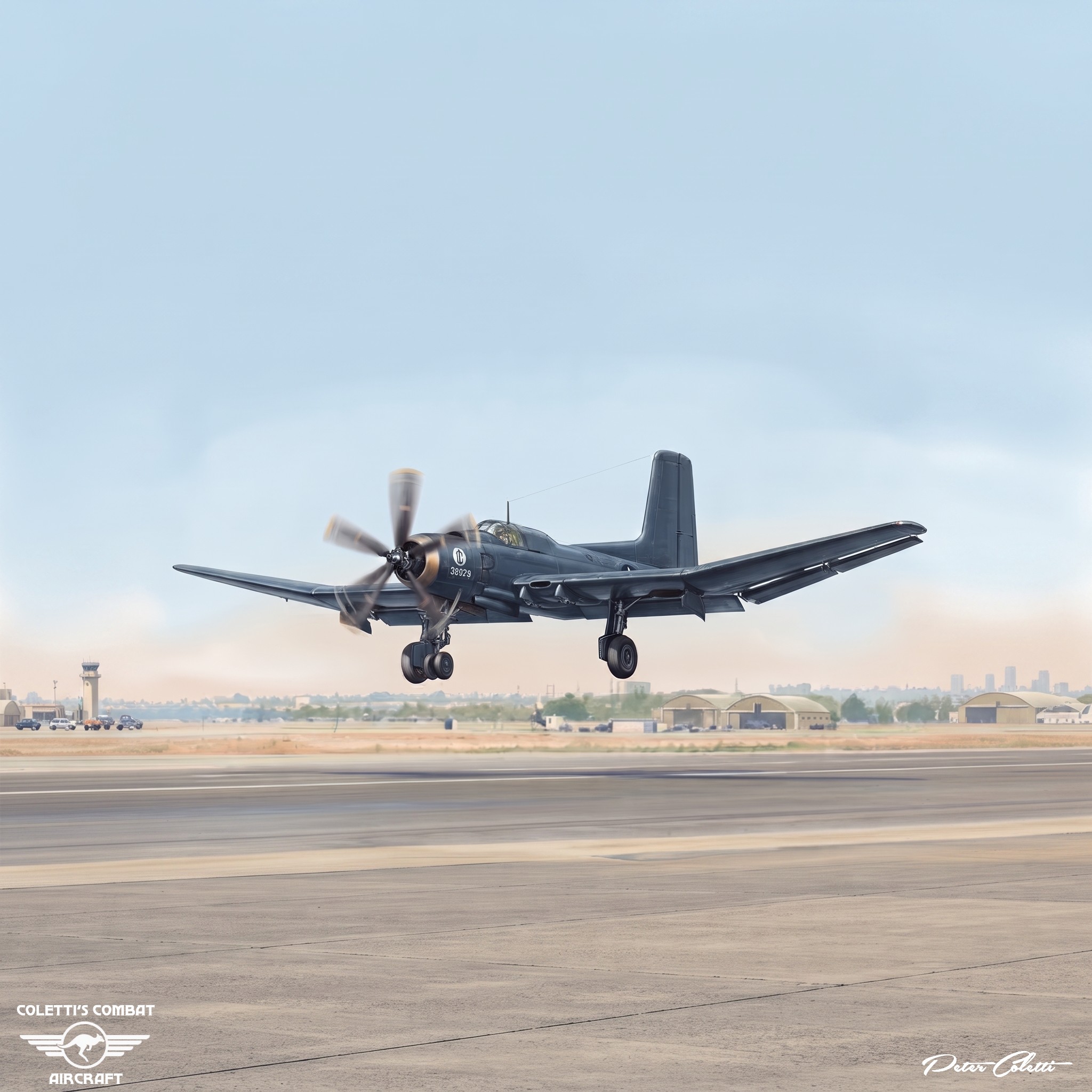
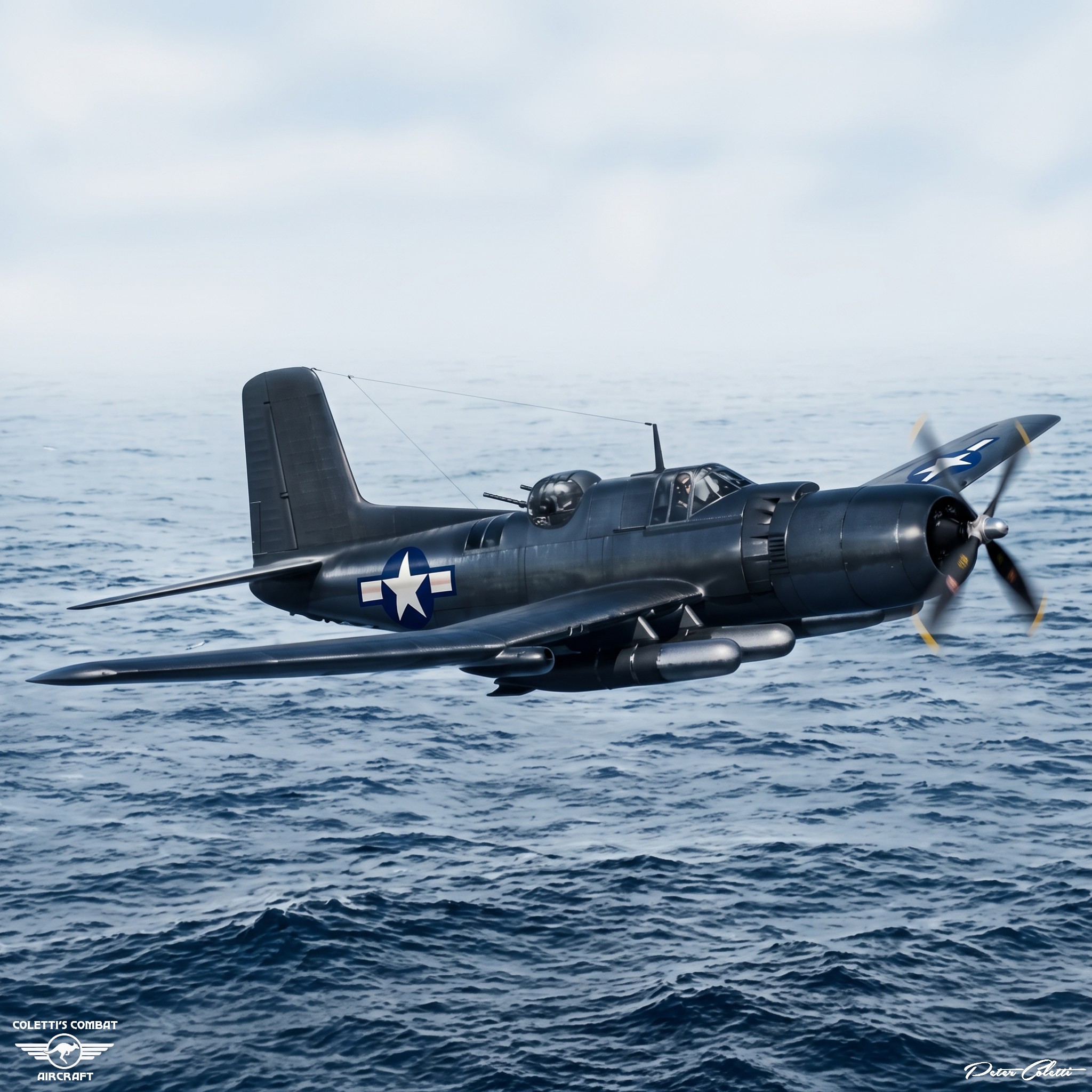
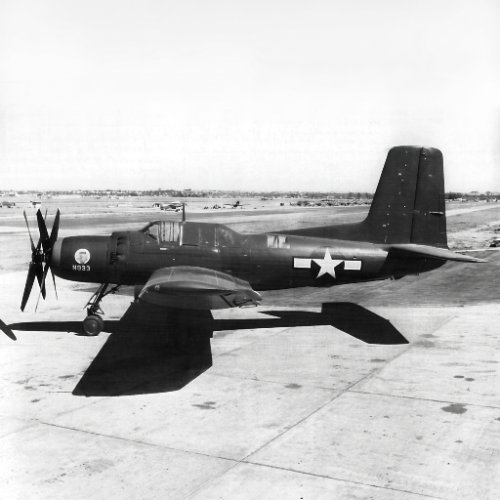
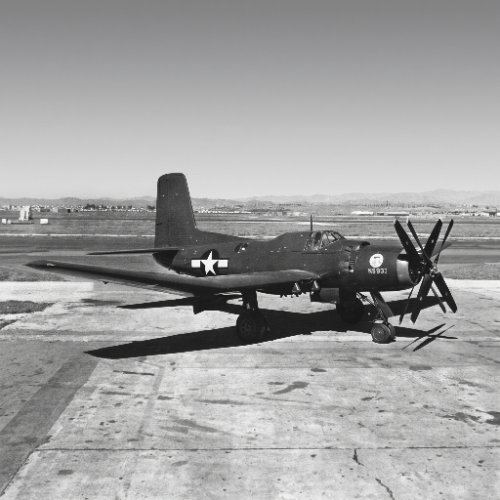
The XTB2D Skypirate was the largest single-engine carrier aircraft ever built during World War II:
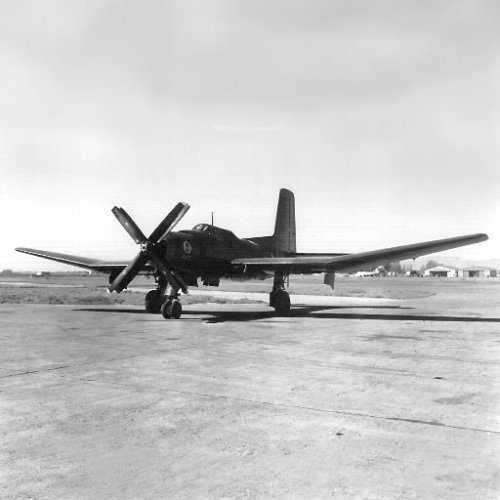
Powerplant: Powered by a massive 28-cylinder, 3,000 hp Pratt & Whitney R-4360-8 Wasp Major radial engine driving two three-bladed, contra-rotating Hamilton Standard propellers to eliminate propeller torque on carrier takeoffs.
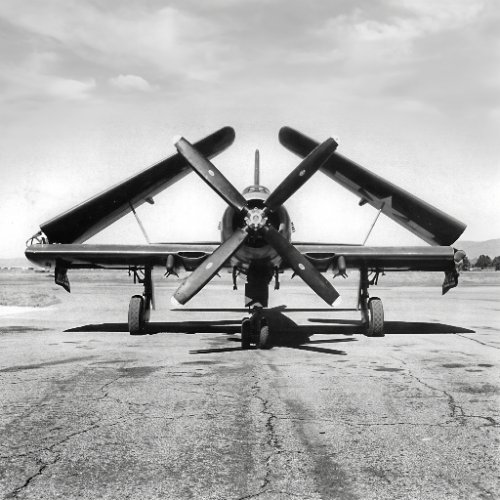
Airframe & Undercarriage: Built as an all-metal cantilever low-wing monoplane featuring wide tricycle landing gear, an upward-folding wing mechanism to accommodate carrier hangars, and a crew of three (pilot, co-pilot/navigator/bombardier, and rear gunner).
Armament & Payload: Capable of lifting up to 8,000 lb of ordnance—equal to four full-sized aerial torpedoes (two internally and two semi-recessed externally) or an equivalent load of bombs or depth charges.
Defensive armament consisted of forward-firing wing-mounted .50 calibre (12.7 mm) machine guns and a remotely operated dorsal power turret.
Flight Testing & Performance
The first prototype completed its maiden flight on March 13, 1945.
While testing showed good handling qualities and tremendous load-carrying capability, several engine cooling and flight system teething issues emerged:
Maximum Speed: 340 mph (547 km/h) at 15,600 ft
Cruising Speed: 168 mph (270 km/h)
Combat Range: ~1,250 miles (2,012 km) with combat load; maximum ferry range up to 2,880 miles (4,635 km)
Service Ceiling: 24,500 ft (7,468 m)
Gross Weight: ~34,760 lb (15,767 kg) loaded
Variants & Legacy
XTB2D-1: The only built variant, consisting of two prototypes.
The second prototype flew in mid-1945.
TB2D-1 (Production): An initial planned production order of 23 service-test aircraft was cancelled in mid-1945 before fabrication began.
Following the end of hostilities in August 1945, flight trials were formally halted.
Both prototypes were relegated to static testing before being scrapped in 1948.
While never fielded in combat, the Skypirate’s structural and aerodynamic lessons directly informed Heinemann’s subsequent single-seat attack designs.