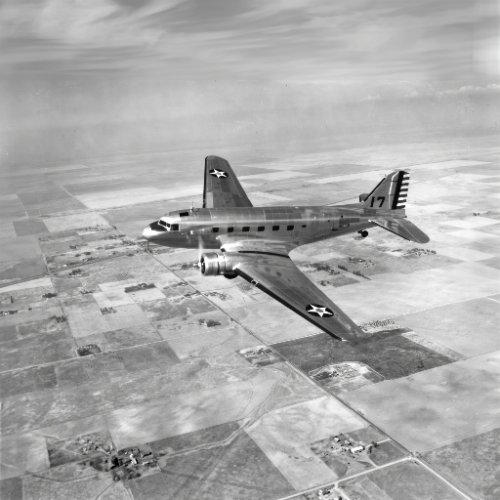
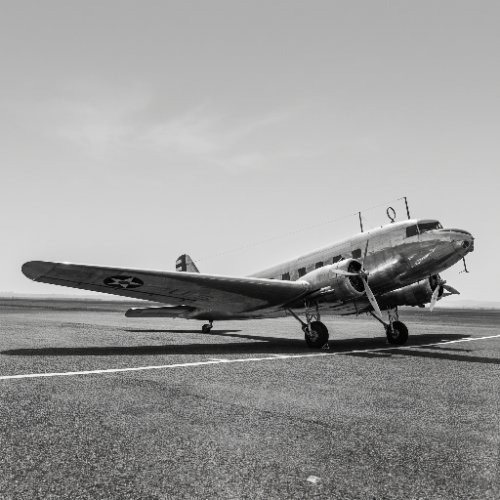
The Douglas DC‑2 emerged from a pivotal moment in early 1930s aviation, when the U.S. airline industry was transitioning from wood‑and‑fabric trimotors to modern, all‑metal monoplanes.
Concerns about the structural safety of wooden aircraft pushed manufacturers towards metal construction, and United Airlines’ exclusive access to the Boeing 247—a fast, all‑metal twin‑engine airliner—left rival Transcontinental & Western Air (TWA) seeking a competitive alternative.
TWA issued a specification for an all‑metal trimotor, but Douglas Aircraft Company responded with a more advanced concept: a twin‑engine, low‑wing monoplane that would surpass the Boeing 247 in speed, comfort, and reliability.
Douglas first produced the DC‑1, a 12‑seat prototype that flew on July 1, 1933, featuring a tapered wing, retractable landing gear, and two Wright radial engines.
Although only one DC‑1 was built, it proved the viability of Douglas’s design philosophy and set the stage for a refined production model.
Douglas DC-2
Development of the DC‑2
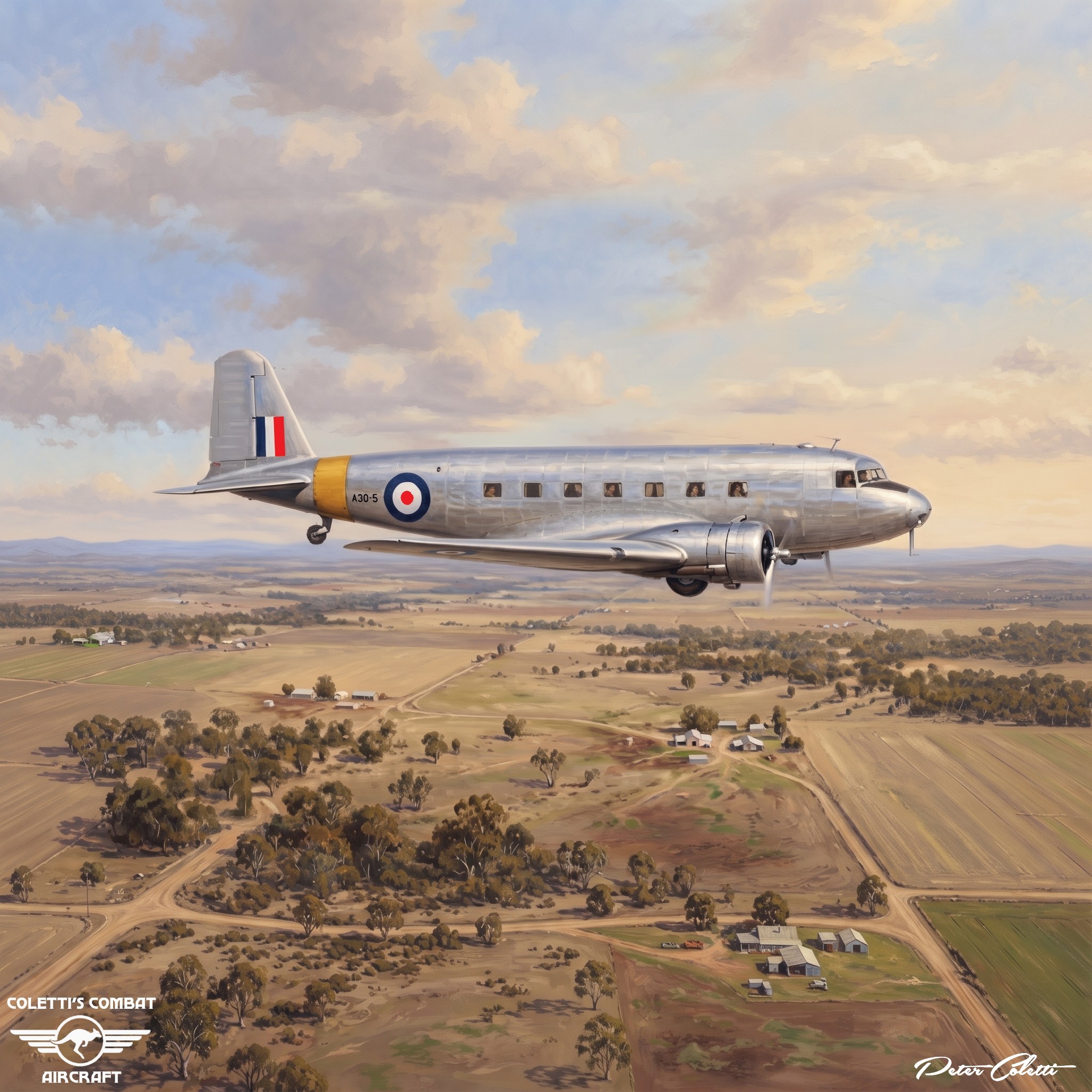
The DC‑2 was a direct evolution of the DC‑1, incorporating a lengthened fuselage, more powerful engines, and increased seating capacity.
Douglas test pilot Carl Cover flew the first DC‑2 on May 11, 1934, marking the beginning of a new era in commercial aviation.
TWA became the launch customer, ordering twenty aircraft.
The DC‑2 quickly attracted international interest, with European airlines such as KLM, LOT, Swissair, CLS, and LAPE purchasing aircraft through Fokker, which held a production license but did not manufacture the type itself.
Douglas built the aircraft in the United States, shipped them to Europe with wings and propellers removed, and Fokker reassembled them at arrival airfields.
Production ran from 1934 to 1939, with 192 aircraft built, including licensed production by Nakajima in Japan, which manufactured five aircraft and assembled at least one Douglas‑built example.
Douglas DC-2
Design Characteristics
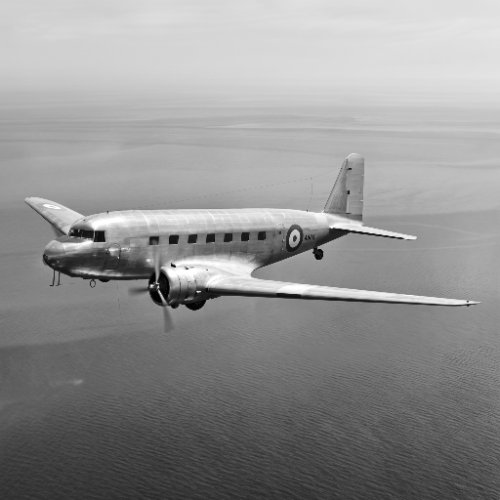
The DC‑2 was a twin‑engine, low‑wing, all‑metal monoplane, representing a major technological leap over earlier airliners.
Key design features included:
Construction: All‑metal stressed‑skin structure, improving durability and safety.
Wing: Tapered low wing with advanced aerodynamics for the era.
Landing gear: Fully retractable main gear, reducing drag and improving cruise efficiency.
Engines: Typically powered by two Wright R‑1820 Cyclone radial engines producing around 710 hp each.
Cabin: A 66‑inch‑wide cabin seating 14 passengers, offering improved comfort and reliability compared to earlier designs.
The DC‑2’s clean aerodynamic design and metal construction made it faster, stronger, and more reliable than its competitors, demonstrating that twin‑engine transports could safely operate long‑distance passenger routes.
Douglas C-39
Performance
Typical performance figures for the DC‑2 included:
Maximum speed: Approximately 210 mph (338 km/h).
Range: Around 1,000 miles (1,600 km).
Engines: Two Wright R‑1820 radial engines, ~710 hp each.
Crew: Usually two pilots, with cabin crew depending on airline service.
Passenger capacity: 14 passengers.
These capabilities made the DC‑2 one of the fastest and most efficient airliners of its time, enabling airlines to offer reliable transcontinental and international service.
Douglas C-32
Operational History
Although overshadowed by its successor, the DC‑3, the DC‑2 played a crucial role in proving that modern air travel could be safe, comfortable, and commercially viable.
One of the DC‑2’s most famous achievements came during the 1934 MacRobertson Air Race from London to Melbourne.
KLM’s DC‑2 PH‑AJU “Uiver” finished second overall—behind only a purpose‑built racer—and won the handicap division, demonstrating the aircraft’s speed, reliability, and endurance over more than 11,000 miles.
Major civilian operators included:
TWA (first customer)
Pan American Airways
KLM Royal Dutch Airlines
Swissair
LOT Polish Airlines
Variants and Military Use
The DC‑2’s success led to several military adaptations, especially as global tensions rose in the late 1930s.
U.S. Army Air Forces Variants
The U.S. military operated 62 DC‑2‑based aircraft, designated under several transport categories:
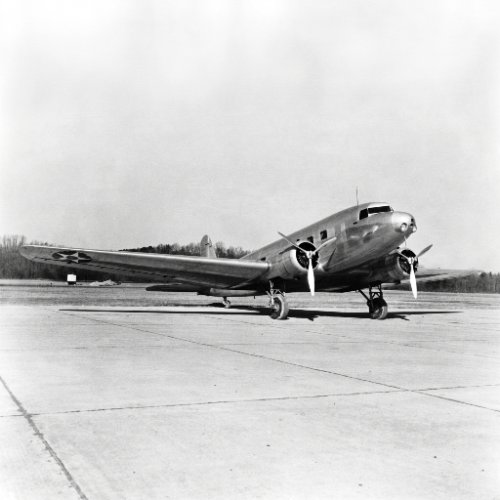
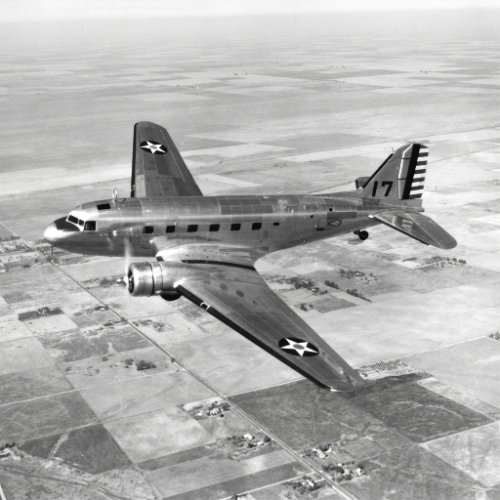
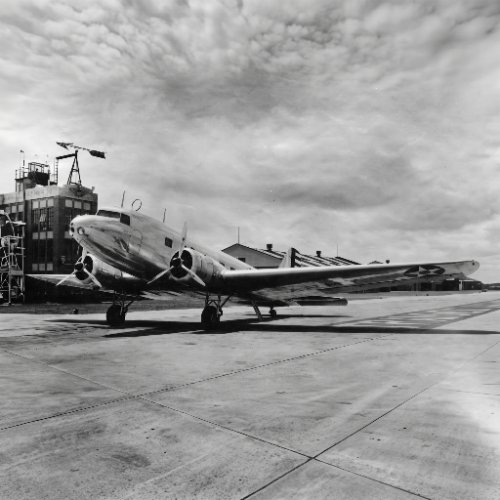
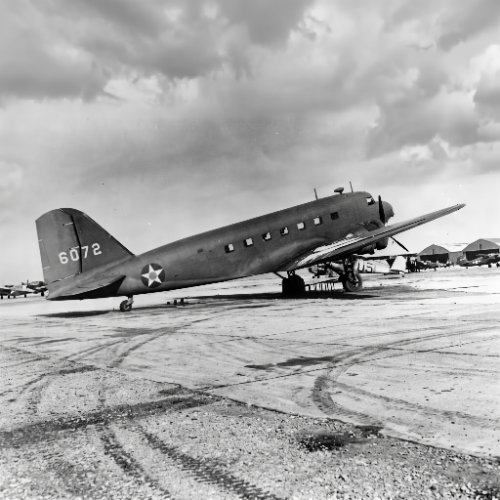
C‑32A: Unmodified DC‑2s used for personnel transport.
C‑33: Cargo‑focused variant with a large cargo door and structural modifications.
C‑34: VIP and staff transport aircraft.
These variants provided troop movement, cargo hauling, and liaison duties.
Douglas C-33
International Military Operators
DC‑2s also served with Allied forces in:
The United Kingdom
The Netherlands
Poland
These aircraft performed transport, communications, and training roles during the war.
Douglas C-39
World War II Context
By the outbreak of World War II, the DC‑2 was already being eclipsed by the more capable DC‑3, but it remained in service in several countries.
Its military variants supported wartime logistics, while civilian DC‑2s in Europe were pressed into military or government service as needed.
The DC‑2’s robust construction and reliable performance made it suitable for wartime transport duties, though its smaller size and lower payload compared to the DC‑3 limited its strategic impact.
Nevertheless, it contributed to early‑war mobility and served as an important transitional aircraft in the evolution of military air transport.
Douglas YC-34
Legacy
The Douglas DC‑2 occupies a key place in aviation history as the aircraft that proved the viability of modern, all‑metal, twin‑engine airliners.
It bridged the gap between experimental early transports and the mass‑produced DC‑3, which would revolutionise global aviation.
Its legacy includes:
Establishing standards for speed, comfort, and reliability in commercial aviation.
Demonstrating long‑range capability in high‑profile events like the MacRobertson Air Race.
Providing a foundation for military transport aircraft during World War II.
Influencing the design of the DC‑3, one of the most successful aircraft ever built.
The DC‑2 may not be as famous as its successor, but it was the aircraft that proved modern air travel was ready for the world.