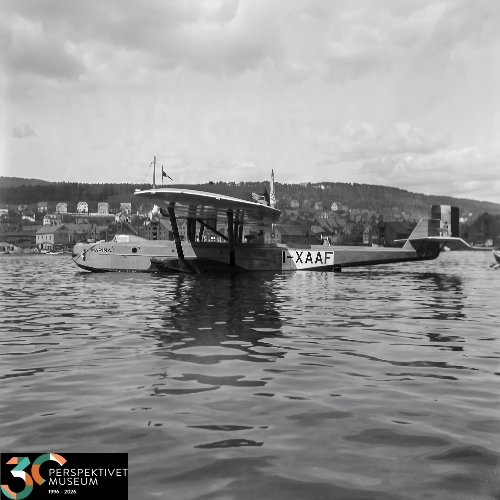
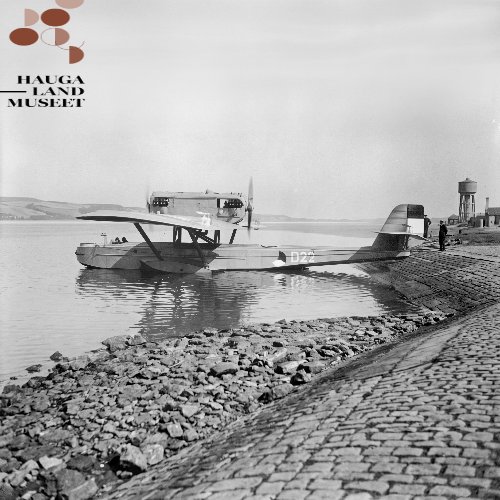
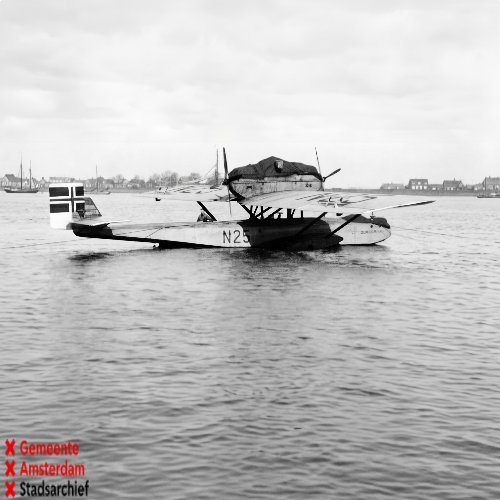
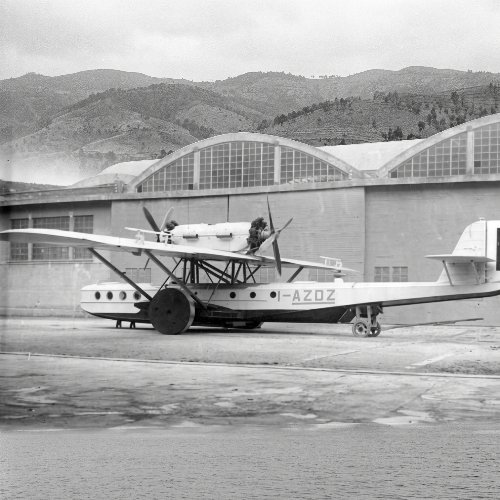
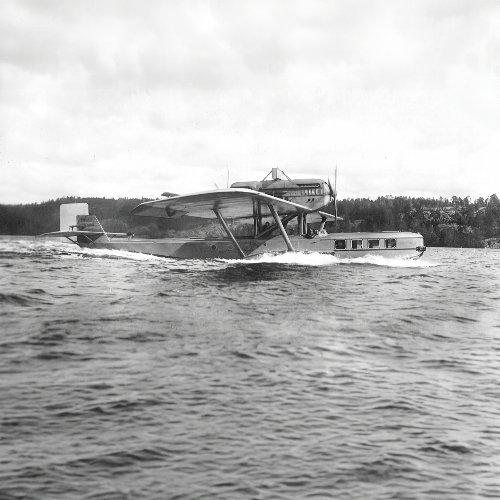
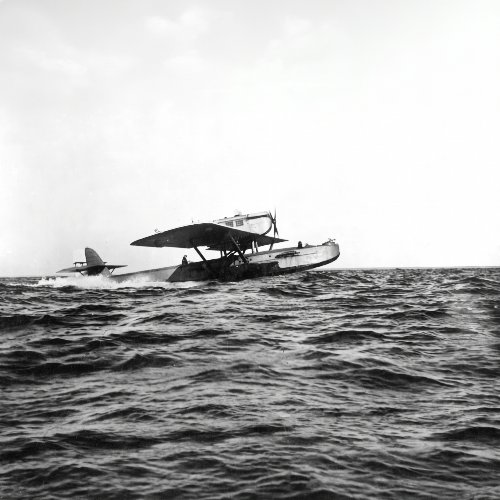
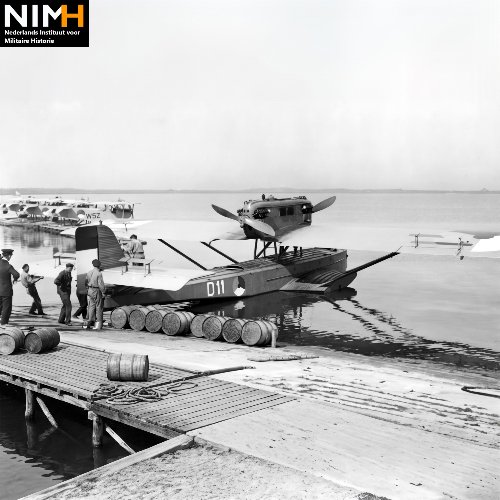
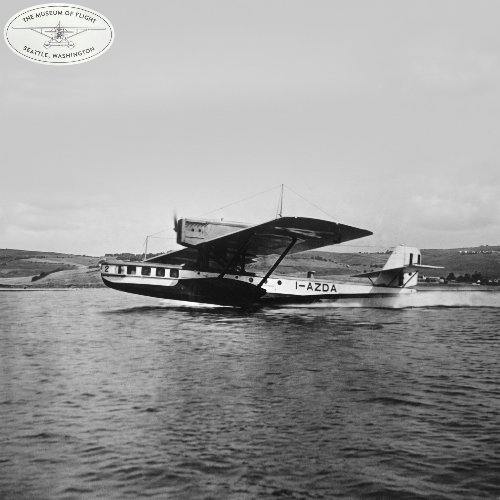
The Dornier Do J Wal (“Whale”) was a twin‑engined, all‑metal flying boat of the early 1920s, designed by Dornier Flugzeugwerke.
It became one of the most important and widely used flying boats of the interwar period, serving in civil, military, exploratory, and colonial roles across more than a dozen countries.
First flown on 6 November 1922 and introduced in 1923, over 250 aircraft were built in numerous variants, with production and license manufacture continuing into the mid‑1930s.
Development
Post‑Versailles Constraints and Origins
After World War I, Germany faced strict aviation restrictions under the Treaty of Versailles, which heavily constrained domestic aircraft production.
Dornier responded by shifting much of his work abroad, using foreign facilities to continue development.
The Do J Wal evolved from earlier Dornier seaplane prototypes, notably the Dornier Gs I, which had already demonstrated the advantages of high‑mounted engines and tail surfaces to keep critical components clear of sea spray.
The Wal’s prototype flew on 6 November 1922, but most early production up to about 1932 took place in Italy and other countries rather than Germany, due to these restrictions.
Dornier began producing the Wal in Germany only around 1931, with production continuing until about 1936.
International Production and Licensing
Because of the political climate, the Wal was manufactured or assembled in five countries, including Germany, Italy, Spain, and the Netherlands, with licensed production in several of them.
Major military users such as Spain and the Netherlands built their own versions under license, while other nations—including Argentina, Chile, Yugoslavia, the Soviet Union, Norway, Portugal, Uruguay, Japan, and Italy—acquired aircraft directly or via license.
This distributed production helped the Wal become a truly international aircraft, used for colonial patrol, transport, exploration, and scheduled airline services.
Design and Engineering
Airframe and Hull
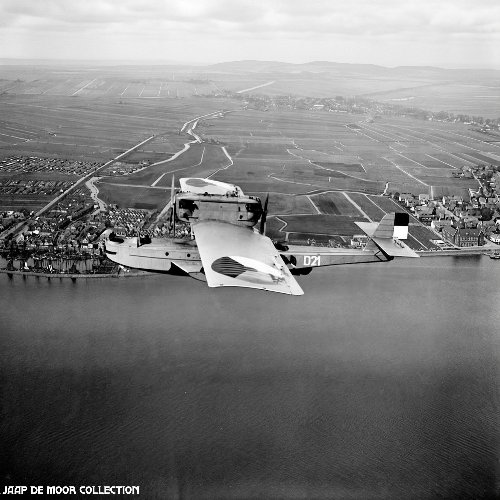
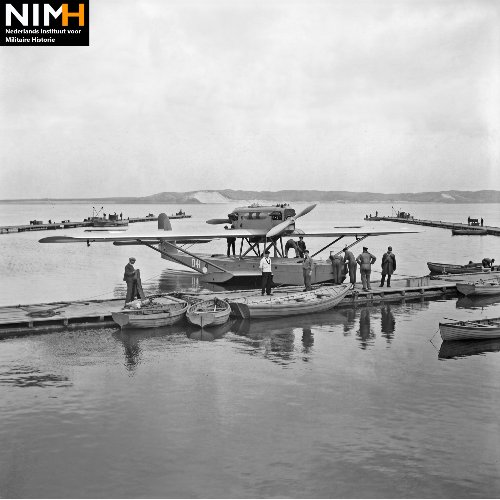
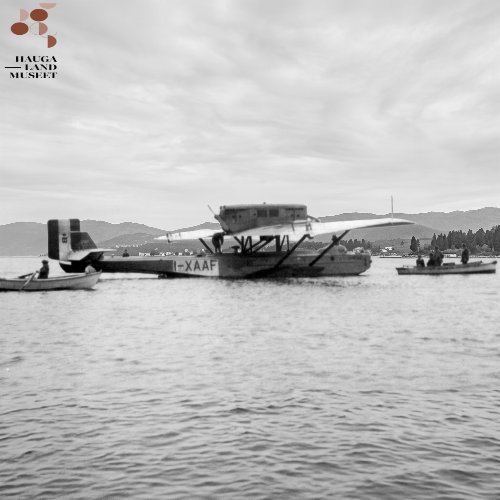
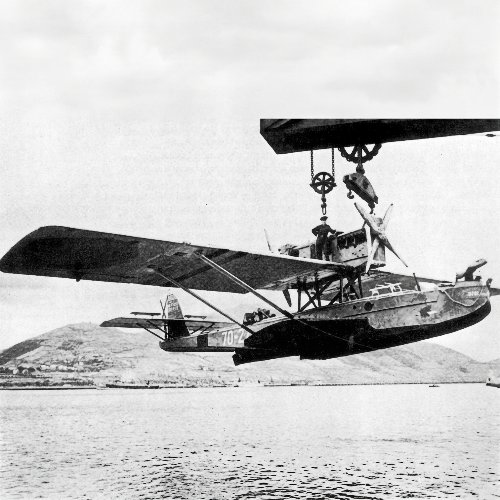
The Do J Wal was an all‑metal flying boat with a high‑mounted, strut‑braced parasol wing.
The hull incorporated stabilizing sponsons on each side—an innovation patented by Claude Dornier and first proven on the Zeppelin‑Lindau Rs.IV flying boat late in WWI.
These sponsons provided lateral stability on the water and allowed a relatively narrow hull, improving hydrodynamic and aerodynamic efficiency.
The hull typically featured a two‑step bottom to aid in breaking free from the water during takeoff, and the tail unit was mounted high to keep it clear of spray.
This arrangement became a hallmark of later Dornier flying boats.
Wing and Engine Arrangement
The Wal’s most distinctive feature was its twin‑engine push‑pull configuration:
Two piston engines were mounted in tandem in a central nacelle above the wing.
The forward engine drove a tractor propeller.
The rear engine drove a pusher propeller.
This layout reduced asymmetric thrust issues compared to wing‑mounted engines and kept the engines high above the water, improving reliability and safety in rough seas.
Crew and Cabin Layout
Two main structural concepts existed:
Military version (Militärwal):
Crew of 2–4 in an open cockpit near the nose.
One machine‑gun position in the bow ahead of the cockpit.
One or two additional gun positions amidships.
Civil version (Kabinenwal / Verkehrswal):
Enclosed cabin in the nose for up to 10–12 passengers.
Open cockpit moved further aft.
This flexible layout allowed the Wal to be configured for passenger transport, mail carriage, reconnaissance, or patrol.
Performance and Technical Characteristics
Because the Wal was produced in many variants with different engines, performance figures varied.
Typical specifications for early and mid‑series aircraft were:
Wingspan: about 21–22 m
Length: around 15–17 m
Maximum takeoff weight: roughly 7,000–10,000 kg depending on version.
Engines
The Wal used a wide range of engines over its production life:
Early aircraft: Rolls‑Royce Eagle IX (about 265 kW / 355 hp each).
Later variants: engines from Hispano‑Suiza, Napier Lion, Lorraine‑Dietrich, BMW VI, and even the Liberty V‑12.
This adaptability made the Wal attractive to operators with different engine preferences and supply chains.
Performance
Typical performance for representative variants:
Top speed: about 170–185 km/h (roughly 105–115 mph).
Range: from 800 km for early versions up to 3,600 km for long‑range mail aircraft.
Service ceiling: around 3,500–4,250 m depending on configuration.
A notable long‑range version used by Deutsche Luft Hansa for South Atlantic mail service (mid‑1930s) had a range of about 3,600 km and a ceiling of 3,500 m, illustrating the Wal’s capability for oceanic routes.
Variants
The Wal family encompassed numerous civil and military variants—around 30 versions in total.
Civil Variants
Civil Wals (Kabinenwal / Verkehrswal) were configured for:
Passenger transport (up to 10–12 passengers).
Mail and cargo on scheduled routes.
Long‑distance exploration and survey flights.
Operators included:
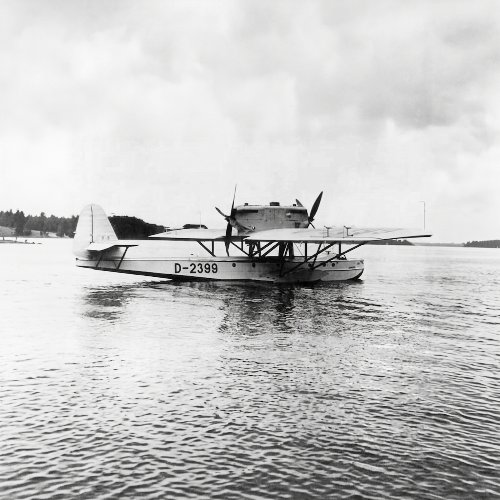
Deutsche Luft Hansa and Aero Lloyd (Germany).
SANA and Aero Espresso (Italy).
SCADTA (Colombia).
Syndicato Condor (Brazil).
Nihon Koku Yuso Kaisha (Japan).
Military and Export Variants
Military Wals (Militärwal) were used for:
Maritime reconnaissance and patrol.
Colonial policing and transport.
Occasional combat roles in regional conflicts.
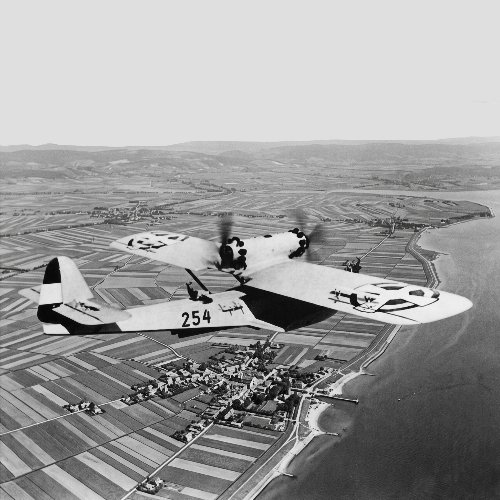
Key military operators included Spain, the Netherlands, Italy, Germany, Norway, Portugal, Uruguay, Argentina, Chile, Yugoslavia, the Soviet Union, and Japan.
In German service, later military Wals were designated Dornier Do 16 under the Reich Air Ministry’s 1933 designation system, and some remained in use into the late 1930s and early WWII period.
Operational History and Notable Flights
Civil and Commercial Operations
The Wal became a workhorse for interwar airlines:
Used on scheduled passenger and mail routes in Europe, South America, and Asia.
Played a central role in South Atlantic mail services from 1934 to 1938, operated by Deutsche Luft Hansa.
Its robust construction and long range made it ideal for pioneering over‑water routes where infrastructure was minimal.
Military Service and Regional Conflicts
Military Wals saw service in several regional conflicts and colonial theatres:
The Colombian Air Force used Wals during the Colombia–Peru War (1932–1933).
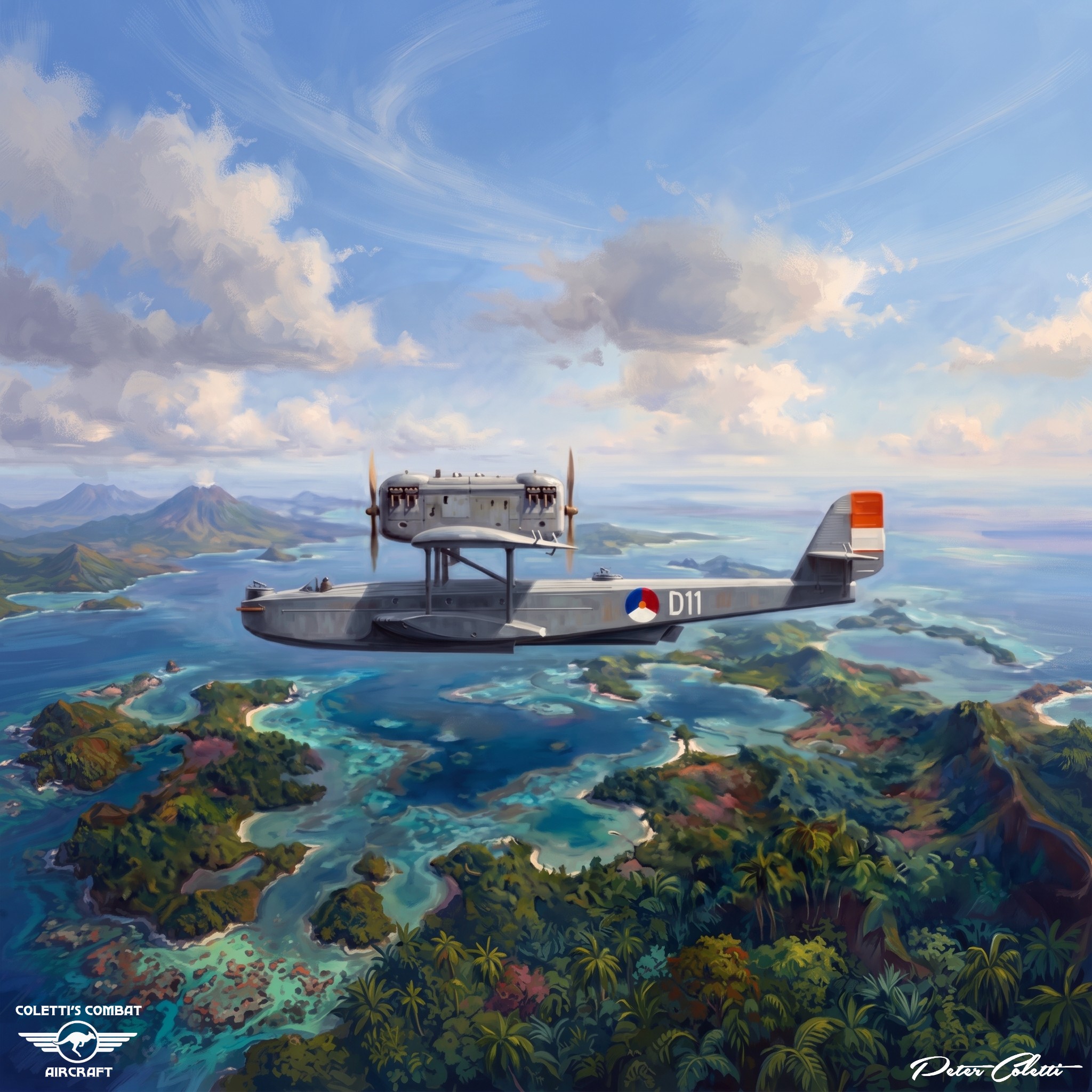
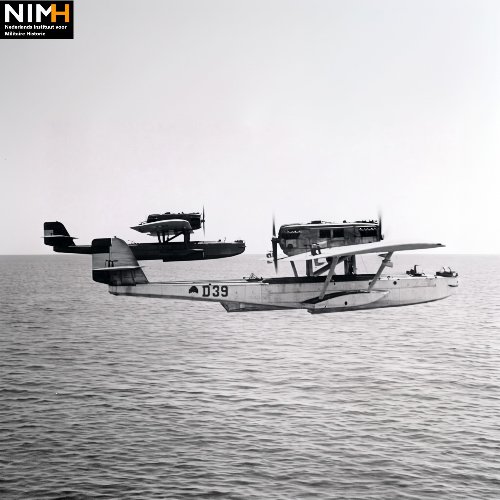
Spanish and Dutch Wals patrolled colonial waters and supported maritime operations.
Many remained in front‑line or secondary roles into the late 1930s, and some in colonial or peripheral services survived into the 1940s and even early 1950s.
Pioneering and Exploratory Flights
The Wal gained fame through several high‑profile long‑distance and polar flights:
“Plus Ultra” (Spanish Wal): In 1926, Spanish aviator Ramón Franco flew a Wal named Plus Ultra across the South Atlantic, from Spain to South America, demonstrating the aircraft’s oceanic capability.
Wolfgang von Gronau’s flights: In 1930, von Gronau flew a Wal from Reykjavik to New York via Greenland, completing the first northern great‑circle transatlantic route by flying boat.
He later used Wals for Arctic route experiments in 1931–1932.
Polar ventures: Wals supported polar exploration, including Roald Amundsen’s 1925 North Pole attempt with aircraft such as the N25, highlighting their role in extreme environments.
These flights cemented the Wal’s reputation as a rugged, long‑range platform capable of operating far beyond established air routes.
World War II Context
By the outbreak of World War II, the Do J Wal was largely an aging design, superseded by newer flying boats and landplanes.
However: Some Wals and their derivative Do 16 variants remained in Luftwaffe service in secondary roles (reconnaissance, training, or utility) into the early war years.
In colonial and smaller air forces (e.g., Netherlands East Indies), Wals continued to operate until around 1942, when Japanese expansion and modern aircraft rendered them obsolete or destroyed them in combat.
The Wal thus bridged the gap between WWI‑era seaplanes and the more advanced flying boats of WWII, but by the mid‑war period it was no longer a front‑line type.
Legacy
The Dornier Do J Wal stands as one of the most influential flying boats of the interwar era:
It pioneered all‑metal hulls with sponsons and high‑mounted push‑pull engines, shaping later Dornier designs.
It enabled long‑distance airline routes, polar exploration, and transoceanic mail services.
It served in both civil and military roles across at least 16 countries, with some aircraft remaining in use into the 1950s.